
Decking (boards & deck surfaces)
Discover our selection of 36 references in Decking (boards & deck surfaces) . In just a few clicks, contact wood industry experts directly and get personalized advice for your project.












36 of 36 products
What is a Wood Deck?
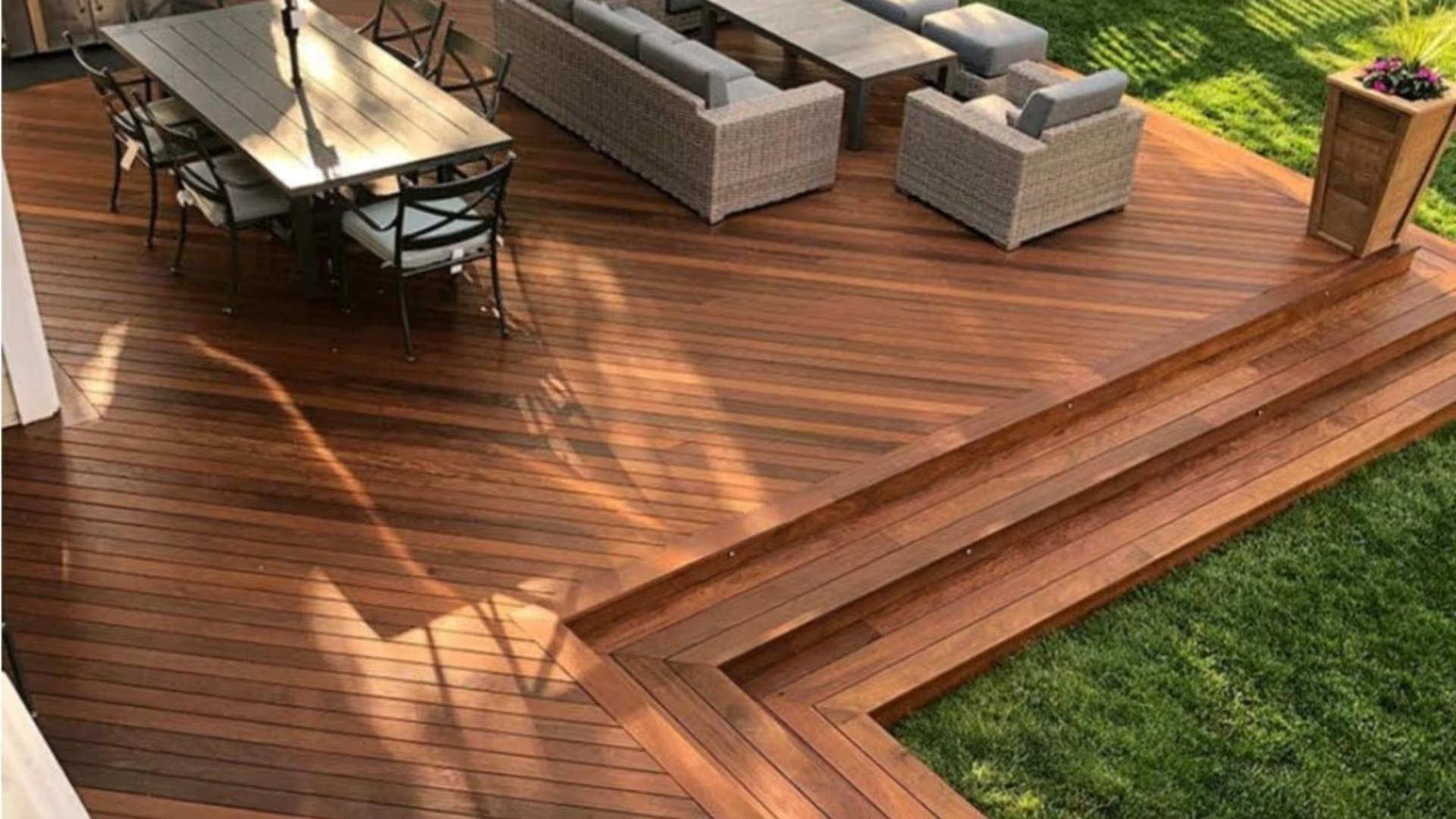
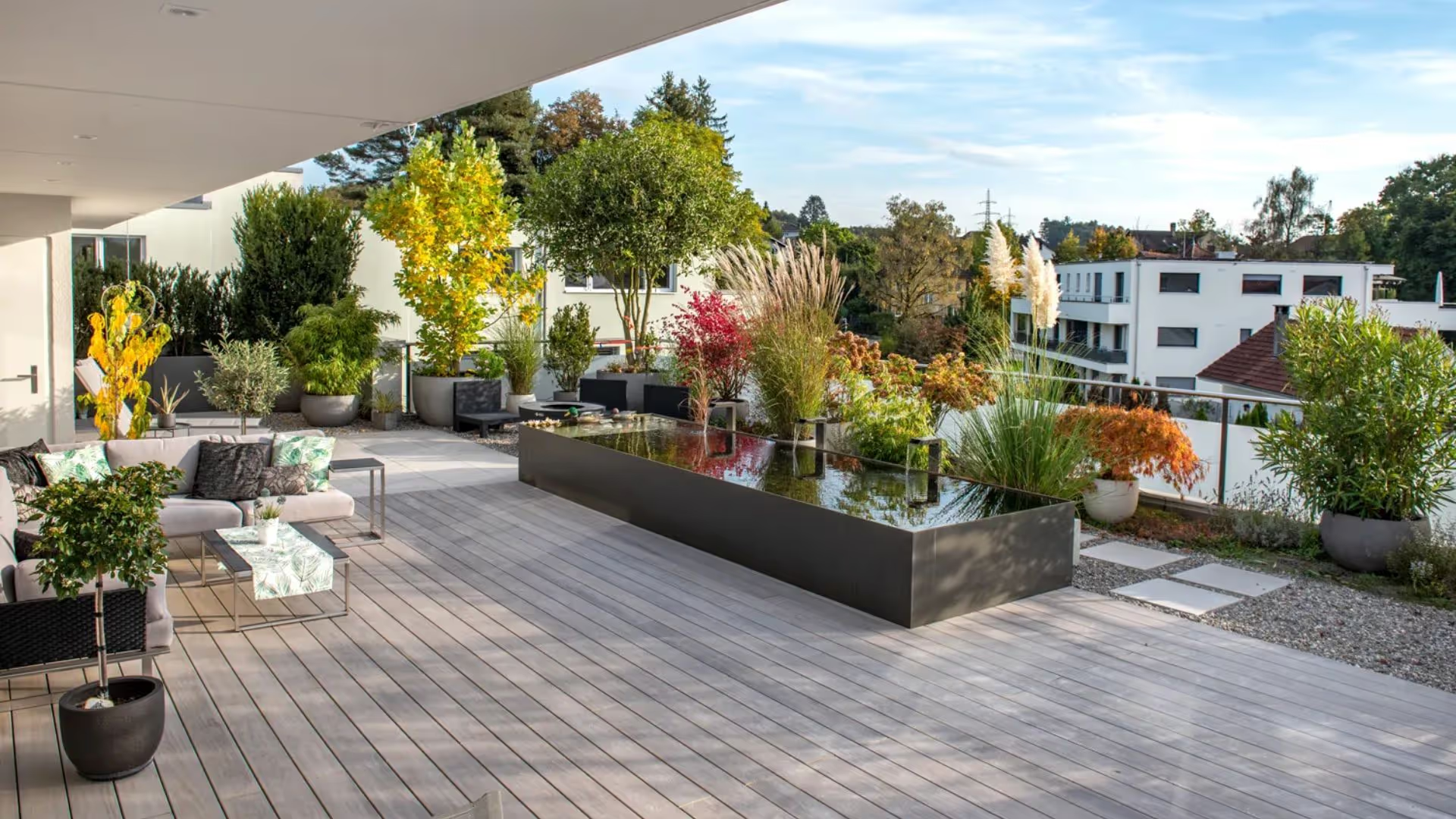
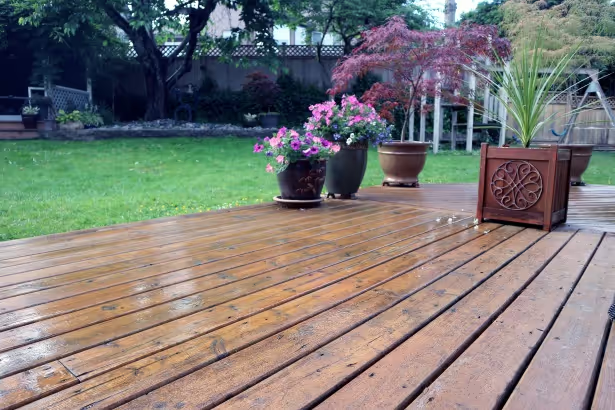
A beautiful wooden deck is an ideal place to spend your free time. In keeping with the style of the house, it is a comfortable addition to the home, where you can enjoy many pleasant hours. A deck can be simply designed or fitted with the greatest accessories and thus become one of the most important areas of your home. That is why you should think carefully about what your ideal deck should look like.
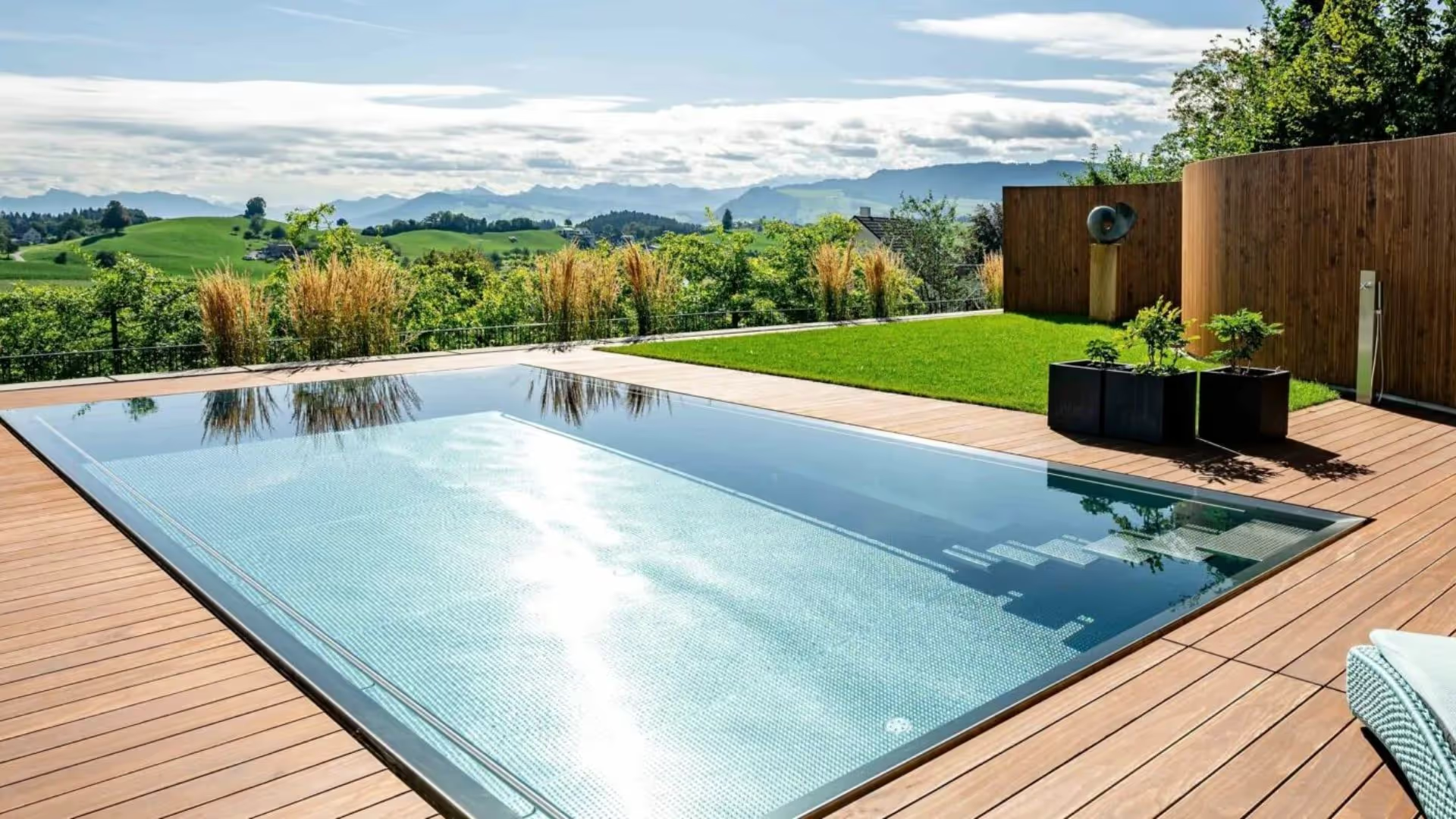
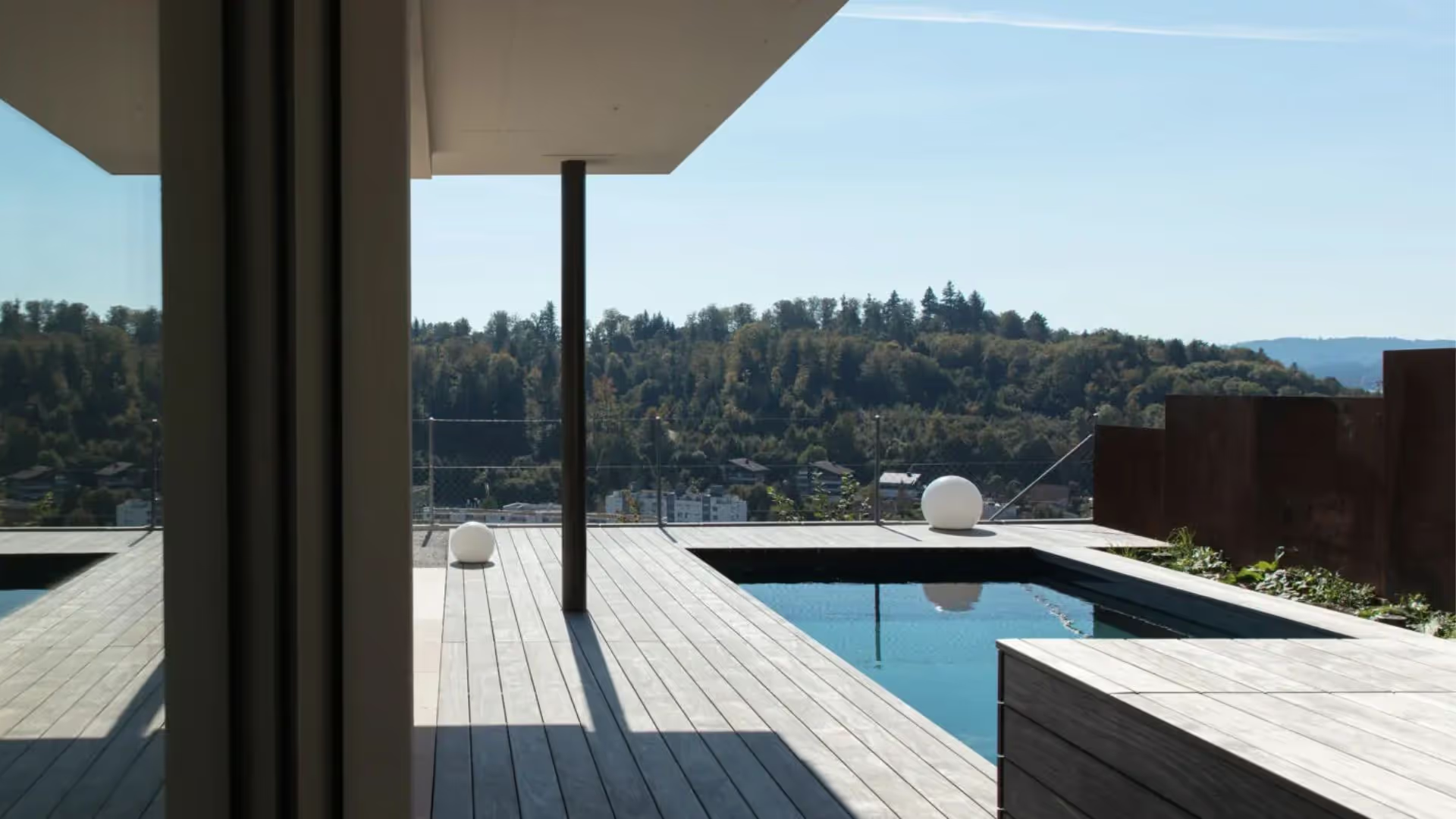
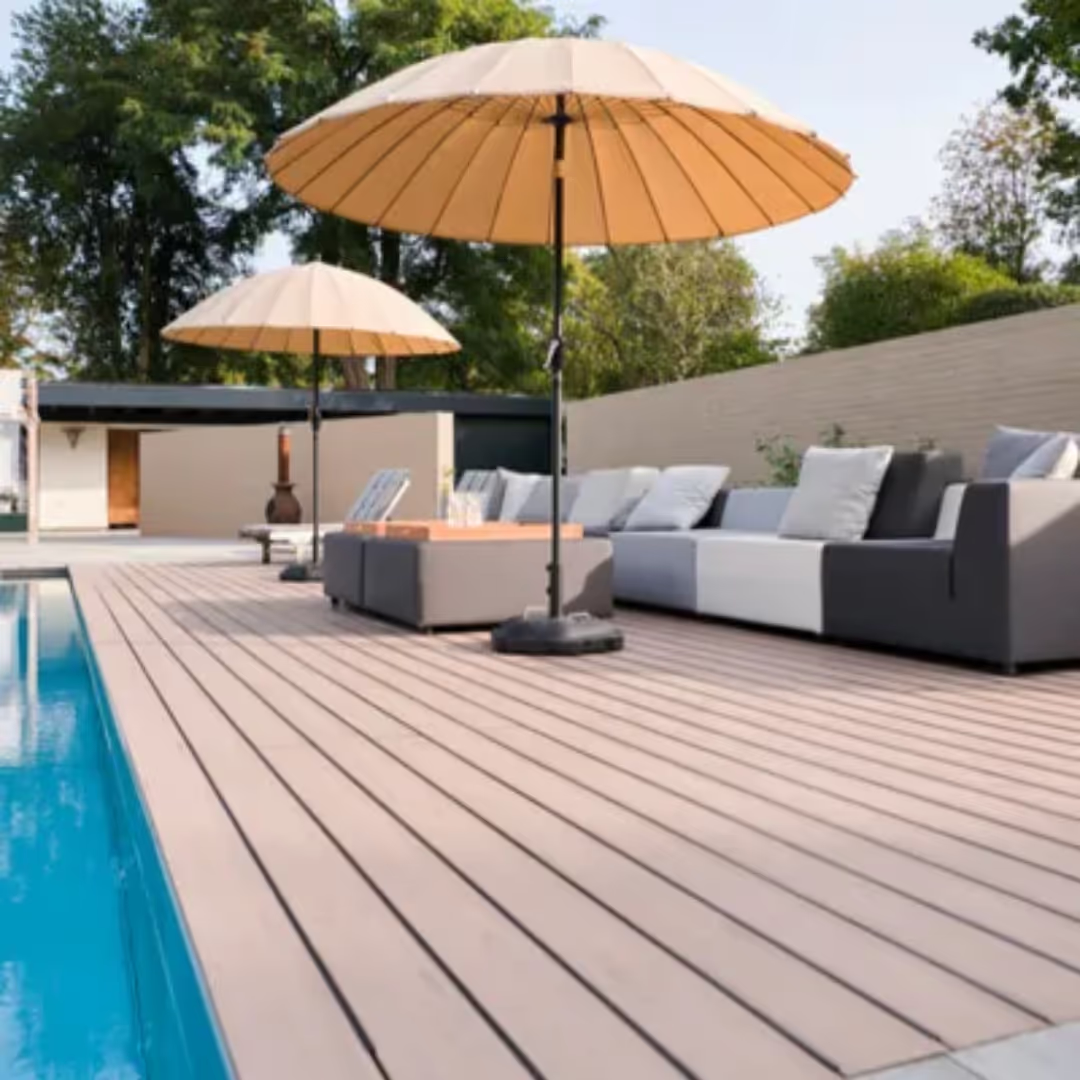
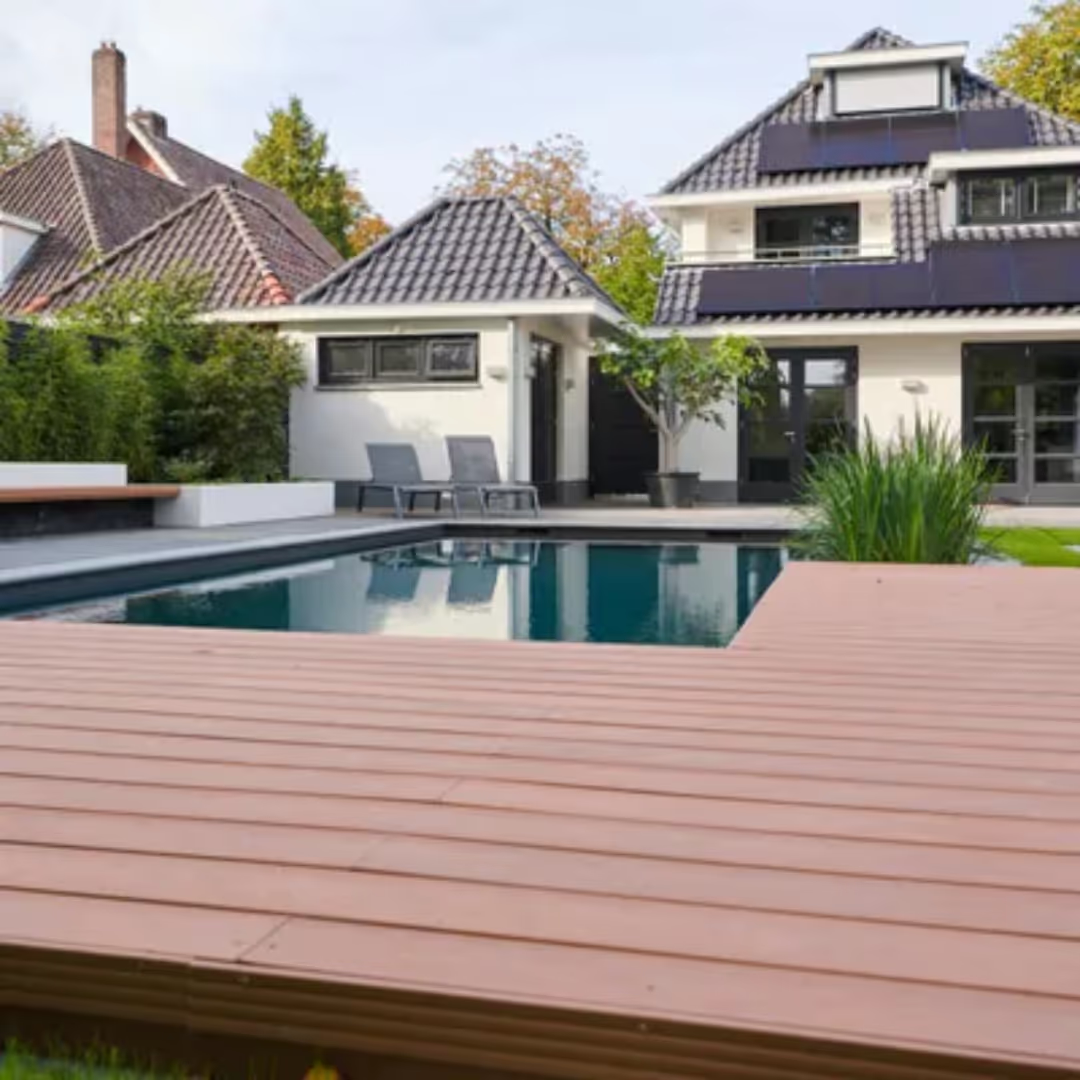
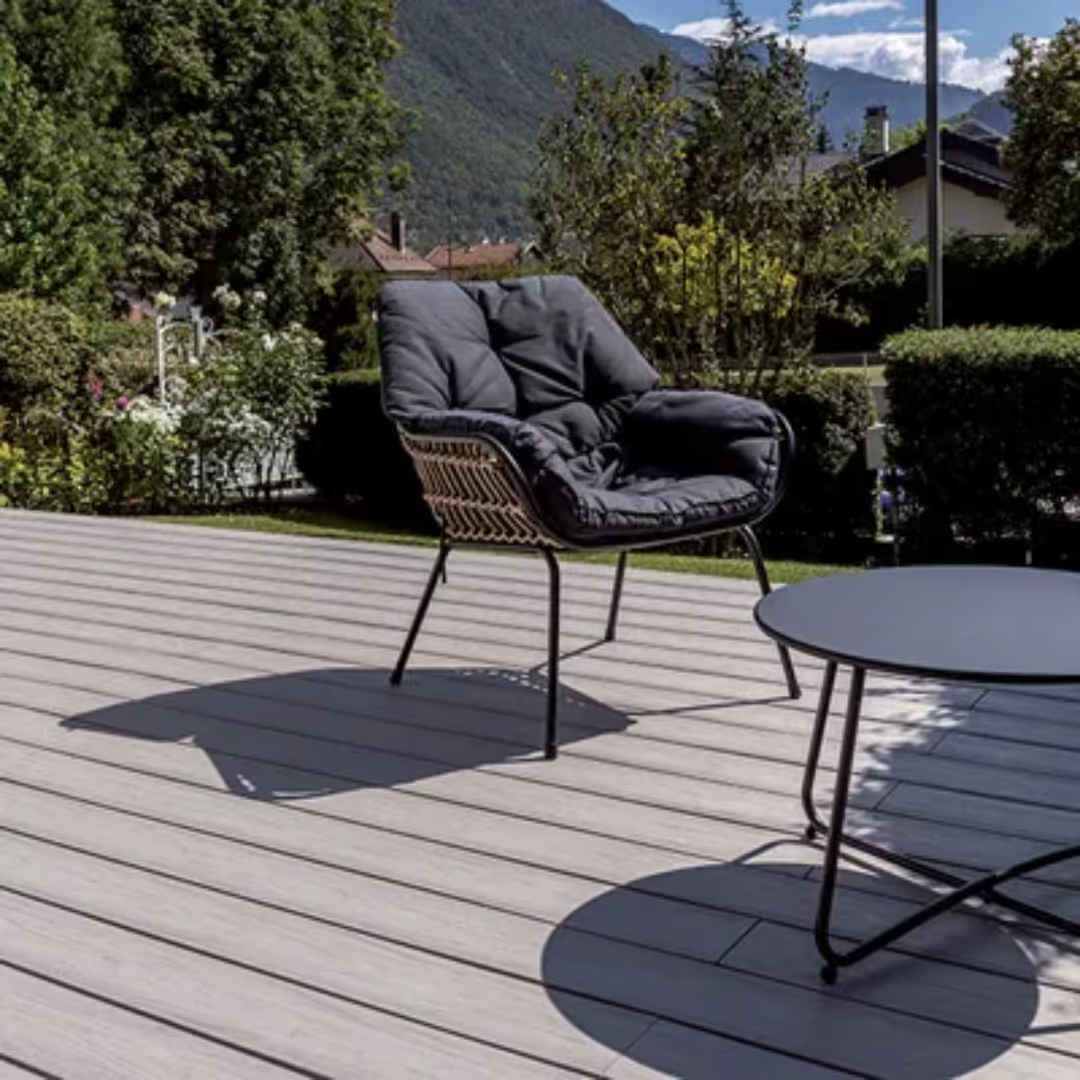
If you wish, it can include various seating, plants, privacy screens, a kitchen, railings, storage spaces and perhaps a swimming pool.
Why choose a wooden deck?
A wooden deck will allow you to bring your vision of a unique outdoor space to life with a natural look and a warm atmosphere.
If you prefer the look of wood, you can choose between solid natural wood and synthetic composite wood. It is simply a matter of preference and maintenance, which is the main difference.
Wood is more pleasant underfoot than tiles or concrete, and your garden will remain beautiful and natural. This material also offers the advantage of making your outdoor space fully customizable and integrating a wide variety of elements in different styles. Building a pool area with cabanas, storage or shade structures in the same material will create consistency in the design.
For example, if you like classic French design, you will certainly like this type of deck, but it can be adapted to any style, whether rustic, classic or modern. Any home can benefit from a wooden deck. Only when your home and outdoor spaces are in harmony and incorporate all the elements you consider important is your home perfect.
What type of wood should be used?
When it comes to building a deck, wood is a material that is warm, eco-friendly, durable and easy to work with. However, it is important to note that not all types of wood can be used for decks. Your deck’s exposure to sun or moisture, for example, will influence the choice of wood... Consider your budget, the type of wood you want, its appearance, its characteristics, as well as the wood class. Let’s now look at the types of wood you can use for decks:
Pine:
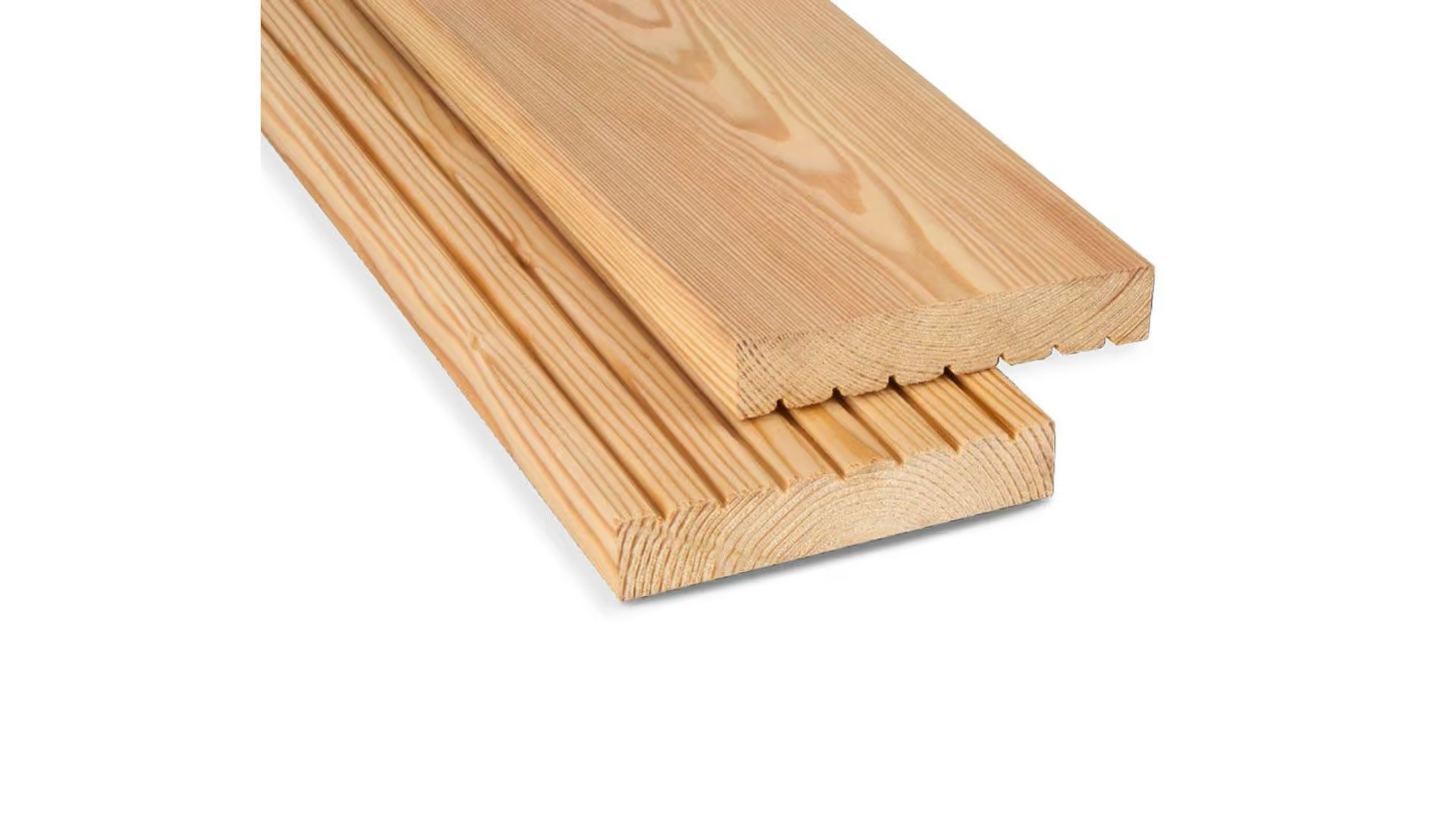
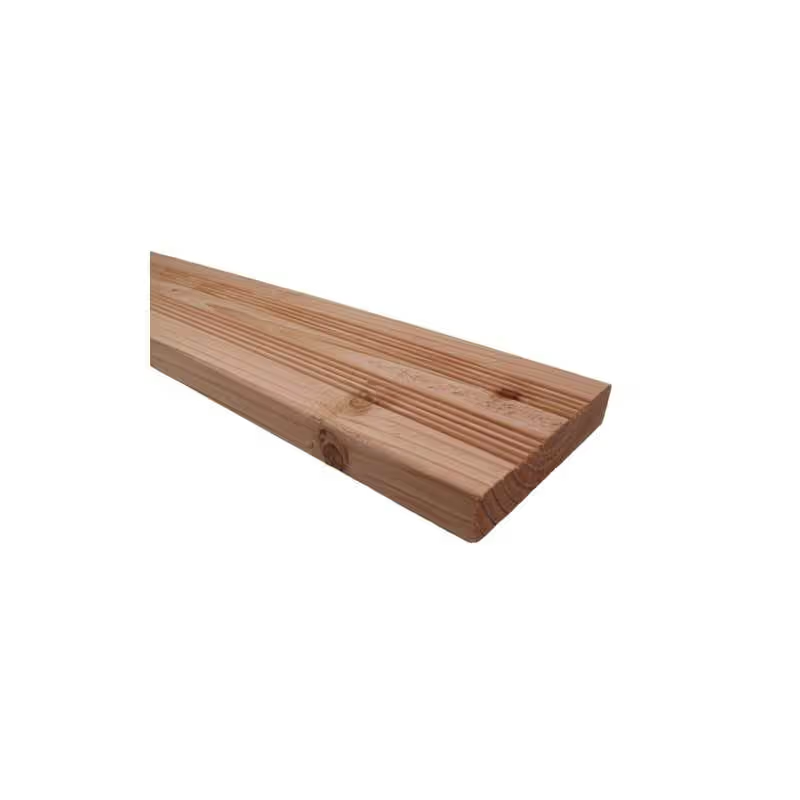
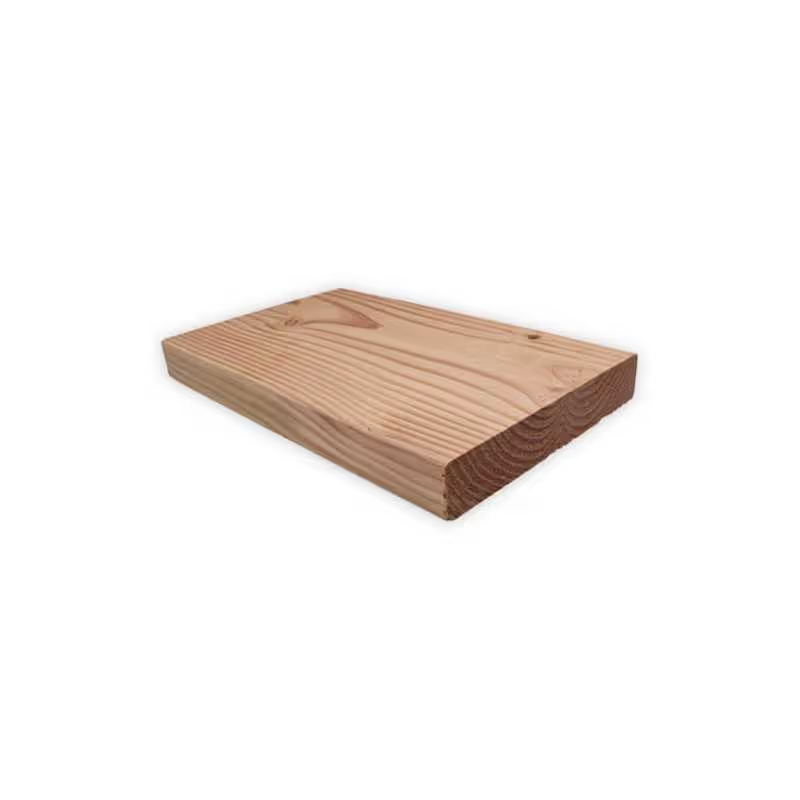
Softwoods such as Douglas pine, pressure-treated pine and larch come from France and Europe, while red cedar comes from North America. Compared with red cedar, they are among the least expensive wood species. To maintain good physical and aesthetic durability, this family of woods requires regular maintenance.
The best-selling softwood at the most affordable price is pressure-treated pine. The old greenish shade has now mostly been replaced by a characteristic brown color called "autoclave brown". Despite this, it has a lifespan of about 10 to 15 years.
Oregon pine, or Douglas fir, is very resistant to fungi and insects and has a lifespan of about 15 years. By applying a brown or gray saturator to Douglas fir, its natural appearance and texture are enhanced.
Red cedar, naturally resistant, turns gray over time and has a lifespan of about 15 years. Among softwoods, it has the highest purchase cost.
Exotic woods
For creating a deck, these are the most suitable wood species. The most expensive woods are Padouk, Ipe, Garapa, Cumaru, Taliou and Teak, imported from Central Africa, South America and Asia.
The dense nature of these woods, naturally rot-resistant and weather-resistant, makes them a popular choice for decks because of their inherent durability.
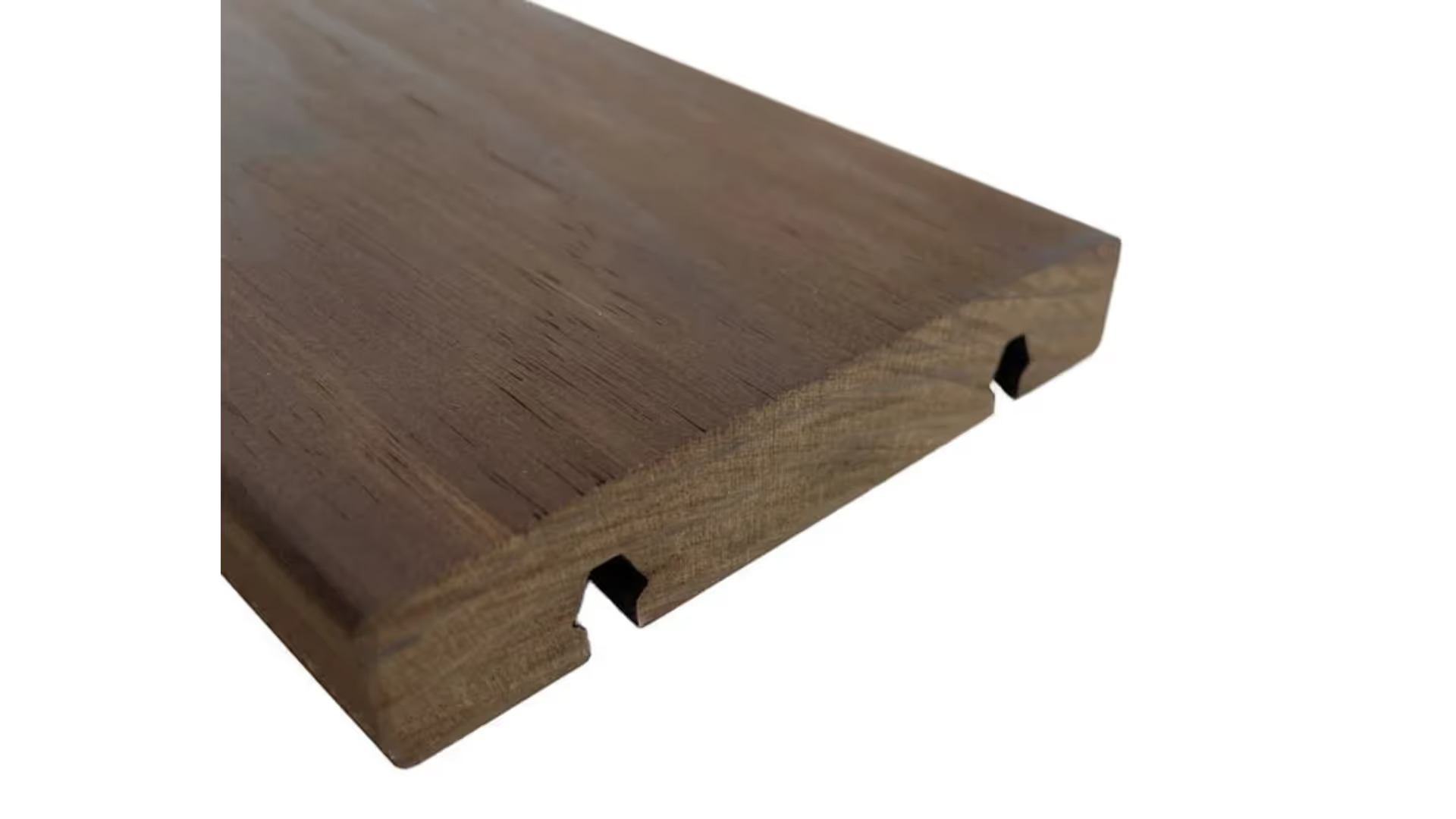
The most common use of ipe, an exotic wood from South America, is for decking. In addition to having a beautiful grain, it is a dark reddish-brown color. In recent years, the price of this product has increased considerably.
Due to its protected status, teak, a wood native to Asia, has become extremely difficult to obtain. As a result, its price has also skyrocketed.
Padouk is a red wood with beautiful veins that comes from Central Africa. This wood has the advantage of being dense, which prevents it from splitting. No exotic wood has a lifespan as long as this wood. It will last for many generations despite its high cost!
Cumaru wood from South America is quite tense and can warp if it is not dried properly, despite its high resistance to staining. It is therefore necessary to ask your supplier about drying after cutting.
Due to their high density, exotic woods are more resistant to weather and stains than softwoods. When you buy this type of wood, you are investing in a high-quality material of noble origin. A wooden deck should use this product.
Heat-treated (Thermo) wood
After receiving a high-temperature treatment, woods such as ash or poplar can be used as decking after being heat-treated (thermo-treated).
During the treatment, the wood is heated in a kiln at over 200°C to harden it. As a result, the deck becomes less susceptible to damage caused by fungi, mold and insects. Thermo-treated wood has a lifespan of about 20 years and costs the same as exotic wood.
Composite wood
Only for about fifteen years (around 15 years ago) have people begun building decks with this type of wood. Composite woods are hybrids between wood and plastic that are very different from natural wood. For its manufacture, plastic and wood fibers are used, or sometimes hemp or bamboo fibers. The mass is colored with pigments. Exotic wood, which has suffered from massive deforestation, can be replaced by it.
Invisible fasteners allow boards to be installed without visible fixings. Composite woods are fixed using clip-on fasteners and not screws like natural woods. Even if this material is relatively resistant, it still requires maintenance, such as waterproofing.
Protection and maintenance
It is important to remember that the deck will need protection, whether it is softwood, exotic wood, heat-treated wood or composite wood.
In general, protective products are of two types: protective films (stains, varnishes) and impregnation products (deck saturators). Using a film-forming product (film-forming) causes the wood to peel over time, making maintenance difficult. Unlike saturators, which are easy to maintain because they can be applied directly to the wood, saturators will impregnate and nourish the wood.