
Timber connectors
Discover our selection of 232 references in Timber connectors . In just a few clicks, contact wood industry experts directly and get personalized advice for your project.
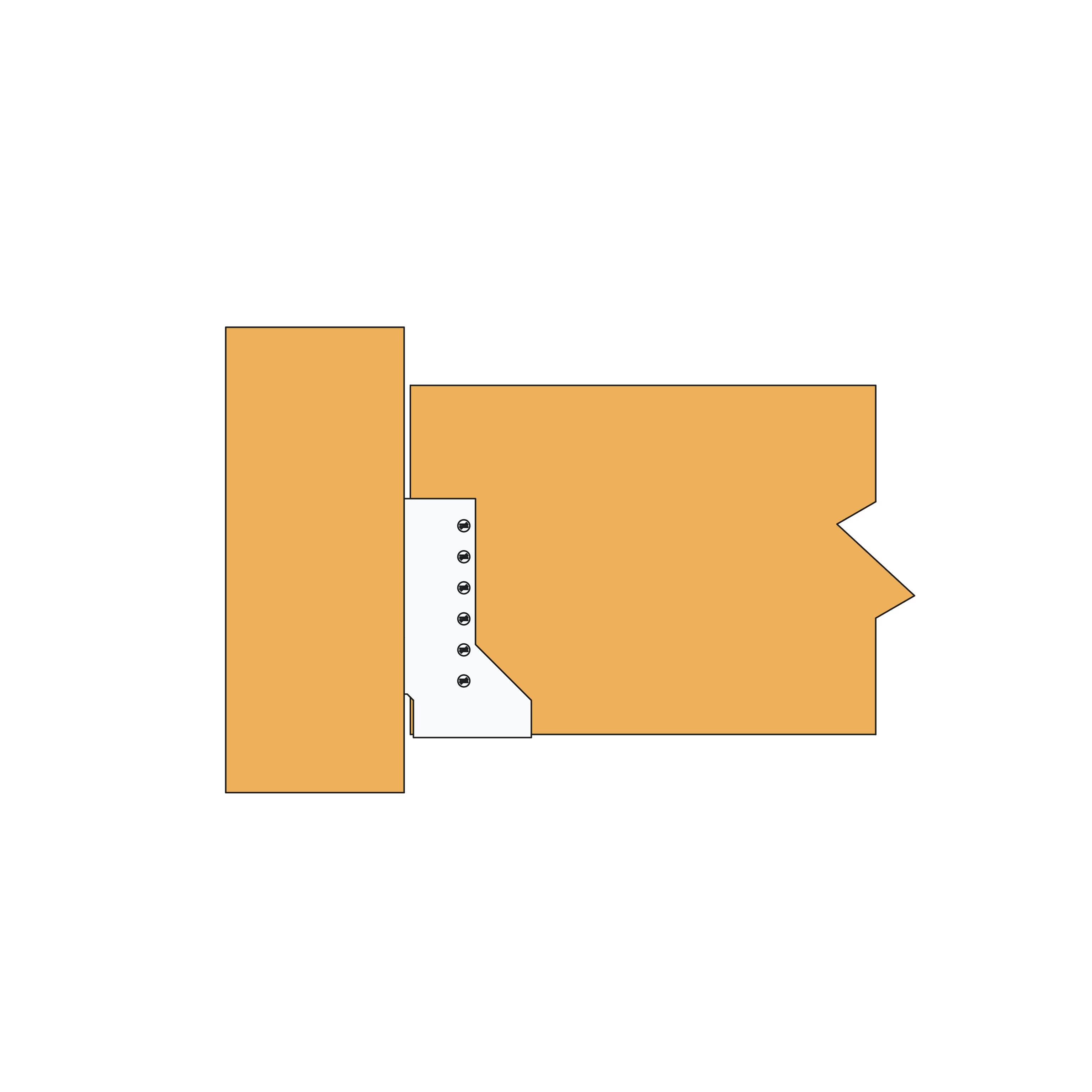
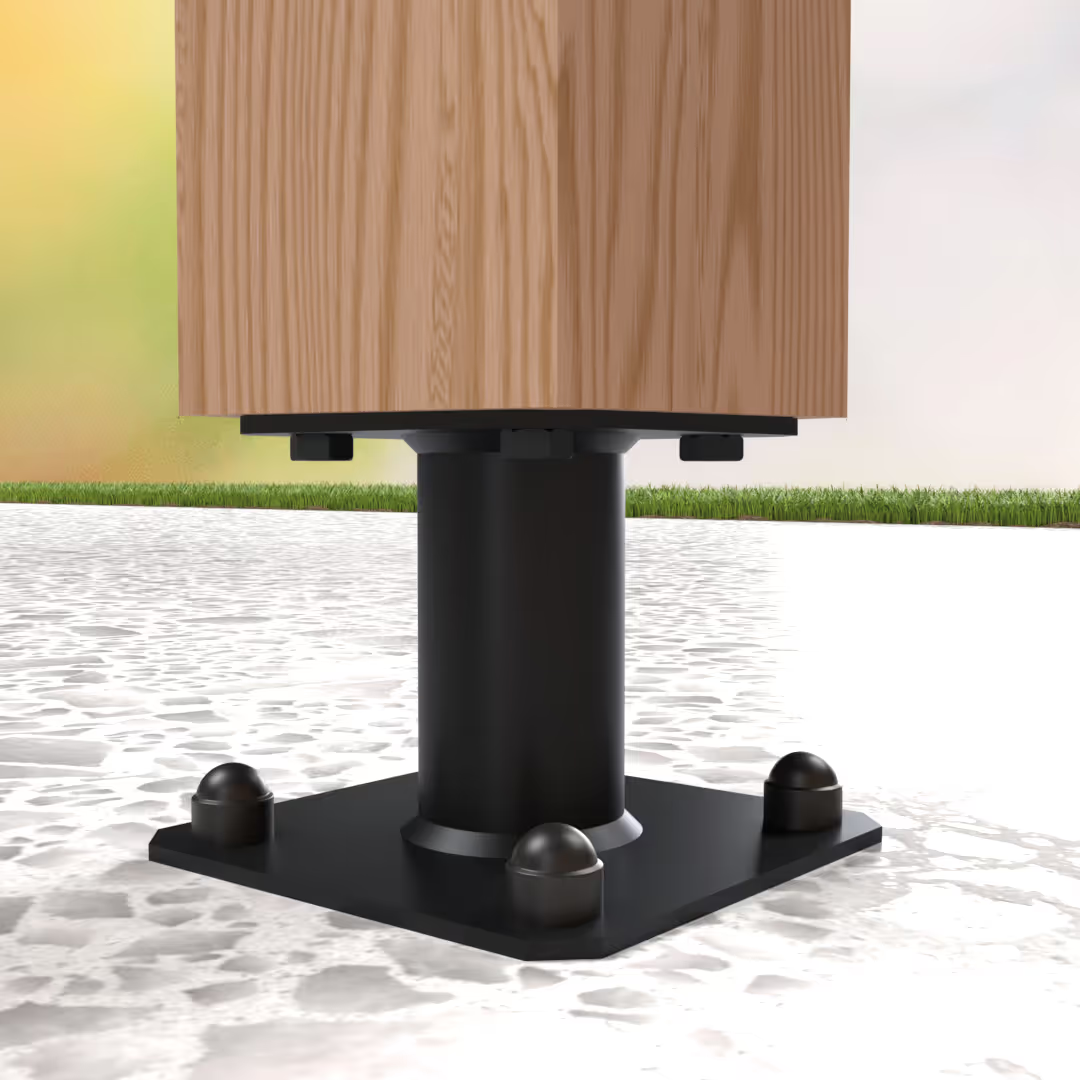
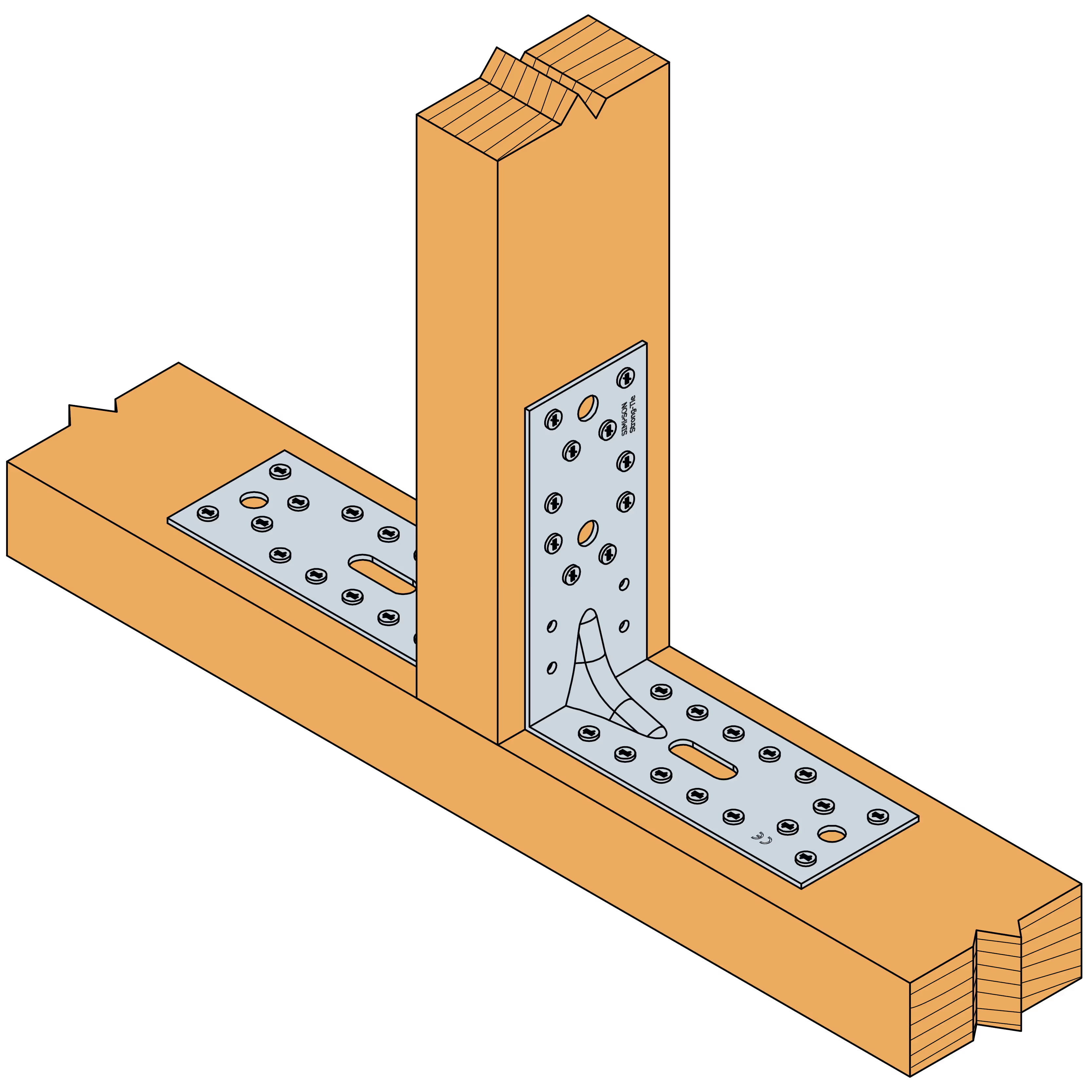

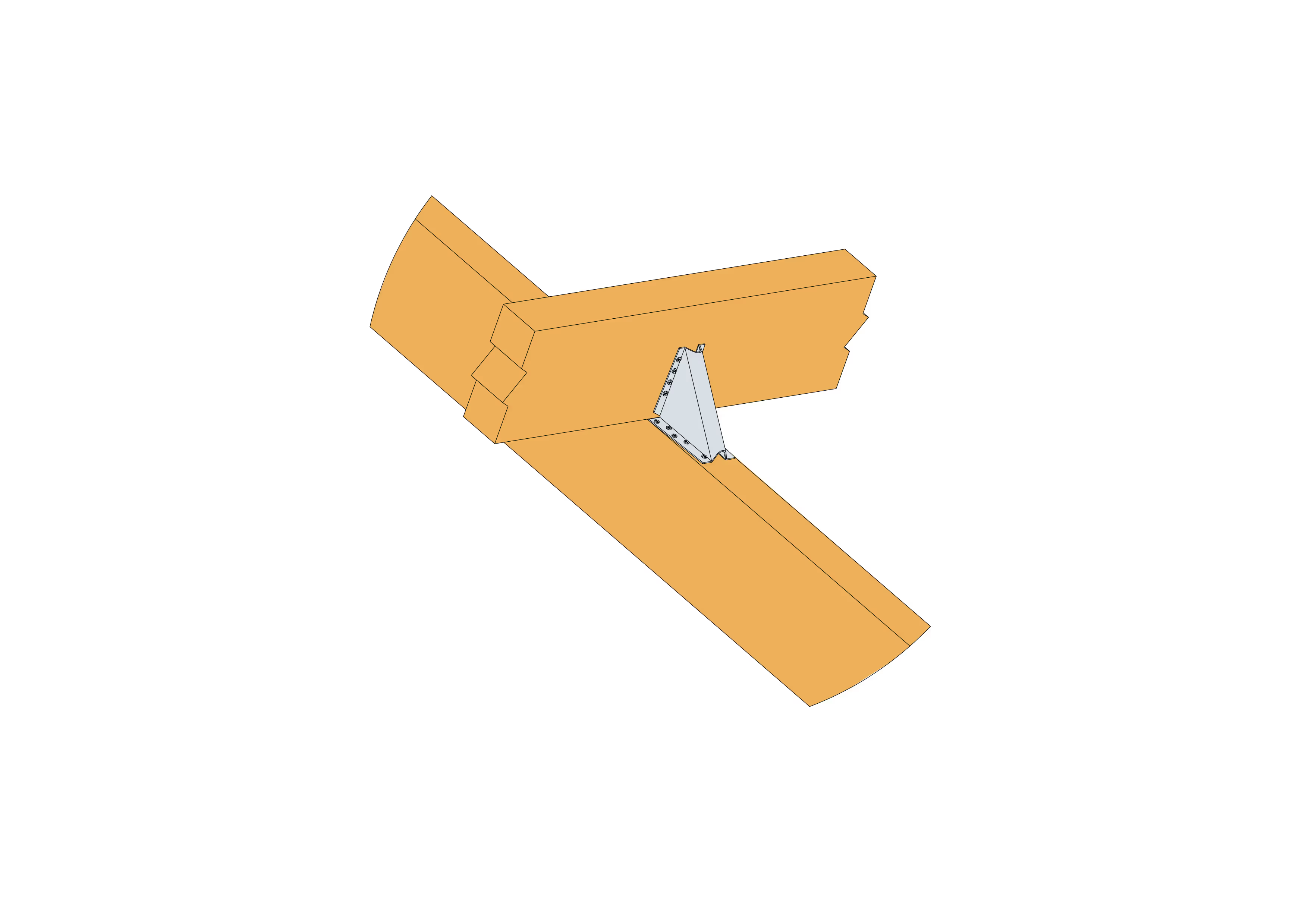
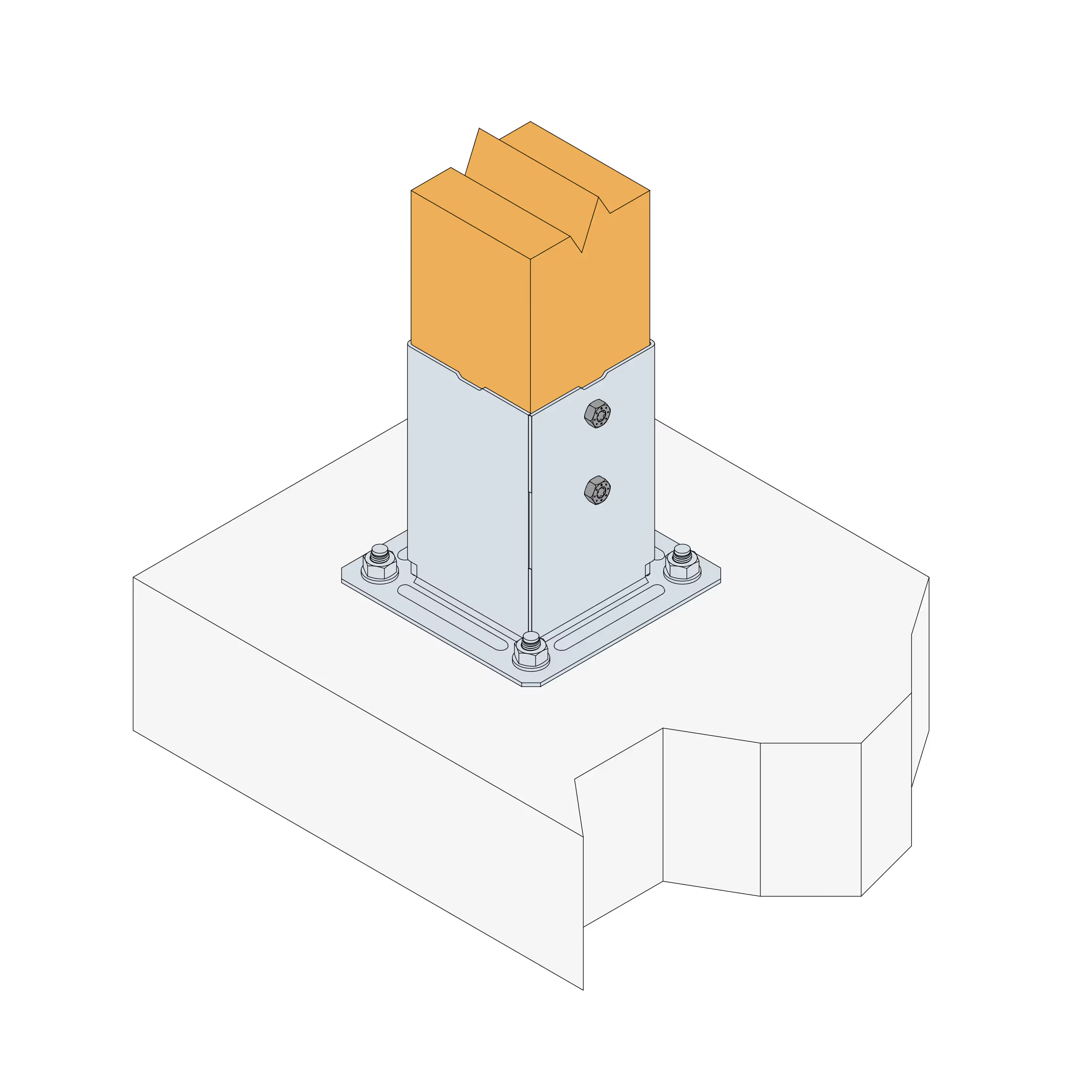
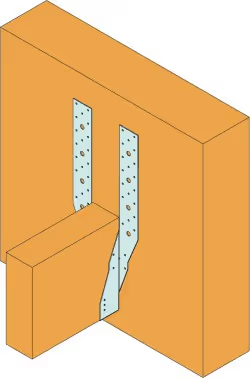
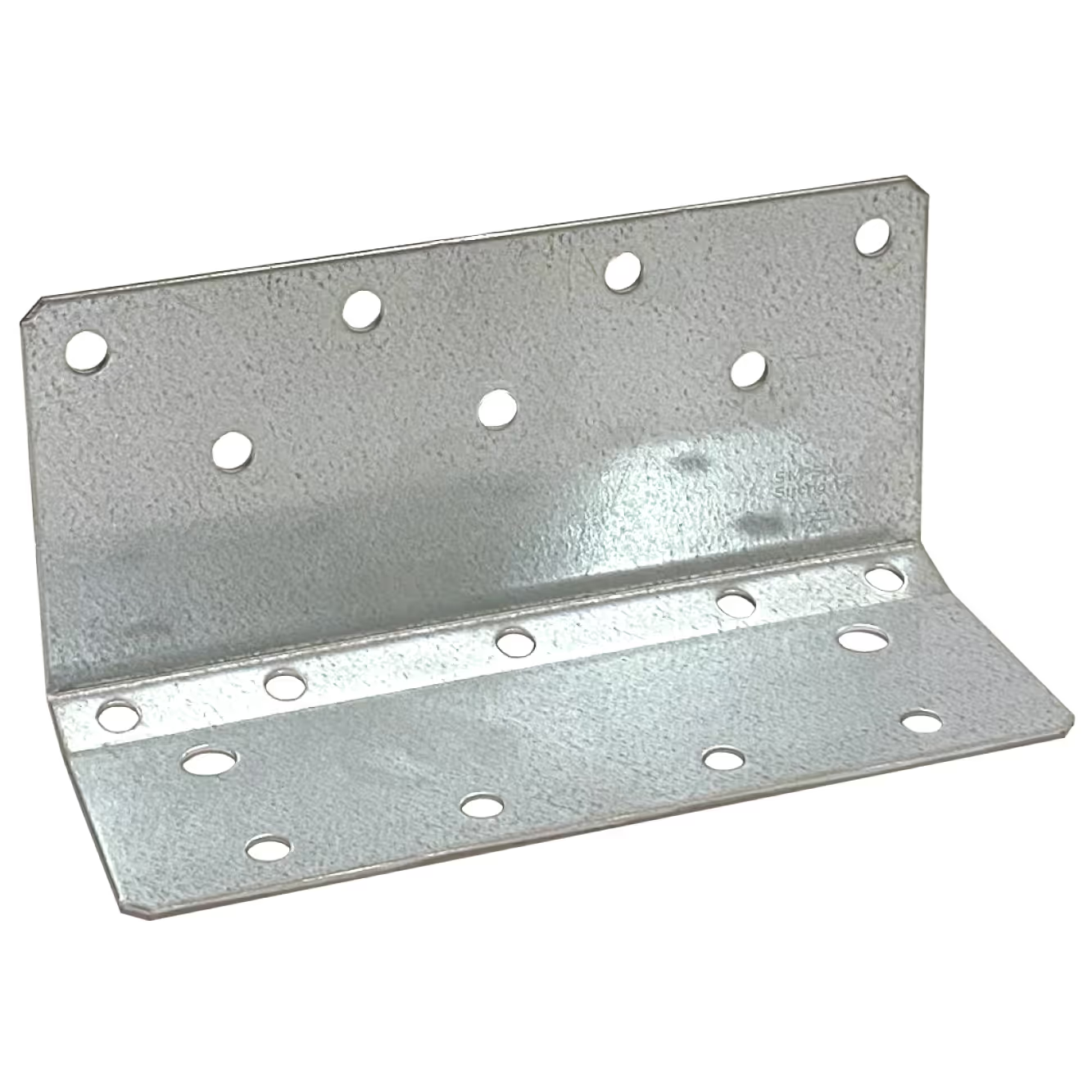



42 of 232 products
How to choose the right timber connector?
The metal connectors you choose have a significant impact on the structural stability of a project. Even the strongest component is only as strong as the structure it is fixed to. If a connector shows signs of weakness, the strength of the whole structure or building is compromised.
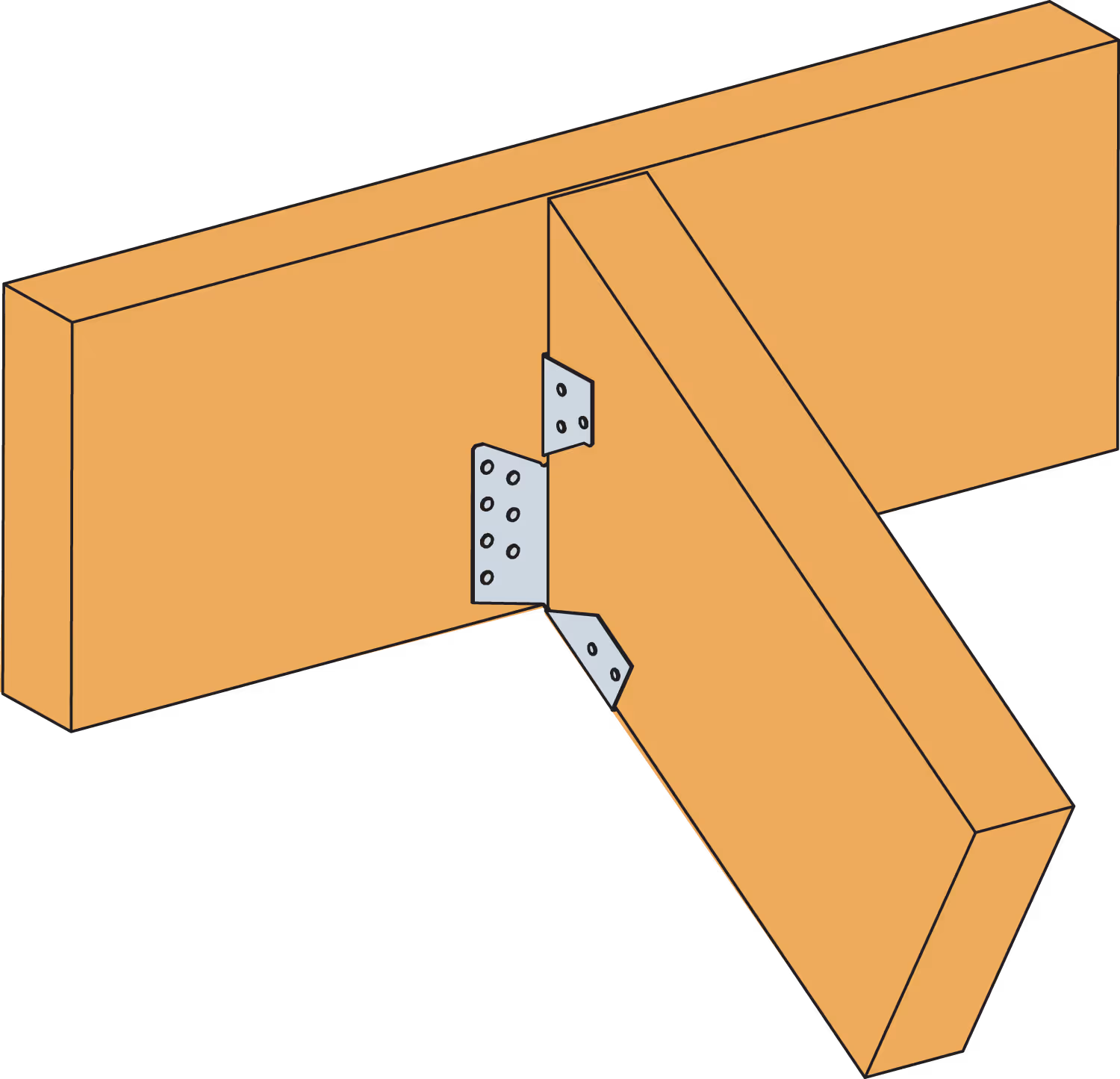
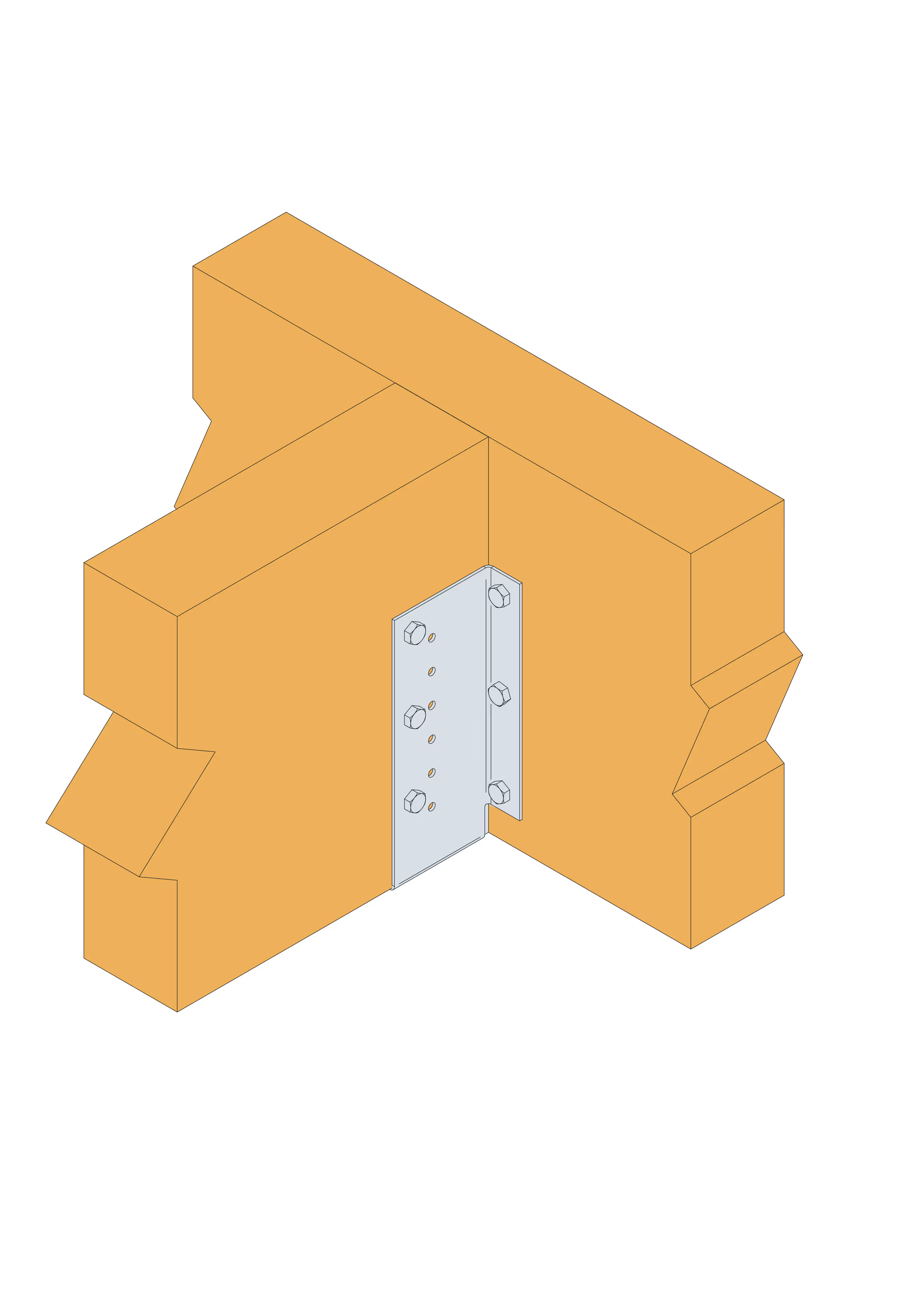
Timber connectors are an essential part of the construction industry. They are designed to improve the performance of timber-to-steel and timber-to-timber connections. It is therefore essential that they are made from strong materials such as hot-rolled mild steel or pre-galvanised steel.
What kind of joist connectors do professionals use?
Carpenters and designers often use stainless steel timber connectors to increase the strength and service life of their structures. By increasing the bearing area between the timber and the fasteners, timber connectors help transfer loads.
Timber joints and connections can deteriorate for a number of reasons, including fire and water damage, splitting or rotting timber, and chemical reactions between preservatives and metal fixings. Red rust and white rust are the most common signs of deterioration.
These situations can eventually lead to a complete structural collapse as the connection between components gradually weakens. Choosing the right timber connectors can therefore be complex. The timber must be inspected to check whether it is damp, decaying, structurally sound and able to carry current or additional loads. Timber inspections should be carried out by qualified specialists who know where to look and what to look for.
Vulnerable areas include not only the beam but also the bearing ends, which are often embedded in the external wall and more exposed to weather damage. This can lead to significant corrosion damage requiring major structural repairs.
How are timber structure connectors assembled?
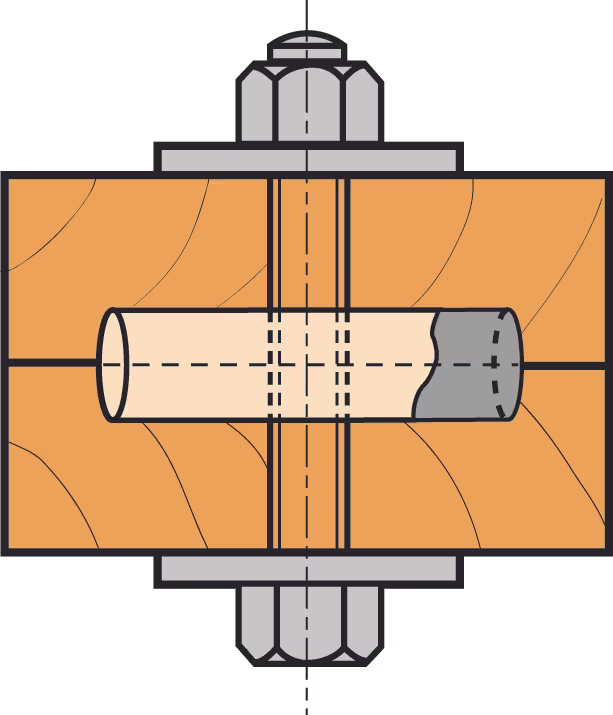
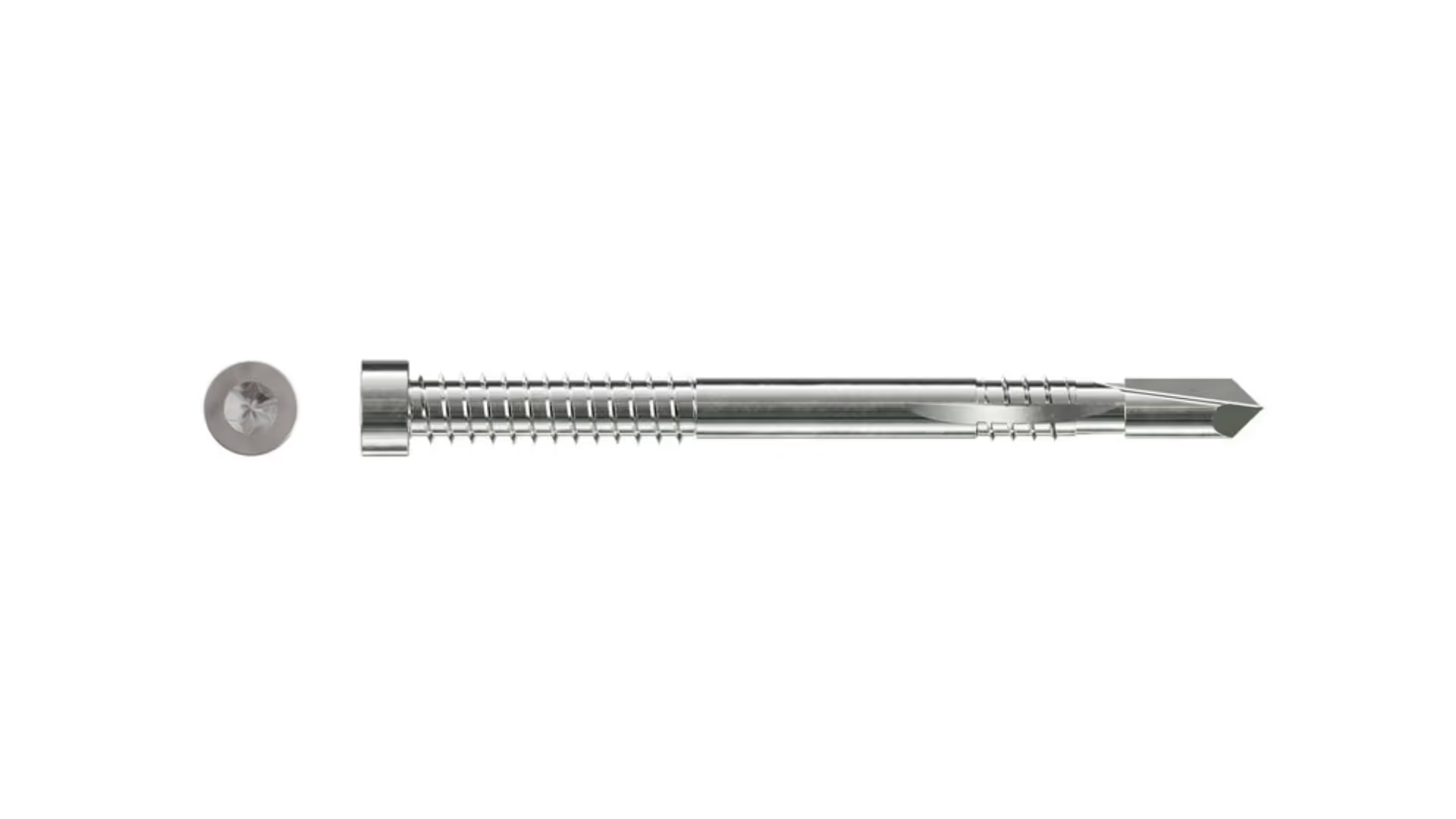
Timber structure connections are generally divided into two categories: dowel-type fasteners and metal connectors. They differ in the way they transfer forces between members. Metal fasteners have little or no fire resistance and conduct heat quickly, so additional fire protection, such as plasterboard, is often required.
Metal fasteners can be divided into two categories: bolted connectors and metal plate connectors.