Timber connectors

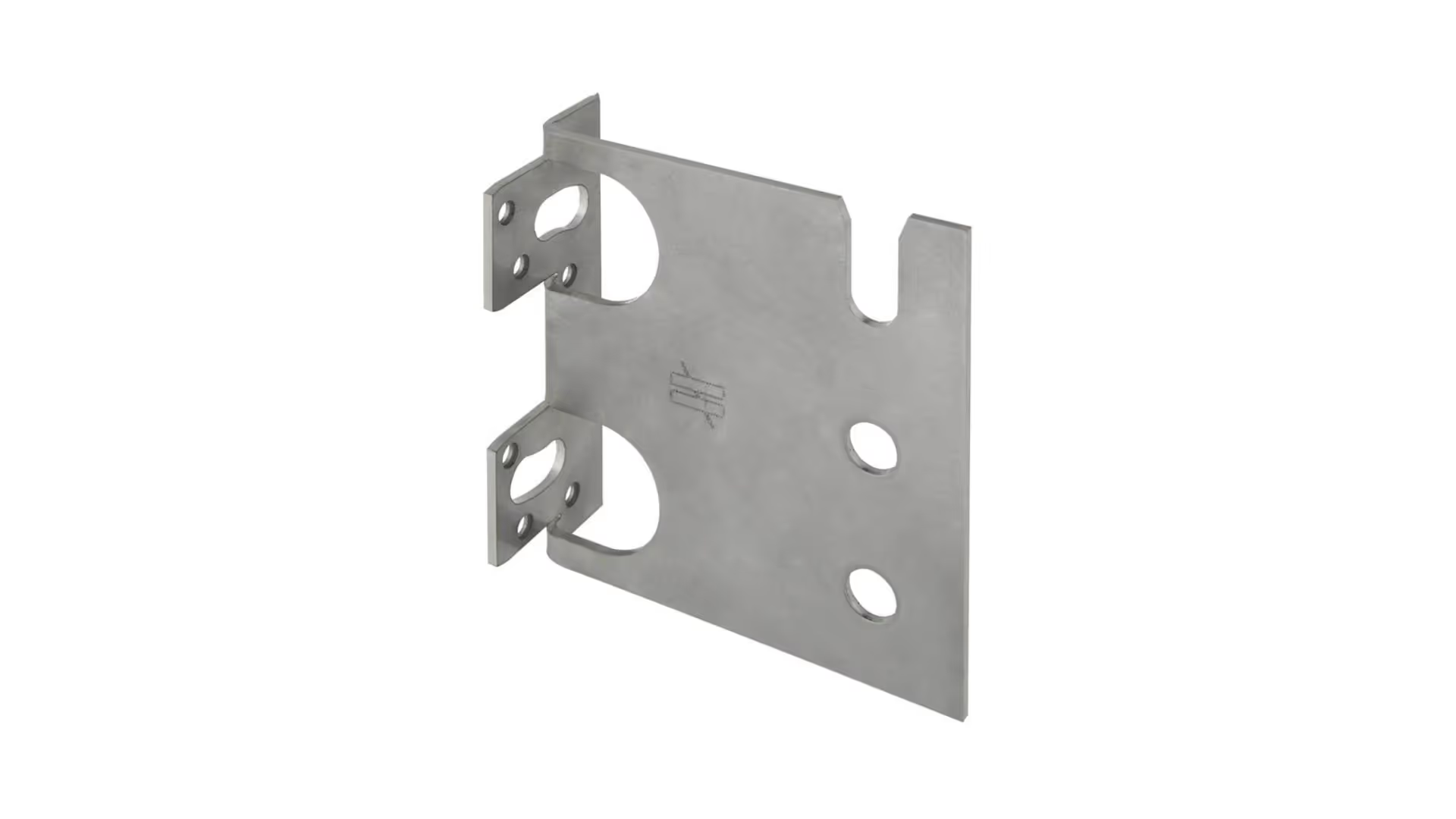
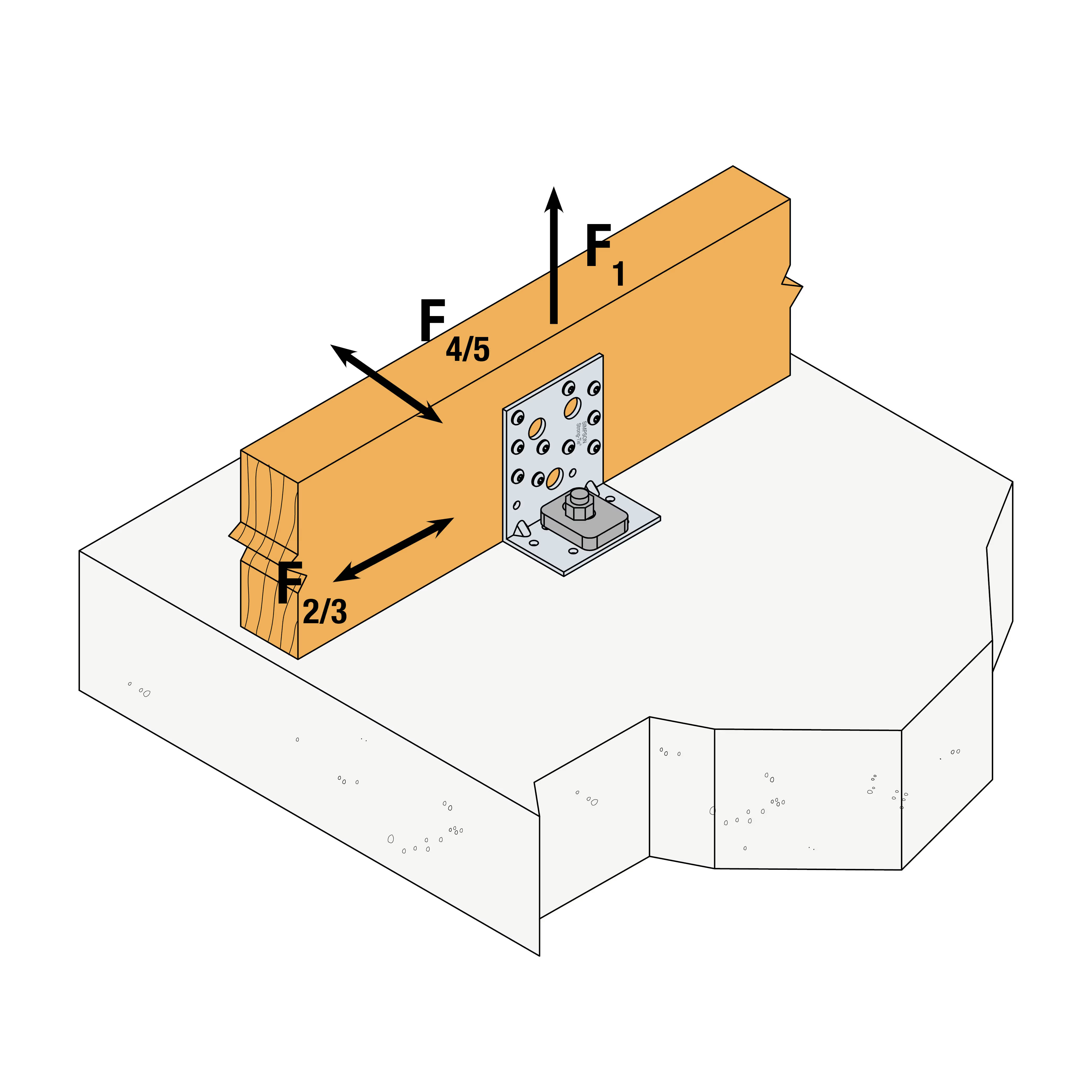
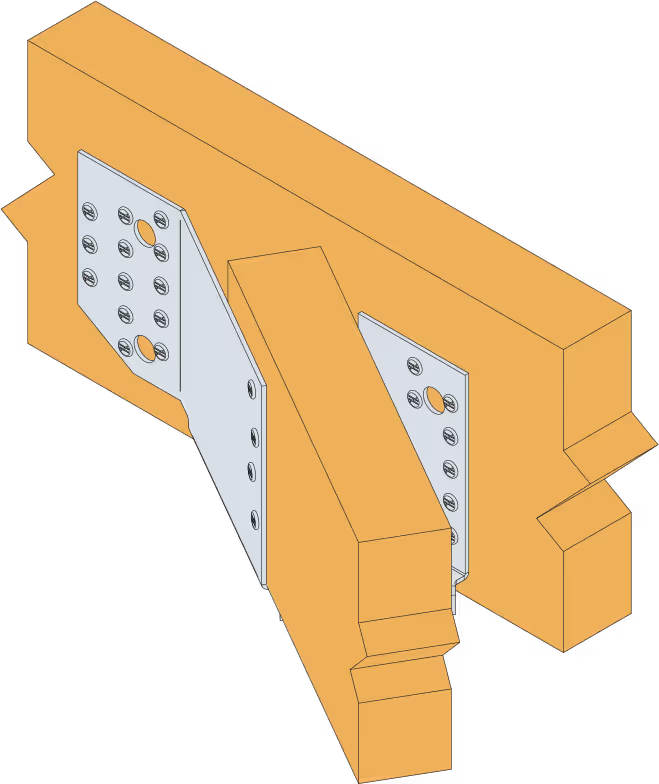
Discover our selection of 232 references in Timber connectors . In just a few clicks, contact wood industry experts directly and get personalized advice for your project.
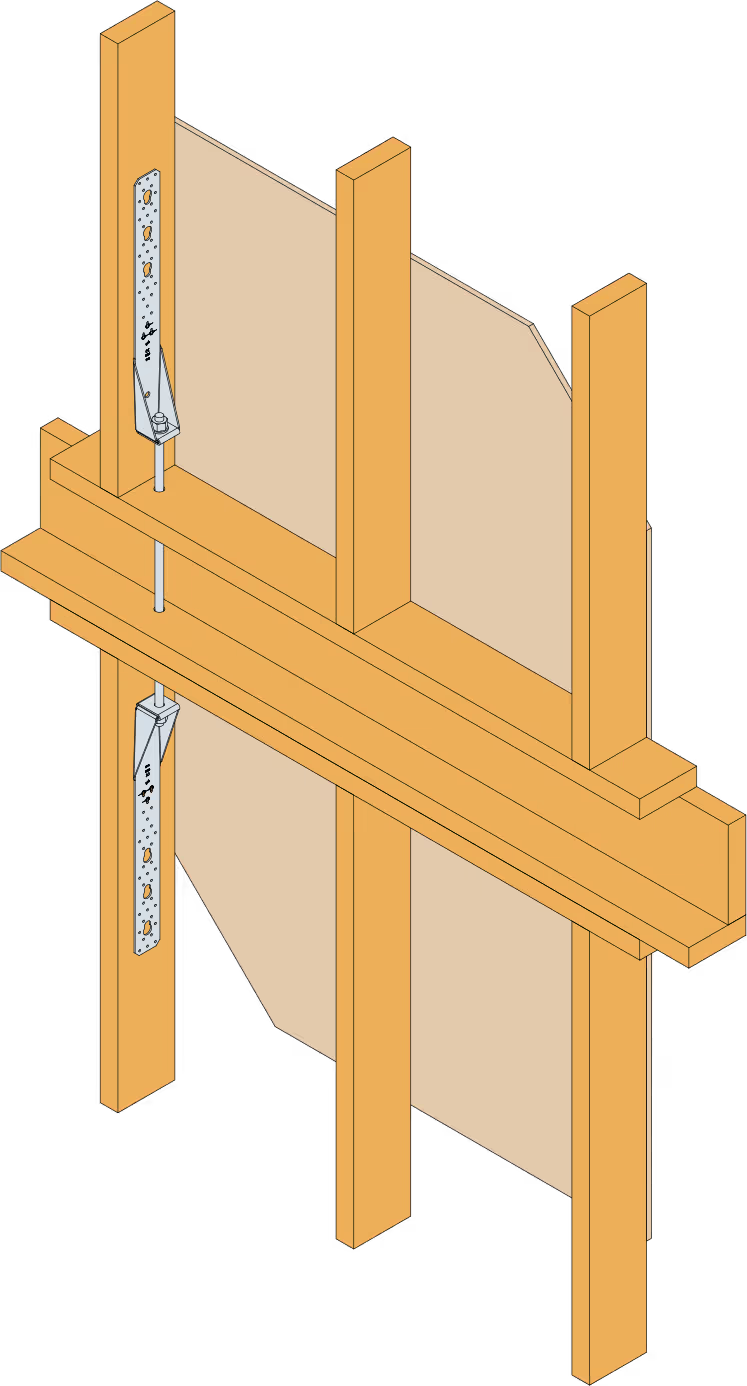
Simpson Strong-Tie HTT Ancrage pour montants d'ossature
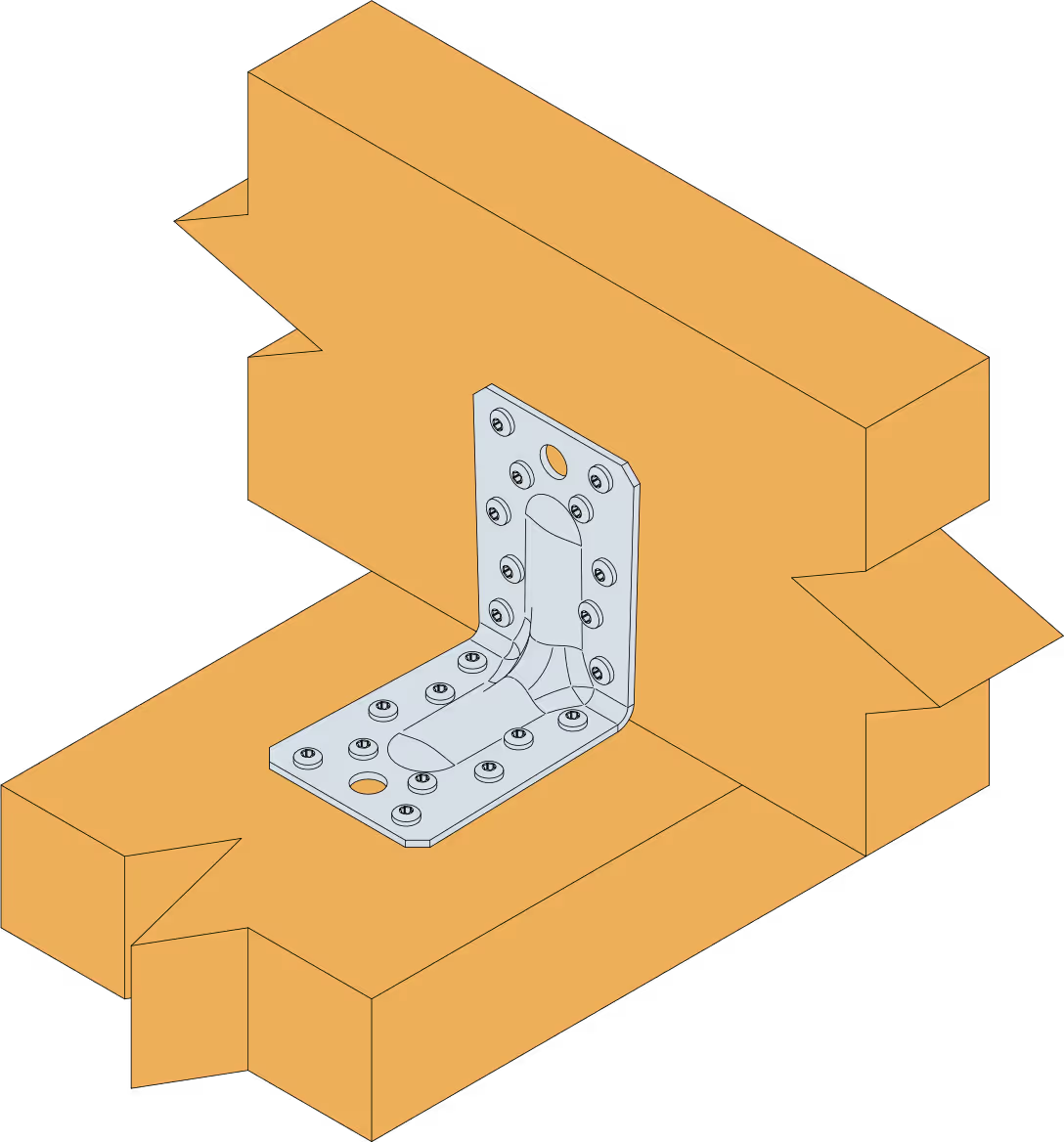
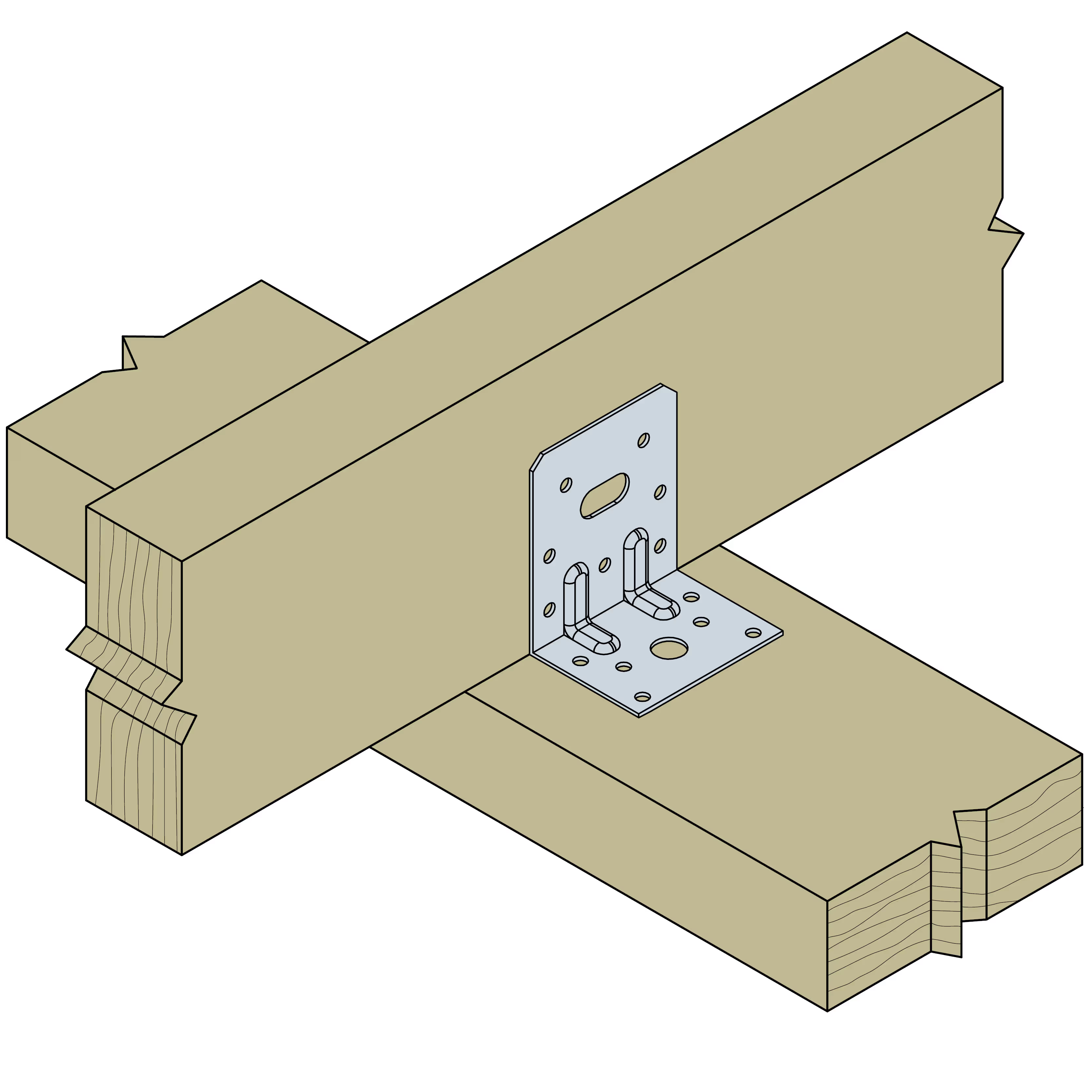
Simpson Strong-Tie E5IX Equerre structurelle - Inox A4
Simpson Strong-Tie SAMI Sabot pour angle maçonné
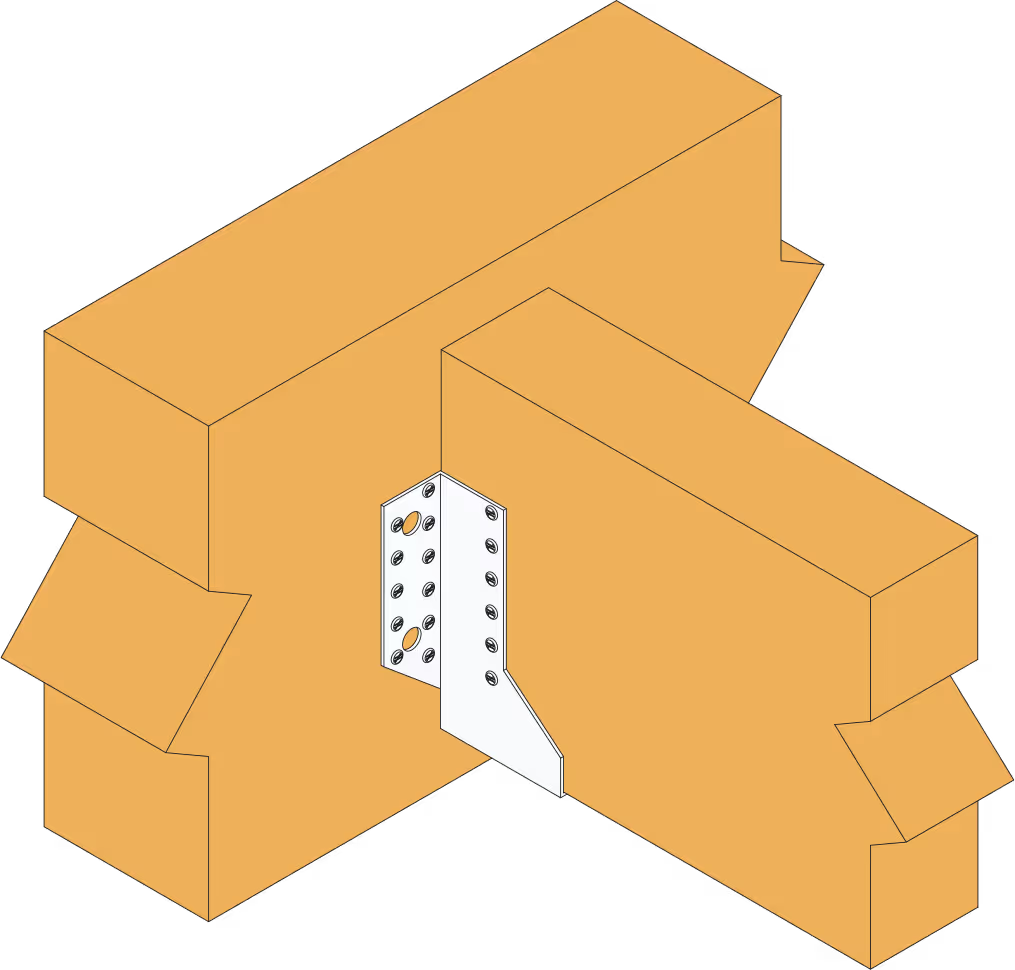
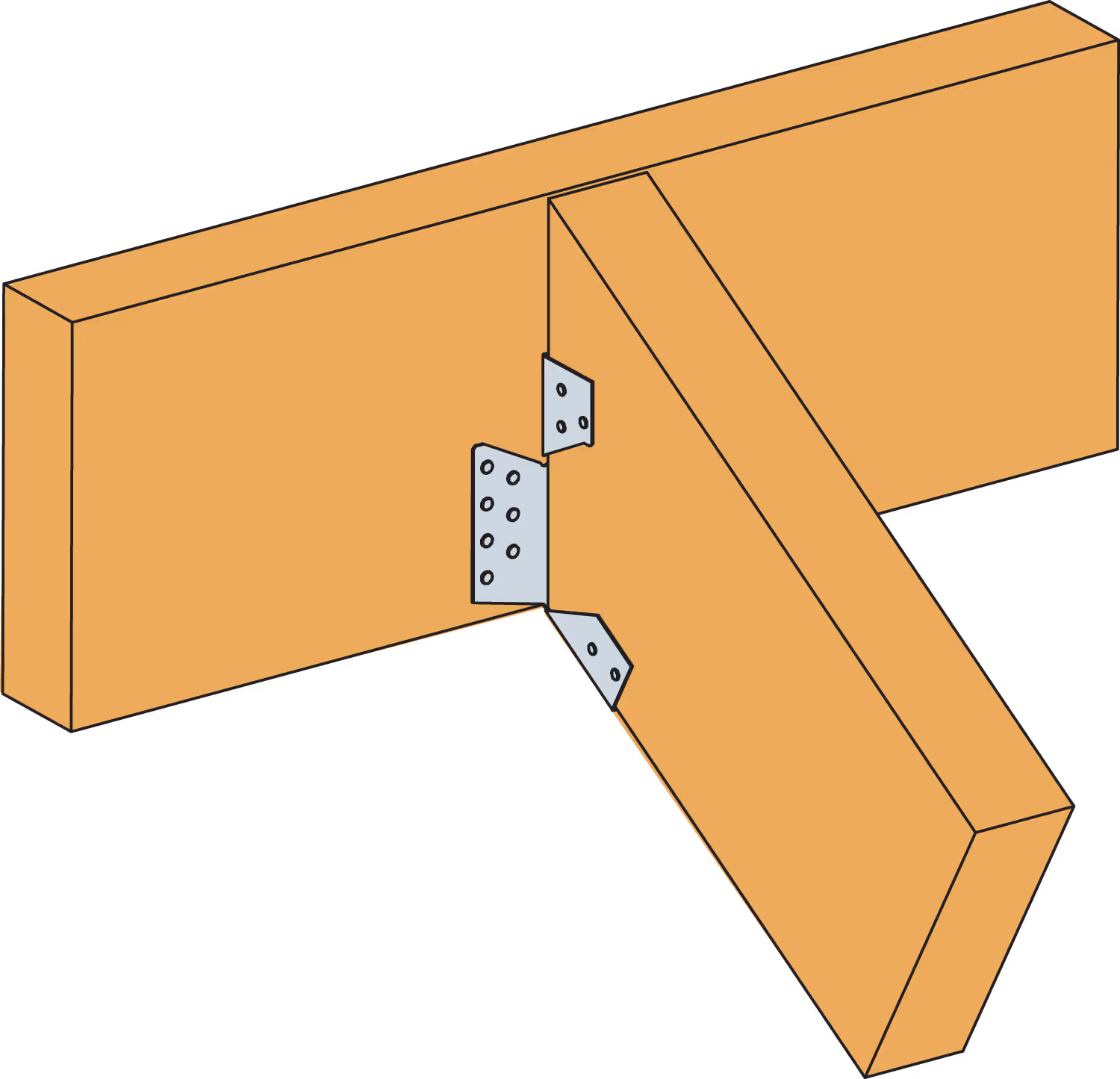
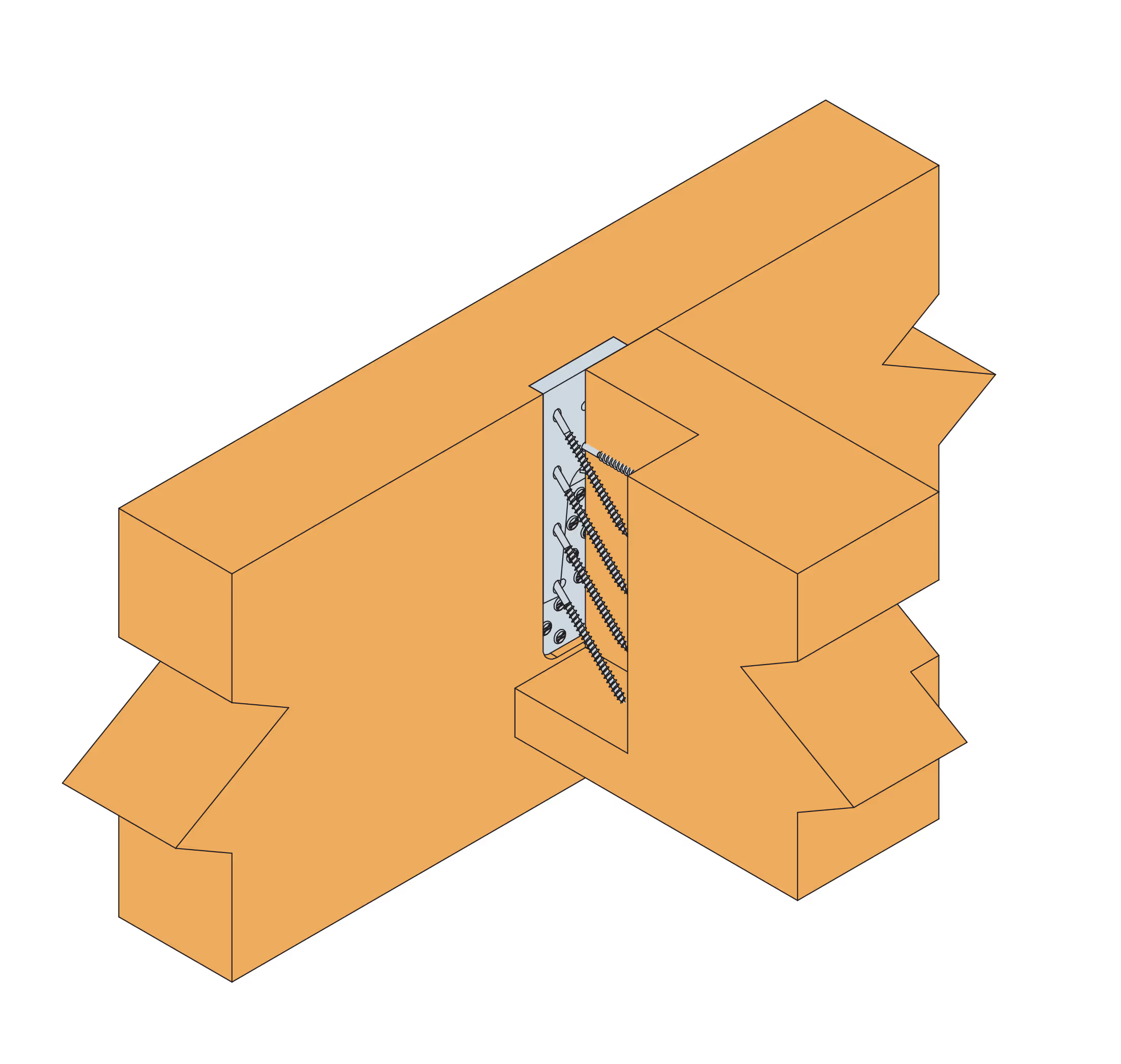
Simpson Strong-Tie TUS Etrier à encoches avec angle
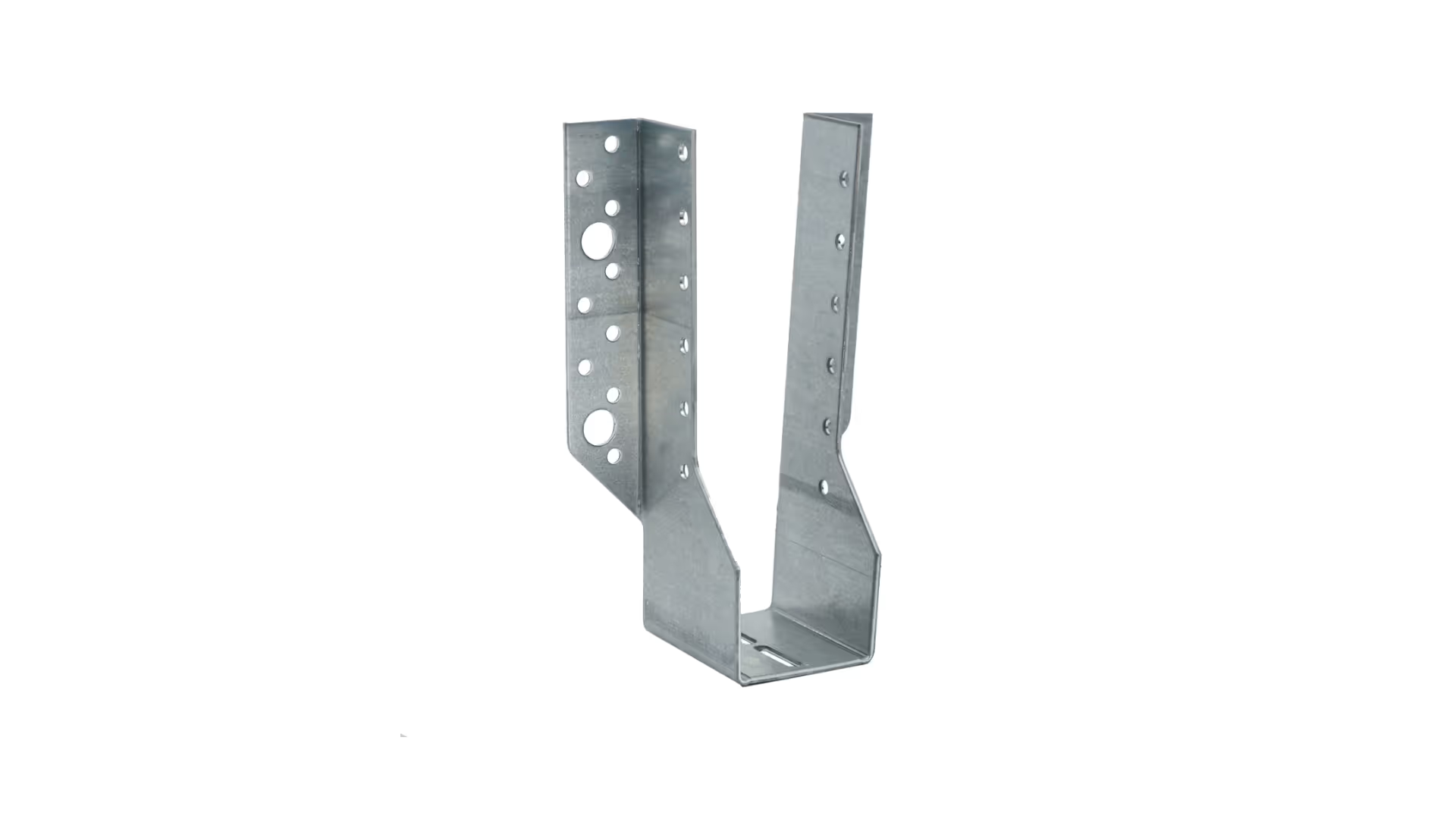
Simpson Strong-Tie SAEX Sabot à ailes extérieures - Inox A4
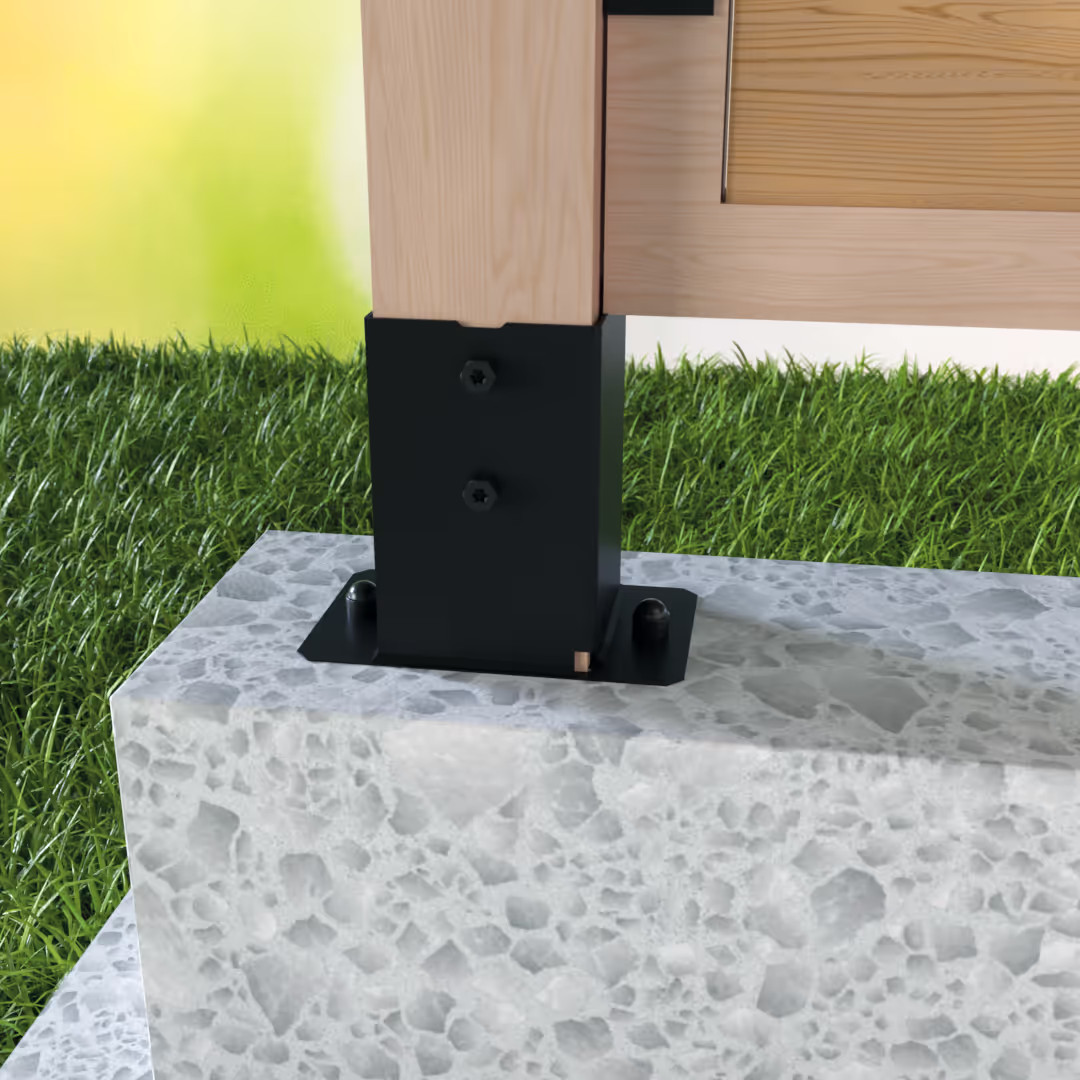
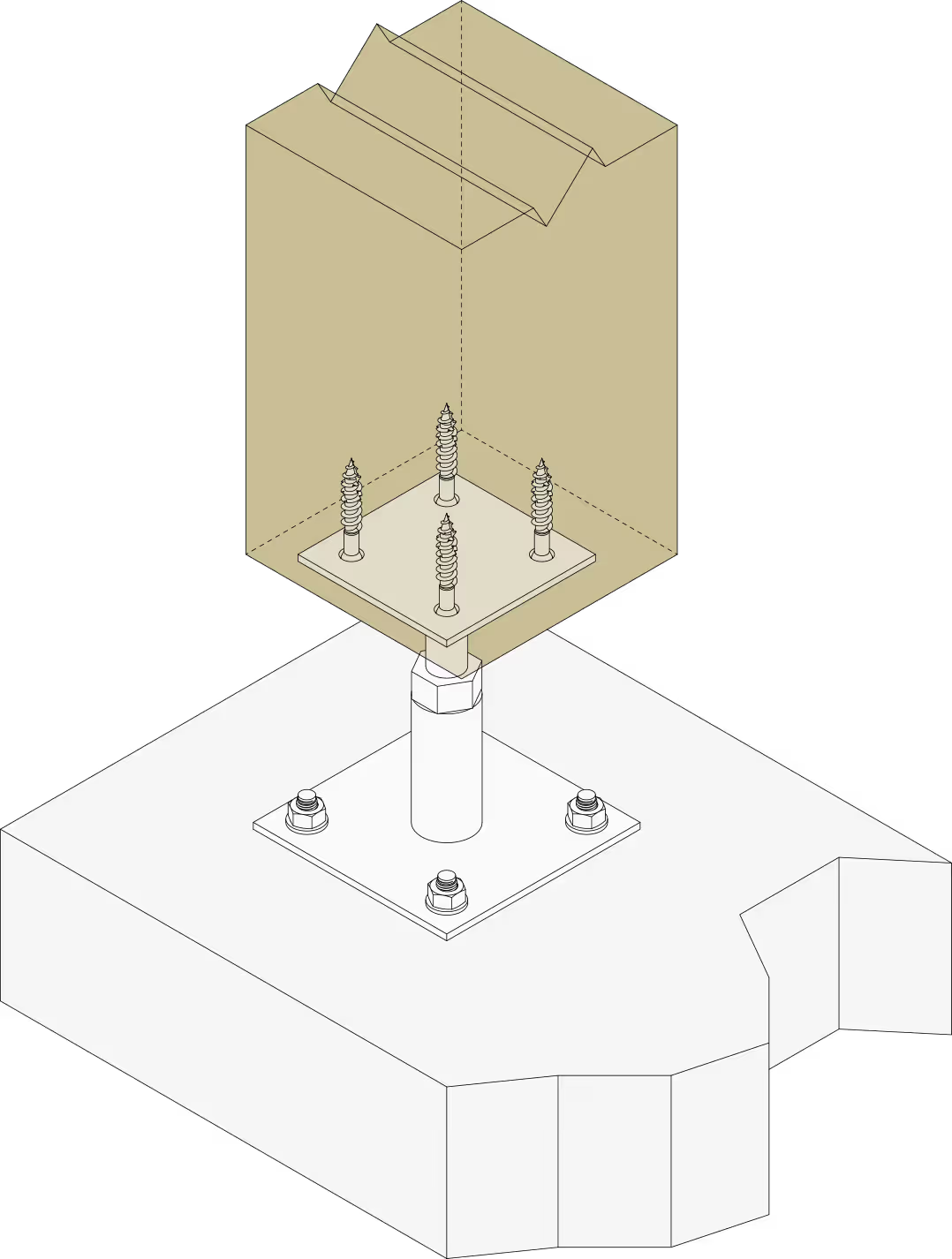
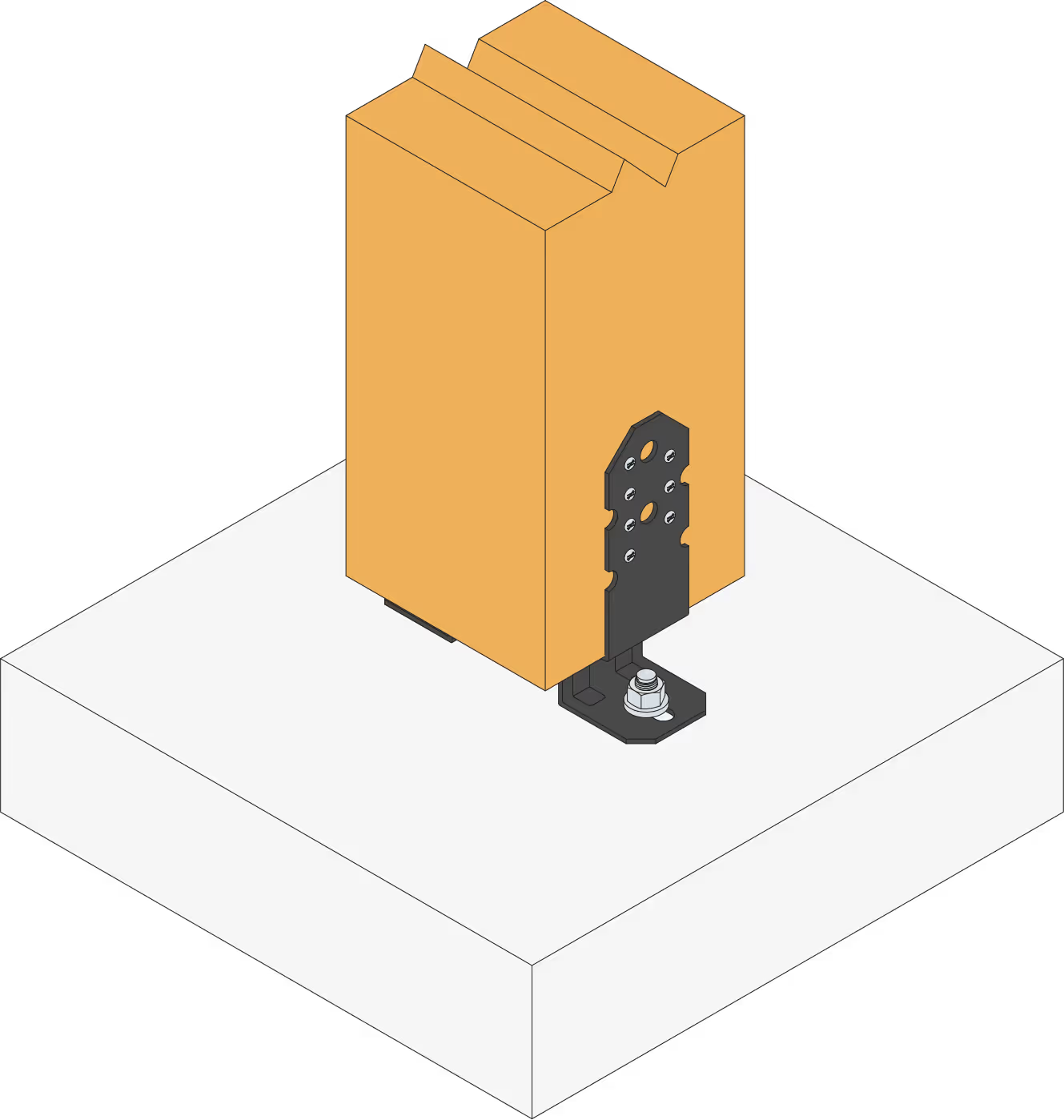
Simpson Strong-Tie PPJBMPB Pied de poteau pour muret et bord de dalle - Finition noire
Simpson Strong-Tie KNAG Echantignole
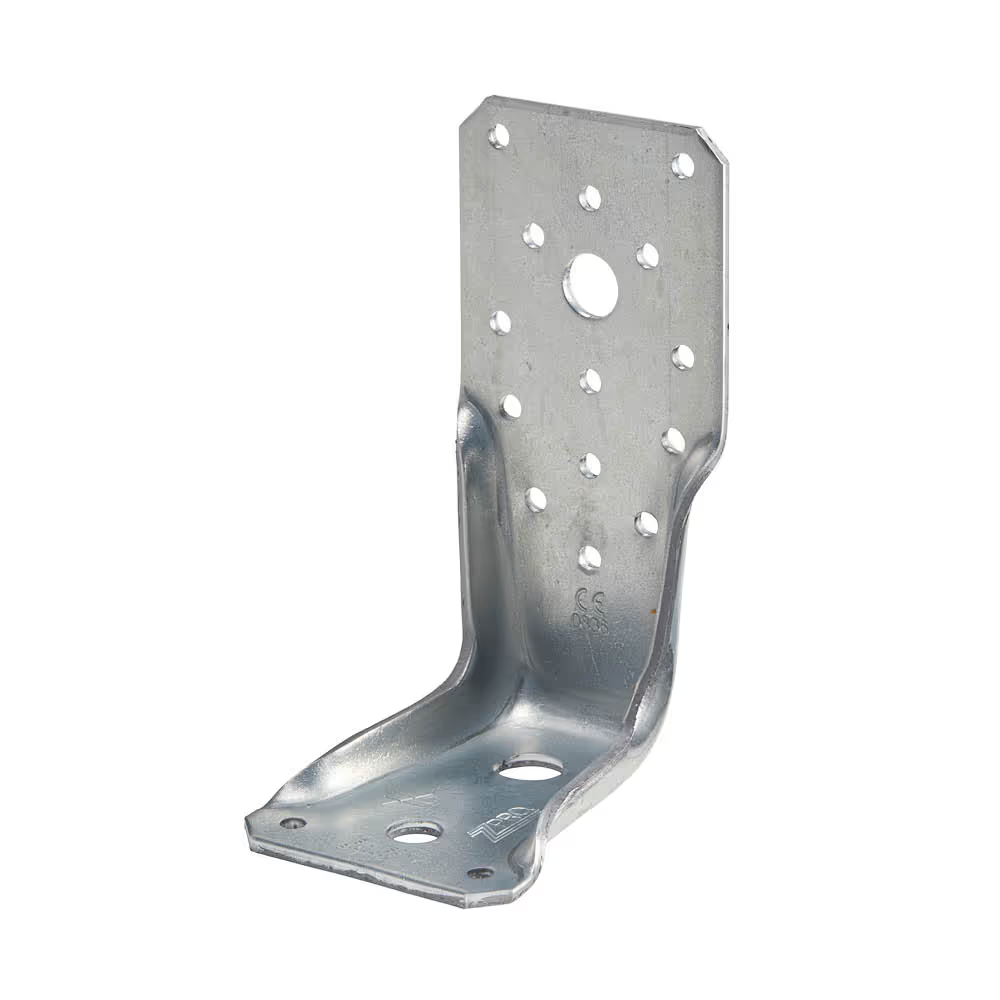
Simpson Strong-Tie AKR-Z Equerre renforcée pour ossature bois - ZPRO
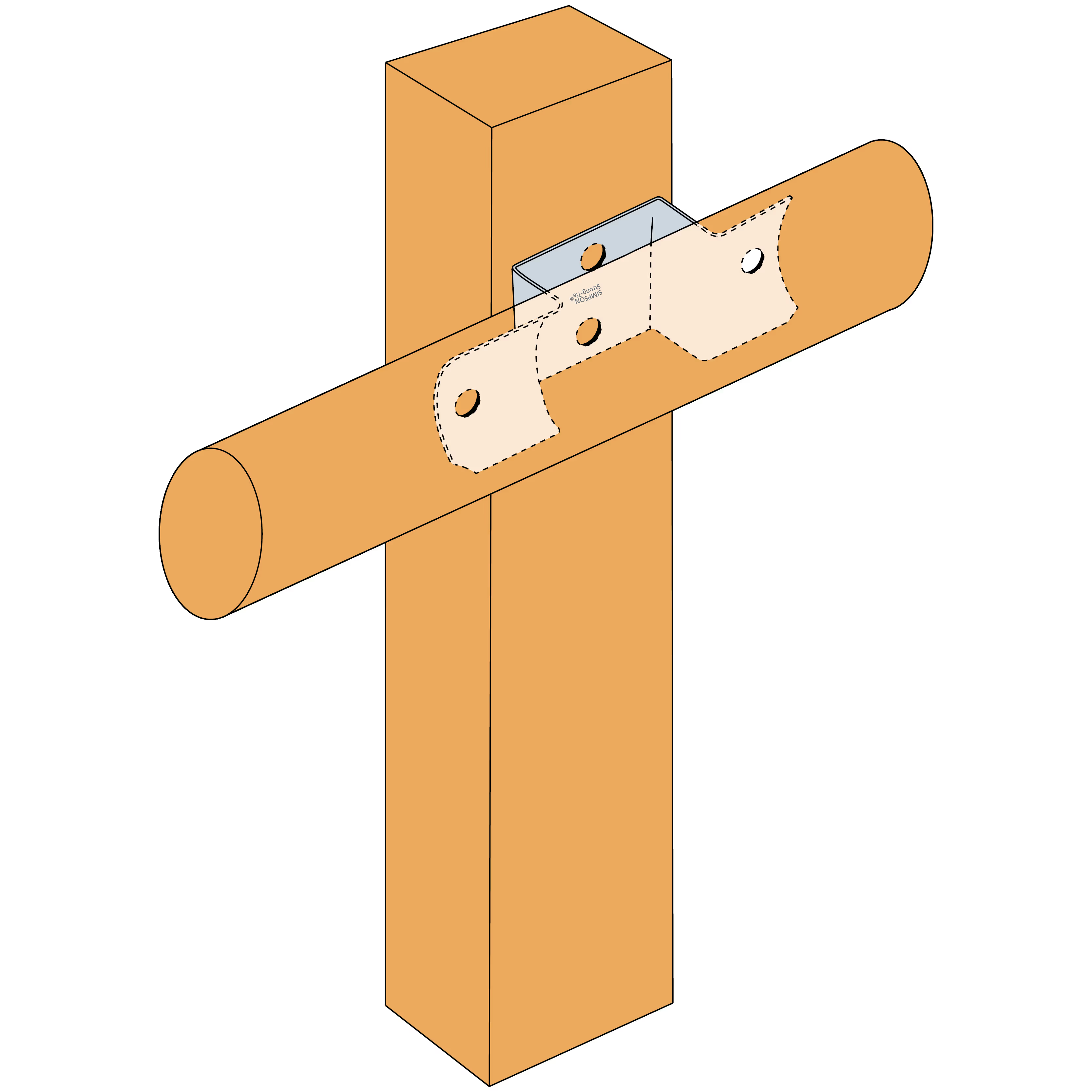
Simpson Strong-Tie RFCP Equerre plate pour bois ronds
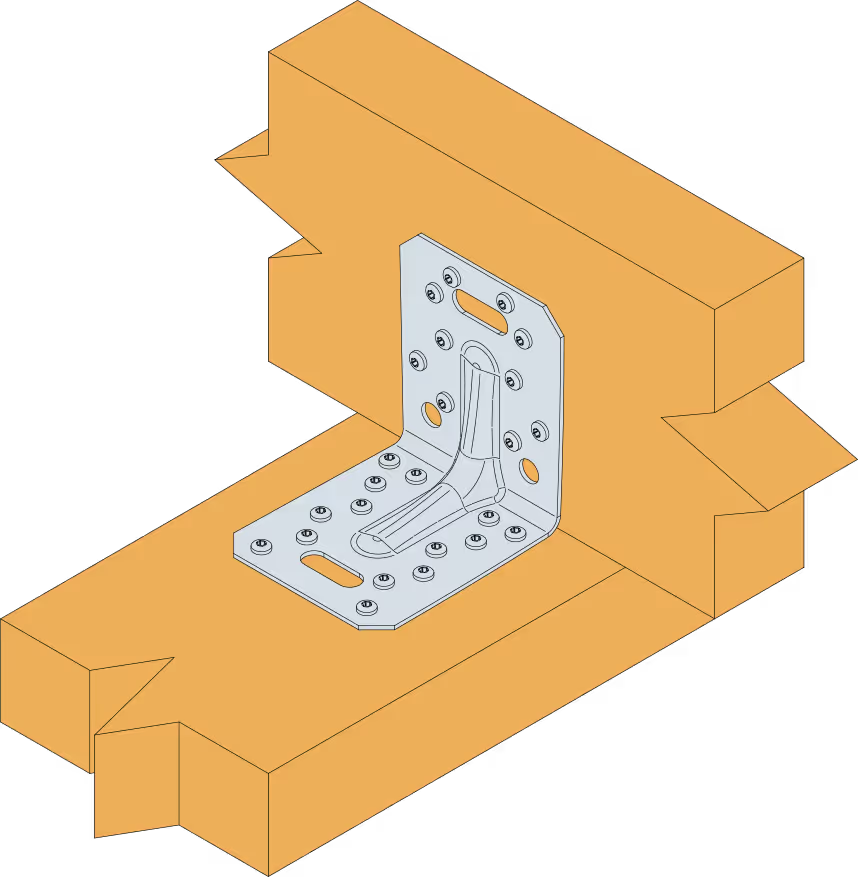
Simpson Strong-Tie ACRL Equerre renforcée
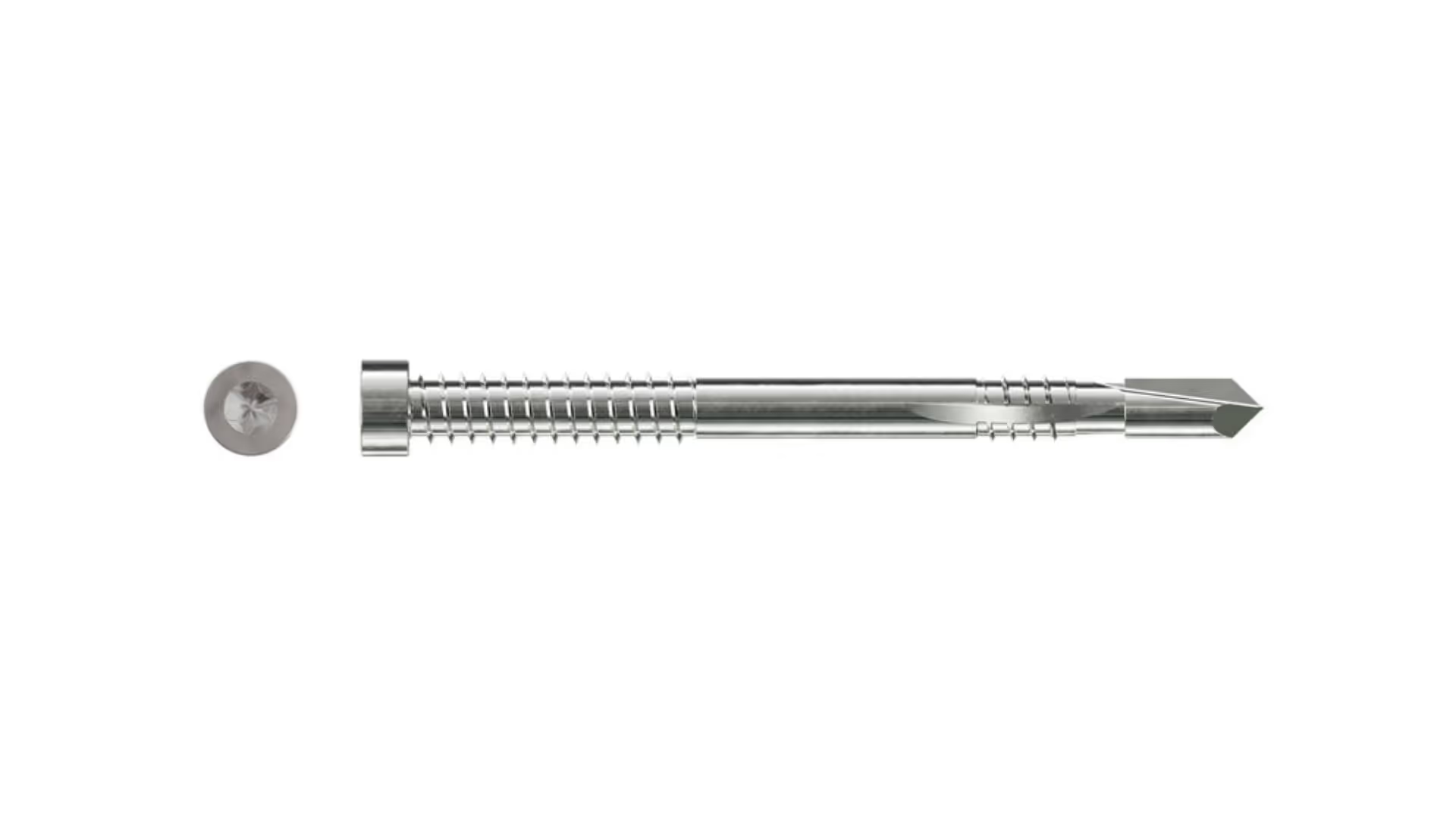
Simpson Strong-Tie Broche autoperceuse SDD pour connecteurs cachés
Simpson Strong-Tie A1 Anneau de charpente
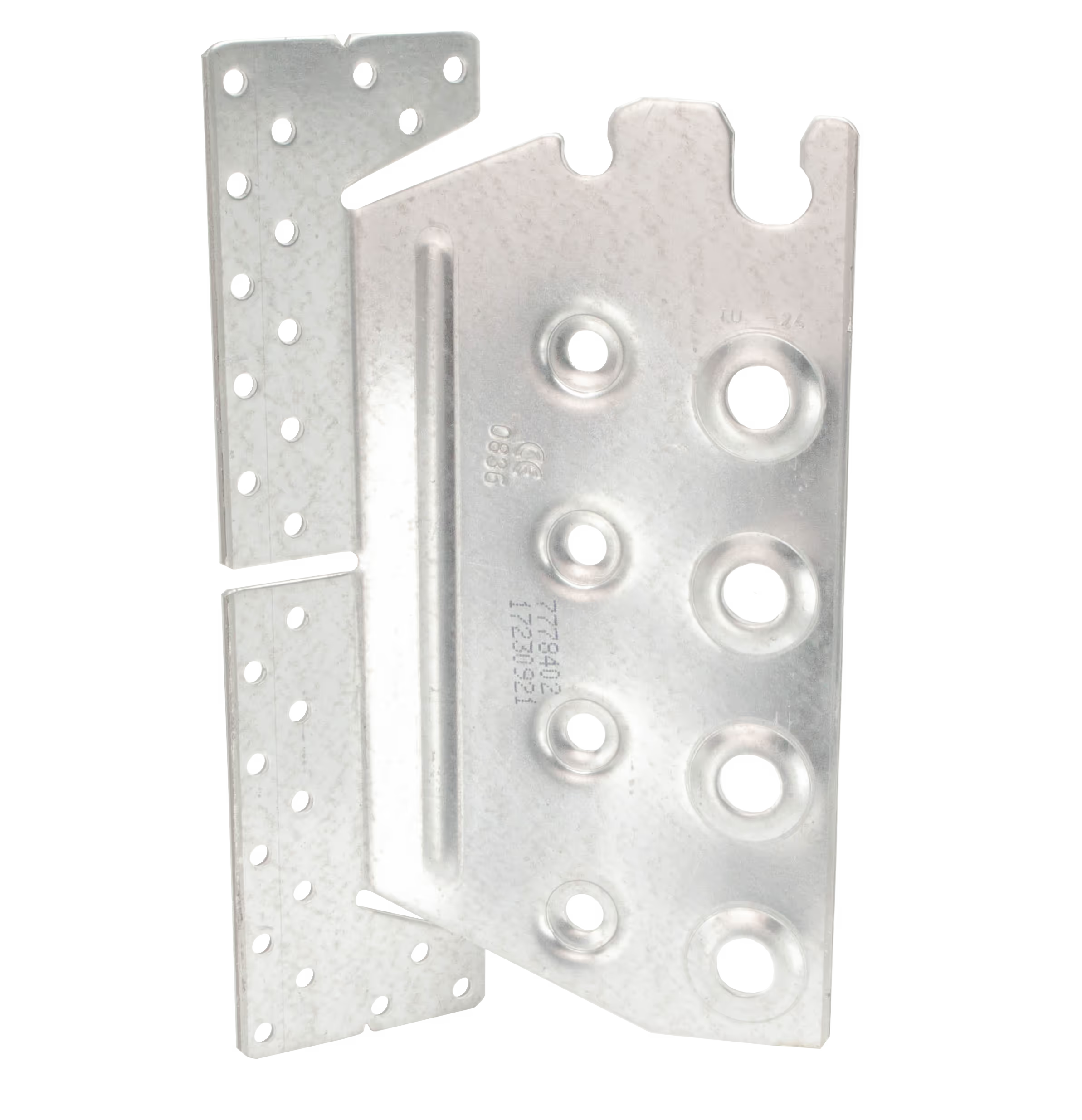
Simpson Strong-Tie SDE Sabot deux éléments (droit et gauche)
Simpson Strong-Tie KIT FIX PPJNCPB Pied de poteau carré de jardin - Finition noire
Simpson Strong-Tie 55L Ferrure en L
Simpson Strong-Tie ACW Équerre pour murs rideaux
Simpson Strong-Tie E9S/2.5 Grande équerre renforcée
Simpson Strong-Tie LSSU Etrier à pente et orientation réglables
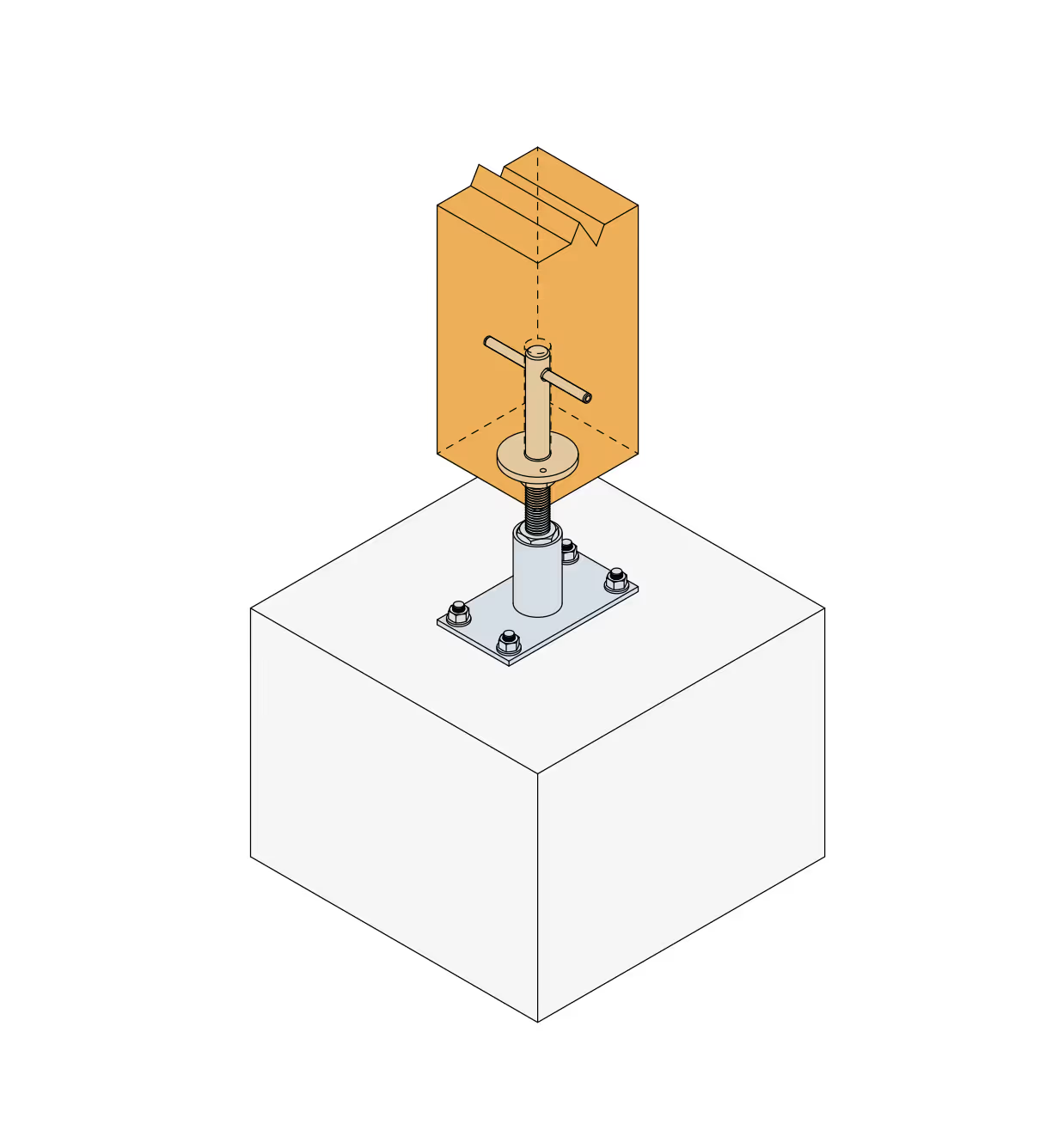
Simpson Strong-Tie PGS Pied de poteau tubulaire réglable fortes charges
Simpson Strong-Tie DJH-Z - Sabot sécable pour l'extérieur
Simpson Strong-Tie E9/2.5 Grande équerre renforcée
Simpson Strong-Tie DSPRO - Vis terrasse bois durs
Simpson Strong-Tie AB255HD Equerre renforcée pour CLT avec vis inclinées
Simpson Strong-Tie 66T Ferrure en T
Simpson Strong-Tie AH Ancrage pour montants d'ossature
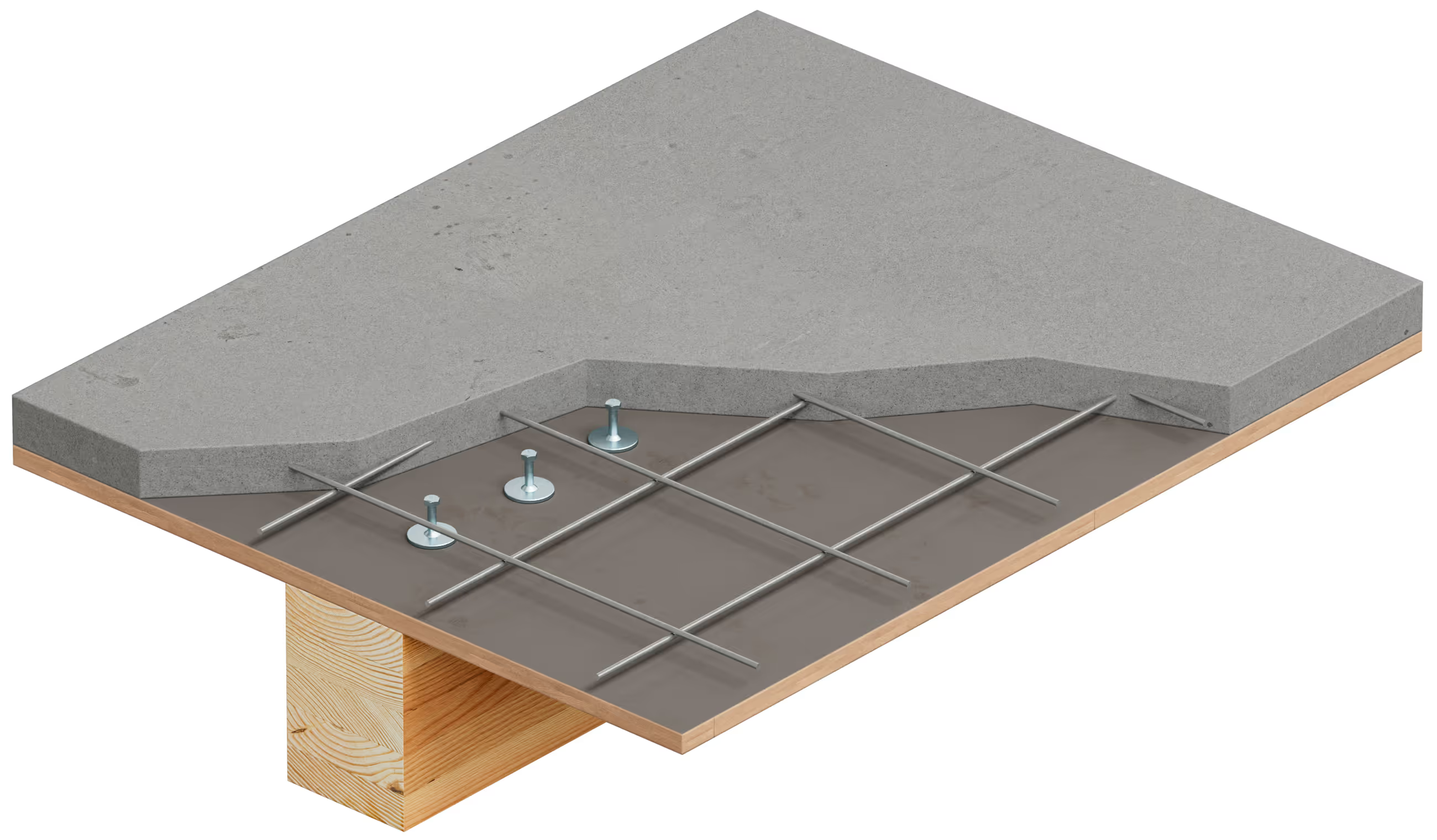
Simpson Strong-Tie FM-CT Connecteur pour plancher collaborant bois-béton
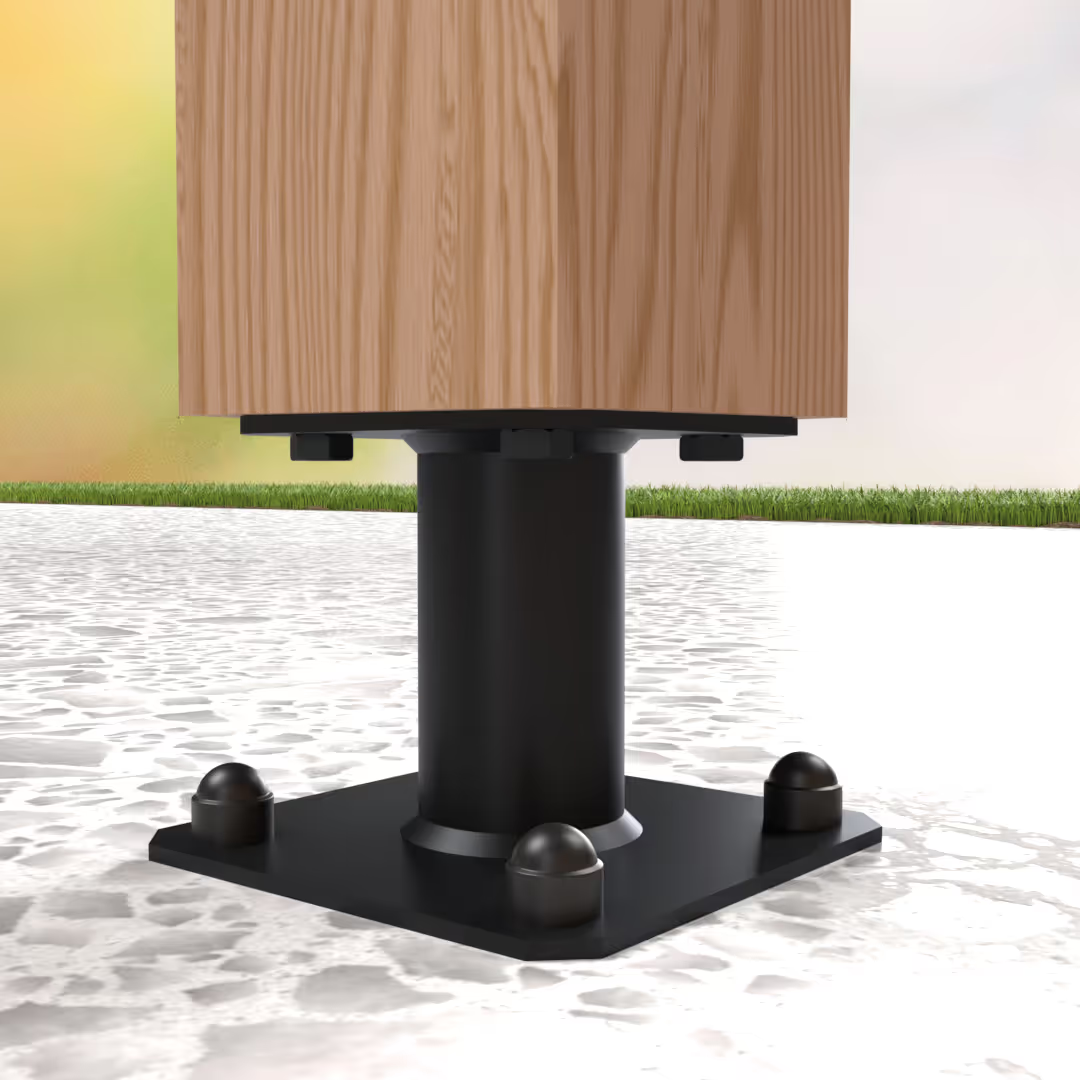
Simpson Strong-Tie PPA100PB Pied de poteau fixe - Finition noire
Simpson Strong-Tie CRE Console de renfort
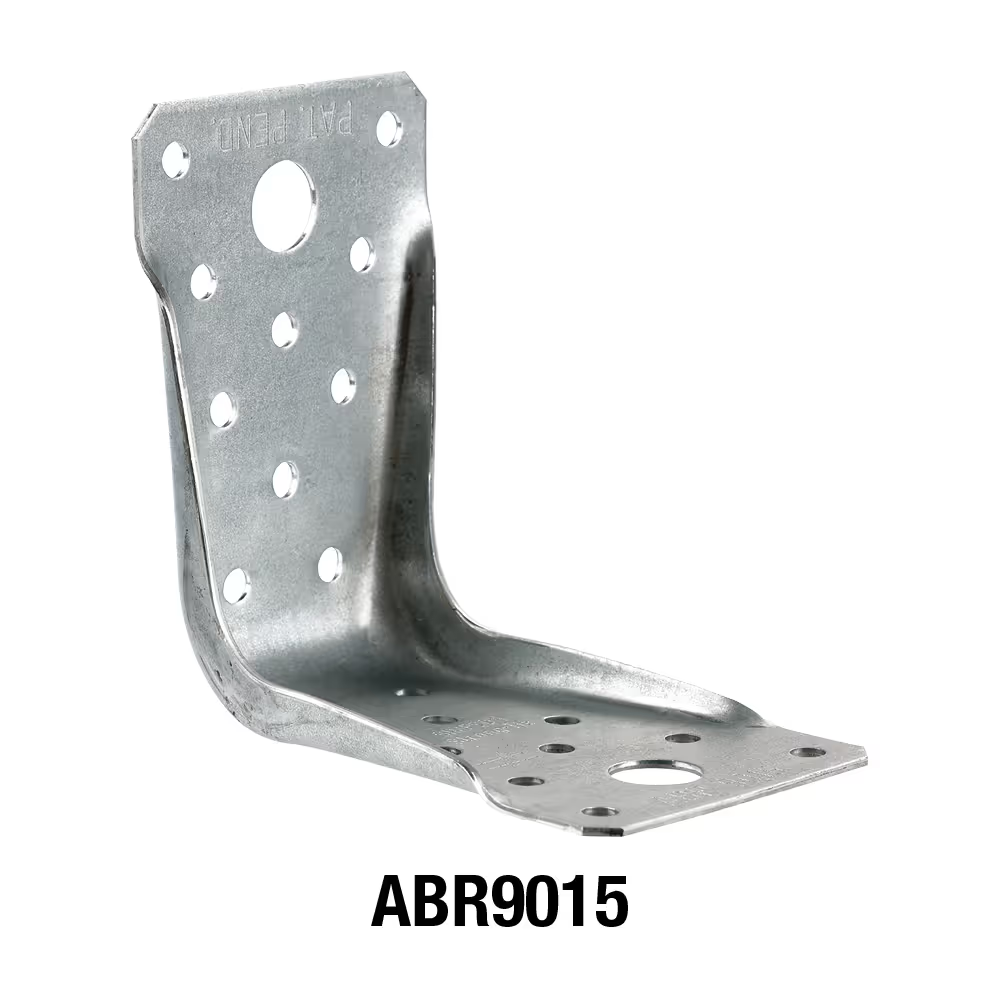
Simpson Strong-Tie ABR Equerre renforcée (9015 100)
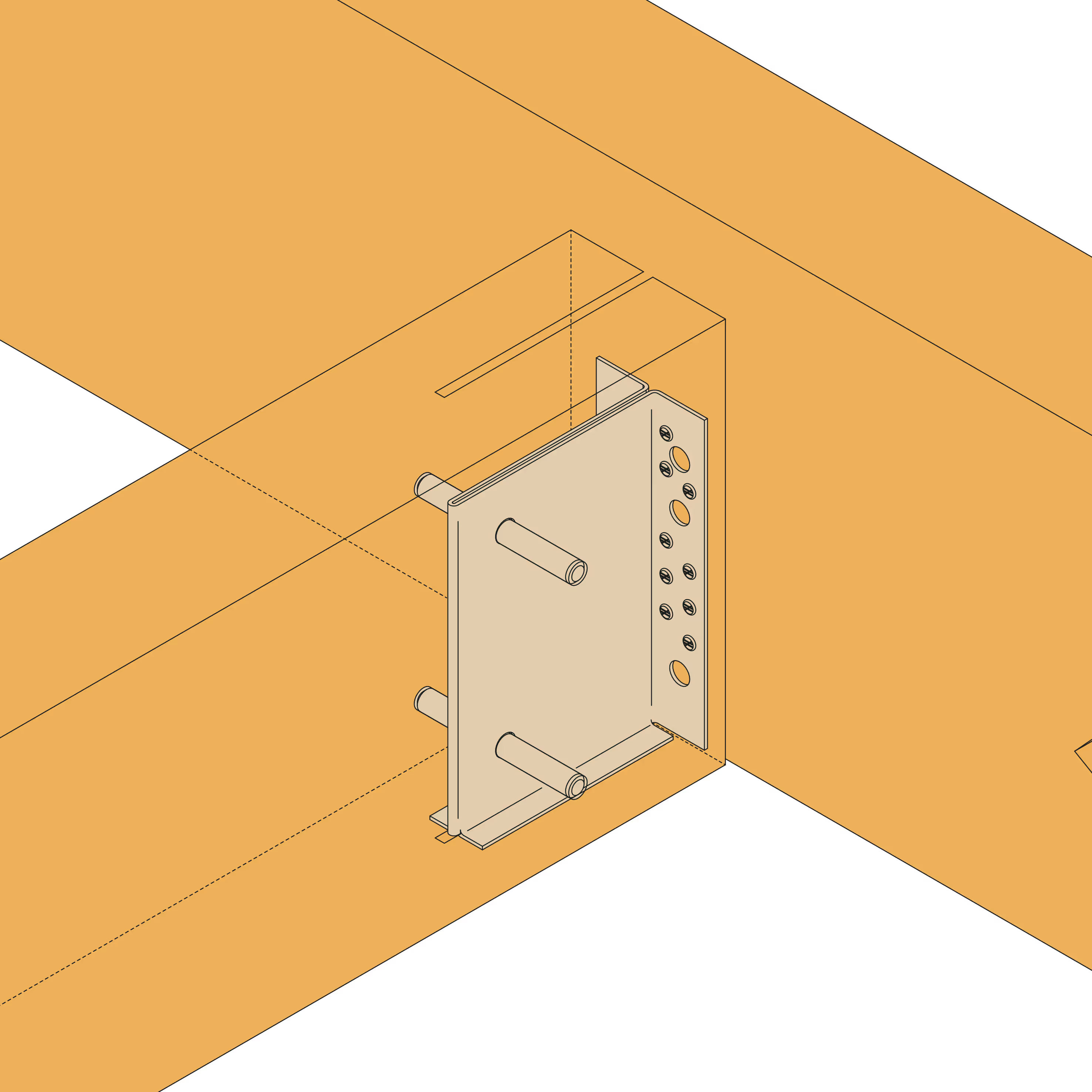
Simpson Strong-Tie Étrier à âme intérieure CBH105/3Z – Fixation invisible bois ou béton
Simpson Strong-Tie Équerre renforcée pour CLT ABR255
Simpson Strong-Tie AE Équerre large renforcée
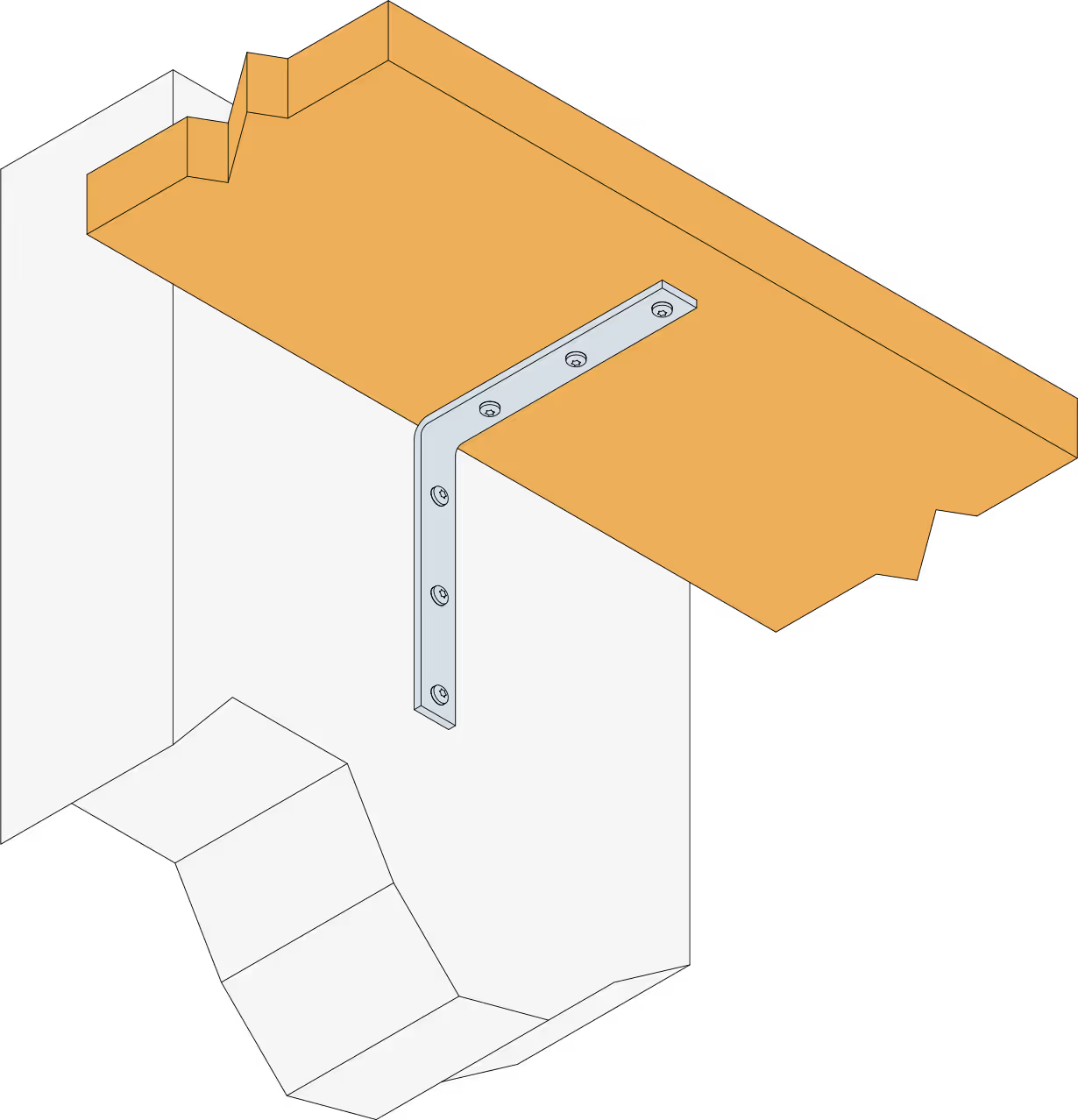
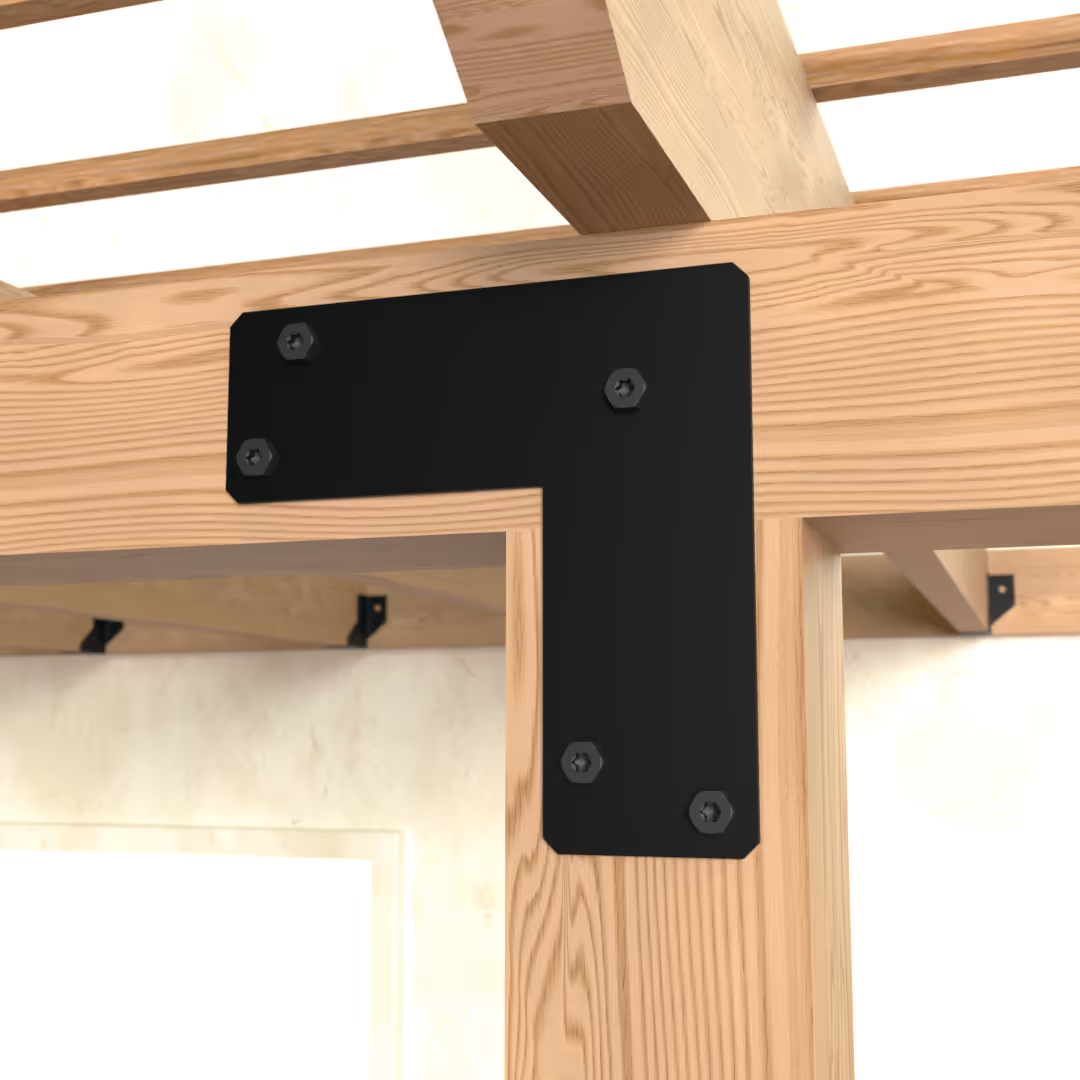
Simpson Strong-Tie L-PB Équerre plate en "L" - Finition noire
Simpson Strong-Tie T-PB Équerre plate en "T" - Finition noire
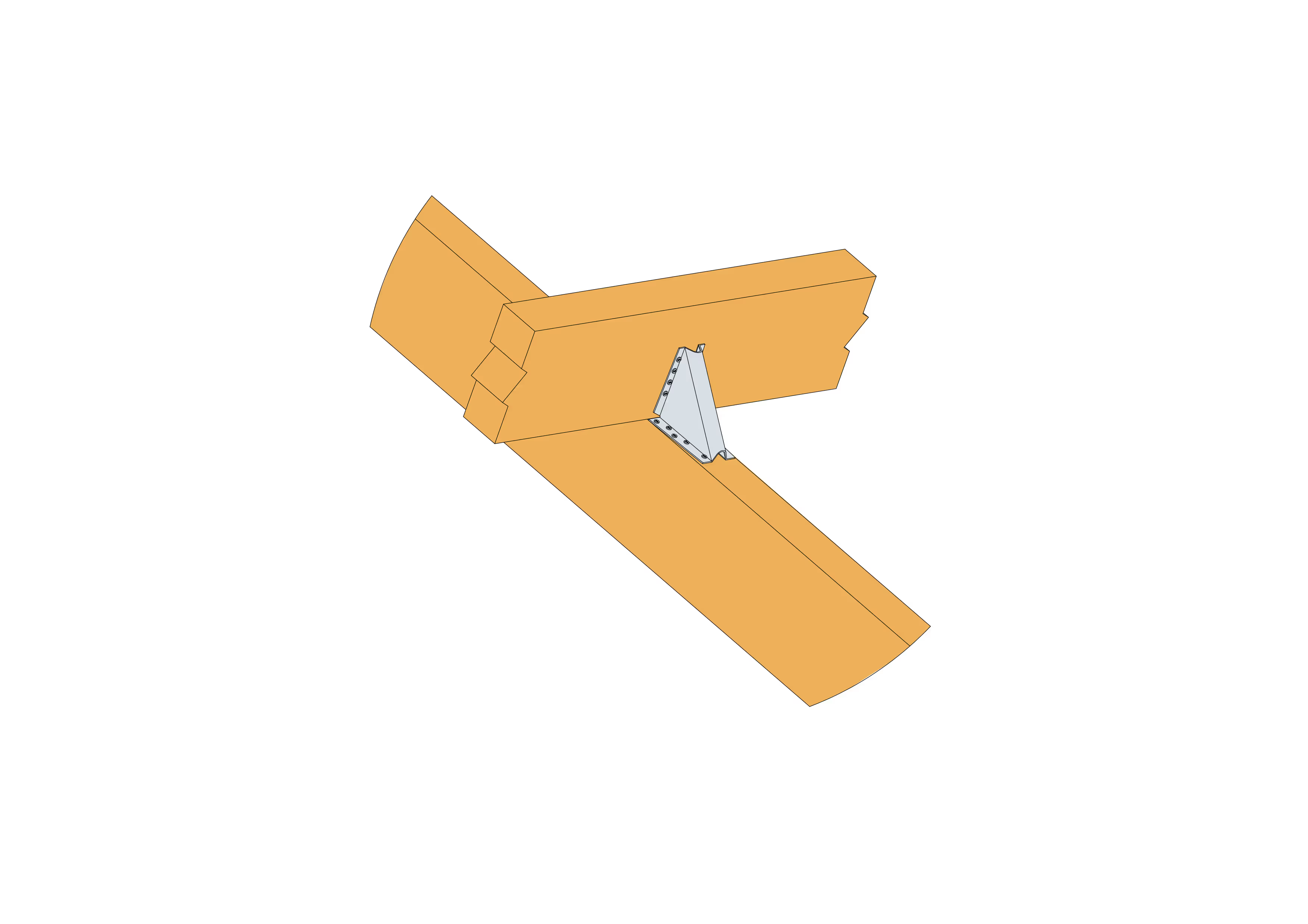
Simpson Strong-Tie S1530 & S1030 Sabot à angle variable de 10° à 30° et de 15 à 30°
Simpson Strong-Tie PPRIX Pied de poteau réglable - Inox A4
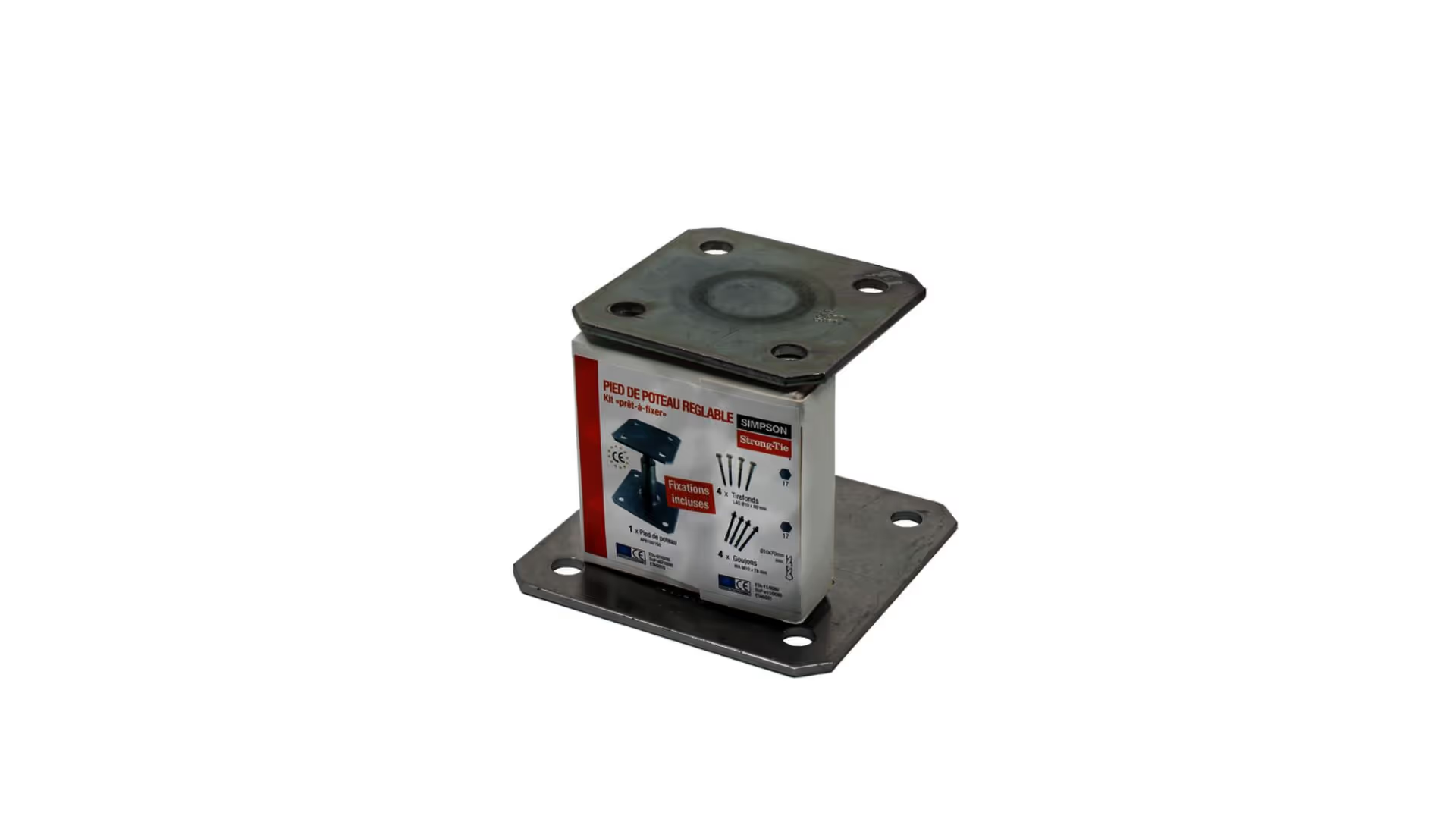
Simpson Strong-Tie KIT FIX APB – Pied de poteau réglable prêt-à-fixer
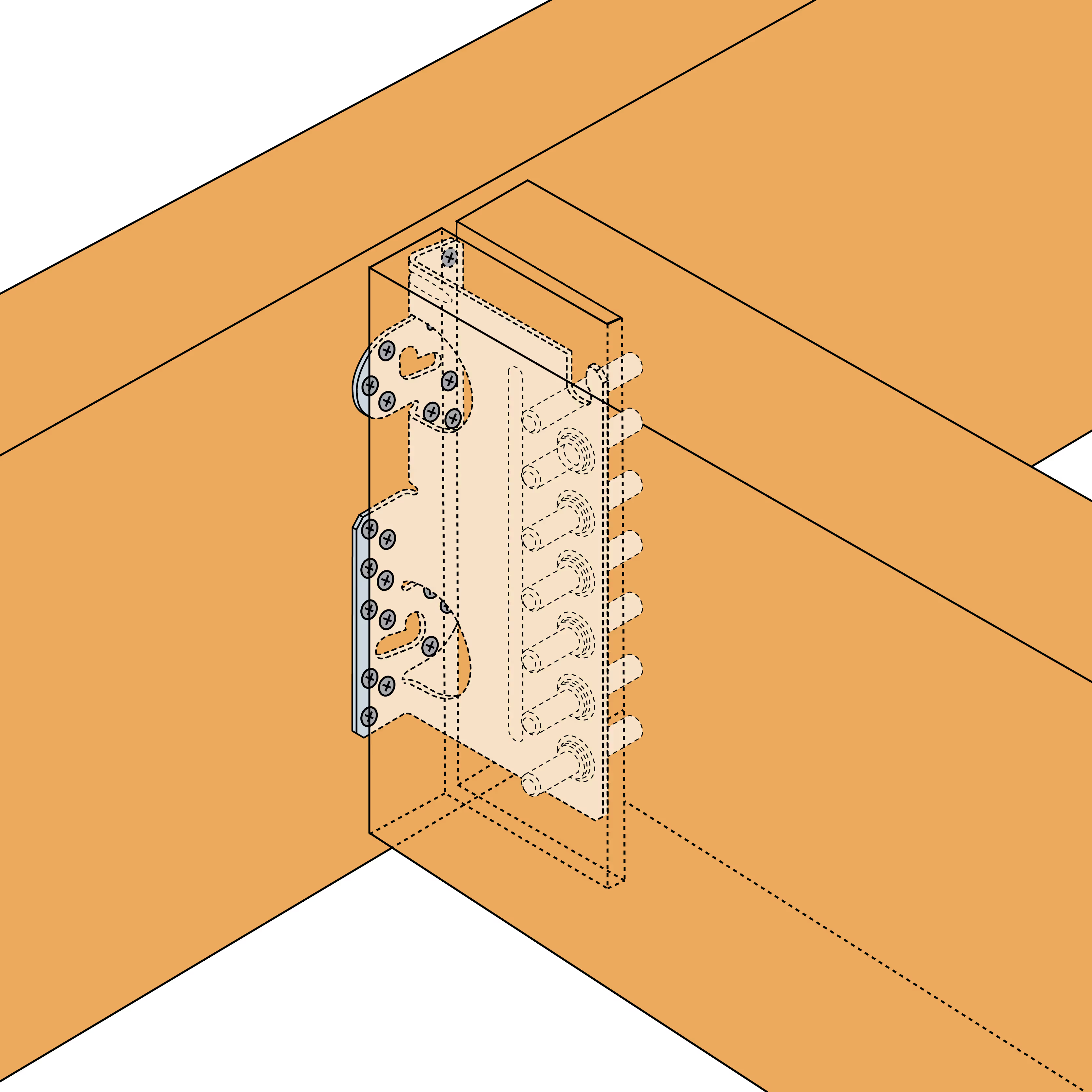
Simpson Strong-Tie ETNM Etrier à âme intérieure
Simpson Strong-Tie Ancrage pour montants d’ossature HTT
Simpson Strong-Tie CBHS Etrier à âme intérieure - Inox A4
Simpson Strong-Tie PBP60/50 Pied de poteau pergola
Simpson Strong-Tie ETB Etrier à queue d'aronde Aluminium

Choose your account type to get started

To access all features, first choose an account type (Company or Distributor).

You can then create your page and start the free Pro trial for 14 days.

42 of 232 products

How to choose the right timber connector?

The metal connectors you choose have a significant impact on the structural stability of a project. Even the strongest component is only as strong as the structure it is fixed to. If a connector shows signs of weakness, the strength of the whole structure or building is compromised.
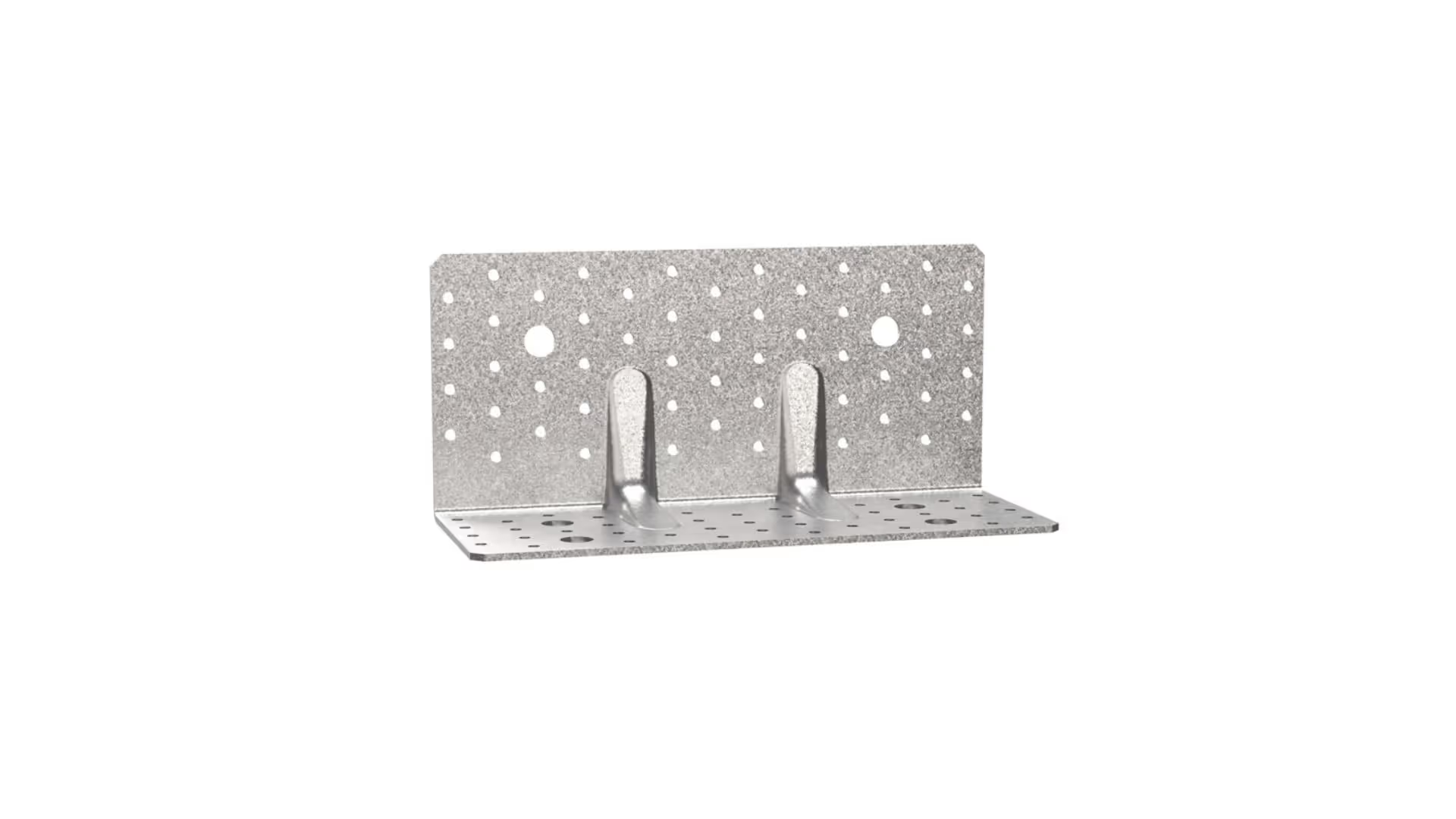
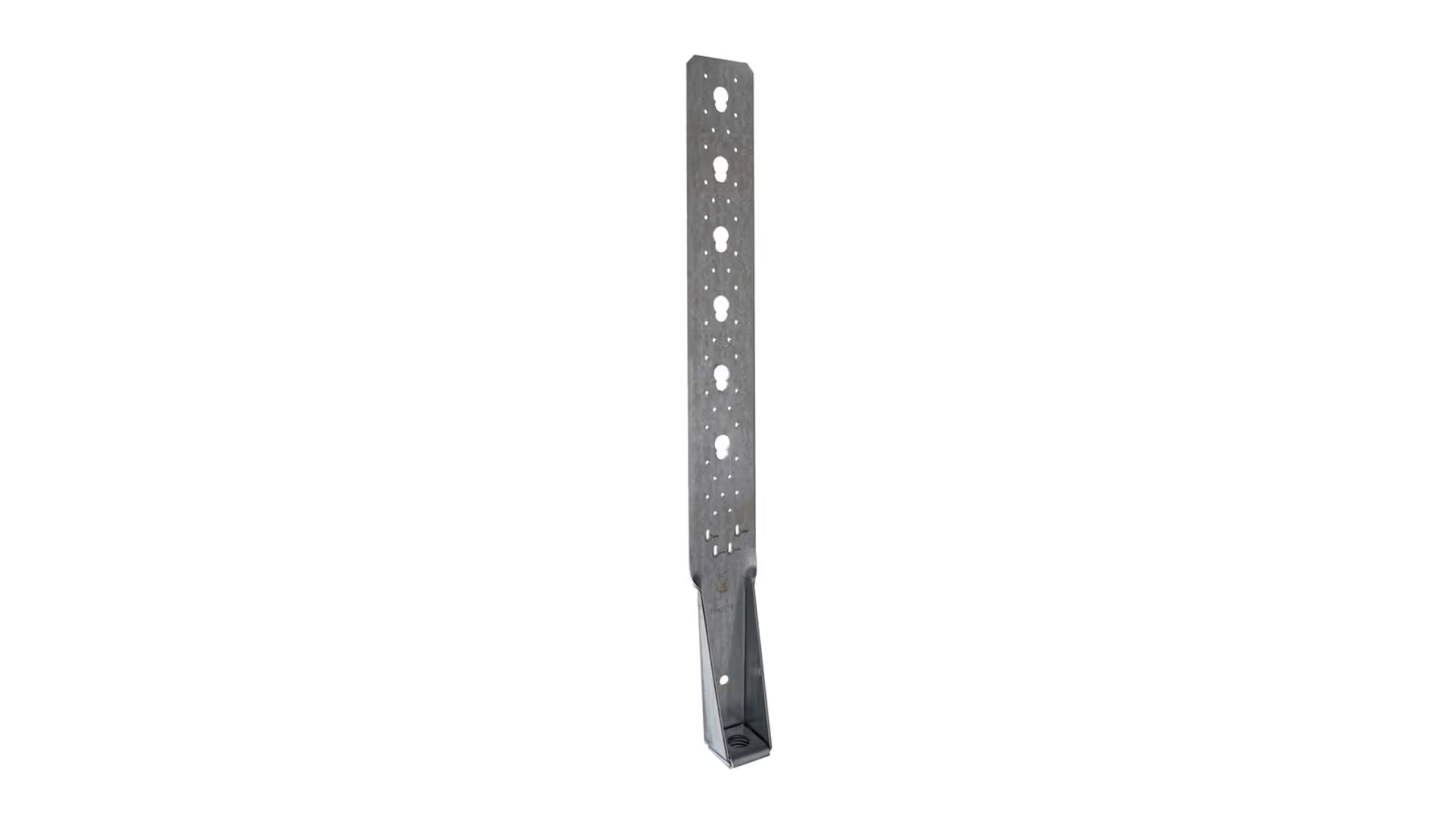
Timber connectors are an essential part of the construction industry. They are designed to improve the performance of timber-to-steel and timber-to-timber connections. It is therefore essential that they are made from strong materials such as hot-rolled mild steel or pre-galvanised steel.

What kind of joist connectors do professionals use?

Carpenters and designers often use stainless steel timber connectors to increase the strength and service life of their structures. By increasing the bearing area between the timber and the fasteners, timber connectors help transfer loads.

Timber joints and connections can deteriorate for a number of reasons, including fire and water damage, splitting or rotting timber, and chemical reactions between preservatives and metal fixings. Red rust and white rust are the most common signs of deterioration.

These situations can eventually lead to a complete structural collapse as the connection between components gradually weakens. Choosing the right timber connectors can therefore be complex. The timber must be inspected to check whether it is damp, decaying, structurally sound and able to carry current or additional loads. Timber inspections should be carried out by qualified specialists who know where to look and what to look for.

Vulnerable areas include not only the beam but also the bearing ends, which are often embedded in the external wall and more exposed to weather damage. This can lead to significant corrosion damage requiring major structural repairs.

How are timber structure connectors assembled?

Timber structure connections are generally divided into two categories: dowel-type fasteners and metal connectors. They differ in the way they transfer forces between members. Metal fasteners have little or no fire resistance and conduct heat quickly, so additional fire protection, such as plasterboard, is often required.

Metal fasteners can be divided into two categories: bolted connectors and metal plate connectors.