
Log yard
The log yard brings together the equipment that receives, sorts and prepares roundwood before it is processed. It continuously feeds the entire sawmill. Compare manufacturers' models online on WoodPartners.

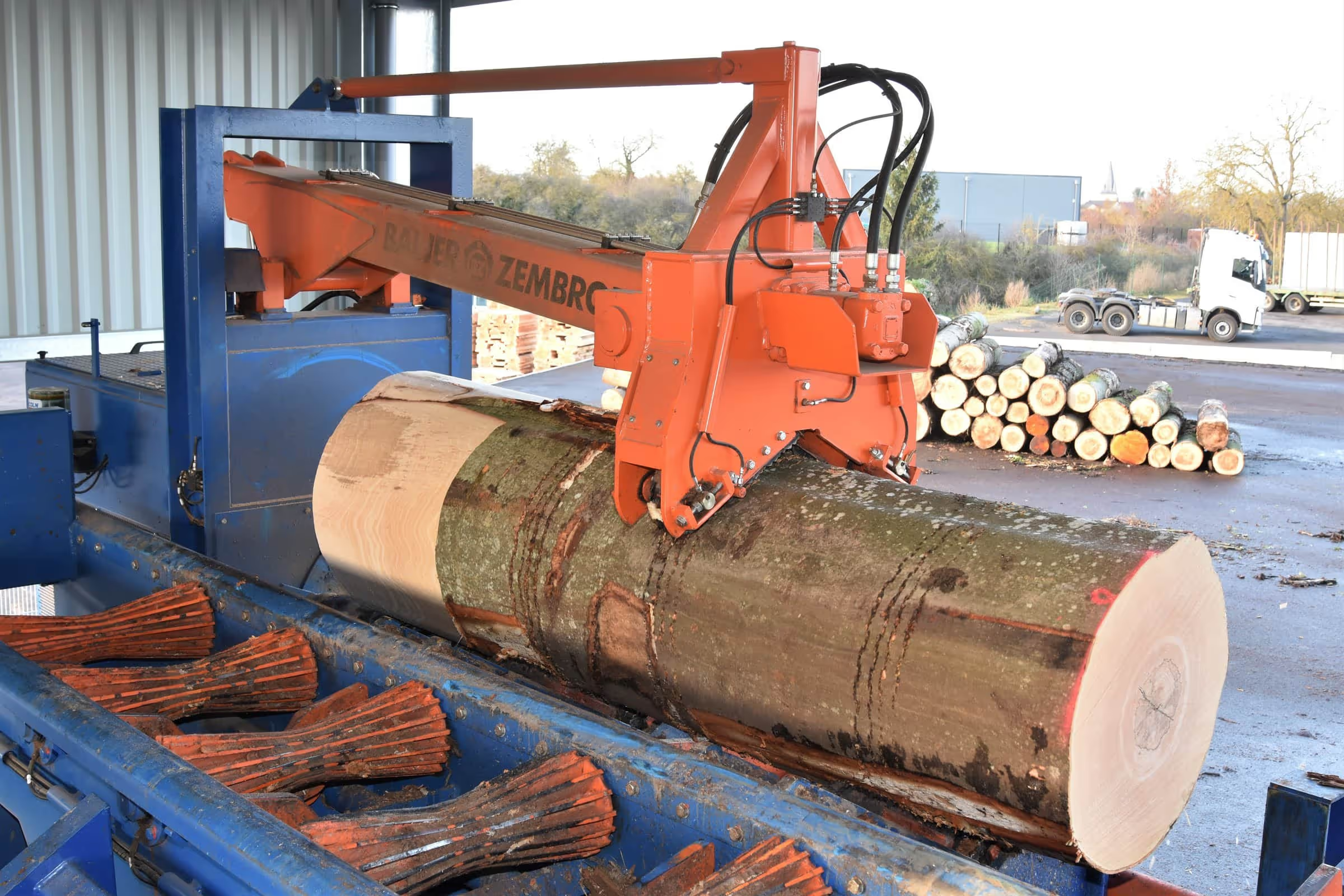
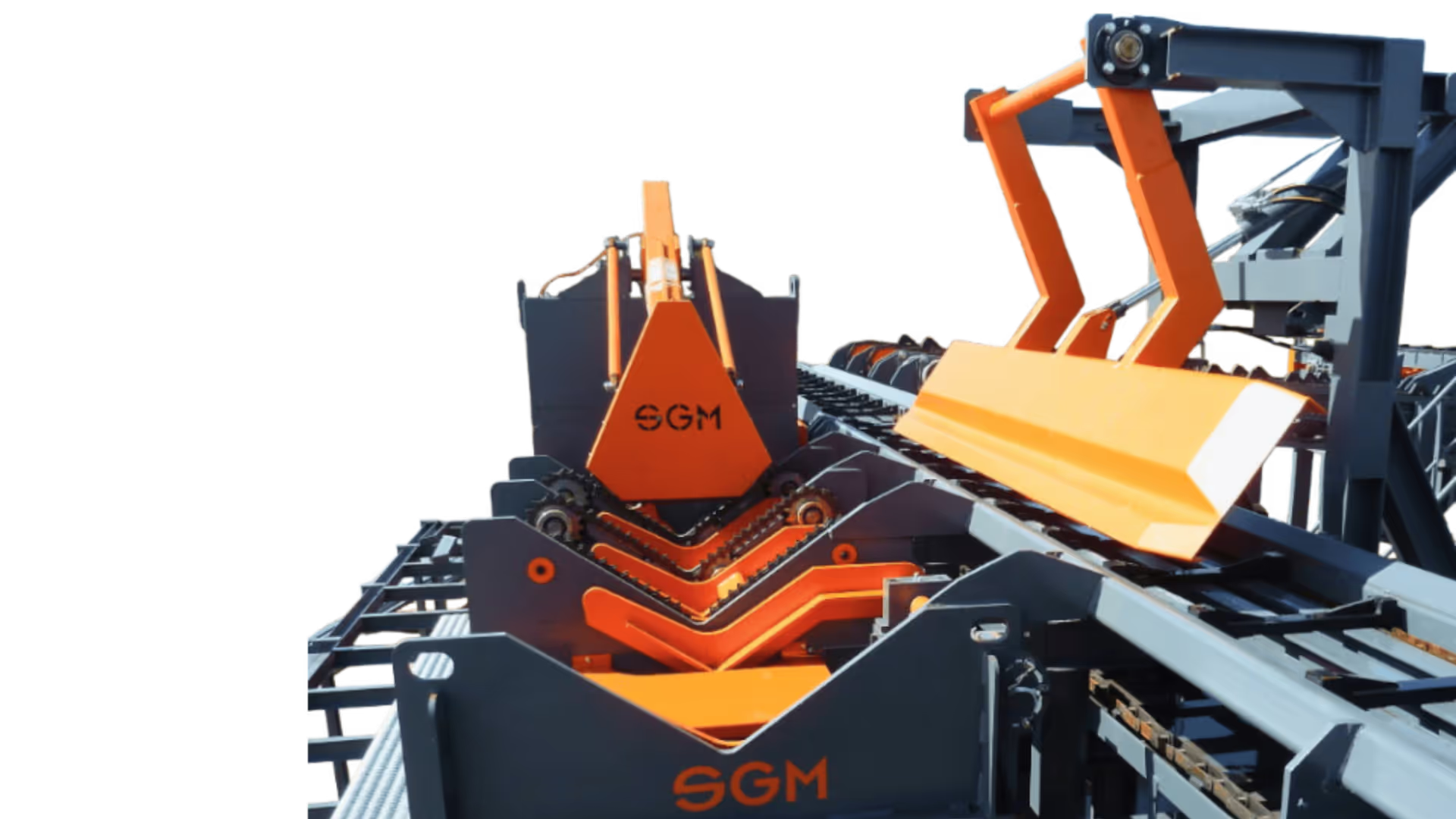
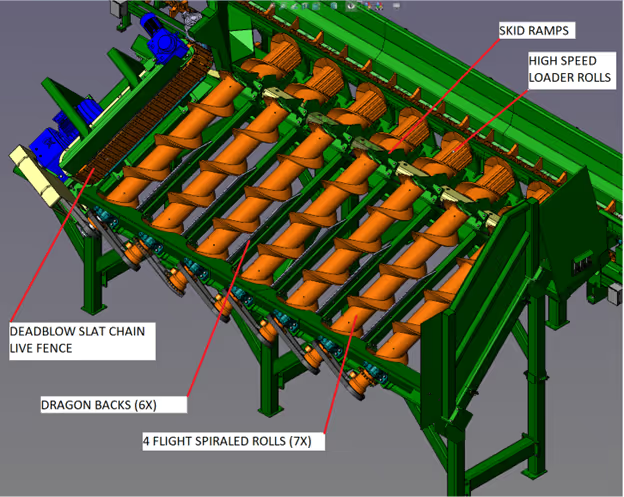
33 of 33 products
Discover log yard equipment to organize the receiving of your timber and feed your sawmill without interruption.
The log yard, the starting point of sawmill production
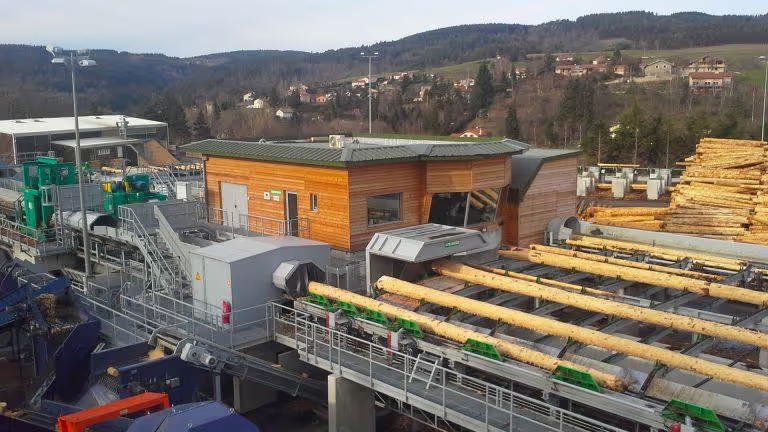
The log yard determines the regularity of supply for the entire sawmill. Receiving, scaling, sorting, crosscutting and storage follow one another there before moving on to debarkers and sawing lines. An undersized or poorly mechanized yard creates flow breaks that penalize downstream production.
Its mechanization also makes it possible to sort logs by species, diameter or quality as soon as they arrive. Each log thus joins the process that best adds value to the material, within the primary processing machines chain.
The equipment also depends on the type of supply. A yard dedicated to long timber (whole stems) includes a crosscutting station, whereas a shortwood yard receives logs already cut to length.
The different types of equipment in a log yard
A log yard combines handling, cutting and sorting equipment. Their sequence must remain smooth to avoid supply breaks downstream.
The timber crane
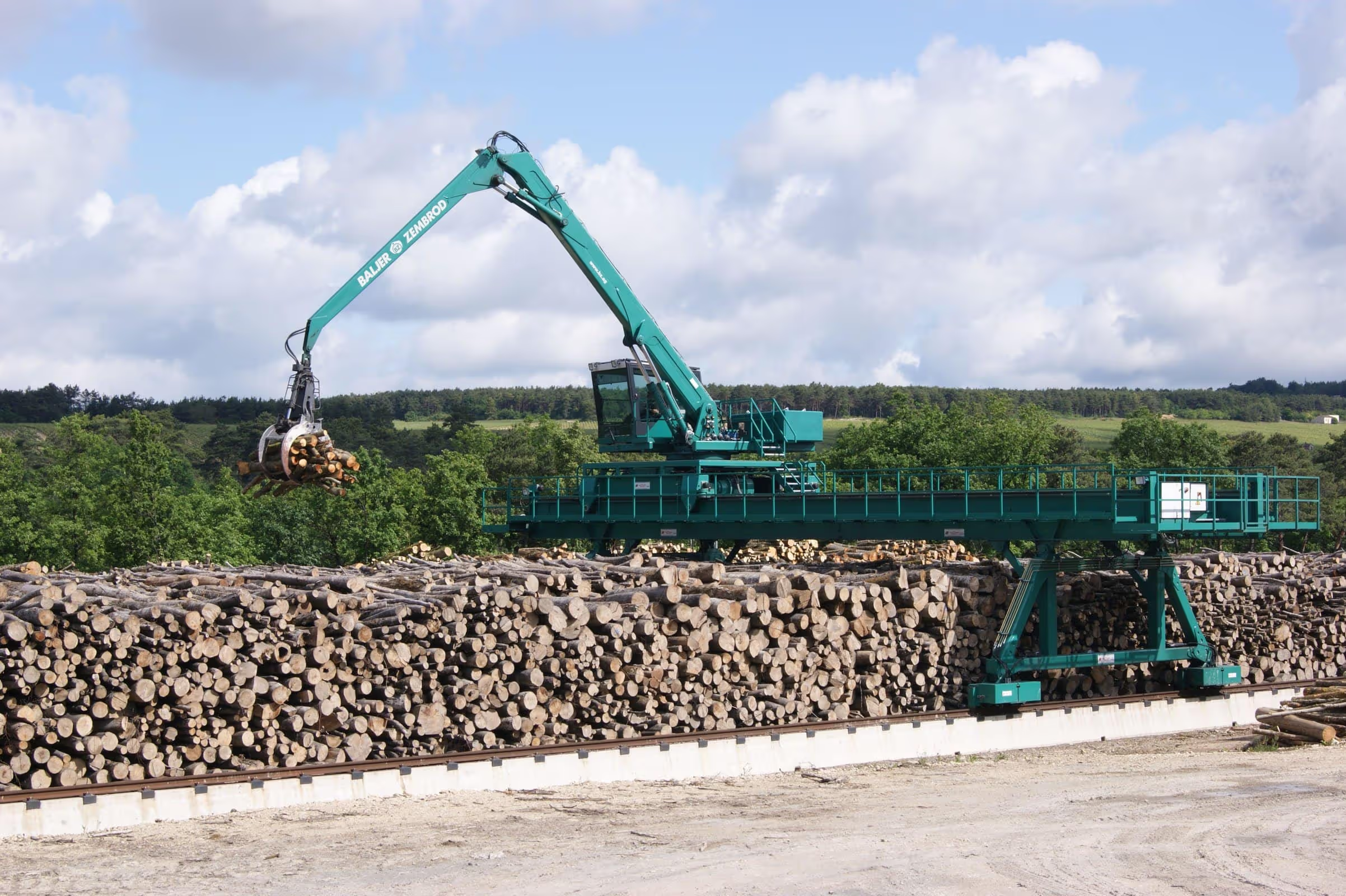
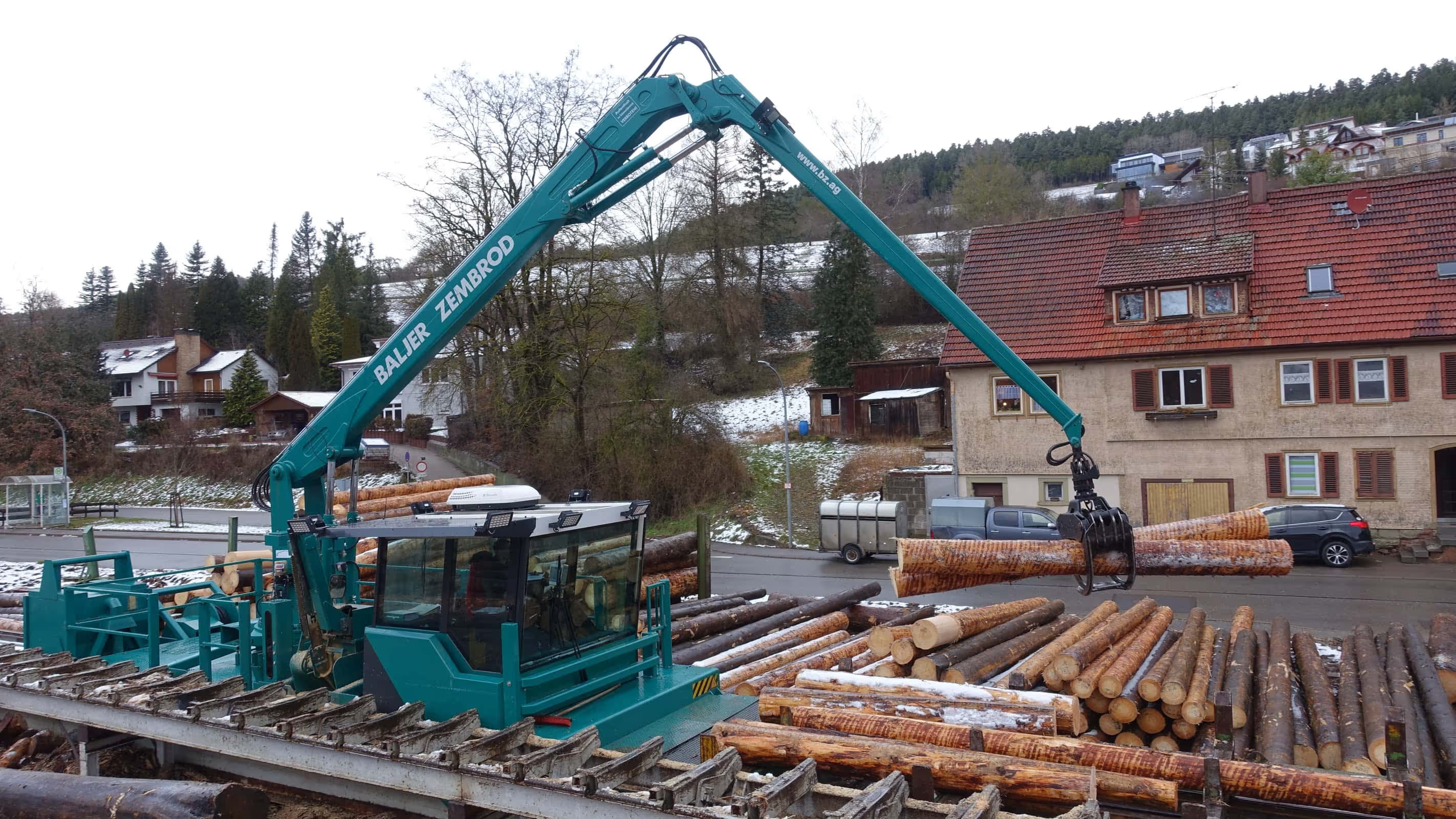
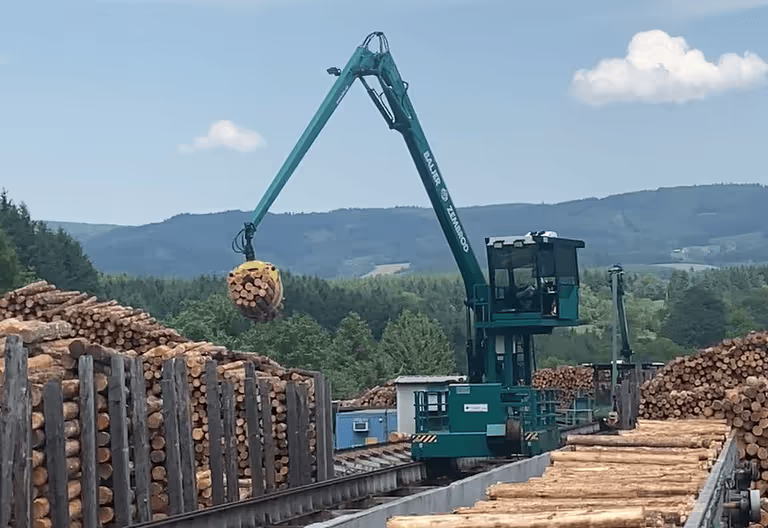
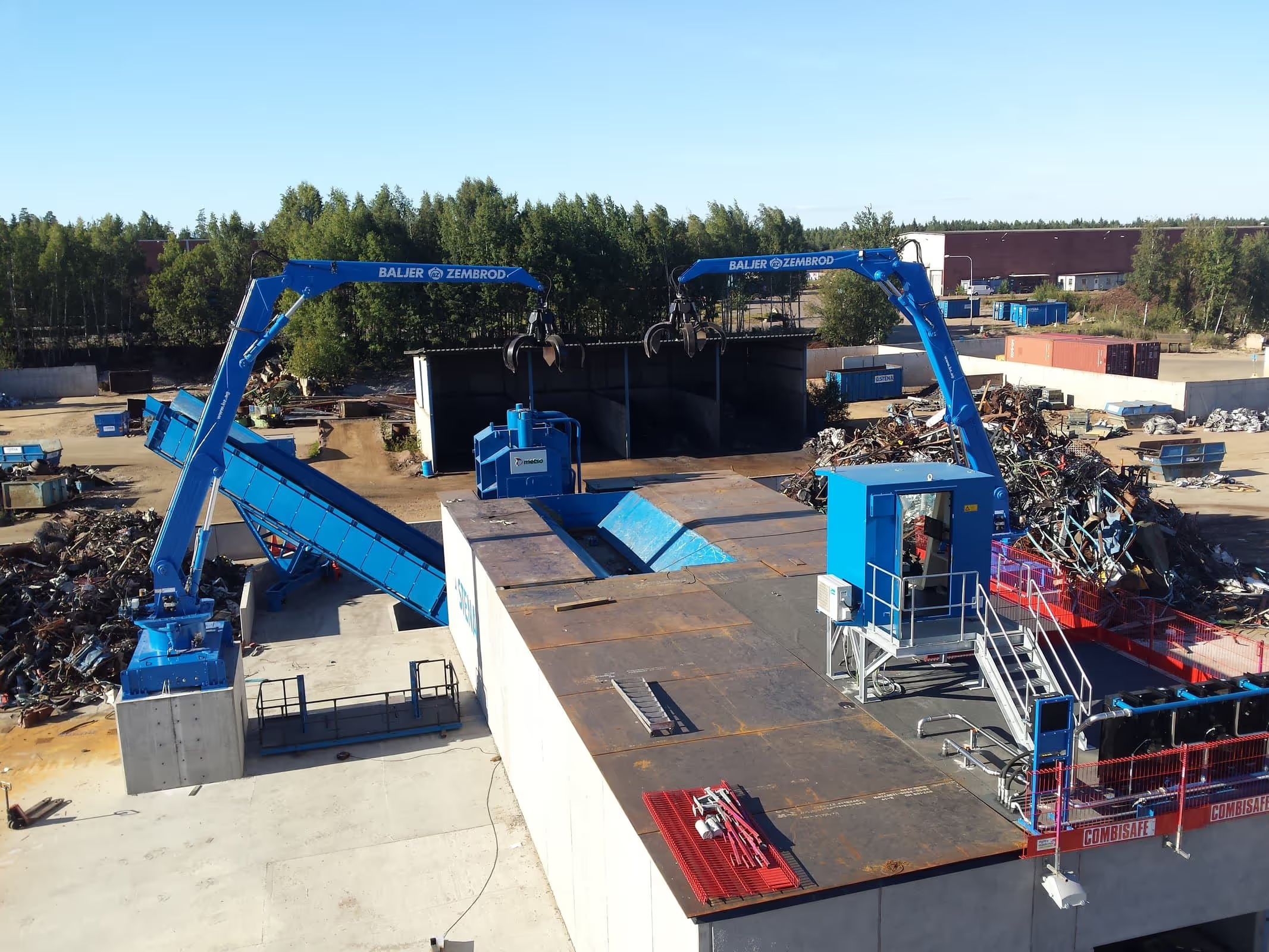
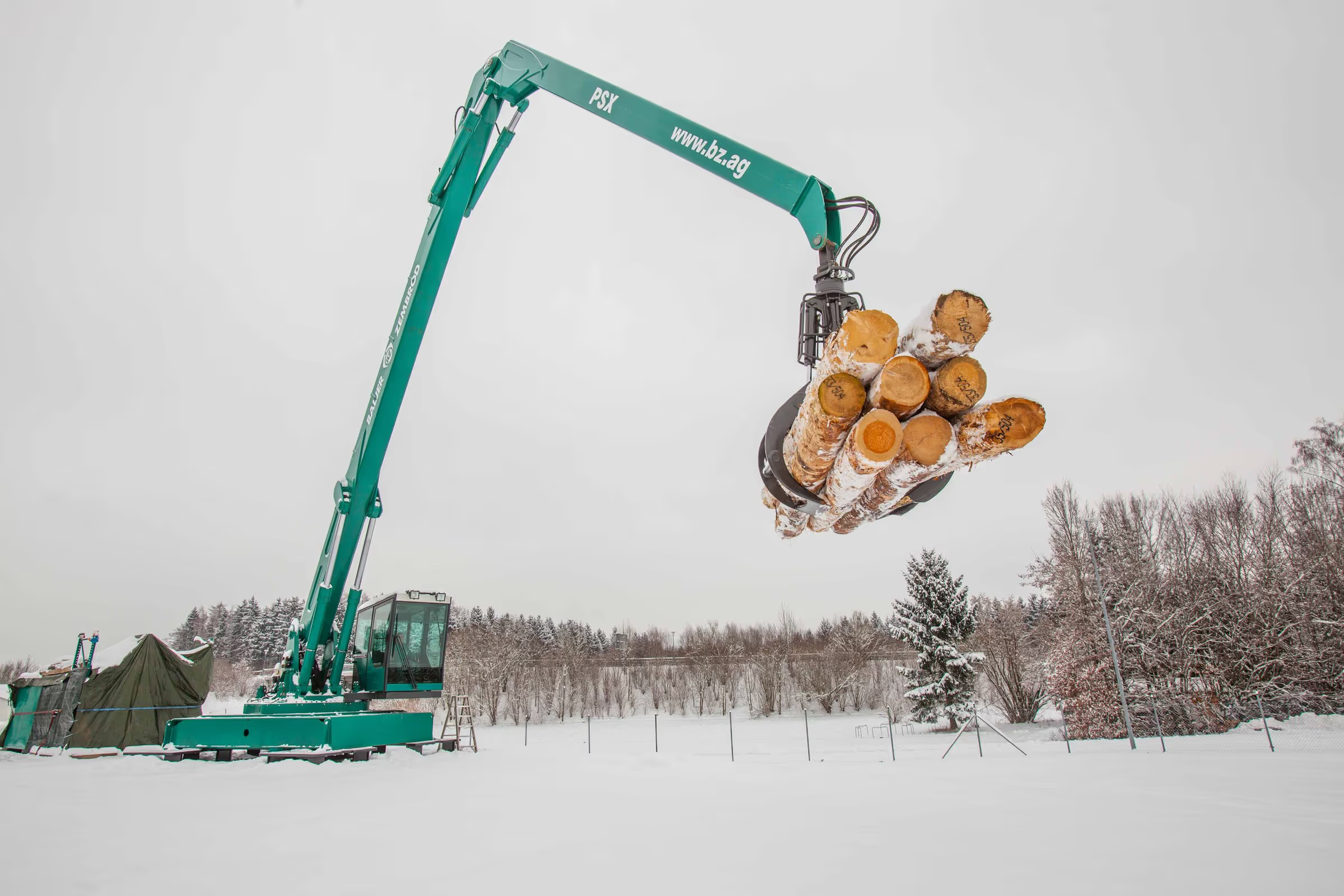
The timber crane unloads trucks, stacks logs and feeds infeed decks. It can be stationary, rail-mounted, or replaced by a handling gantry covering the entire yard surface. Handling carts complement this setup for ground movements.
The log conveyor
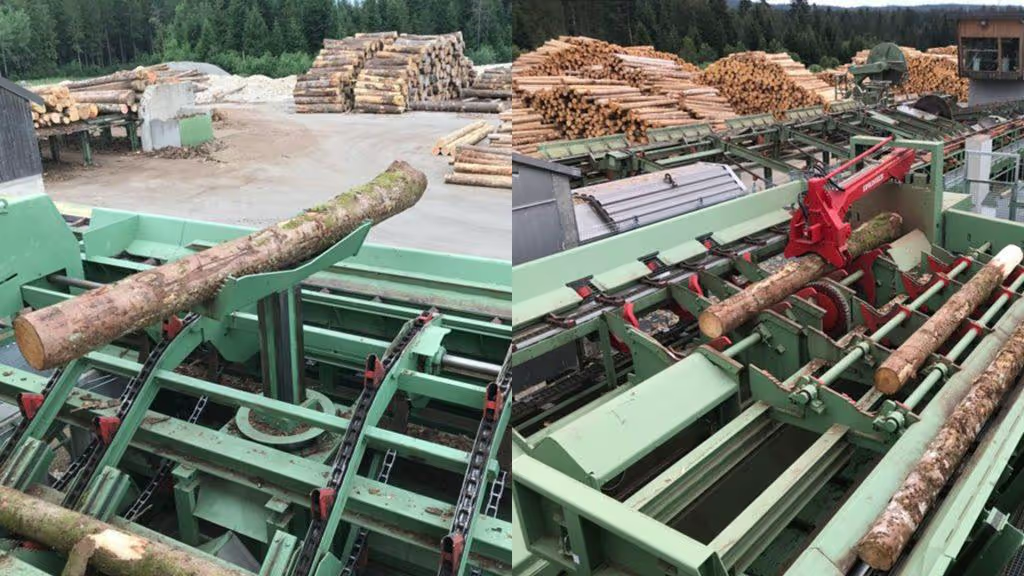
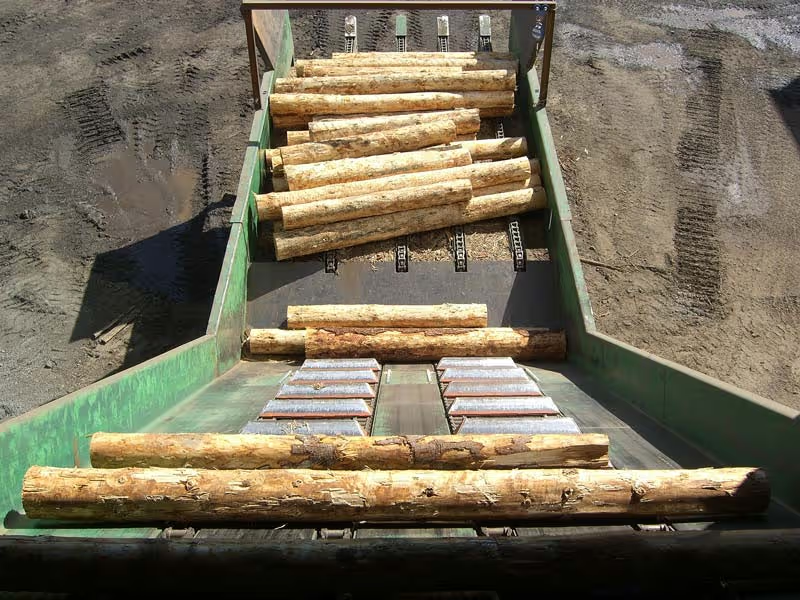
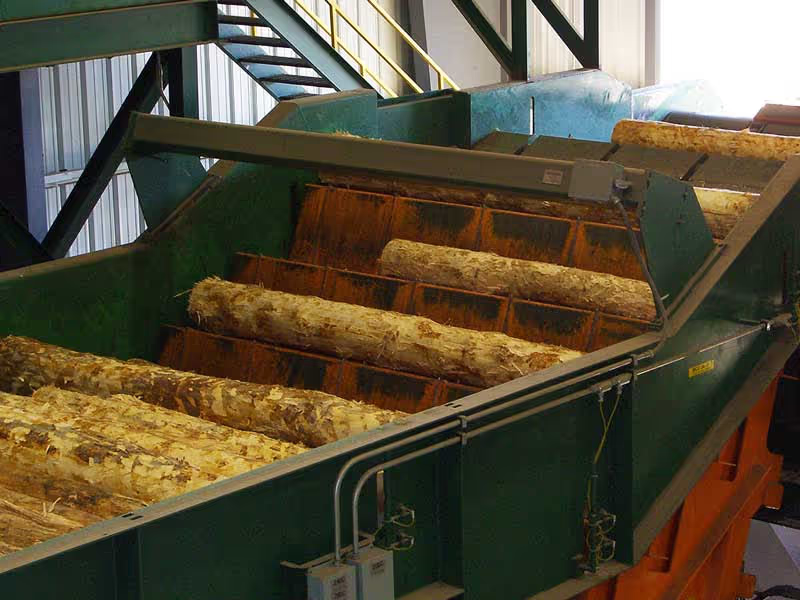
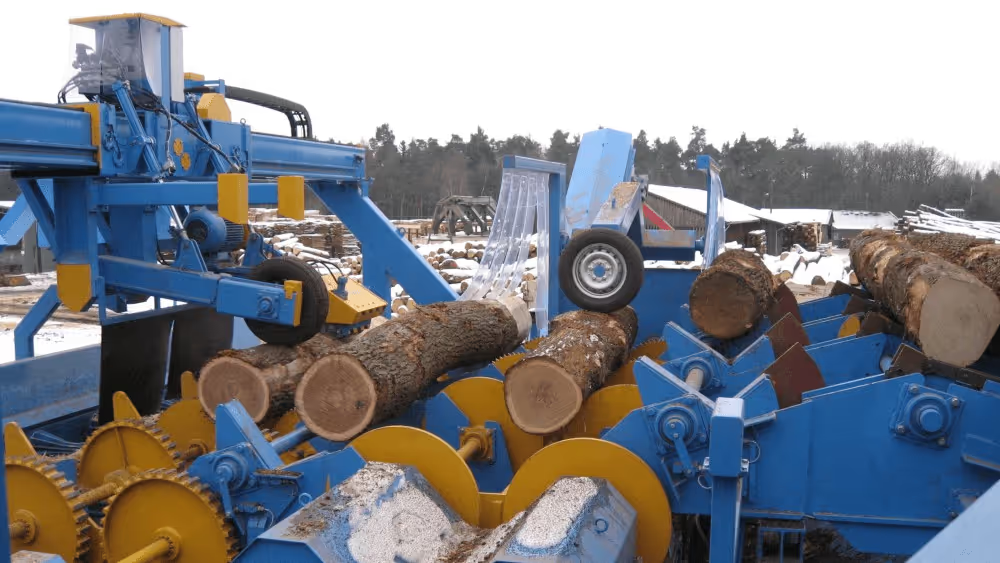
The log conveyor transports timber from one station to another without being picked up again by a machine. Chain, roller or transverse conveyors connect receiving, crosscutting, sorting and the debarker infeed. They ensure a continuous flow and limit handling.
The infeed deck
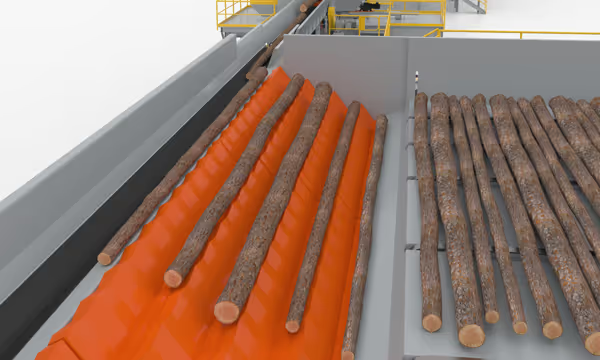
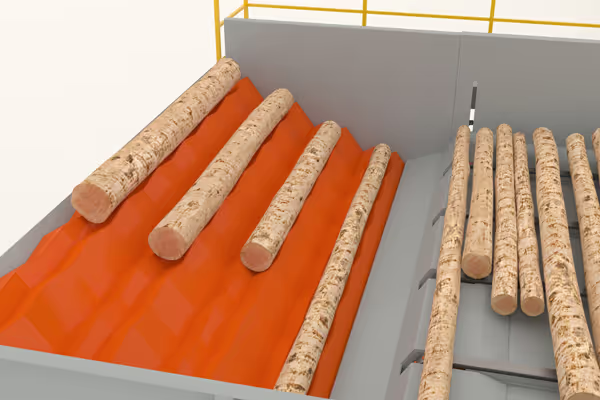
The infeed deck temporarily stores logs and presents them one by one to the next station. It acts as a buffer between receiving and processing. Singulators (devices that separate logs) and ejectors regulate the feed rate.
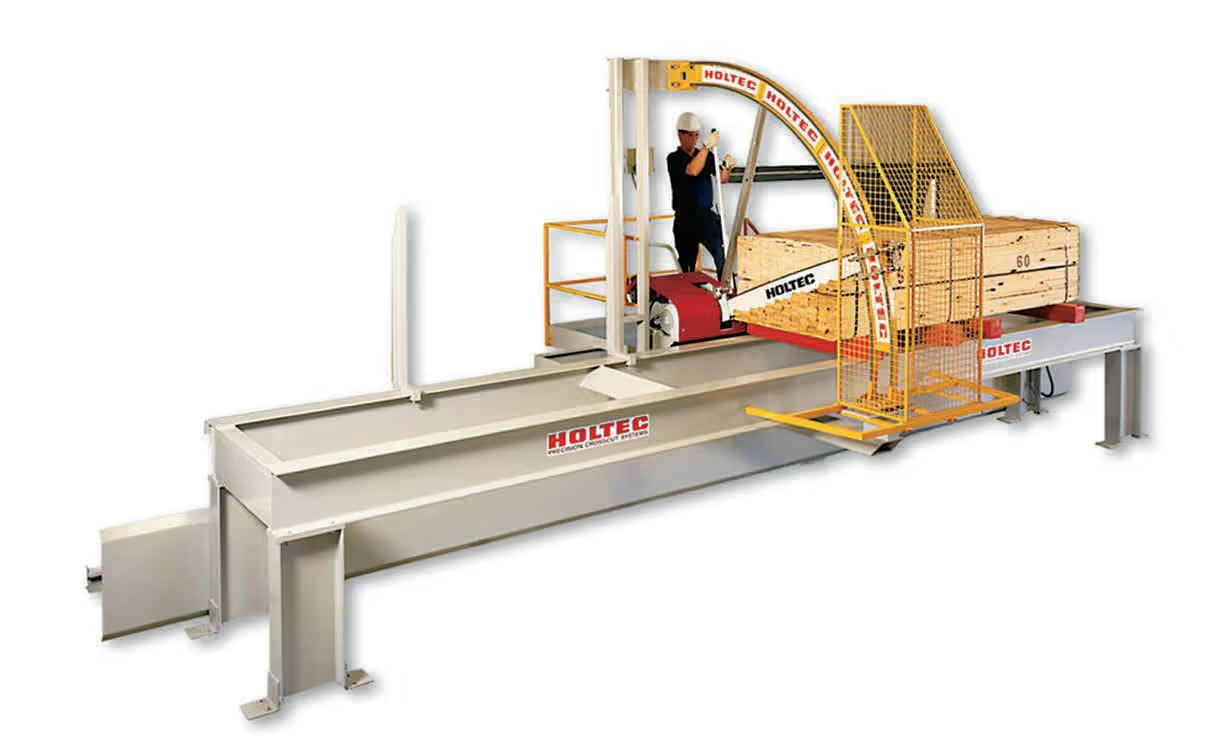
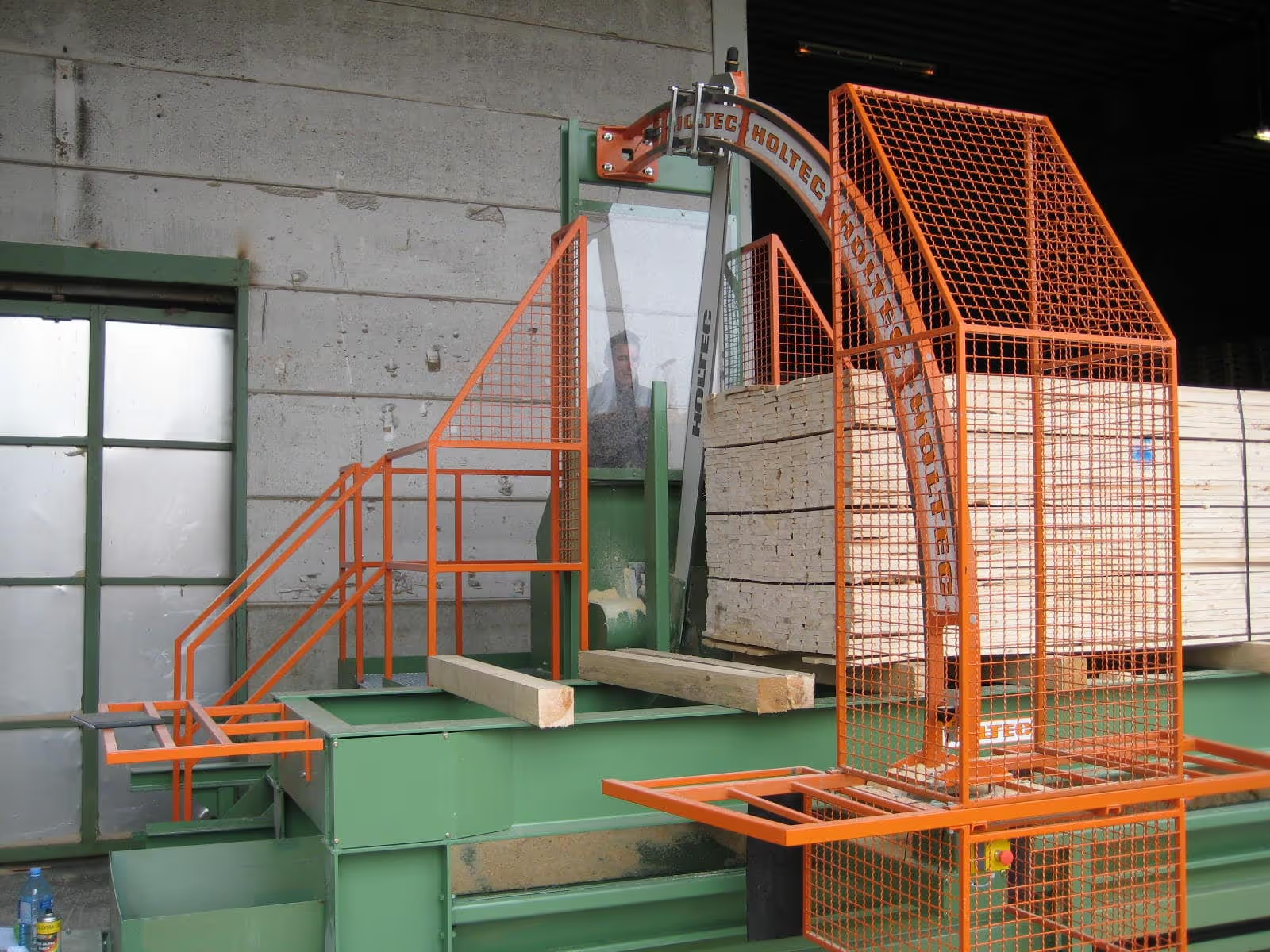
The log crosscut saw
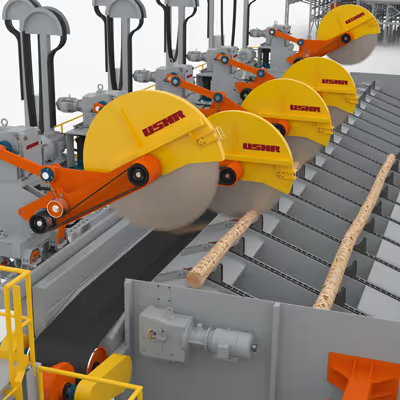
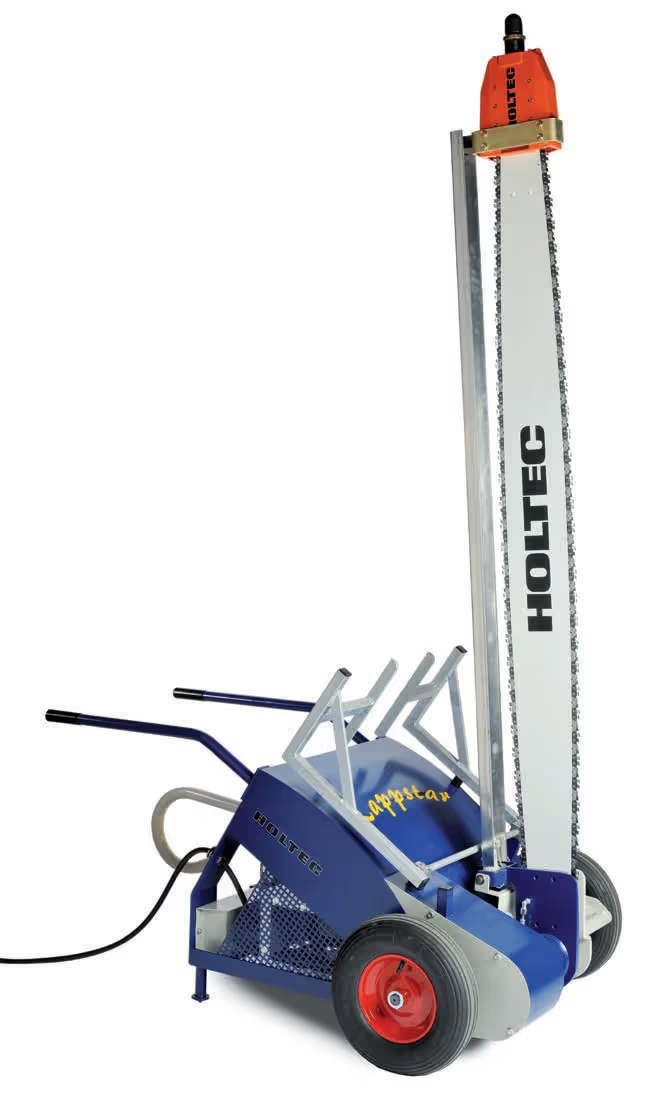
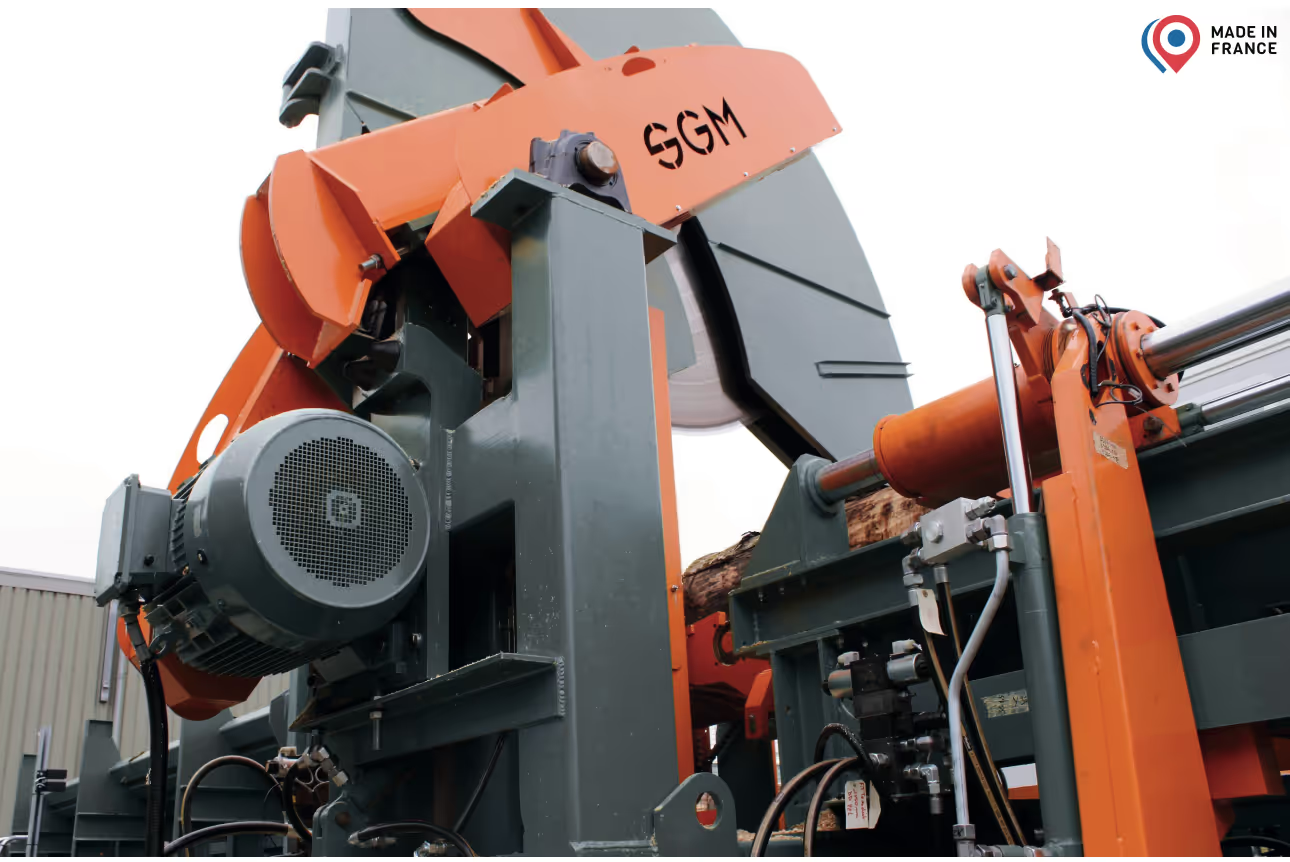
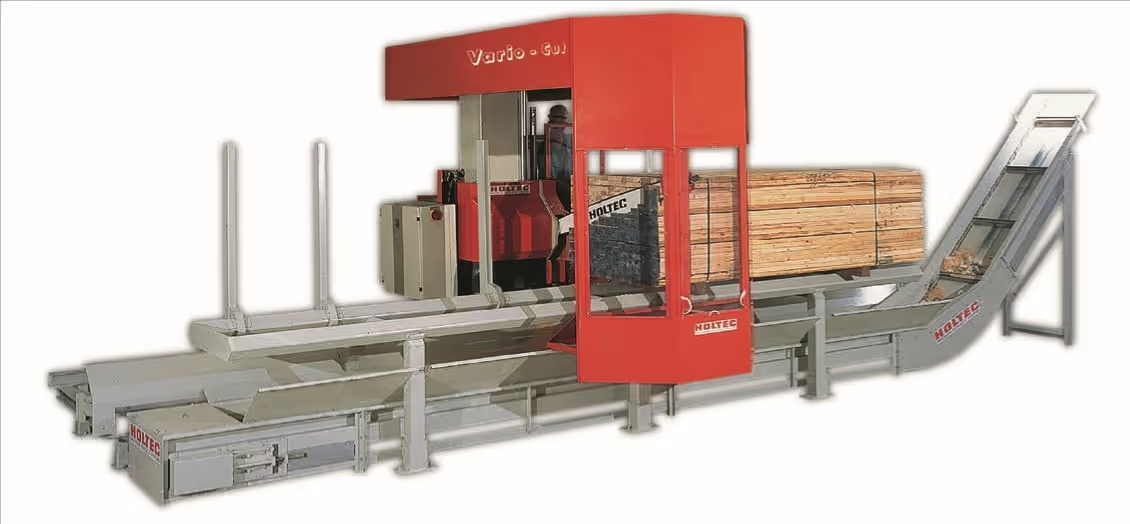
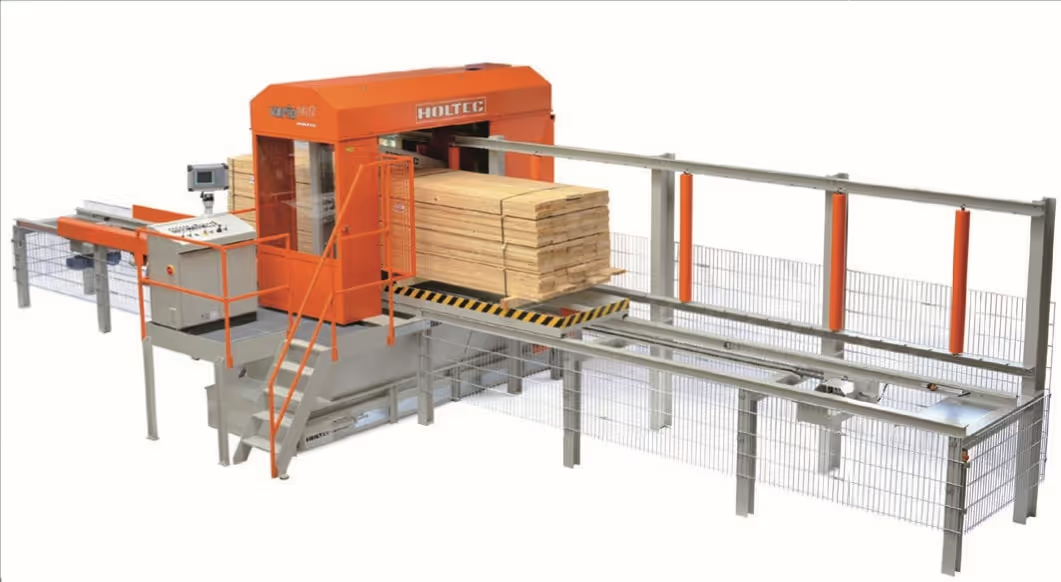
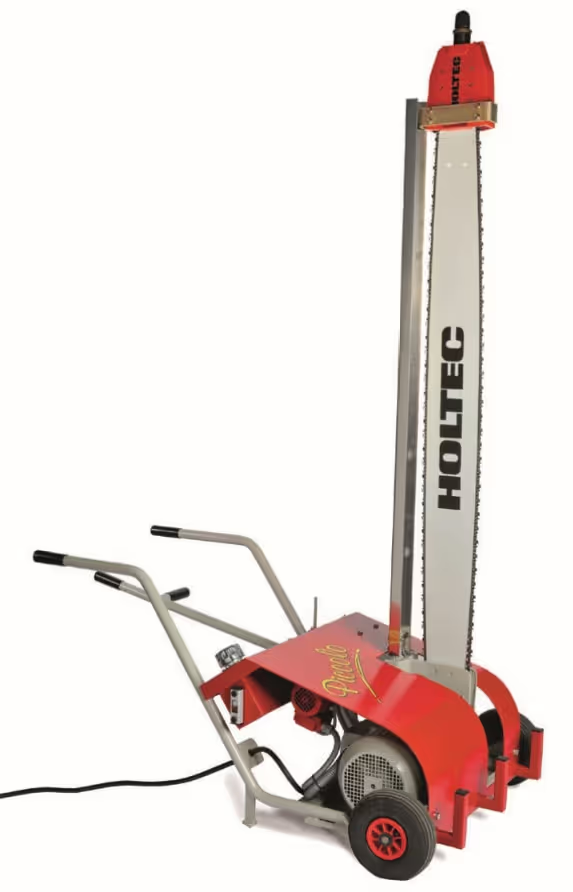
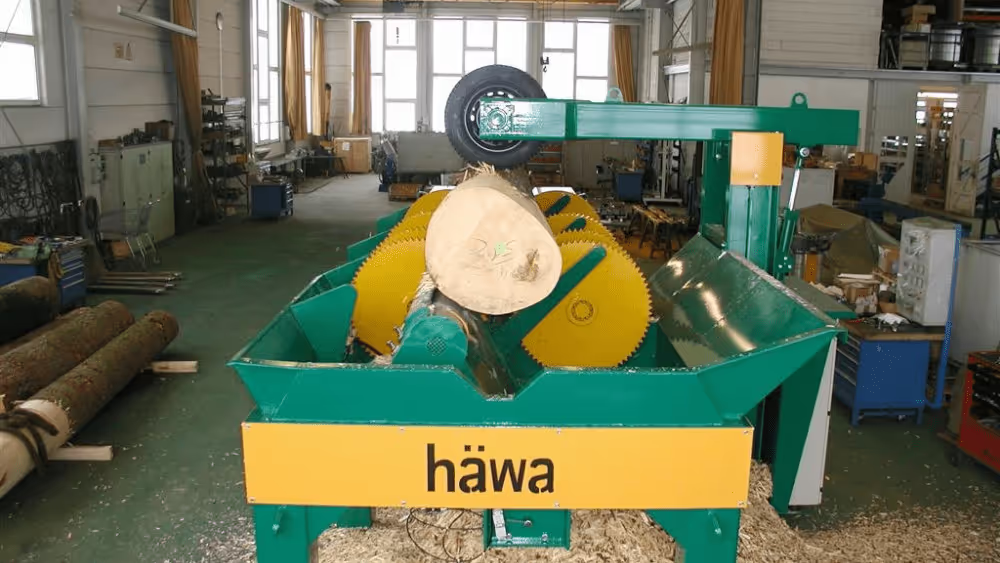
The log crosscut saw cuts stems and logs to the required lengths. This operation, called bucking, optimizes material yield according to the quality of each portion of wood. Models range from a simple fixed station to an automated station with a crosscutting and sorting carriage.
Measuring and sorting equipment
Measuring and sorting equipment directs each log toward the most suitable processing. The scaler records diameter and length to calculate volume. The sorter distributes timber into bins according to species, diameter or quality. The butt reducer planes the butt flare (widening at the base of the log) to facilitate debarking and sawing.
How do you size a log yard?
Sizing the log yard must remain consistent with the pace of the processing line it feeds. The supply type is a first criterion: long timber requires a crosscutting station, whereas logs already cut can be directed more directly toward sorting and debarking.
Handling equipment, infeed decks and conveyors must then ensure a steady flow between the different stations.
Finally, the level of measuring and sorting depends on the diversity of the logs received: diameter, length, species or quality can be used to direct each log toward the most suitable processing.
Designing or modernizing your log yard
To mechanize receiving, sorting, crosscutting or feeding your sawmill, WoodPartners brings together equipment offered by specialists such as USNR, BZH, VBI Bois, Andr6 Technologies and SGM Industry.
Compare handling, conveying, measuring and log preparation solutions to build a yard consistent with your production flow.
You can then contact the manufacturers and distributors directly who can meet your needs.