
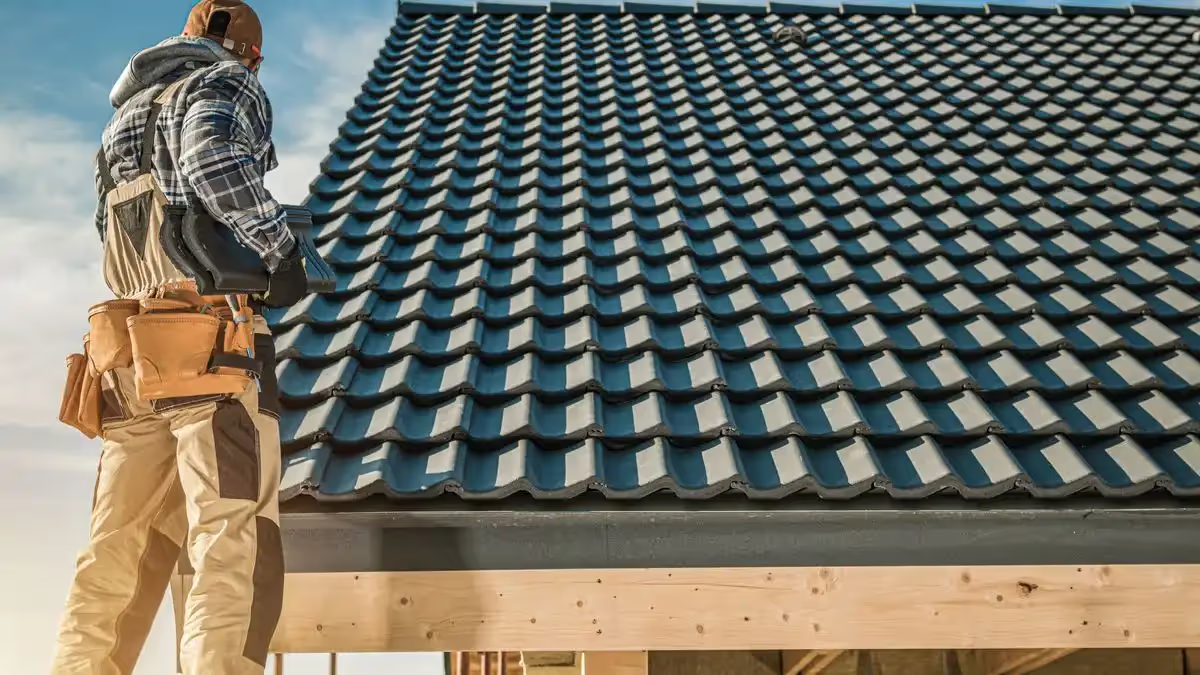
Here is the vast world of roofing materials with our expert guide. From timeless clay tiles to modern options such as metal materials, dive into a wealth of choices for a durable and visually captivating roof.
Everything you need to know about roofing materials: an expert guide
When it comes to choosing the roofing materials for your roof, it is not only about looks, but also about functionality and durability. In this complete guide, we are going to explore in depth the different roofing material options available on the market. Whether you are considering a main or secondary roof, we have covered all the important aspects to help you take an informed decision.
The criteria for selecting roofing materials
Orders of magnitude and references
Before diving into the details of the individual materials, it is essential to understand the criteria that influence your choice. The orders of magnitude given here will give you a general idea, but do not forget to refer to the DTUs in force for more precise specifications. The DTU, or "Document Technique Unifié" (Unified Technical Document), is a normative document in France that sets out the good-practice rules to be followed in the building trade. These rules are established to guarantee the quality of the work and to ensure that it lasts.
These documents are used by building professionals to make sure that their work complies with the standards in force, and they are often required at the handover of the work or in the event of a dispute. The DTU covers a wide variety of building-related subjects, from foundations, walls and roofs through to interior installations such as plumbing or electricity.
For roofing materials in particular, there are specific DTUs that give details on installation, material specifications, test methods and so on. When we refer to the "DTUs in force", this means the current versions of these documents, as they can be revised over time to incorporate new technologies, materials or methods.
Adapting to the architecture and the regulations
In many cases, the choice of roofing material is influenced by factors such as regional architecture and local regulations. Some local authorities may impose guidelines on the types of roof depending on the architectural character of the area or on how close it is to listed buildings. Be sure to take these considerations into account when making your choice. Roof colours according to regional architecture:
- In certain regions such as Provence, for example, roofs in red clay tiles are common, evoking Mediterranean warmth and history. These tiles, with their earthy colour, go perfectly with the Provençal landscape of lavender fields and olive trees.
- By contrast, in Brittany and Normandy, grey or black slate roofs predominate. These slate roofs beautifully complement the stone façades and the often misty coastal surroundings, creating a picturesque scene.
Considerations concerning listed historic buildings: If you live near a historic building or in a protected area, restrictions may be in place to protect the appearance and the integrity of these structures.
- Imagine you live near the Palace of Versailles. Even if your house is not as old or as historically significant, you could be subject to strict roofing guidelines in order to maintain a consistent appearance with the emblematic monument.
- Likewise, in towns such as Carcassonne with its famous medieval city, the use of modern materials or non-traditional roof colours could be restricted in order to preserve the historic character and the general atmosphere.
Roofing materials for the main roof
Clay tiles: a traditional option
Among the most classic roofing options, clay tiles stand out for their timeless charm and their strength. These tiles are renowned for their durability in the face of the elements and add a touch of elegance to any roof. The insulating properties of clay tiles also contribute to the thermal regulation of your home.
Concrete tiles: durability combined with versatility
Concrete tiles offer a modern alternative to clay tiles. Their solid composition gives them exceptional longevity, while allowing a variety of decorative finishes. What is more, concrete tiles are easier to mass-produce, which makes them an economically viable option.
One form, several offers.
- Two minutes, no account
- Direct, no middleman
- Your identity stays private
Roofing materials for the secondary roof
Bitumen materials: proven strength and ease of installation
When you are considering roofing materials for secondary structures, such as annexes or shelters, bituminous materials stand out as a robust and affordable solution. Their weather resistance and their ease of installation make them a popular choice for these applications.
Metal materials: industrial durability with modern style
If you are looking for a modern and durable option for your secondary roof, metal materials deserve your attention. Whether galvanised steel or aluminium sheets, these materials offer exceptional resistance to corrosion and a variety of finishes to suit the look you prefer.
Making the perfect choice: your roof, your style, your future
In working through this in-depth guide to roofing materials, you have gained a thorough understanding of the options available for your roofing project. By taking factors such as durability, appearance and local regulations into account, you will be able to make an informed choice that meets your unique needs. Remember that every material has its specific advantages, so it is essential to choose the one that best matches your long-term vision for your roof. Do not forget that your personal satisfaction and the functionality of your roof are essential. Investing in quality roofing materials will ensure that your home stays protected and beautiful for many years to come.
Different roof styles around the world
Roofs, far more than simple protection against the weather, can reflect the culture, the geography or the history of a region. Among the most widespread styles is the shallow-pitched roof or flat roof terrace, common in modern architecture and suited to drier climates. Dual-pitch roofs, often associated with detached houses, are the most common in Europe. Mansard roofs, with their two slopes on each face, are an emblem of 17th-century French architecture. Thatched roofs, although less frequent nowadays, evoke rural areas and tradition. Other styles, such as the domed roofs of mosques or the pagoda roofs of Asian temples, are inseparable from their cultural and religious context. Each style, with its own particular features and distinct materials, tells a story and meets specific needs according to its environment.
Fibre-cement materials: strength combined with versatility
Fibre-cement materials represent an interesting middle-ground option, offering both strength and versatility. These materials are designed to withstand harsh environmental conditions while being light and easy to handle. Their ability to imitate other materials, such as tiles or slates, makes them an attractive option for those looking for a specific appearance without compromising on durability.
Translucent plastic materials: brightness and light insulation
When natural light is a priority, translucent plastic materials can be the ideal solution for your secondary roof. These materials let natural light into the structure, thereby reducing reliance on artificial lighting during the day. What is more, their plastic composition offers effective light insulation, creating a bright and pleasant indoor environment.
Going further: expertise and benefits
Beyond simply exploring roofing materials, it is crucial to understand how this expertise can benefit you. In reading this guide, you have gained in-depth knowledge for taking informed decisions about your roofing project. Whether you are looking for durability, appearance or functionality, each option has its own advantages.
A lasting investment
The choice of roofing materials is not simply a short-term decision, but an investment in the durability of your home. Opting for quality materials means less maintenance and less frequent repairs in the long run. What is more, durable materials can also increase the value of your property, which makes this a wise choice for the future.
Personalised appearance
Your home is an expression of your personal style, and the choice of roofing materials can considerably influence its overall appearance. Whether you prefer the classic charm of clay tiles or the modern look of metal materials, there is an option for every preference. A roof that matches your vision can transform the appearance of your home.
Compliance with standards
Local regulations and building standards play a crucial role in the choice of roofing materials. By taking these factors into account from the outset, you avoid potential problems in the future. Materials that comply with the standards also contribute to the safety and the quality of your home.
Sealing excellence at the top: your ultimate guide to roofing materials
In summary, choosing roofing materials requires a thorough understanding of the options available as well as of the factors that influence your decision. By following this guide, you have gained expertise that will help you select the materials that best match your needs, whether for the main or the secondary roof. Remember that every material has its unique advantages, and by making an informed choice, you are investing in the durability, the appearance and the long-term value of your home.