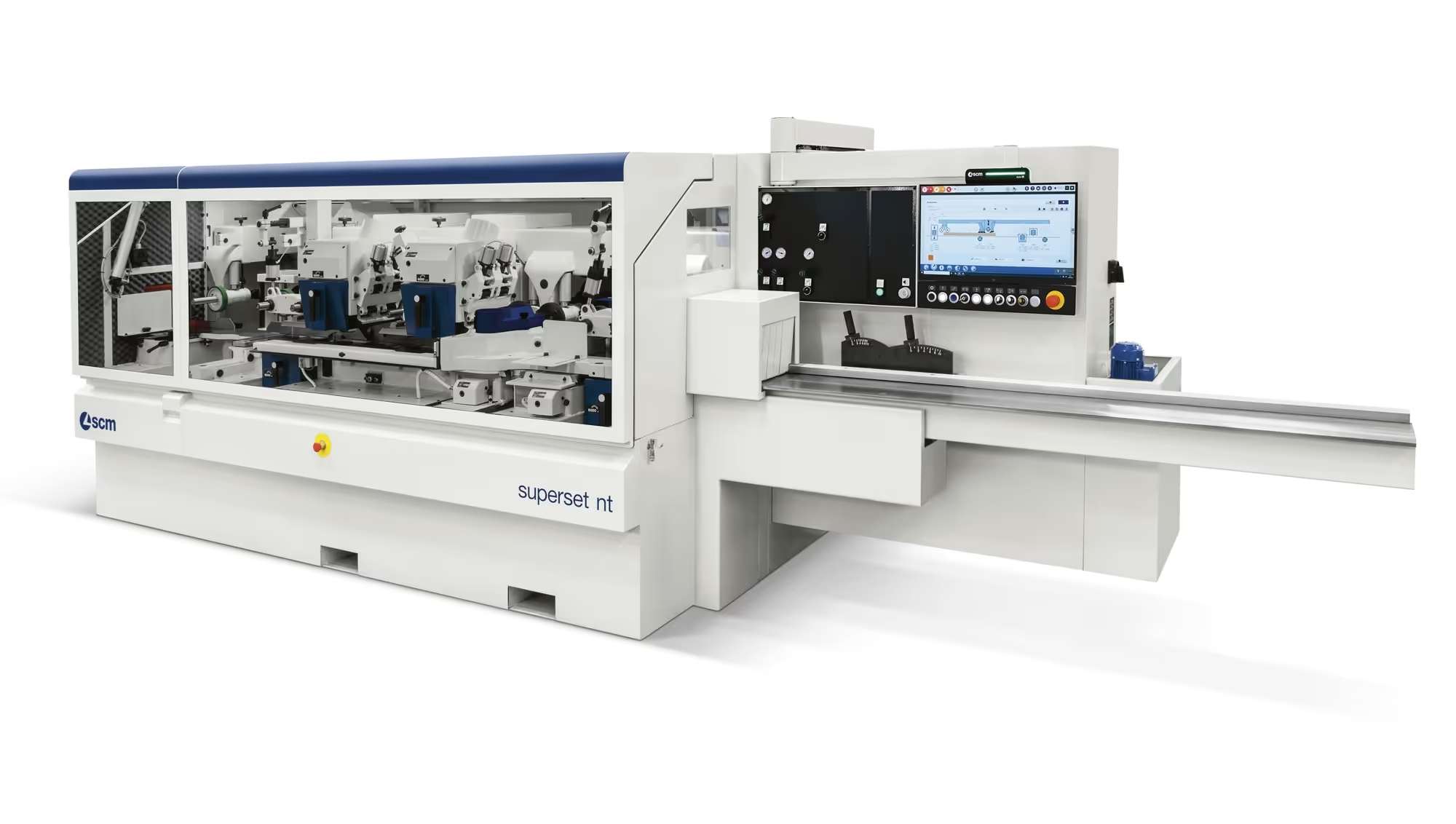
 SCM Group Planer-moulder SCM Superset NT
Discover our selection of x products in Moulders. Compare professional moulders by the profiles to be produced, the cross-sections to be machined and the output required.
The right moulder depends mainly on workpiece dimensions, the profile to be produced, the number of spindles required and the expected output.
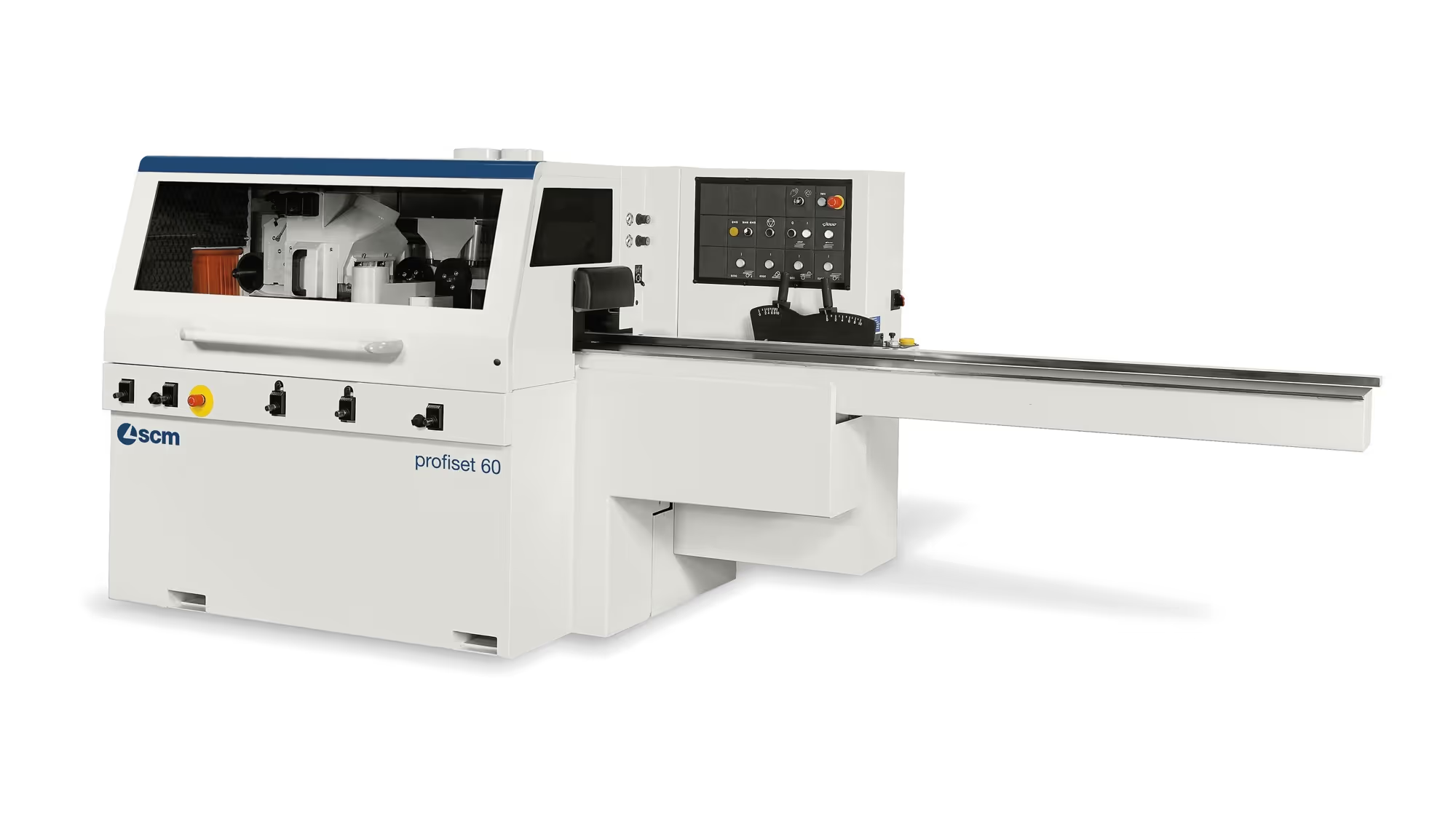
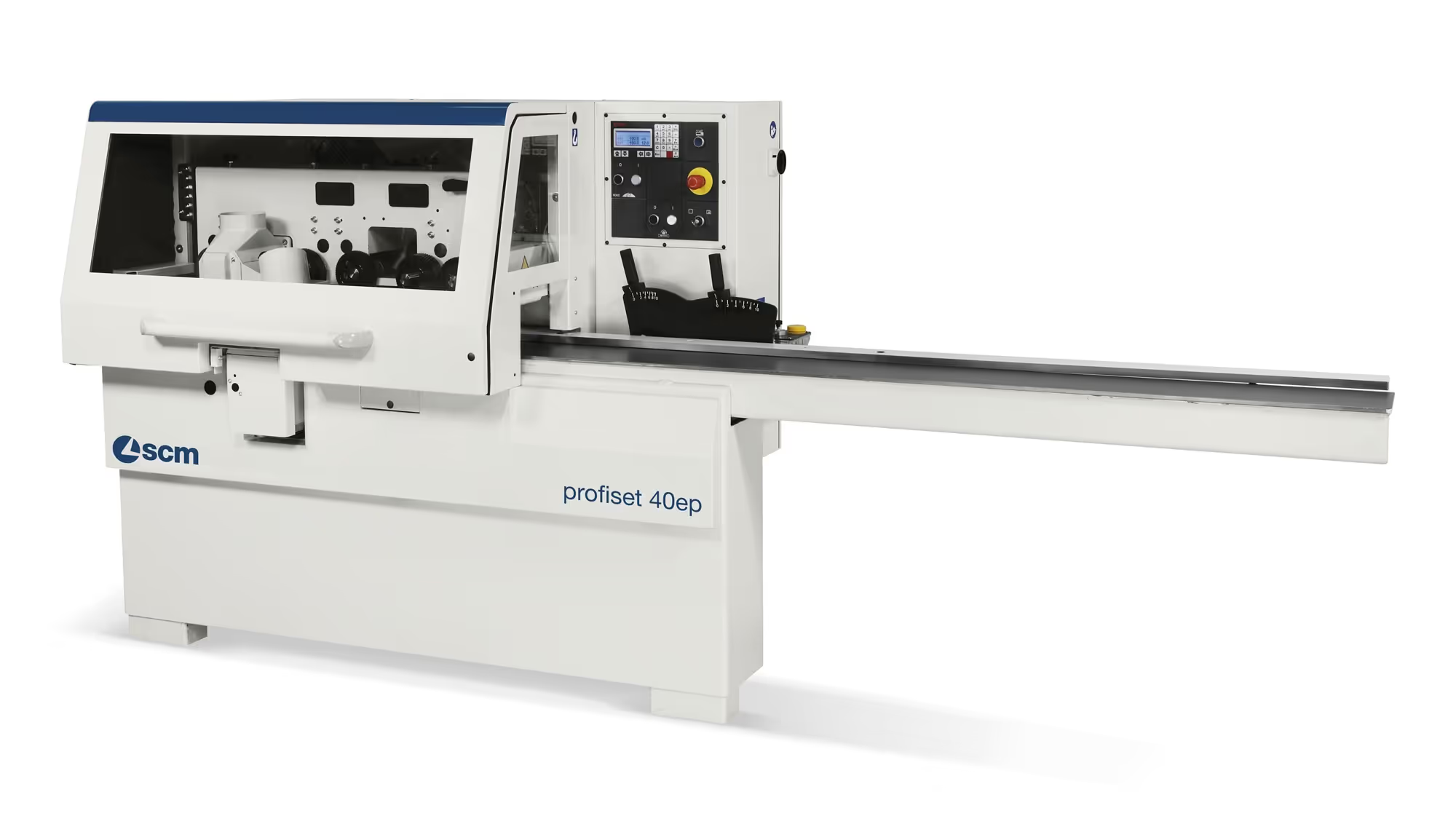
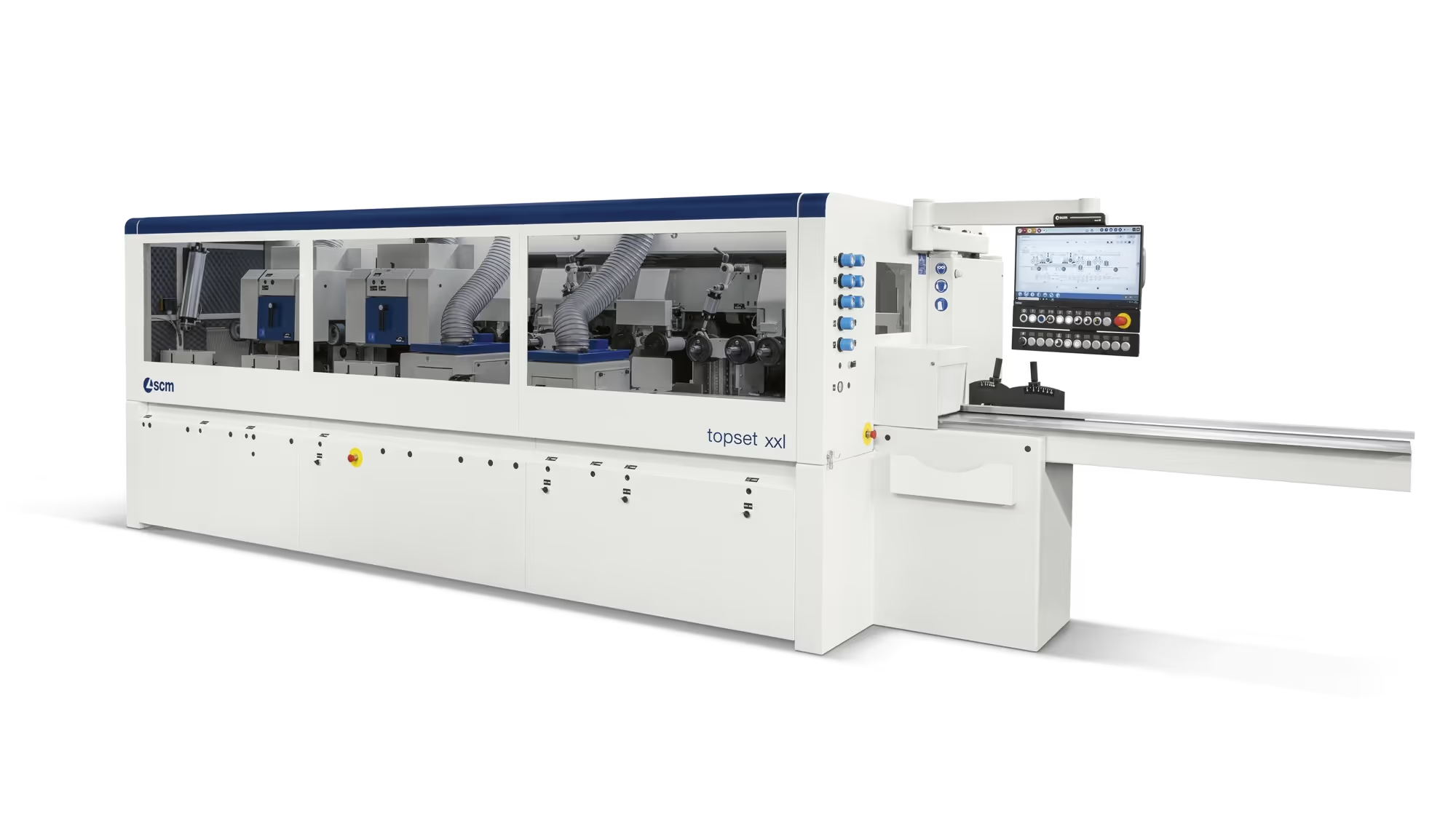
WoodPartners lists profilers and planer-moulders, also known as four-sided planers. Depending on their configuration, these machines can plane and profile workpieces in a single pass.
They can handle a range of cross-sections and produce linear components such as mouldings, frames, door and window parts, furniture components or beams.
See also the full range of woodworking machinery listed on WoodPartners to complete or upgrade your set-up.
Moulders are used in particular by door and window manufacturers, joinery workshops, furniture makers and plants producing mouldings or other linear timber components.
They are ideal when the same profile has to be repeated on a large number of pieces. The machine carries out several operations in a single pass, which sets it apart from machines dedicated to a single machining step.
Requirements range from standard profiles to machining larger cross-sections, so the machine configuration must match the products you make and the output you need.
Working width, number of spindles and feed speed are among the main criteria to compare.
You should also consider the minimum and maximum cross-sections to be machined, the number of operations required and the options for adjustment and tool changes. For varied production, configuration flexibility can also become a key criterion.
For thicknessing and stock preparation, see the thicknessers and planers. See also the spindle moulders for profiling and the CNC machines for computer-controlled machining.
Start with the cross-sections you need to machine and the profiles you want to produce. Working width, number of spindles and feed speed then help you compare machines by capacity and target output.
You can then contact the manufacturers listed on WoodPartners to check the available configurations, tooling options and whether the machine suits the parts you make.