
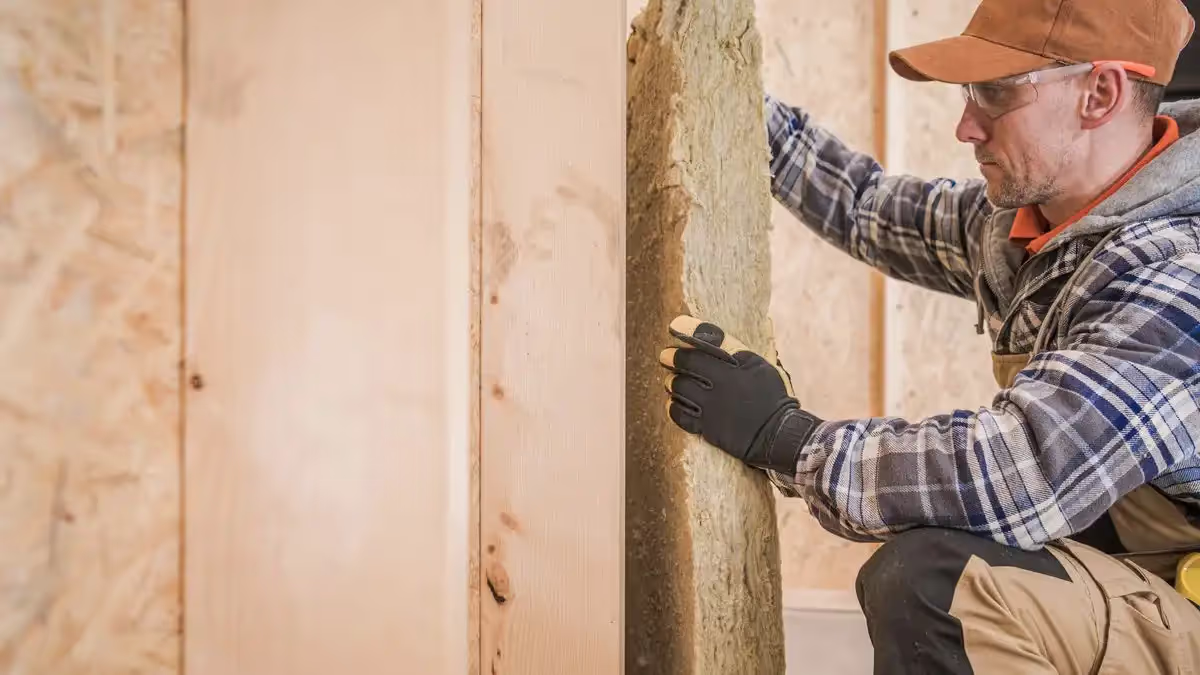
Here is the fascinating world of thermal and acoustic insulation with our expert guide. From natural options to cutting-edge technologies, explore how to create a comfortable and energy-efficient home. Dive into the world of perfect insulation!
Everything about the different thermal and acoustic insulating materials
In this in-depth technical article we will explore in detail the different
types of insulation
available on the market, their
advantages
and their
characteristics.
You will discover how to choose wisely among these options in order to obtain optimal thermal and acoustic insulation for your home. The insulating materials presented can be used for internal and/or external insulation, for example
Bio-based insulation: a natural approach to insulating
Bio-based insulation in brief
Bio-based insulation,
made from plant, animal or recycled materials, offers an ecological and high-performance alternative for thermal and acoustic insulation.
The advantages of bio-based insulation
By opting for bio-based insulation, you help
preserve the environment
by favouring
natural
materials or materials
from wood recycling.
Just as using wood waste to feed a
does, using bio-based insulation helps limit human impact on the environment.
What is more, this insulation also delivers excellent energy performance and naturally regulates humidity, thereby encouraging a healthy interior environment.
Plant-based insulation: sustainability and efficiency
Hemp wool and coir: ecological choices
Hemp
wool
and
coir
fibre
stand out for their fire resistance, their quality thermal and acoustic insulation, and their durability in the face of moisture and rodents. Their reduced environmental footprint makes them favoured options.
Flax wool, cotton wool and wood wool: high-performance solutions
Insulating materials based on
flax
wool
and cotton wool offer good hygroscopic capacity, effective acoustic and thermal insulation, and resistance to mould and insects. Wood wool, although it offers good longevity, needs protection against moisture and rodents.
Cork and wood fibre: the balance between performance and durability
Cork,
an excellent acoustic insulator, and wood fibre, made from recycled wood, offer good acoustic and thermal performance. Cork is sensitive to fire, however, while wood fibre requires a vapour control facing to manage moisture.
Insulation of animal origin: natural alternatives
Sheep's wool and goose feathers: naturally high-performing
Sheep's
wool
and goose feathers stand out for their good hygroscopic capacity, their quality
acoustic insulation
and thermal performance, and their resistance to mould. Measures such as a fire-resistant facing and moth-proofing treatment are necessary, however.
Free, no commitment Describe your project, manufacturers reply.
One form, several offers.
- Two minutes, no account
- Direct, no middleman
- Your identity stays private
Insulation from recycling: durability and versatility
Métisse and cellulose wadding: making the most of materials
Métisse insulation
and
cellulose
wadding,
produced from recycled materials, offer high-performance acoustic and thermal insulation. Métisse is unaffected by rodents, while cellulose wadding requires a vapour control facing to manage moisture.
Mineral insulation: performance and versatility
Glass wool: an economical option
Glass wool,
economical and easy to fit, offers good acoustic insulation. It is sensitive to moisture and to rodents, however, and can cause skin irritation. Its use calls for particular care.
Rock wool: versatility and efficiency
Made from
volcanic rock,
rock wool stands out for its quality acoustic and thermal insulation. It is sensitive to rodents, however, and can also settle, which must be taken into account when installing it.
Vermiculite, aerated concrete and other mineral options
Vermiculite,
aerated concrete and other mineral options offer varied thermal and acoustic insulating properties. The choice will depend on the specific needs of your project and on the characteristics of these materials.
Synthetic insulation: performance and affordability
Expanded polystyrene, polyurethane and extruded polystyrene: popular options
Synthetic insulation
such as expanded polystyrene, polyurethane and extruded polystyrene offers good thermal performance. It is derived from
petroleum
chemistry
, however, and must be used with care because of its flammability.
Aerogel: the advanced solution
Aerogel,
with its exceptional thermal and acoustic insulating properties, offers an attractive alternative despite its
high price.
Its use can be considered for projects demanding superior performance.
Thin insulation: compactness and efficiency
Bubble foil and multi-foil insulation: compactness and versatility
Thin insulating materials, such as bubble foil and multi-foil insulation, are characterised by their
compactness
and their
versatility.
They offer a practical solution for situations where space is limited.
Standards and quality criteria: ensuring reliable insulation
Euroclasses and fire safety
The
Euroclasses
define the fire resistance of building materials. It is essential to understand these classifications in order to guarantee the fire safety of your home.
ACERMI certification and CE standards: benchmarks for quality
ACERMI
certification attests to the mechanical, thermal and hygroscopic properties of insulating materials. The
CE
standards
confirm compliance with European safety standards.
Wrap your space in comfort: the informed choice of insulation for a better life!
Our in-depth exploration of thermal and acoustic insulation highlights a multitude of options to meet your insulating needs. By choosing wisely among these materials, you can ensure a
comfortable interior environment,
energy-efficient and environmentally friendly. Keep in mind that the choice of insulation will depend on many factors, such as the thermal performance required, the budget, the installation constraints and environmental considerations. We have given you a complete overview of the insulating materials available, each with its advantages and its limits. Remember, however, that the success of your insulation project also depends on how these materials are used and installed. Calling on qualified professionals is essential in guaranteeing that the insulation is correctly and effectively installed, maximising its benefits while minimising the potential risks. Insulation plays a crucial role in creating an interior environment that is comfortable, durable and energy-efficient. By opting for the insulating materials that best match your specific needs, you are taking important steps towards improving the comfort of your living space and contributing to the protection of the environment.