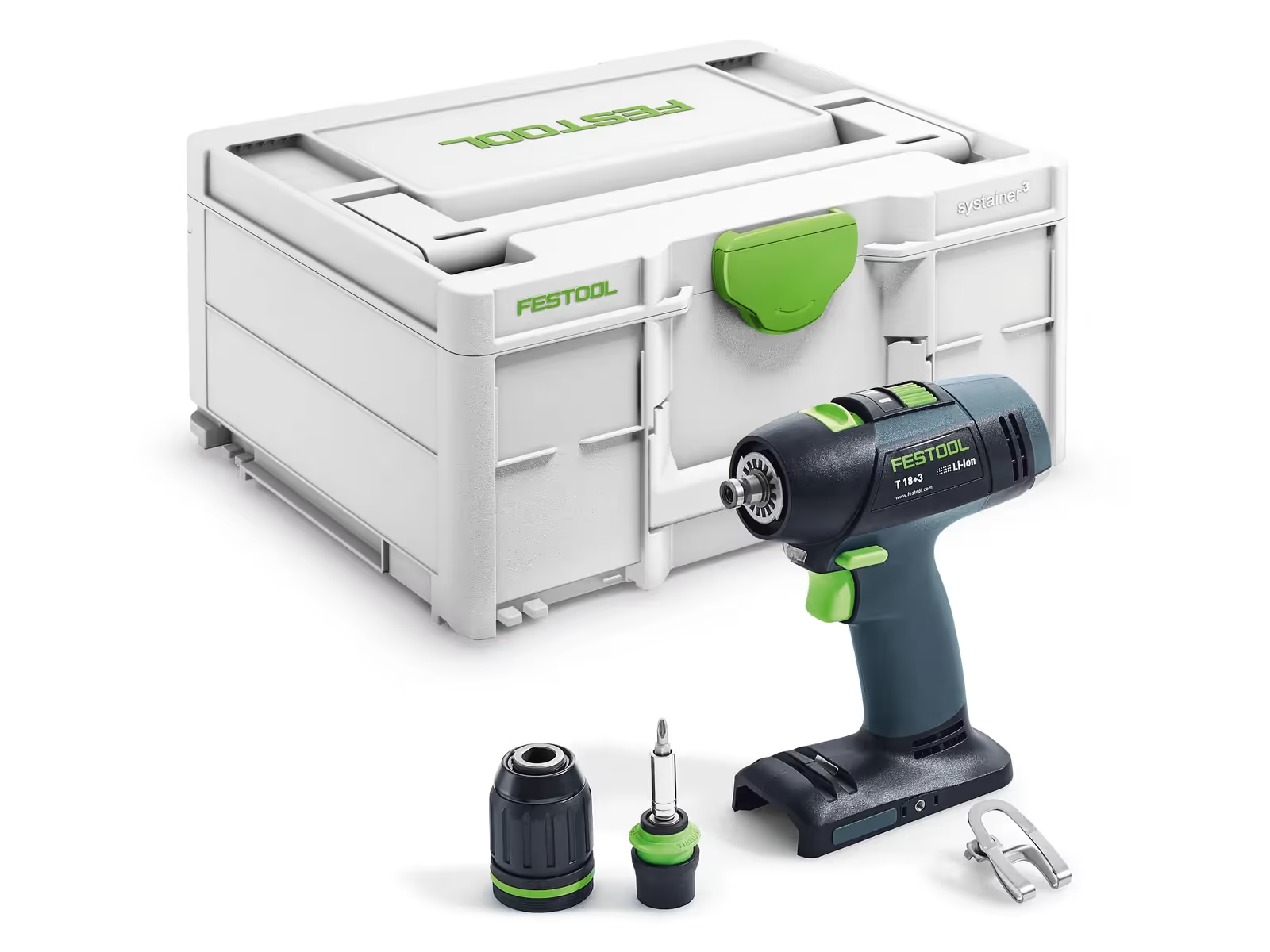
 Festool Festool T 18+3 cordless drill
Discover our selection of 17 references in Drills & screwdrivers . In just a few clicks, contact wood industry experts directly and get personalized advice for your project.
Festool Festool T 18+3 cordless drill 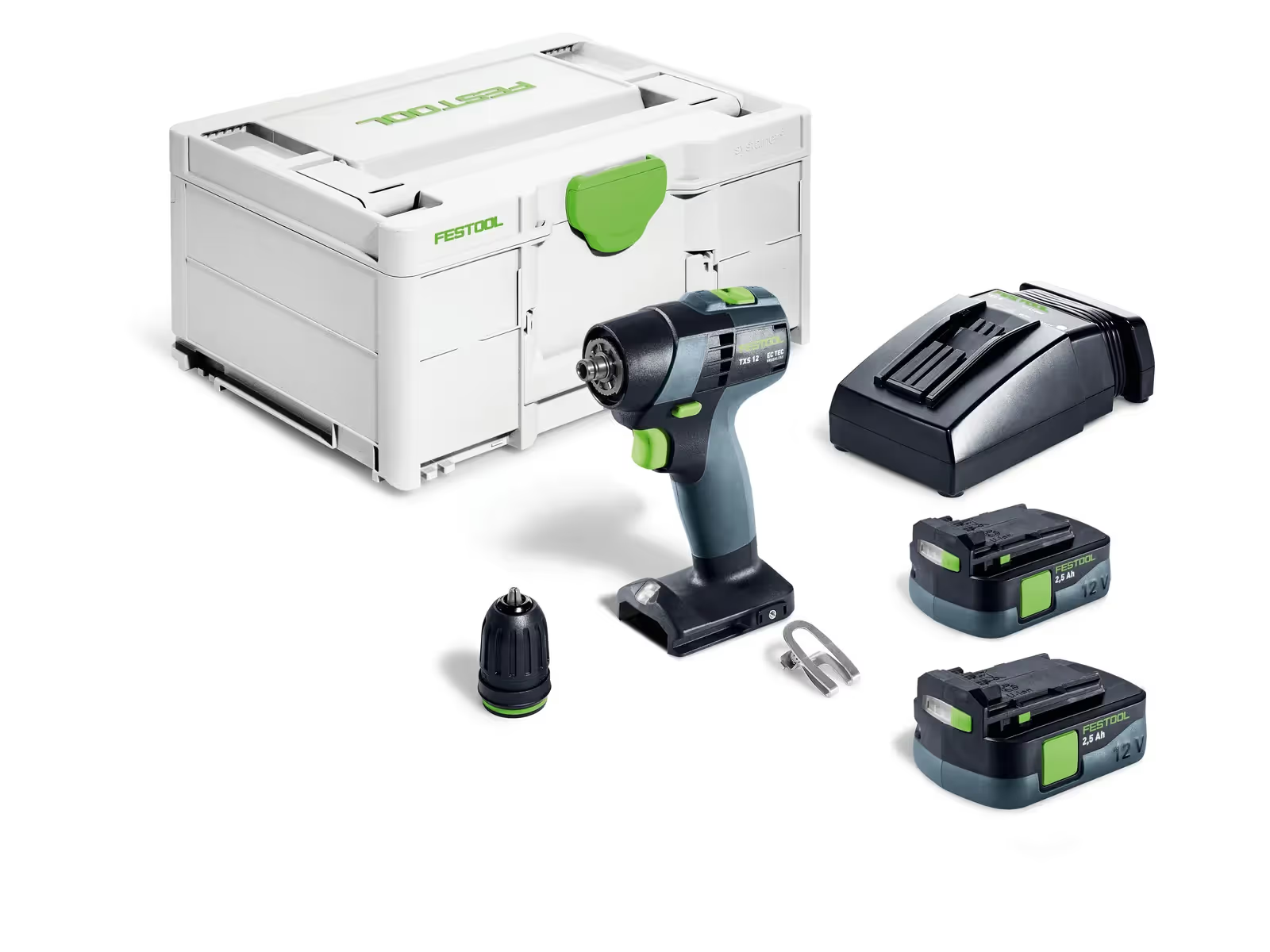 Festool Festool TXS 12 2,5 cordless drill
 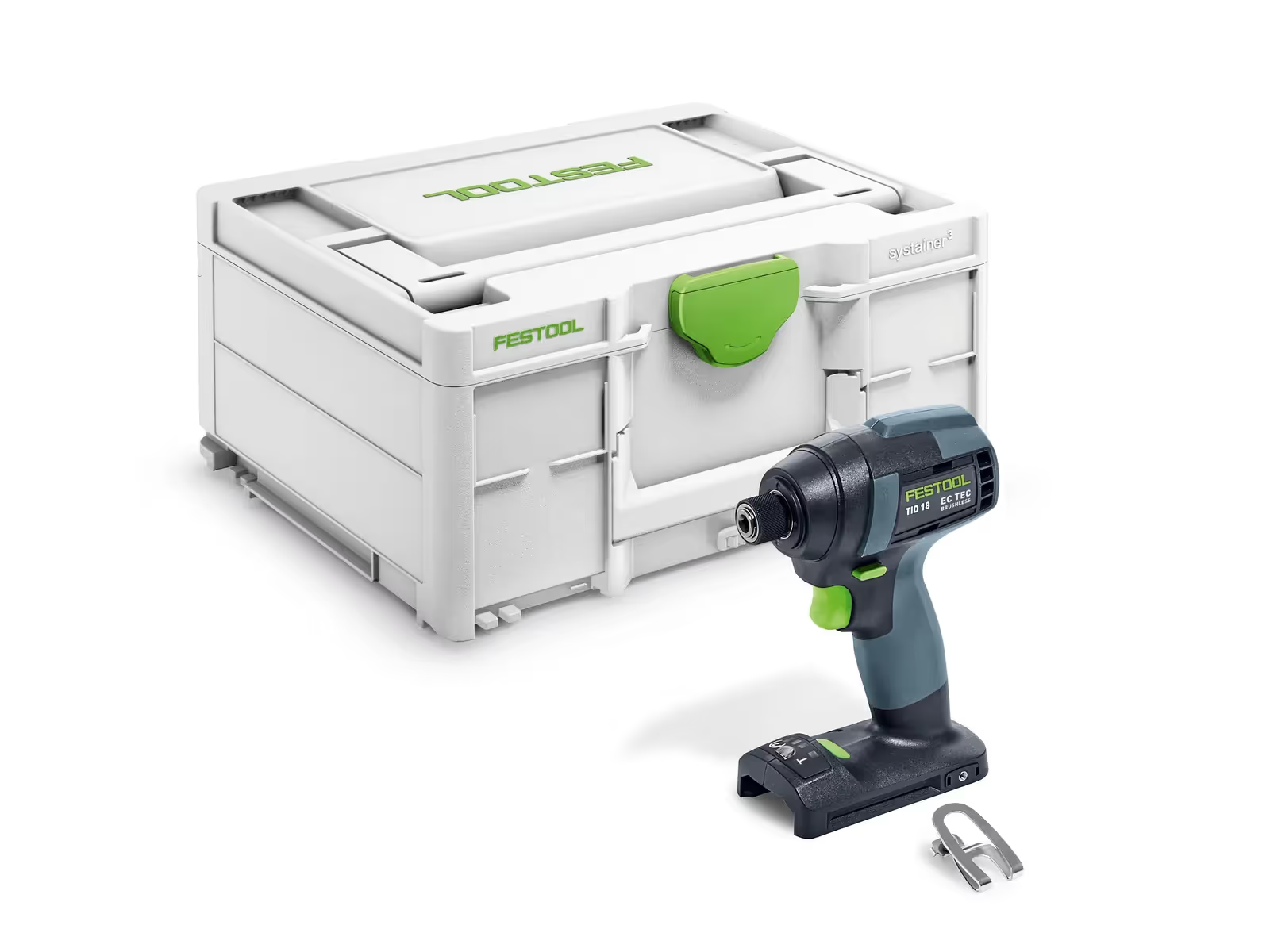 Festool Festool TID 18 cordless impact driver
 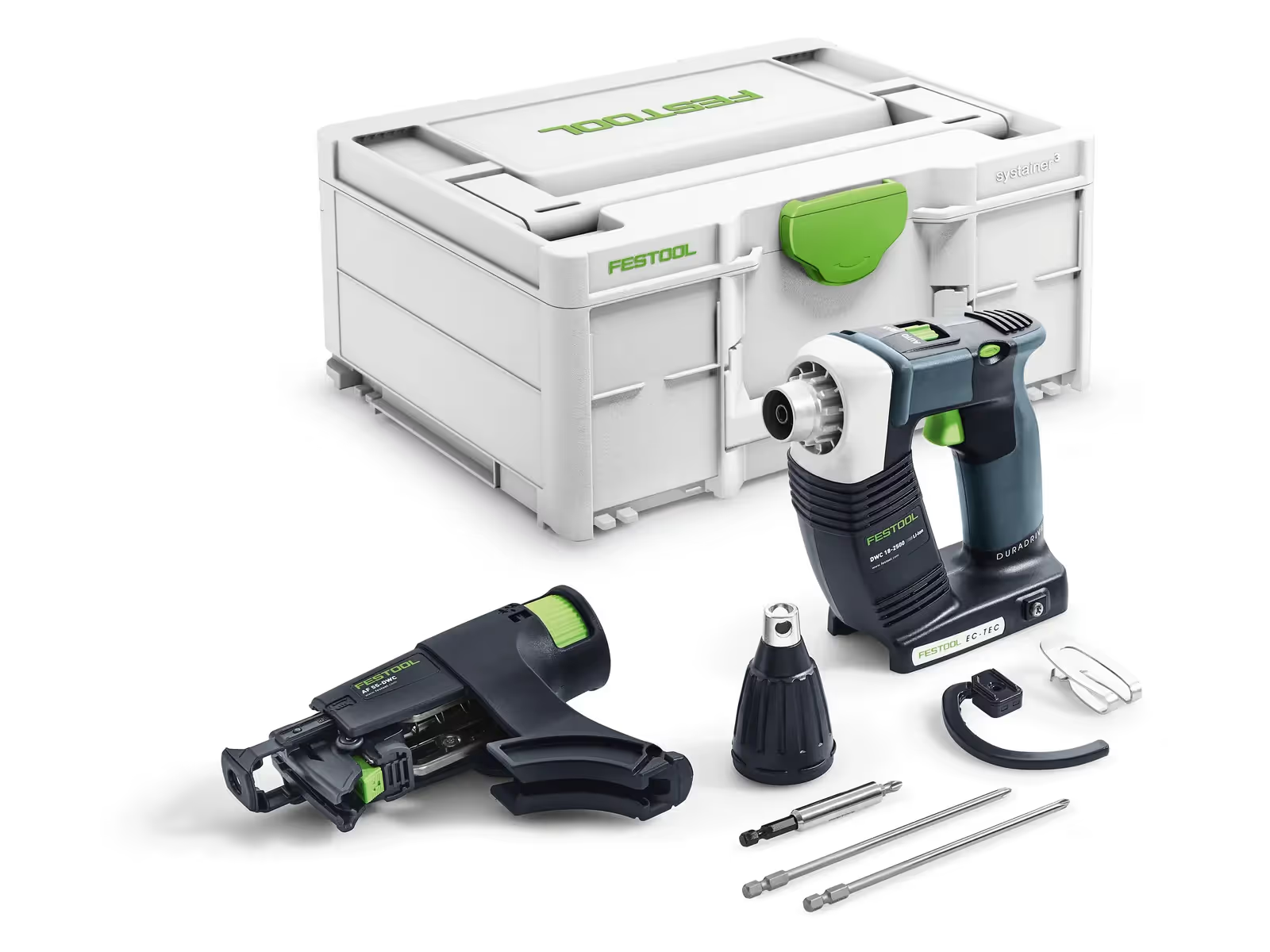 Festool Festool DWC 18-2500 cordless drywall screwdriver
 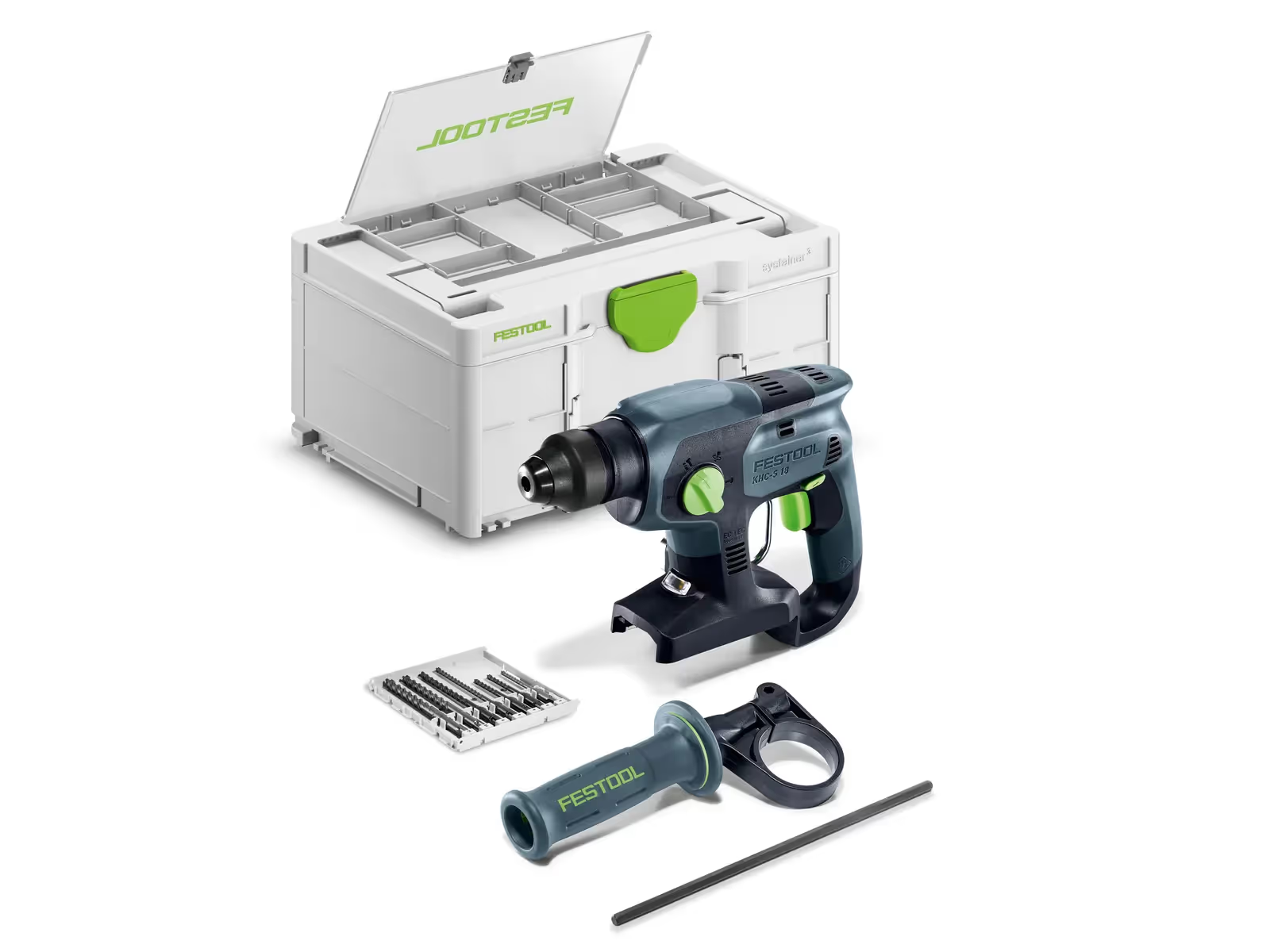 Festool Festool KHC-S 18 cordless combi hammer
 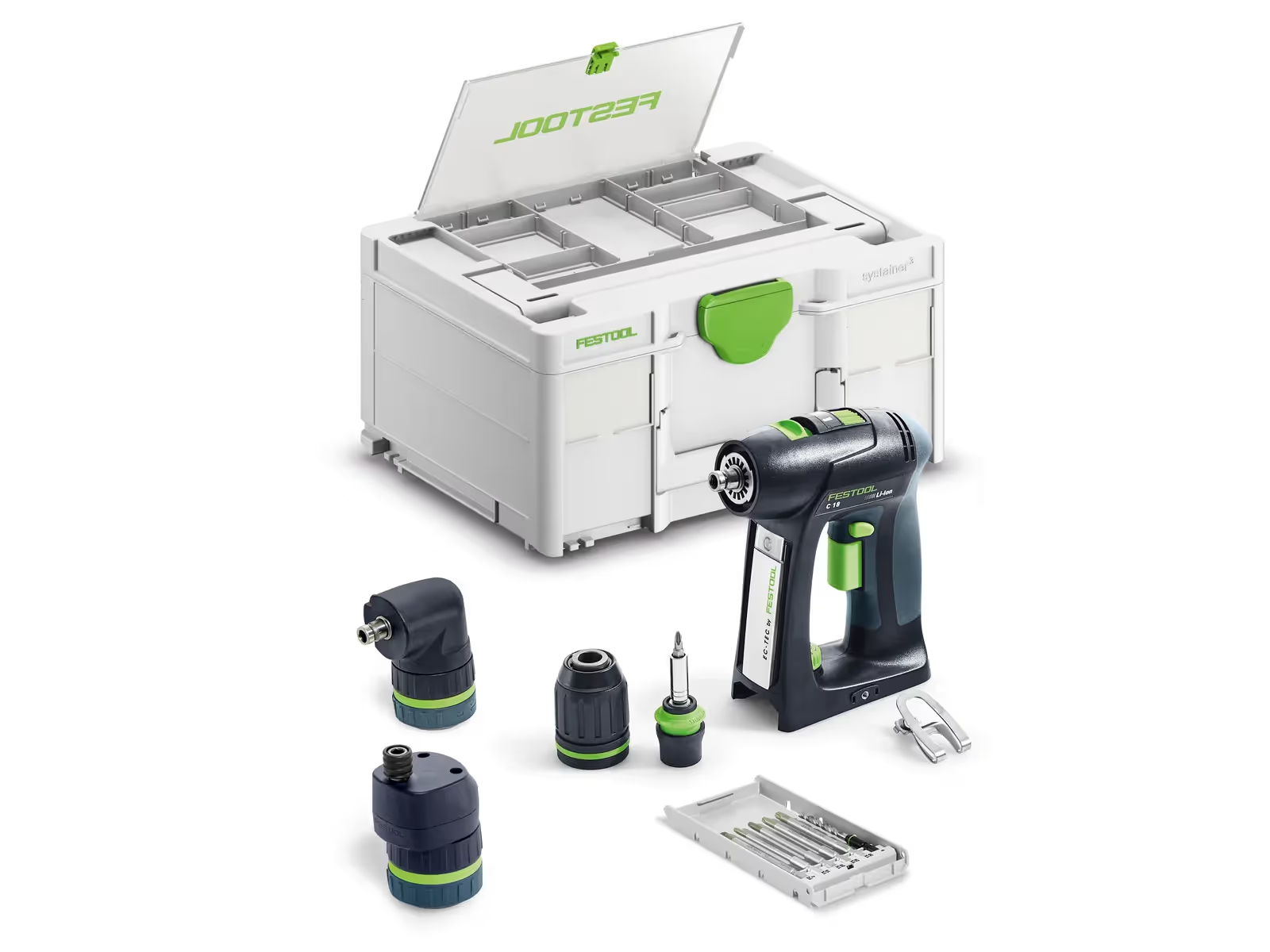 Festool Festool C 18 cordless drill-driver
 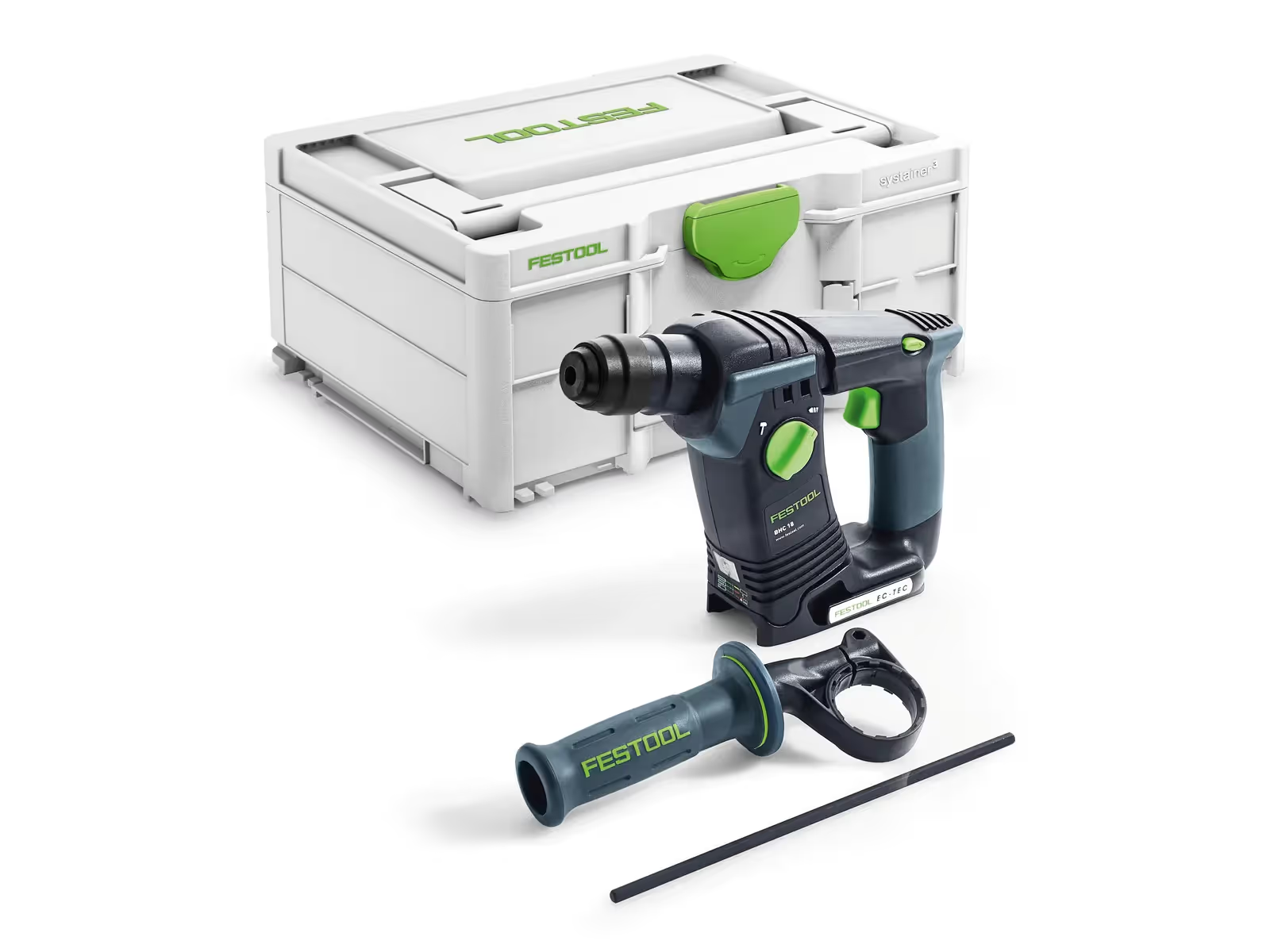 Festool Festool BHC 18 cordless rotary hammer
 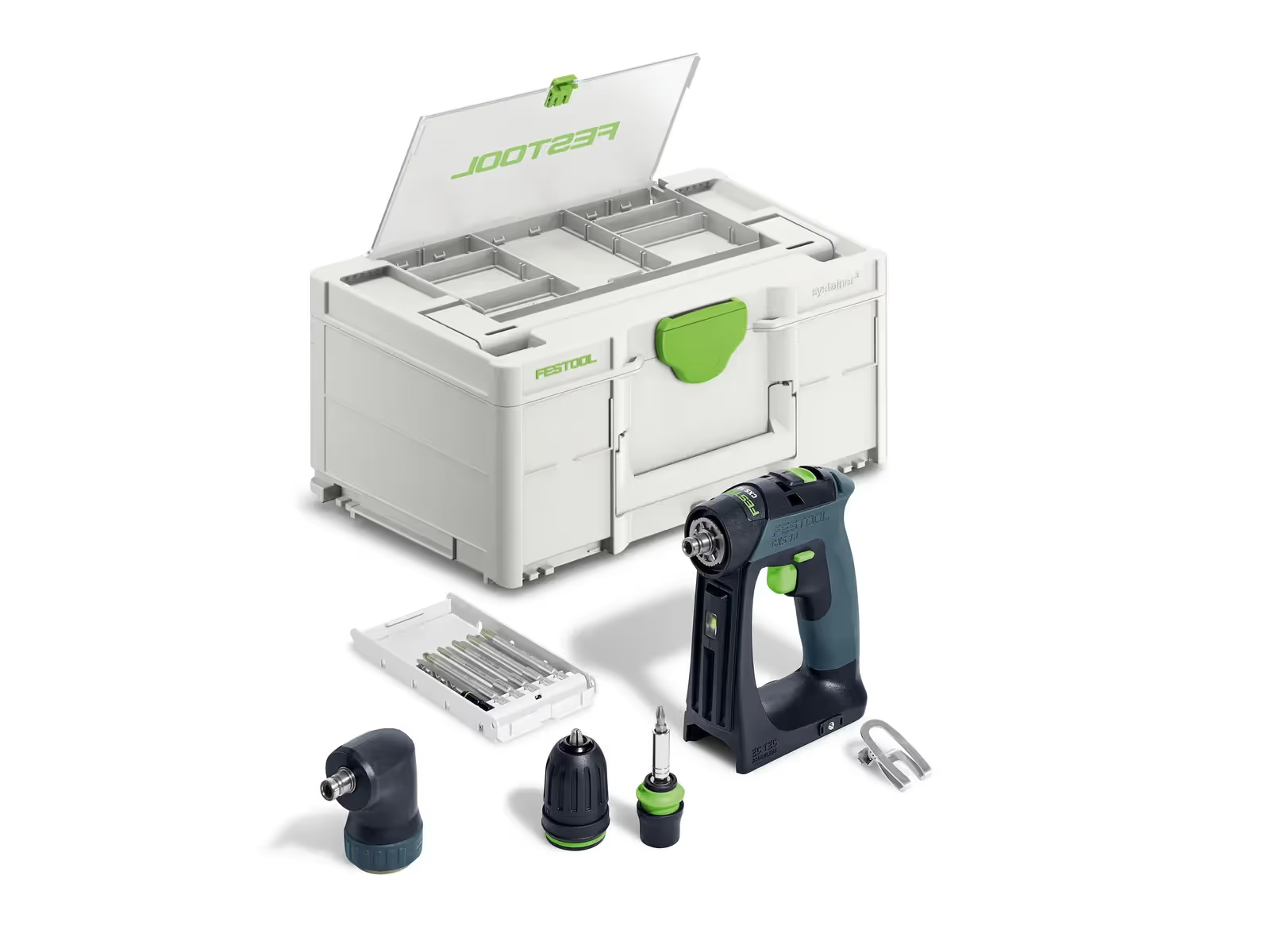 Festool Festool CXS 18 cordless drill
 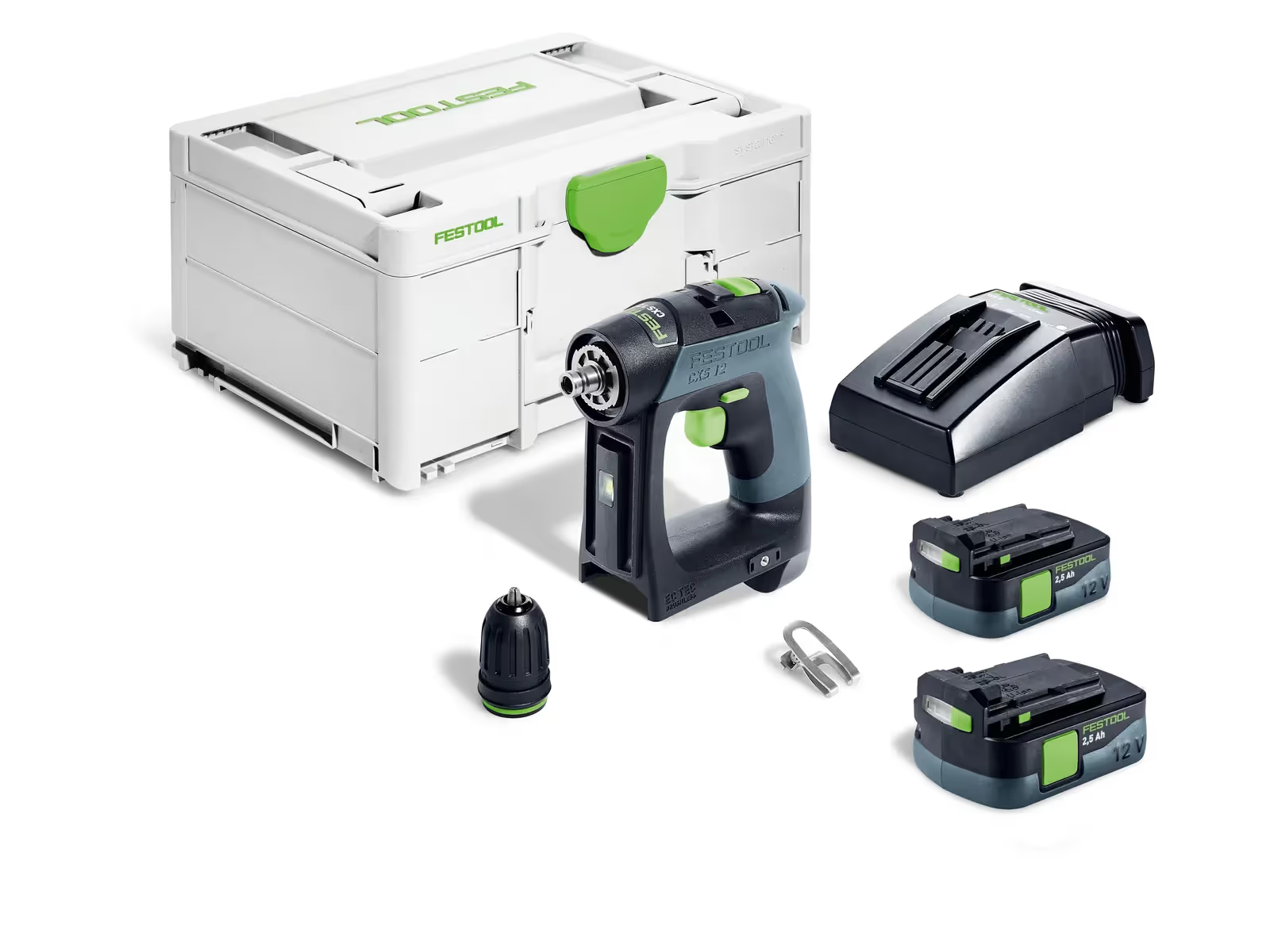 Festool Festool CXS 12 2,5 cordless drill
 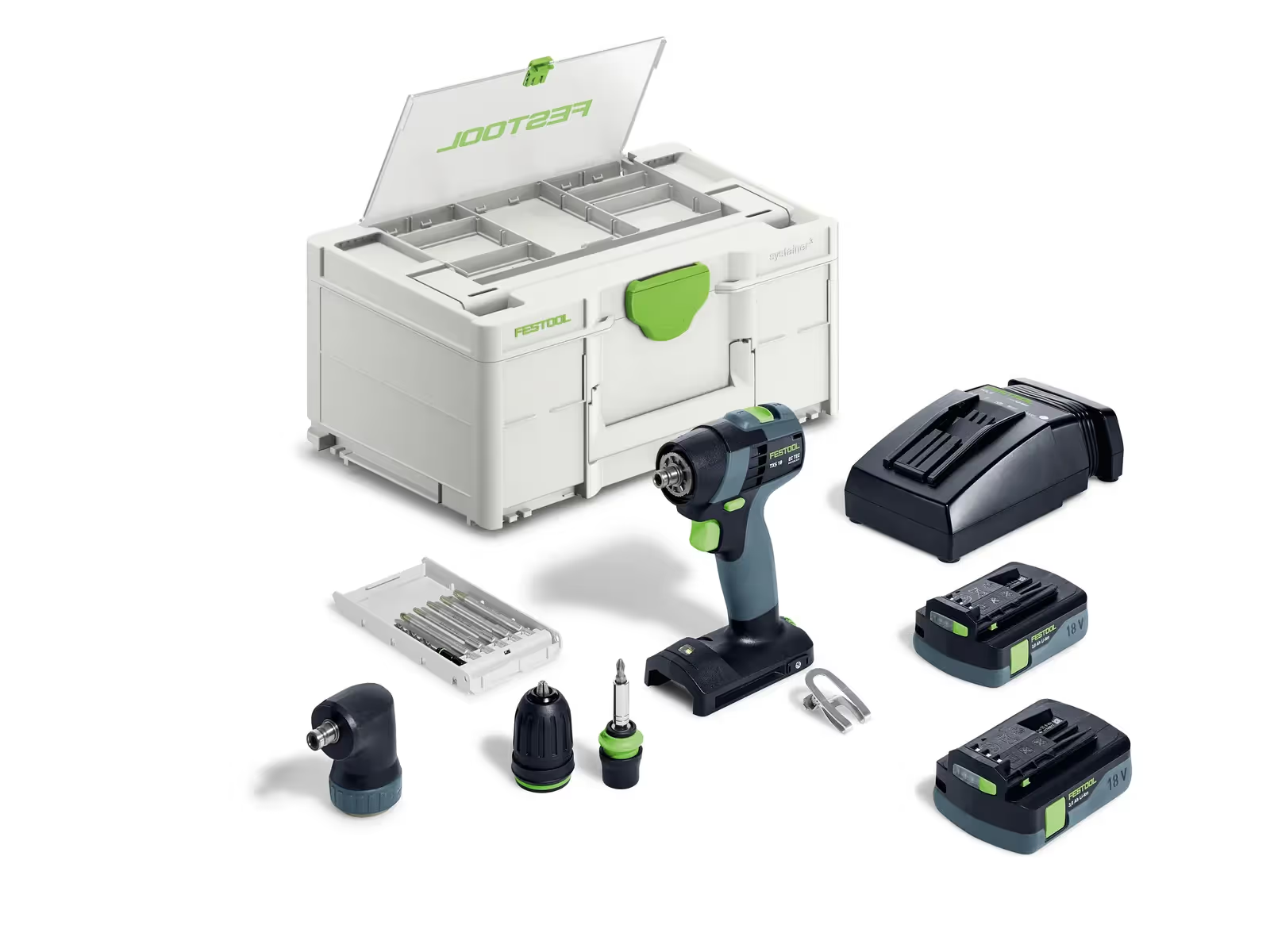 Festool Festool TXS 18 C 3.0 cordless drill driver
 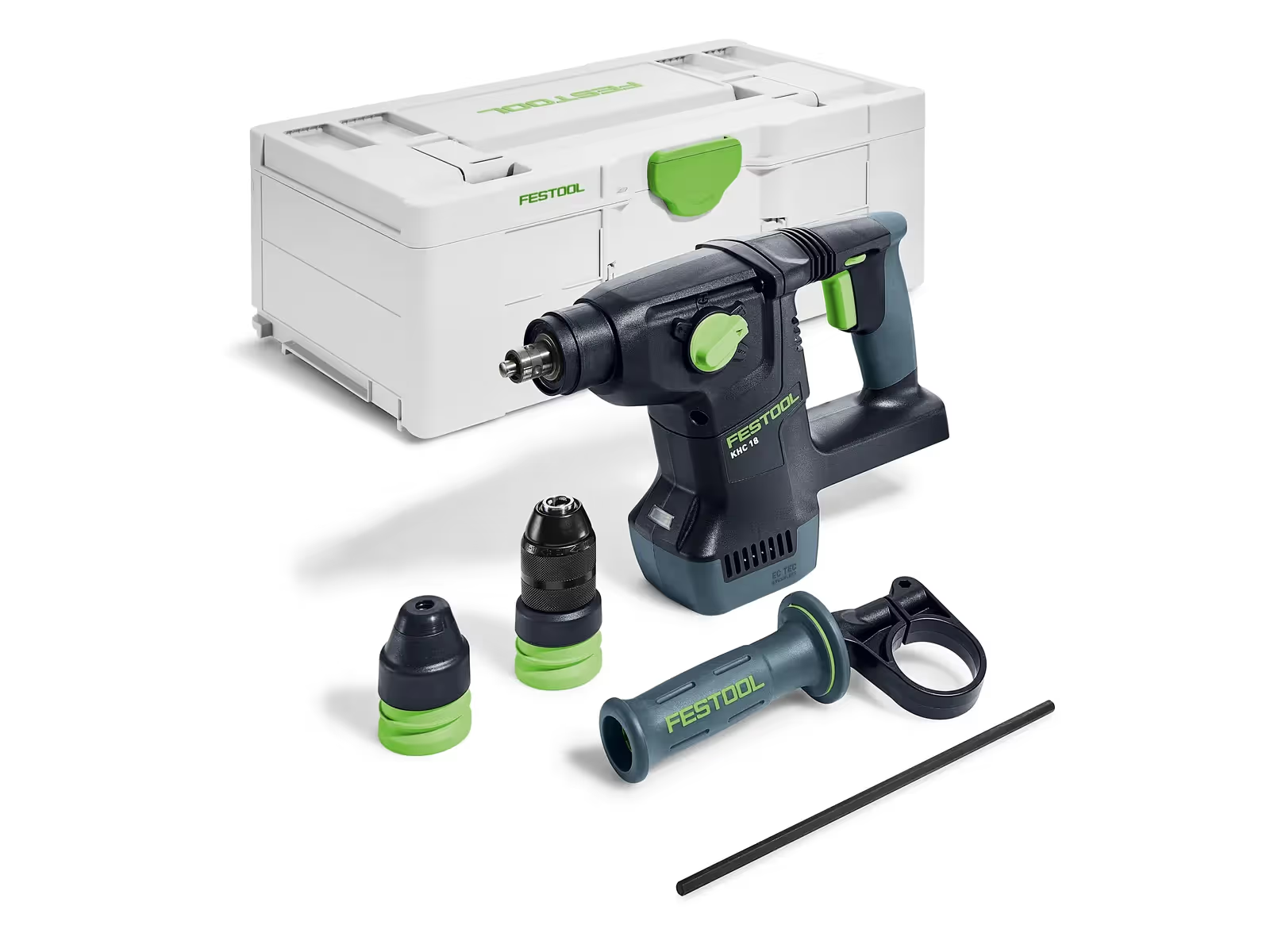 Festool Festool KHC 18 EB cordless combi hammer
 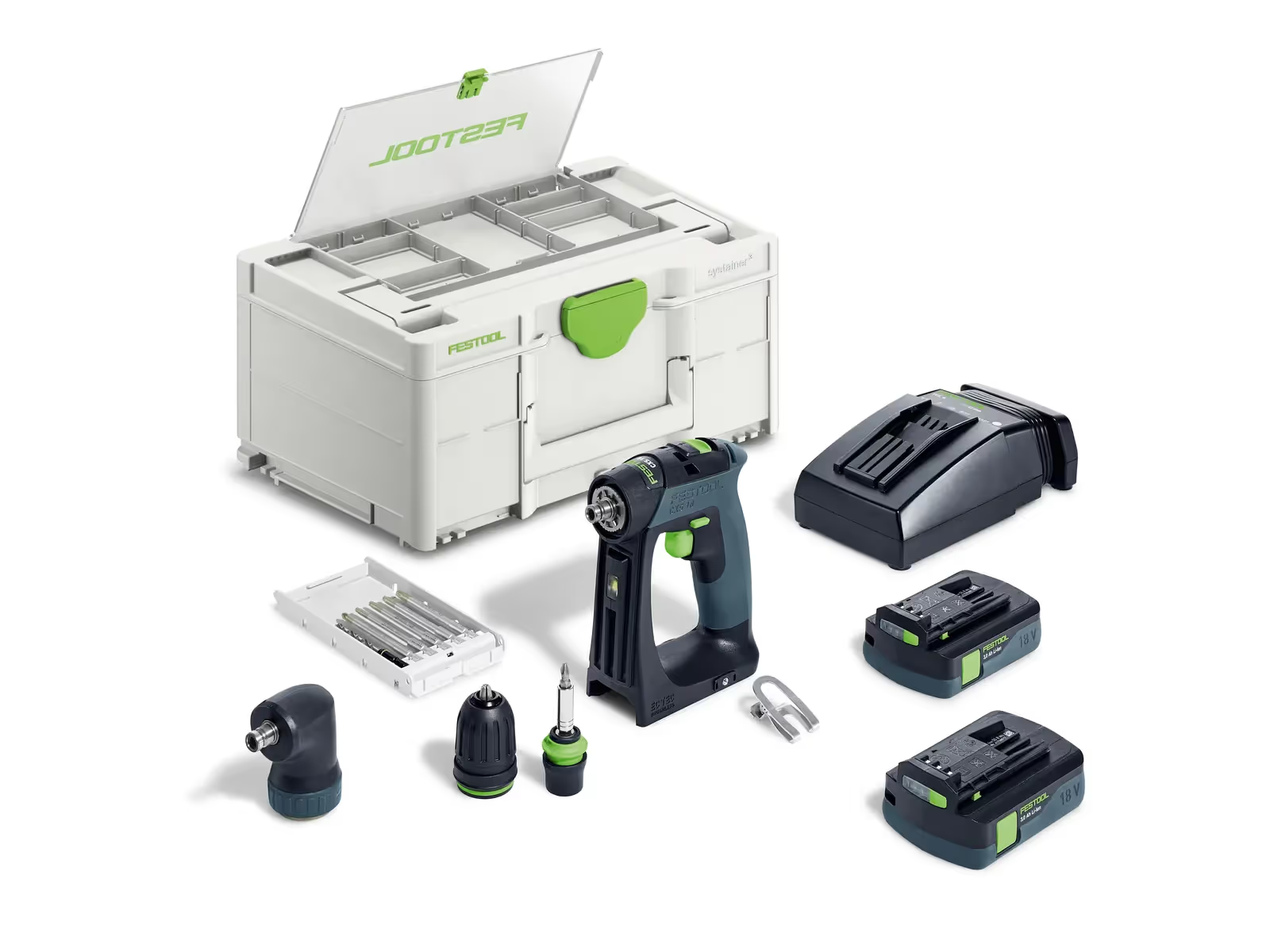 Festool Festool CXS 18 C 3.0 cordless drill driver
 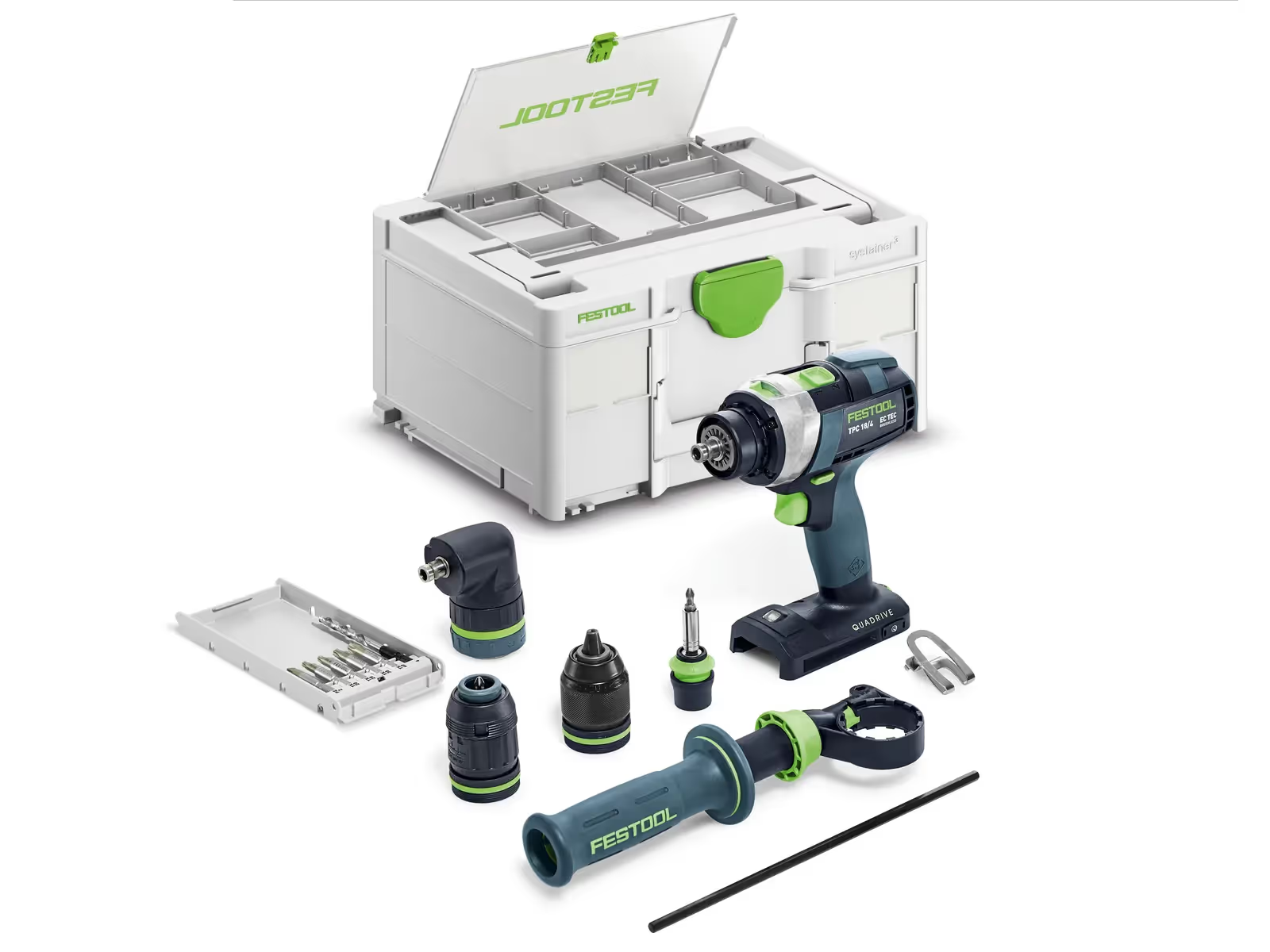 Festool Festool TPC 18/4 cordless percussion drill
 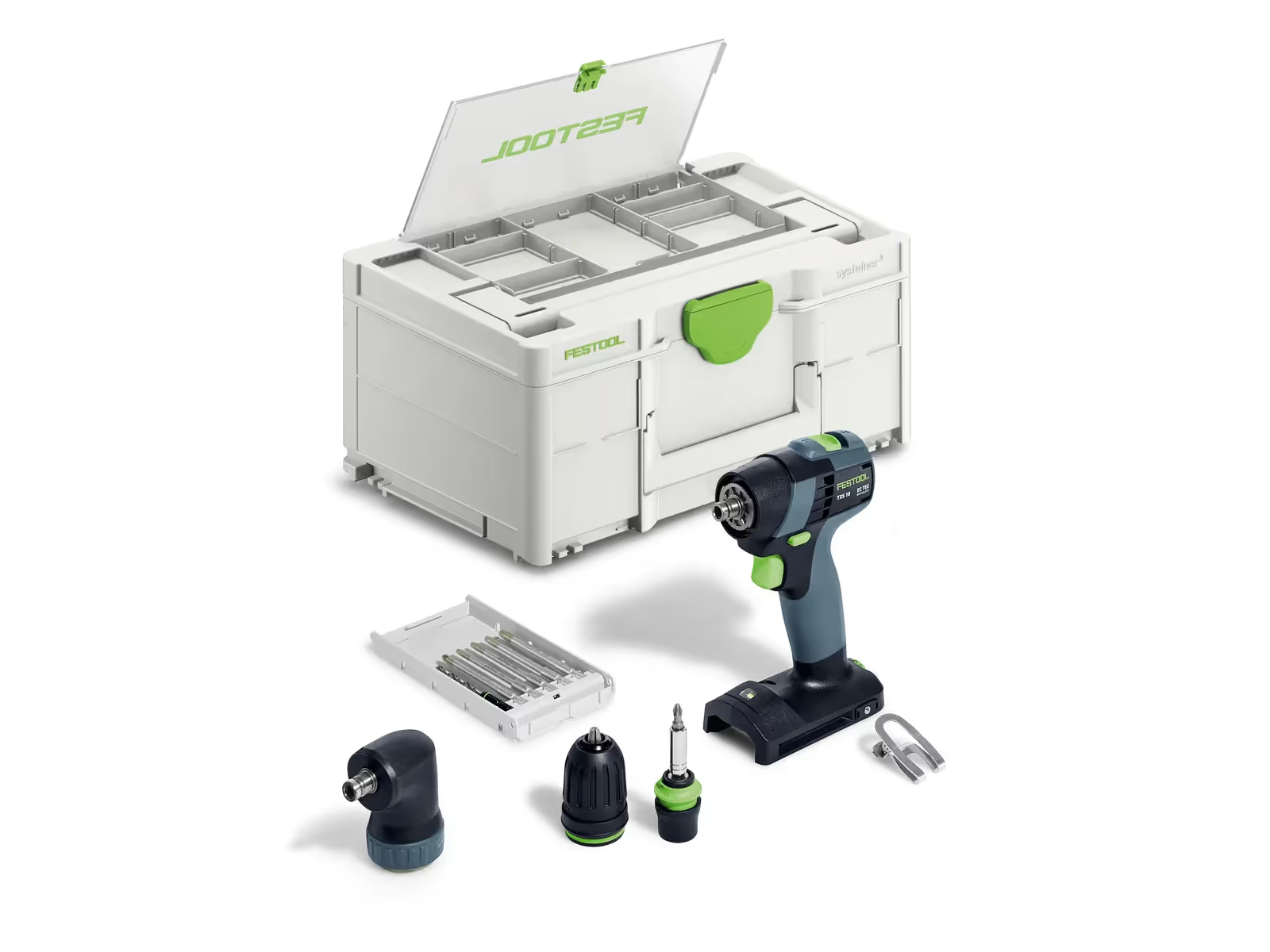 Festool Festool TXS 18 cordless drill-driver
 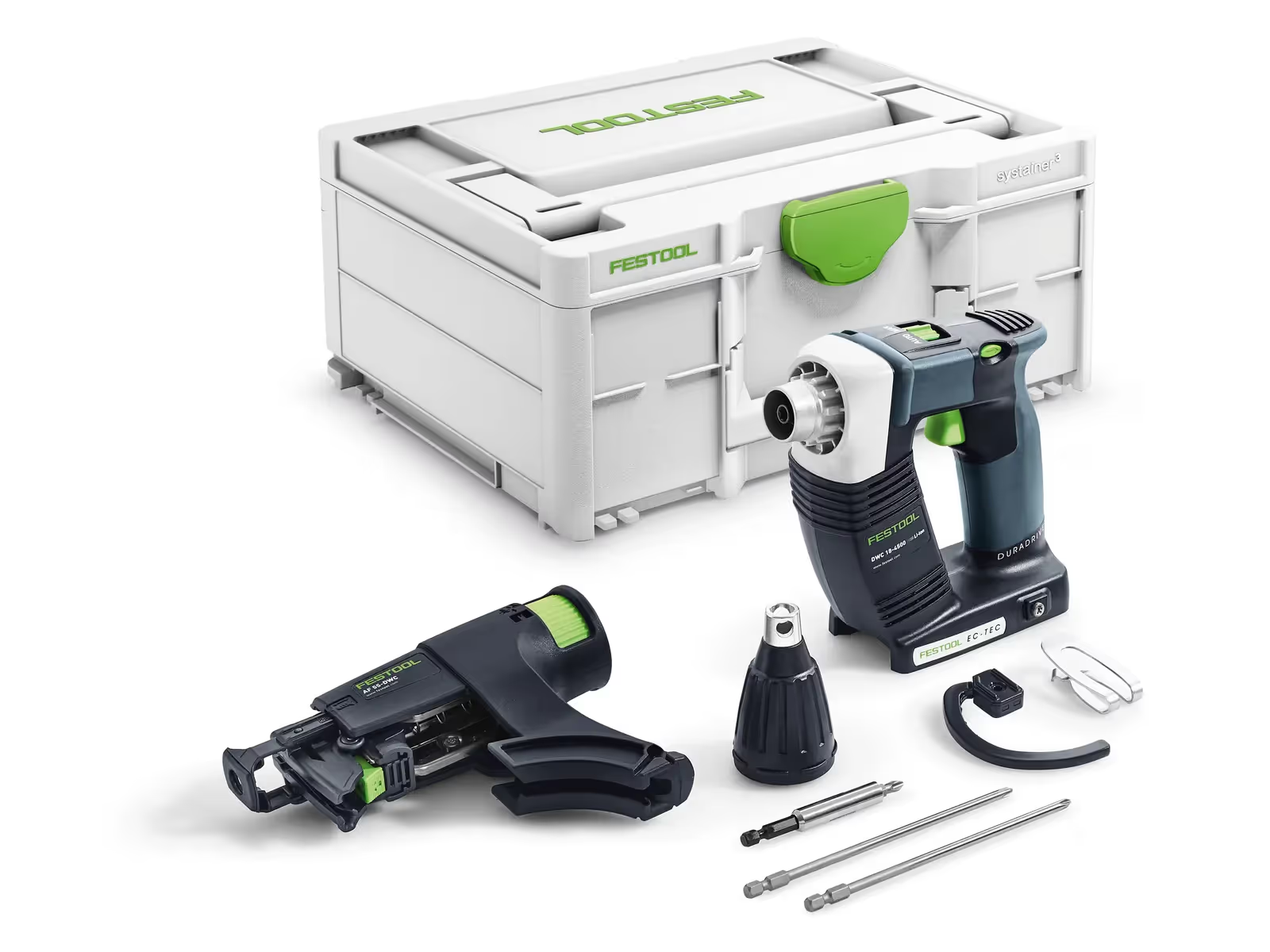 Festool Festool DWC 18-4500 cordless drywall screwdriver
 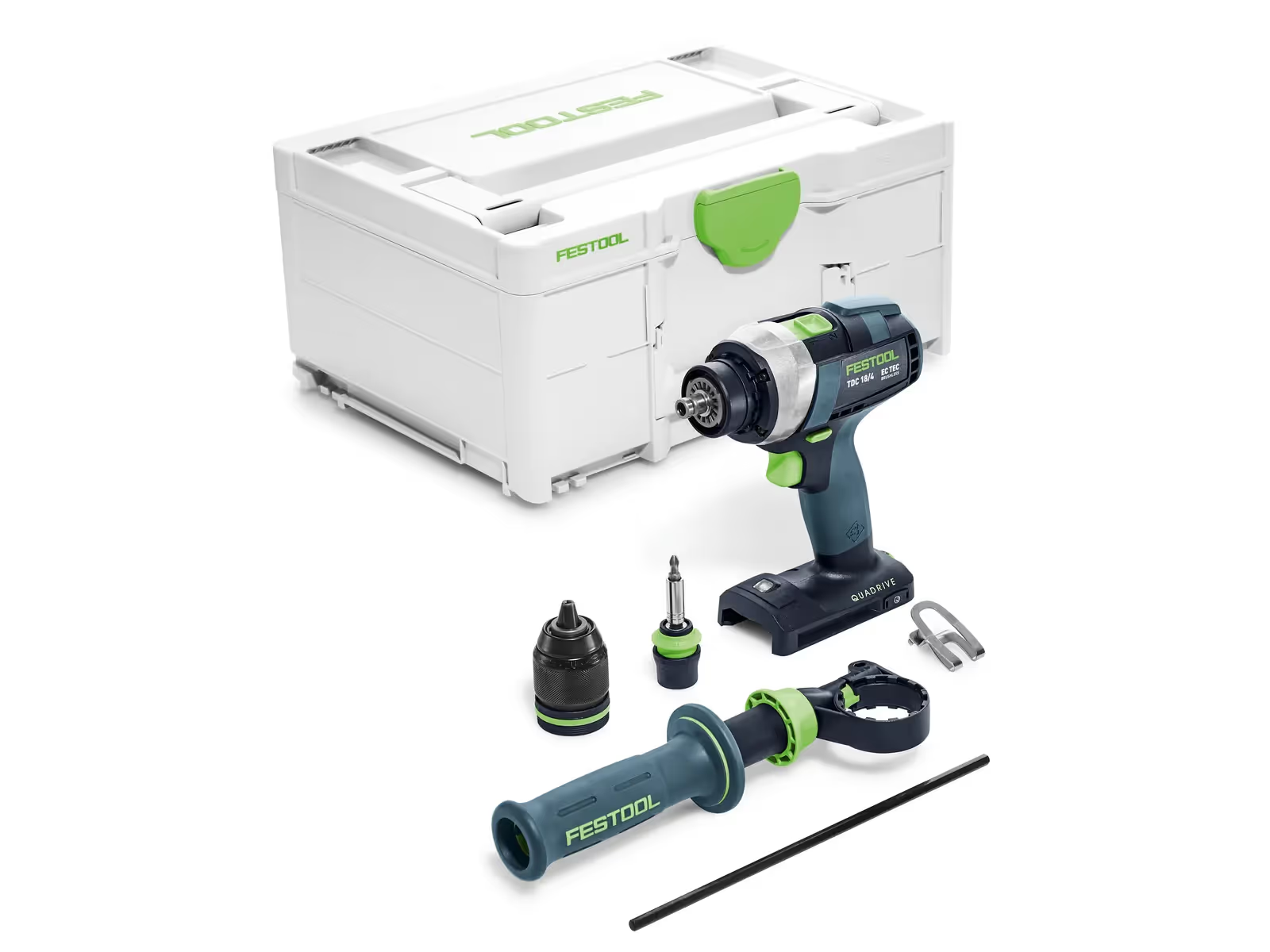 Festool Festool TDC 18/4 cordless drill
 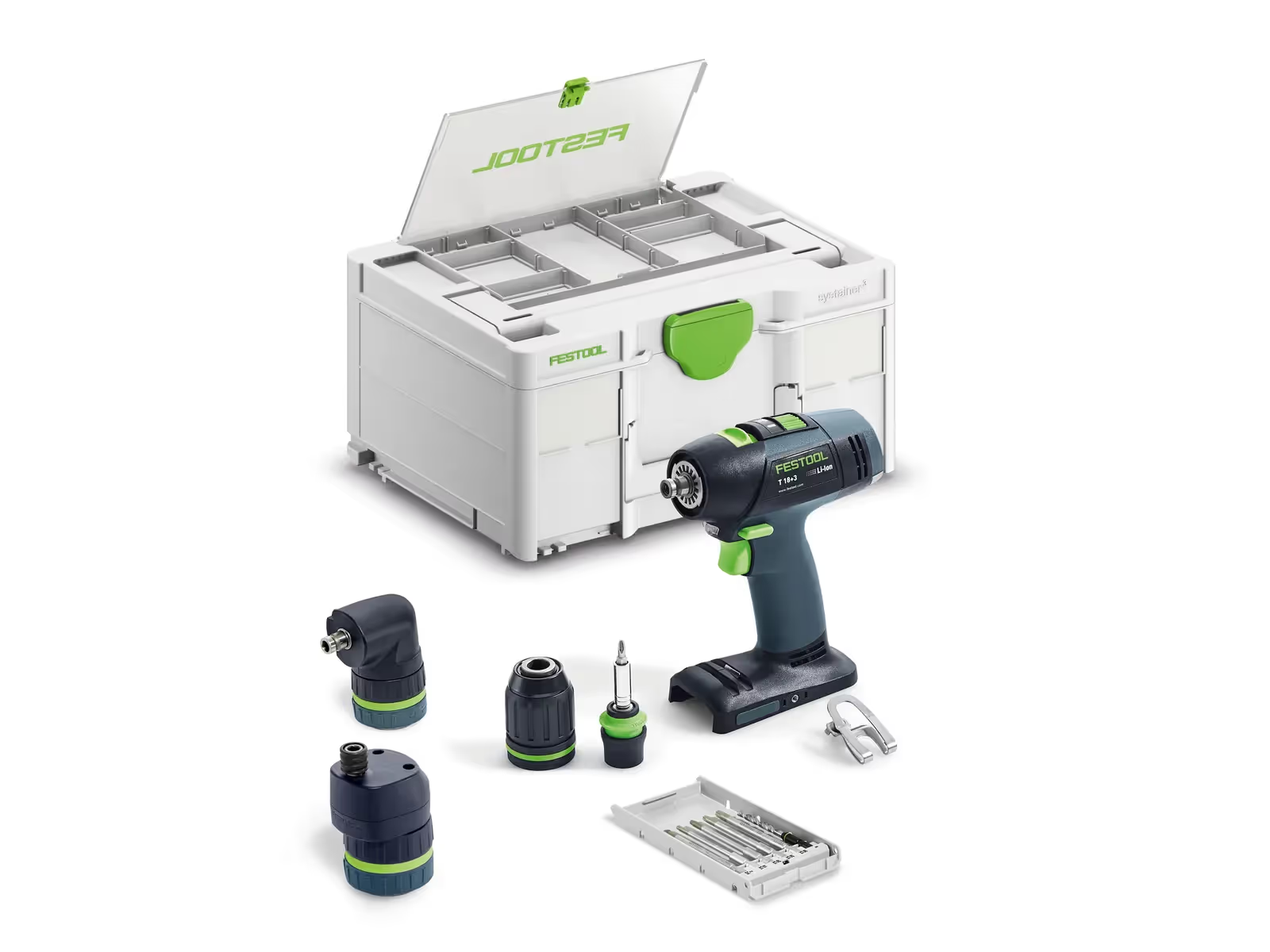 Festool Festool T18+3 cordless drill
 17 of 17 products
To alternate between drilling and screwdriving, choose a drill driver. Its chuck holds drill bits, while the torque setting helps you control assemblies.
The impact driver delivers impulses for demanding screwdriving tasks. The drywall screw gun ensures repetitive fastening in plasterboard, with depth control.
Hammer drills and rotary hammers are designed for masonry work. The rotary hammer uses a hammering mechanism suited to hard materials.
For a joiner or cabinet installer, common operations include pilot holes, fitting hardware, and assembling furniture. A precise torque setting helps limit damage to screws and materials.
In timber framing and timber construction, driving structural parts may require more torque. In fitting-out, compactness and access to tight areas often matter as much as available power.
Specialized screwdrivers make repetitive fastening easier for drywall installers. When a jobsite also includes masonry substrates, a dedicated tool for drilling these materials may be necessary.
First compare torque, drilling type, and power supply according to your materials and fixings. On WoodPartners, filters by drill type, maximum torque, company, and power supply make searching easier.
Then compare speed, chuck, hammer function, and compatible bits. For battery-powered machines, compatibility with your existing tool fleet can simplify equipment management.
For repetitive screwdriving or overhead work, consider weight and ergonomics. Technical data sheets help you match the machine to the material and the planned fixings.
To contact a manufacturer on WoodPartners, open the product page of the selected drill or screwdriver and use the contact form. You can ask a technical question or request a quote.
Specify the substrate to drill, hole diameter, and the fixings used. The manufacturer can advise you on tool compatibility and useful accessories.
To complement drilling and screwdriving, pair other portable machines, including portable saws to prepare elements, biscuit joiners and assembly machines to create recesses for connectors, and routers and trimmers for milling and edge work.
Your privacy
We use trackers to measure site audience and improve your experience. You can decline without changing anything about your browsing. See our privacy policy