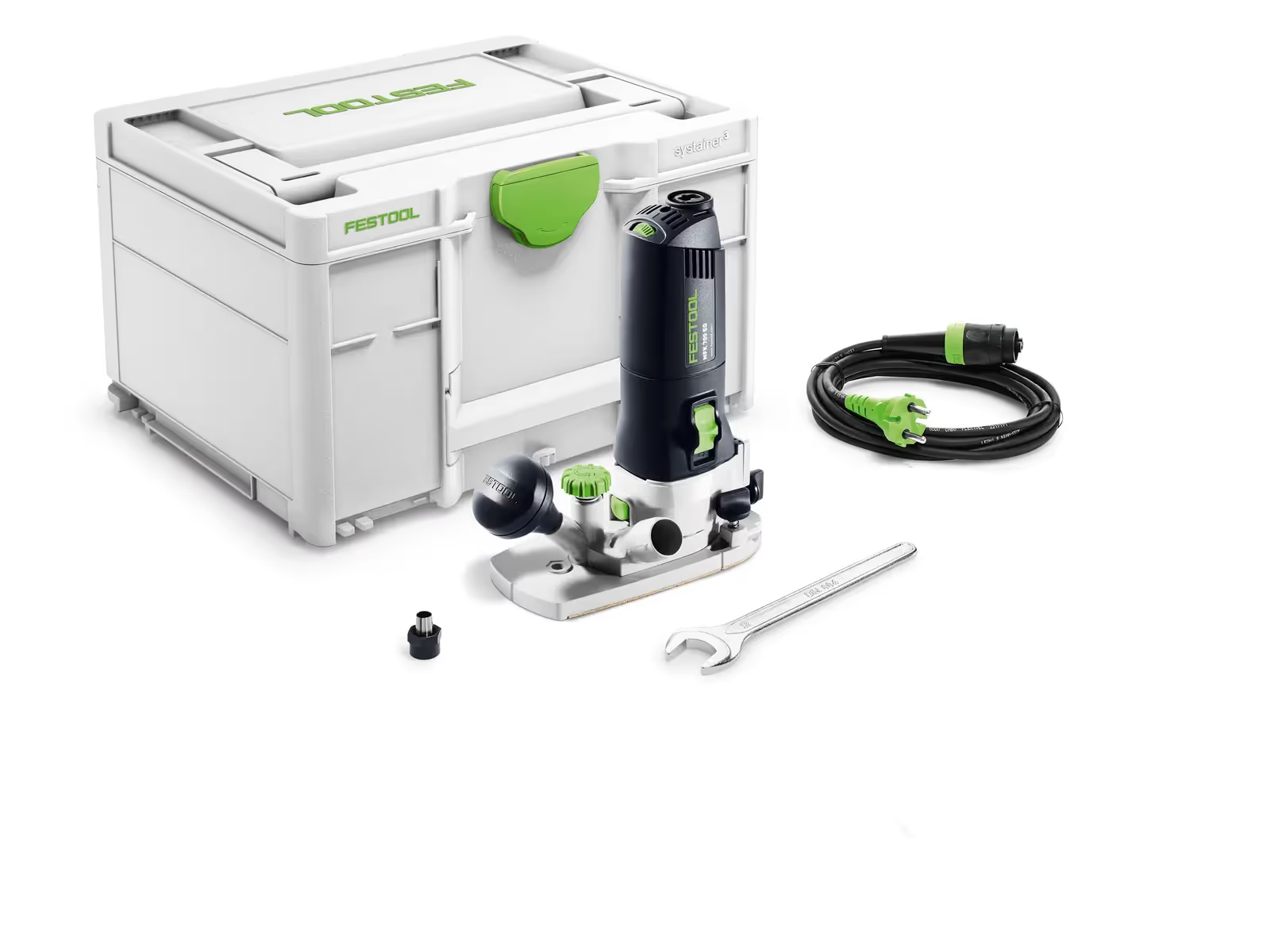
 Festool Festool MFK 700 EQ modular edge router
Discover our selection of 9 references in Routers & trim routers . In just a few clicks, contact wood industry experts directly and get personalized advice for your project.
Festool Festool MFK 700 EQ modular edge router 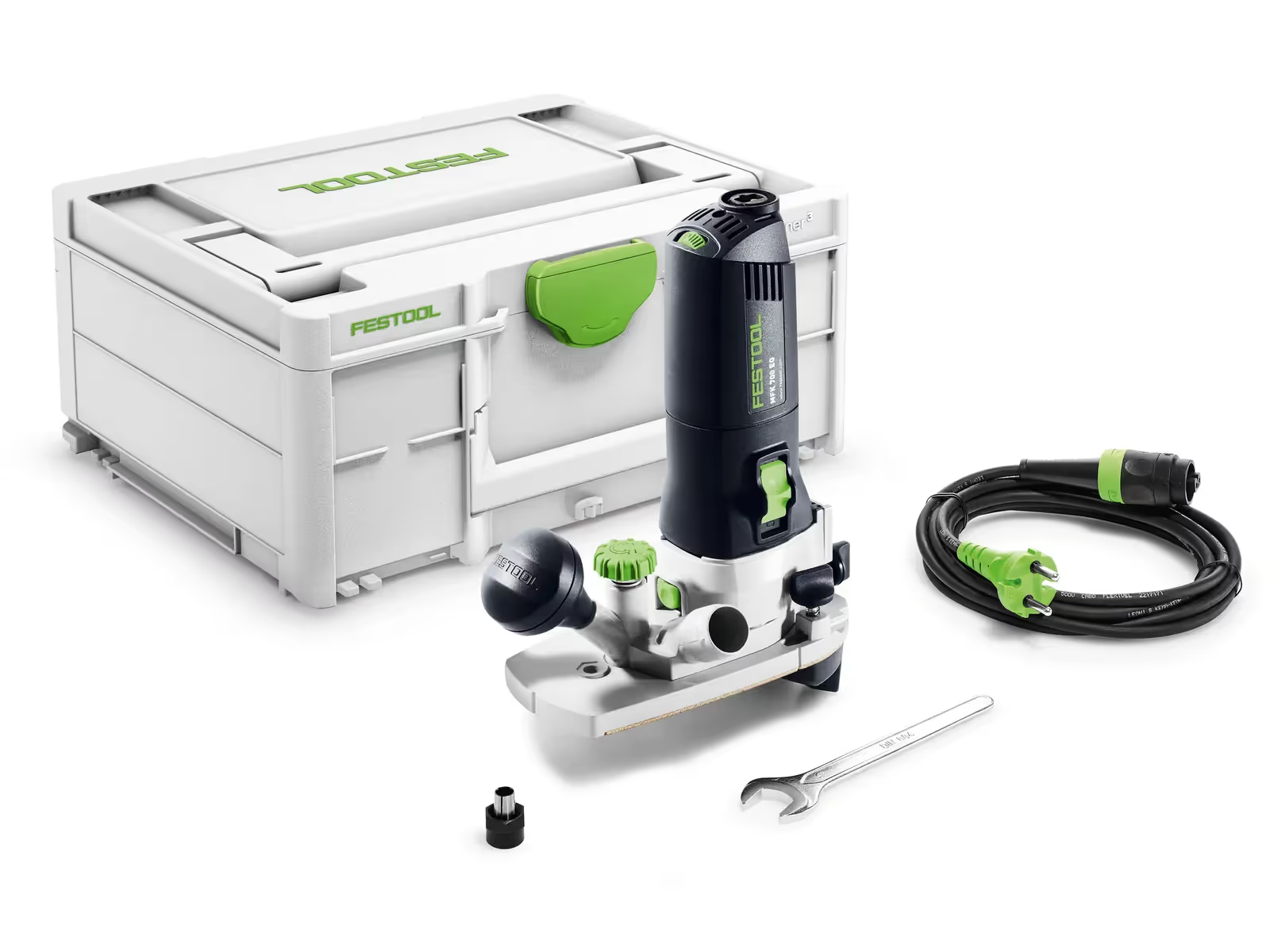 Festool Festool MFK 700 KA EQ modular edge router
 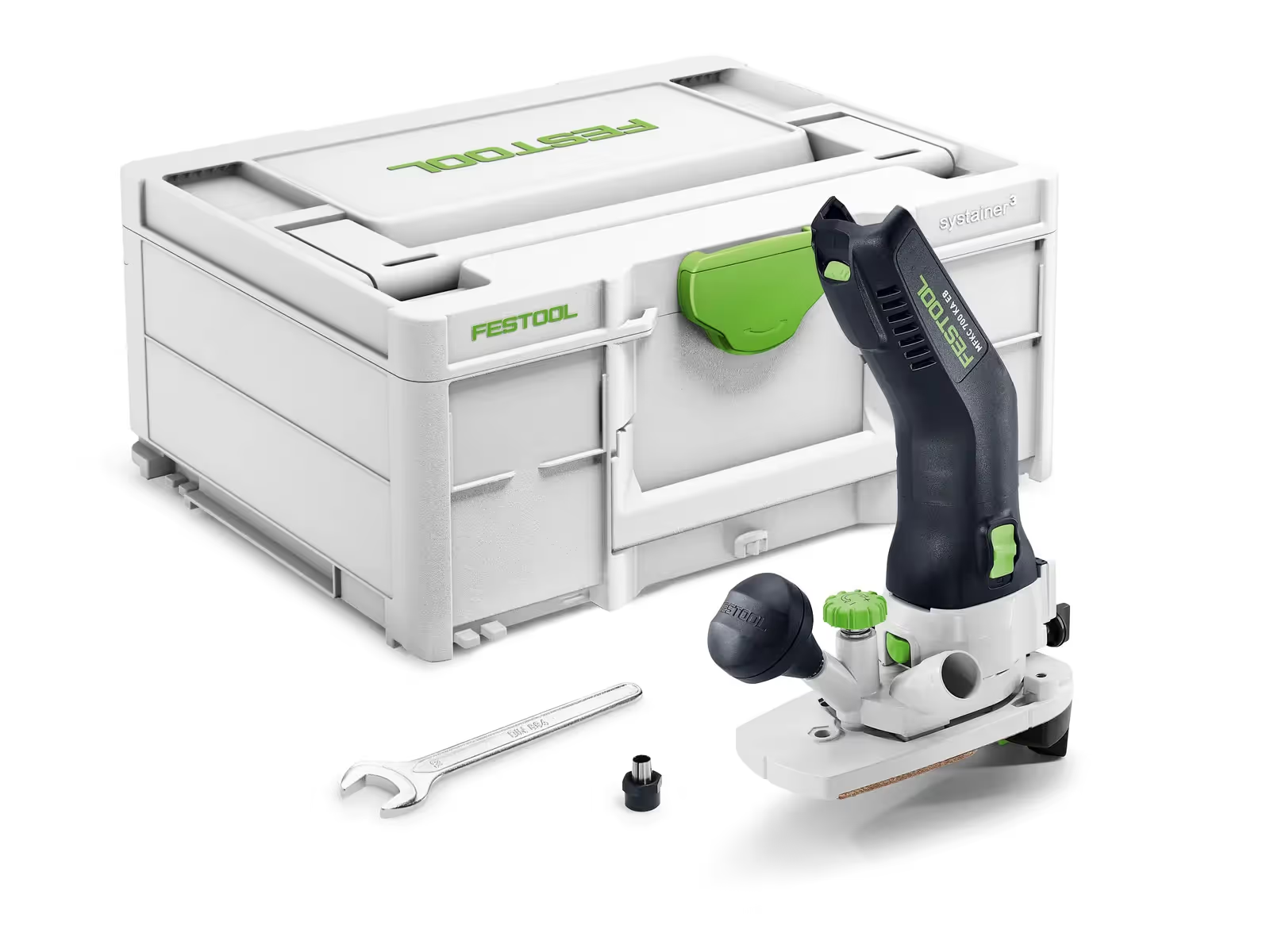 Festool Festool MFKC 700 KA EB cordless modular edge router
 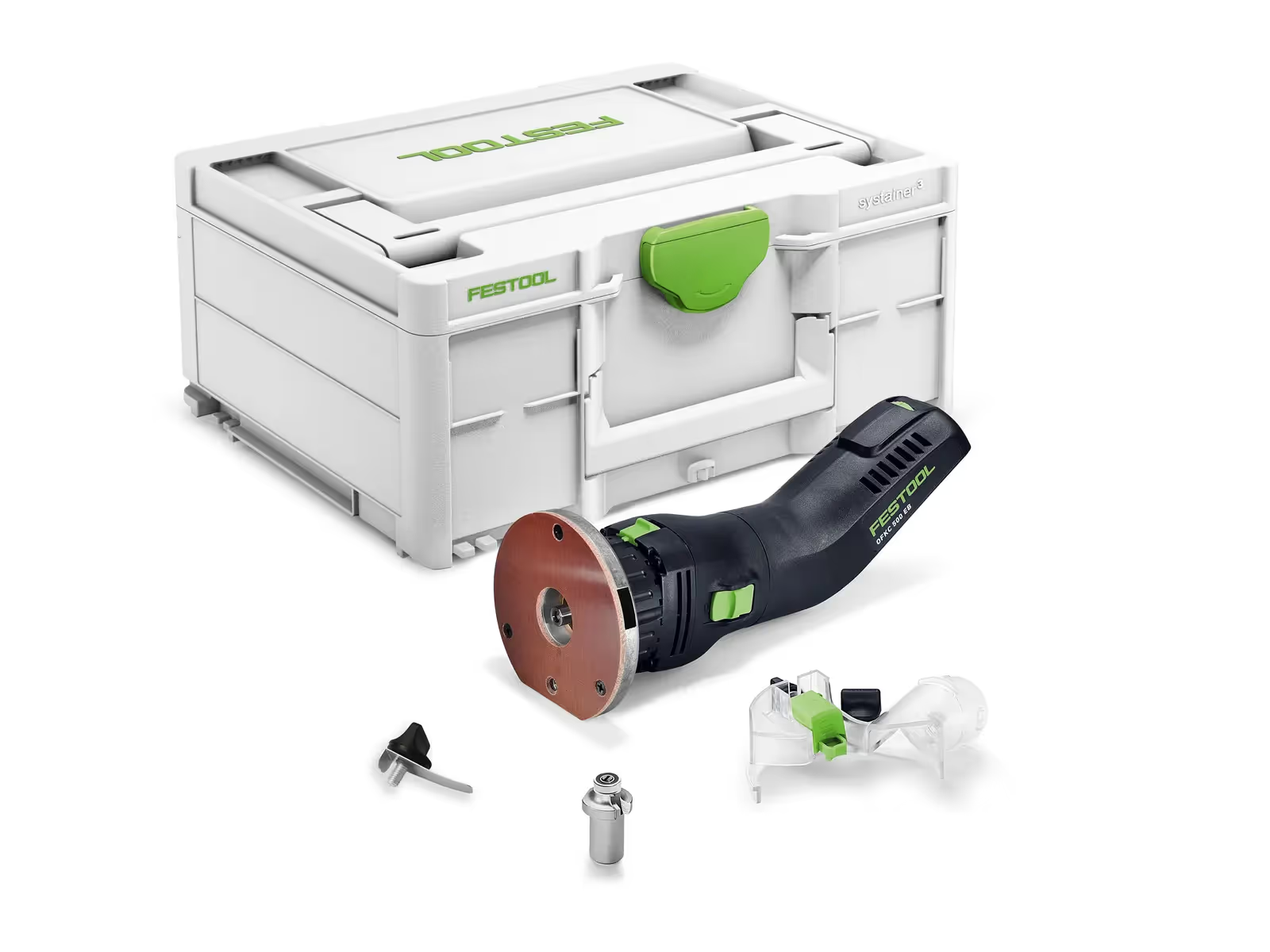 Festool Festool OFKC 500 R3 EB cordless edge router
 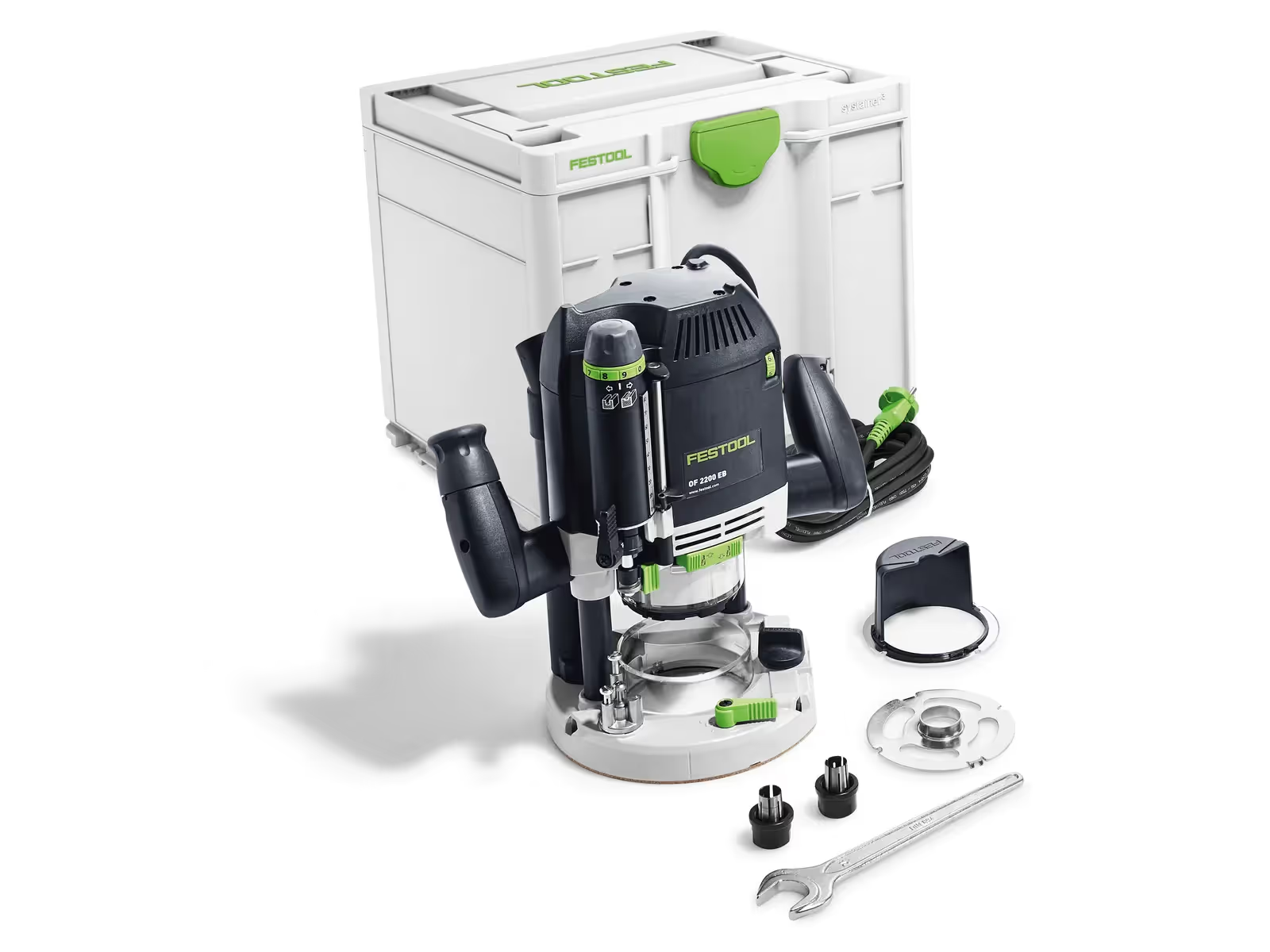 Festool Festool OF 2200 EB router
 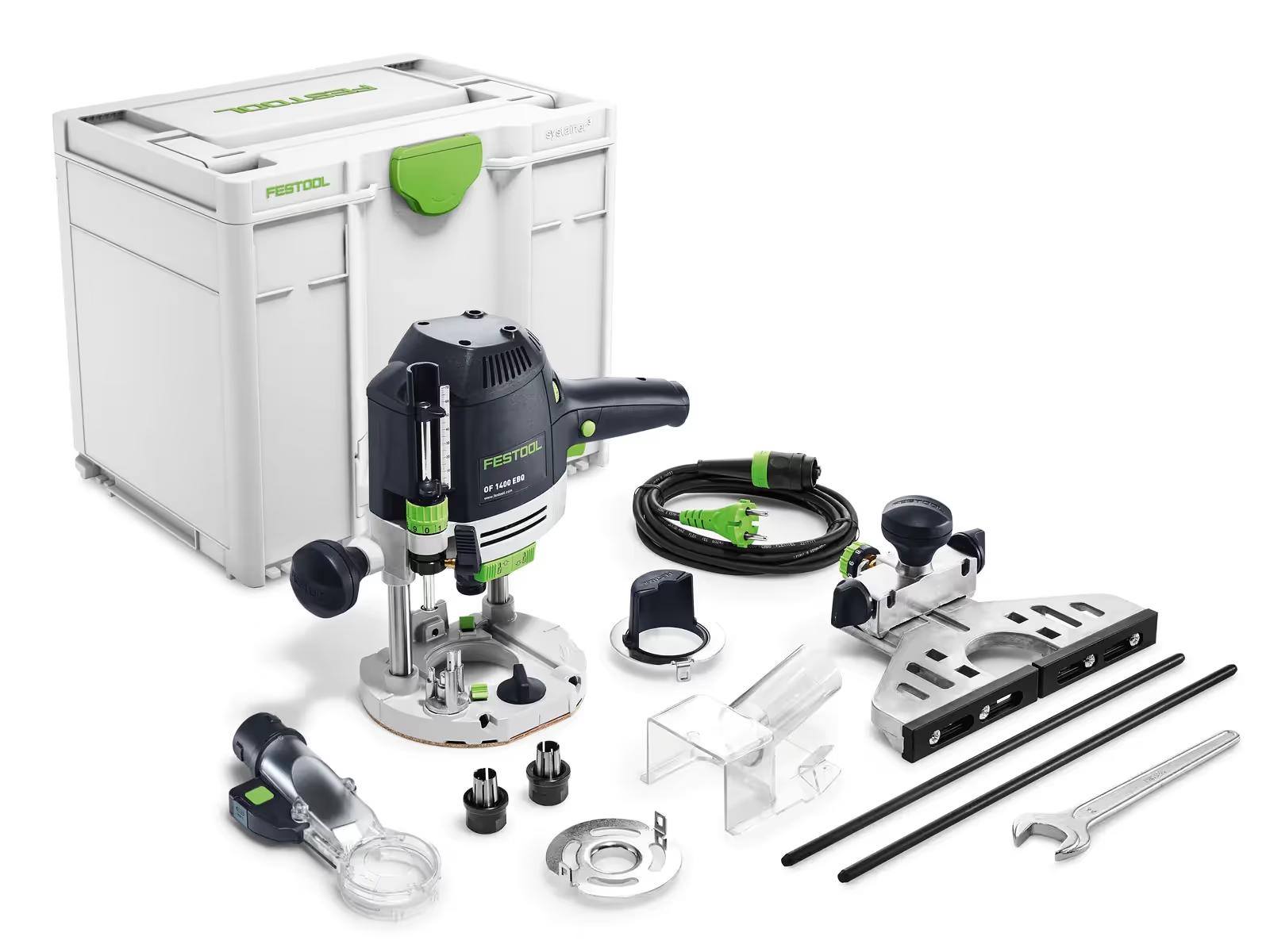 Festool Festool OF 1400 EBQ router
 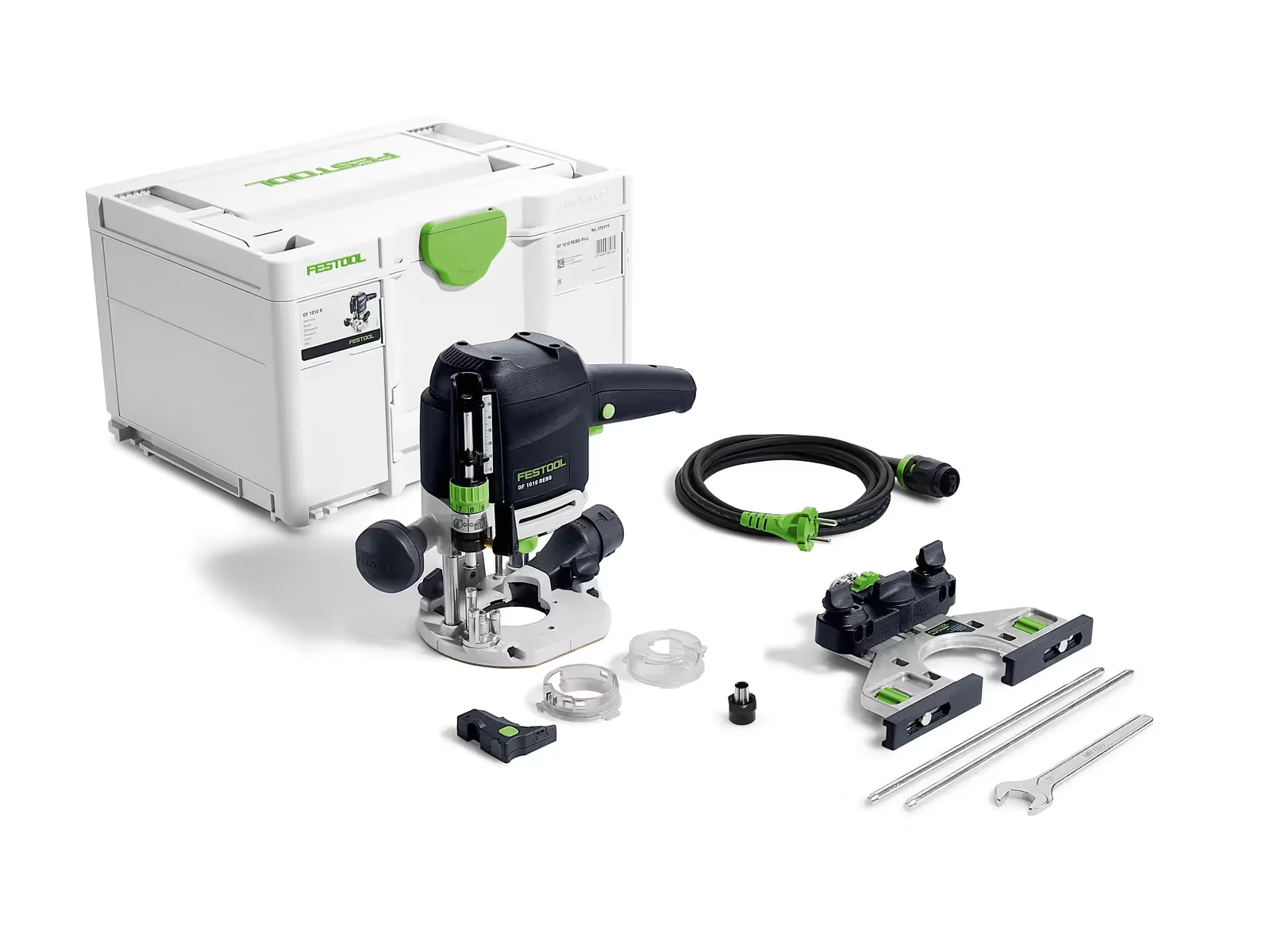 Festool Festool OF 1010 REBQ router
 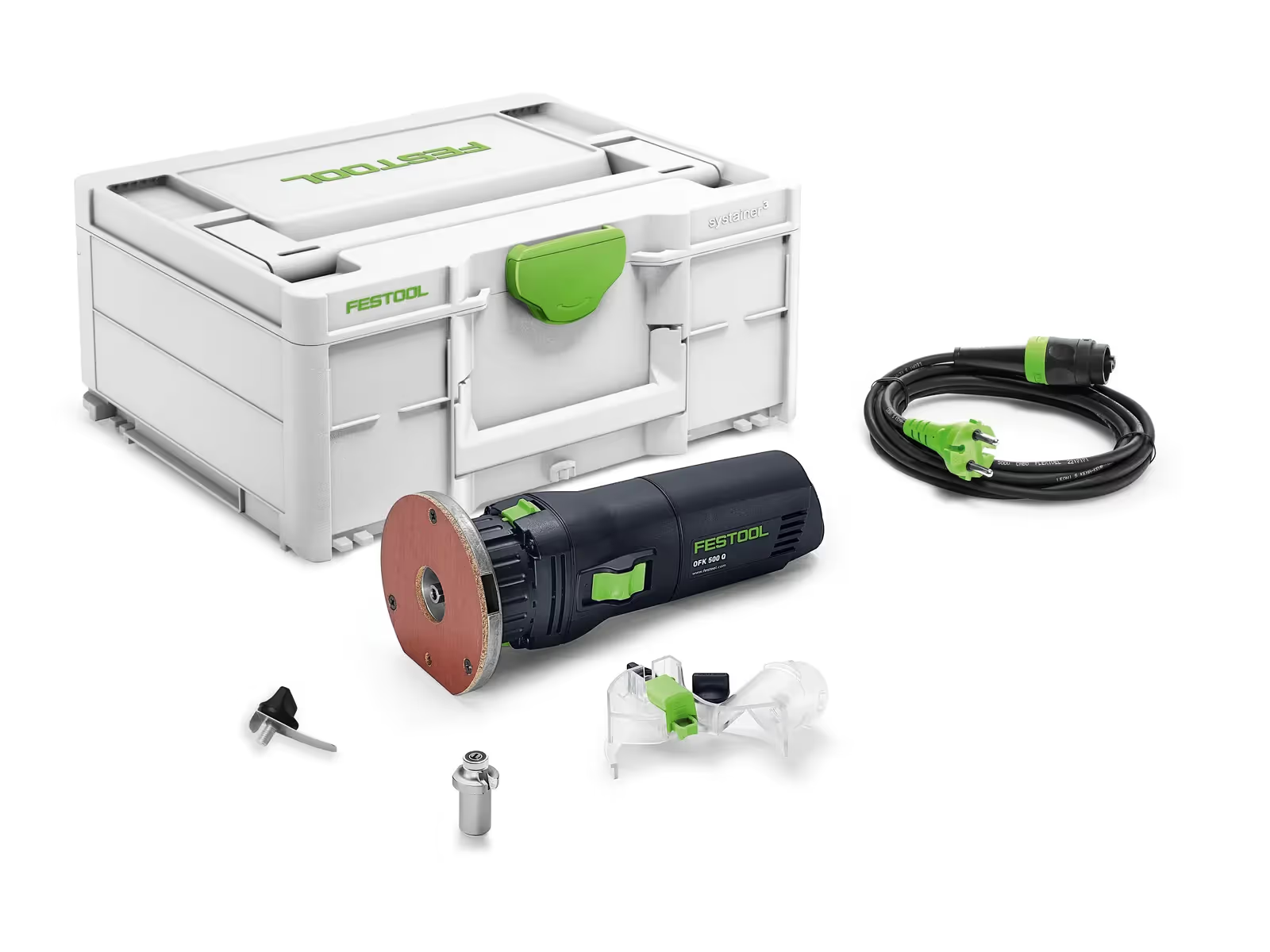 Festool Festool OFK 500 Q edge router
 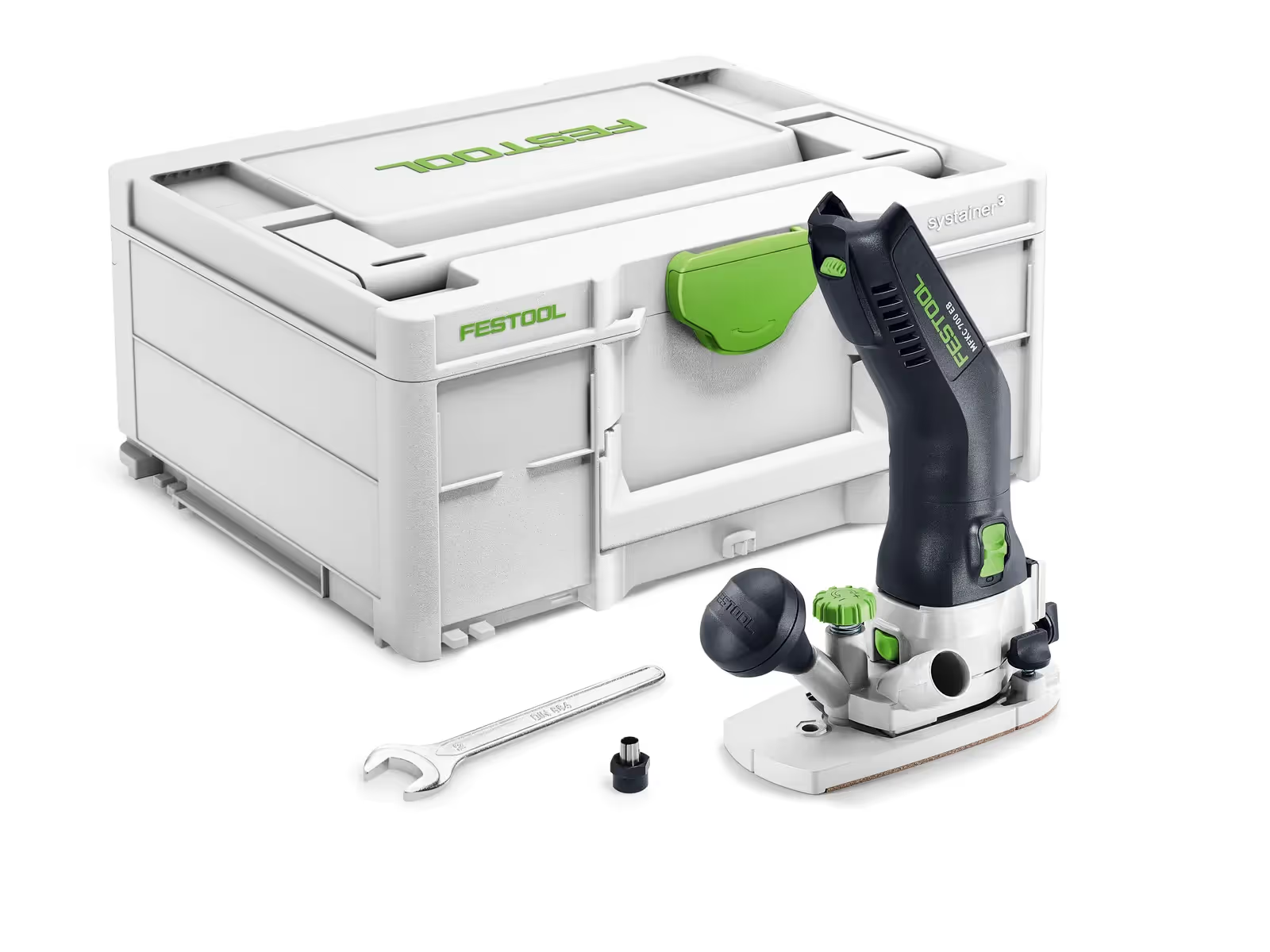 Festool Festool MFKC 700 EB cordless modular edge router
 9 of 9 products
In carpentry and interior fitting, the plunge router cuts into the material, while the trim router mainly works on edges. The choice depends on the operation to be carried out.
With a suitable bit, the router makes grooves, rabbets (notches on the edge of a piece), profiles, or hardware recesses. Its depth adjustment makes successive passes easier.
The trim router is used to flush-trim veneer overhangs and shape edges. It is used in furniture making and panel finishing.
These machines are used to make furniture, fit panels, and finish edges, in the workshop as well as on site. The bit and guiding method depend on the planned operation.
For furniture making and interior fitting, the router prepares joints and hardware locations. It works on solid wood and wood-based panels, according to the manufacturer’s instructions.
The trim router is suitable for finishing after installing edge banding, especially on laminated or coated panels. It helps obtain a clean edge before the final finishing steps.
The choice between a router and a trim router depends on the work to be done. Choose a router for grooves, rabbets and hardware recesses, or a trim router for flush trimming and edge finishing. On WoodPartners, filters by router type, power and energy source help refine the selection.
For job sites, compare corded models with battery-powered ones. Check compatible adjustments and accessories, as well as dust extraction options indicated in the descriptions.
Product pages present the available specifications and, depending on the machines, technical documents. They make it easier to compare before contacting manufacturers.
On WoodPartners, open the product page to contact the listed manufacturer or supplier. You can then communicate directly with the company.
You can ask a technical question or request a quote, specifying the constraints of your workshop or job site.
To complement your milling work, use other portable machines; in particular, portable saws are used to cut parts before milling. Assembly equipment in the Biscuit joiners & dowel joiners category complements certain operations, while portable sanders prepare surfaces before finishing.
Your privacy
We use trackers to measure site audience and improve your experience. You can decline without changing anything about your browsing. See our privacy policy