
Kilns
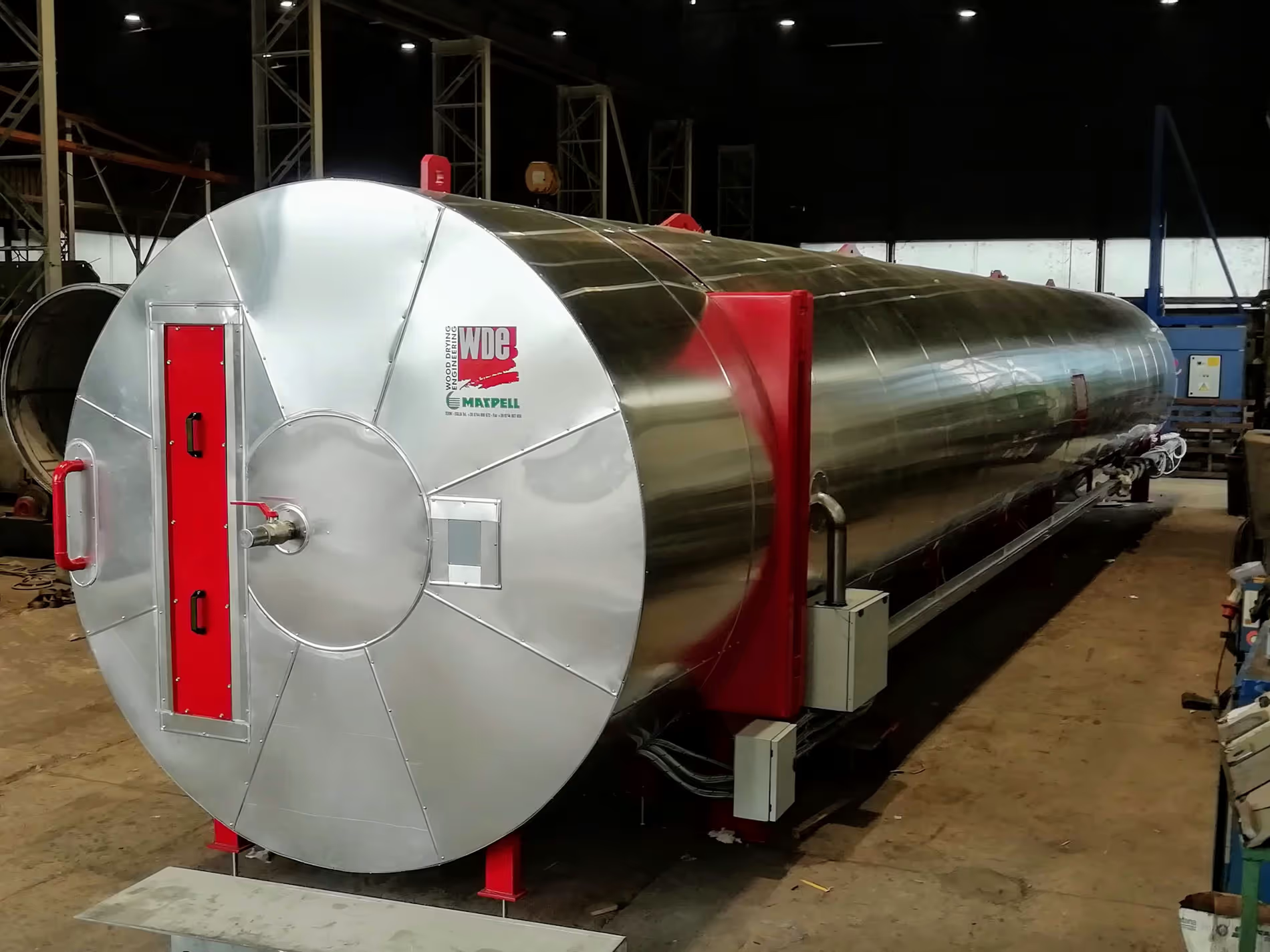
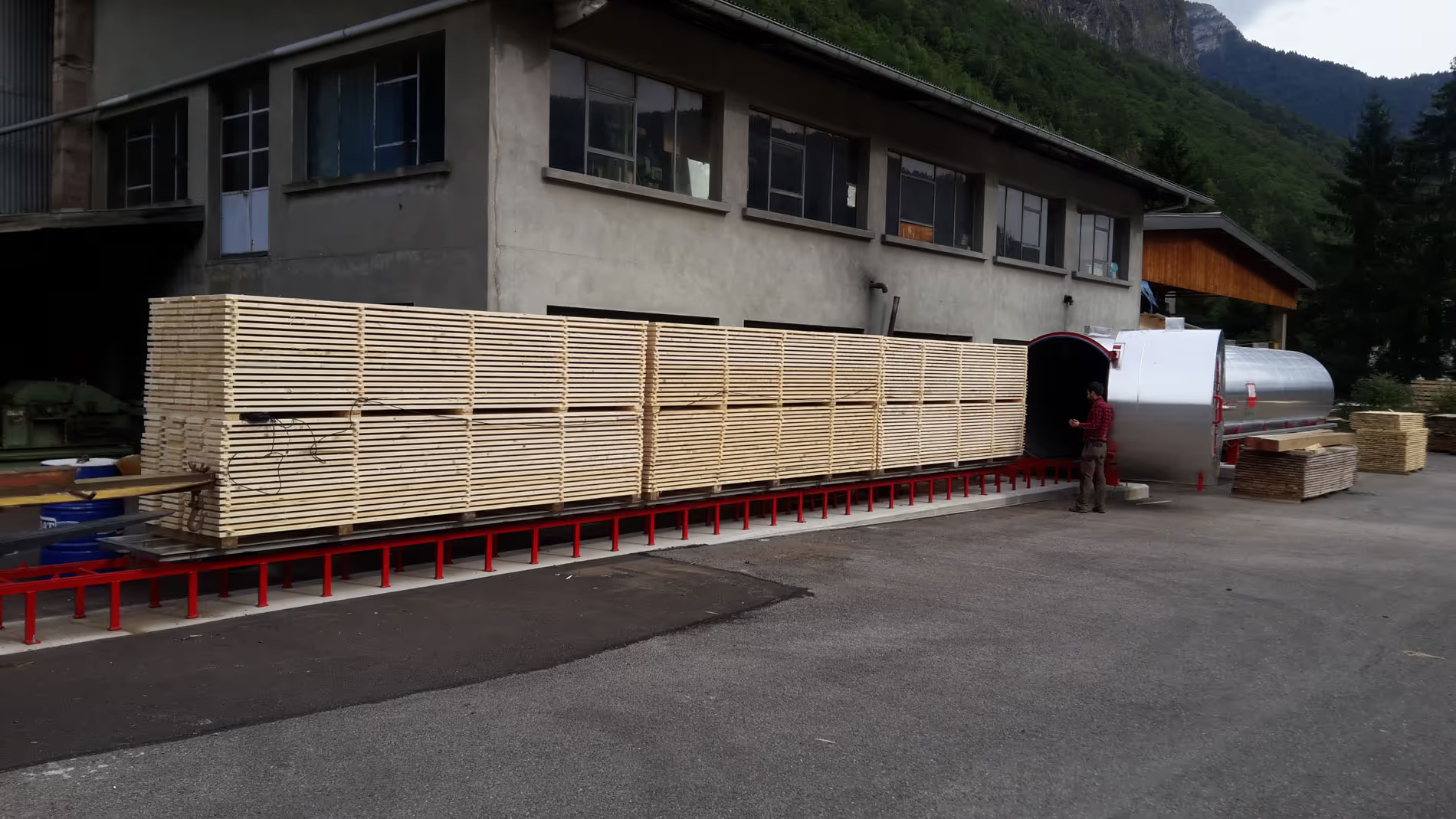
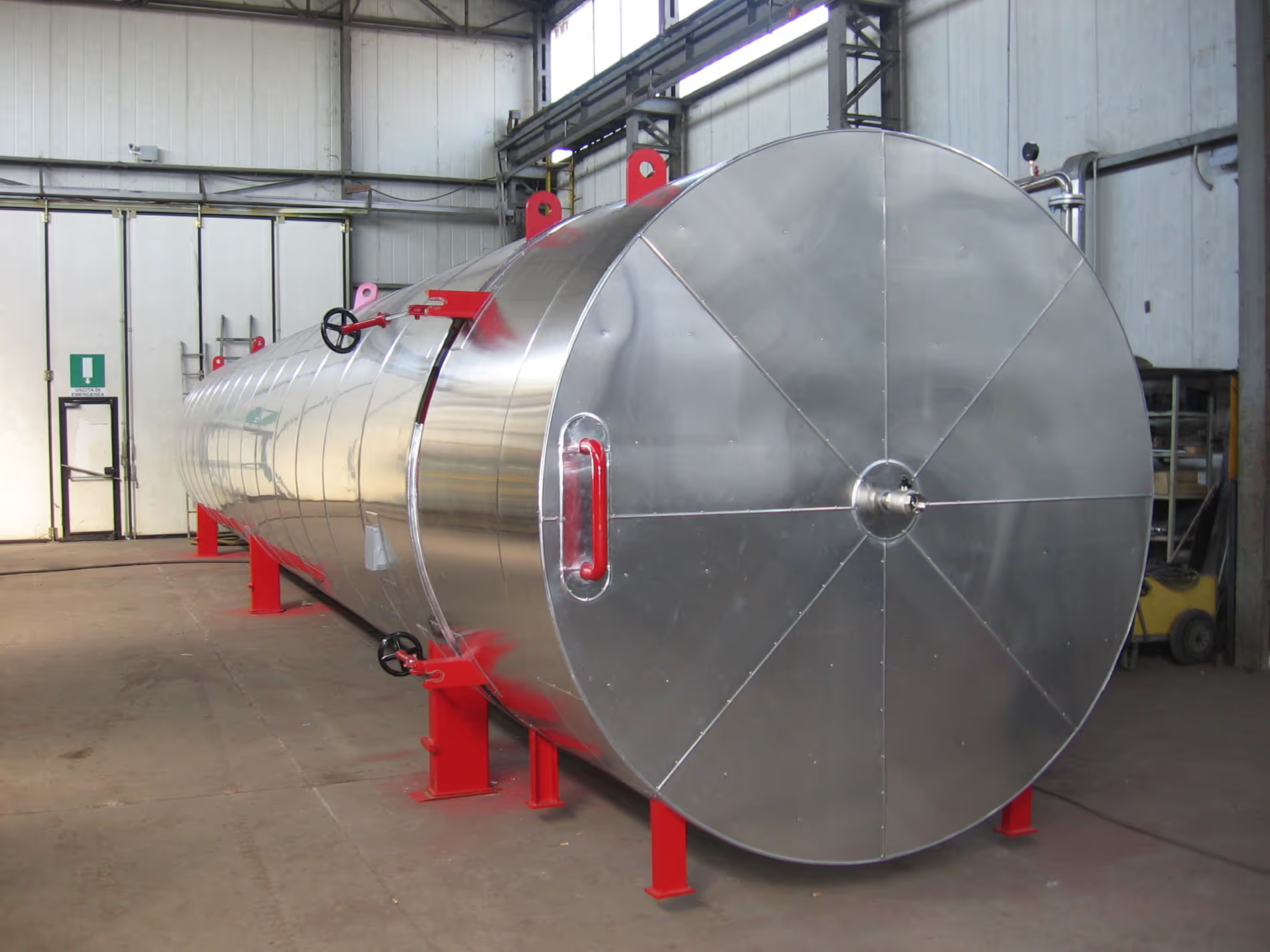
Wood kilns include the equipment that lowers the moisture content of sawn timber to the level required for its intended use. In sawmills, they ensure stable wood that is ready to ship. Compare manufacturers' models online on WoodPartners.


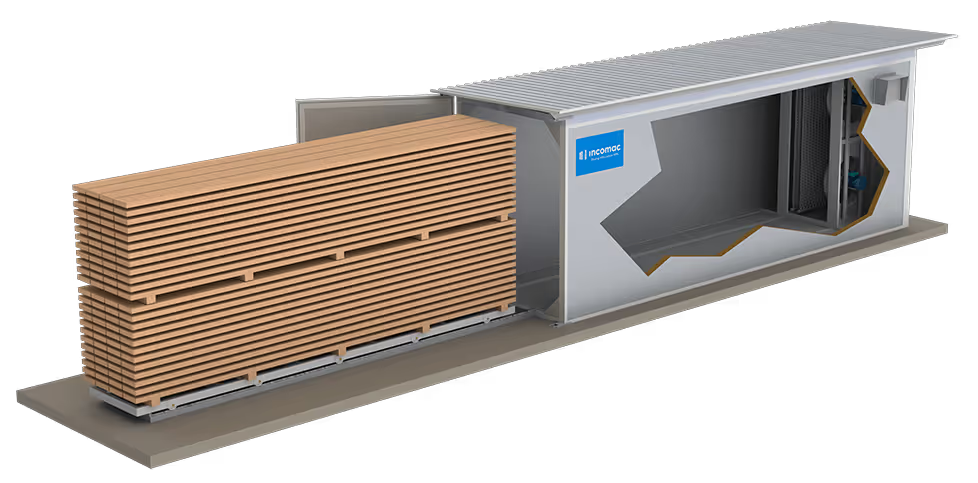
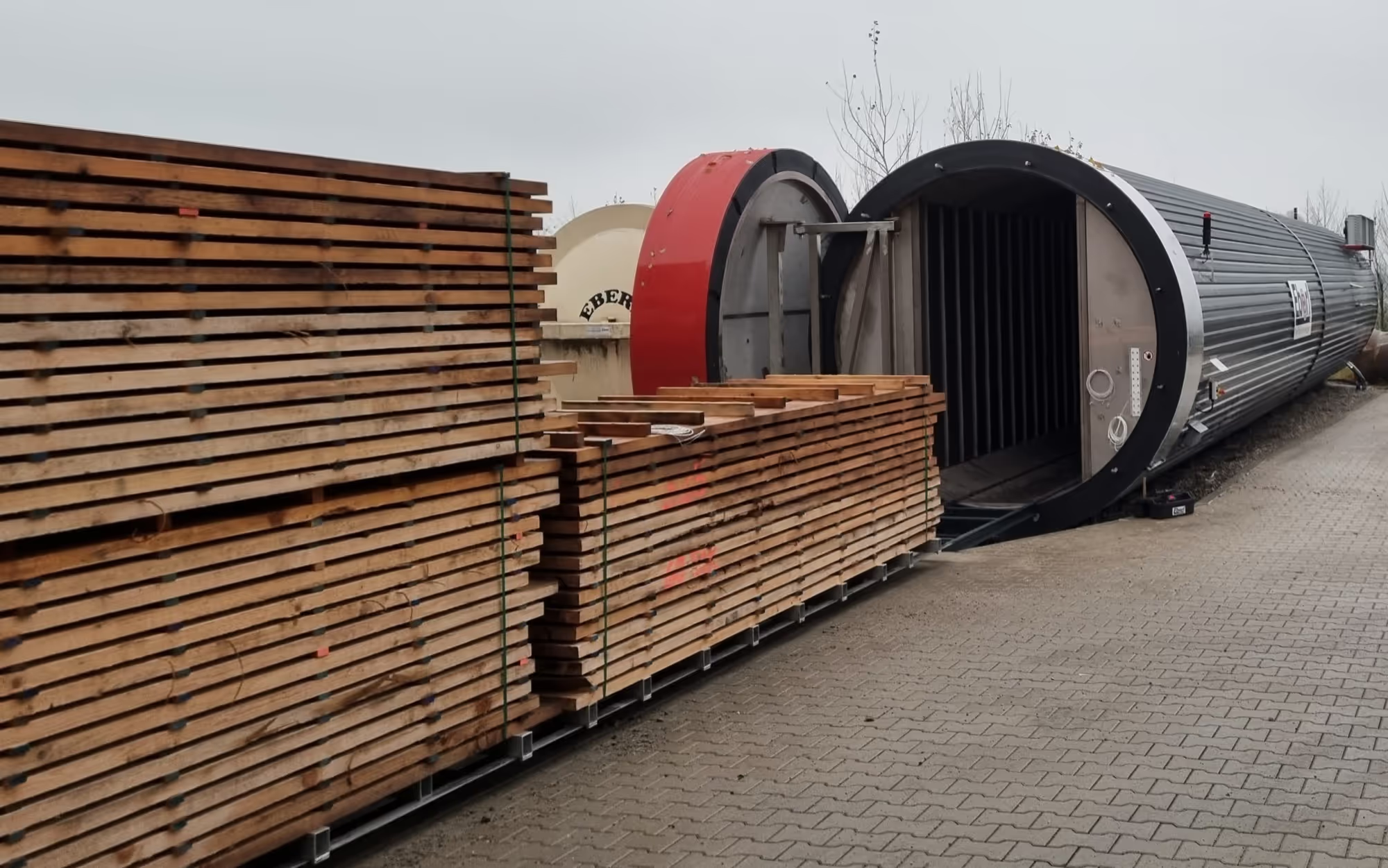
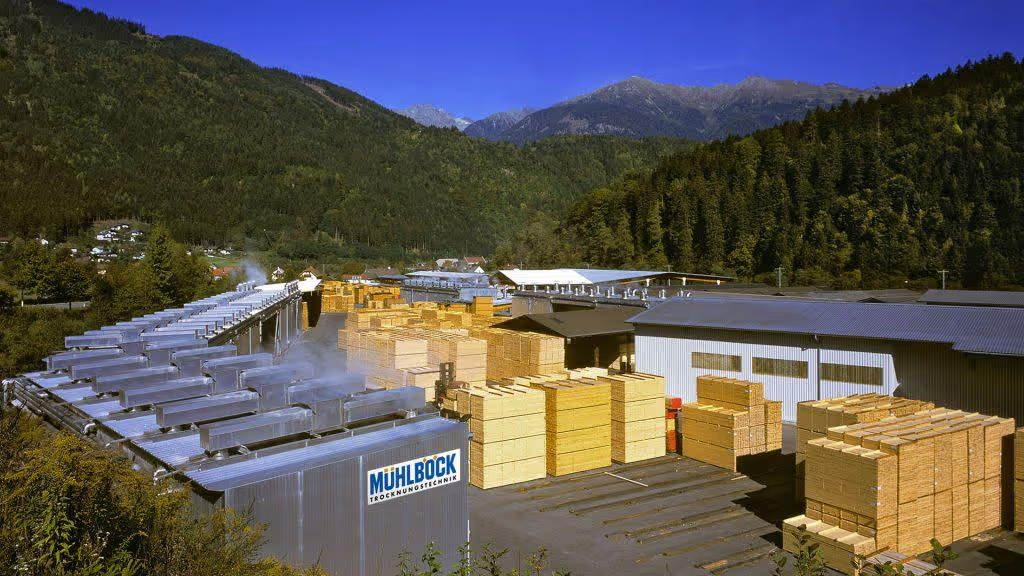
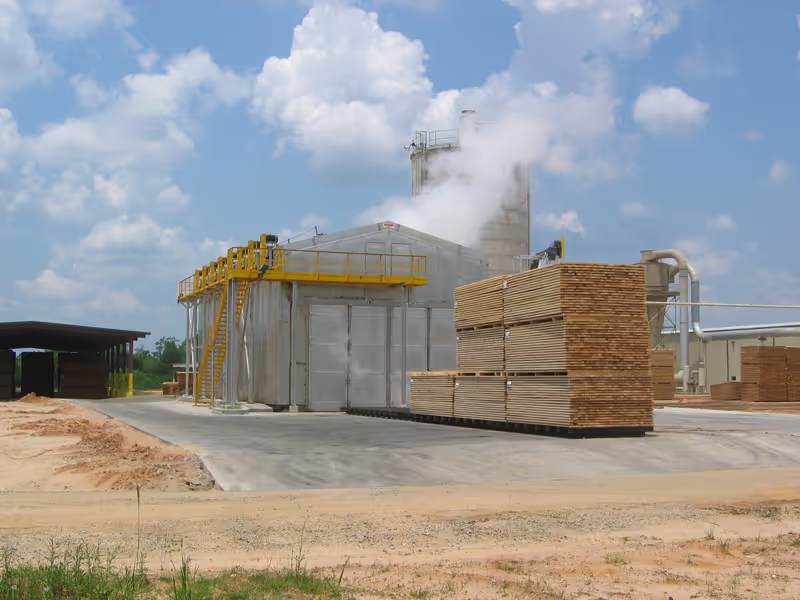
42 of 83 products
Discover wood kilns to master the quality of your sawn timber and adapt your drying capacity to your production.
Drying, a key step to add value to sawn timber
Drying determines the quality and commercial value of sawn timber. Properly dried wood is more stable, lighter to transport and less exposed to fungi such as blue stain. It also meets the requirements of the construction and joinery markets, which impose precise moisture contents.
Placed just after the sawing lines, the kiln is often the longest stage in the chain of primary processing machines. Its capacity therefore sets the sawmill's delivery pace.
Drying is also a major energy cost item. The chosen technology, heat source and the quality of control directly affect production cost and the defect rate (checks, splits, warping).
The different types of wood kilns
Each drying technology involves a trade-off between volume, speed, quality and energy consumption. The choice depends on species, dimensions and intended uses.
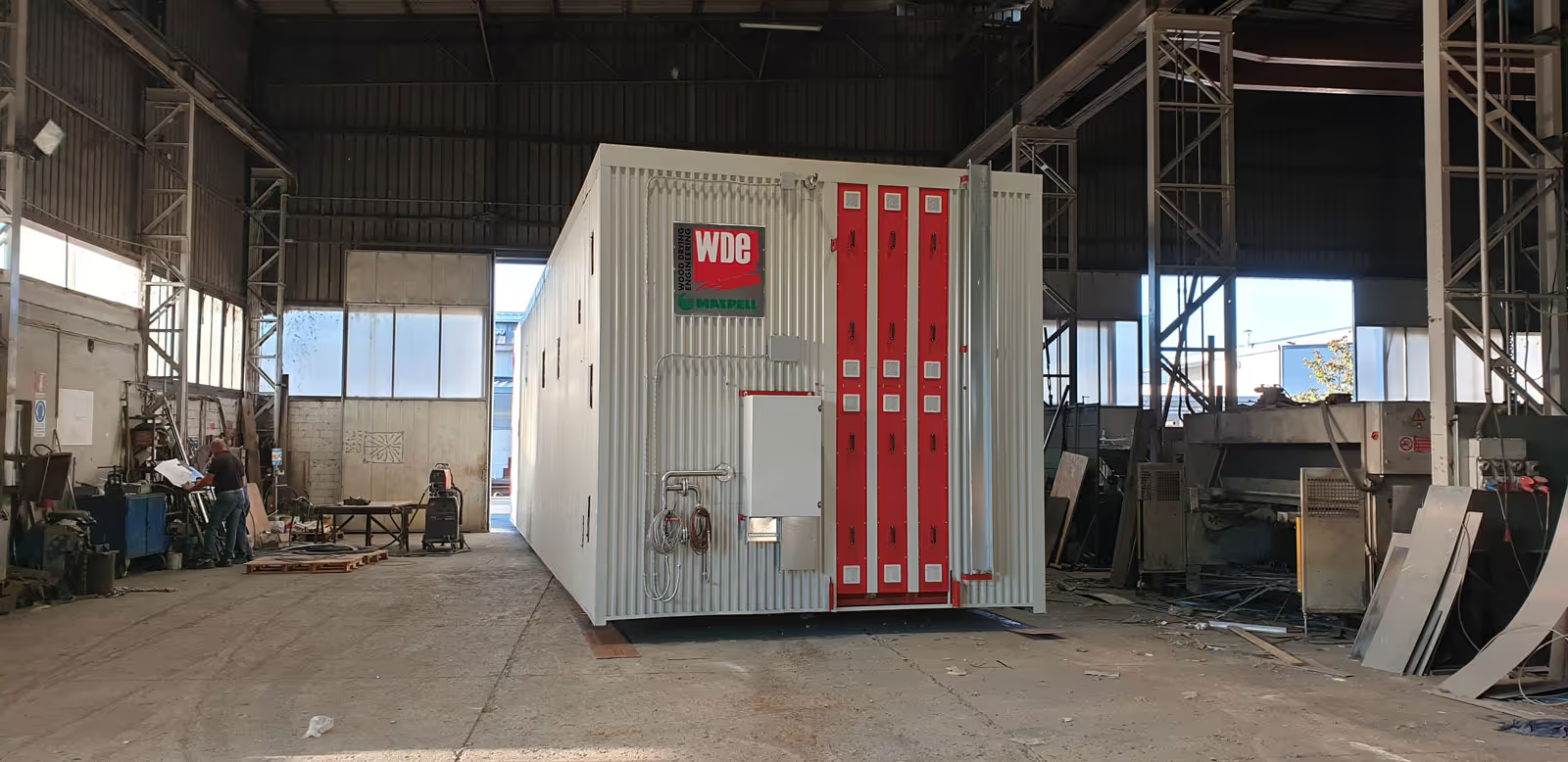
The conventional kiln
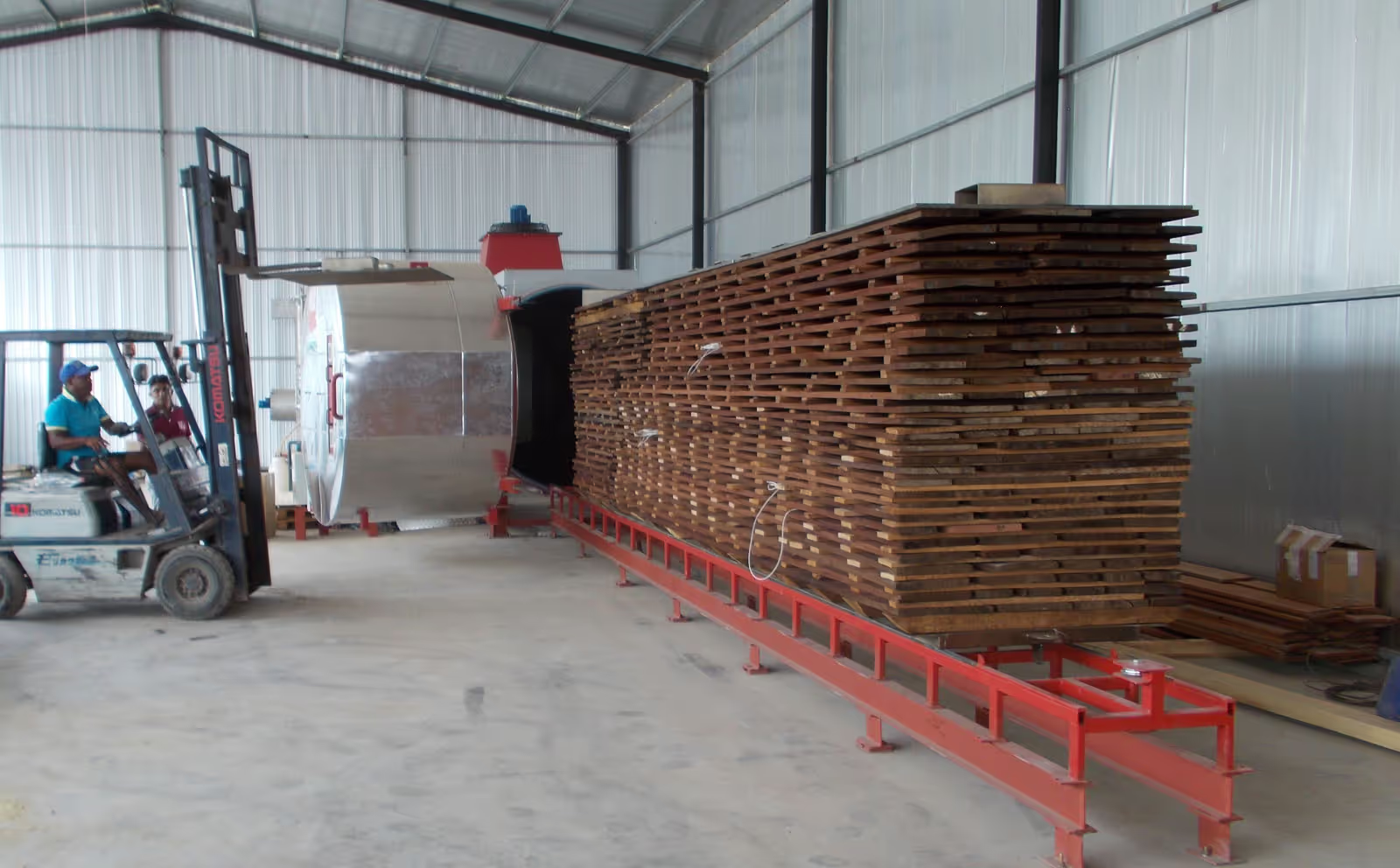
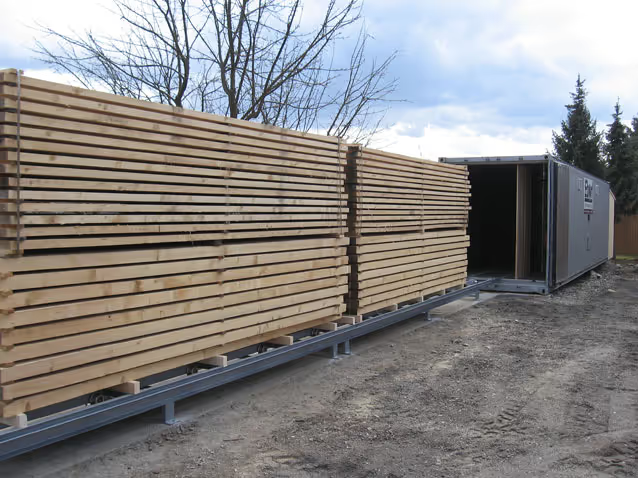
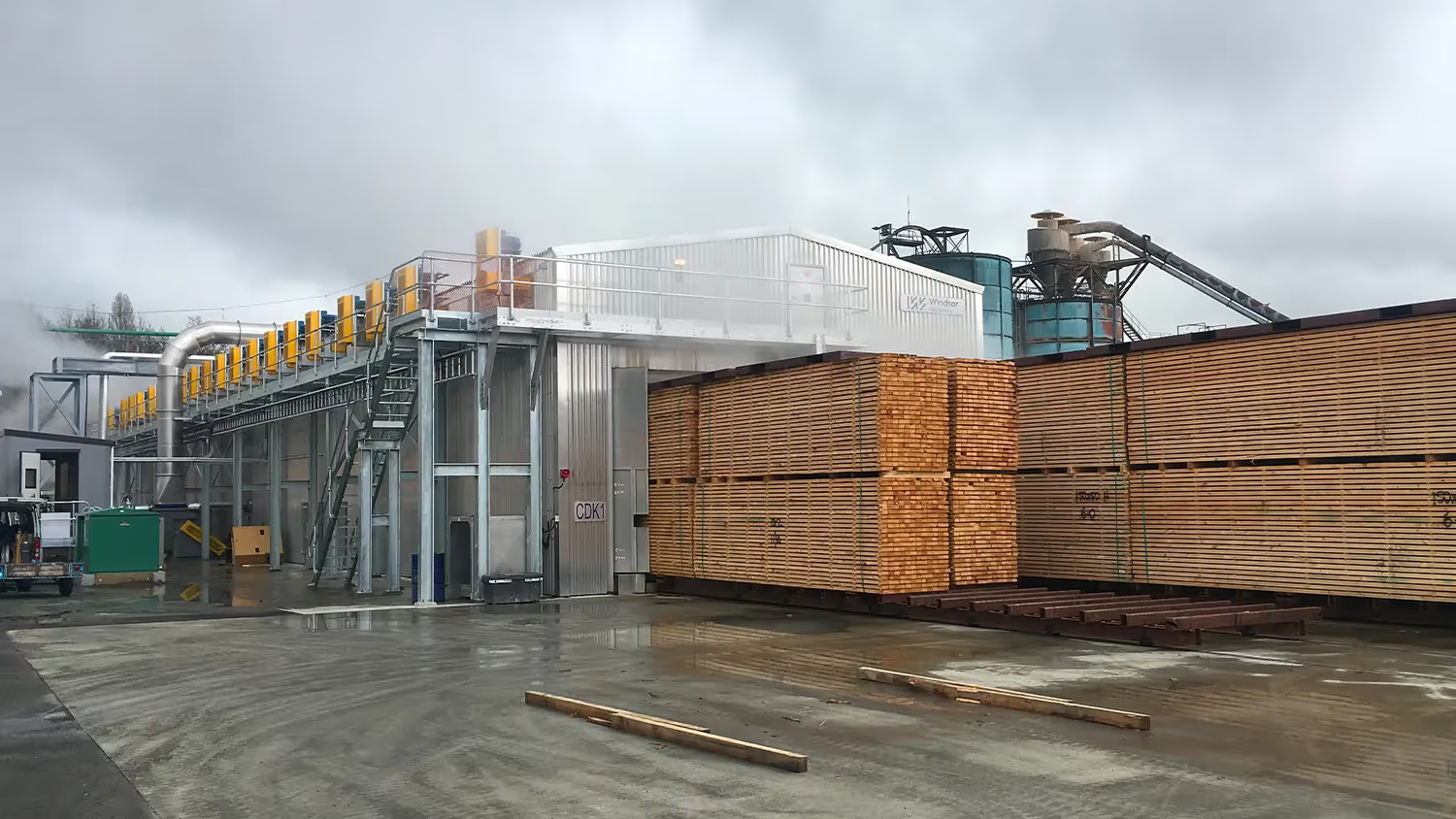
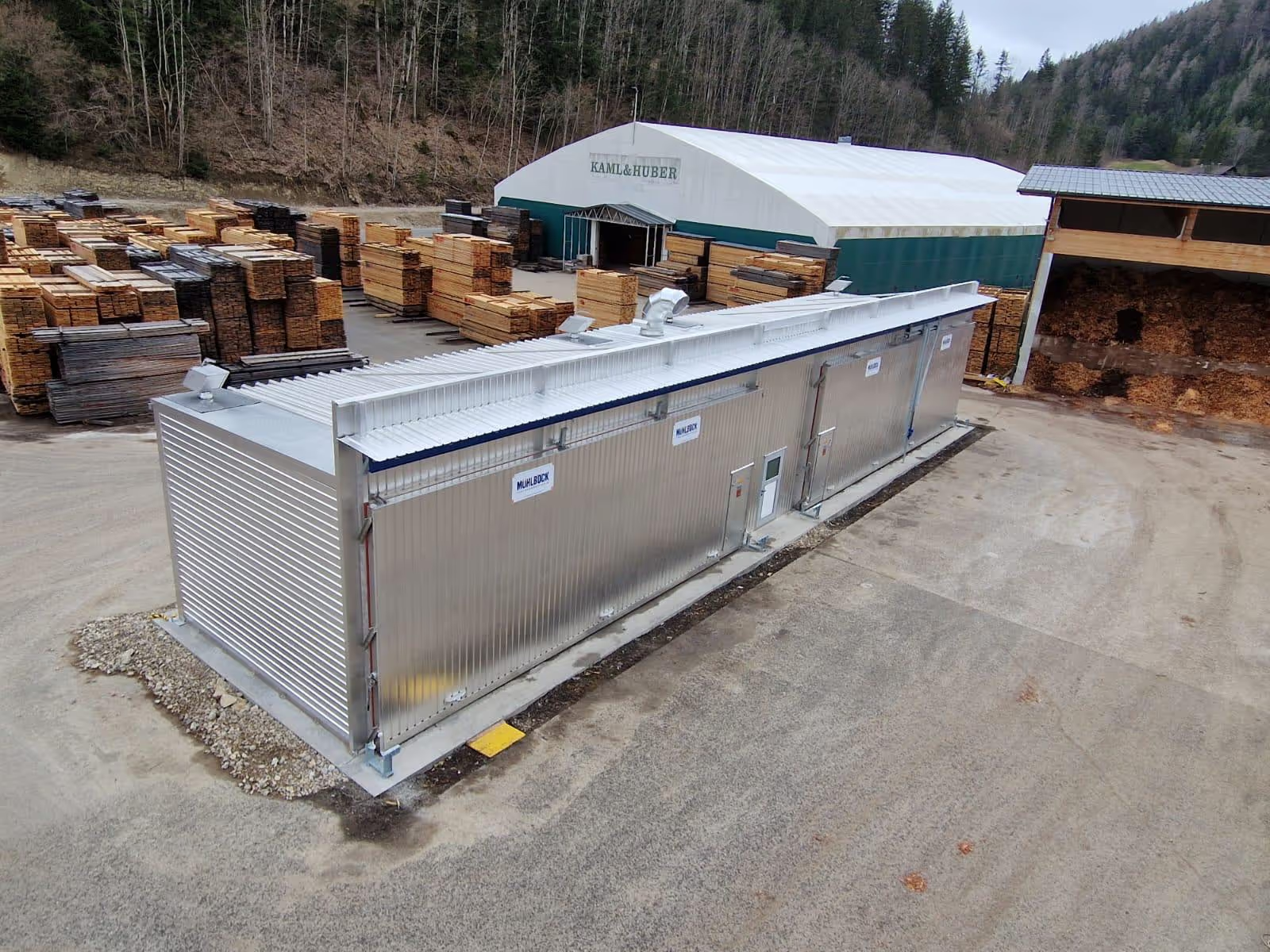
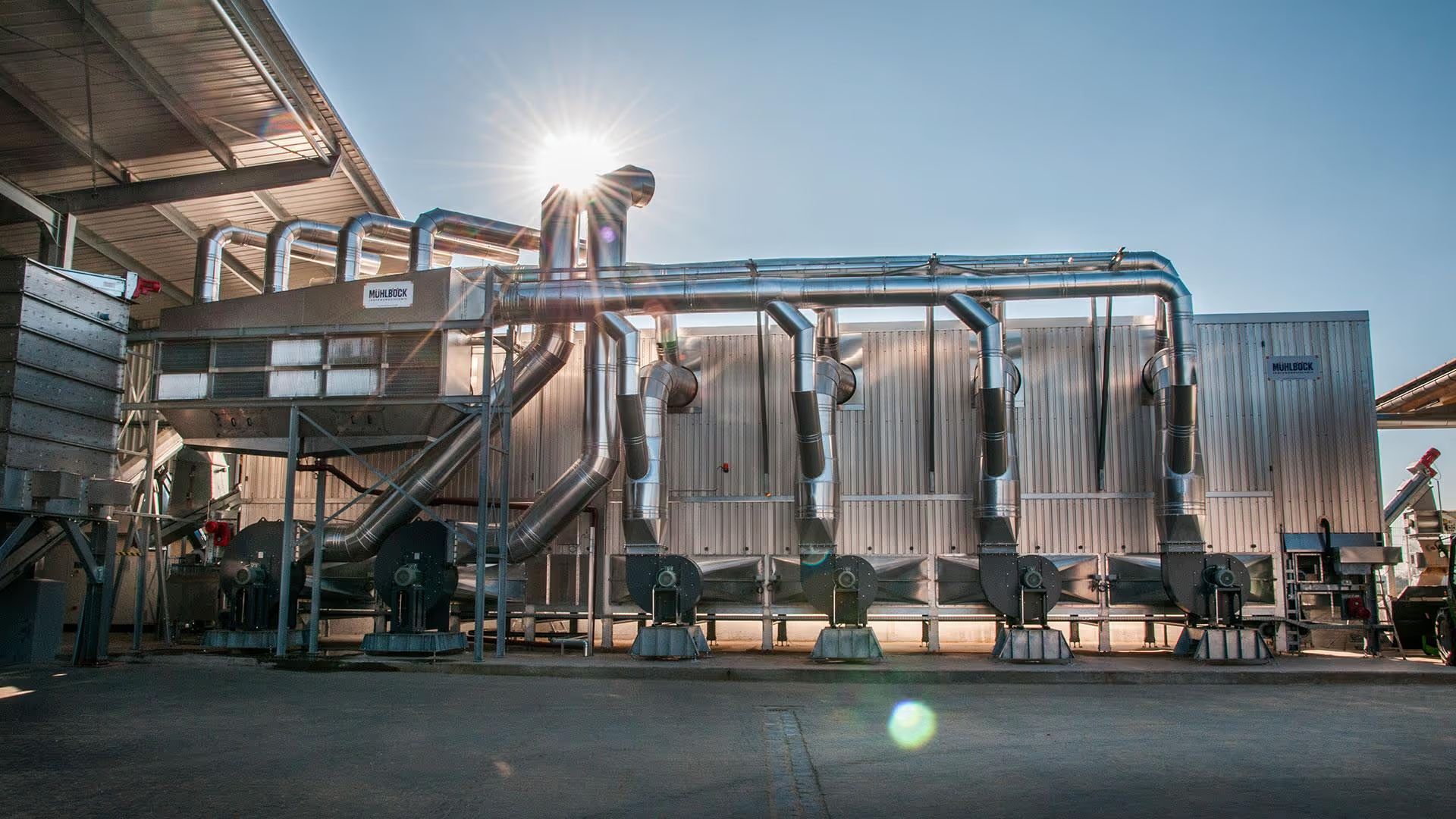
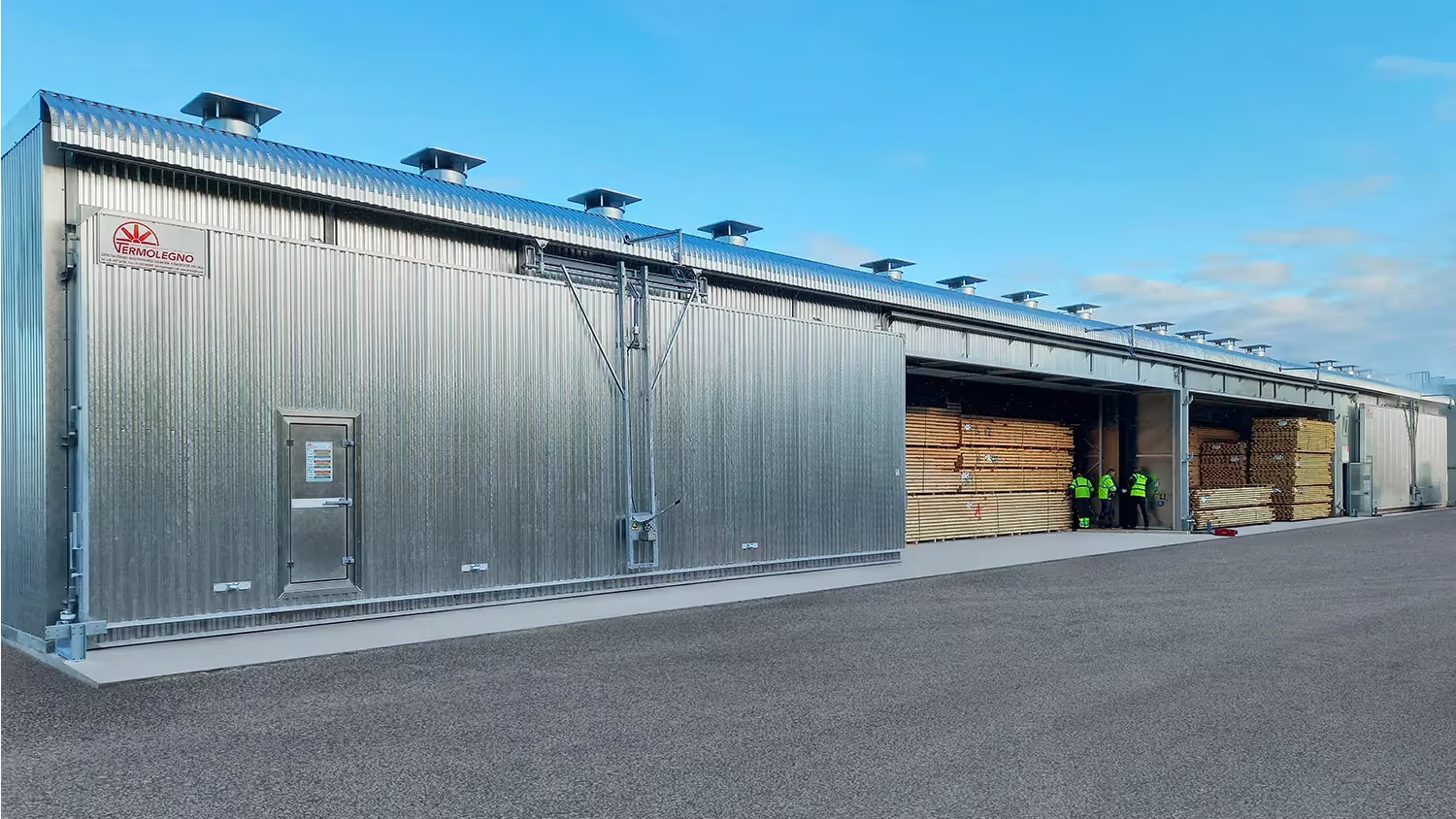
The conventional kiln dries wood by circulating hot air in a closed chamber. Heating is provided by hot water, steam, thermal fluid, gas or electricity. Dampers and humidification systems control the internal climate throughout the cycle. This is the most common solution, suitable for both softwoods and hardwoods.
The dehumidification kiln
The dehumidification kiln extracts water from the wood by condensation, using a heat pump. Air circulates in a closed loop and moisture is recovered in liquid form. This process operates at a moderate temperature, with controlled electricity consumption. It is suitable for sensitive hardwoods and smaller volumes.
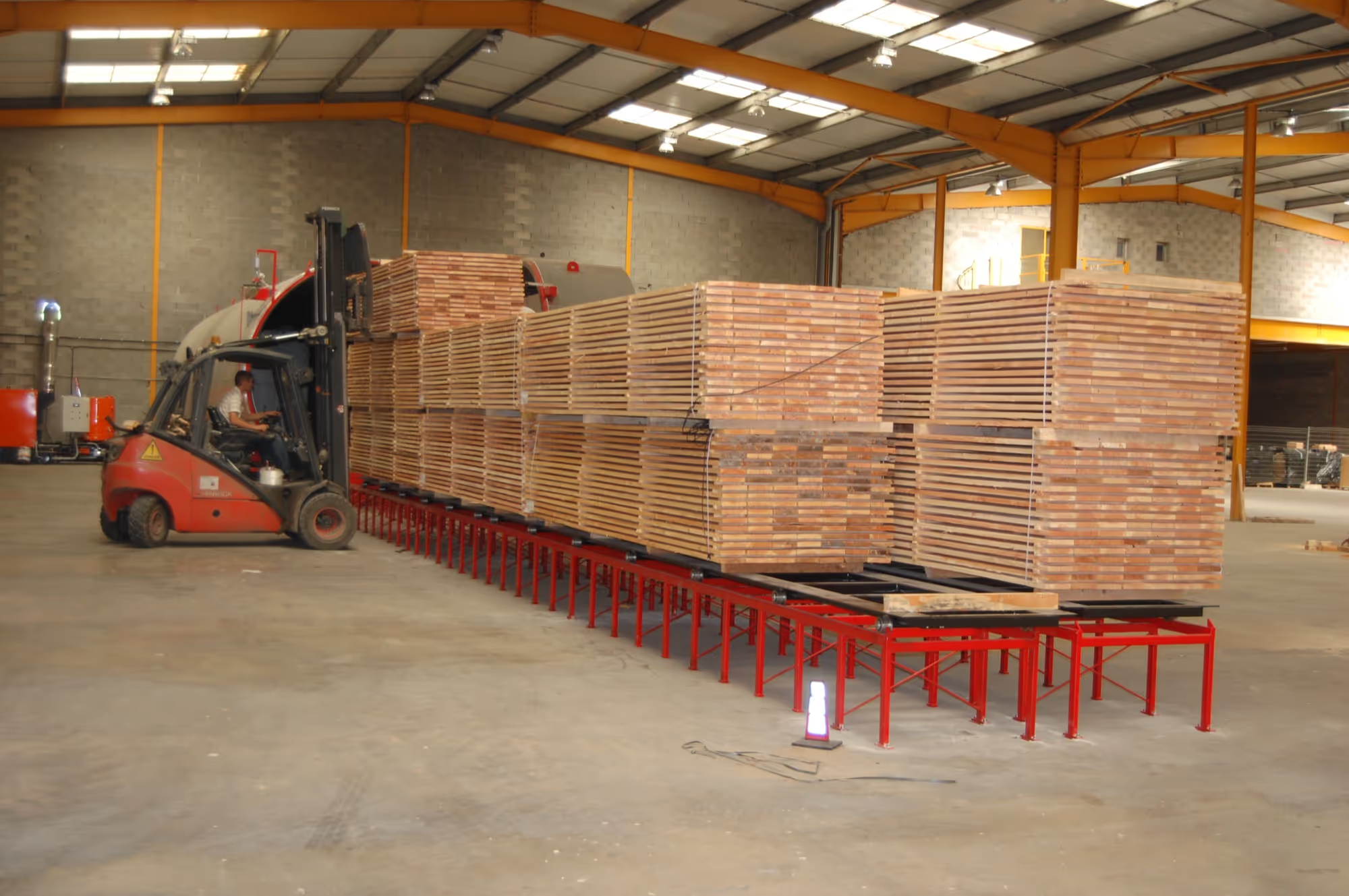
The continuous kiln
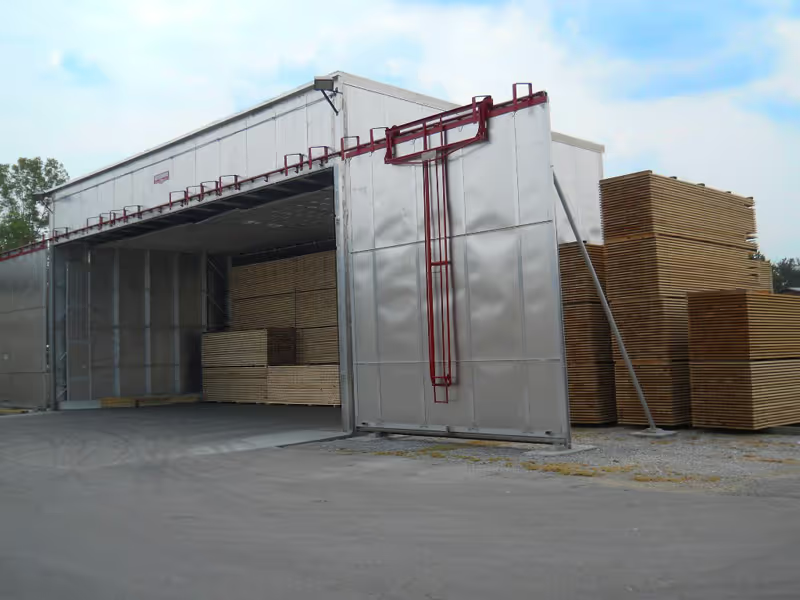
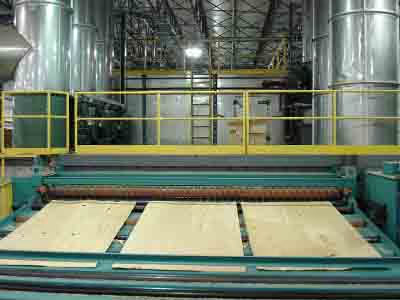
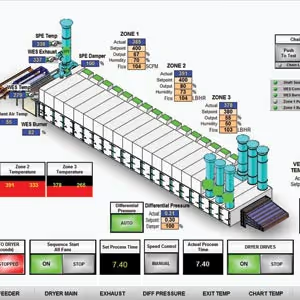
The continuous kiln moves stacks of wood through a tunnel with several climatic zones. Loading and unloading take place without interruption, unlike a batch-treated chamber. This type of kiln is mainly used in high-volume sawmills producing standardized sections, primarily softwoods.
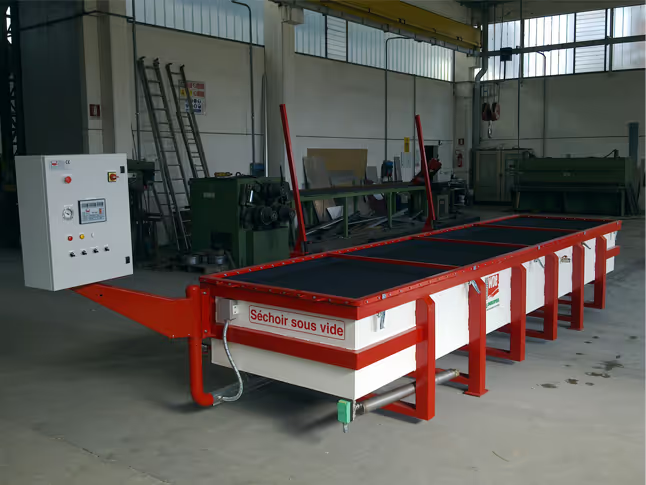
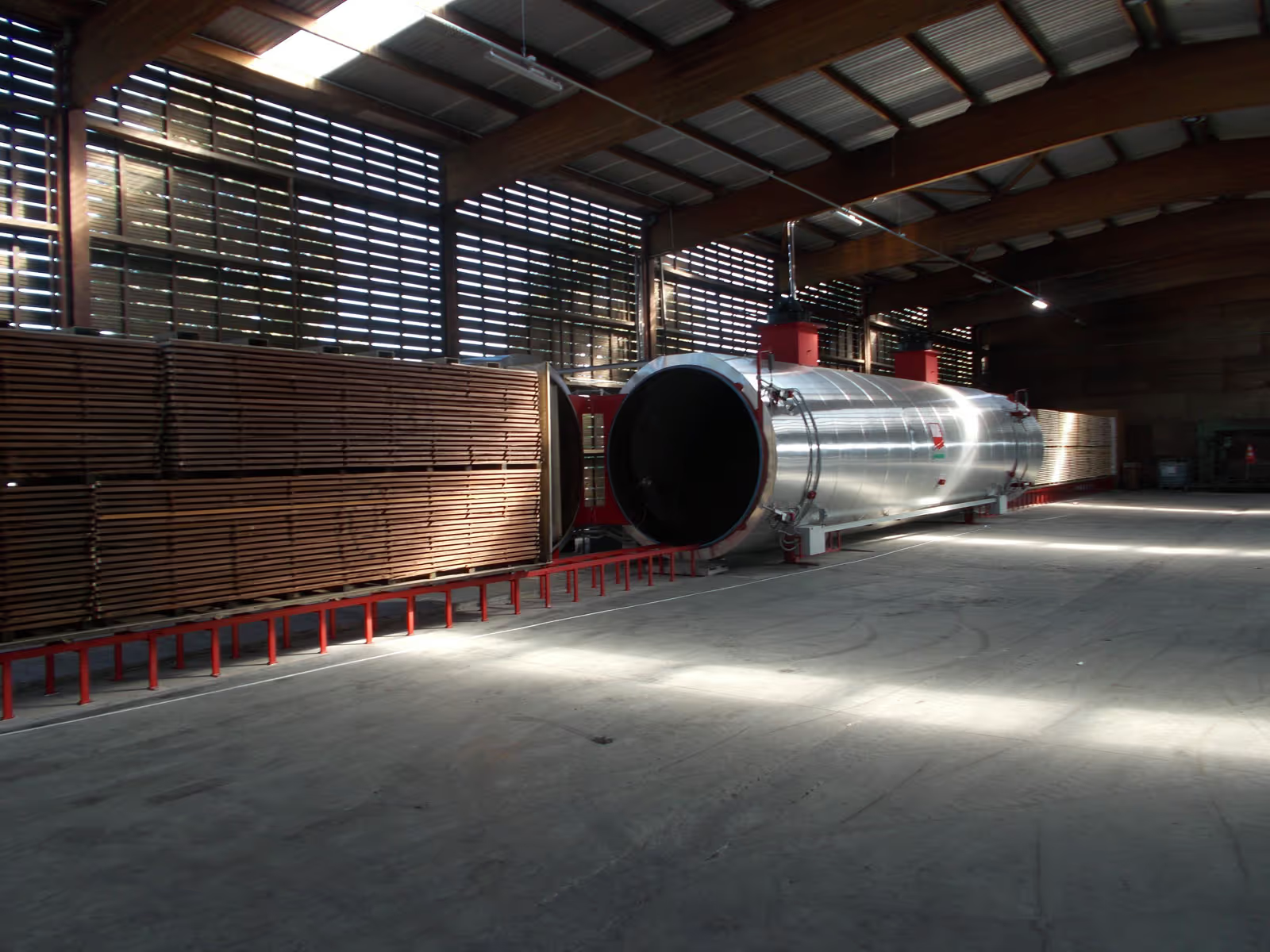
The vacuum kiln
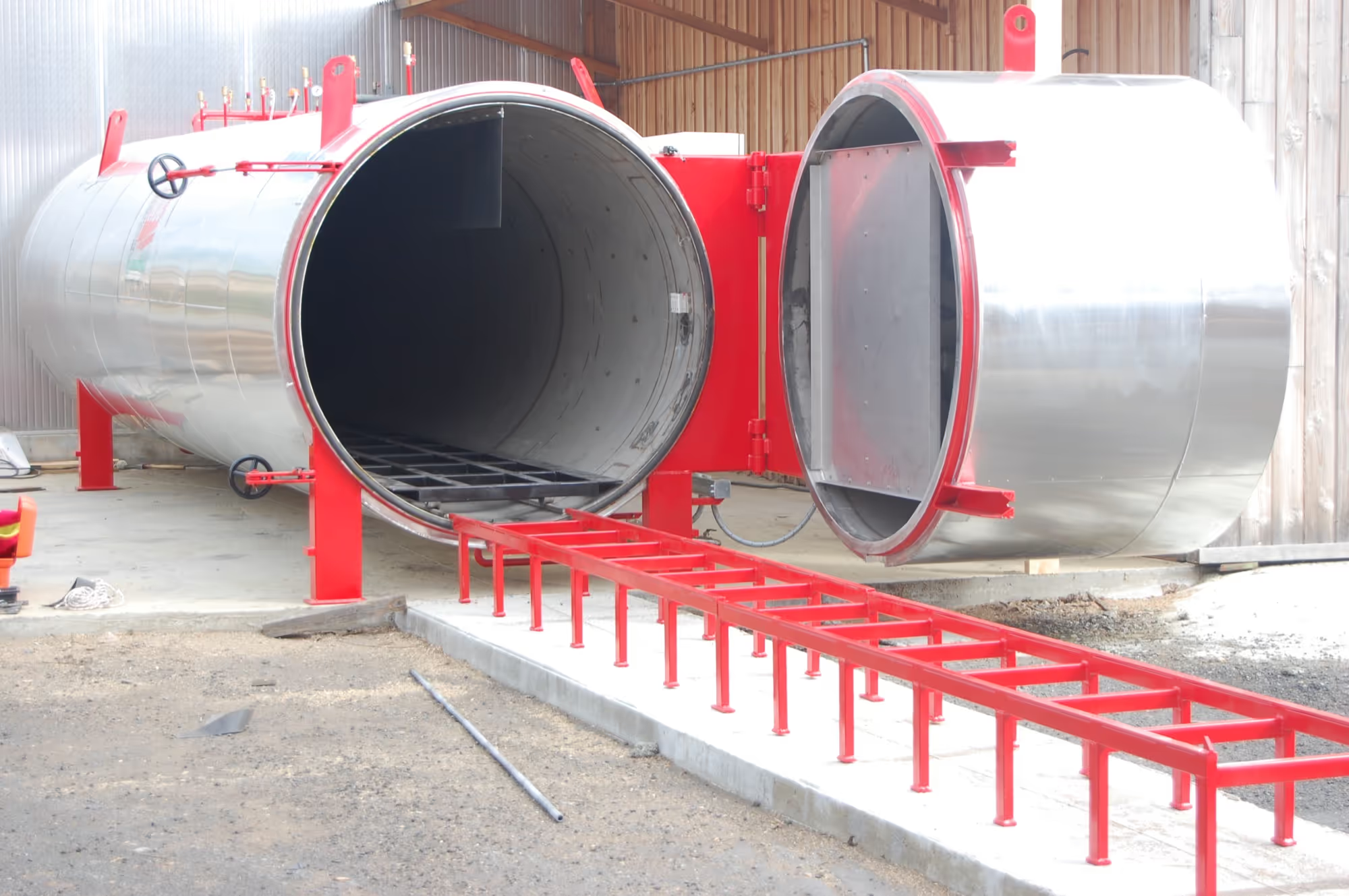
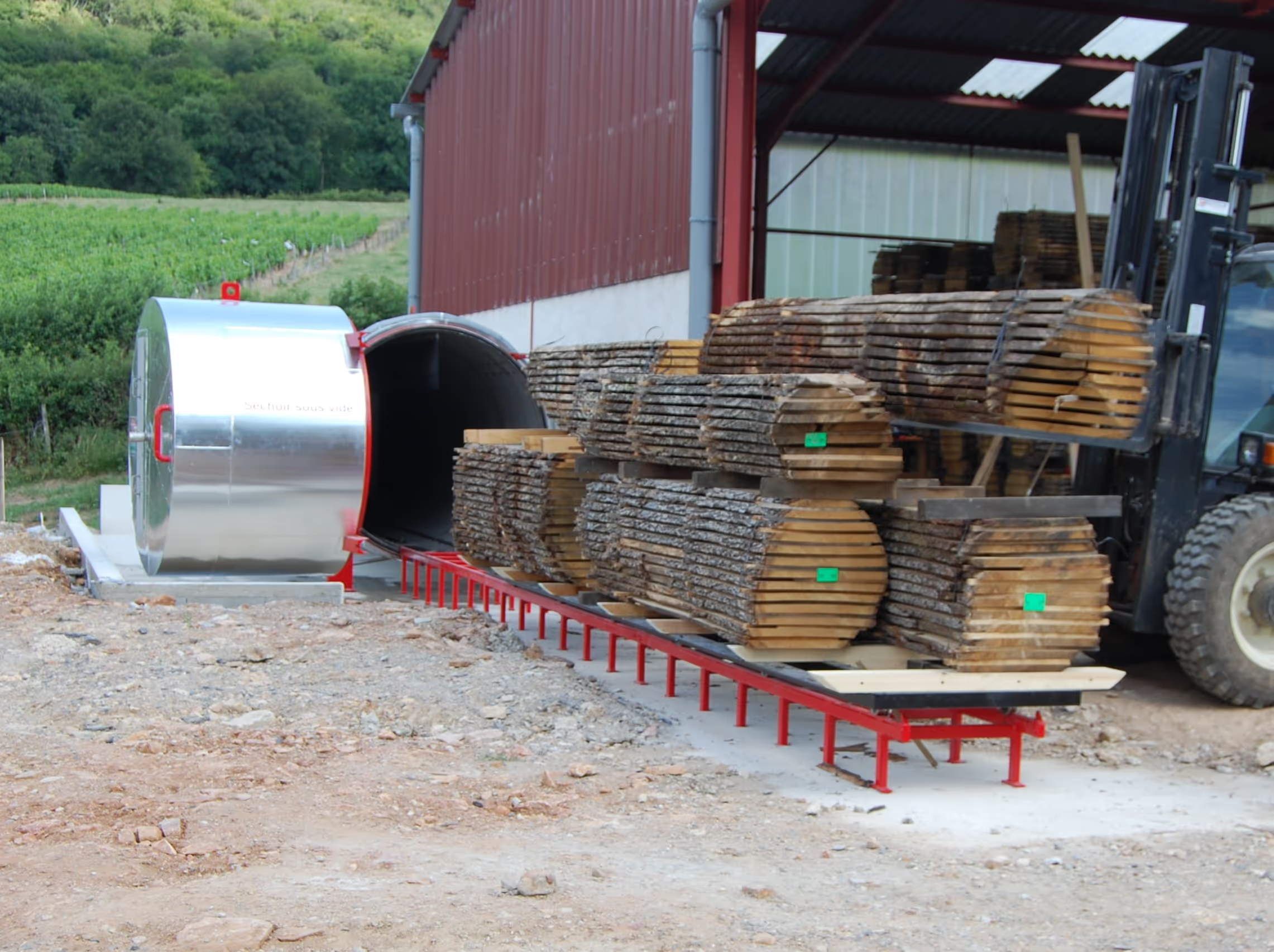
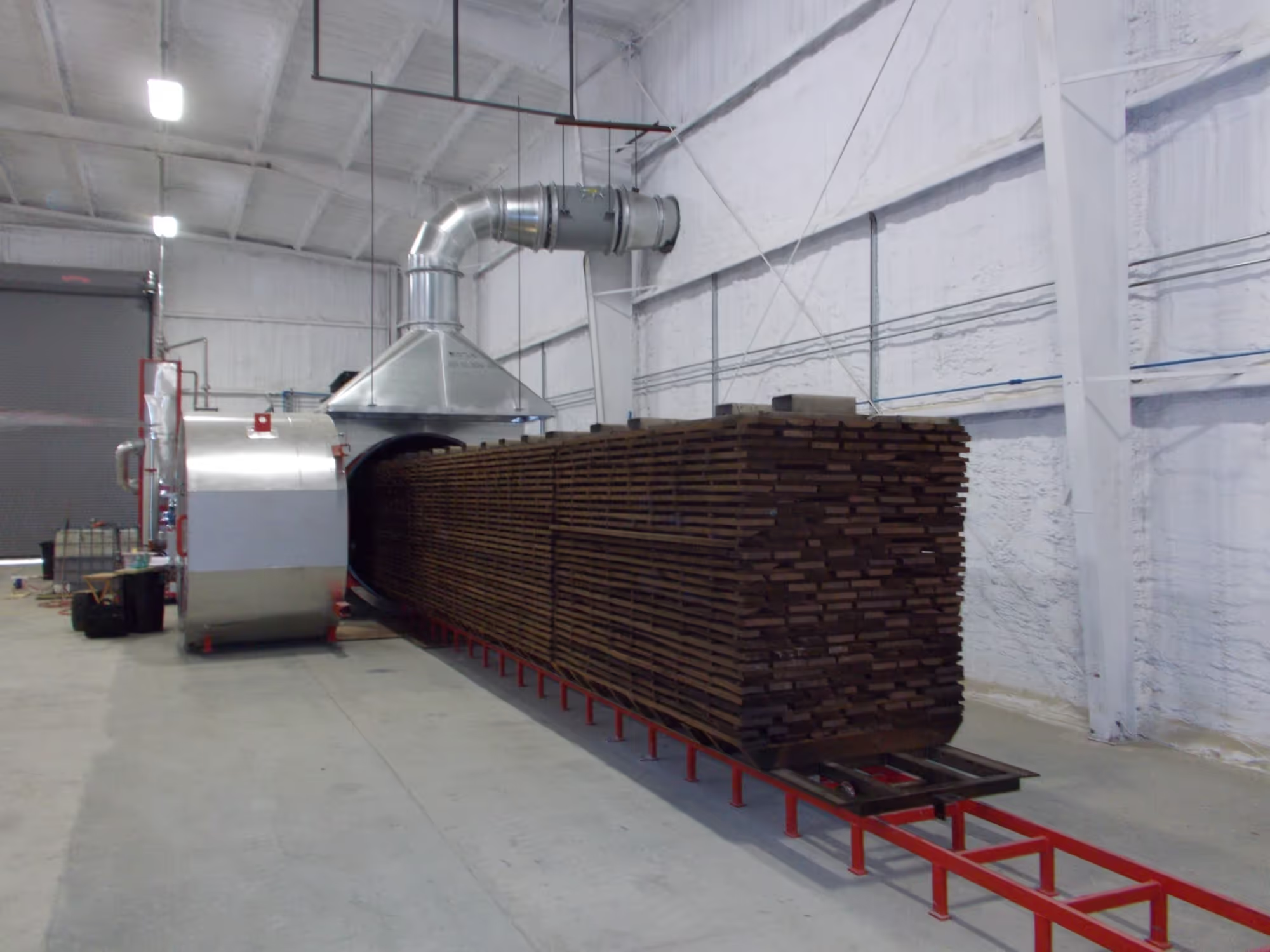
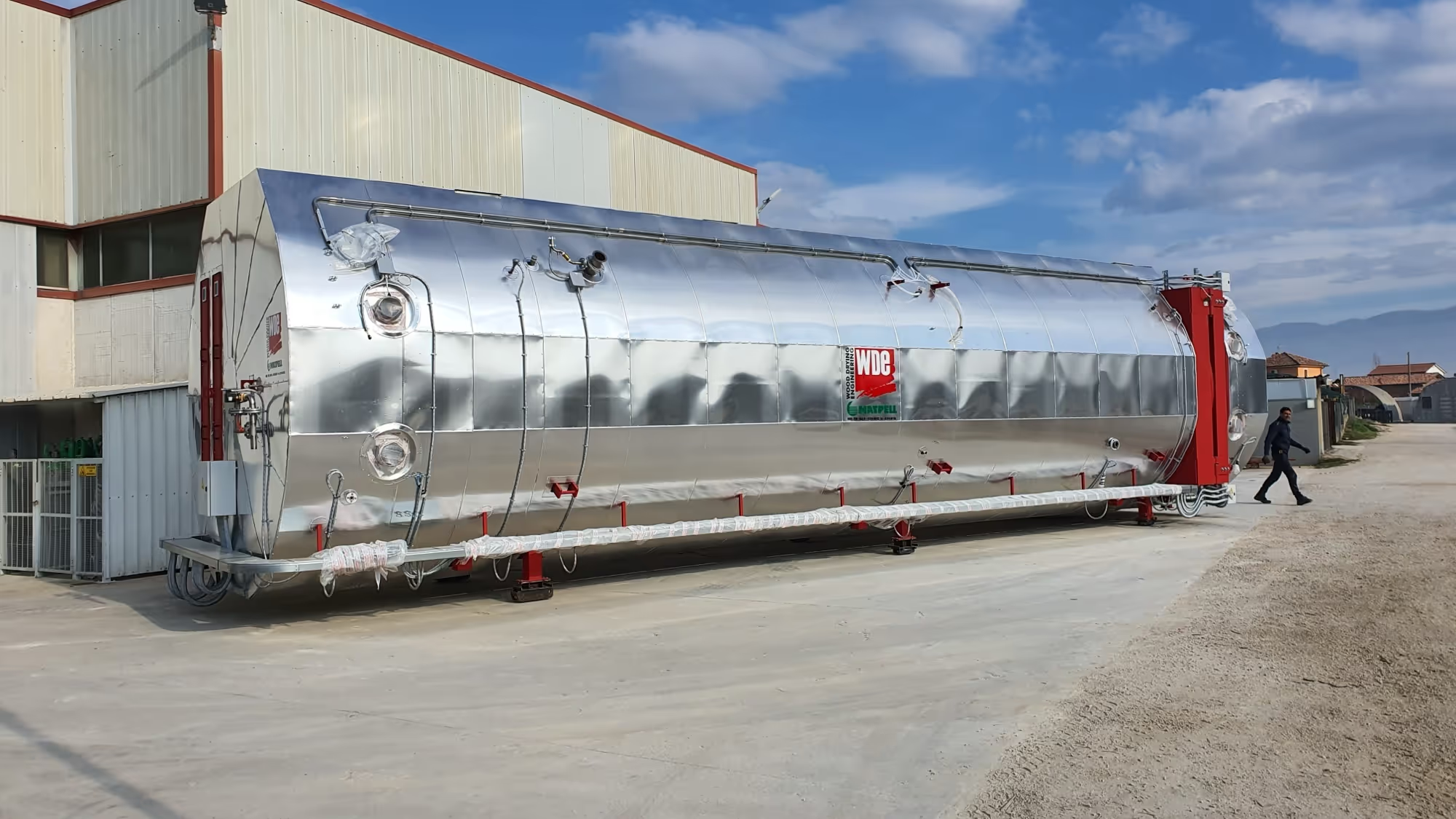
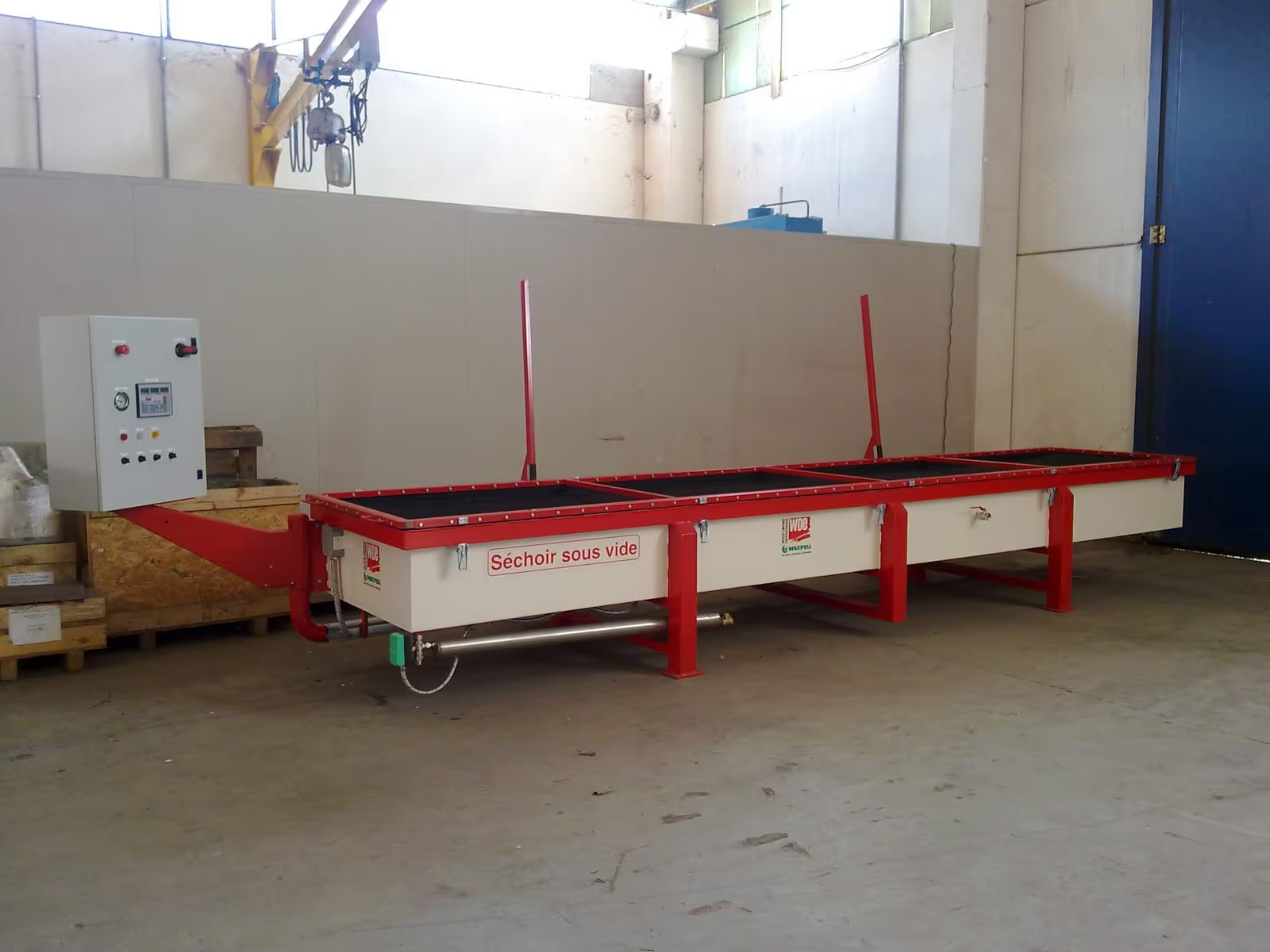
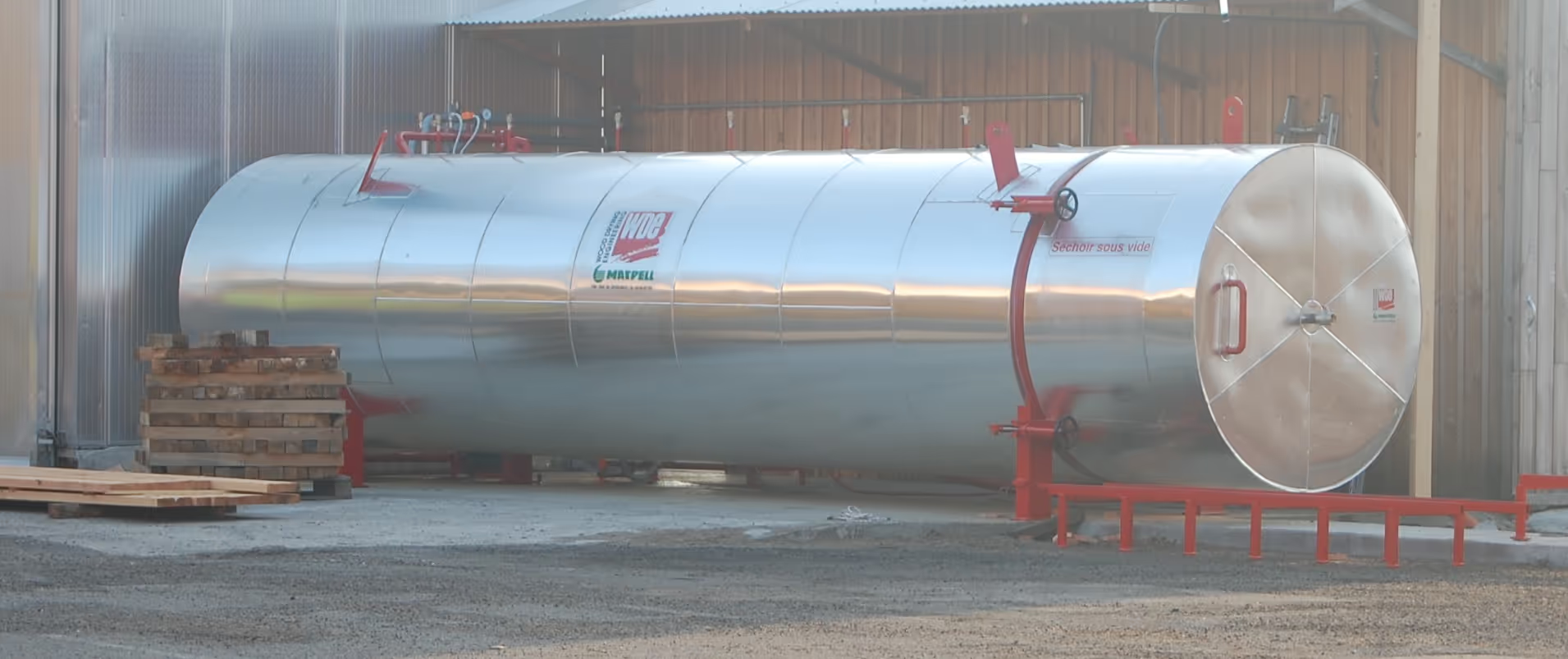
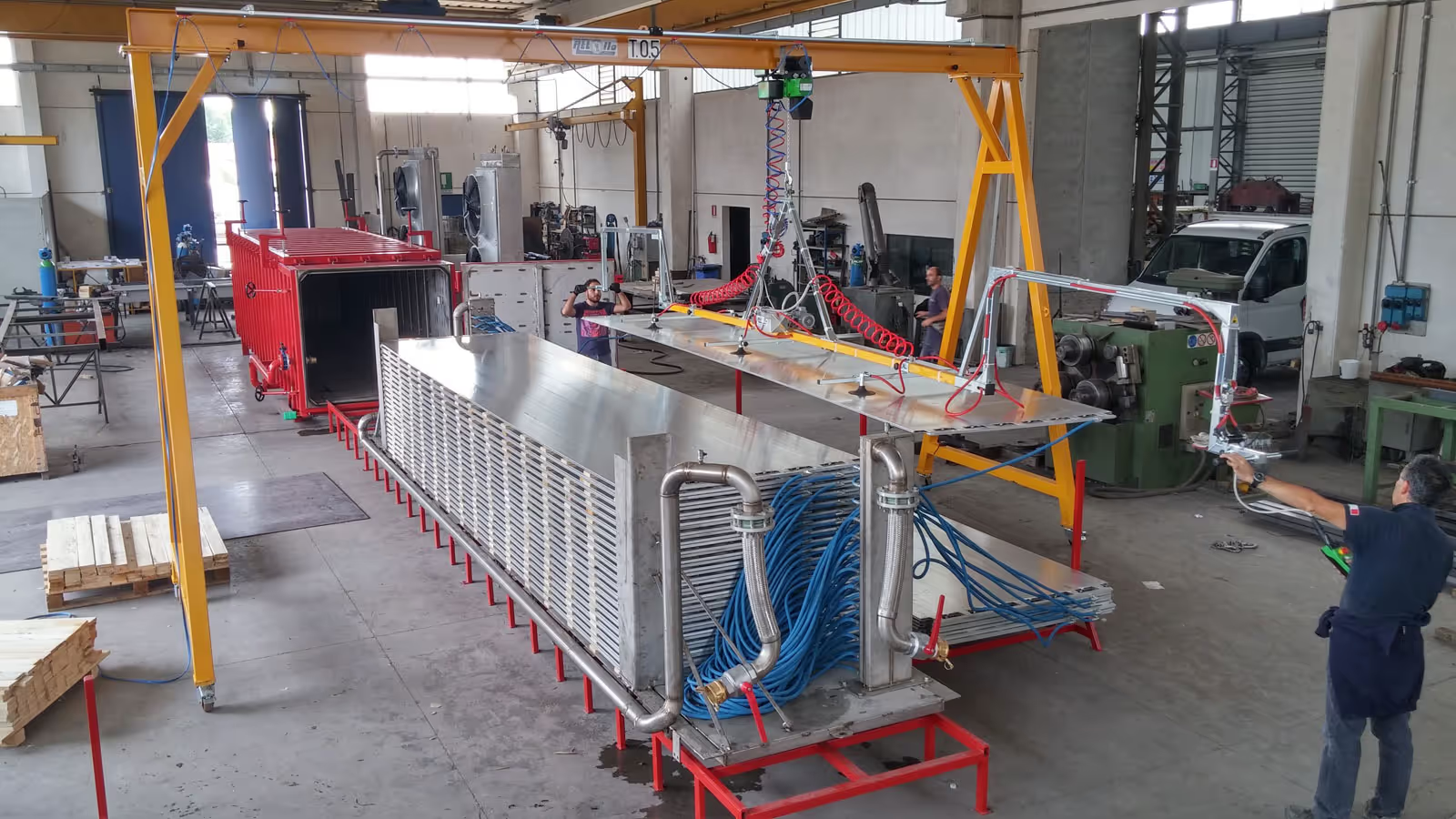
The vacuum kiln lowers the pressure in the chamber to evaporate water at a lower temperature. Cycles are significantly shorter than in conventional drying. This technology is suitable for valuable hardwoods, large cross-sections and high value-added production. Some models combine vacuum and heat treatment in the same chamber.
The thermo-treatment chamber
The thermo-treatment chamber heats wood to high temperature under a controlled atmosphere. This process permanently modifies the wood structure to improve its dimensional stability and durability, without chemical products. It also darkens the wood tone. The resulting wood, known as thermally modified wood, is widely used for cladding and decking.
Complementary equipment
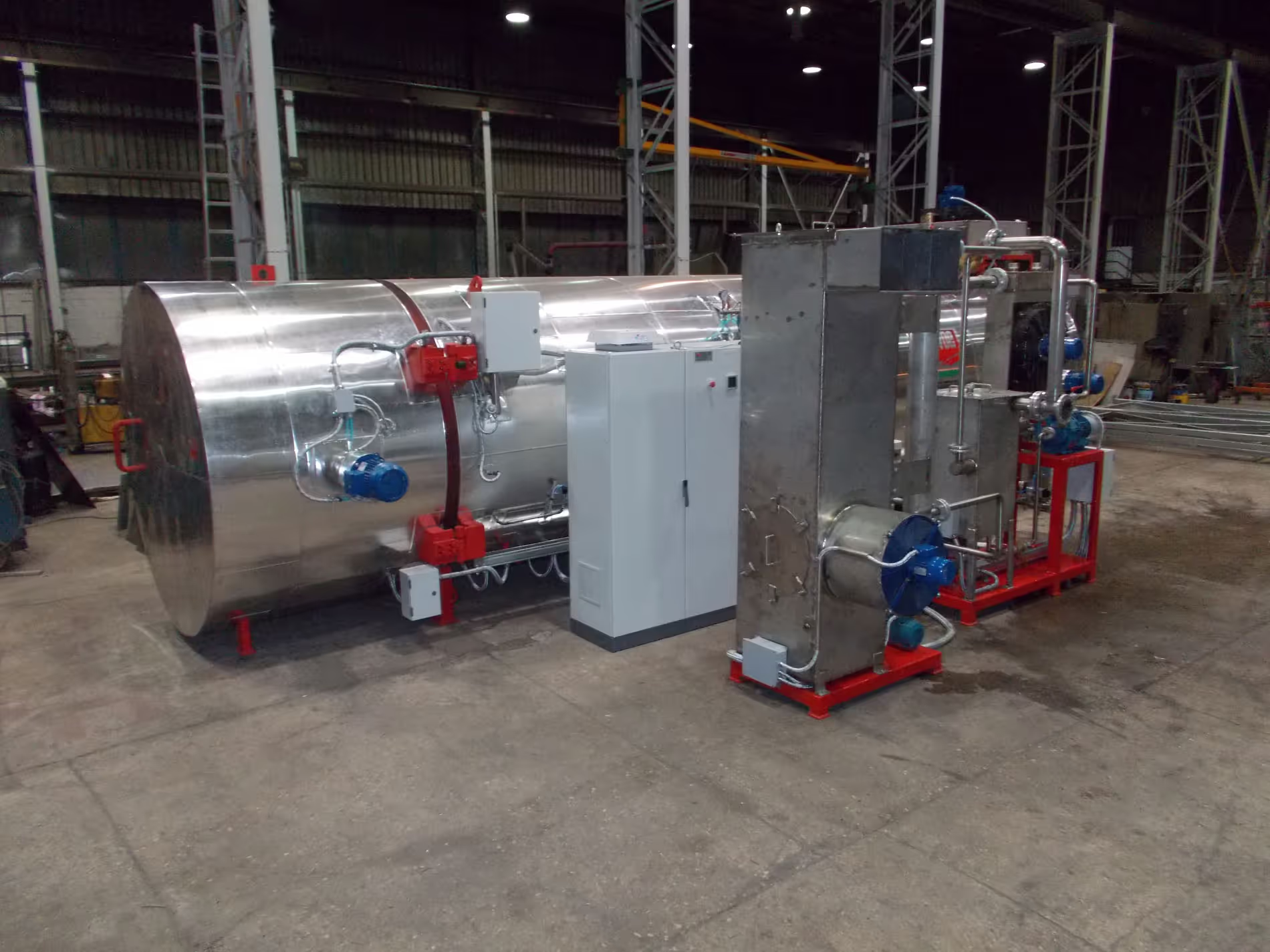
Several pieces of equipment complement a drying installation. The pre-dryer reduces wood moisture before final drying, especially for large volumes. The steaming chamber (vaporization chamber) treats wood with steam to homogenize its color and relieve internal stresses. Control systems manage cycles based on moisture measurements, while biomass boilers recover by-products to produce the required heat.
How to choose a wood kiln?
Choosing a kiln depends on the volume of wood to be processed, species, dimensions and the target moisture content. The conventional kiln is a versatile solution, while vacuum drying is more suited to large cross-sections and high value-added production.
Continuous installations are suitable for large and regular volumes, while dehumidification operates at moderate temperature and is particularly suitable for smaller production runs and sensitive wood.
The heat source, cycle duration and the quality of control must also be taken into account, as they directly influence energy consumption, production capacity and the risk of drying defects.
Find a kiln suited to your production
Conventional, vacuum, continuous, dehumidification or intended for thermo-treatment: WoodPartners makes it possible to compare different drying technologies offered in particular by WDE Maspell, André Technologies, USNR, Termolegno, Eberl, Mühlböck, Incomac and Cathild Industrie.
Refine your search by kiln type, energy source, capacity, level of automation or maximum temperature, then talk directly with manufacturers to evaluate the solution suited to your sawn timber.