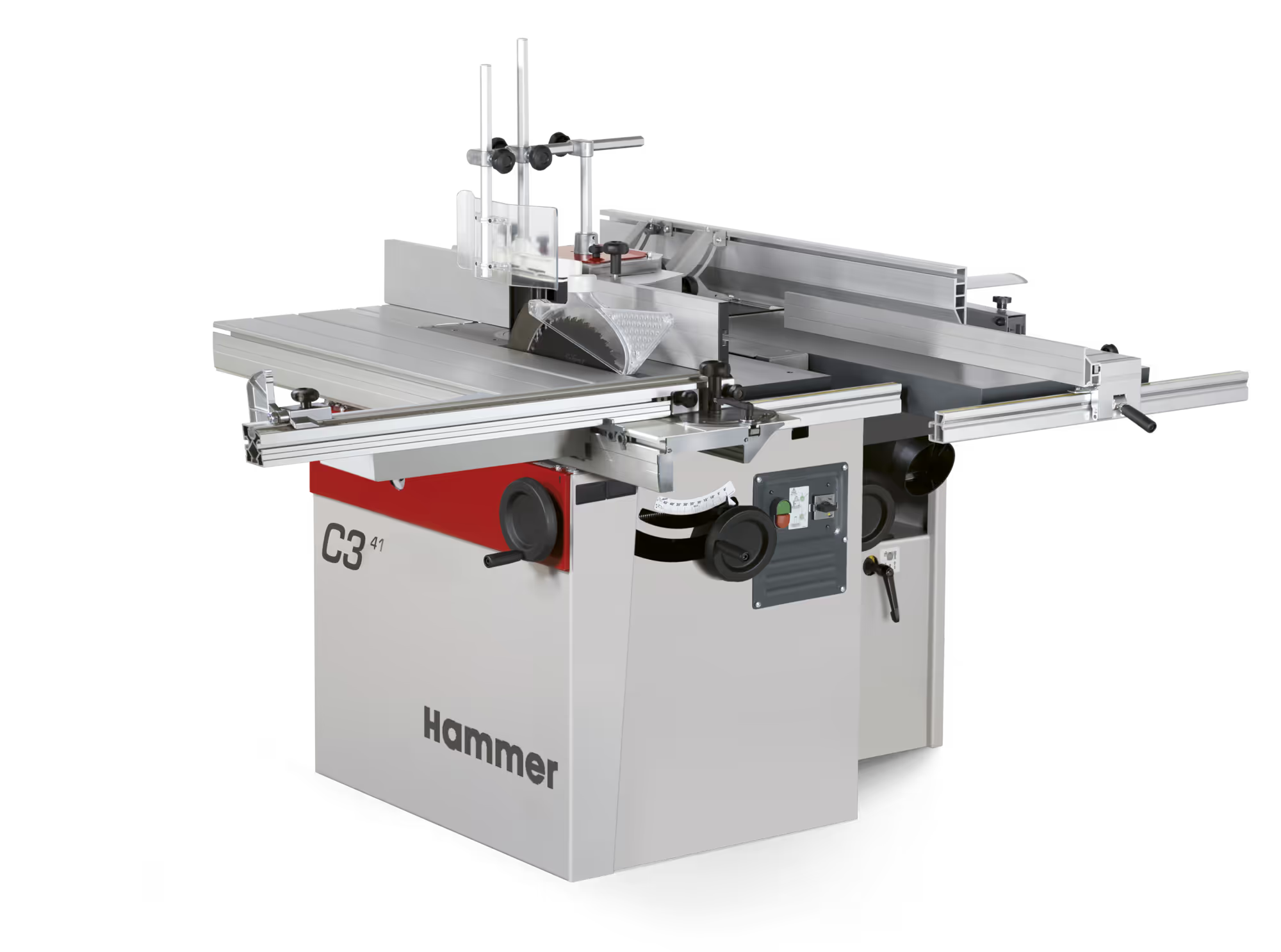
 Felder Group Hammer C3 41 5-function combination machine
Discover our selection of x listings in Combination machines. Compare professional combination machines according to the operations to be carried out, the dimensions of the parts and the space available in your workshop.
Felder Group Hammer C3 41 5-function combination machine 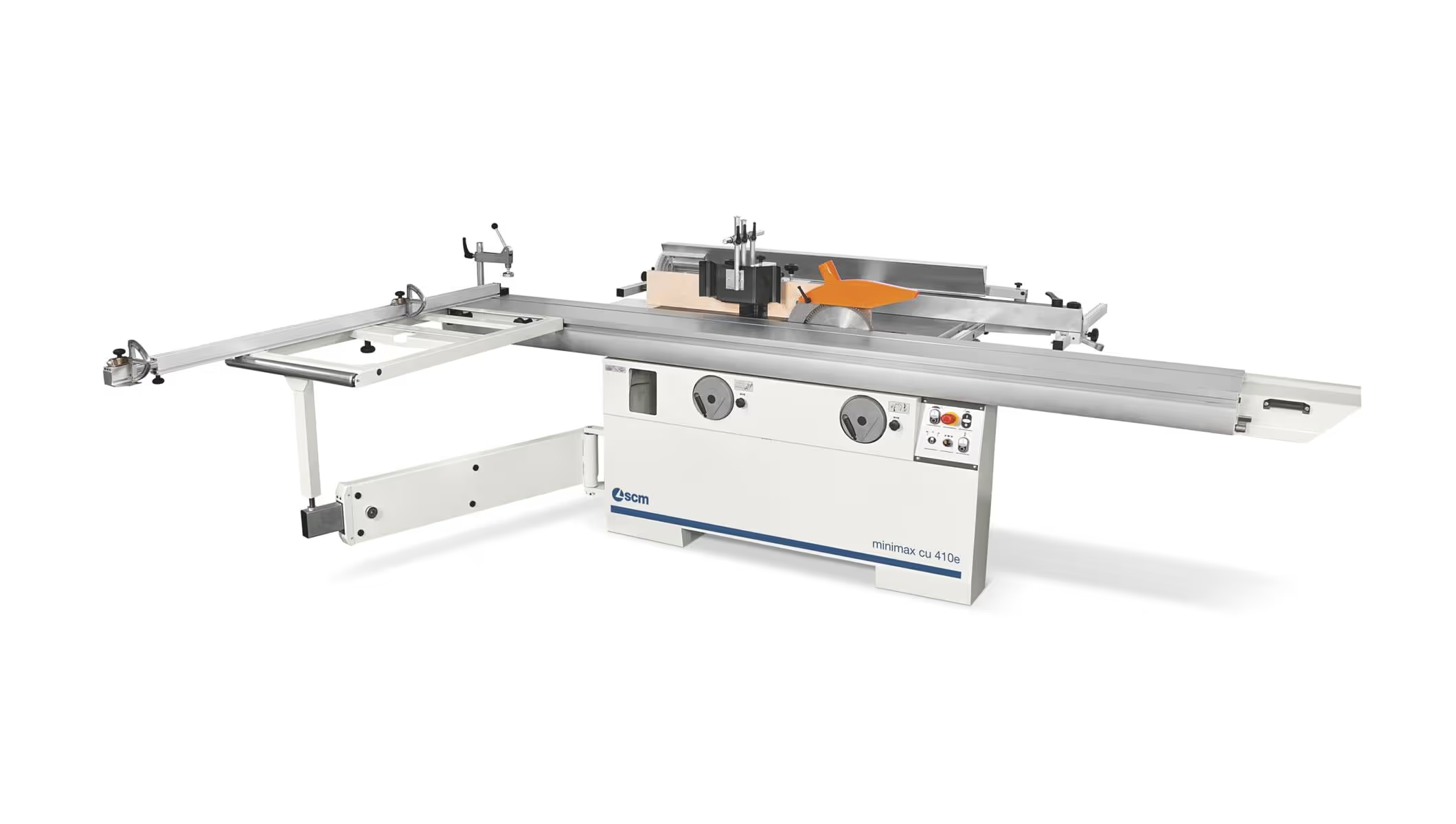
 SCM Group SCM minimax cu 410e universal combination machine
 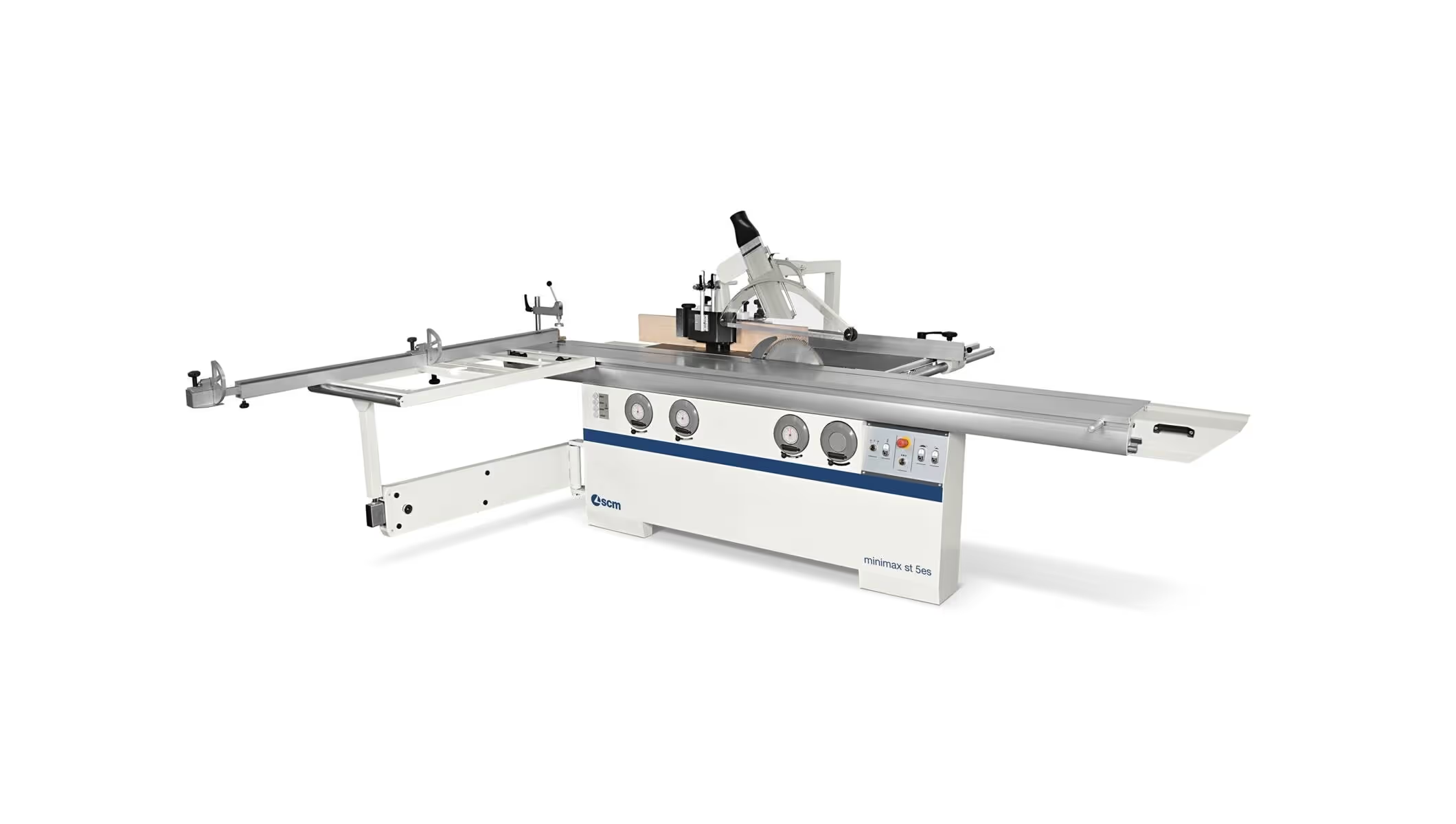 SCM Group SCM minimax st 5es saw and spindle moulder combination machine
 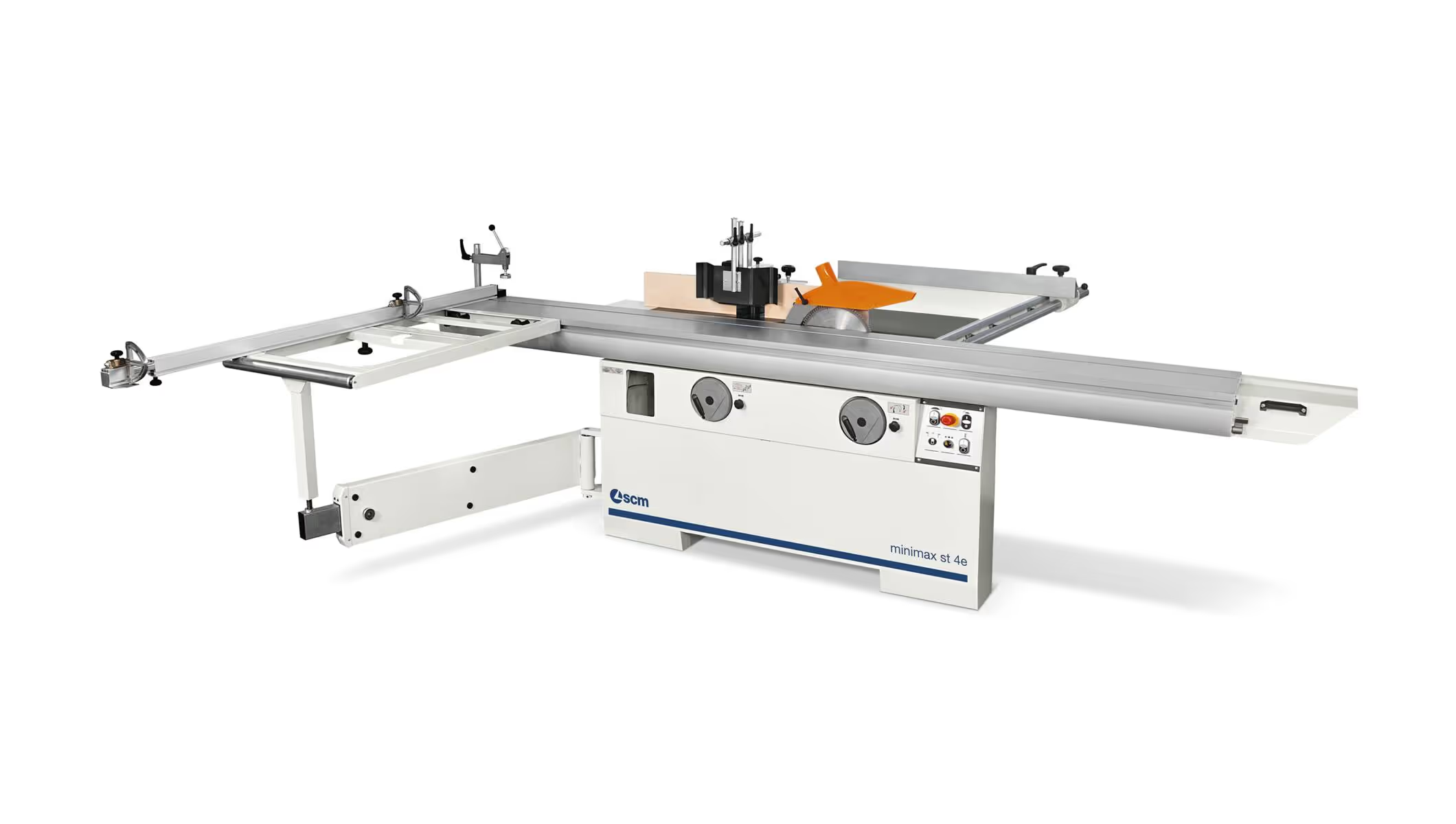 SCM Group SCM minimax st 4e saw and spindle moulder combination machine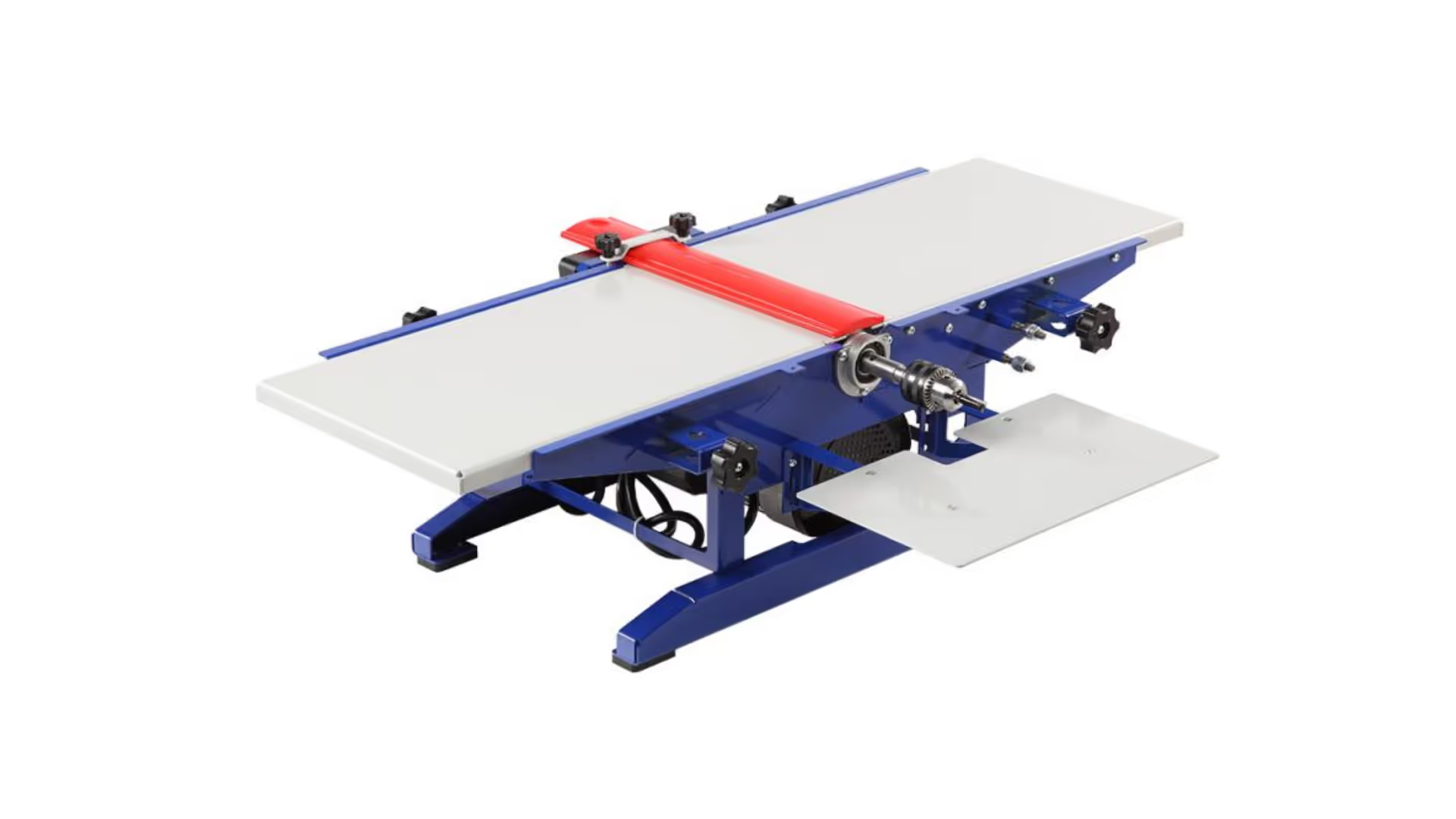
 Belmash BELMASH Universal-2500E Multi-Purpose Woodworking Machine
 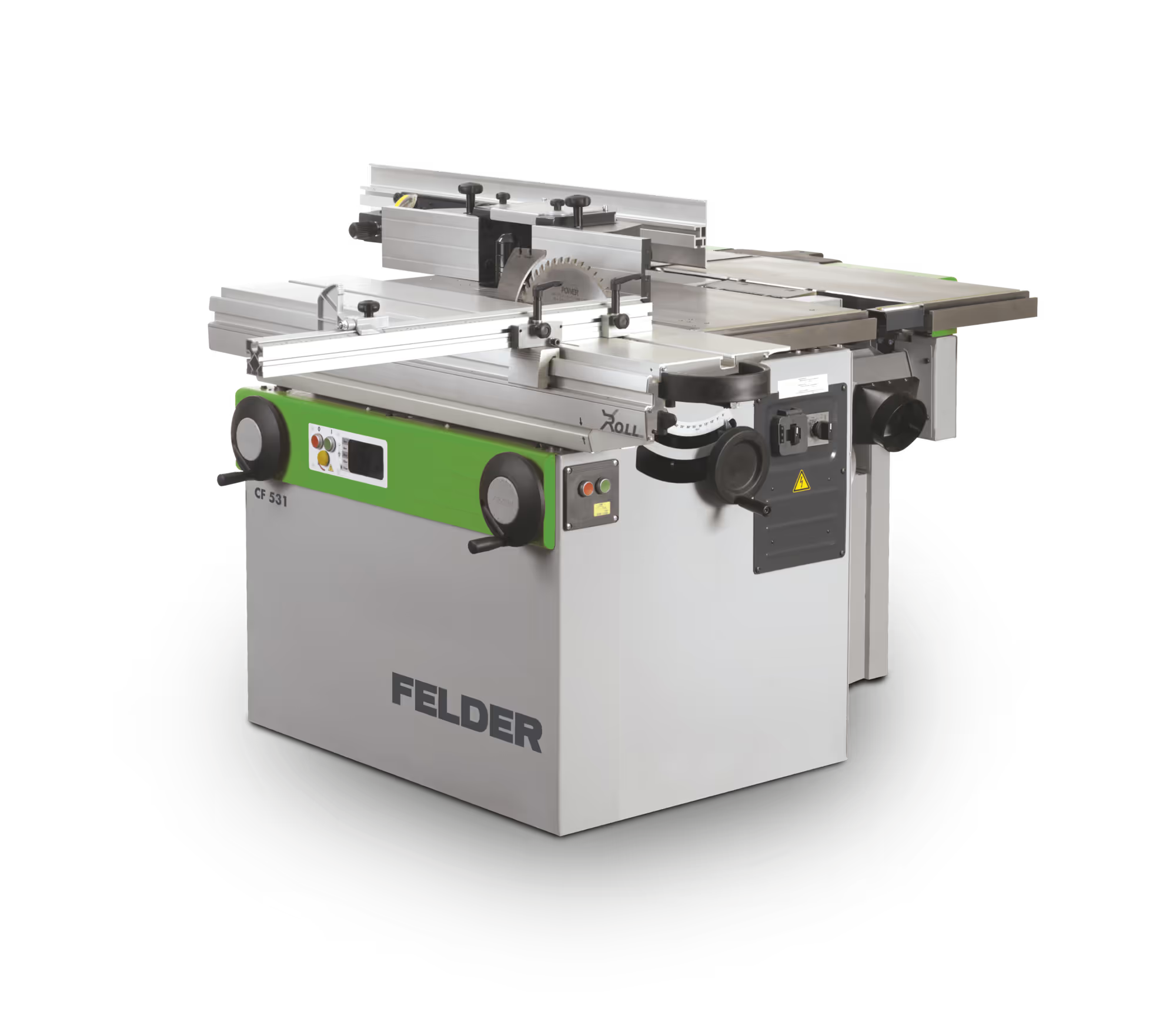 Felder Group Felder CF 531 5-function combination machine
 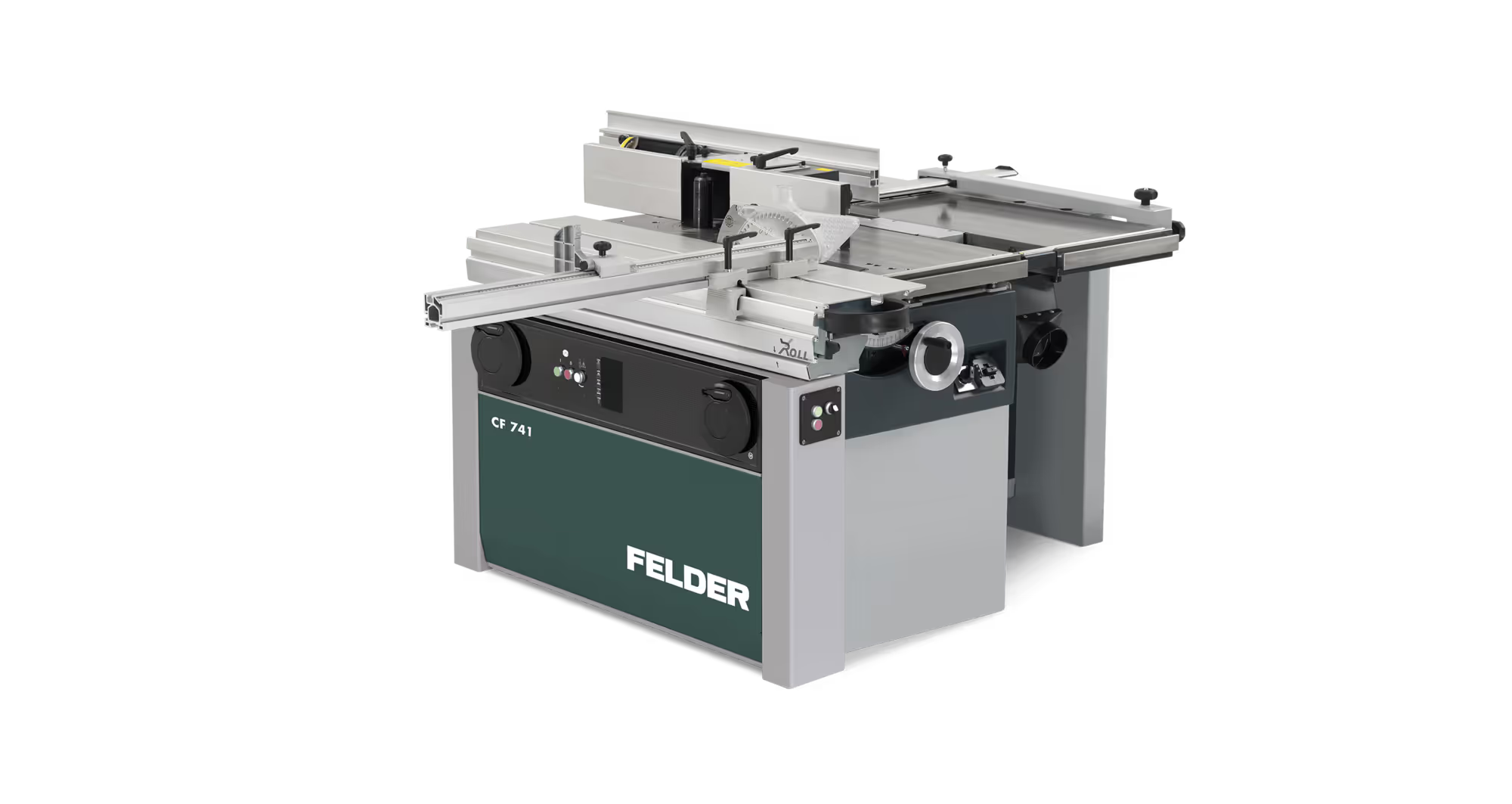 Felder Group Felder CF 741 5-function combination machine
 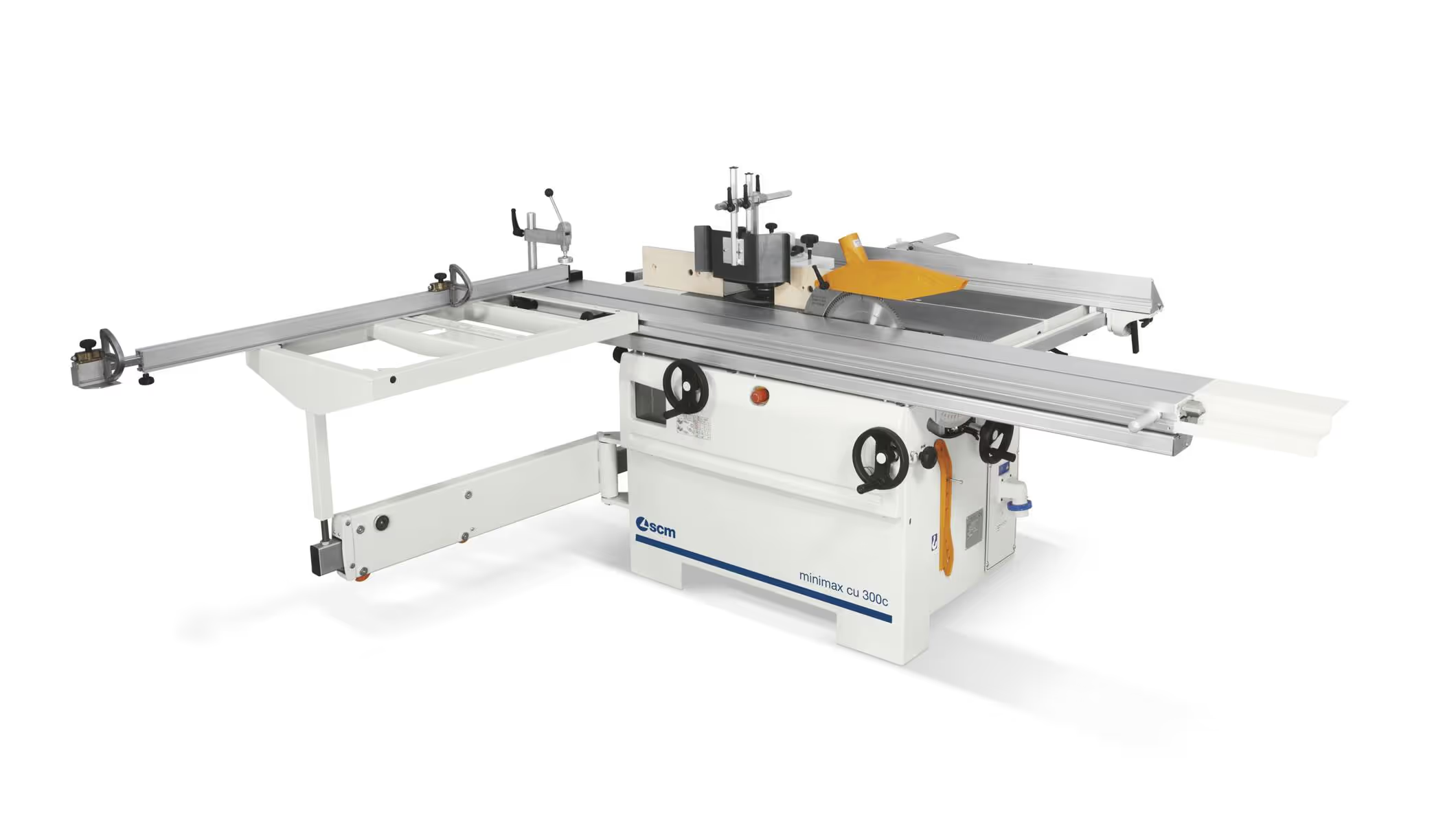 SCM Group SCM minimax cu 300c universal combination machine
 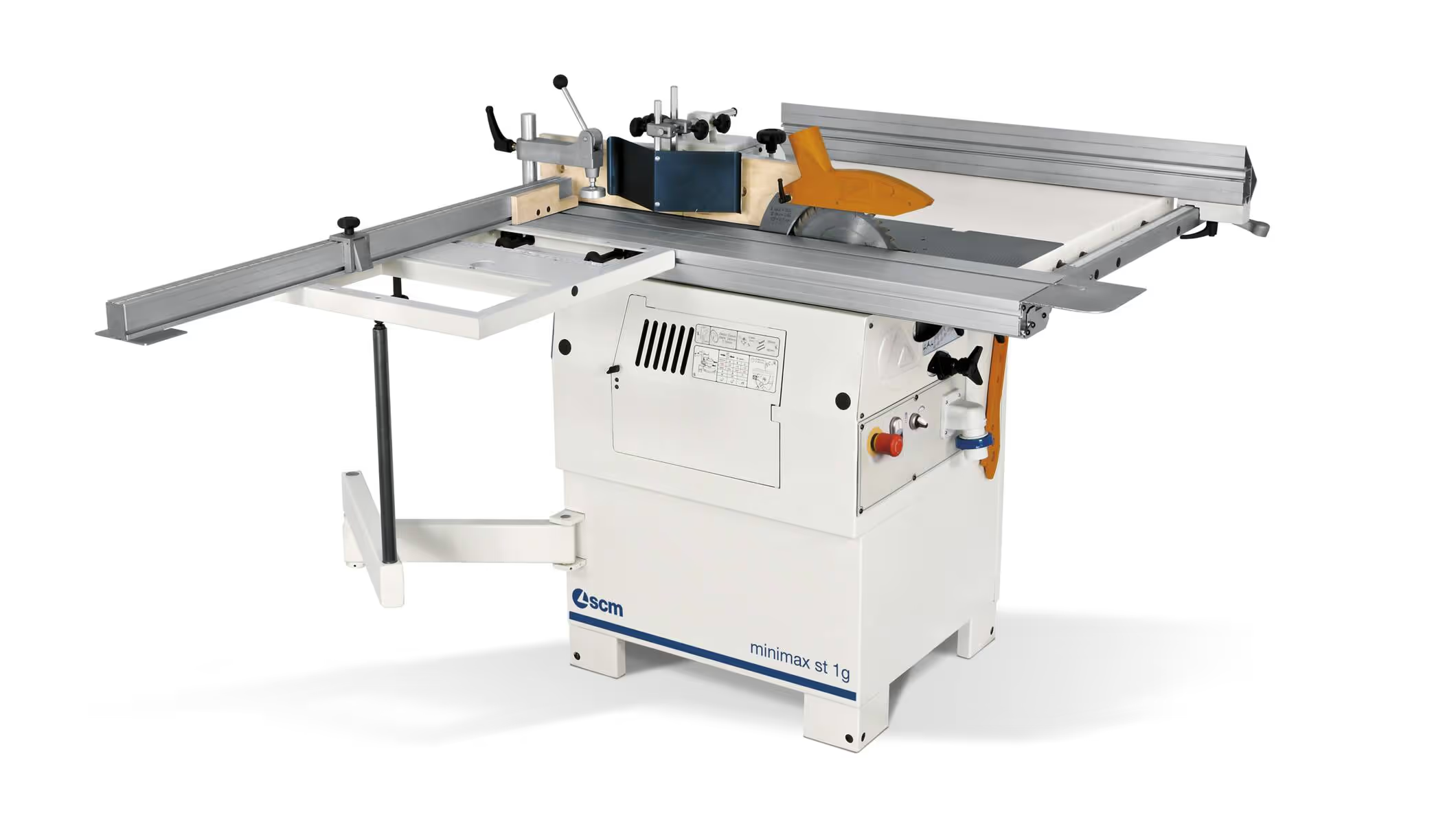 SCM Group SCM minimax st 1g saw-spindle moulder combination machine
 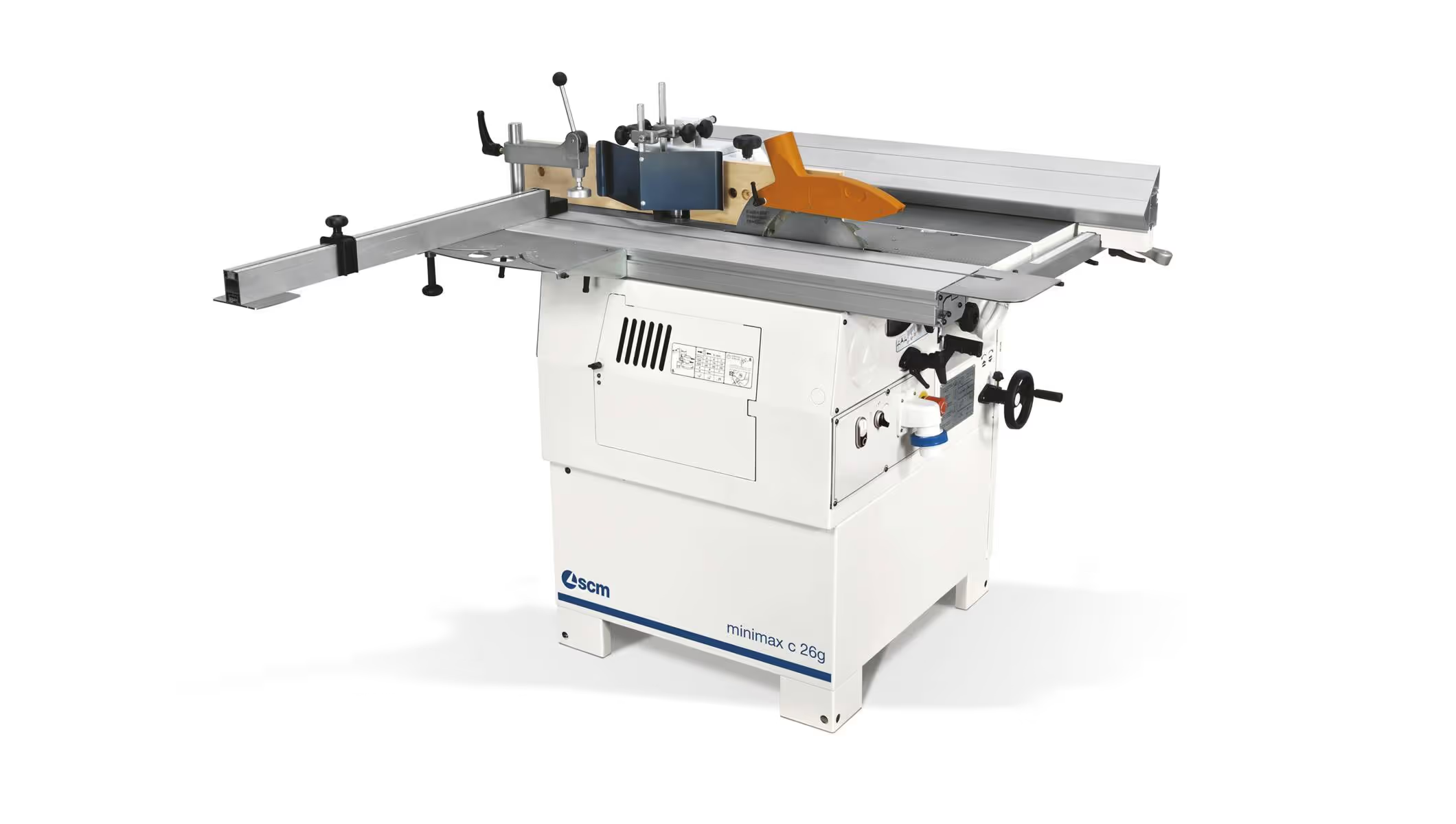 SCM Group SCM minimax c 26g combination machine
  Felder Group Felder KF 700 sliding table saw and spindle moulder
 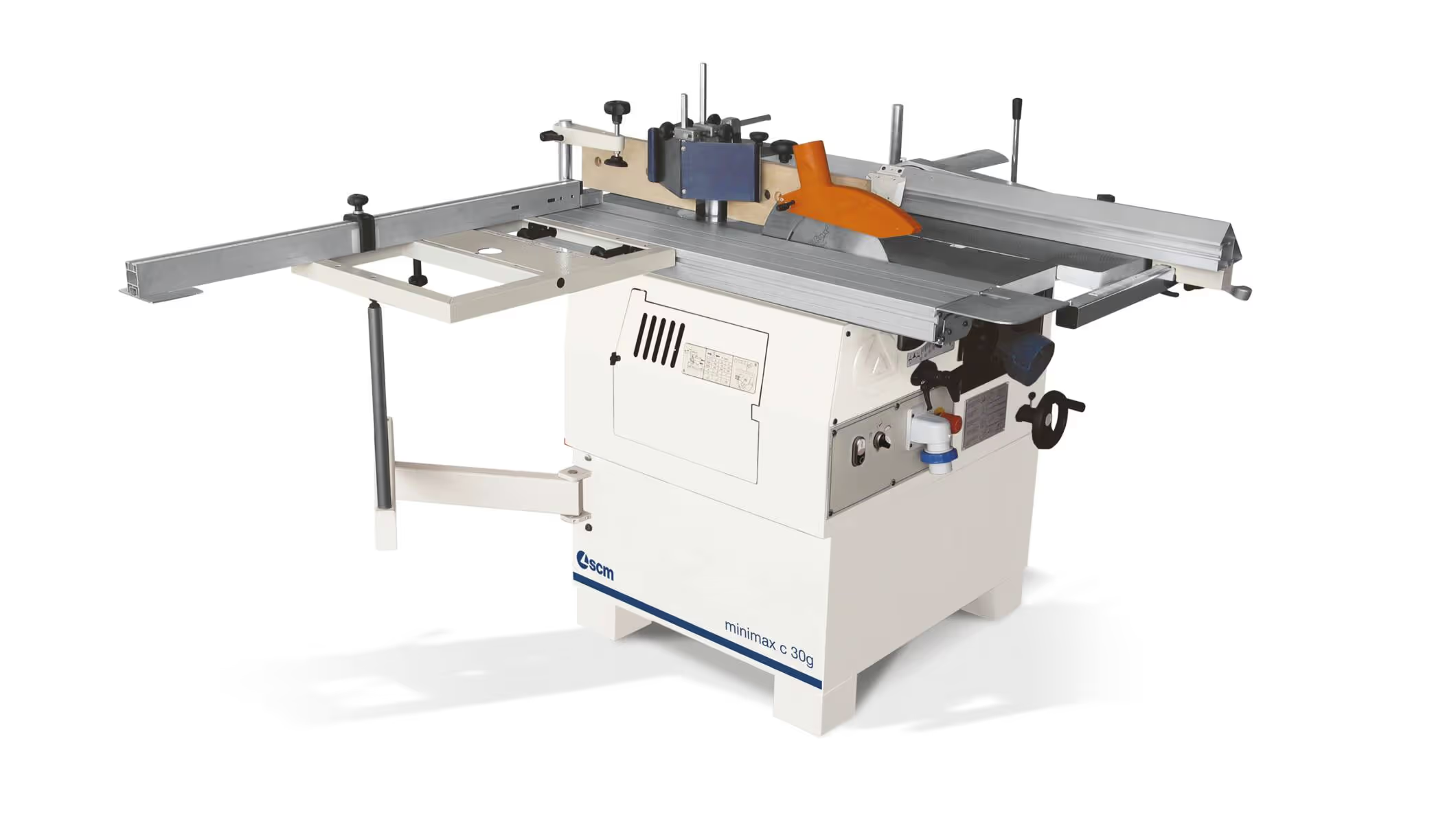 SCM Group SCM minimax c 30g combination machine
 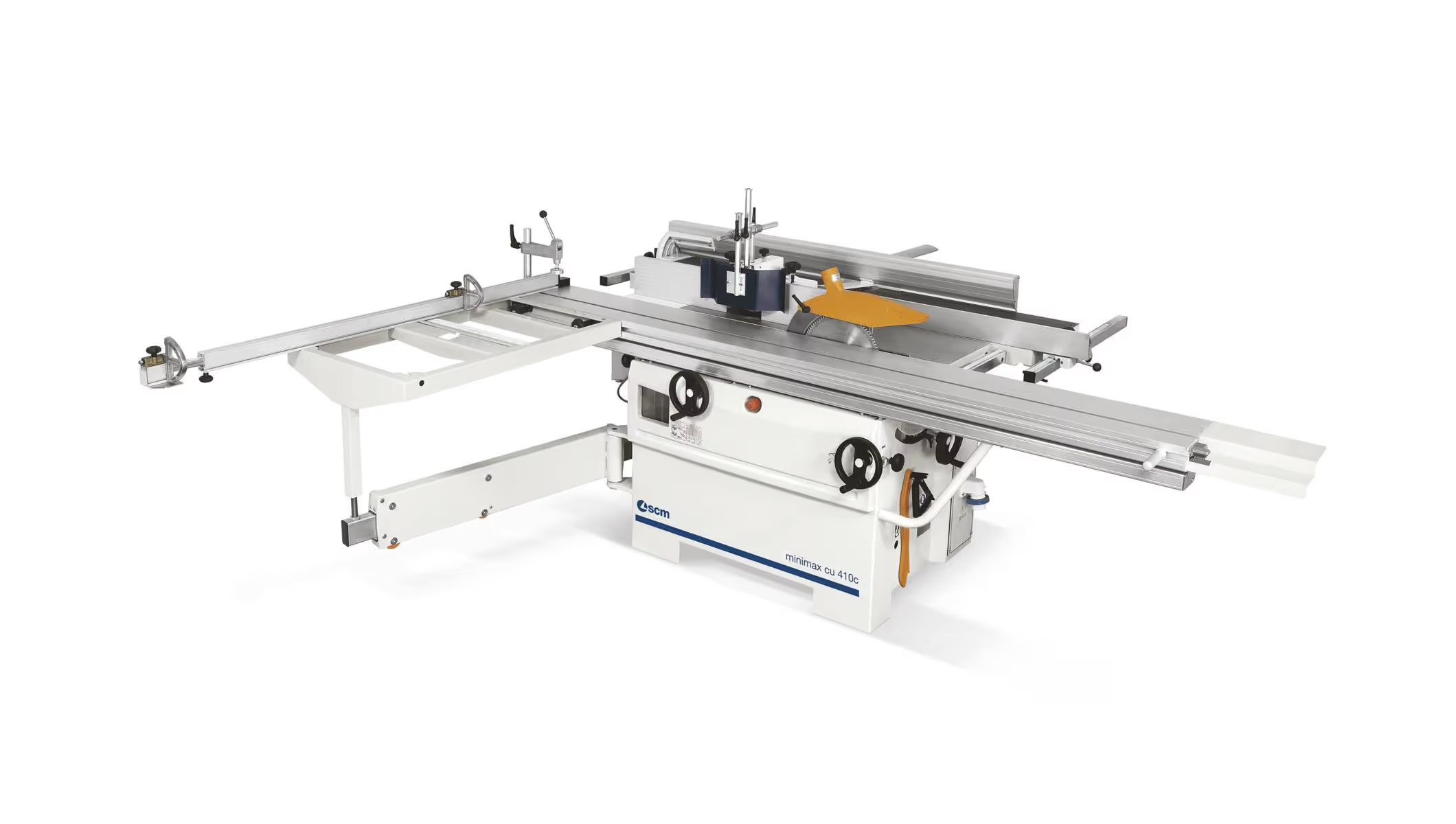 SCM Group SCM minimax cu 410c universal combination machine
 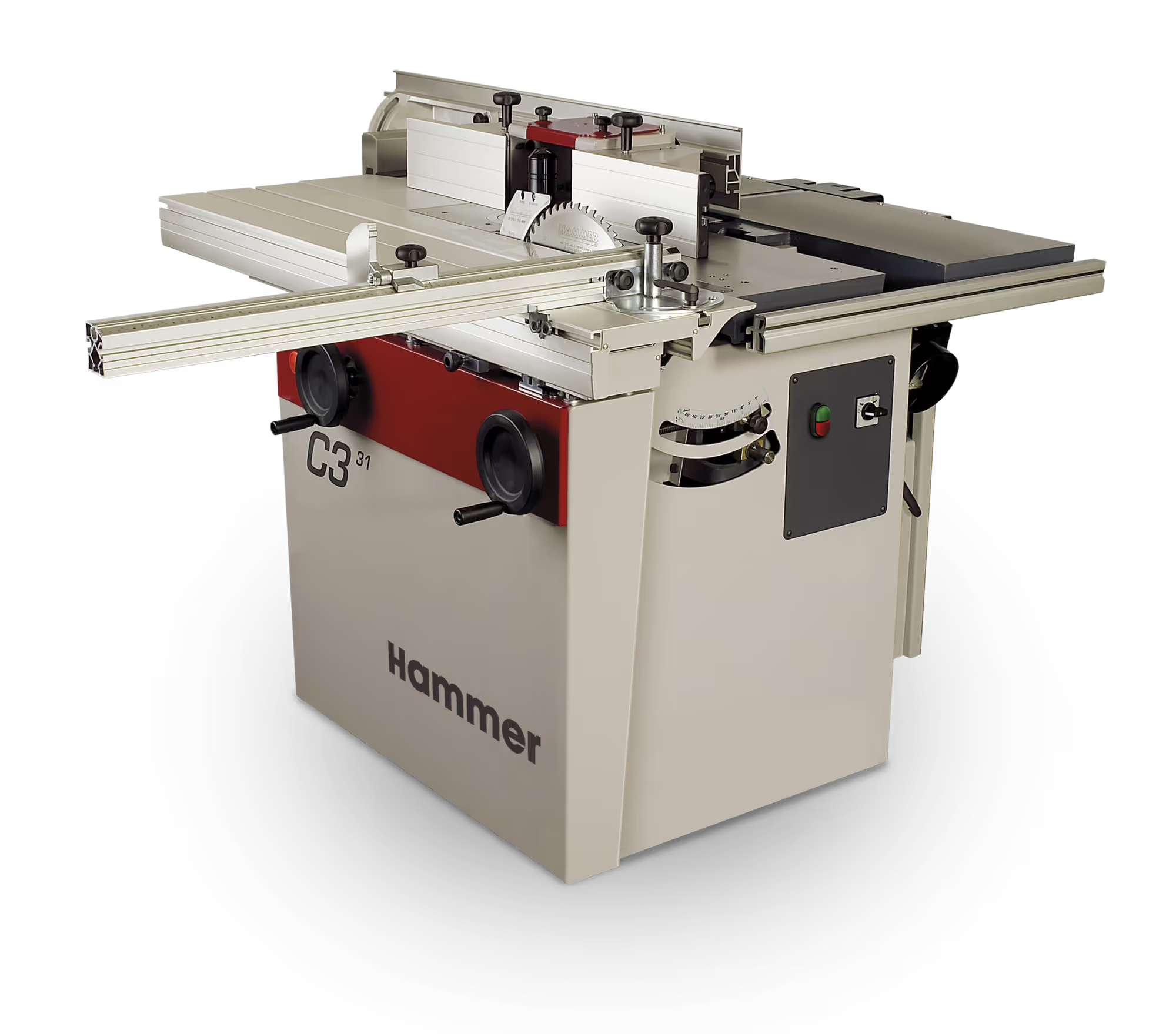 Felder Group Hammer C3 31 5-function combination machine
 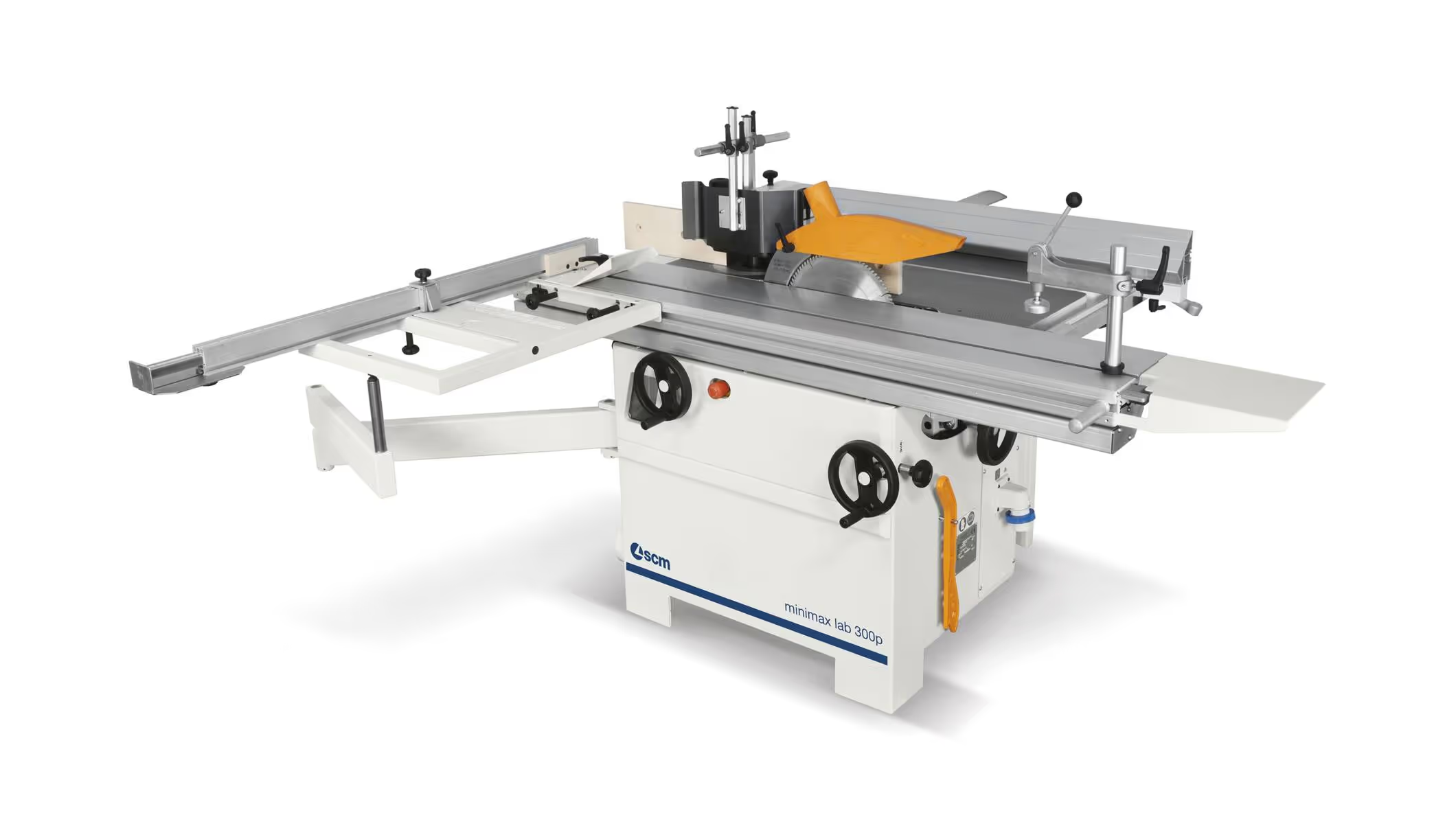 SCM Group SCM minimax lab 300p universal combination machine
 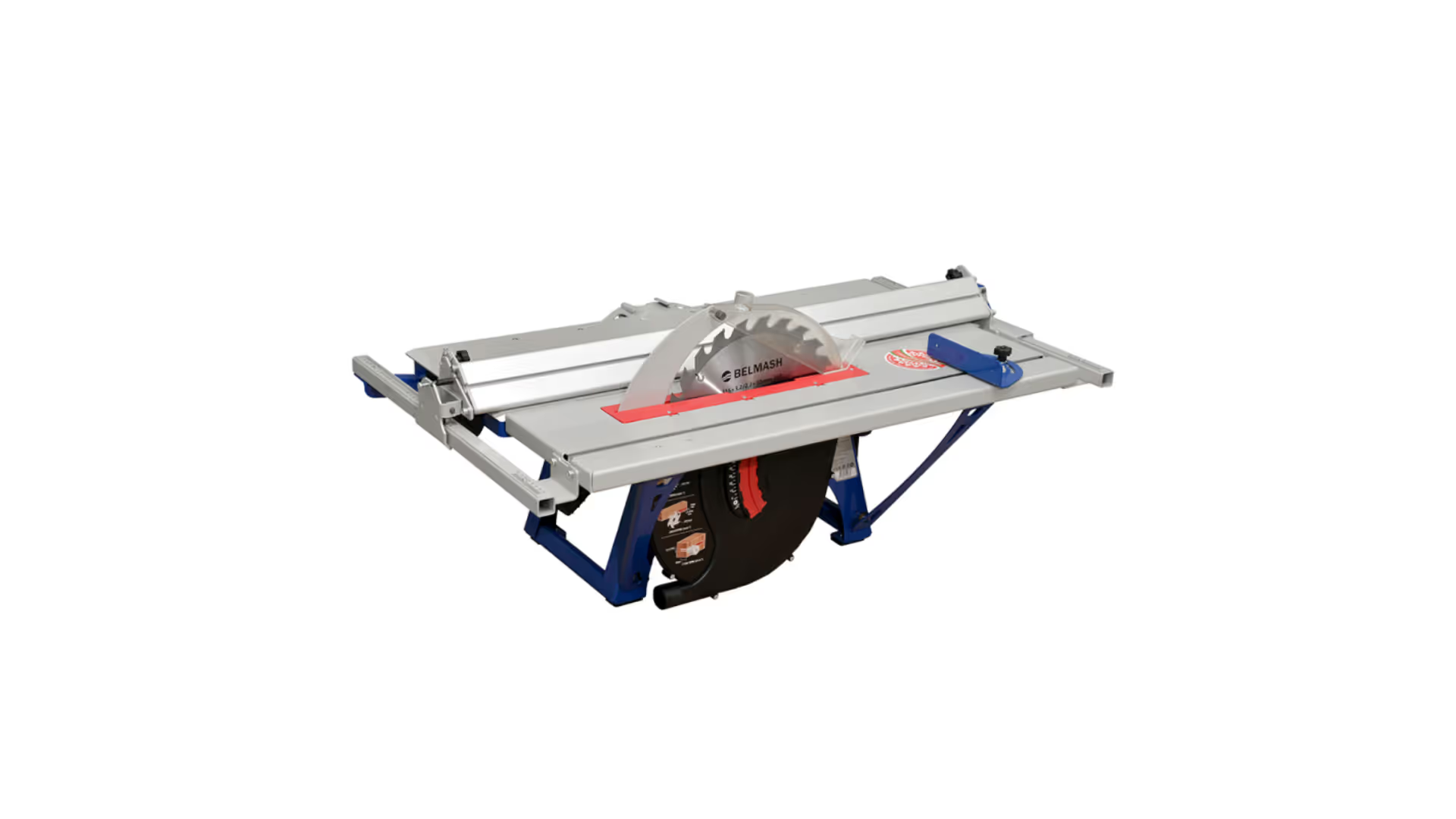 Belmash BELMASH SDM-2500M Multi-Purpose Woodworking Machine
 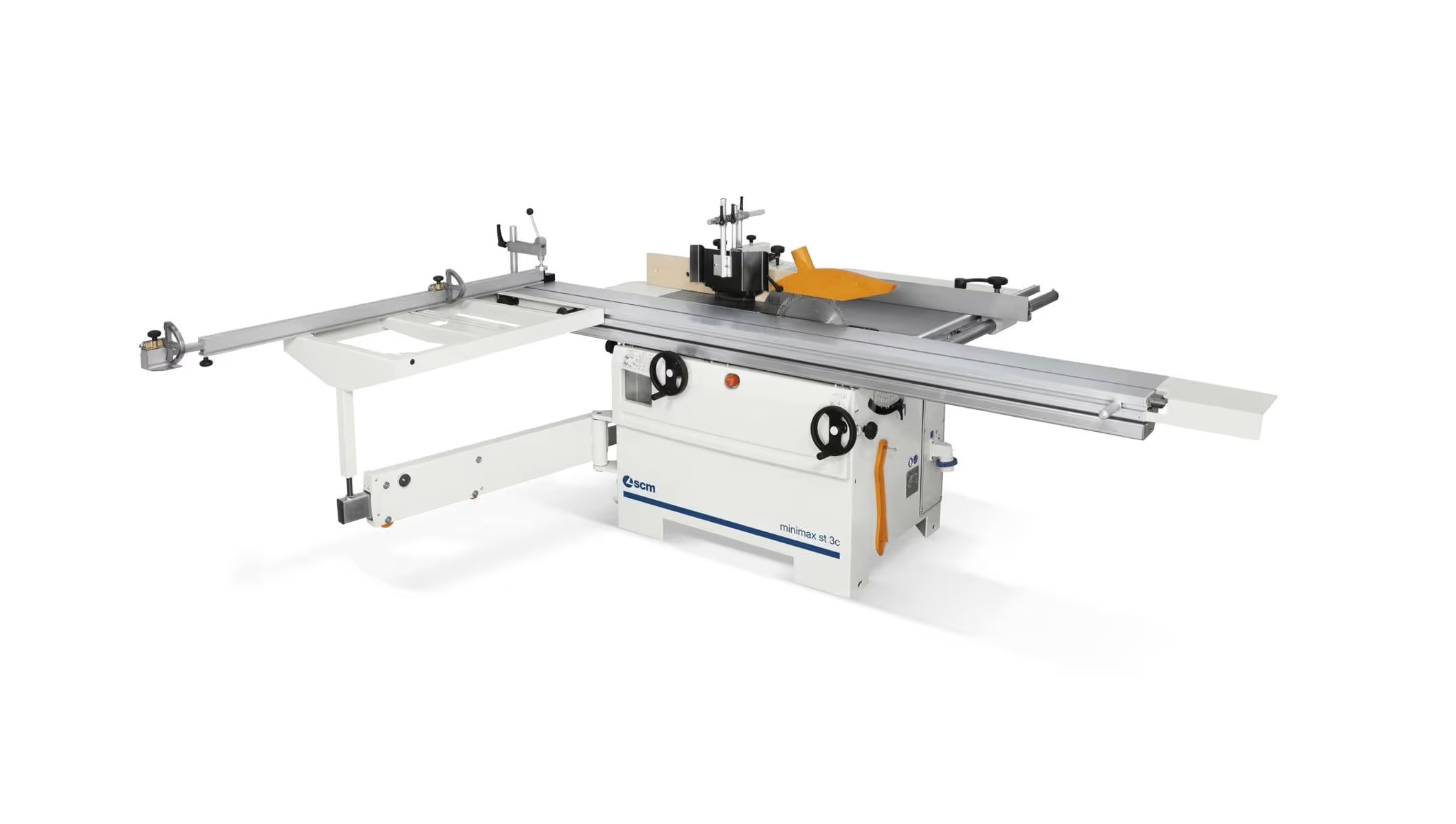 SCM Group SCM minimax st 3c saw and spindle moulder combination machine
  Felder Group Felder KF 500 sliding table saw and spindle moulder
 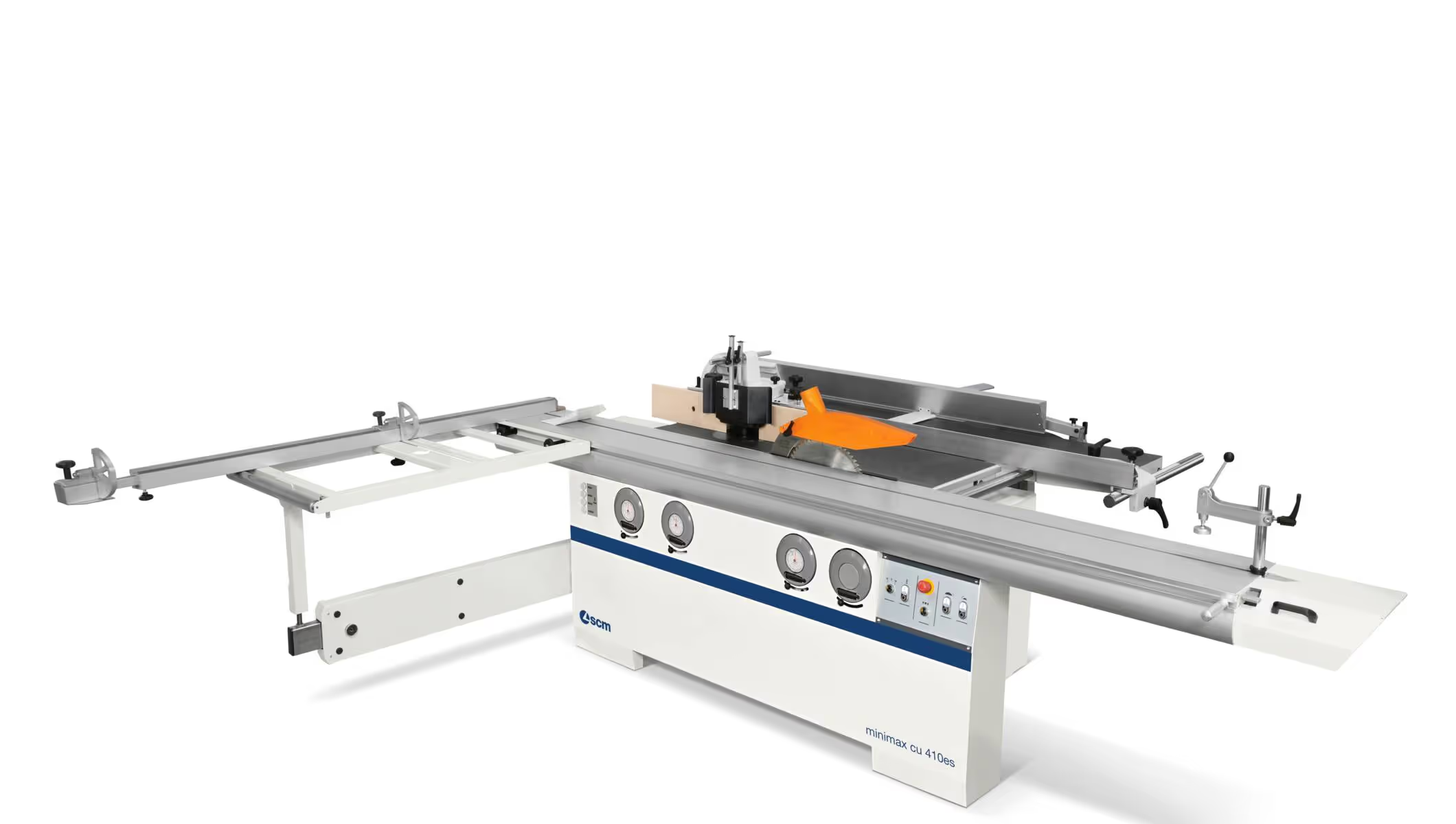 SCM Group SCM minimax cu 410es universal combination machine
  Felder Group Hammer B3 sliding table saw and spindle moulder
 20 of 20 products
Choose a 3-operation combination machine, a 5-operation combination machine, or a saw-spindle moulder, depending on the functions you want to combine in a single machine and the work to be carried out.
5-operation models can combine sawing, spindle moulding, surface planing, thicknessing and mortising, so several woodworking steps can be carried out in sequence without the need for separate machines. A saw-spindle moulder combination focuses more on cutting and profiling, while other configurations meet intermediate needs.
See also all the woodworking machinery listed on WoodPartners to complete or upgrade your setup.
Combination machines are mainly found in joinery shops and fit-out workshops, and with professionals who carry out several woodworking operations in the same workshop.
Their main advantage is bringing several operations together on a single machine. They therefore suit workshops looking for versatility with fewer machines to install.
They are particularly suited to solid wood work, covering the various stages of cutting to size, planing, profiling and joint-making. The choice, however, depends on the type of production and the functions actually needed on a daily basis.
The number of operations, working capacities, footprint and power are the first criteria to compare.
You should also take into account the usual dimensions of the parts, the frequency of use of each function and the space needed around the machine to work comfortably. A company that uses a single operation intensively may also prefer a dedicated machine.
Depending on your needs, consult the stationary saws, the spindle moulders or the planer-thicknessers listed on WoodPartners.
Start by identifying the functions that are actually needed in your workshop, then compare 3-operation and 5-operation combination machines and the saw-spindle moulders that match your needs. Check their working capacities, power and the space required for installation.
The manufacturers listed on WoodPartners can then advise you on the available configurations and help you check whether the machine you have in mind suits your workshop organisation and the work you do.