
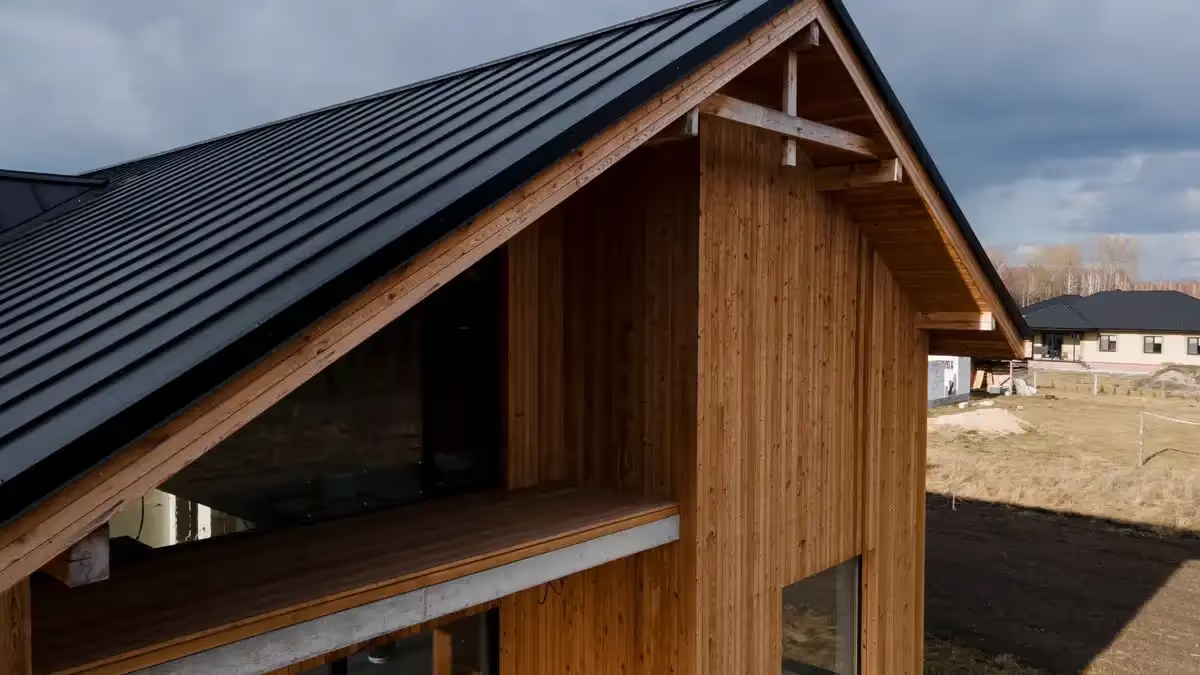
Here is the secret to external insulation that is both efficient and good-looking! Find the perfect cladding material for your project in our complete guide. Explore the options, compare the advantages and make the perfect choice for a home that is beautiful, durable and energy-efficient.
Which cladding material should you choose for efficient external wall insulation?
If you are looking for the ideal solution for the external insulation of your home, the choice of cladding material plays a crucial role. Cladding, an external covering technique, offers a whole range of possibilities in terms of looks, durability and energy performance. In this article, we will reveal the main cladding materials for optimal external wall insulation.
What is cladding and why use it?
Before diving into the details of the materials, let us first understand what cladding is and why it is so important. Cladding is an external covering applied to the surface of a building. Beyond its appearance, it plays a major role in thermal insulation and in protection against the elements. The choice between cladding and render can be a tricky one, but cladding offers a multitude of advantages in terms of appearance, maintenance, environmental impact and energy performance.
The different cladding materials for high-performance external insulation
When the time comes to choose the cladding material suited to your external insulation, it is essential to know your options. Here are the main materials to consider:
1. Natural wood cladding
Natural wood cladding appeals through its warm, natural appearance. It brings a touch of elegance to your home while being environmentally friendly. It does, however, require regular maintenance, and its species can be relatively expensive. Wood offers satisfactory thermal insulation and can withstand the weather for a decade. What is more, some wood species are more resistant and prove better suited to this type of use, such as exotic woods: massaranduba wood, garapa wood, merbau wood or western red cedar, for example.
2. Composite wood cladding
Composite wood cladding is gaining in popularity thanks to its strength and its affordable cost. Made from recycled wood particles and polymer resin, it resists UV and heat and does not crack. With a service life that can reach 50 years, it offers a fine variety of colours and finishes.
3. Cellular PVC cladding
Contrary to received wisdom, cellular PVC cladding offers attractive finishes and a varied palette of colours. Cheaper than other options, it stands up well to the weather and to moisture while requiring little maintenance.
4. Fibre cement cladding
Fibre cement cladding stands out for its exceptional durability, which can exceed 50 years. It is the economical option par excellence, requiring little maintenance and offering a wide range of finishes, from the most modern to wood-effect patterns.
5. Cladding in metal panels or boards
For an industrial look, metal panels or boards are a bold choice. With a service life that can reach 75 years, they stand up well to time and give your home a unique appearance.
Comparing the materials: insulation, durability and appearance
To guide you in your choice, here is a comparison of cladding materials in terms of insulation, durability and appearance:
| Material | Insulation | Durability | Appearance |
|---|---|---|---|
| Natural wood | Good | 10+ years | Warm |
| Composite wood | Good | ~50 years | Variety of colours |
| Cellular PVC | Average | 5-10 years | Palette of colours |
| Fibre cement | Excellent | 50+ years | Different finishes |
| Metal panels | Average | 75+ years | Industrial look |
Finding the ideal solution for your external insulation
The choice of the best cladding for your external insulation depends on several factors, such as your aesthetic preferences, your budget and the thermal performance you are looking for. To take an informed decision, compare the characteristics of each material and take insulation, durability and appearance into account. If you are still undecided, do not hesitate to call on the expertise of a professional. With their in-depth knowledge, they can guide you towards the solution best suited to your specific needs.
Towards an impeccable home: external insulation enhanced by the ideal cladding
When it comes to choosing the optimal cladding material for your external insulation, there is no single answer. Every material has its advantages and its disadvantages, so take the time to compare and to consider your priorities. Remember that cladding is not limited to appearance; it also contributes to the energy efficiency and the durability of your home. Finally, call on a professional to help you take the best decision according to your particular situation.
One form, several offers.
- Two minutes, no account
- Direct, no middleman
- Your identity stays private
How do you get external insulation and cladding work under way?
Before embarking on external insulation and cladding work, it is essential to be well prepared. Here are a few key steps to follow to ensure your project is a success:
1. Assessing your needs
Start by assessing your external insulation needs. Measure the area of your property, identify the zones to be insulated and determine your aesthetic preferences.
2. Choosing the material
Based on the information given in this article, choose the cladding material that best meets your needs in terms of insulation, durability and appearance.
3. Getting in touch with a professional
Before taking any final decisions, consult a professional in insulation work. Their expertise will help you refine your choice of material and plan the work accordingly.
4. Requesting quotes
Ask for detailed quotes from several companies specialising in insulation and cladding work. Compare the offers to find the best option for your budget.
5. Planning the work
Once you have chosen the company to work with, plan the dates of the work according to their availability and to favourable weather conditions.
6. Carrying out the work
Let the professionals carry out the work in accordance with the standards and the agreed specifications. Be sure to follow the progress of the site to make certain that everything goes as planned.
7. Completion and maintenance
Once the work is finished, check that everything meets your expectations. Be sure to follow the maintenance instructions specific to the cladding material chosen, to guarantee its long-term durability.
Frequently asked questions about choosing cladding and external insulation
Making the perfect choice: external insulation combined with elegant cladding
Choosing the ideal cladding material for your external insulation is a crucial step in your energy renovation project. Take insulation, durability and appearance into account in order to take an informed decision. Do not hesitate to consult professionals for advice specific to your situation. By following these steps and taking the right decisions, you can enjoy efficient external insulation and a home that is both beautiful and energy-efficient.