
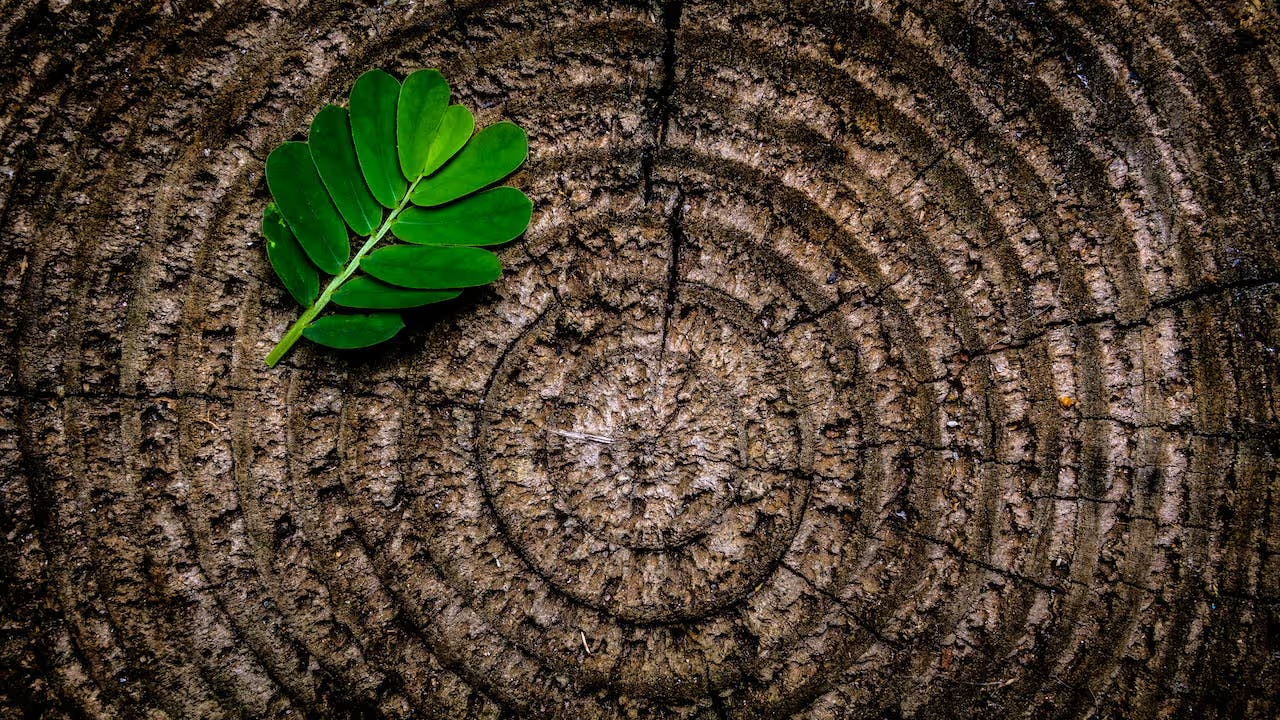
"Wood species are divided into three main categories: exotic wood, softwood (resinous) or noble hardwood (deciduous). Depending on the type of wood, properties differ and are more easily suited to certain constructions.
Thus, uses will not be the same depending on the characteristics of the wood species in question. That is why it is essential to know how to recognize them if you work in construction.
To do so, we will cover the following points :
- What is a wood species?
- The list of wood species
- Which wood species for which use?
- What is the difference between a wood species and a wood class?
- Other questions about wood type

What is a wood species?
A wood species is a type of wood; it refers to what is obtained after felling a tree. Each wood species corresponds to a family that meets the same characteristics and includes one or more tree species such as spruce, oak or sipo, for example.
We can distinguish 3 major wood species categories :
- Softwoods (resinous woods) : soft, light woods and therefore easy to work with ;
- Noble and deciduous hardwoods : medium-hard, durable woods, which are a good in-between in terms of value for money;
- exotic woods : hard, heavy and durable woods.
Thus, wood takes several forms that are more or less robust, flexible and aesthetic, which allow wood identification. These are the specific properties you need to know in order to adapt the type of wood to the construction. Indeed, you won’t use the same wood species to make a frame or a deck, for example.
In addition, in the construction industry, it is common to use the origins of the wood to classify it. Thus, there are two main types of wood : indigenous or local woods and exotic woods or precious woods coming from abroad.
The list of wood species
It is essential to keep in mind a list of wood species available on the construction market in order to choose the one that will be best suited to your needs. Therefore, here is the complete list of existing wood types :
91 essences affichées

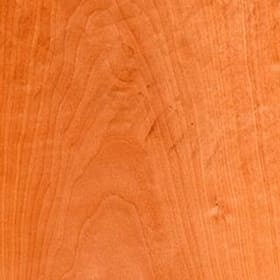
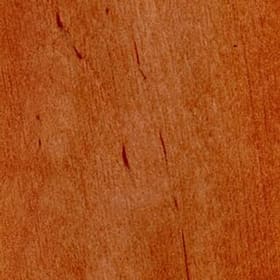

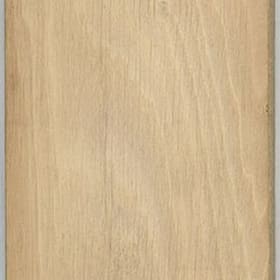
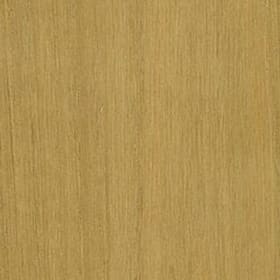
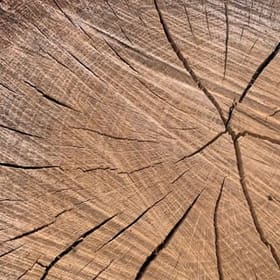
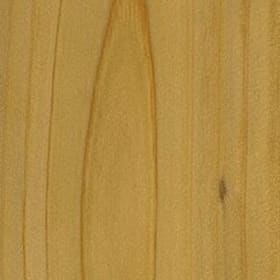
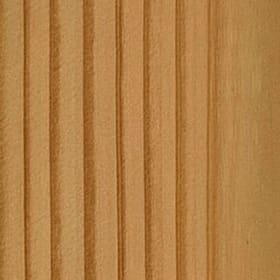
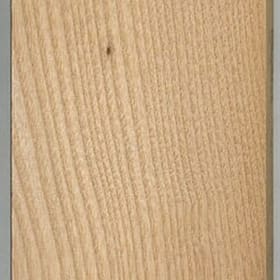
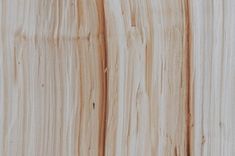
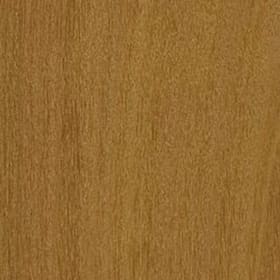

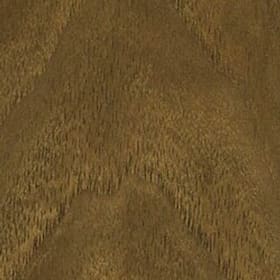
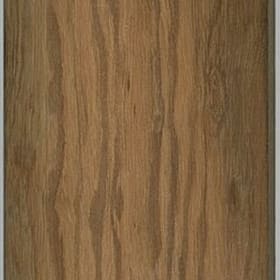


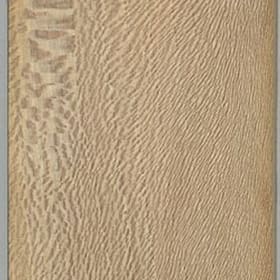
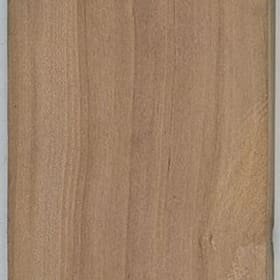


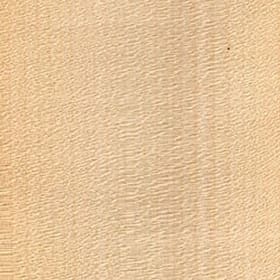
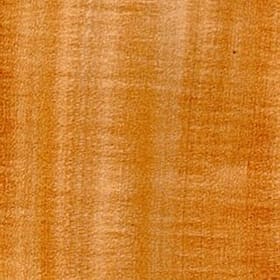
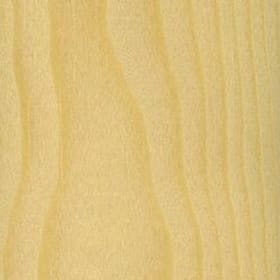
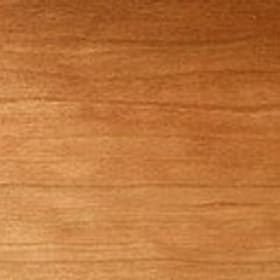
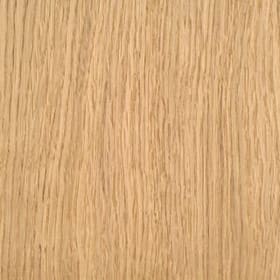
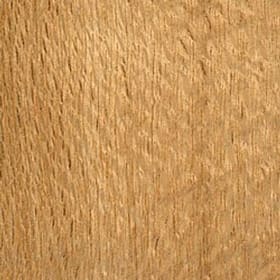
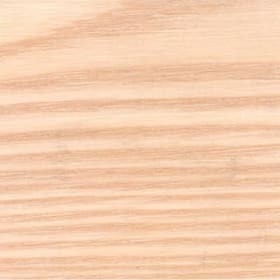
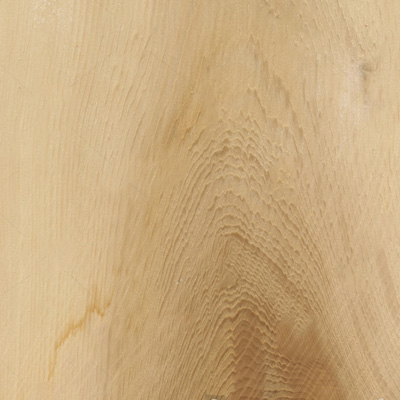
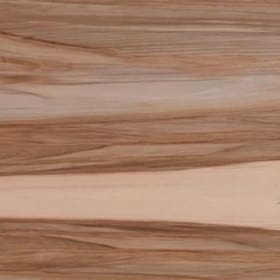
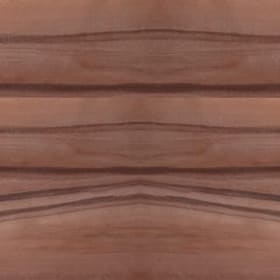
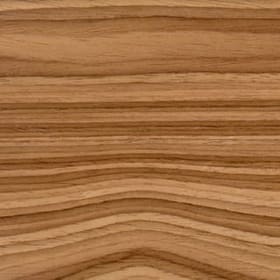
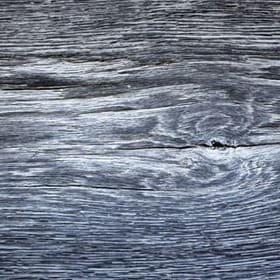
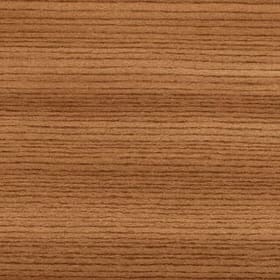

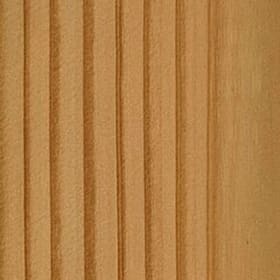



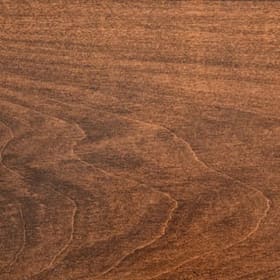
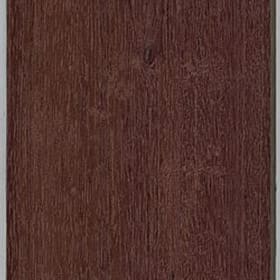

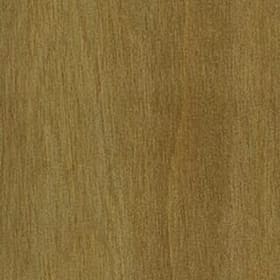


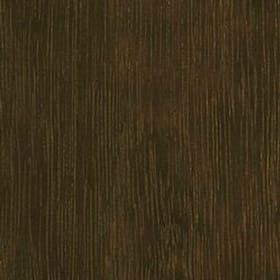

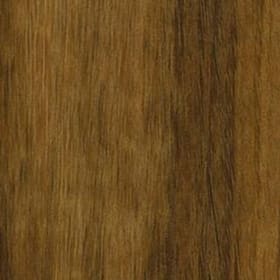
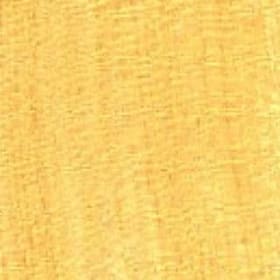
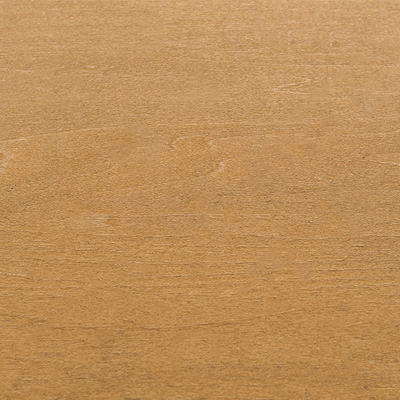
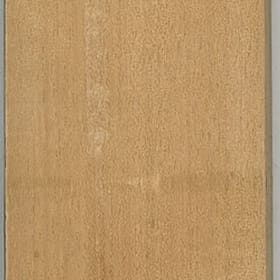
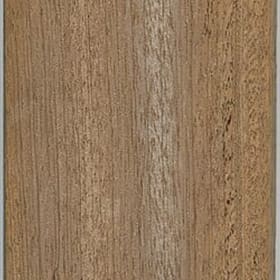
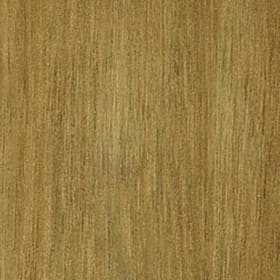
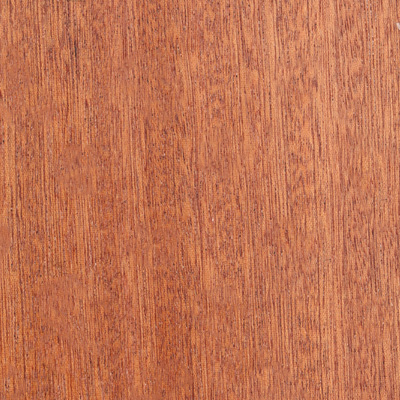
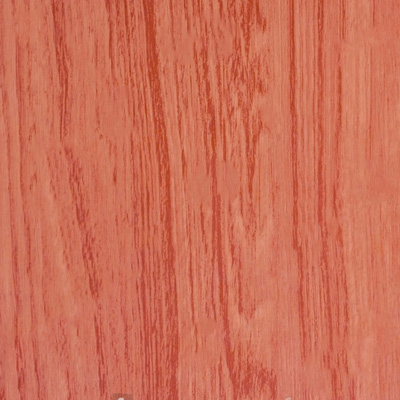


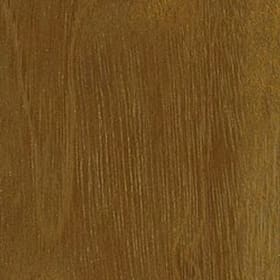
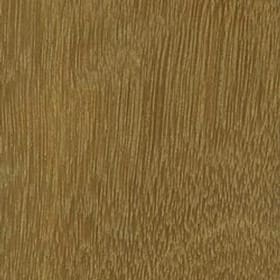
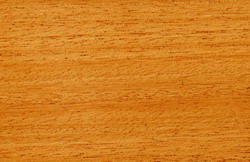

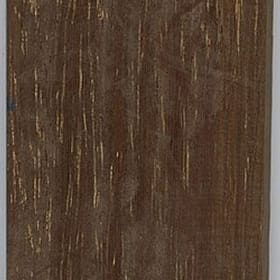
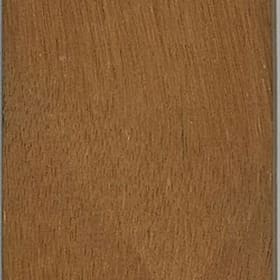
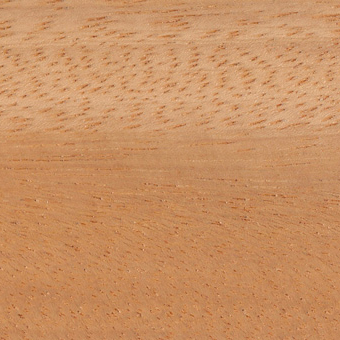
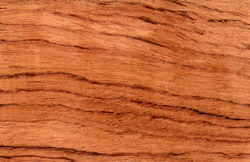
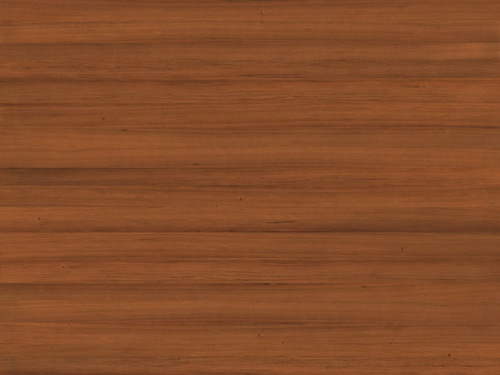
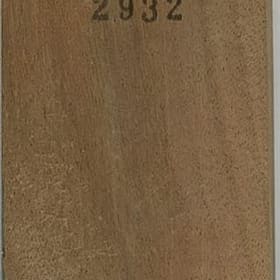
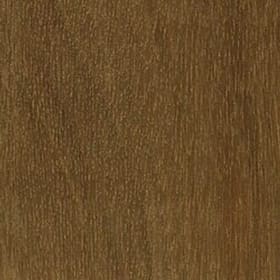

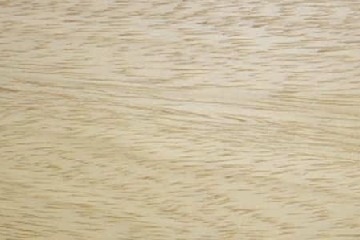
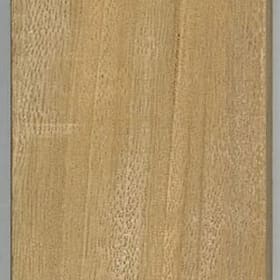
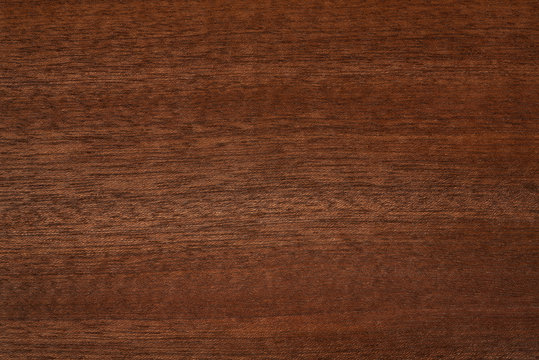
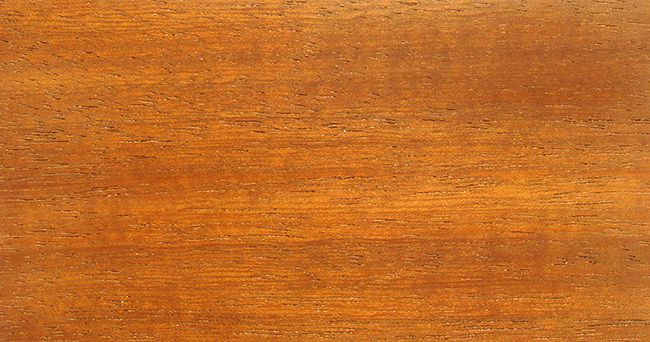
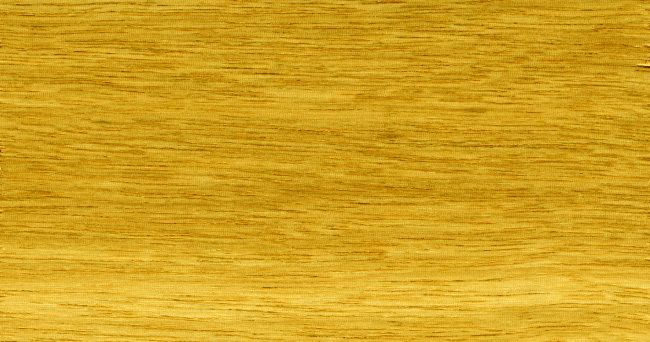



In addition, it can be useful to find a list of wood species by regions to see things more clearly : Europe, North America, South America, Asia and Africa. Thus, depending on your location and expectations, you can select the type of wood that suits you.
European wood species
European wood species are divided into 2 categories : hardwoods and softwoods. Discover all those that could be useful for construction in the following list :
North American wood species
Coming from Canada and the United States, North American wood species are also hardwoods and softwoods :
South American wood species
South American wood species are considered exotic and have good resistance to humidity for your constructions:
Asian wood species
Here are a few examples of Asian wood species, also exotic, commonly used for your various projects :
African wood species
African wood species are rot-resistant tropical woods, regularly used for outdoor landscaping :

One form, several offers.
- Two minutes, no account
- Direct, no middleman
- Your identity stays private
Which wood species for which use?
Wood species must be adapted to their use; spruce, for example, is a strong, dense and stable wood that will be suitable for building a house. Here is a comparison table of wood species and their uses :
|
Wood species |
Characteristics |
|
|
Wood types for building a house |
-Spruce -Pine -Cedar -Larch -Fir -Douglas fir |
-Strong -Dense -Stable |
|
A wood species for outdoors |
-Ipe -Padauk -Itauba |
-Hard -Water-resistant |
|
Wood types for interior design |
-Oak -Ash -Beech -Chestnut -Walnut |
-Flexible -Easy to work with -Aesthetic |
Softwoods (resinous woods)
Softwoods come from conifers such as pine, fir, Douglas fir, spruce or larch, for example. This wood species from a resinous tree makes up a third of French forests; it is most often used indoors for furniture, for example.
Indeed, it is a soft wood with light shades that remains easy to work with. However, softwoods can be used outdoors provided they are treated. For this, you can perform an autoclave treatment in order to increase durability and wood resistance.
Noble and deciduous hardwoods
Noble and deciduous hardwoods represent two thirds of the wood species found in French forests. Consequently, the environmental impact of this type of wood is lower. In this wood species category, you can find ash, beech, birch, maple or cherry. Some, like oak or chestnut, are considered noble woods.
This type of wood is known for its stability, strength and density. That is why, in the past, they were regularly used for house frames and roof structures. Today, noble and deciduous hardwoods are mainly used for flooring and interior and exterior joinery.
Exotic woods
Exotic woods are wood species that come from abroad. South America, Oceania and Africa are the regions that export the most of these types of wood. Ipe, teak, padauk, itauba and jatoba are examples of species that can be found among exotic woods.
These types of wood have an interesting diversity of colors, ranging from light yellow to black, including shades of red, pink or brown. These characteristics are highly appreciated for making furniture or cladding, for example. In addition, this hardwood is water-resistant. This makes this wood species a must-have for outdoor use or humid places like a bathroom.
It is important to note that exotic woods have a high environmental impact. Indeed, they often come from deforestation and travel many kilometers before being used in our constructions in France.

What is the difference between a wood species and a wood class?
The wood species indicates the type of wood and its specific characteristics, while the wood class determines whether it can be used outdoors or not depending on the wood’s resistance to water.
Wood species are divided into three main categories : softwoods, noble and deciduous hardwoods, and exotic woods. The properties of these types of wood vary; the material can be more or less flexible or robust, for example. Thus, its use will be more intended for making furniture or roof structures depending on its characteristics.
The use classes of a wood are separated into five levels, ranging from 1 to 5. These classes determine whether the wood is intended for indoor or outdoor use by indicating its resistance to water and humidity. The lower the class, the less the wood will resist water. Wood classes 1 and 2 are intended for indoor use. Wood classes 3 and 4 are for outdoor use with varying exposure to moisture. Finally, class 5 is the only one that resists seawater and chlorinated water. It is therefore preferred for maritime uses or pool decks, for example.
