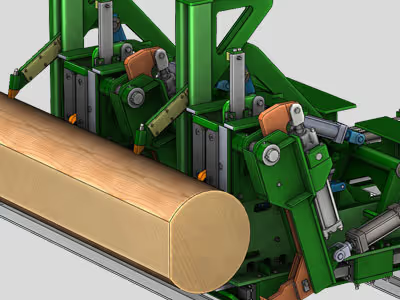
 Usnr USNR “Log Boss” carriage
Sawing lines bring together the machines that break down logs into boards, unedged boards, rafters and beams. They determine the sawmill's throughput and material yield. Compare manufacturers' models online on WoodPartners.
Usnr USNR “Log Boss” carriage 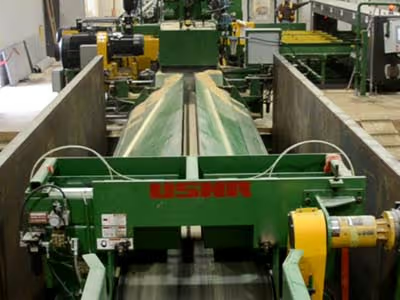 Usnr USNR “Flying V Tailer”
 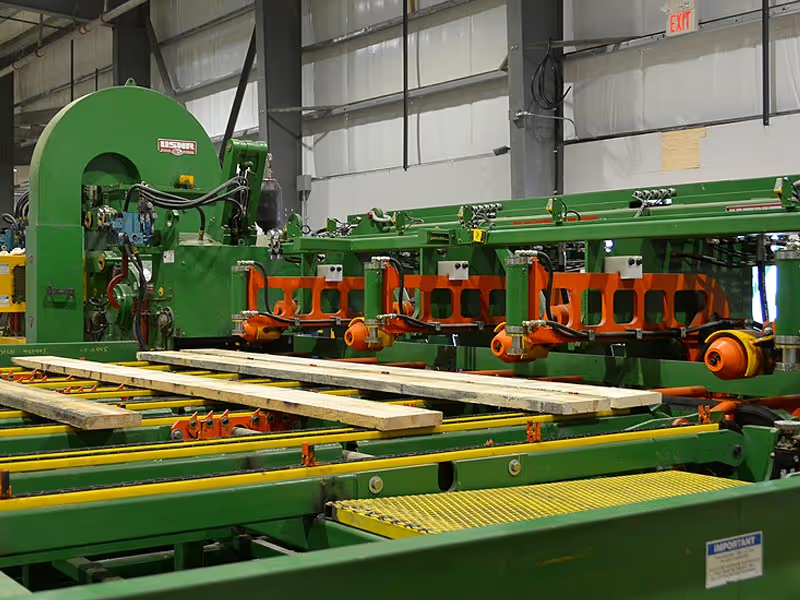 Usnr “Super GII” edger infeed system
 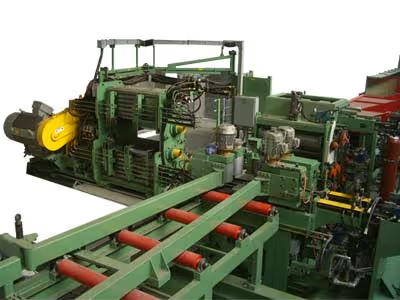 Usnr USNR “Combo” multi-saw breakdown machine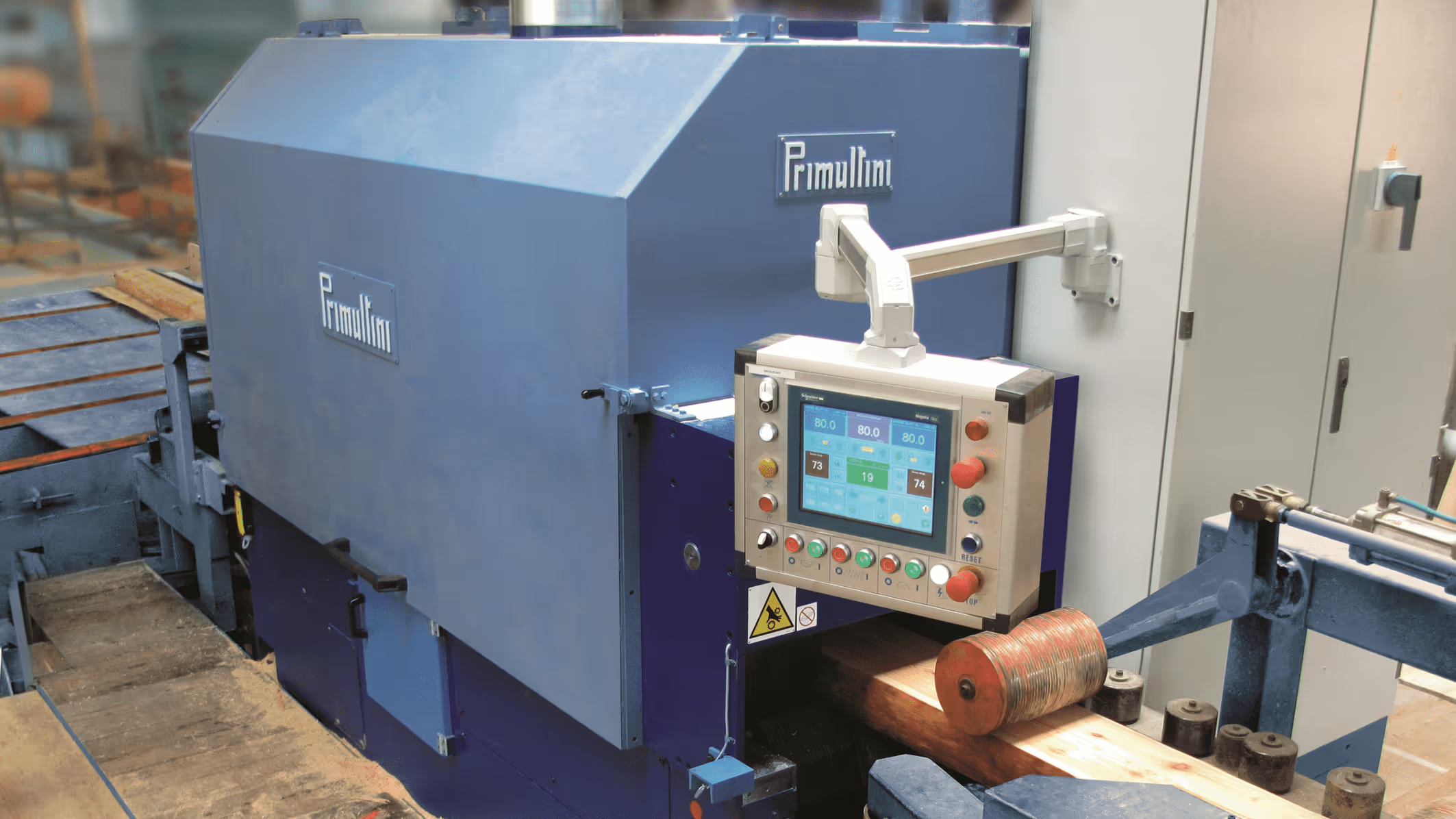
 VBI bois VBI MULTI-BLADE SAWS
 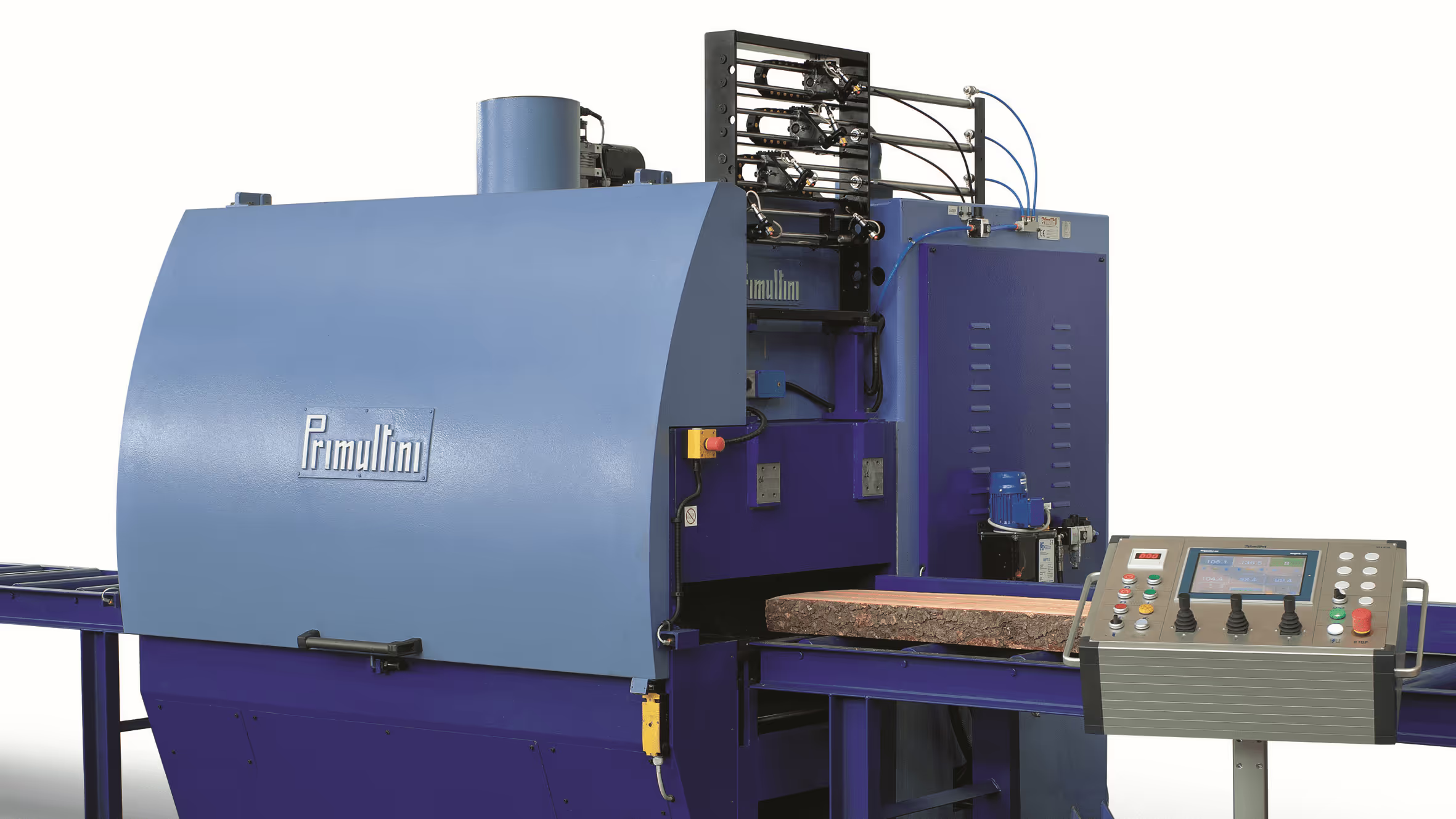 VBI bois VBI edger
 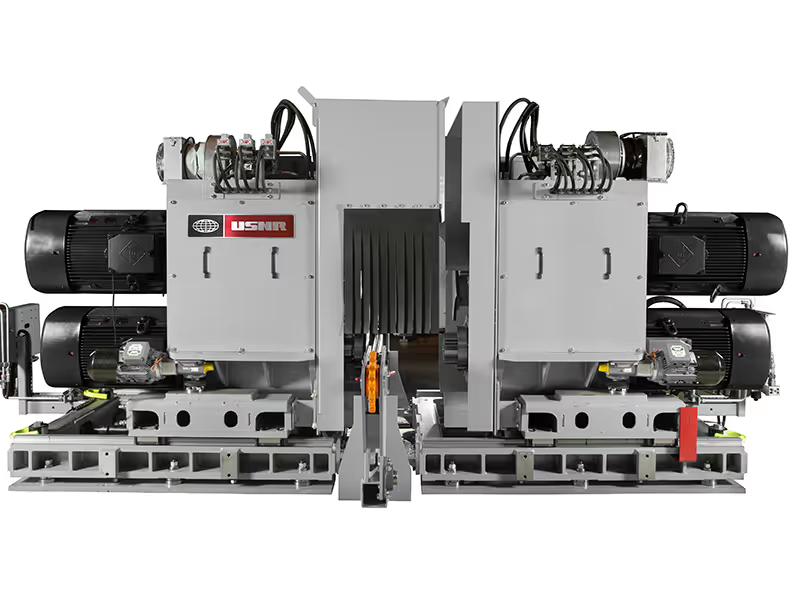 Usnr USNR Eurosaw S4D
 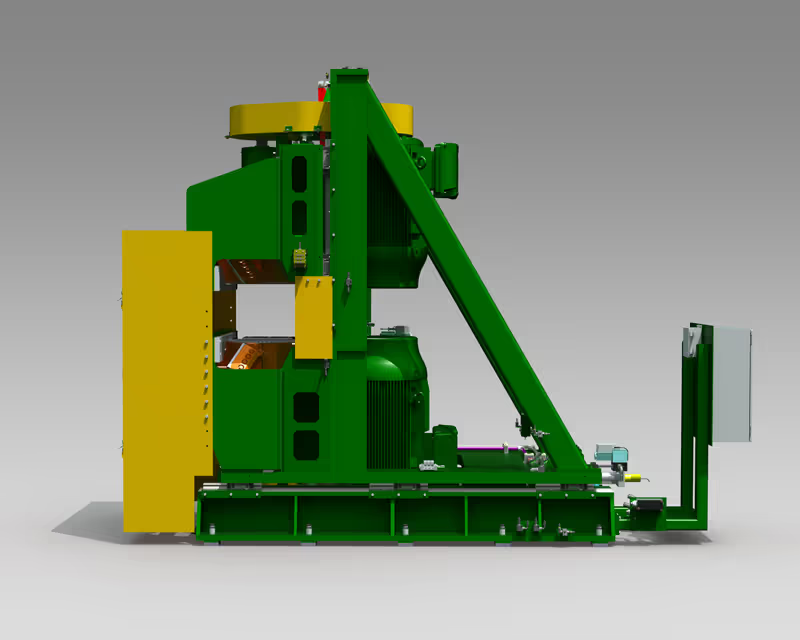 Usnr Top face chipper canter
 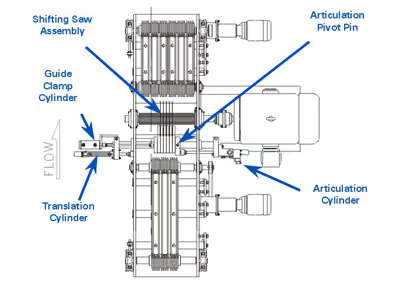 Usnr USNR “RoboGang” curve sawing module
 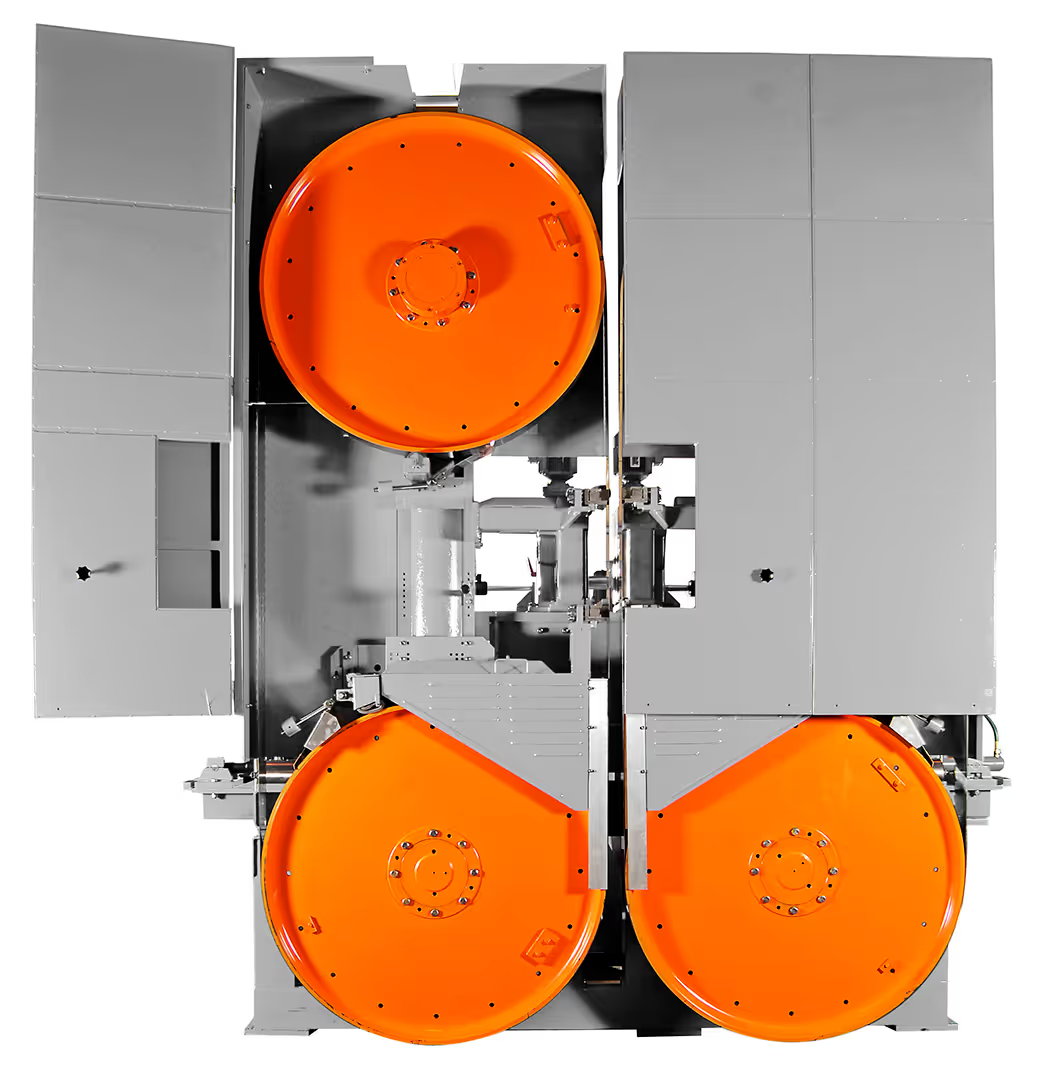 Usnr USNR Millmaster HPS resaw
 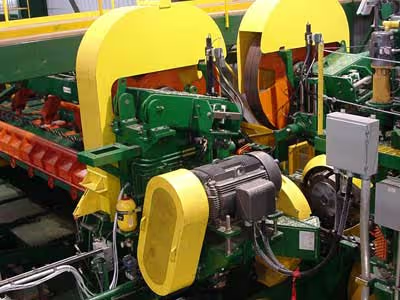 Usnr USNR double high-strain band saw
 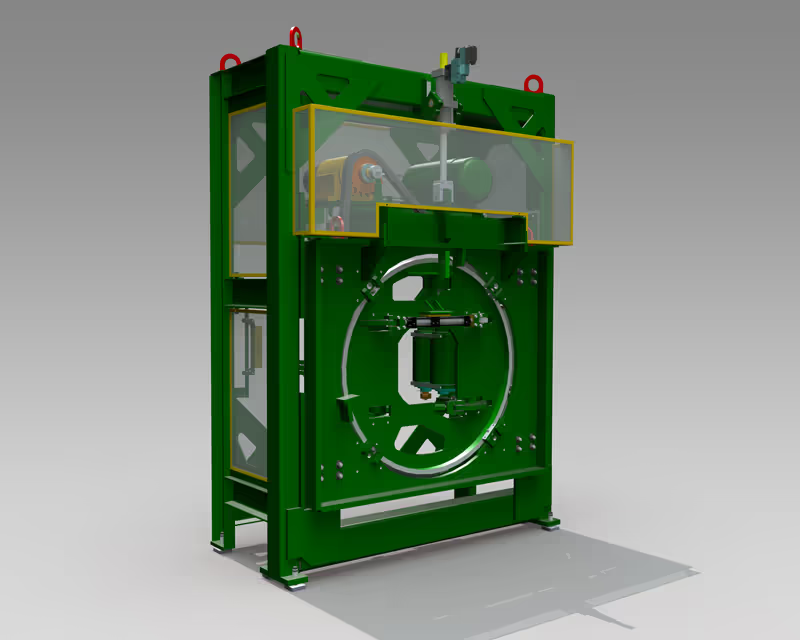 Usnr USNR cant ring turners
 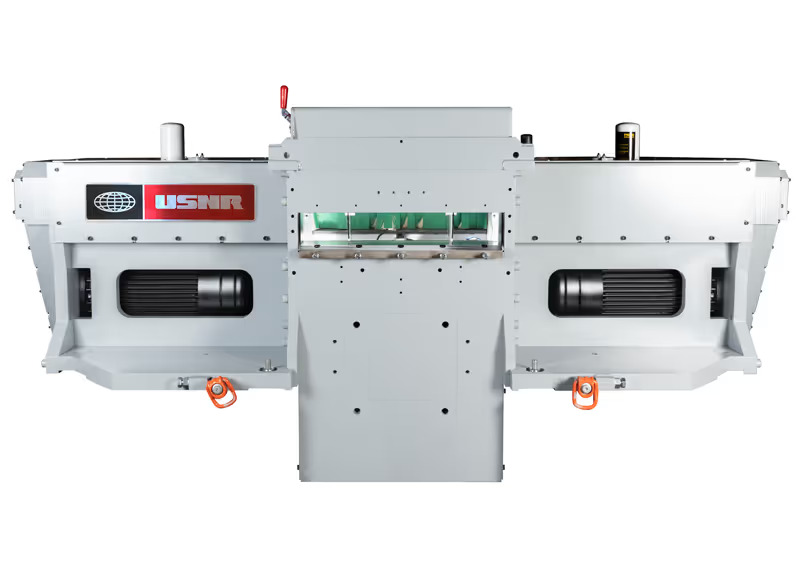 Usnr USNR 7100D edger sawing module
  VBI bois VBI CARRIAGE FRAME
 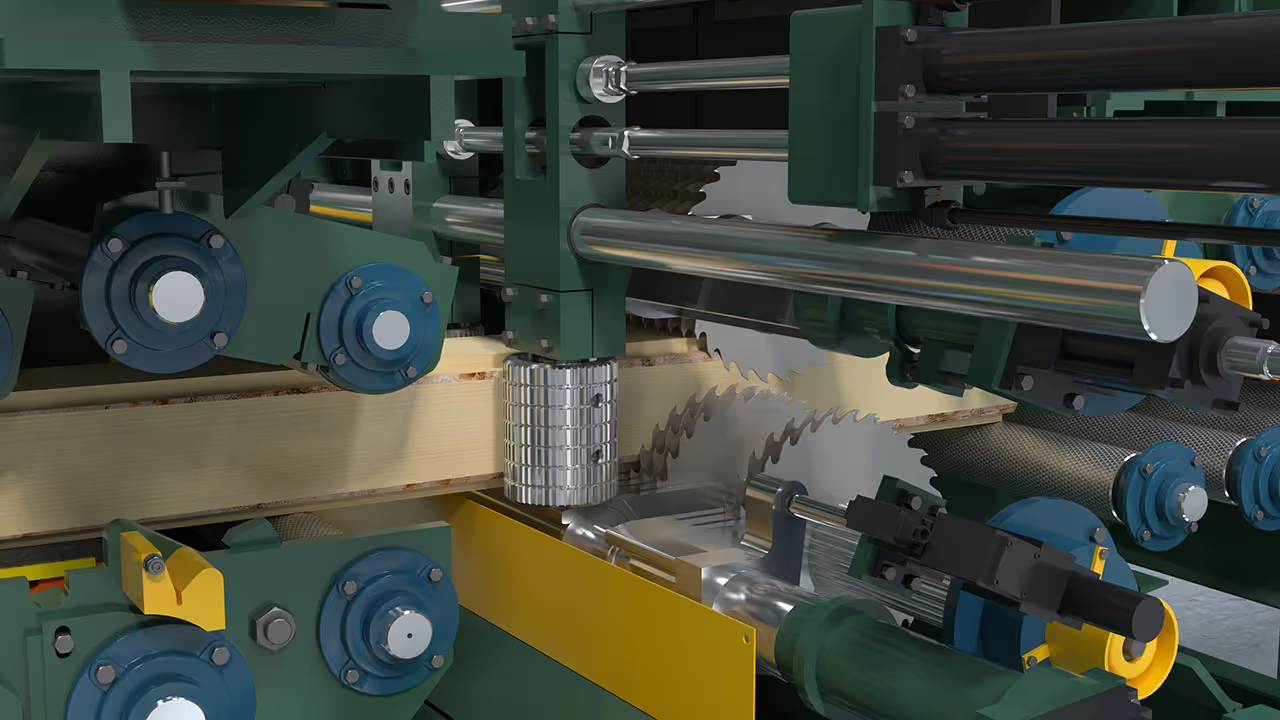 Usnr USNR horizontal curve sawing system
 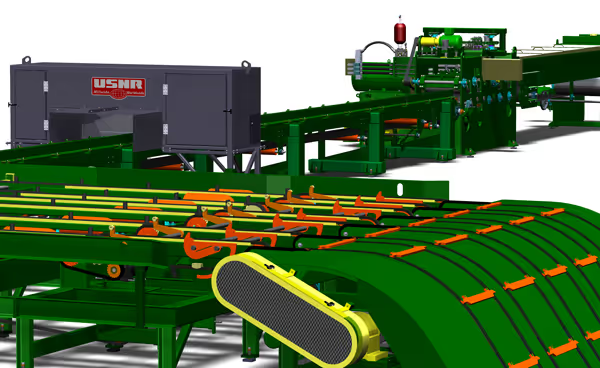 Usnr USNR “Wiggle Box” edger
 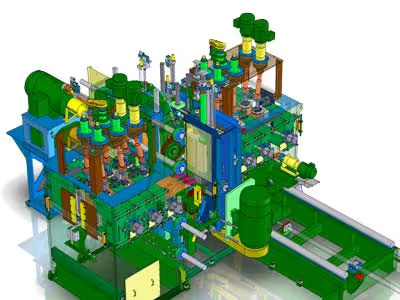 Usnr USNR vertical arbor sawing module
 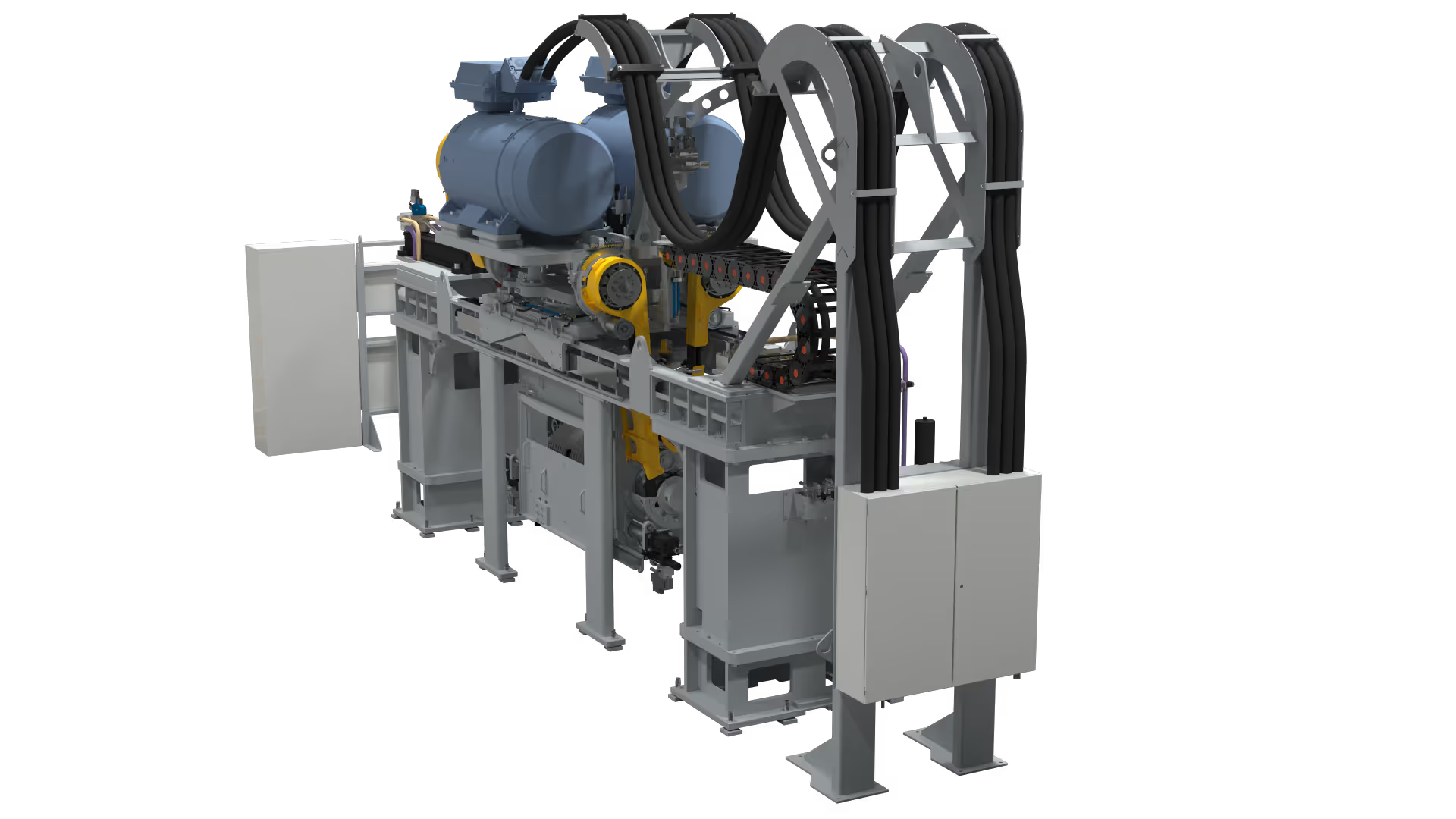 Usnr Compact Shape Saw System USNR
 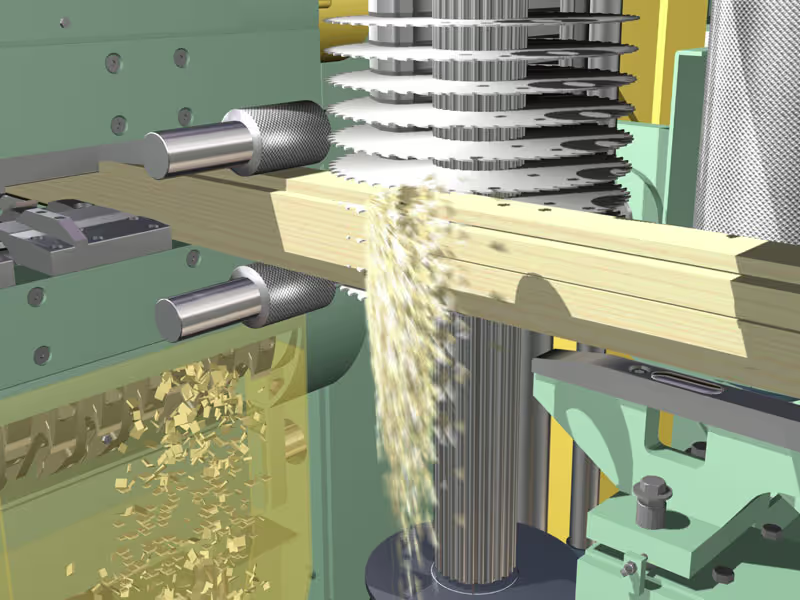 Usnr Vertical curve sawing system (“VSS”)
 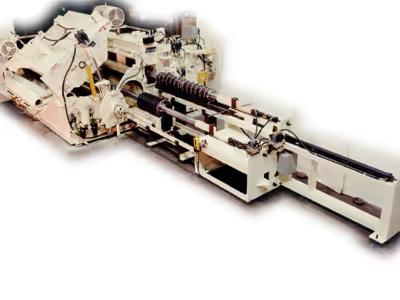 Usnr USNR resaw module for solid timber
 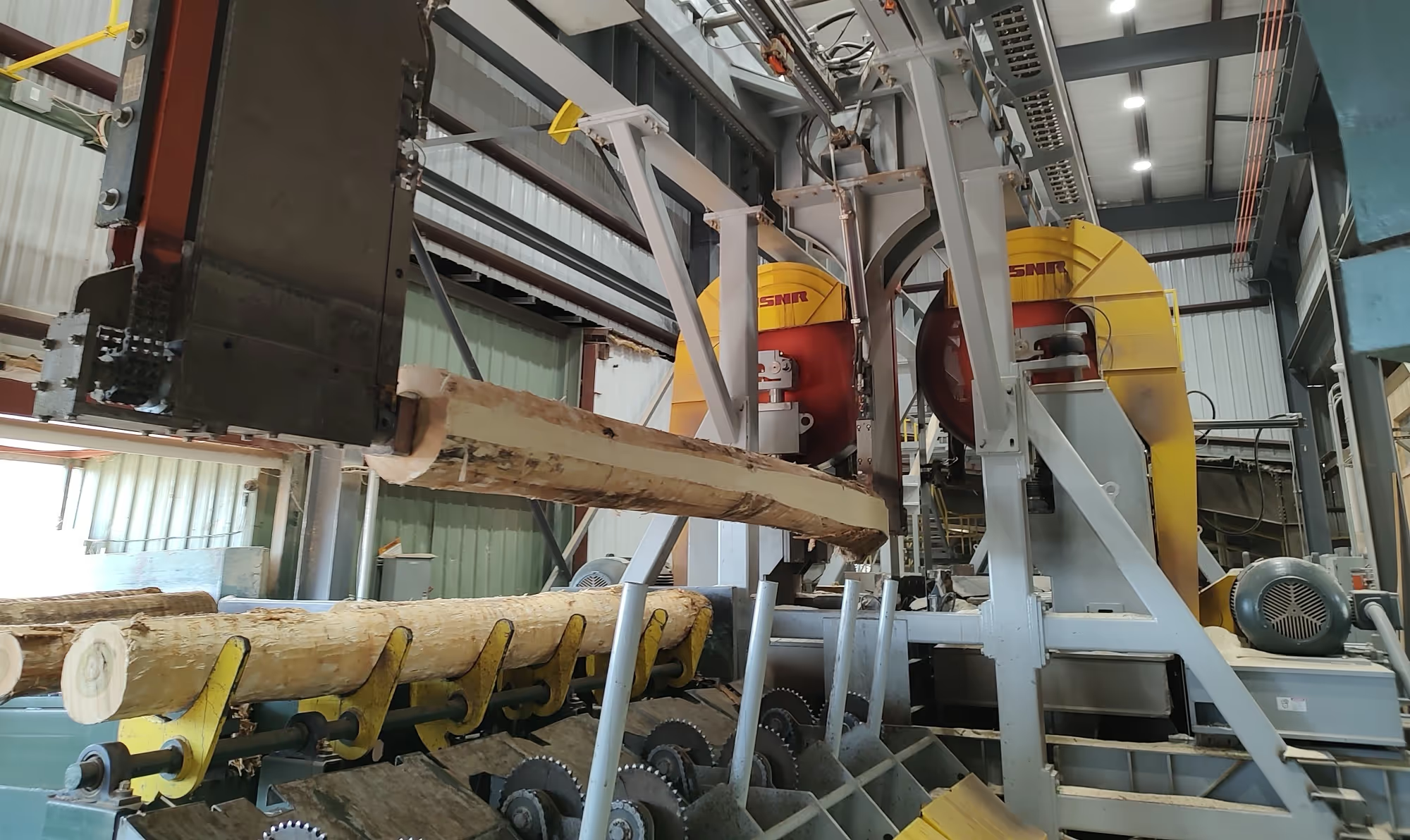 Usnr End-Dog Carriage System USNR
 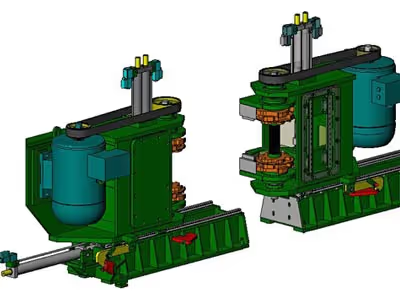 Usnr USNR vertical arbor profilers
 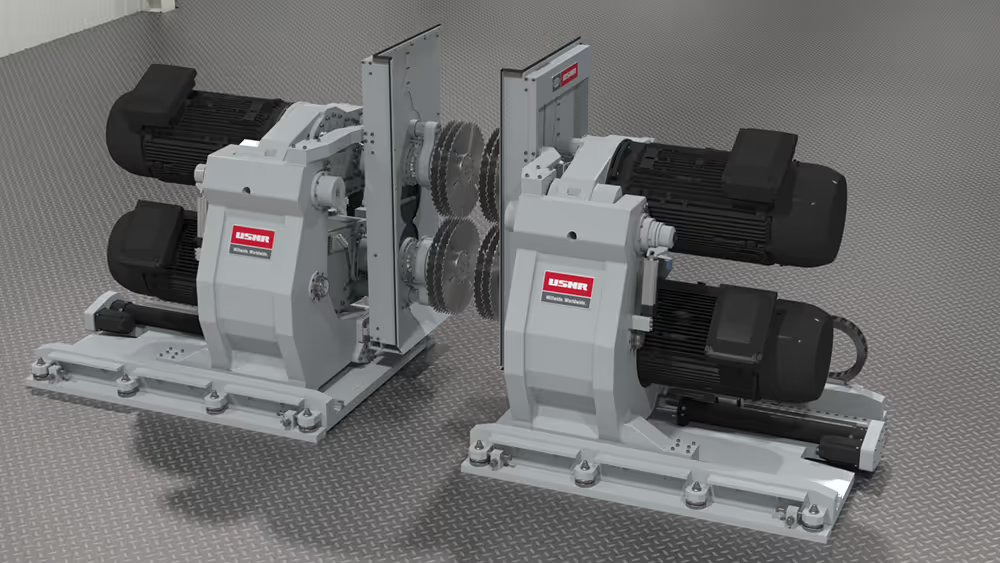 Usnr USNR Eurosaw S6D
 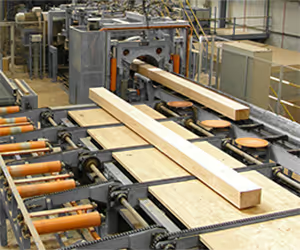 Usnr SuperSaver System USNR
 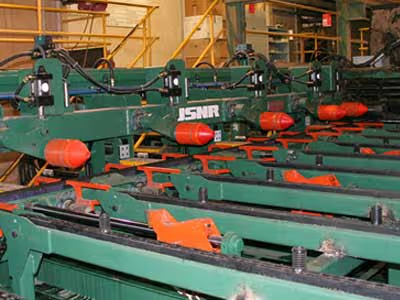 Usnr USNR Maximizer edger infeed system
 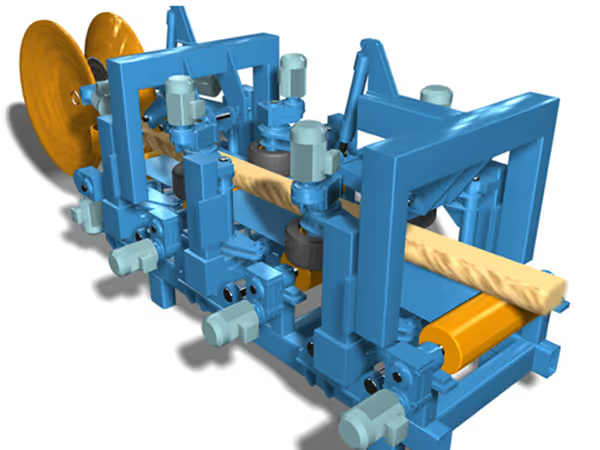 Usnr USNR 430 series cant loader Usnr USNR splitter module saw
 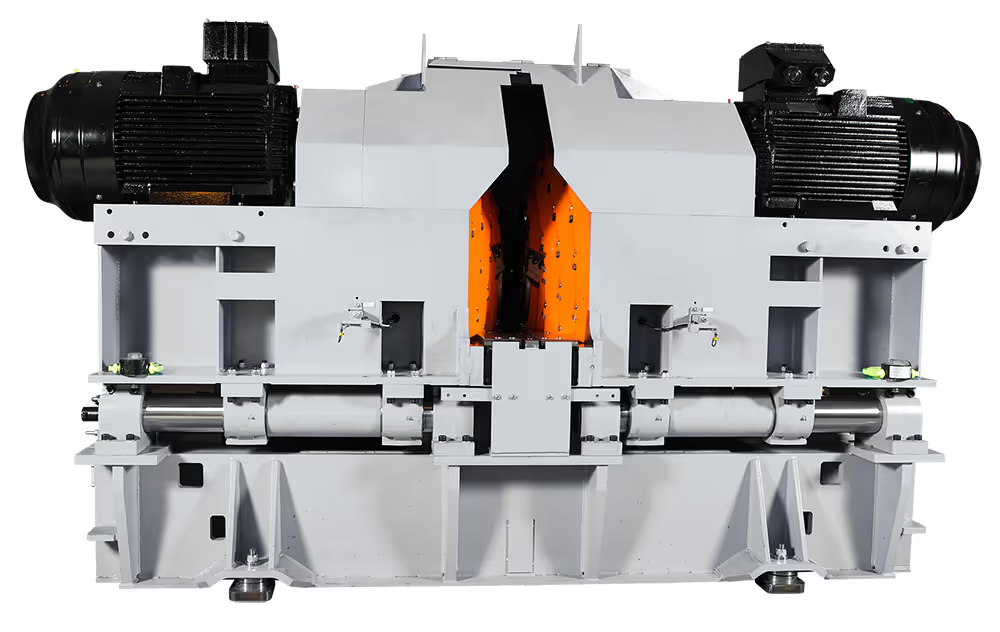 Usnr USNR 2500 canting and chipping system
 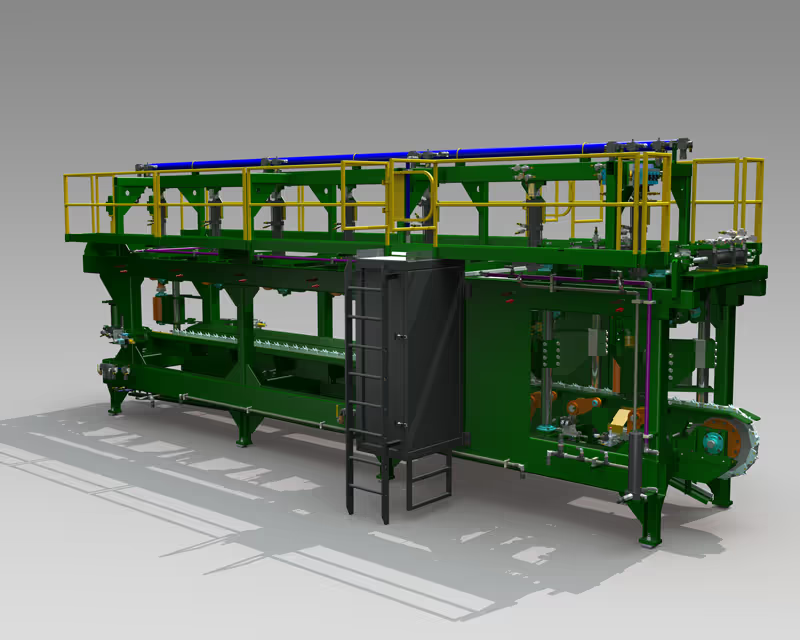 Usnr USNR infeed
 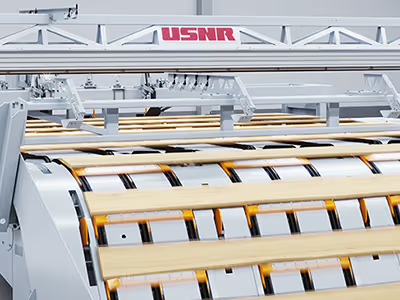 Usnr USNR Catech edging system
 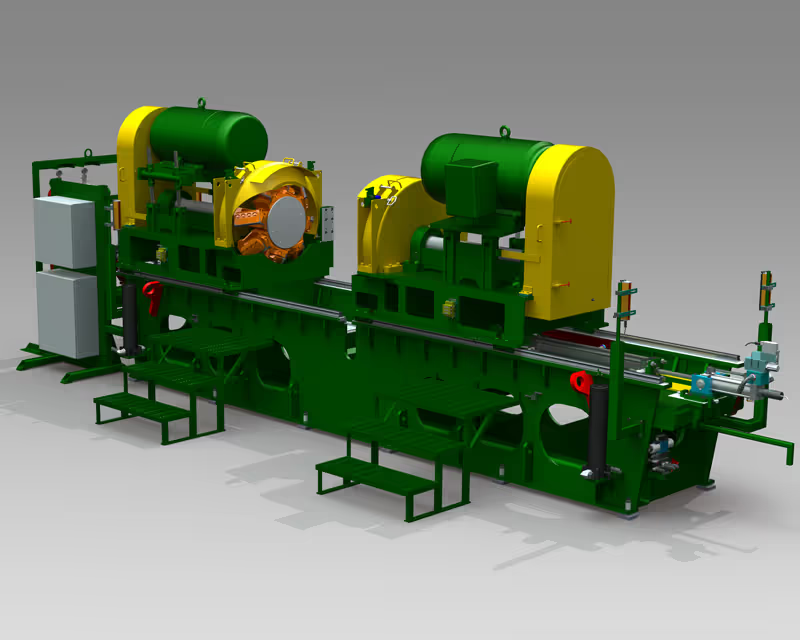 Usnr USNR horizontal canter chipper
 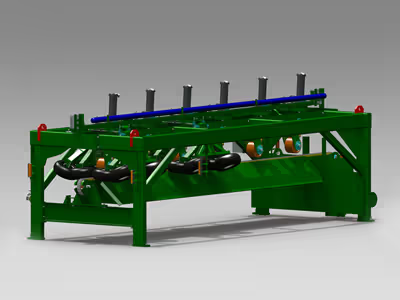 Usnr USNR side board handling
 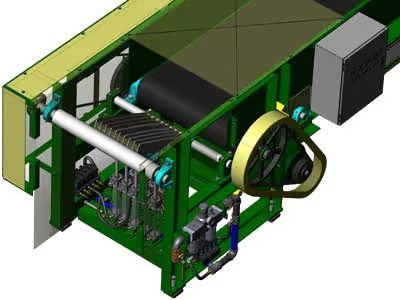 Usnr USNR lug finger discharge
 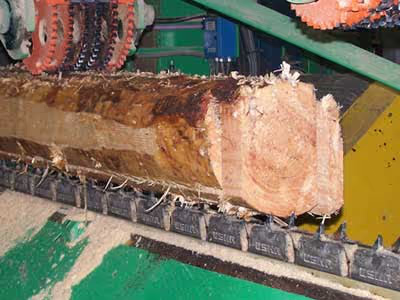 Usnr USNR spiked chain feeder
 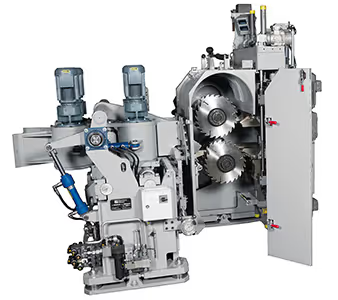 Usnr USNR Eurosaw FDP
 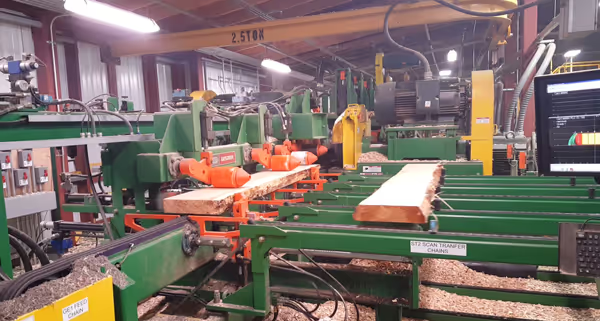 Usnr USNR Maximizer infeed system
 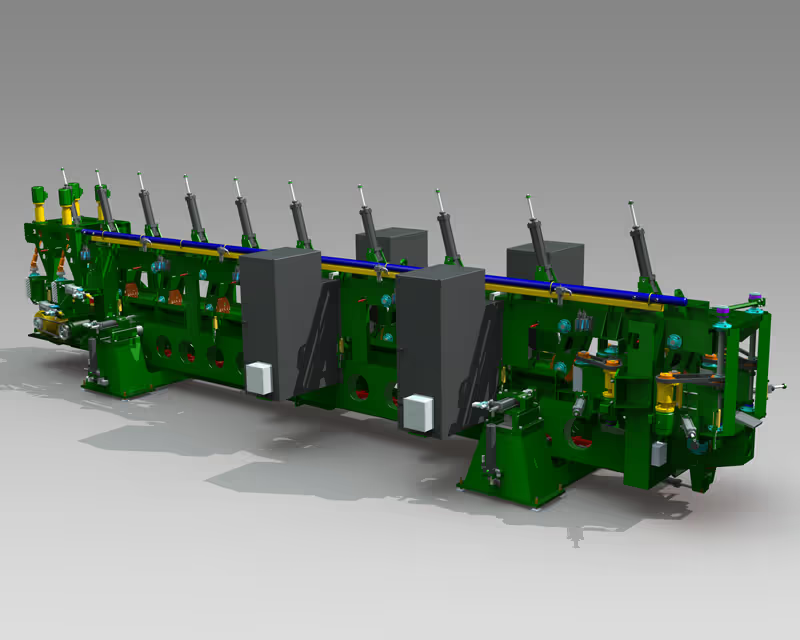 Usnr USNR “ELI” – long-reach feeder
 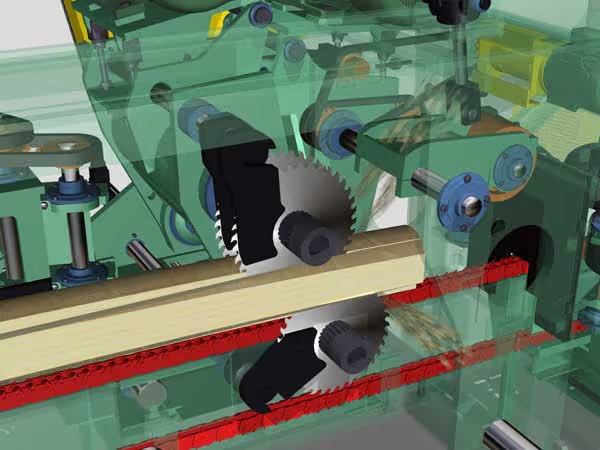 Usnr USNR quad arbor circular saw module
 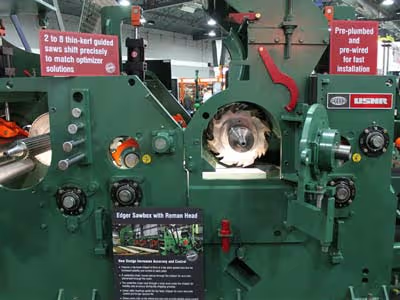 Usnr USNR 4TA "Schurman" edger
 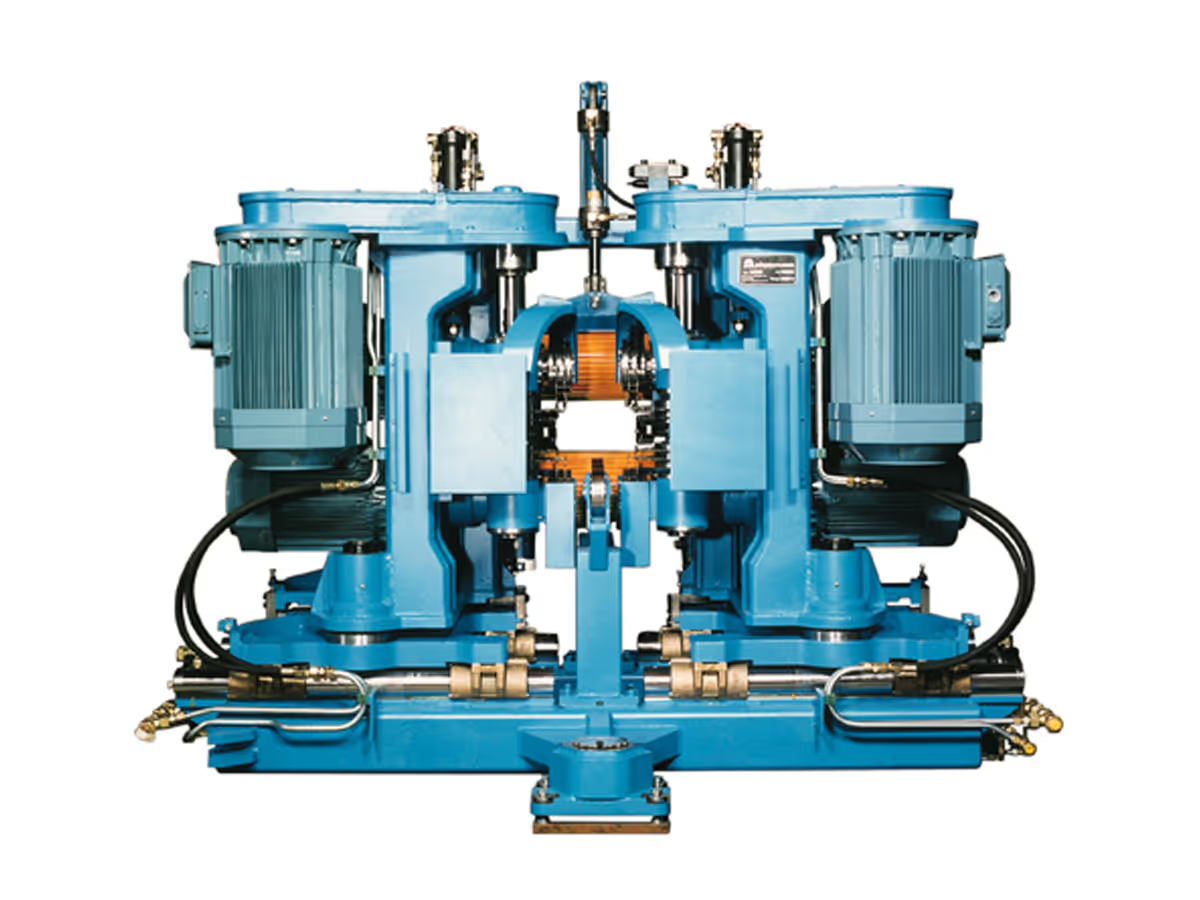 Usnr USNR ProfiSaw cant profiler
 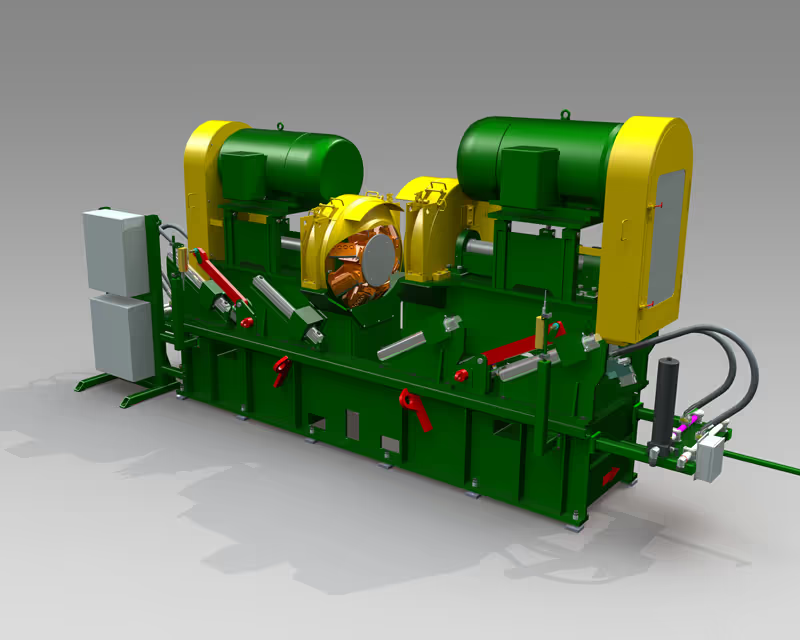 Usnr USNR “Vee-Chipper” canting system
 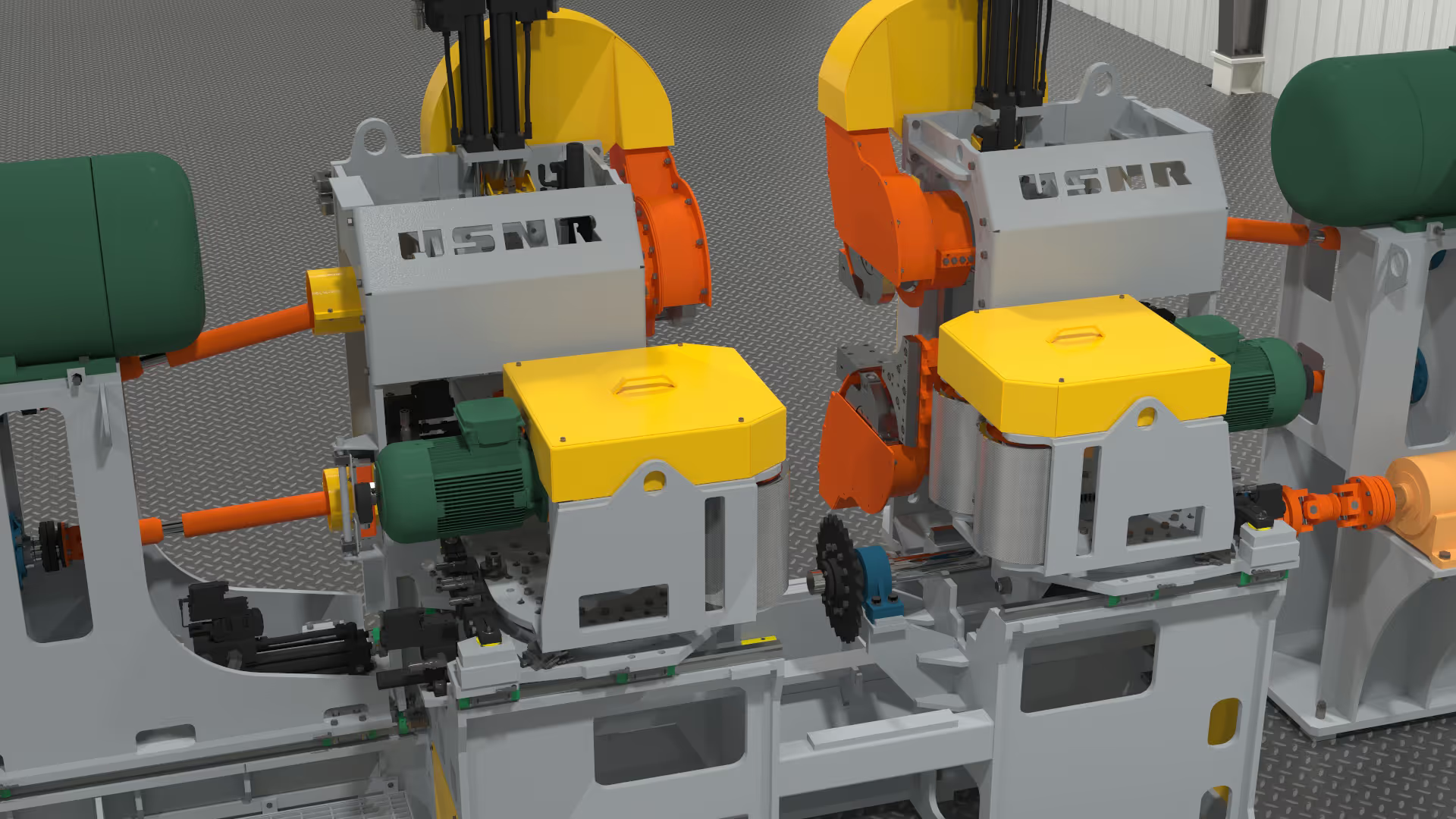 Usnr USNR horizontal arbor profilers
 42 of 61 products
Discover sawing lines to increase your production and get the most out of every log.
The sawing line turns the log into saleable products and determines the sawmill's material yield. Every poorly placed cut means lost volume or a downgraded piece. Dimensional accuracy, throughput and the recovery of by-products (slabs, edgings, sawdust) depend directly on its design.
In the sequence of primary processing machines, it receives logs prepared by the log yard and the debarkers. The sawn timber produced then goes to the drying kilns.
The line configuration depends on the species, the diameters processed and the target products. A high-volume softwood sawmill favours high-throughput machines, while a hardwood sawmill looks for more selective, log-by-log sawing.
A sawing line combines primary breakdown, resawing and optimisation machines. Their sequence and level of automation determine the overall capacity of the sawmill.
The complete sawing line integrates every station, from log infeed to sawn timber outfeed. Designed as a single system, it synchronises machines, conveyors and automation. This approach makes it easier to increase throughput and limits flow interruptions between stations.
The head saw makes the first cut in the log. The bandsaw, often paired with a log carriage, offers a thin kerf and suits large diameters and hardwoods. The circular saw achieves high output on more uniform diameters. Twin bandsaws cut two faces in a single pass.
The canter machines the faces of the log using chipping heads. It turns slabs directly into chips and produces a cant (a piece with flat faces) in a single pass. Combined with circular saws, it also extracts side boards. It is the standard equipment for high-volume softwood sawmills.
The multiblade saw breaks down a cant into several boards in a single pass. Multiple circular blades mounted on one or two shafts cut the piece simultaneously. Some models curve-saw to follow the natural shape of the log and improve material yield.
The edger removes wane (the rounded part on the edges) from boards coming from primary breakdown. It gives pieces straight, parallel edges. Equipped with a scanner, it automatically positions its blades to obtain the greatest possible width on each board.
The resaw re-cuts cants or flitches into thinner sections. Also called a resawing machine or splitter, it brings pieces to standard commercial sizes. It also adds value to thick pieces by turning them into several products of smaller section.
Infeed and optimisation equipment places each log in the position that maximises its yield. Scanners measure the shape of the log, then software calculates the best cutting pattern. Log turners then orient the log and feeders present it precisely to the cutting machine.
Choosing a sawing line depends first on the logs to be processed and the products to be obtained. The species, diameter range and desired cross-sections guide the choice between a bandsaw, circular saw, canter, multiblade saw or a combination of several machines. The target throughput then determines the level of mechanisation required.
On the most automated lines, scanners, optimisation systems, log turners and feeders position each log to make the best use of the material. To compare two installations, you therefore need to consider their production capacity, the accepted wood dimensions, the achievable products and their level of automation.
WoodPartners brings together sawing equipment for primary breakdown, resawing and sawing optimisation.
Explore the solutions offered by USNR, VBI Bois and André Technologies, among others, compare their specifications and identify the machines that suit your production set-up.
Filters by equipment type and manufacturer location let you quickly narrow down the selection before requesting a quote directly.
Your privacy
We use trackers to measure site audience and improve your experience. You can decline without changing anything about your browsing. See our privacy policy