
Black cladding
Discover our selection of 7 references in Black cladding . In just a few clicks, contact wood industry experts directly and get personalized advice for your project.

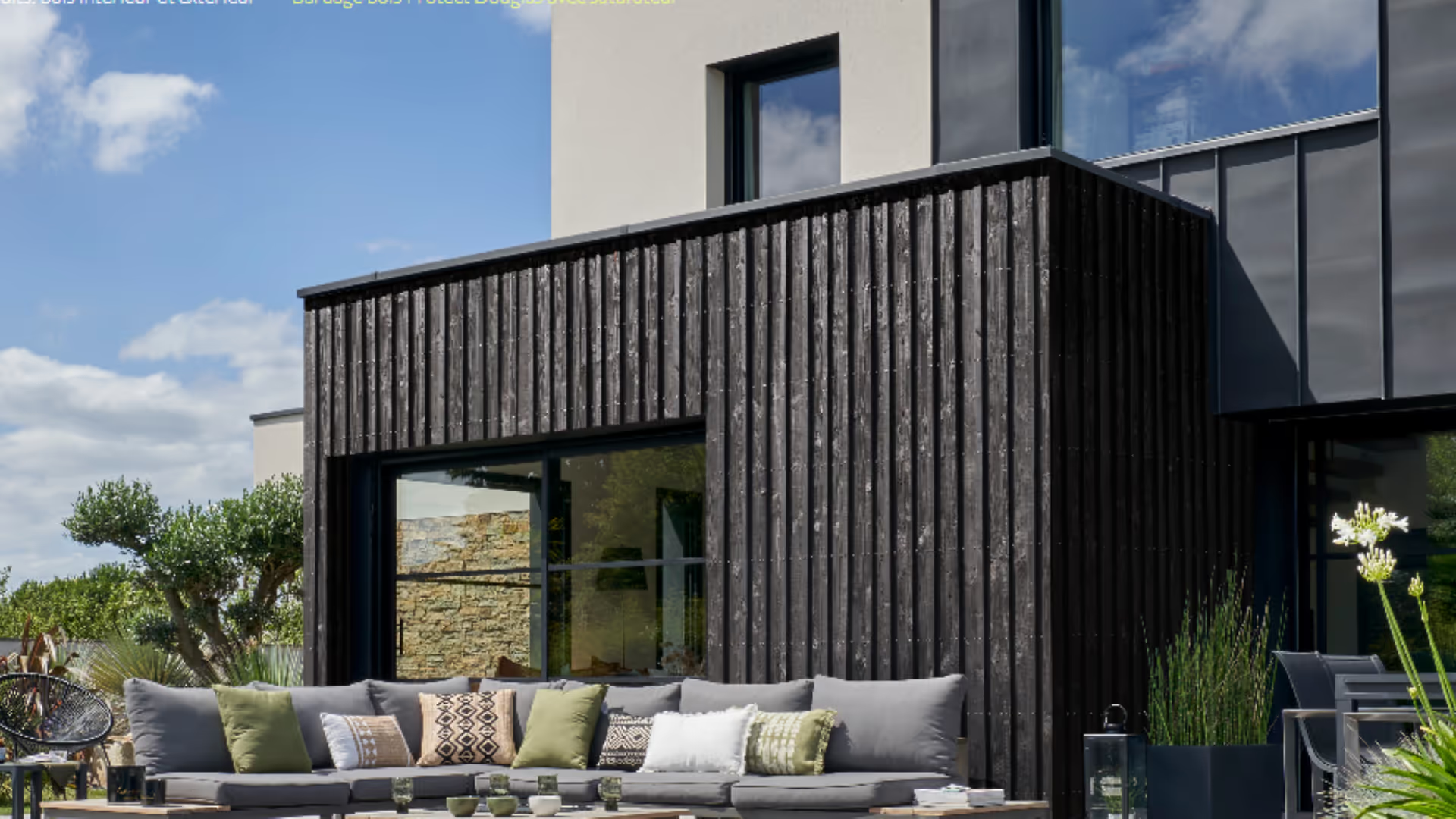

Black cladding: excellence and durability for modern facades
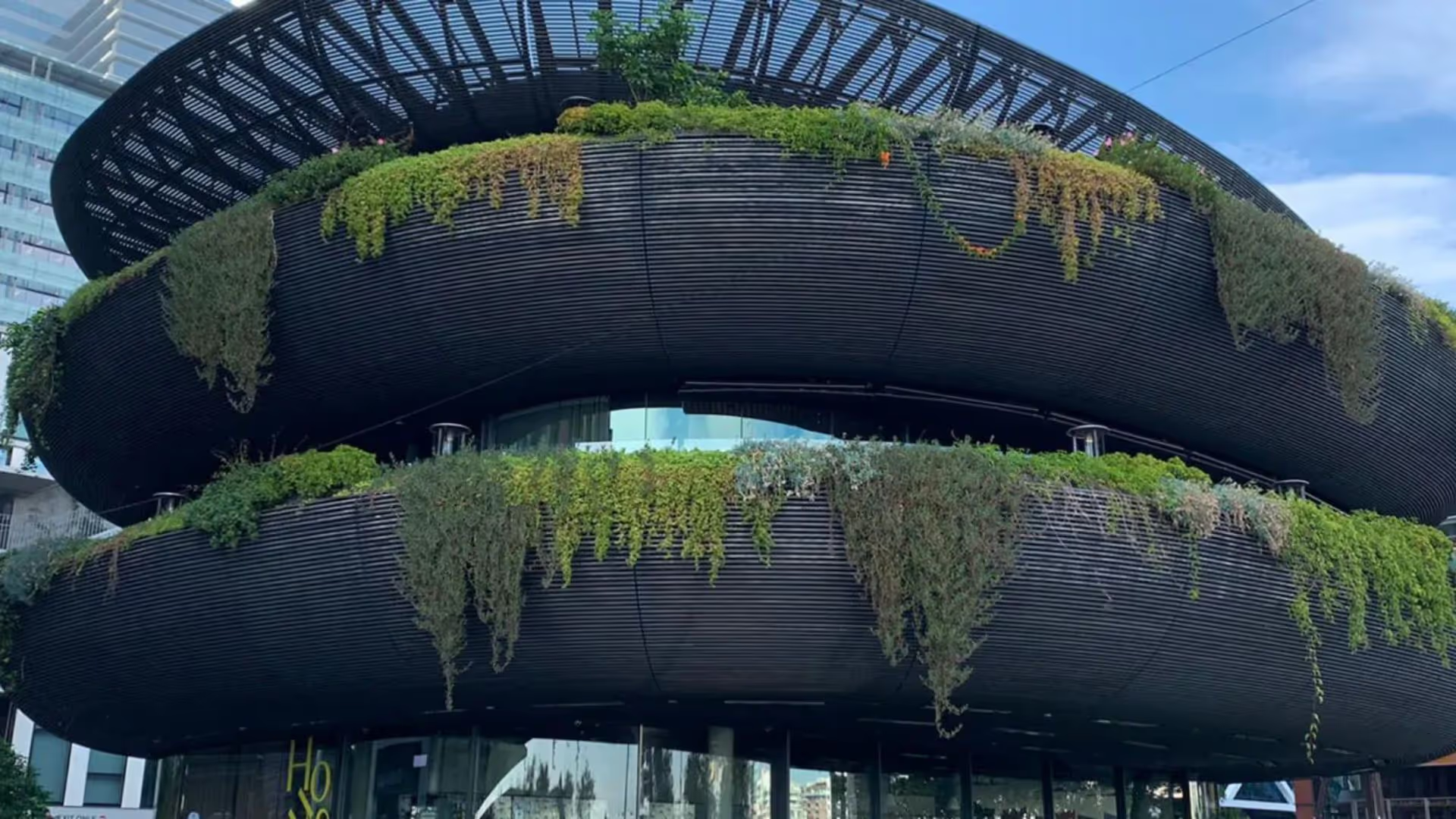
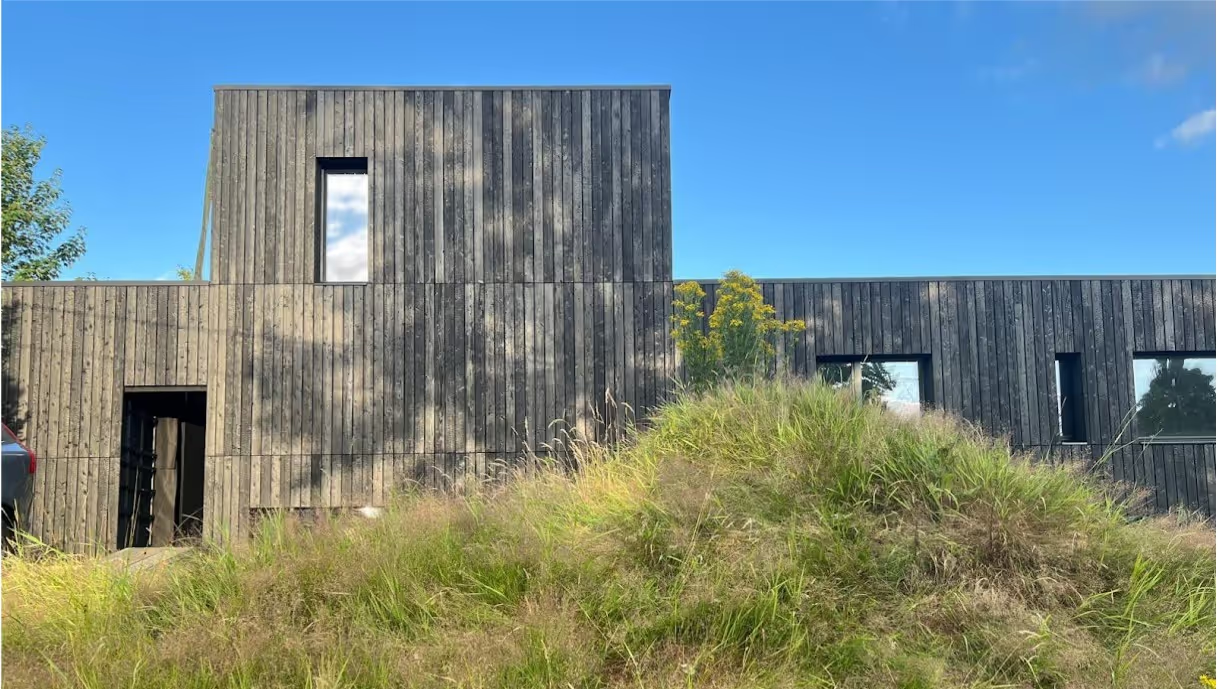
Black cladding is a leading exterior covering for anyone looking to combine modern aesthetics with high technical performance . Applied to residential or commercial buildings, it is available in various materials such as wood, metal, PVC or composite, all treated or finished in black for a sophisticated, timeless look. This variety reflects not only an aesthetic choice but also a range of functional, environmental and economic benefits, making black cladding a smart choice for any new build or renovation.
The many benefits of black cladding
Protection and resilience
Black cladding forms a protective barrier against the elements, defending the building against weather, moisture, insect attack and impact. Depending on the material, its resistance to fire, corrosion, UV and mould makes it a cladding of choice for areas exposed to harsh climates or specific environmental risks. This results in significantly reduced maintenance, usually limited to occasional cleaning with soapy water.
Insulation and energy savings
As part of a ventilated facade system, black cladding helps improve the thermal and acoustic insulation of buildings. It helps reduce heat loss and block outside noise, leading to substantial savings on heating and cooling costs while improving indoor comfort.
Aesthetics and added value
The distinctive look of black cladding adds character to any building and suits many architectural styles, from traditional to contemporary. It can significantly enhance a property's visual appeal and thus increase its market value. The variety of materials available allows customisation in texture, size and pattern.
Materials available for black cladding:
Discover the main materials and their uses for this cladding colour
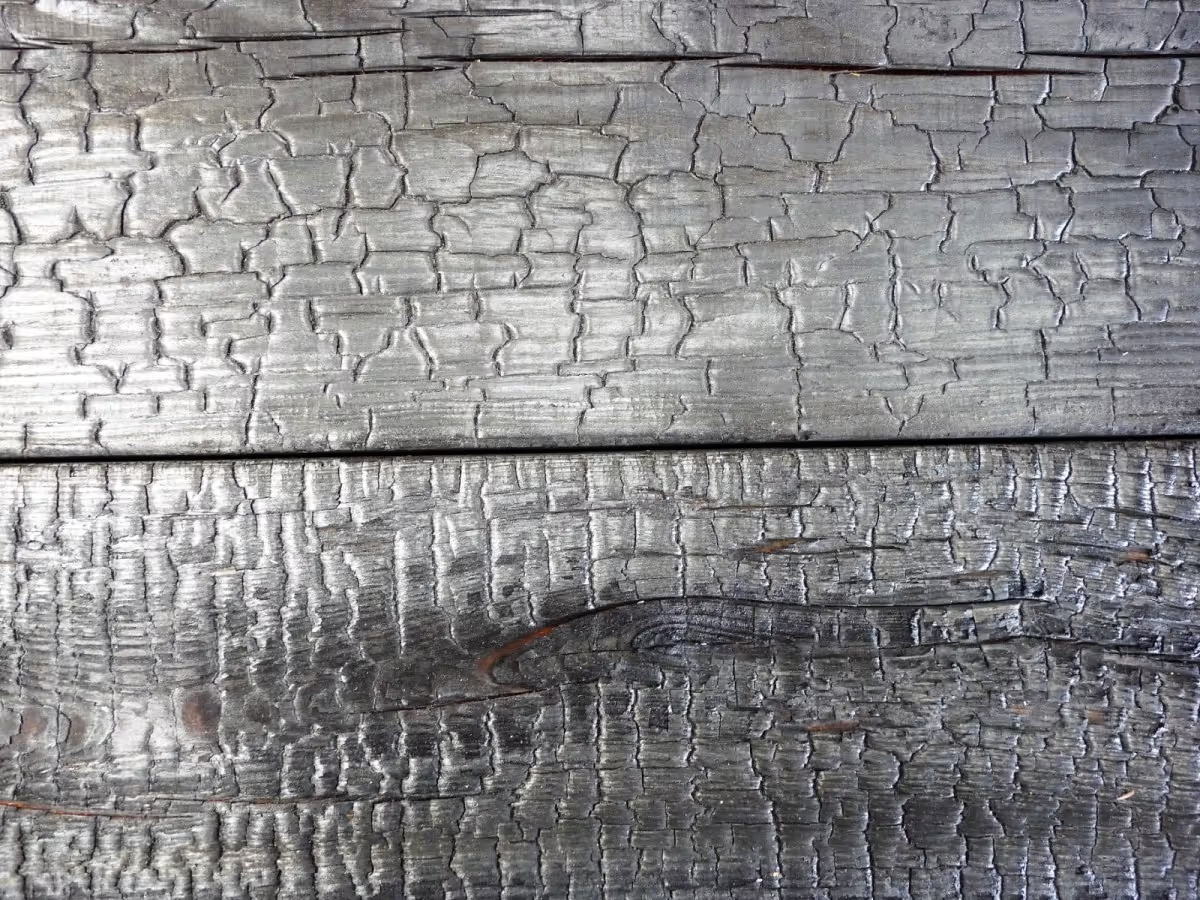
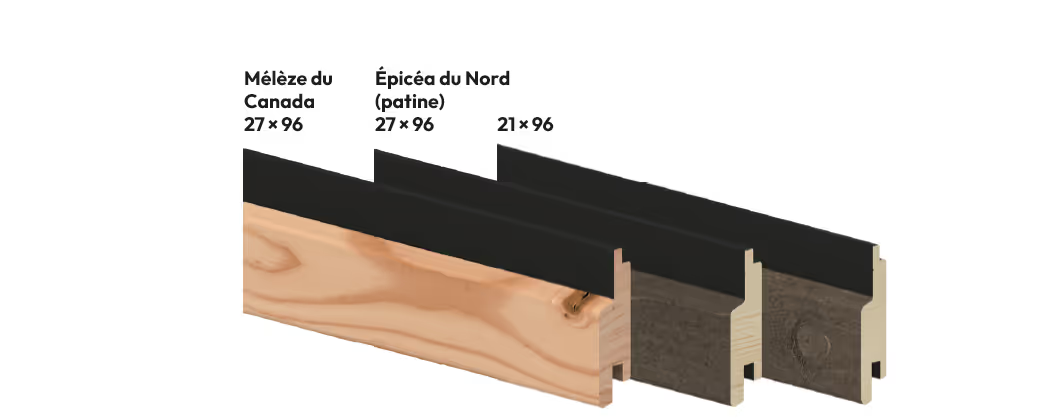
Black wood: Wood combines warmth and natural character with the elegance of black. Treated to withstand the elements, black wood cladding requires periodic maintenance to preserve its integrity and appearance. Its environmental impact is moderate thanks to the durability and renewability of wood, making it an attractive option for projects focused on their environmental footprint. Wood species used: Larch, cedar, Douglas fir, pine, Accoya, Thermowood, etc.
Black metal: Steel and aluminium are the preferred metals for black cladding, offering lightness, strength and durability. Their lacquered or powder-coated finish ensures long-term resistance to weather and mechanical damage. Metal is a good choice for contemporary and industrial designs, adding a modern, refined architectural touch.
Black PVC: PVC is an economical, practical option for black cladding. Its natural resistance to weather, UV and mould, combined with easy installation and maintenance, makes it a popular choice for budget-conscious projects without compromising on appearance.
Black composite: Composite, a blend of wood fibres and synthetic resins, is an innovative alternative that imitates wood or metal while eliminating some of their drawbacks. Its dimensional stability and resistance to fading, cracking and warping make it a material of choice for a long-lasting facade.
Practical tips for choosing and installing black cladding
- Climate suitability: assess the strength and suitability of the chosen material for local climate conditions.
- Professional installation: installation by experts ensures the durability and performance of the cladding.
- Maintenance: although generally low, appropriate maintenance is essential to preserve the appearance and performance of the cladding over the long term.
In conclusion, black cladding is a versatile exterior covering that combines aesthetics, durability and performance. The choice should be based on careful consideration of architectural style, environmental conditions and the specific goals of each project to take full advantage of its benefits.