
Composite cladding
Discover our selection of 11 references in Composite cladding . In just a few clicks, contact wood industry experts directly and get personalized advice for your project.
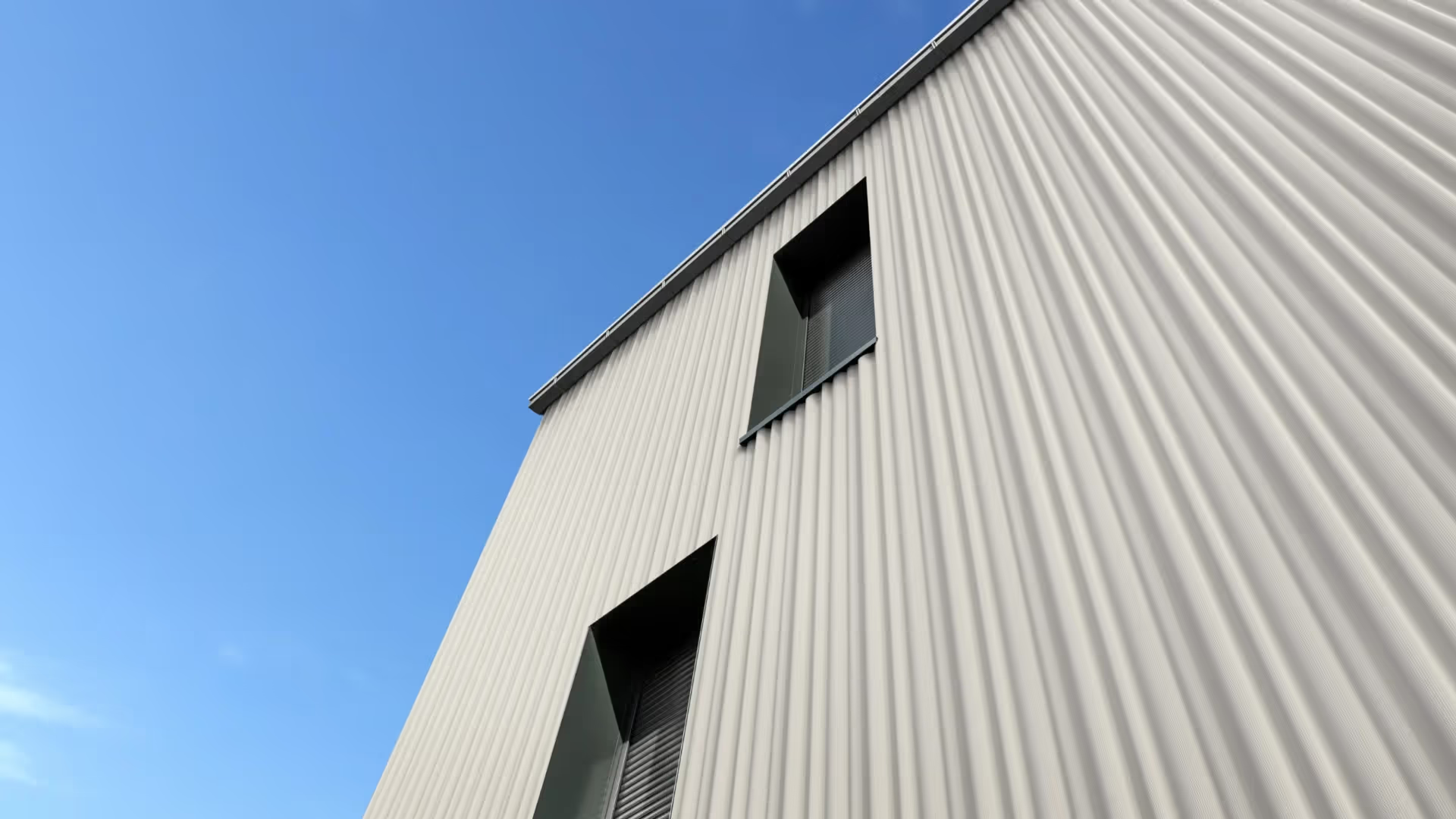

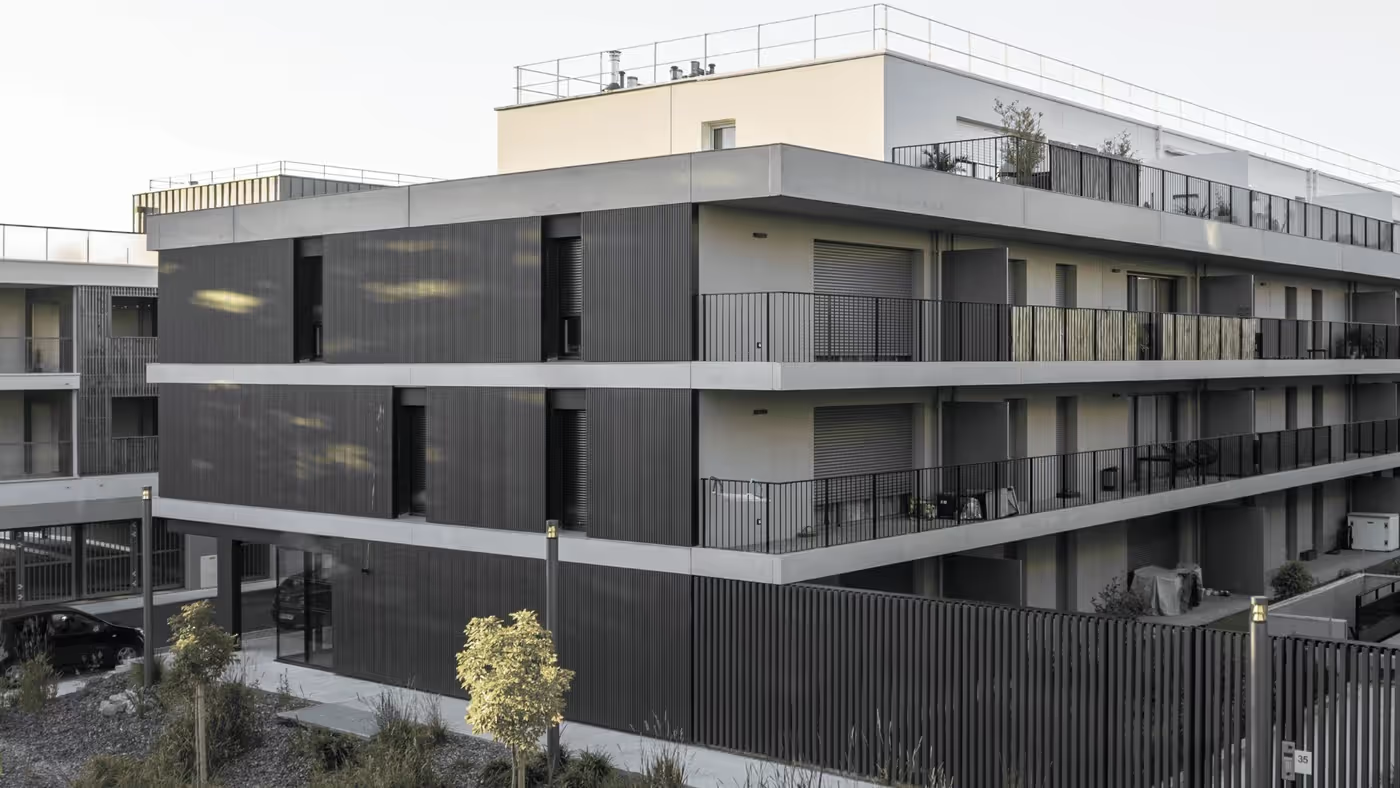
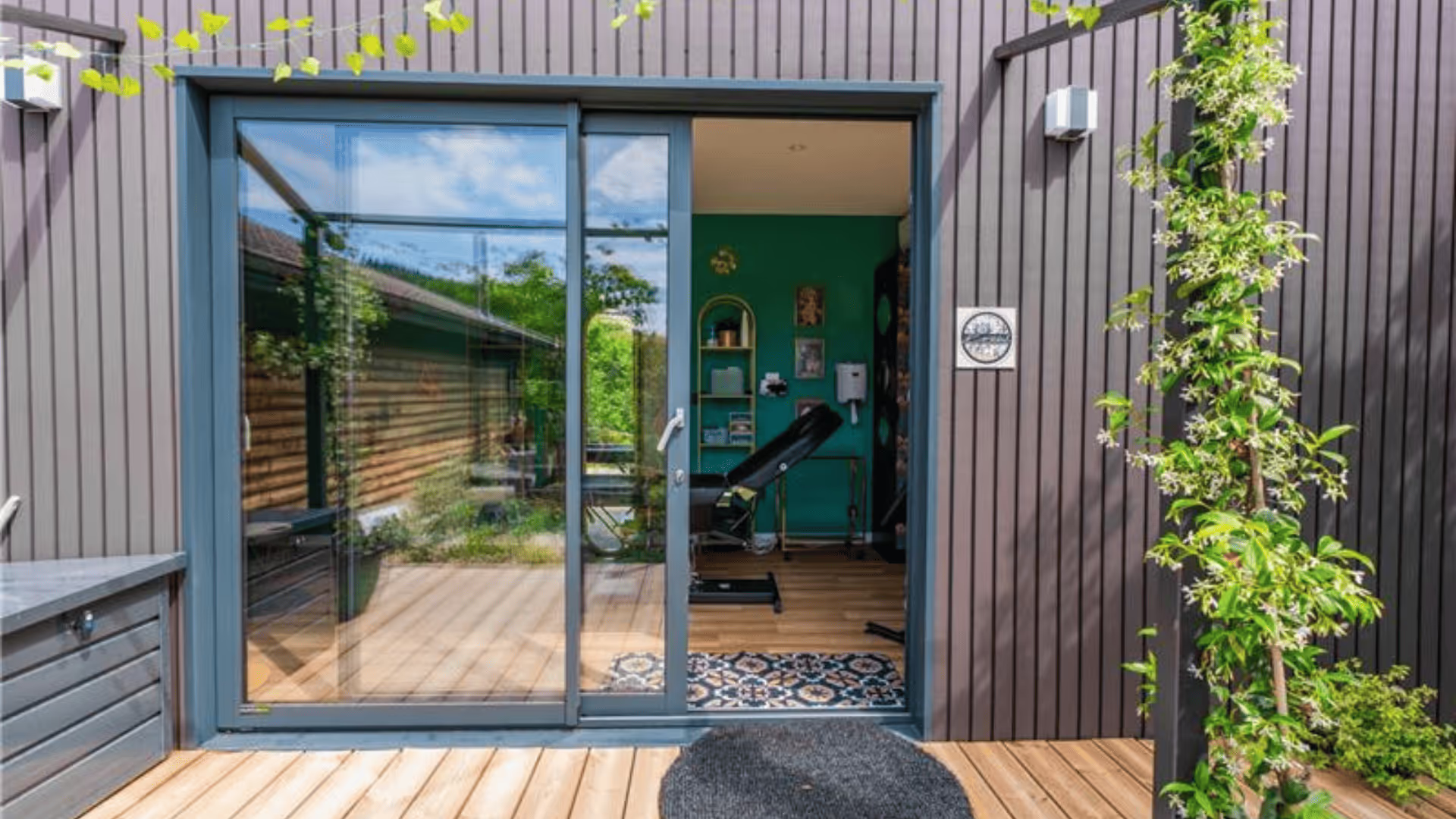
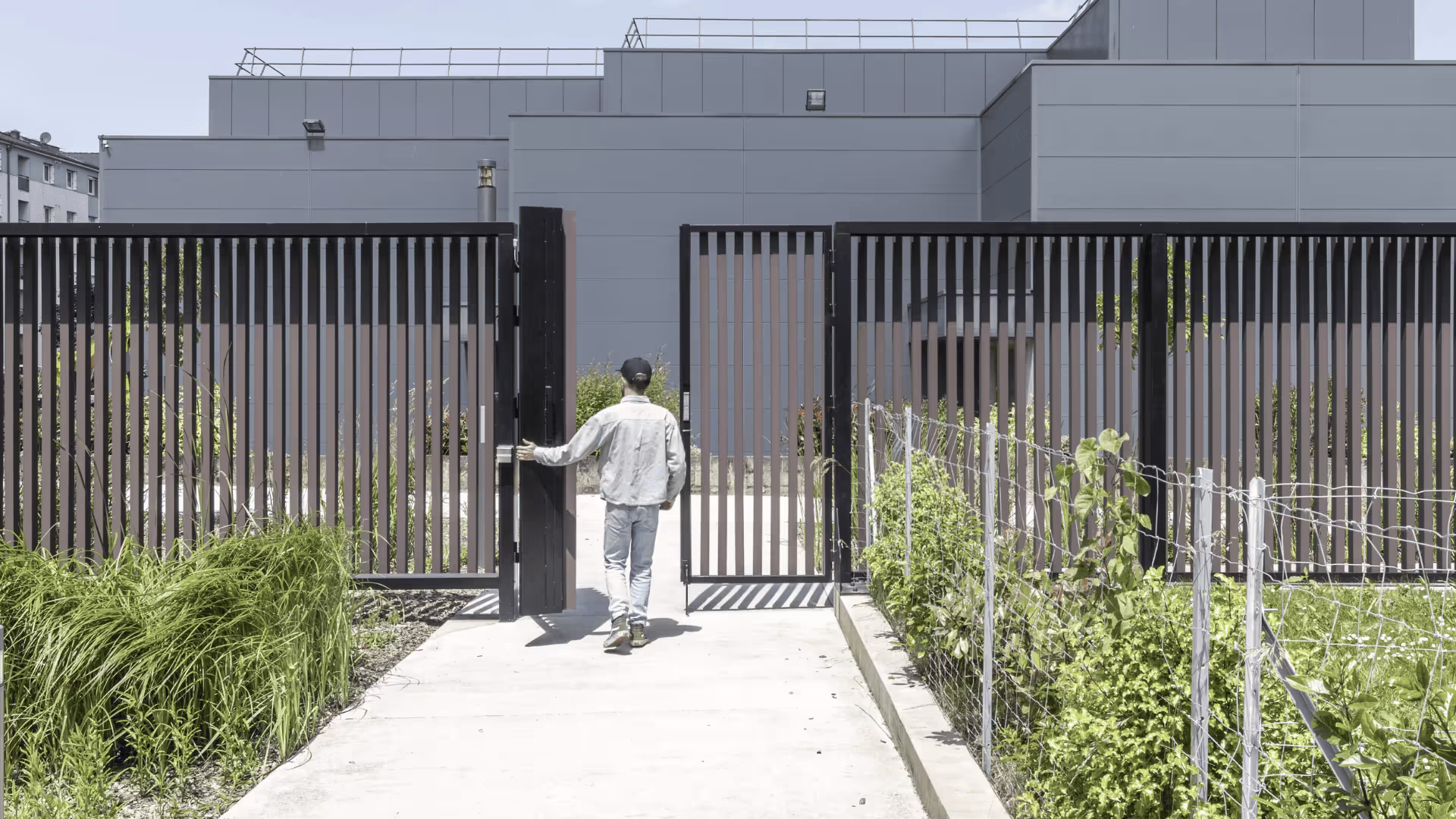
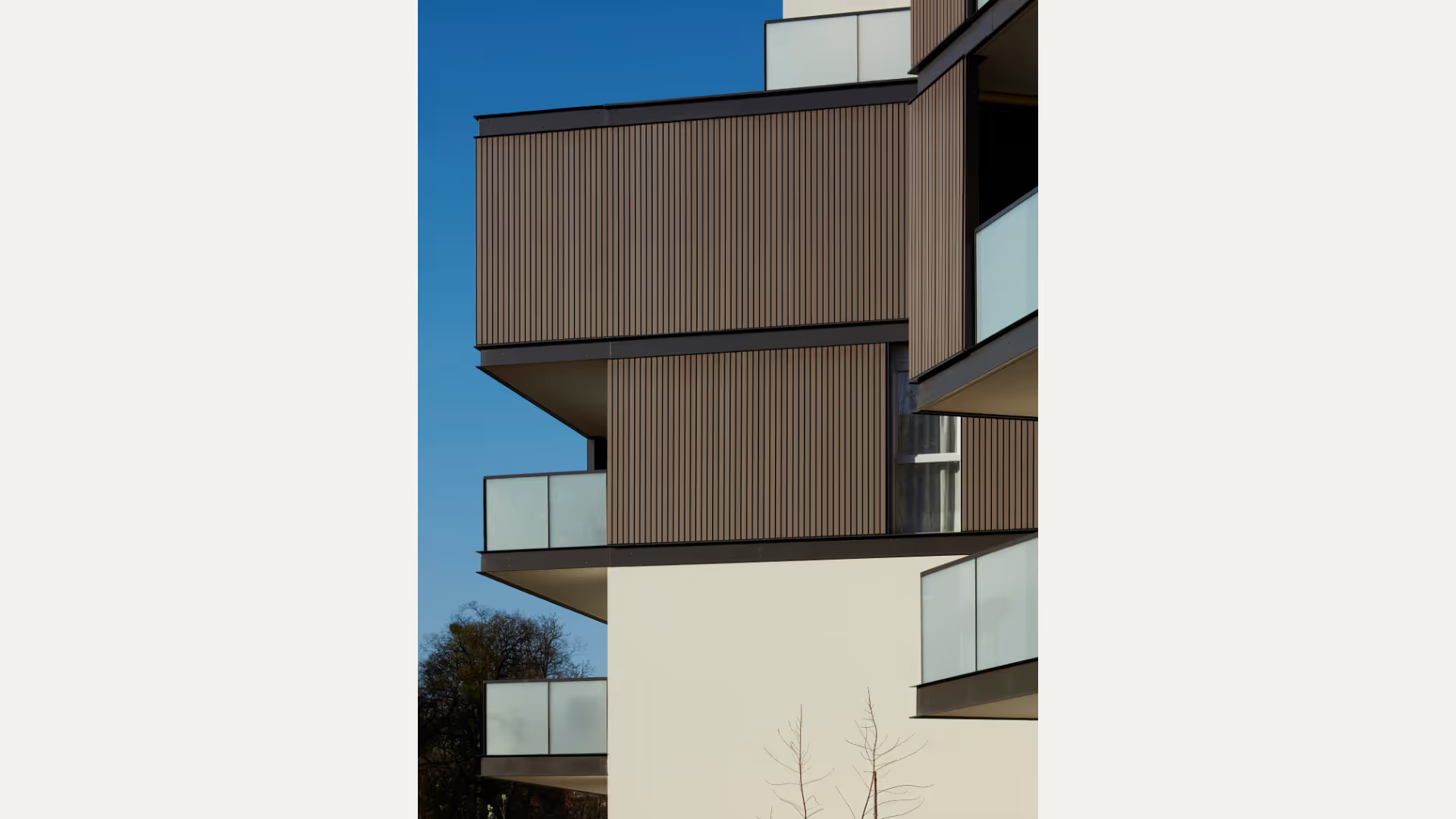
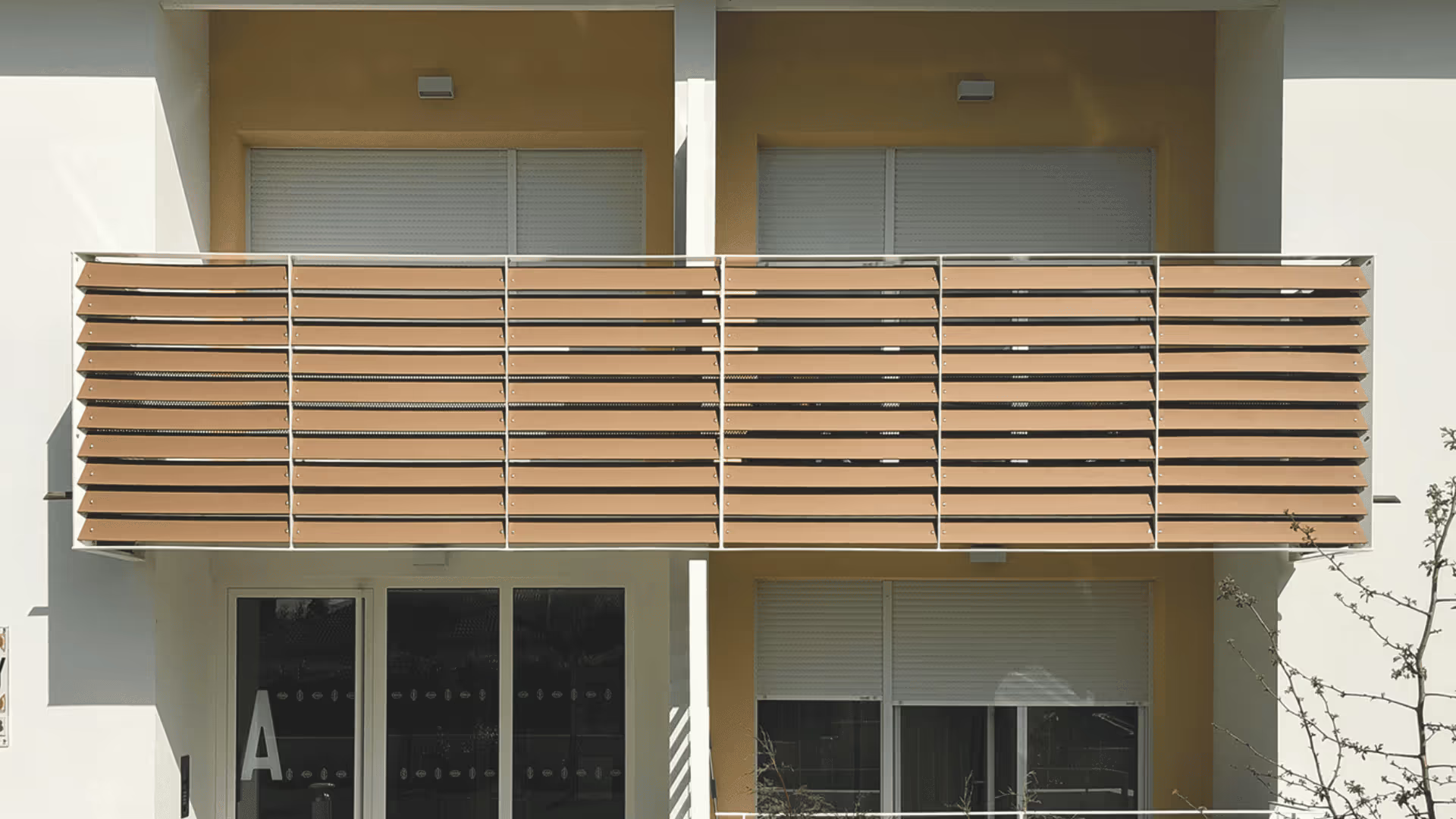
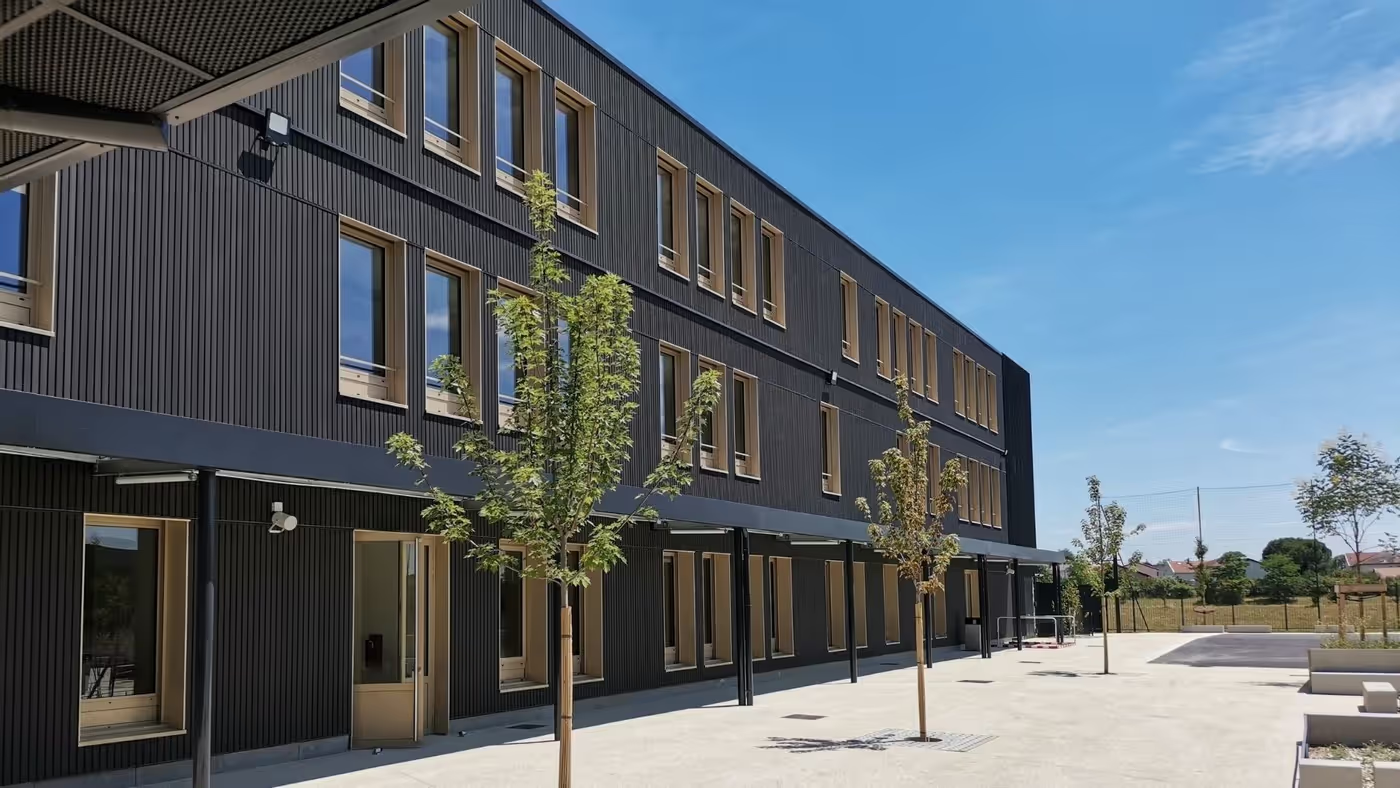
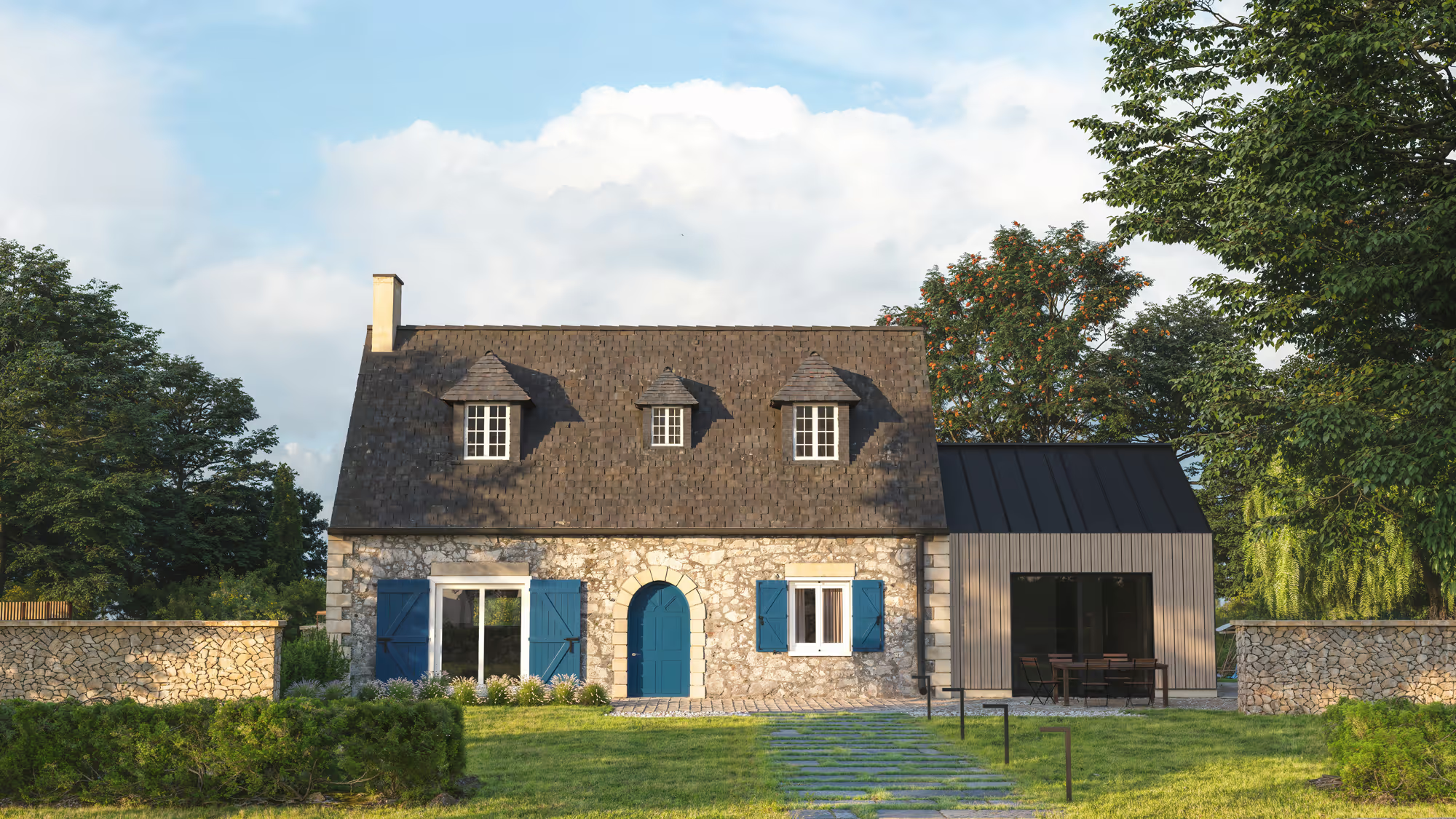
11 of 11 products
What is composite cladding?
Composite cladding is an exterior facade covering that can imitate different materials such as wood (known as wood-composite cladding), metal or stone. It is made from a blend of several components, such as wood fibre, aluminium and plastic polymers.
A panel of composite cladding for exterior use (lap board, board or sheet) offers several benefits for your house facade, such as durability, resistance to weather, fungi and insects, low maintenance and easy installation. It can also be used as the finishing layer of an external wall insulation system.
Composite cladding comes in different designs, colours and sizes to suit any facade. It can be open-joint, tongue-and-groove or panel-based. It can also imitate various looks, such as limed wood, redwood or teak. Composite cladding boards are available from specialist suppliers or online.
How much does composite cladding cost per m²?
Installed composite cladding costs between €70 and €150 per m² depending on the type (panel, sheet, board or lap board, composition, size, etc.) and product quality. Composite cladding is generally more expensive than standard wood, but more durable and maintenance-free.
How to choose composite cladding for your facade?
To choose the composite cladding that suits you best, here are a few tips:
First, choose the composite formulation that suits you best, as it largely determines the final appearance of your home. Composite cladding is available in wood fibre and synthetic resin, wood and glass fibre, or wood and polymer.
Next, choose a composite cladding that fits your budget. The price varies with quality, finish, colour and installation. Allow between €40 and €150 per m² installed.
Then, , consider the design of your composite cladding. It is available as standard boards, lap boards (interlocking boards), panels or sheets. You can choose the shape, width, thickness, texture and colour you like best.
Finally, the fixing method is also important when choosing your cladding. Composite cladding can be nailed, screwed or clipped. The fixing method affects ease of installation, appearance and durability.
What types of exterior composite cladding are available?
There are different types of composite cladding depending on their composition:
Wood fibre and synthetic resin exterior composite cladding:: this is the most common type and the closest to natural wood. It provides good thermal insulation for your house facade and requires no maintenance. It is available in several colours and textures.
Wood and glass fibre composite cladding: : a light, strong material that resists weather, UV, insects and fungi. It looks more modern than standard wood and comes in several shapes and colours.
Wood and polymer composite cladding:: an eco-friendly, recyclable material that combines the benefits of wood and plastic. It is rot-proof and easy to install and maintain. It comes in various finishes and colours.
The design of composite cladding is also an important consideration. Composite cladding is available as standard boards, lap boards (interlocking boards), panels or sheets.. You can choose the shape, width, thickness, texture and colour you like best for your exterior composite cladding panel, lap board, board or sheet.
The fixing method of exterior composite cladding affects ease of installation, appearance and durability. Composite cladding can be nailed, screwed or clipped to your facade. Nailing is the cheapest method but the least discreet. Screwing is stronger but requires special screws. Clipping is the simplest and fastest method, but also the most expensive.
The orientation of your composite cladding panels or boards. You can install your composite lap boards vertically or horizontally, as you prefer.
Advantages and disadvantages of composite cladding
The advantages of composite cladding are:
-
It provides good thermal and acoustic insulation, reducing heat loss and noise.
-
It resists weather, UV, insects and fungi, and offers good fire behaviour. It does not rot, warp or crack.
-
It needs no special maintenance, unlike wood, which must be stained or painted regularly.
-
It offers a wide choice of colours (anthracite grey, beige, white, wood tones, etc.), textures, shapes and finishes. It can imitate natural wood or have a more modern look.
-
It is quick and easy to install with nailed, screwed or clip-on fixing systems.
The disadvantages of composite cladding for exterior use are:
-
It is more expensive than standard wood, but also more durable and maintenance-free. Allow between €40 and €150 per m² installed.
-
Depending on its composition, it can be polluting if it contains chlorinated compounds or volatile organic compounds. Check the product labelling and prefer eco-friendly cladding.
-
Depending on product quality, it can be sensitive to scratches and stains. Avoid impacts and splashes of corrosive products.
-
Depending on its composition, it can be difficult to recycle. Find out about the collection and treatment channels for the product.
Is there exterior composite panelling?
Exterior composite panelling is simply composite cladding; it is just another name for it.