
Red cladding
Discover our selection of 9 references in Red cladding . In just a few clicks, contact wood industry experts directly and get personalized advice for your project.
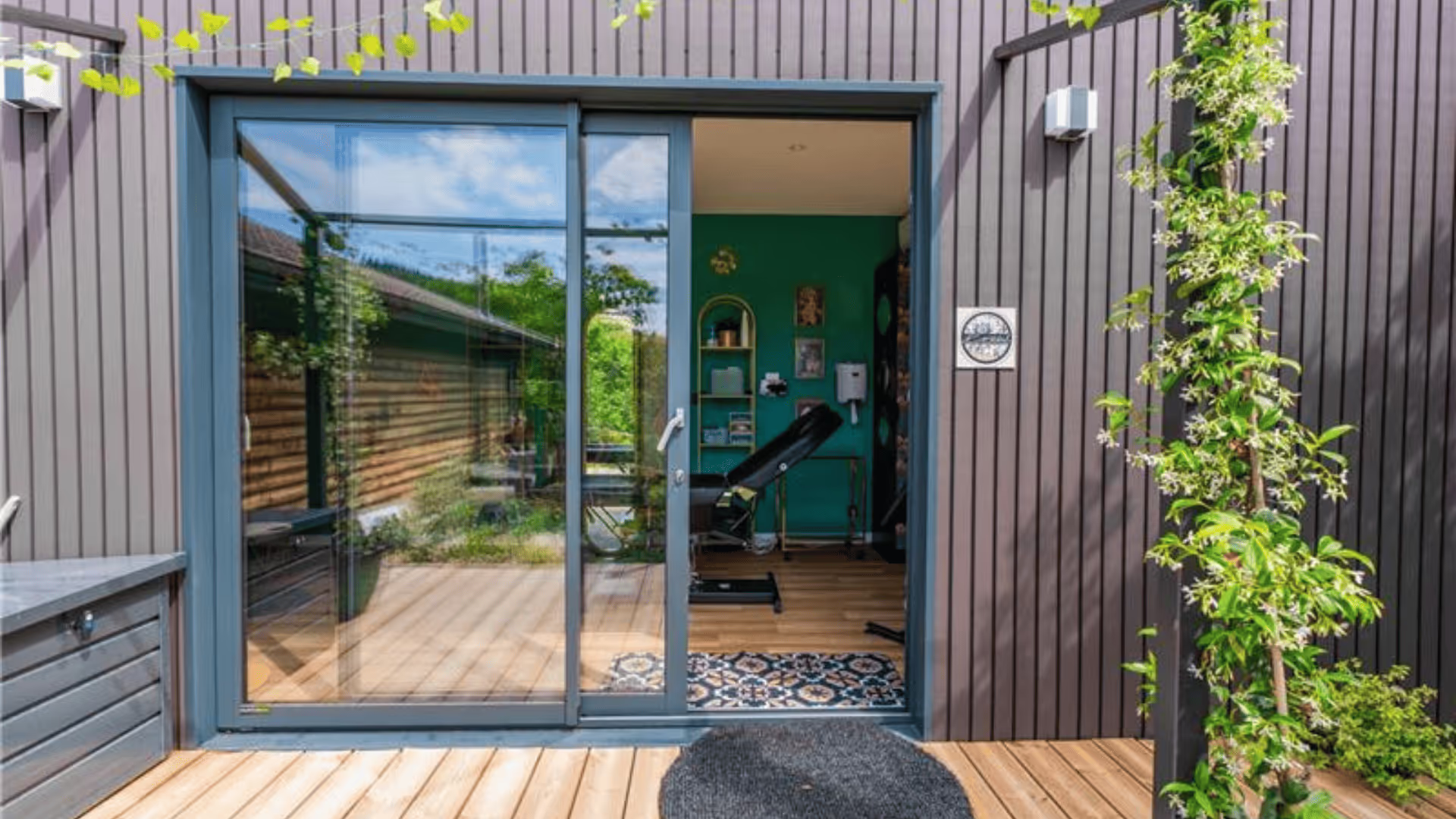
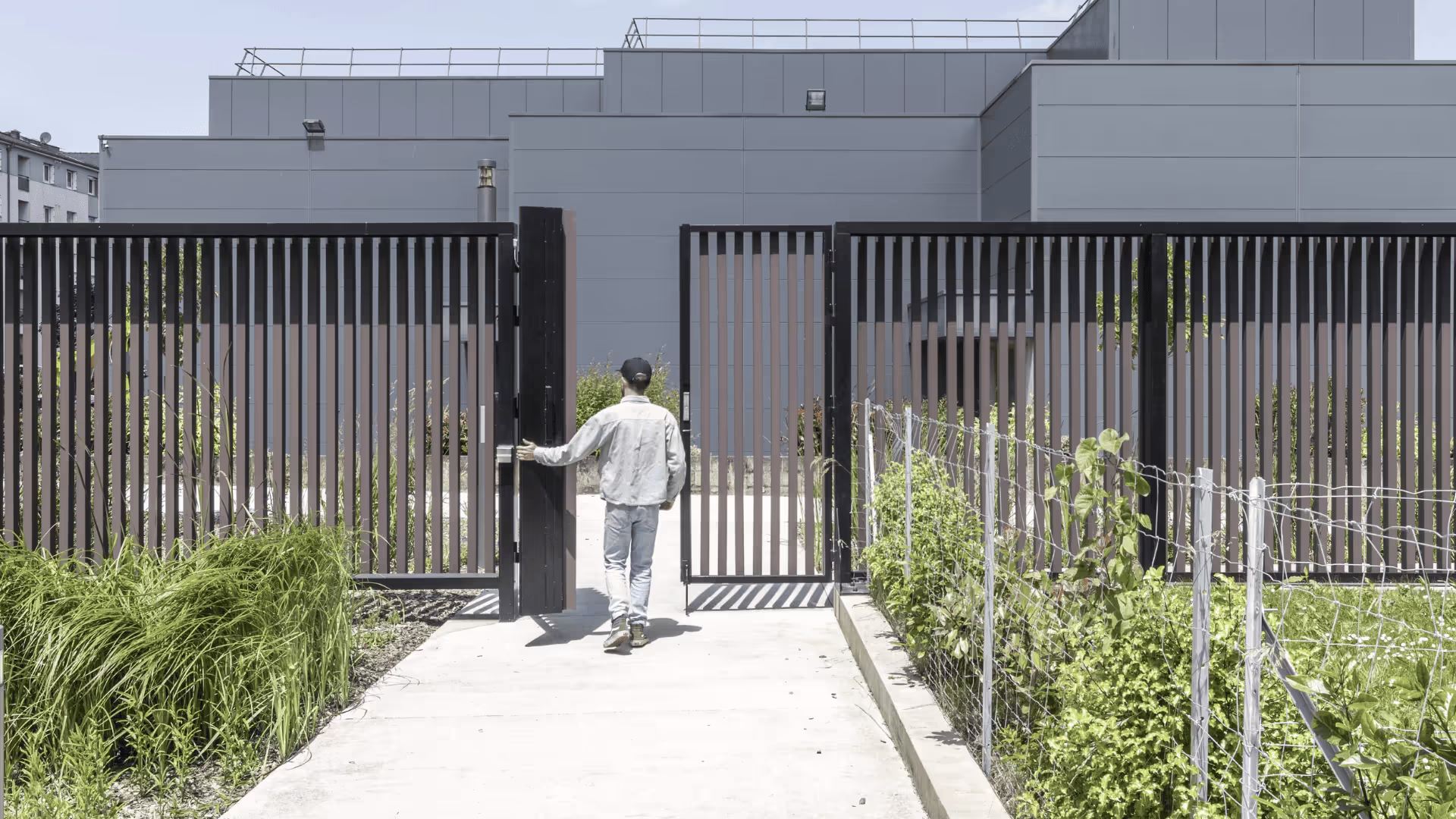
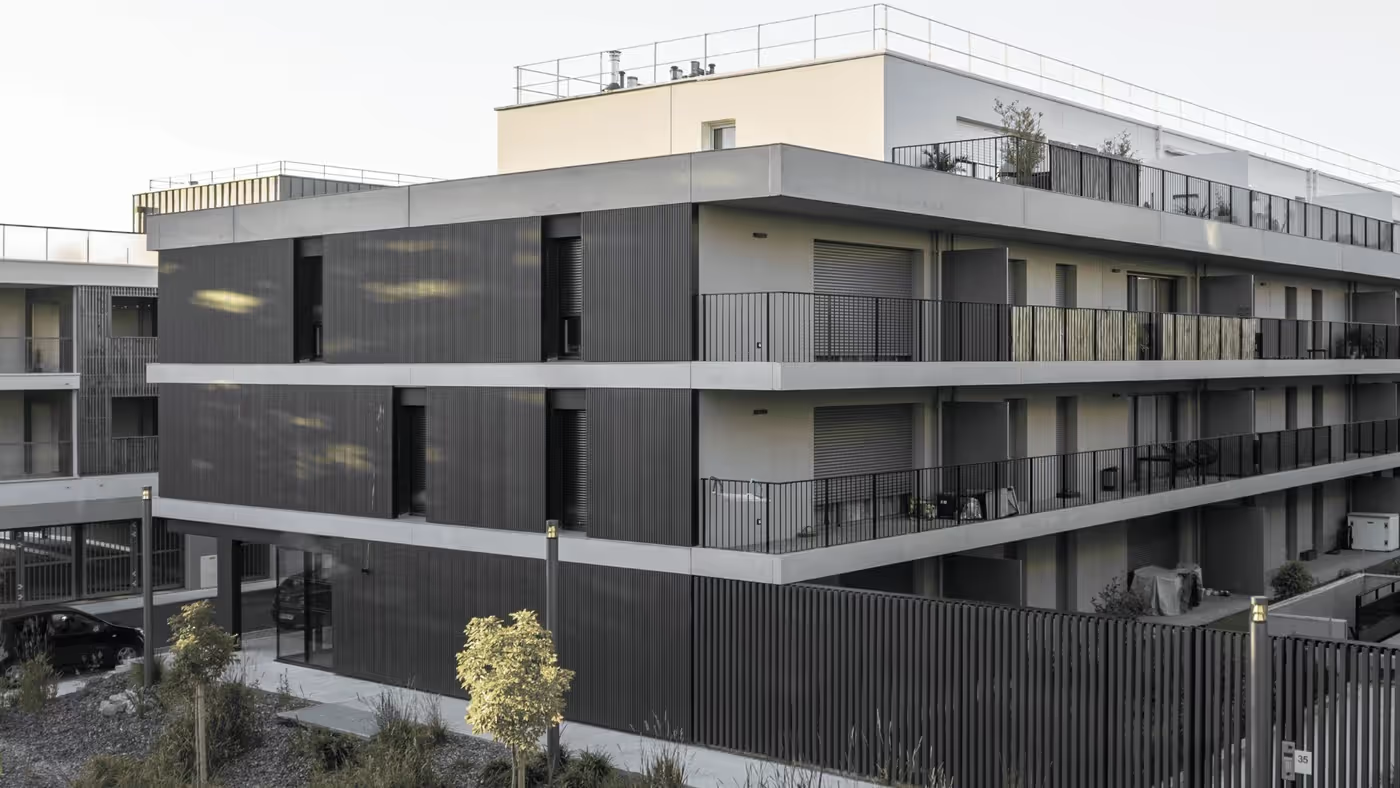
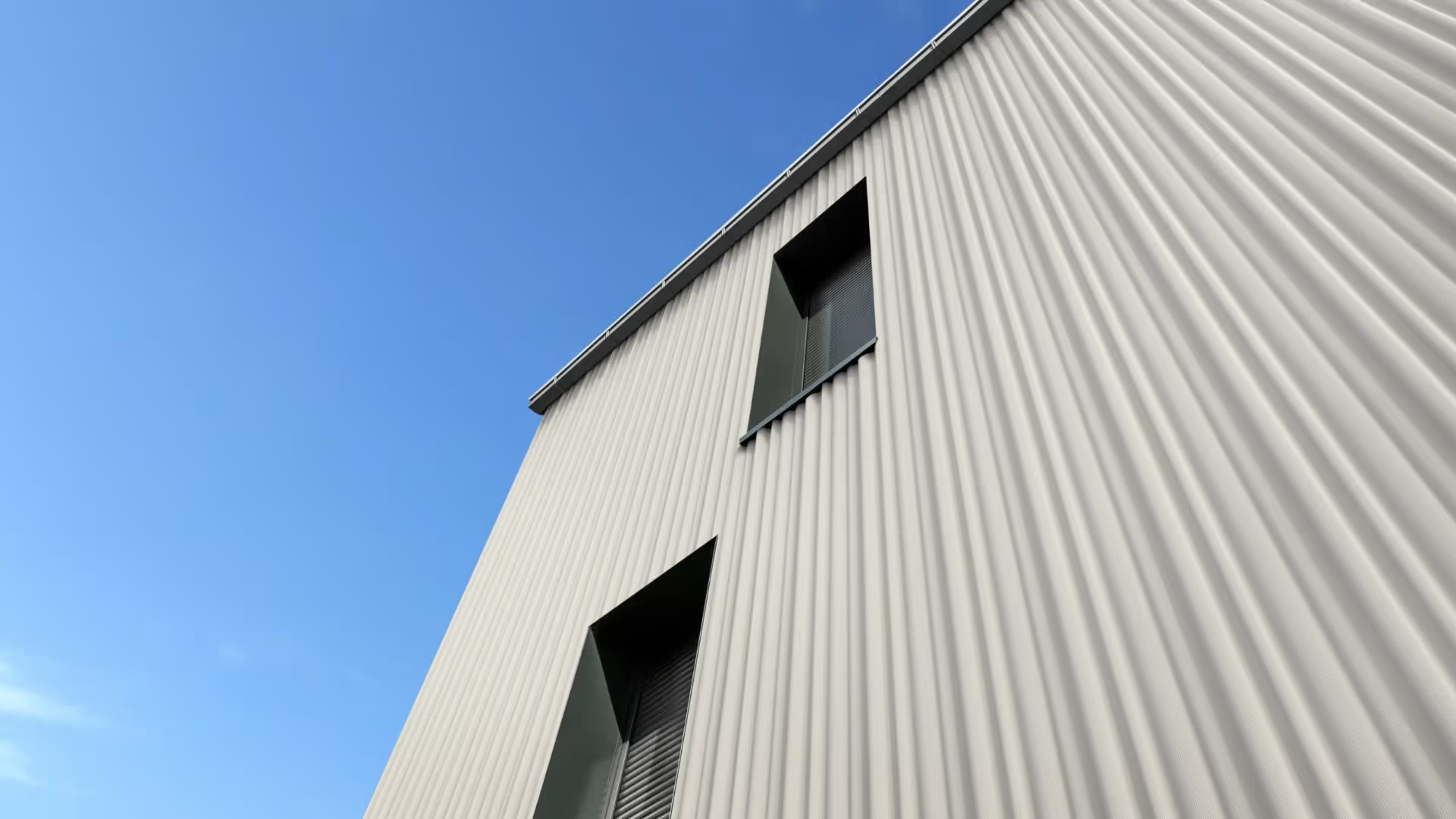
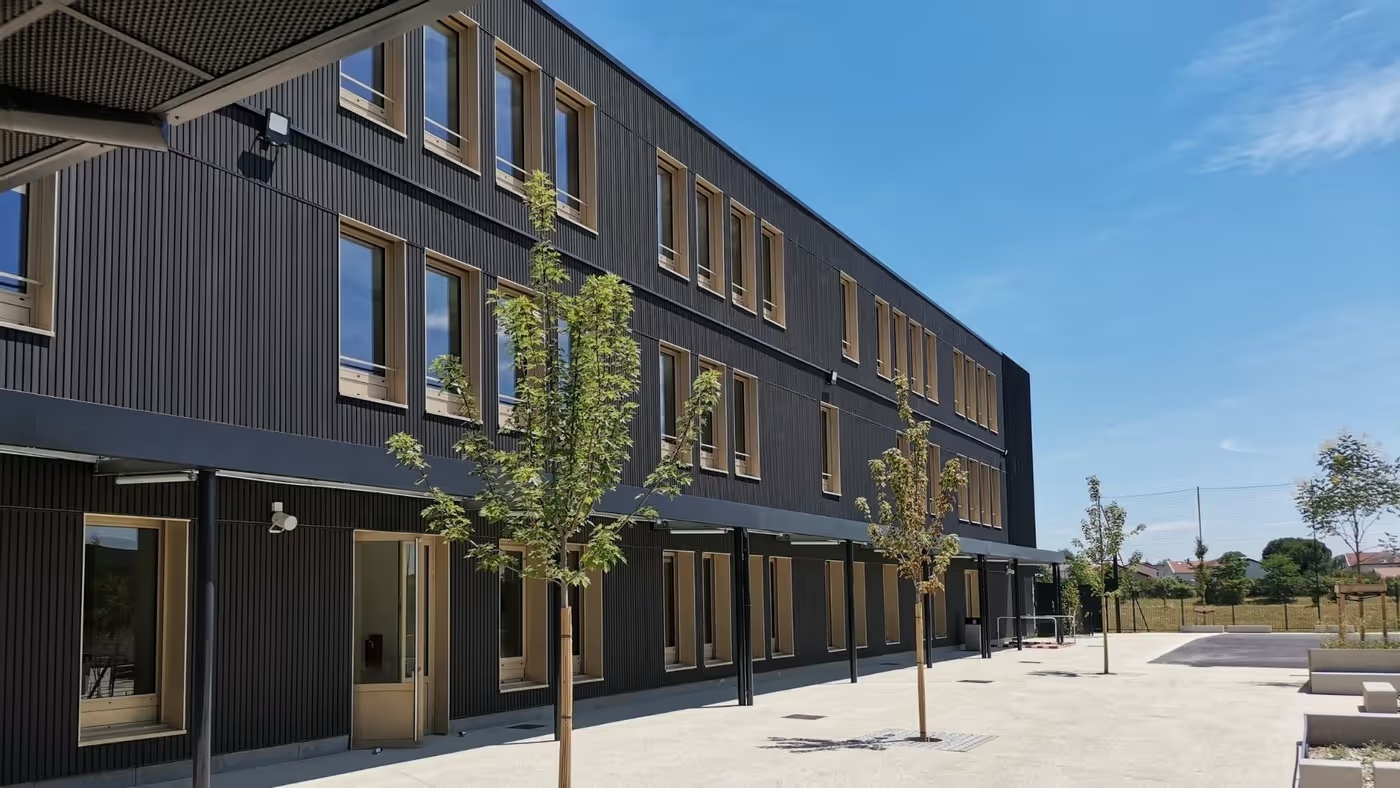
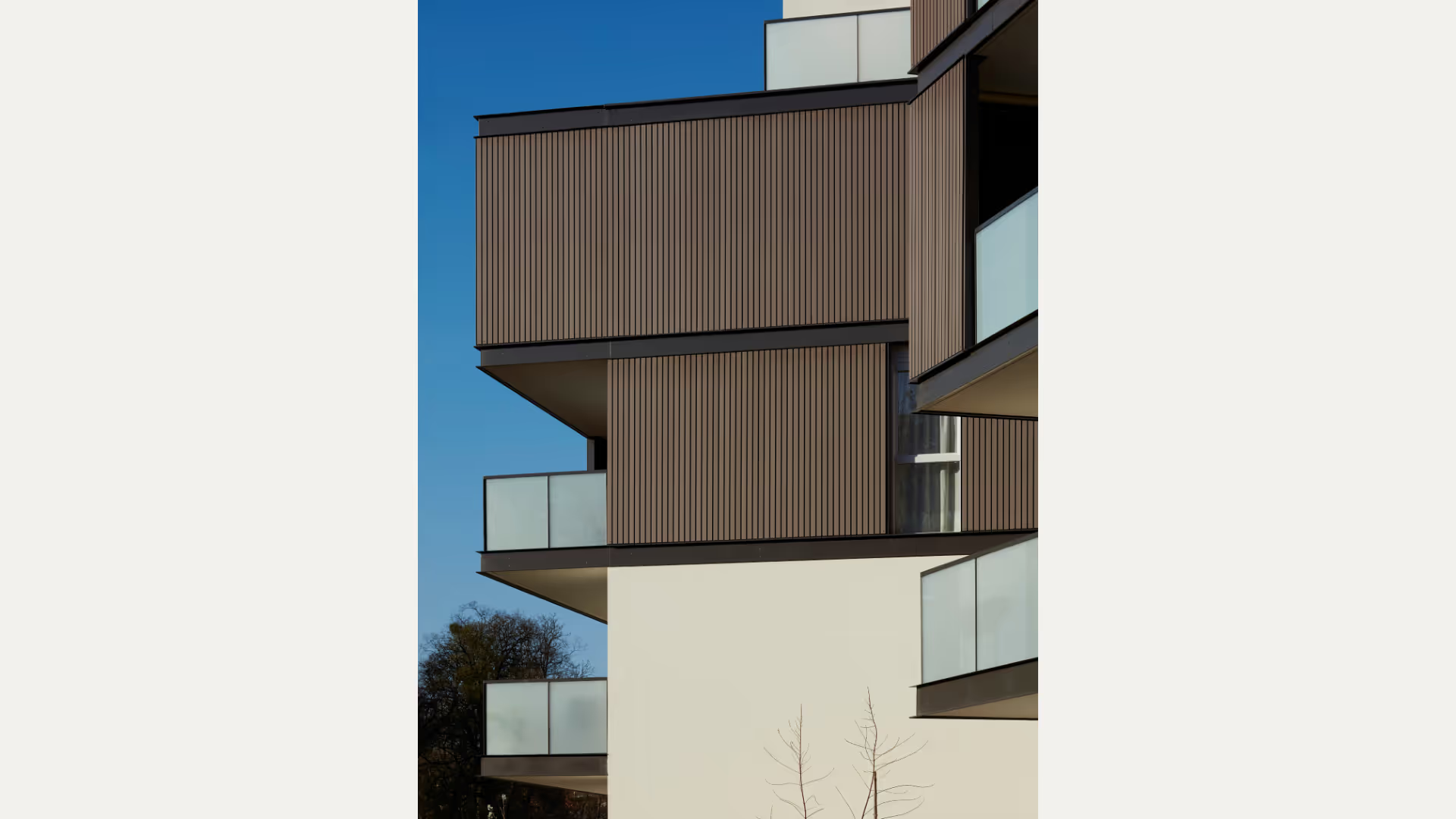

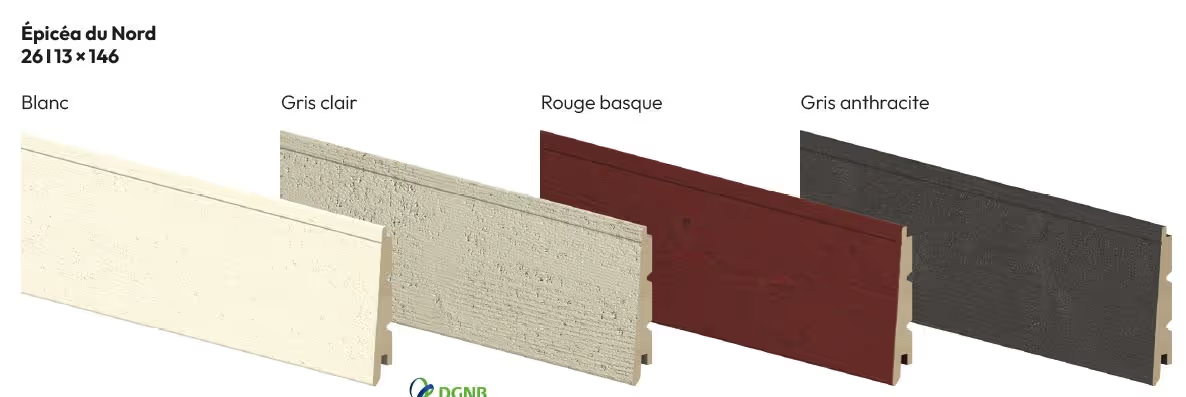
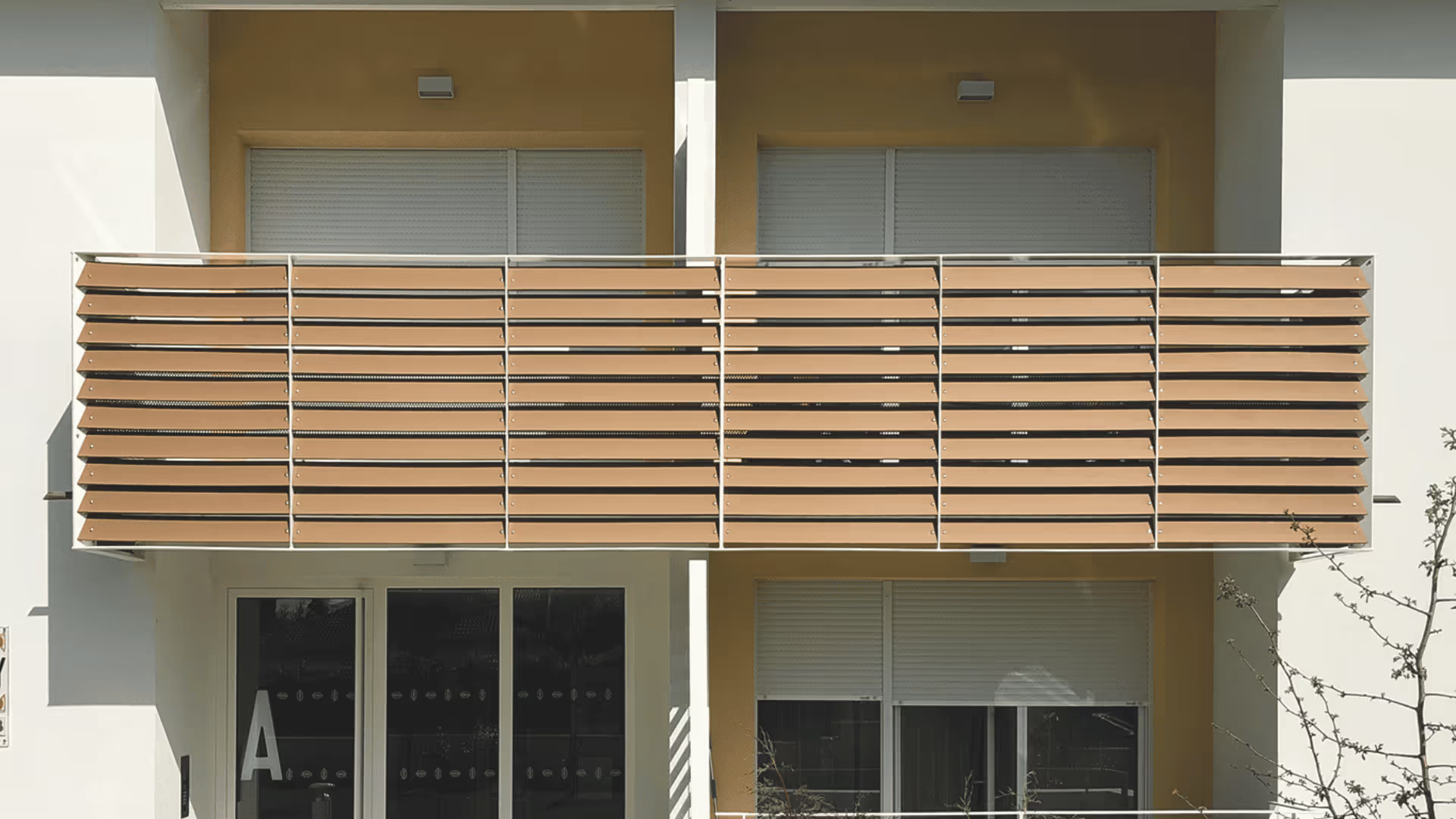
9 of 9 products
What is red cladding?
Red cladding is wood cladding that has been treated with a red stain or paint. It is usually made of pine, Douglas fir or cedar. Red cladding is a popular choice for DIY projects because it is inexpensive and easy to install. It is also a good choice for eco-building projects, as wood is a renewable, sustainable material.
What are the benefits of red cladding?
There are many benefits to using red cladding, including:
- Affordable price
- Easy to install
- Renewable, sustainable material
- Warm, welcoming look
- Customisable
What are the drawbacks of red cladding?
Red cladding has a few drawbacks, including:
- Requires regular maintenance
- Can fade or crack over time
- Can be harder to find than standard treated or painted cladding
How to choose the right red cladding?
When choosing red cladding, consider the following:
- Wood type: pine, Douglas fir and cedar are the species most commonly used for red cladding.
- Board thickness: thickness determines the service life of your cladding.
- Board width: width determines the look of your cladding.
- Board length: length determines the quantity of cladding you will need.
How to install red cladding?
Installing red cladding is relatively simple. Just follow these steps:
- Fix the support battens to the wall with screws.
- Fix the cladding boards to the battens with nails or screws.
- Treat the cladding with a product that protects against insects and fungi.
How to maintain red cladding?
Red cladding must be maintained regularly to protect it from the weather and insects. It is recommended to treat it with an insect and fungus protection product every 2 to 3 years. You can also paint or varnish it to give it a new look.