
Wood oil removers
Discover our selection of 3 references in Wood oil removers . In just a few clicks, contact wood industry experts directly and get personalized advice for your project.


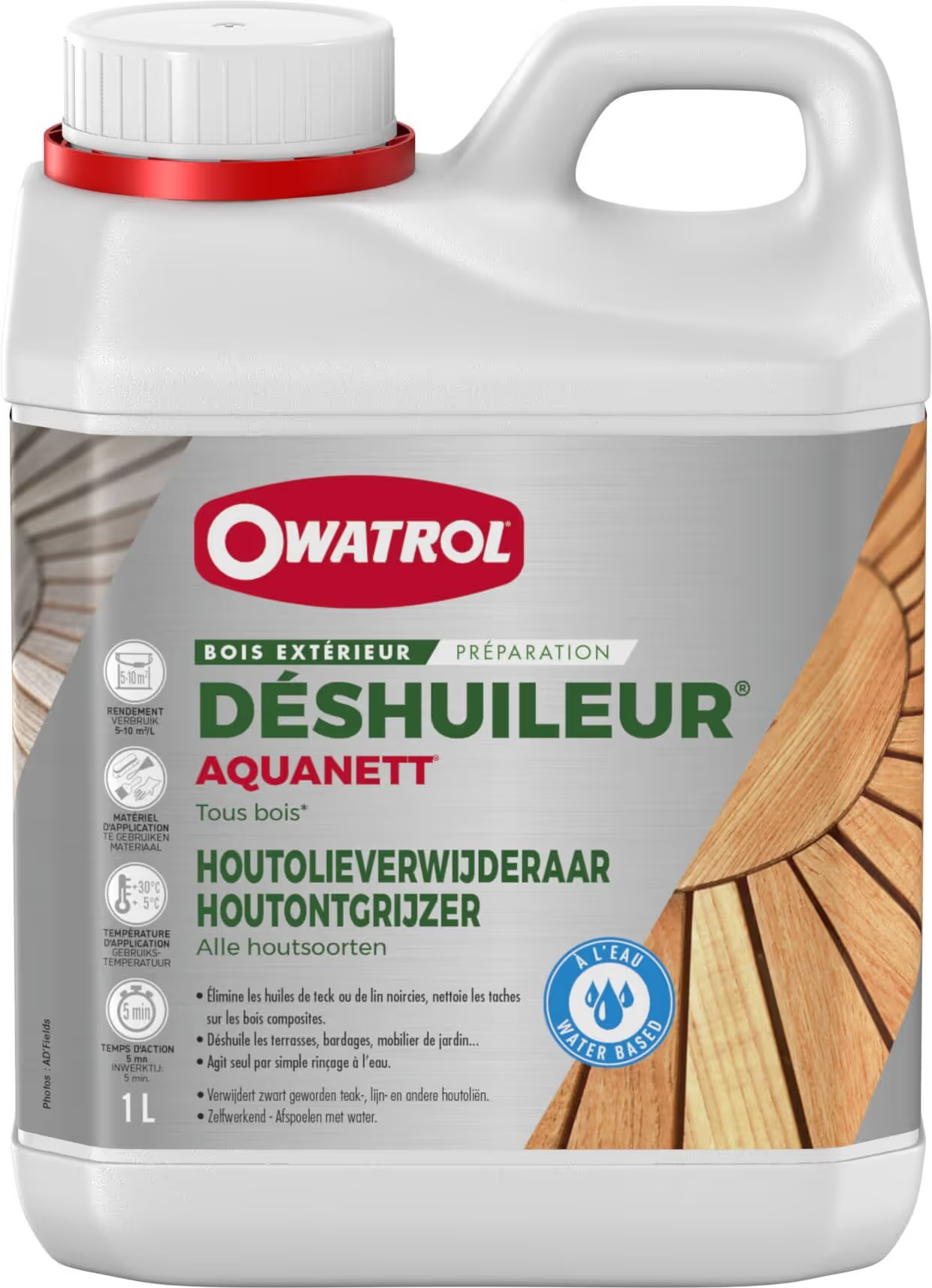
What is a wood oil remover used for?
A wood oil remover is a product used to remove oil, grease and other contaminants from wood surfaces. It is often used before painting or staining to ensure better adhesion of the paint or stain.
There are many types of wood oil removers on the market, suited to different woods and contaminants. Some are applied by hand, while others can be used with cleaning machines to treat large areas quickly and efficiently.
To use a wood oil remover, you generally spray it on the wood surface and scrub gently with a brush or cloth to remove the contaminants. Some formulations are diluted with water before use, while others are used neat. Follow the manufacturer's instructions for best results and to avoid damaging the wood.
How to use a wood oil remover cleaner correctly?
A wood oil remover is used to remove excess oil, wax or varnish from a wood surface. Here is how to use it:
- Prepare the wood by sanding it lightly to remove roughness and smooth the surface.
- Apply the oil remover to the wood surface following the manufacturer's instructions. It can be applied with a cloth or brush.
- Leave the oil remover to work for the time stated on the packaging or until the excess oil, wax or varnish has been removed.
- Rinse the wood surface with warm water to remove any residue.
- Let the wood dry completely before painting, varnishing or applying any other finish.
Wear gloves and safety glasses when using an oil remover. These products can be volatile and irritating to skin and eyes.
Why use a wood oil remover?
There are several reasons why woodworkers use a wood oil remover:
- Improve paint or stain adhesion: oil and grease on the wood surface can prevent paint or stain from adhering properly. Using an oil remover before painting or staining helps ensure the coating adheres well and does not peel over time.
- Remove contaminants: oil and grease can affect the quality and appearance of wood, especially when it is exposed to high temperatures or moisture. An oil remover removes these contaminants and improves the appearance and quality of the wood.
- Prepare wood for reuse: if you plan to reuse wood that has been exposed to oil or grease, an oil remover can clean it first. This prevents contaminants from affecting your new projects.
Follow the manufacturer's instructions when using a wood oil remover and take the necessary precautions to avoid contact with skin and eyes. If you use it with cleaning equipment, follow all safety instructions to avoid any risk of injury.
How to choose the right wood oil remover?
Here are a few things to consider when choosing a wood oil remover:
- Type of wood surface: some surfaces are more sensitive than others and require milder or stronger products.
- Type of product to remove: there are specific removers for oil, wax or varnish. Make sure you choose one suited to the product you want to remove.
- Formulation: some removers are gentler on skin and the environment than others. If you are sensitive to chemicals or environmentally conscious, choose a remover based on natural ingredients.
- Ease of use: some removers are easier to apply than others. If you are a beginner, choose an easy-to-use product.
- Brand and reputation: it can be useful to check the brand and reputation of the product before buying. Reviews from other users can help you assess its quality and effectiveness.
Always read the manufacturer's instructions carefully and follow the safety precautions on the packaging.