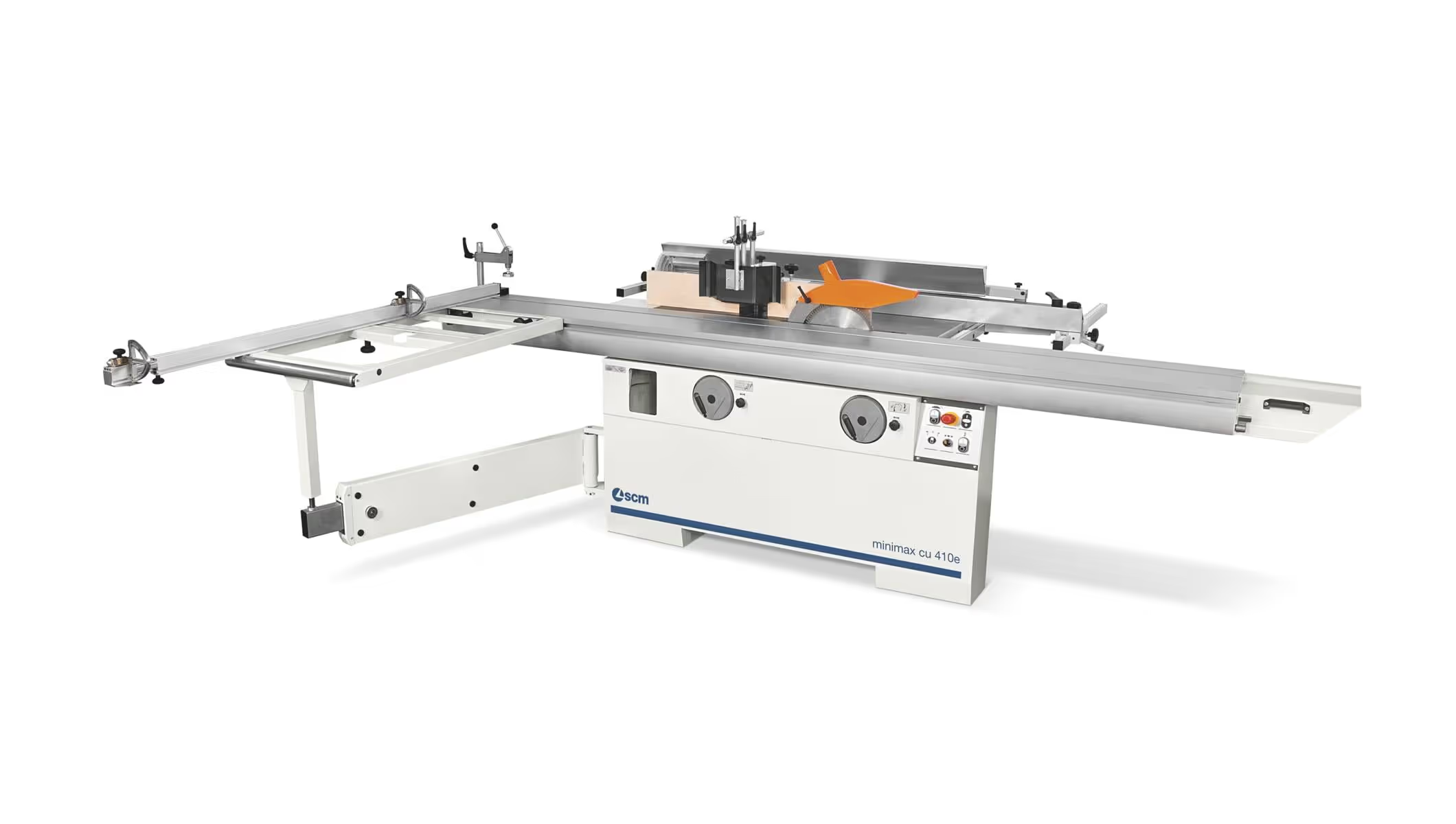
 SCM Group SCM minimax cu 410e universal combination machine

Discover our selection of 20 listings in Combination machines. Compare professional combination machines according to the operations to be carried out, the dimensions of the parts and the space available in your workshop.
SCM Group SCM minimax cu 410e universal combination machine 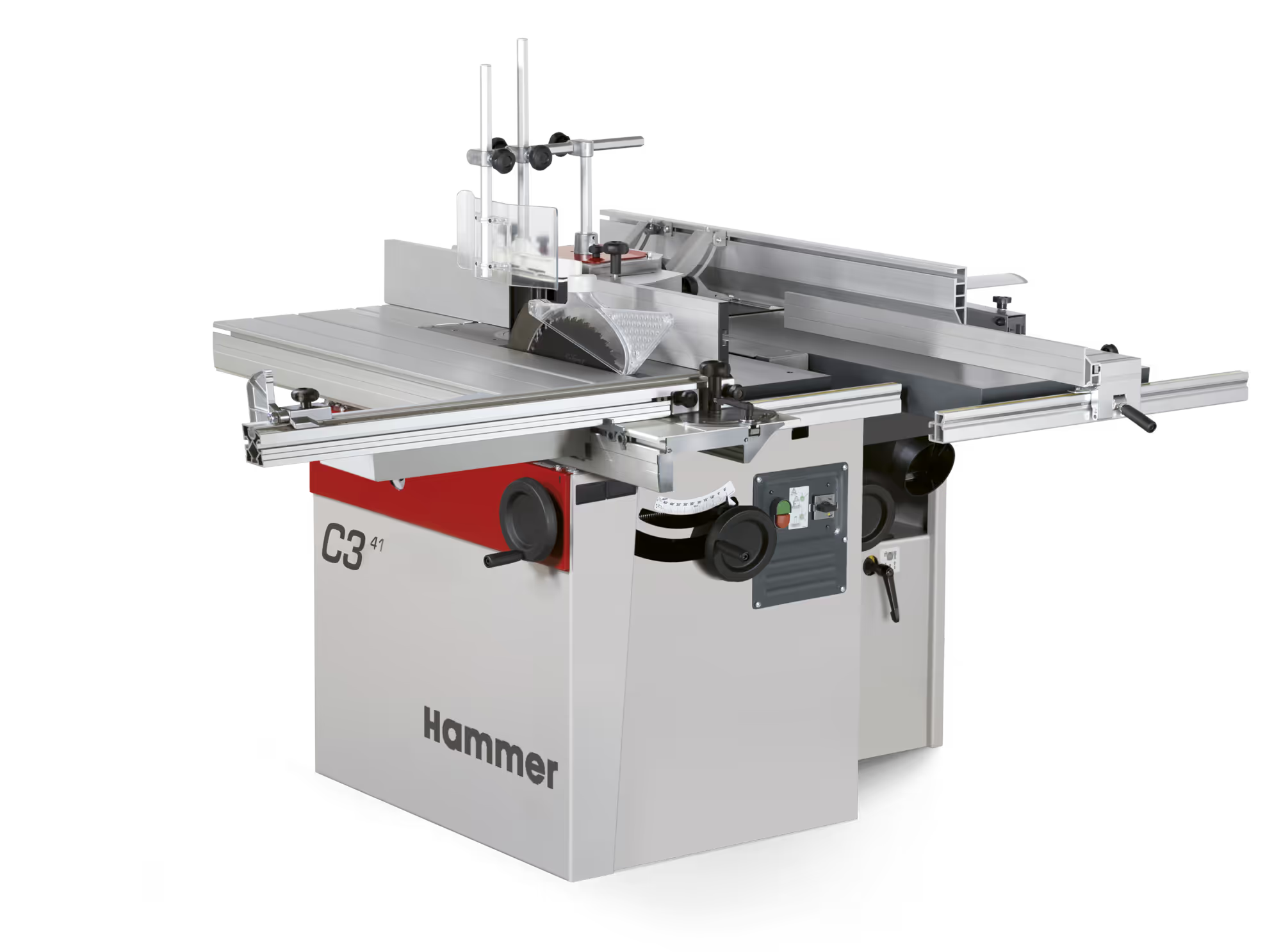
 Felder Group Hammer C3 41 5-function combination machine
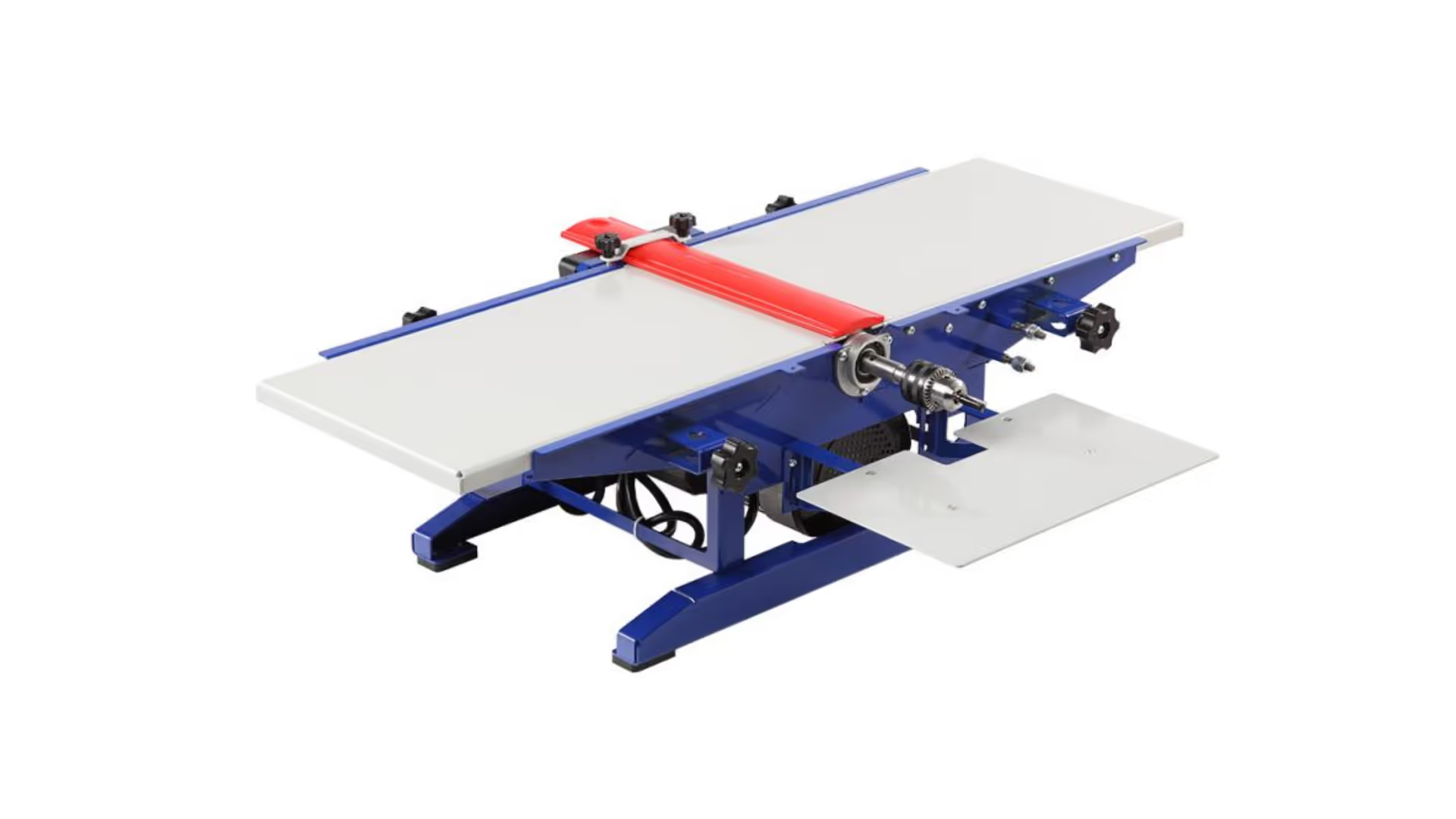
 Belmash BELMASH Universal-2500E Multi-Purpose Woodworking Machine
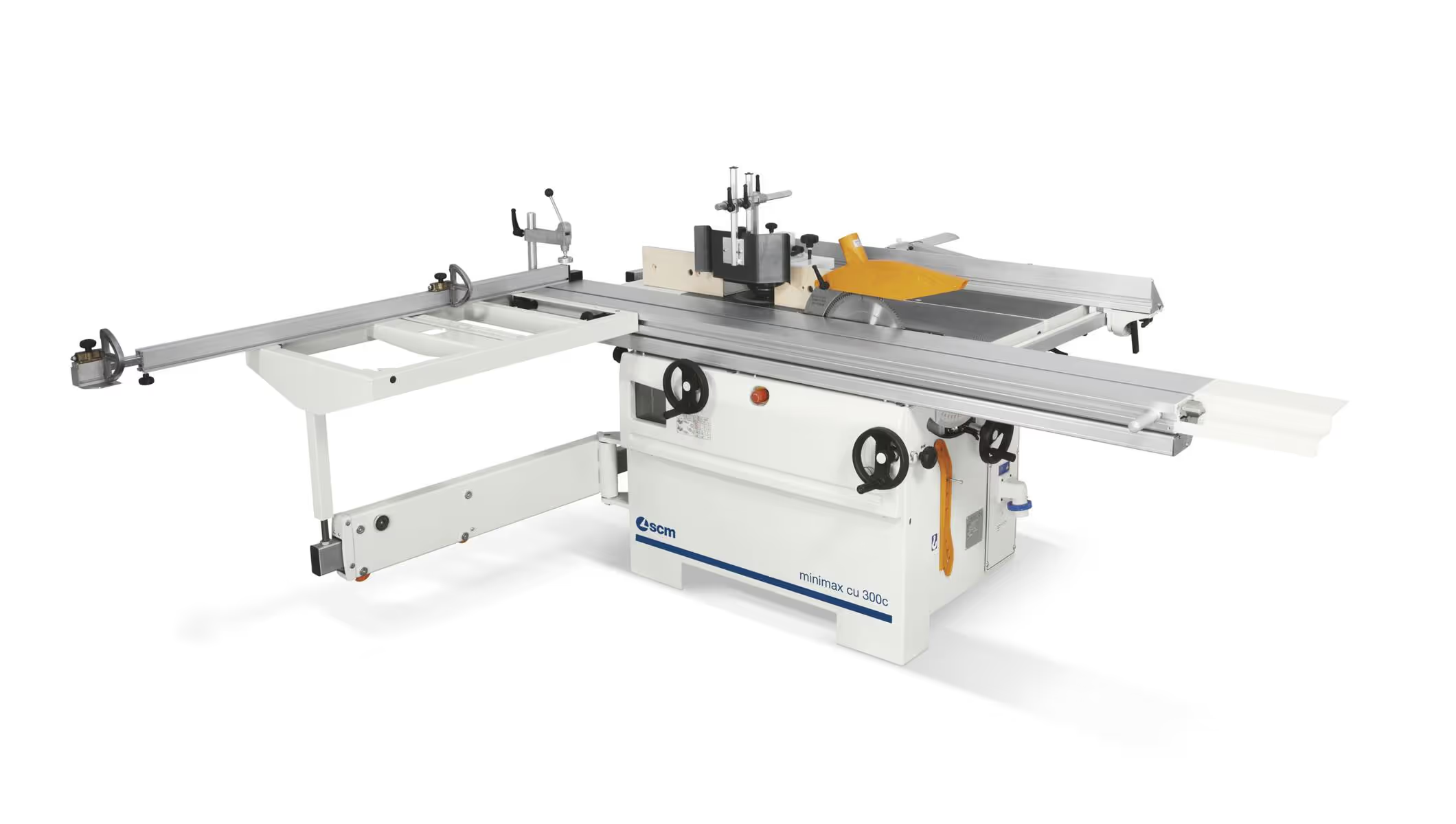 SCM Group SCM minimax cu 300c universal combination machine
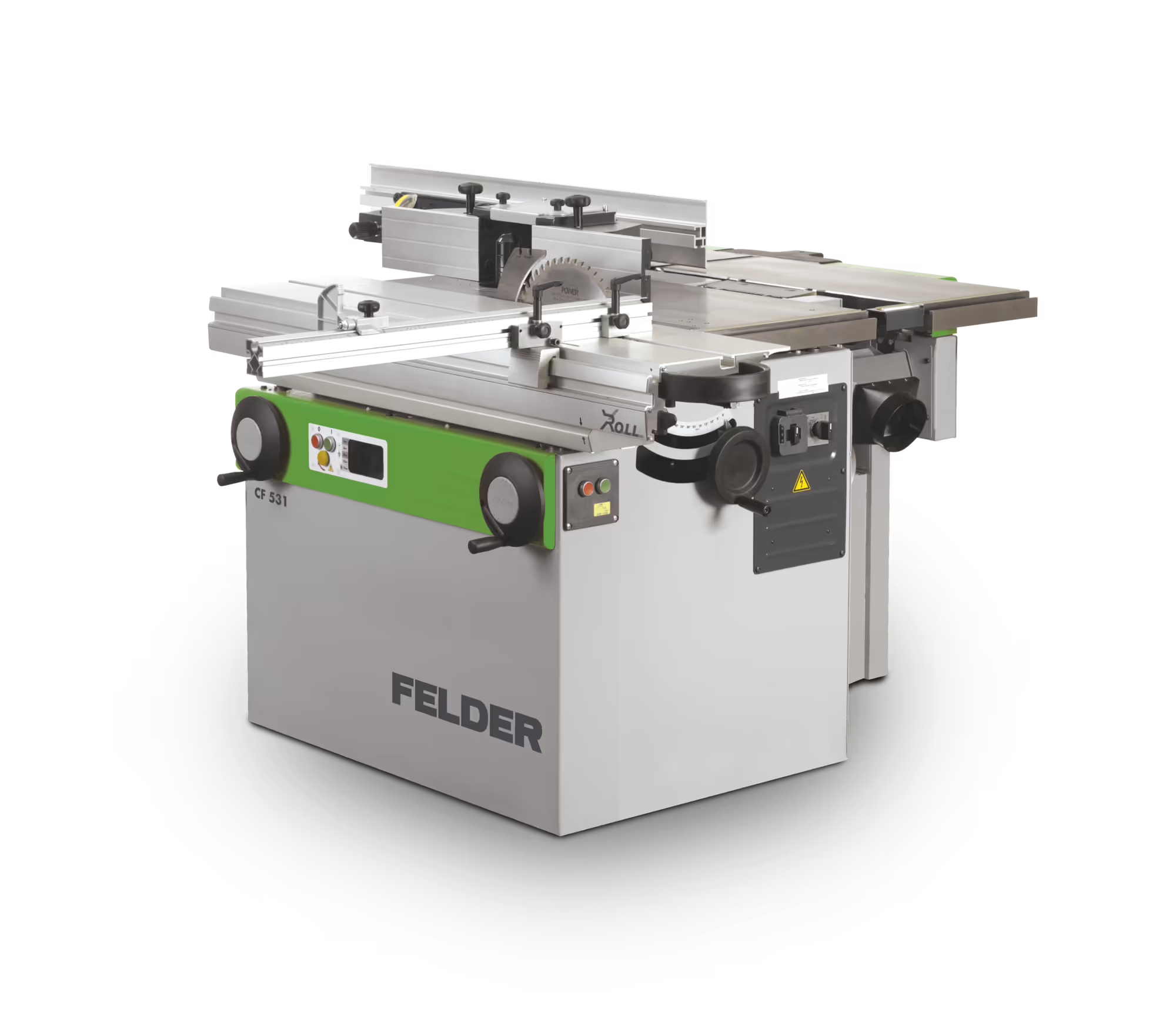 Felder Group Felder CF 531 5-function combination machine
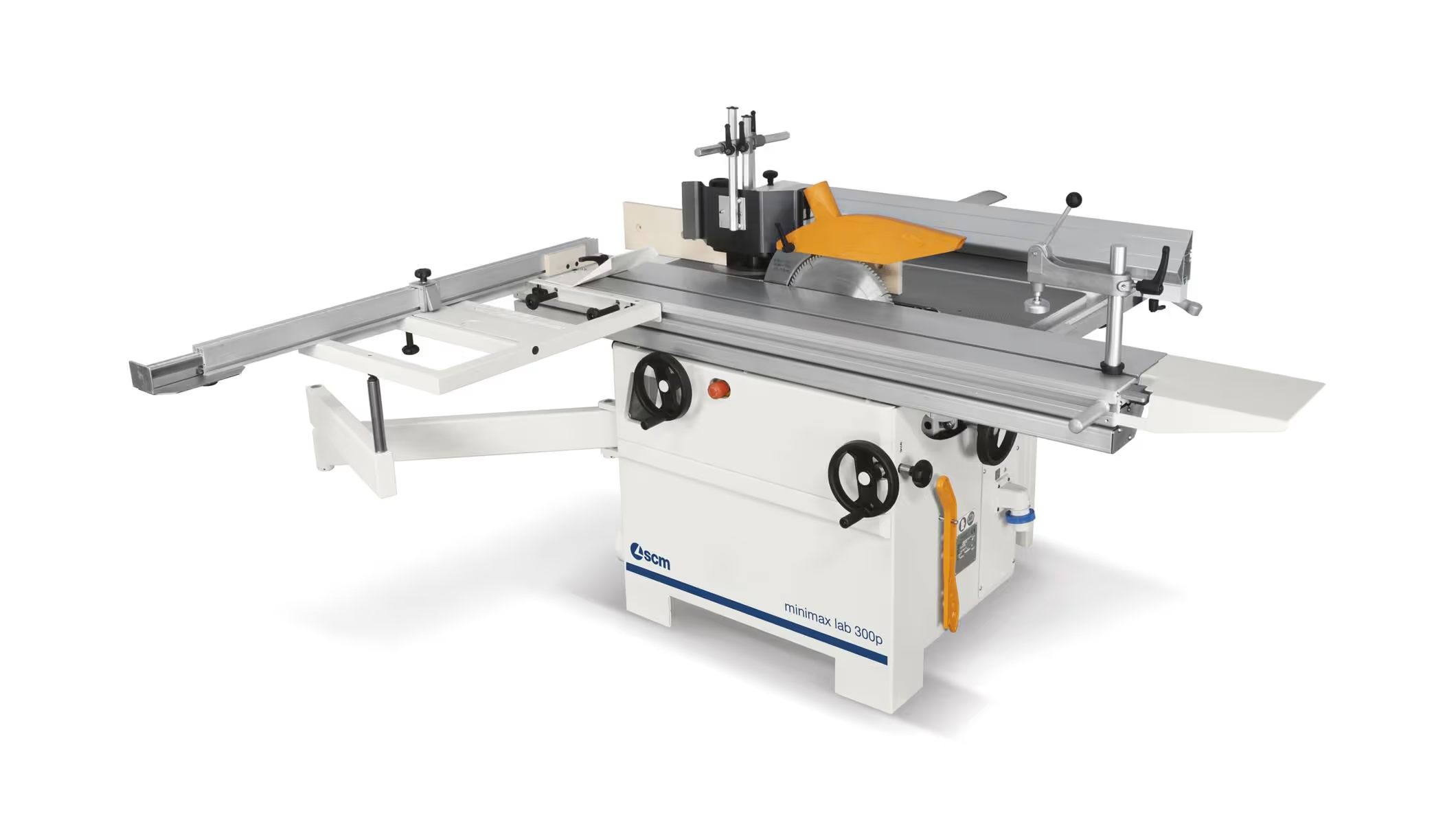 SCM Group SCM minimax lab 300p universal combination machine
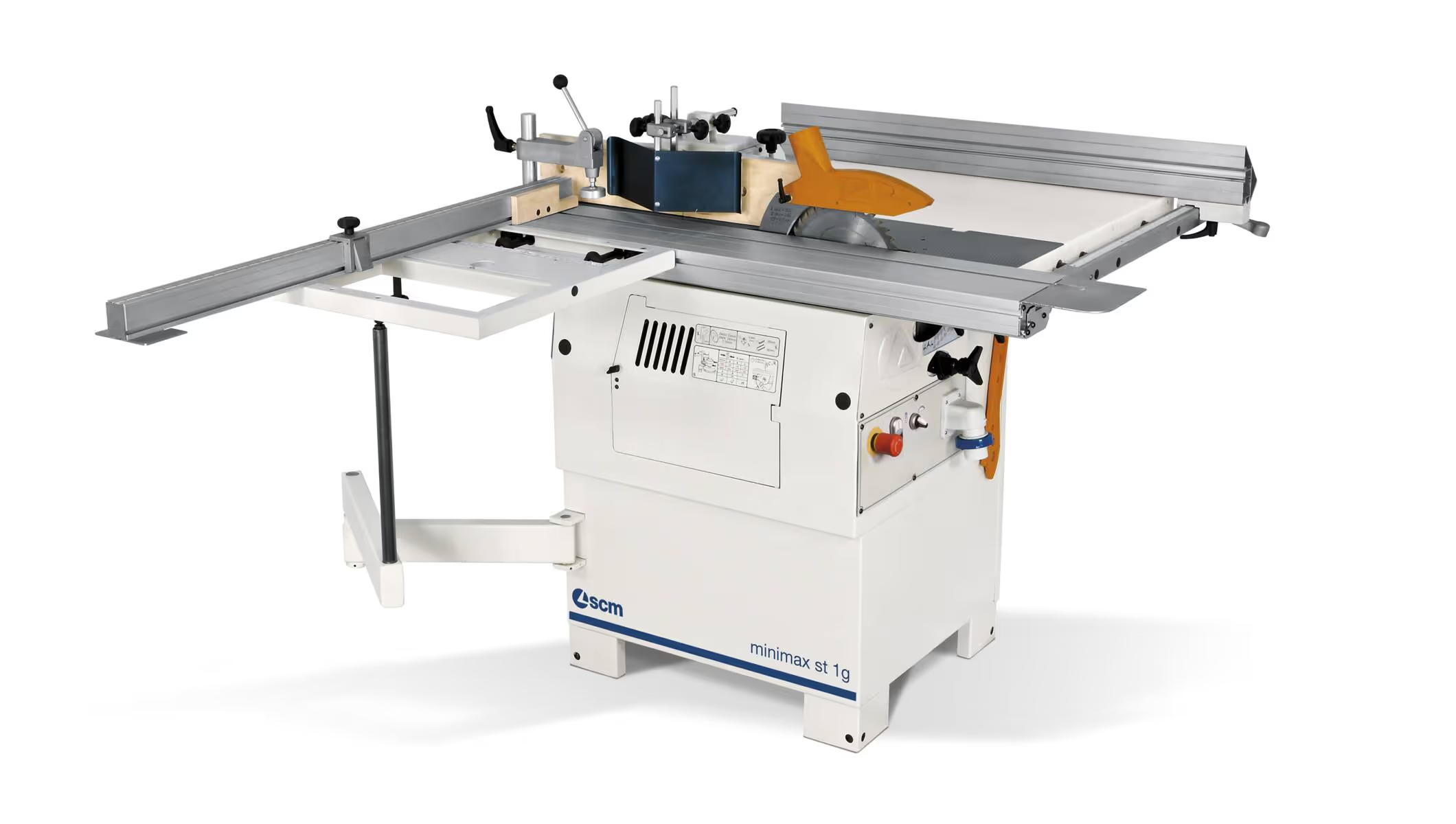 SCM Group SCM minimax st 1g saw-spindle moulder combination machine
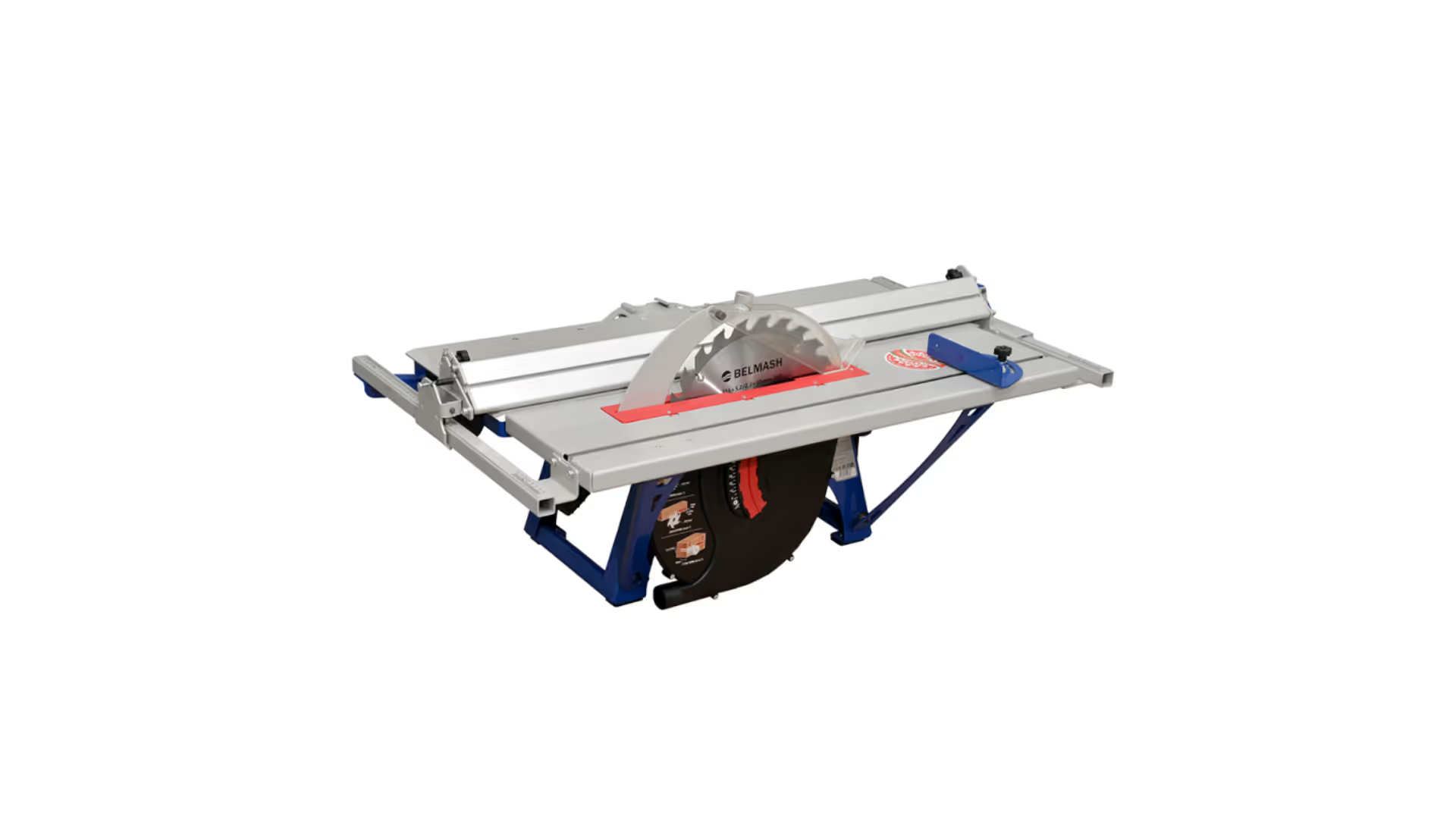 Belmash BELMASH SDM-2500M Multi-Purpose Woodworking Machine
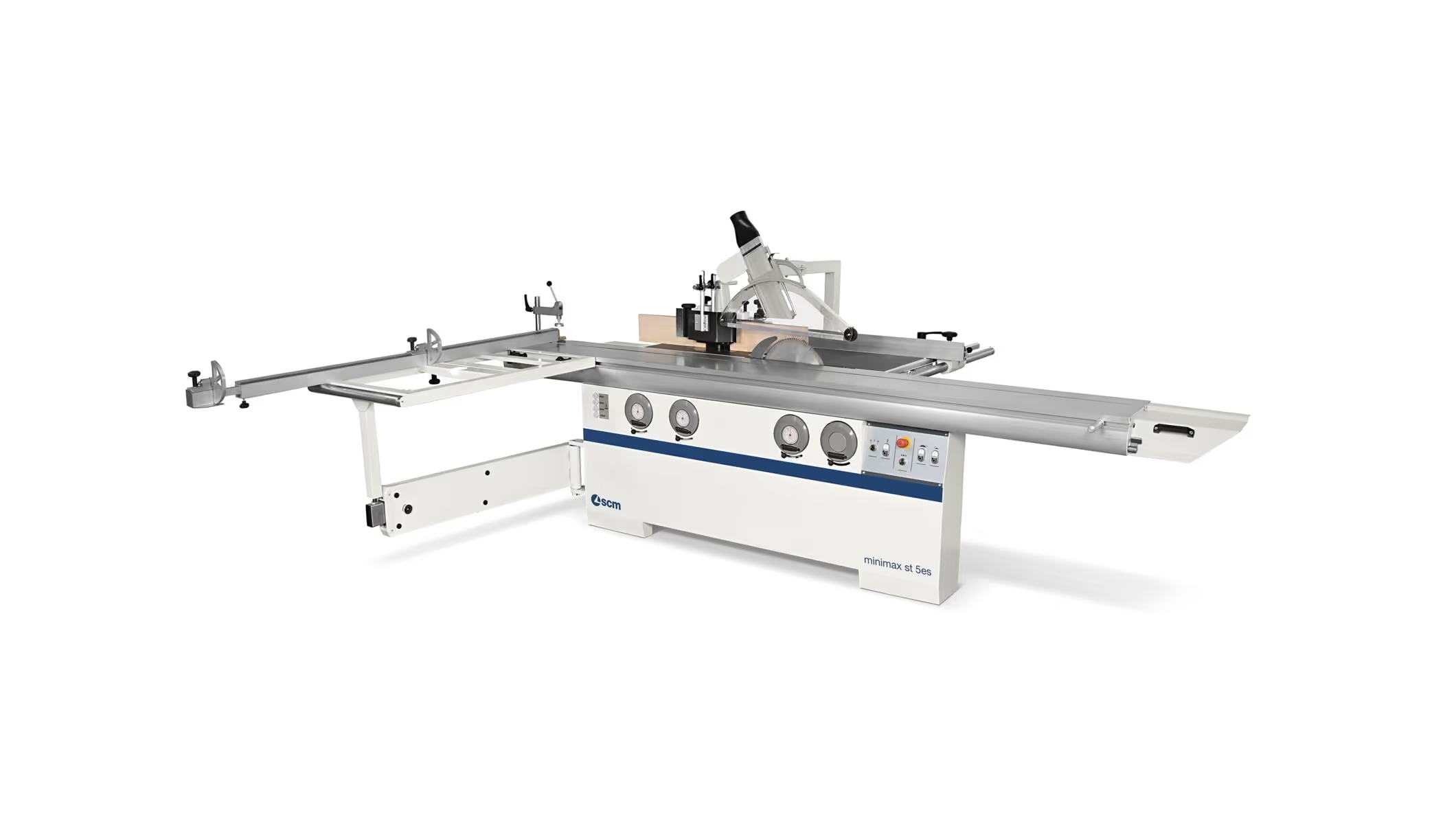 SCM Group SCM minimax st 5es saw and spindle moulder combination machine
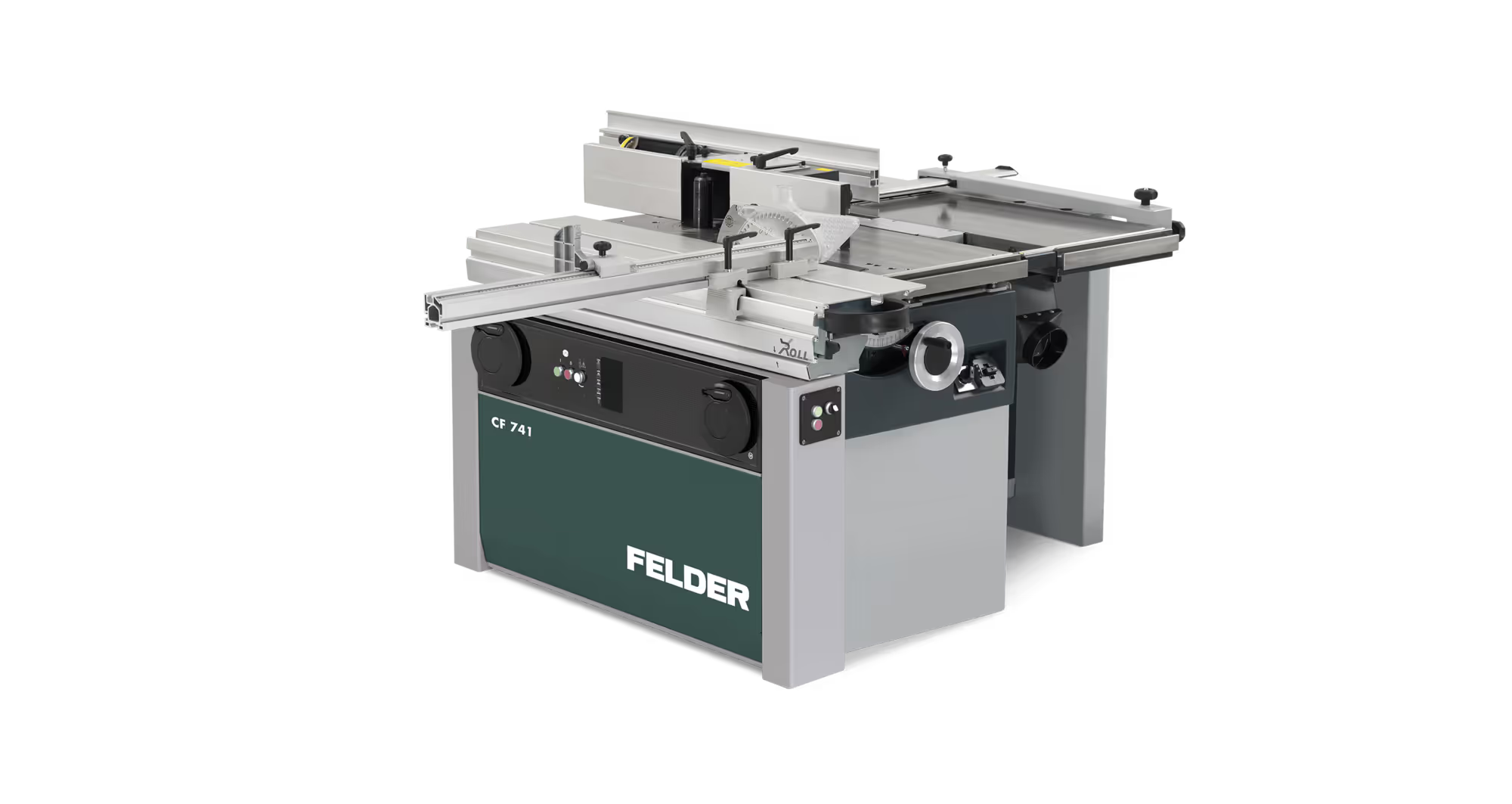 Felder Group Felder CF 741 5-function combination machine
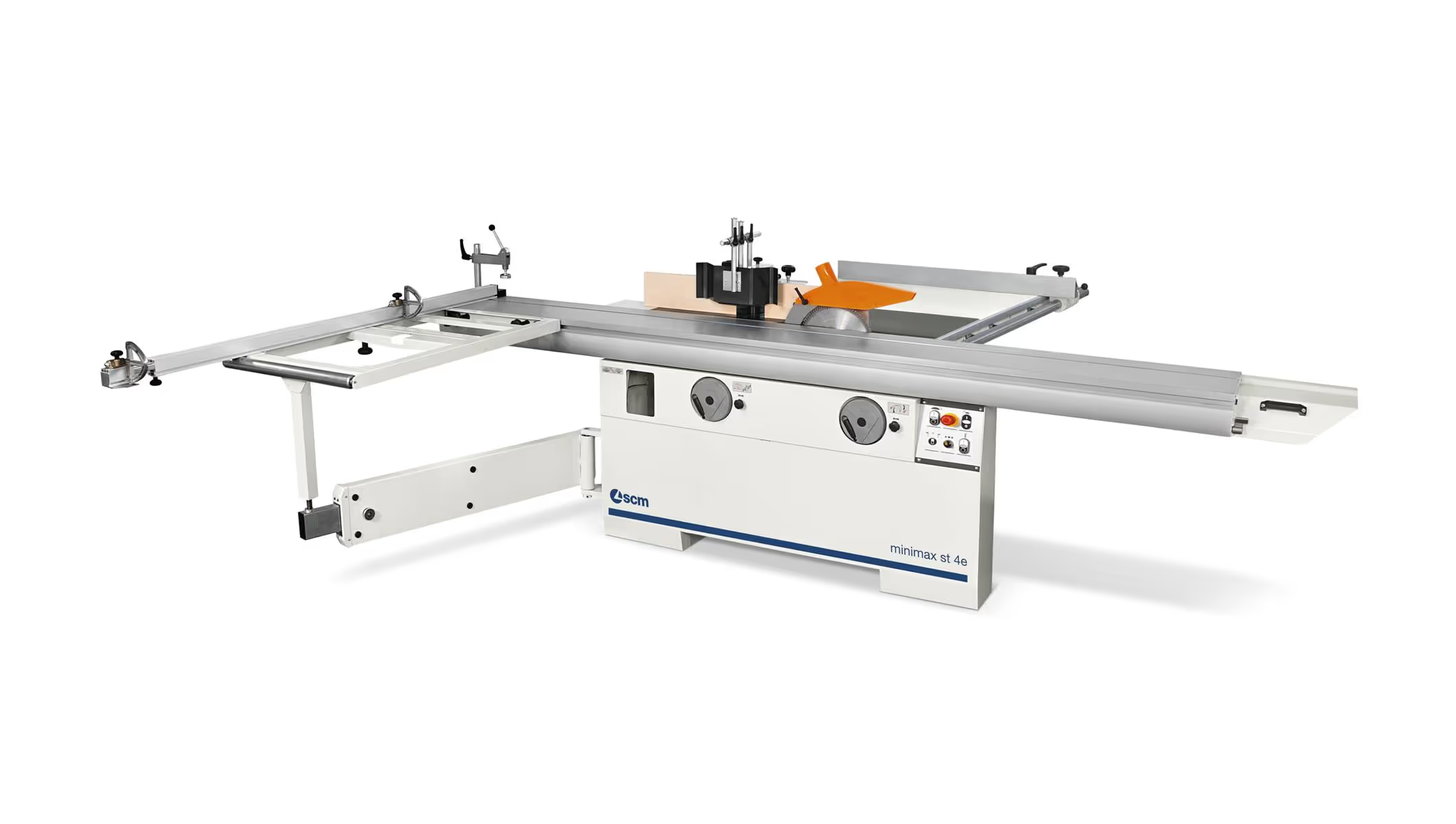 SCM Group SCM minimax st 4e saw and spindle moulder combination machine
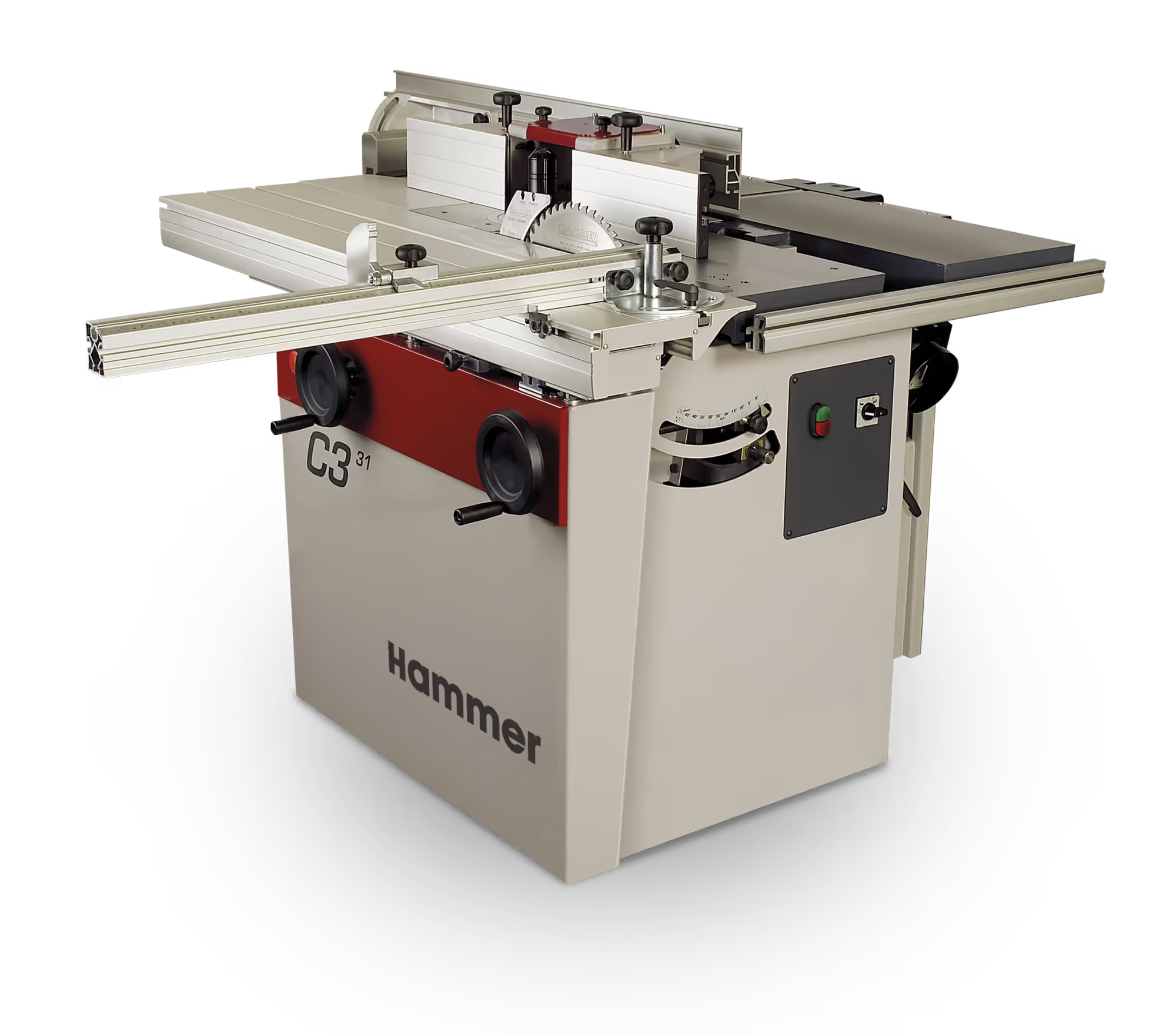 Felder Group Hammer C3 31 5-function combination machine
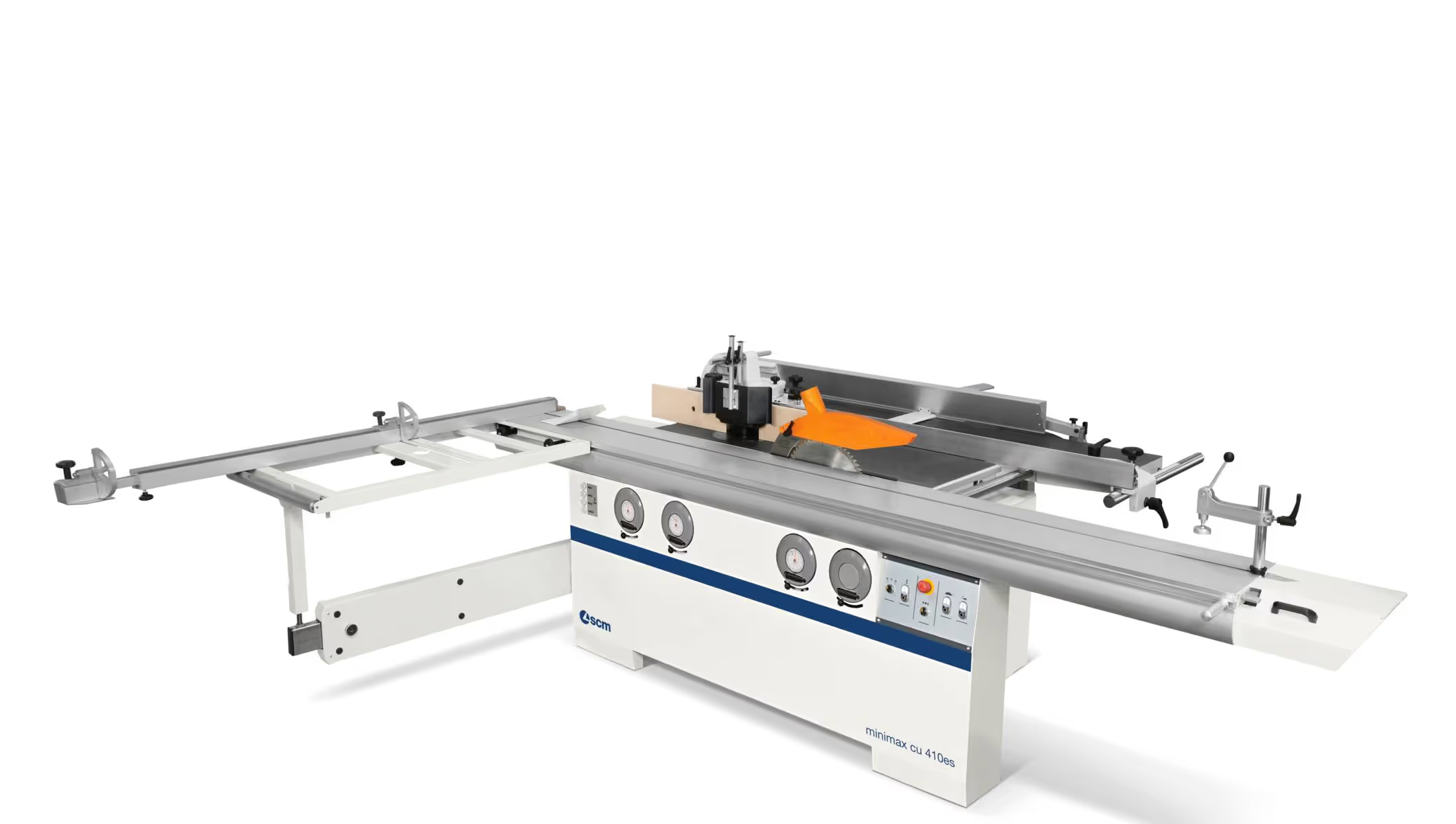 SCM Group SCM minimax cu 410es universal combination machine
 Felder Group Hammer B3 sliding table saw and spindle moulder
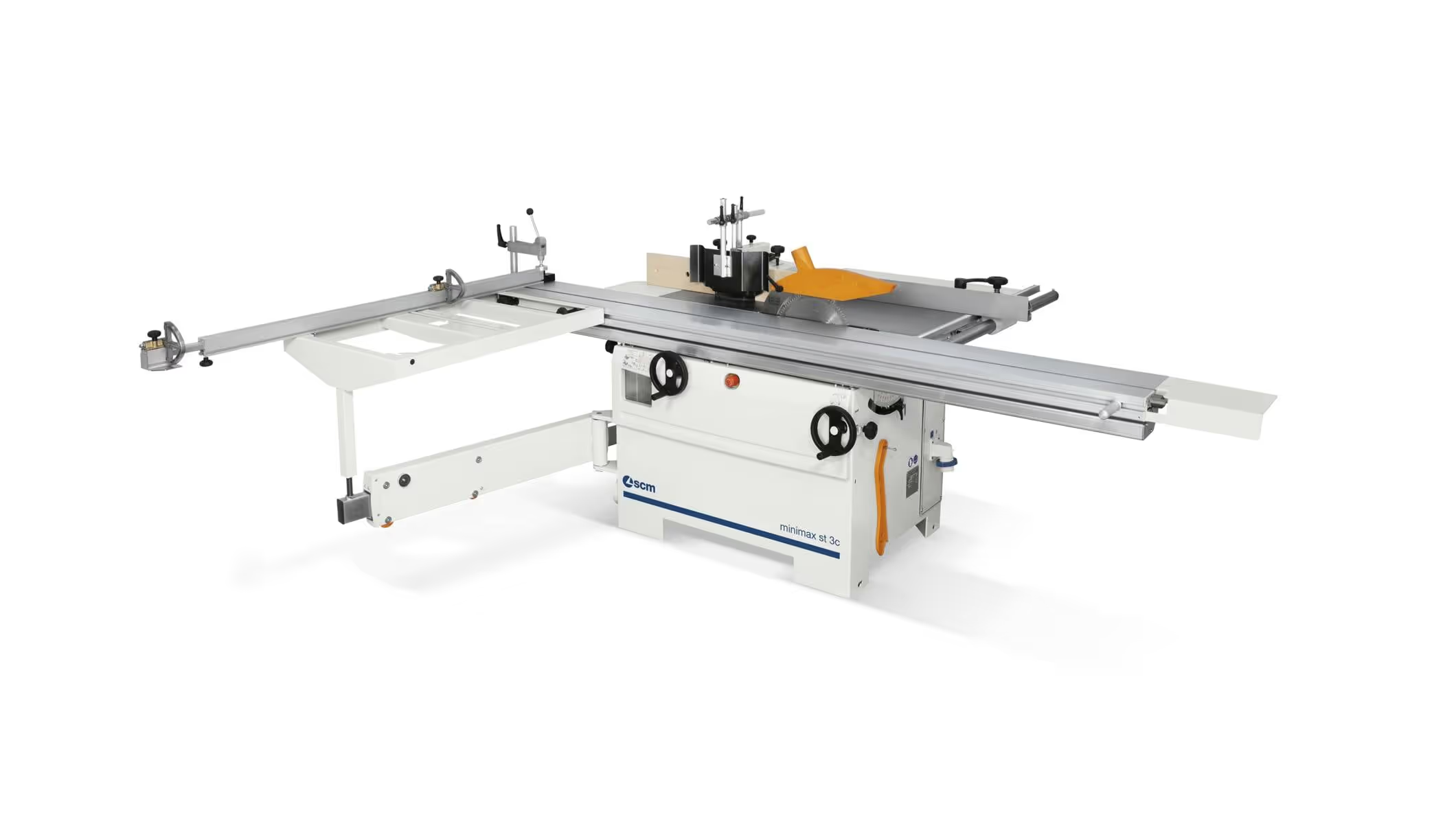 SCM Group SCM minimax st 3c saw and spindle moulder combination machine
 Felder Group Felder KF 500 sliding table saw and spindle moulder
 Felder Group Felder KF 700 sliding table saw and spindle moulder
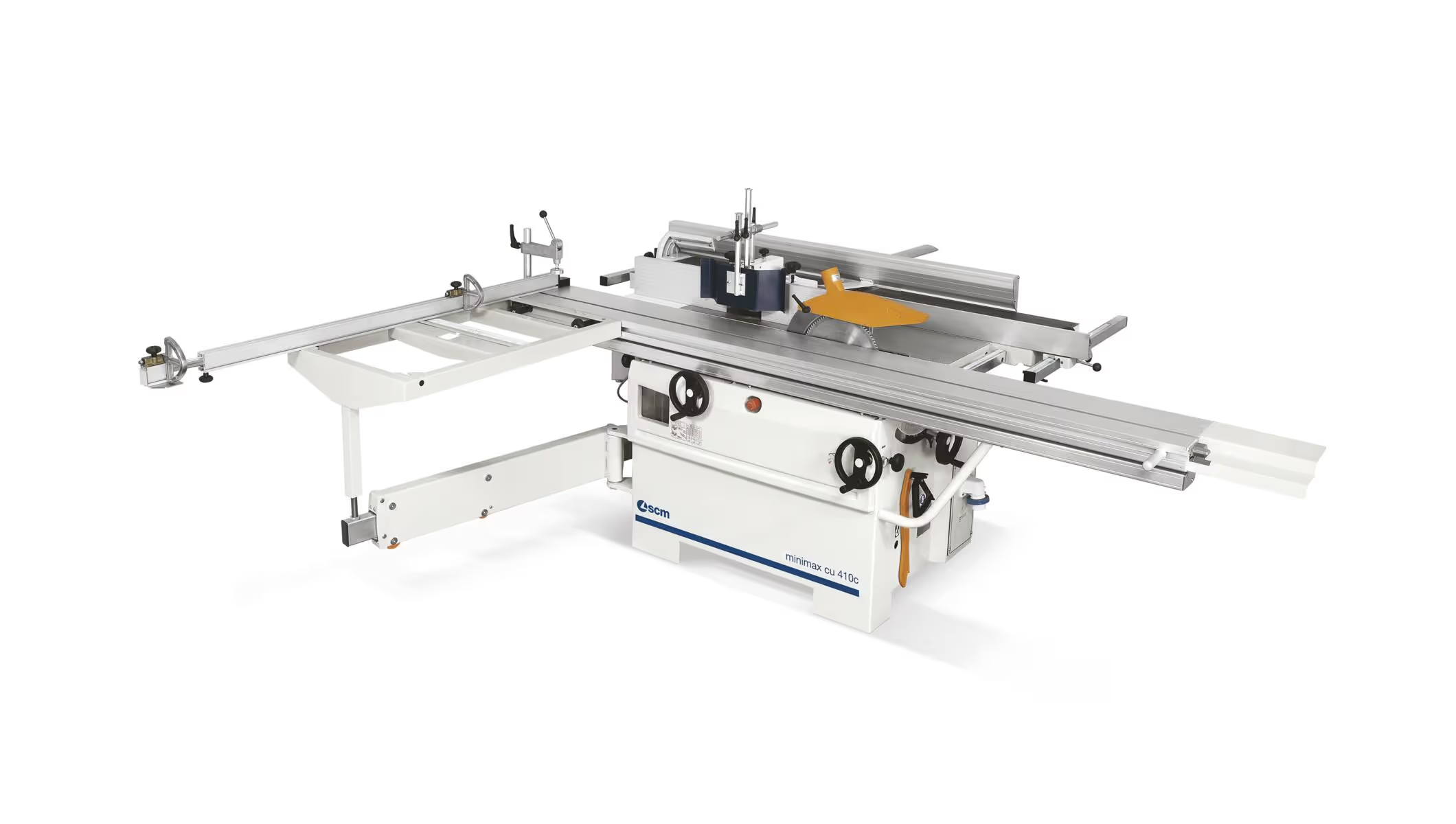 SCM Group SCM minimax cu 410c universal combination machine
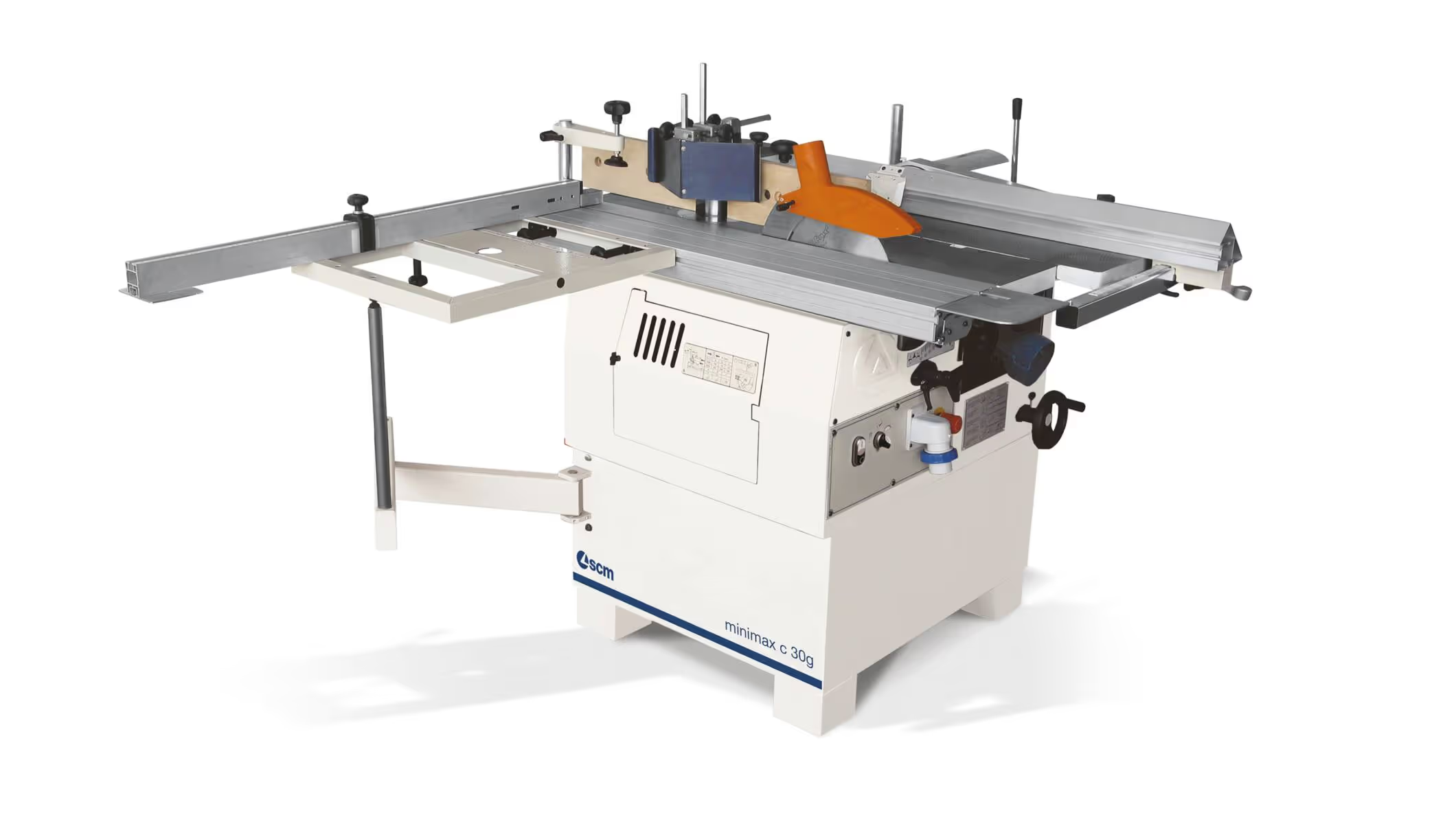 SCM Group SCM minimax c 30g combination machine
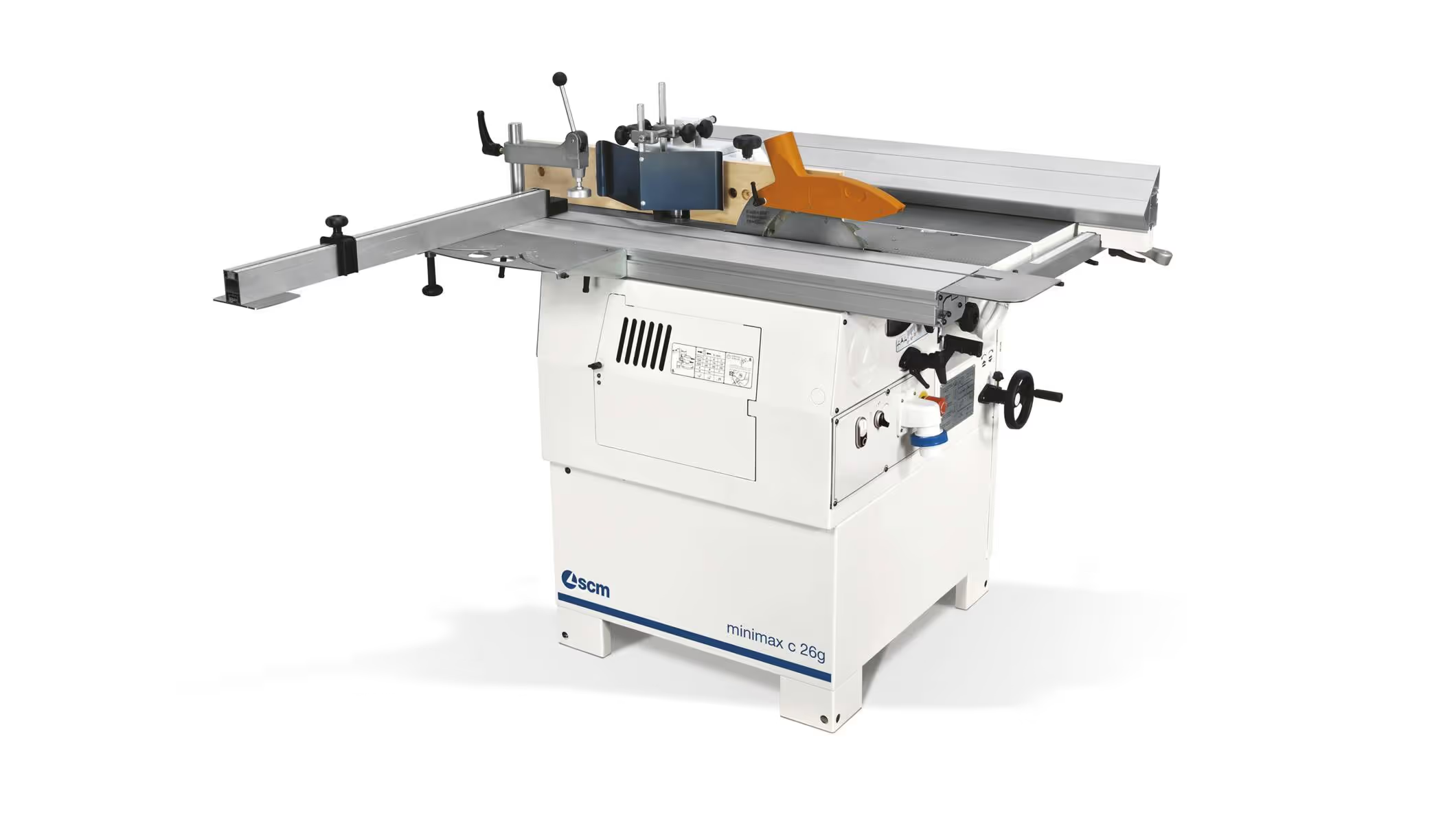 SCM Group SCM minimax c 26g combination machine
20 of 20 products
Choose a 3-operation combination machine, a 5-operation combination machine or a sliding table saw-spindle moulder depending on the functions you want to combine on the same machine and the work to be carried out.
5-operation models can combine sawing, spindle moulding, jointing, planing and mortising. This makes it possible to chain several wood-processing steps without multiplying independent machines. A saw-spindle combination machine focuses more on cutting and profiling operations, while other configurations meet intermediate needs.
Also find the full range of second-stage processing machines listed on WoodPartners to complete or upgrade your setup.
Combination machines are mainly used in joinery workshops, fitting-out workshops and by professionals who carry out several wood-processing operations in the same workshop.
Their main advantage is bringing several operations together on one machine. They therefore suit workshops looking for versatility while limiting the number of machines to install.
They are particularly suitable for working solid wood to carry out different stages of cutting, surfacing, profiling or assembly. The choice, however, depends on the type of production and the functions actually needed on a day-to-day basis.
The number of operations, working capacities, footprint and power are the first criteria to compare.
You should also take into account the usual dimensions of the parts, the frequency of use of each function, and the space required around the machine to work in good conditions. A company that uses one operation intensively may also prefer a dedicated machine.
Depending on your needs, also consult the stationary saws, the spindle moulders or the planers and jointers listed on WoodPartners.
Start by identifying the functions that are truly necessary in your workshop, then compare the 3-operation and 5-operation combination machines and the saw-spindle machines that match your needs. Check their working capacities, power and the space required for installation.
The manufacturers listed on WoodPartners can then inform you about the available configurations and help you verify whether the machine you are considering matches your organization and the work carried out.
Send your request to the relevant suppliers in 2 min. They answer you directly.
With your consent, we and use trackers to measure audience, suggest suppliers and products similar to the ones you view, and measure our advertising. Continuing without accepting changes nothing about your browsing. Learn more