
 SCM Group Combined planer-thicknesser SCM nova fs 410
Discover our selection of x references in Thickness planers & jointers. Compare professional thickness planers and jointers based on the operations to be performed, the dimensions of the workpieces, and your production needs.
SCM Group Combined planer-thicknesser SCM nova fs 410  SCM Group SCM minimax s 41es thicknesser
  SCM Group Surface planer SCM class f 520 / f 410
 Andre Technologies GILBERT 6-roller thicknesser
 Felder Group Felder AD 951 planer-thicknesser
  Felder Group Format4 exact 51 thicknesser
  Felder Group Hammer A3 41A surface planer
  Andre Technologies GILBERT S Series Planer
  SCM Group SCM l'invincibile f 7 premium surface planer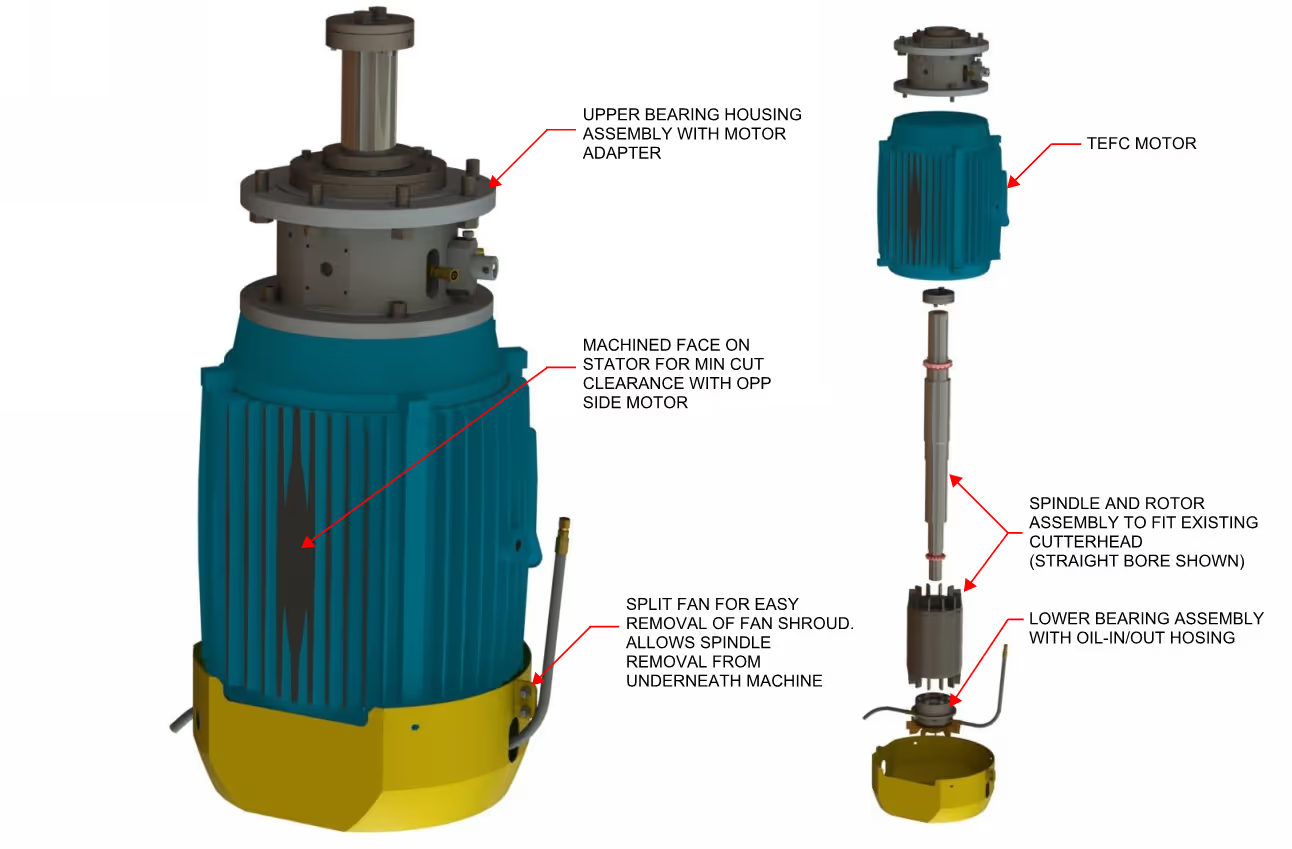
 Usnr Motor drive upgrades
  Felder Group Felder AD 531 planer-thicknesser
  SCM Group SCM minimax s 52es thicknesser
  Felder Group Hammer A3 31 planer-thicknesser
  Felder Group Format4 exact 63 thicknesser
 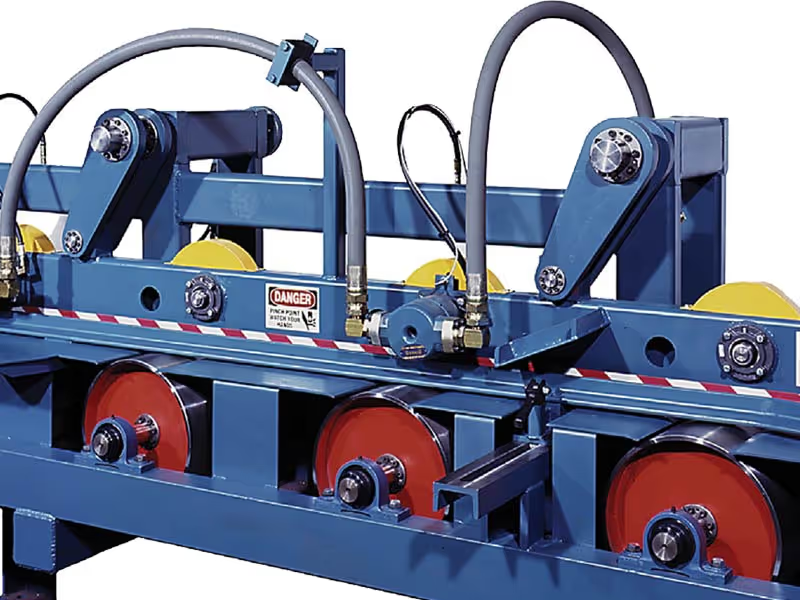 Usnr USNR planer infeed table and bridge
  Felder Group Hammer A3 41 planer-thicknesser
  Andre Technologies GILBERT High-Speed Planer
 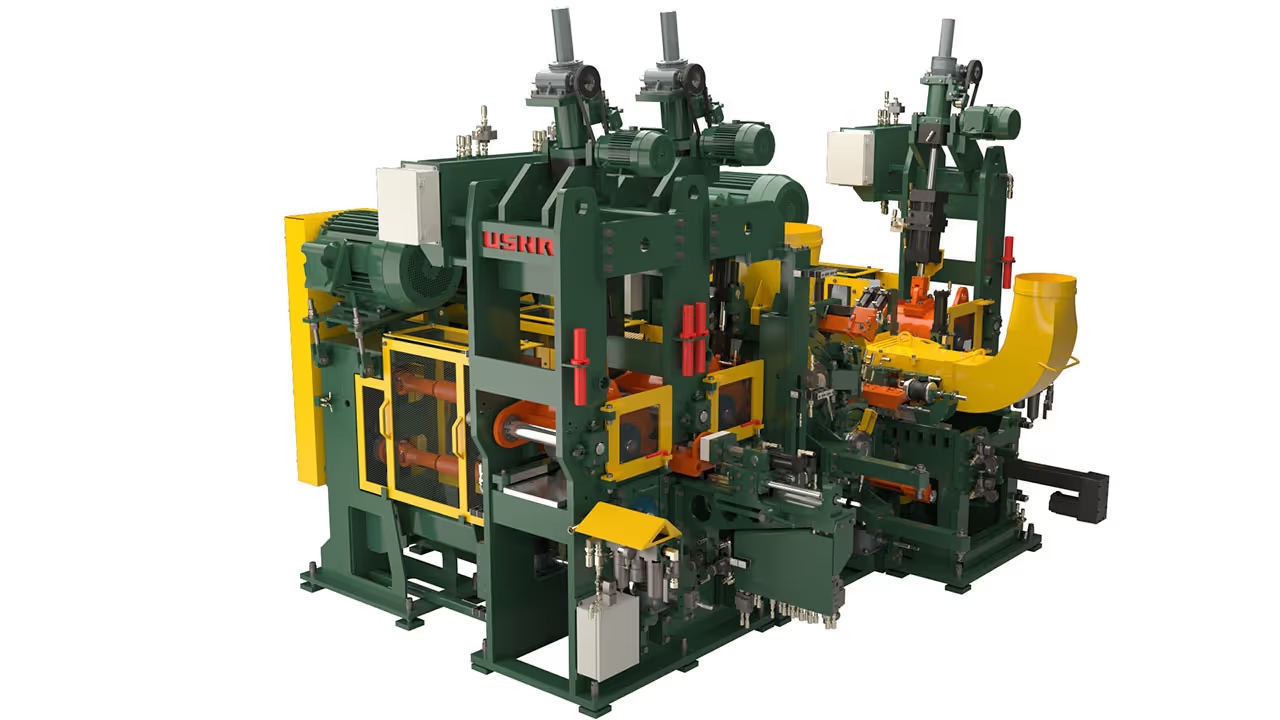 Usnr USNR 4200E planer
  Felder Group Felder D 963 c-tech thicknesser
  SCM Group SCM minimax f 52es surface planer
  SCM Group SCM minimax fs 41c combined planer thicknesser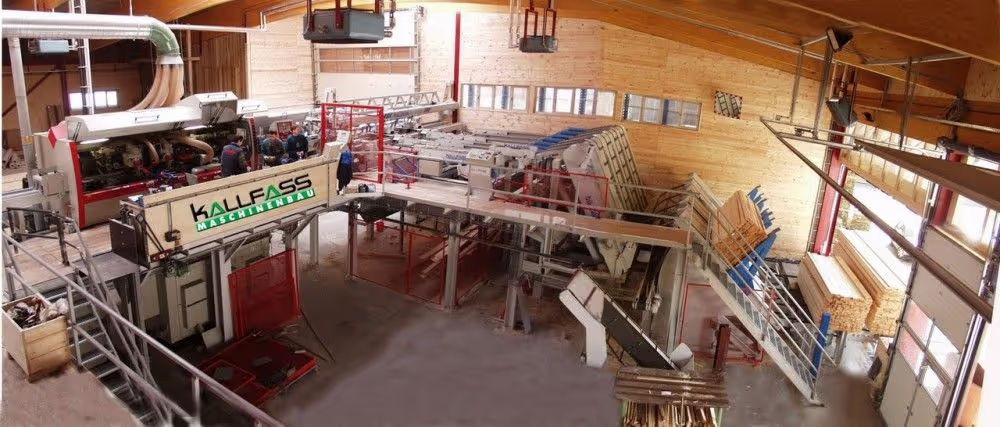
 VBI bois VBI handling equipment for planers & glulam, glued solid timber, finger-jointed timber and CLT
  Felder Group Format4 plan 51L surface planer
  SCM Group SCM l'invincibile s 7 premium thicknesser
 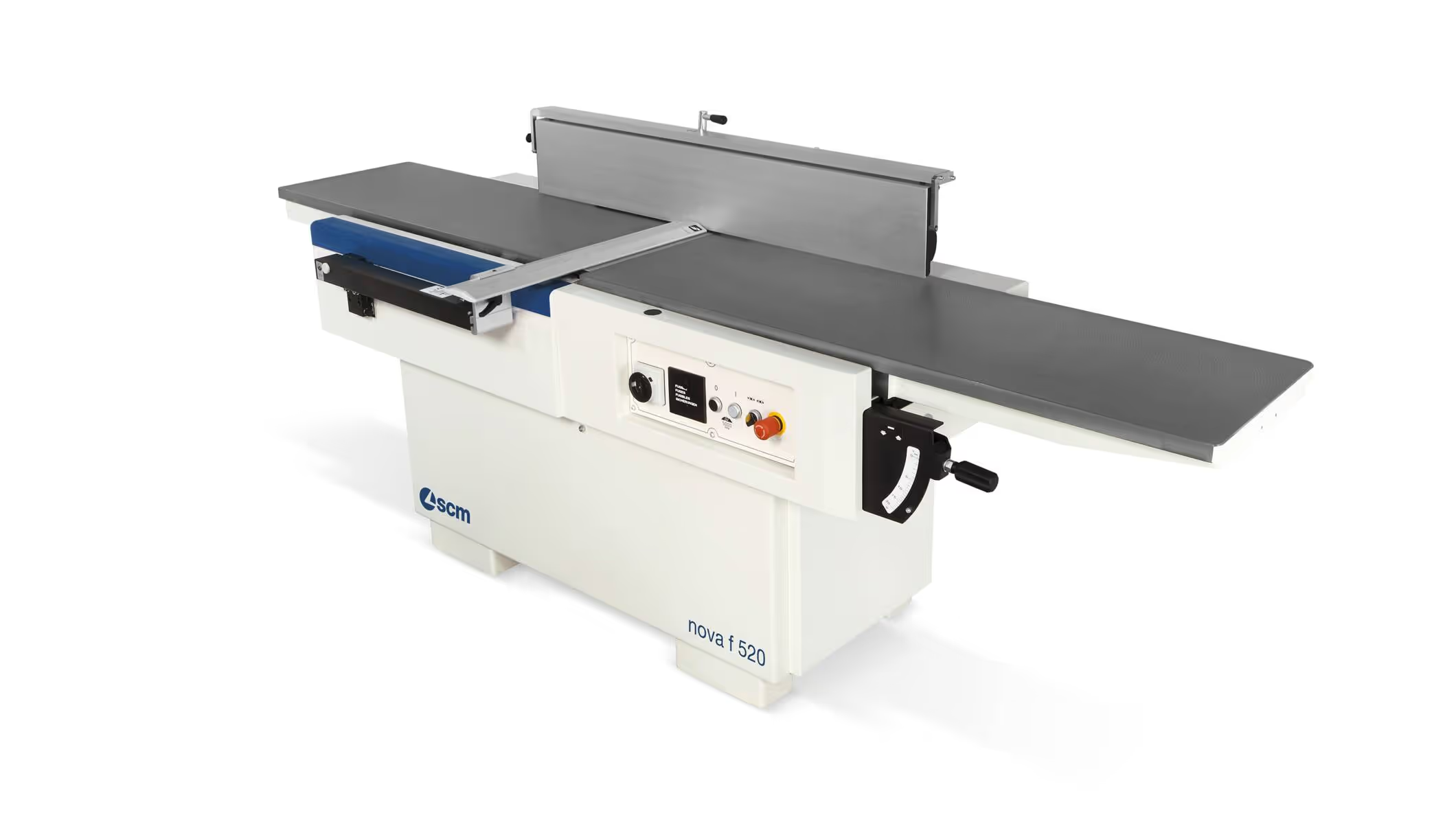 SCM Group Surface planer SCM nova f 520 / f 410
  Felder Group Felder AD 741 planer-thicknesser
  SCM Group SCM l'invincibile fs 7 combined planer-thicknesser
  SCM Group SCM class s 630 / s 520 thicknesser
 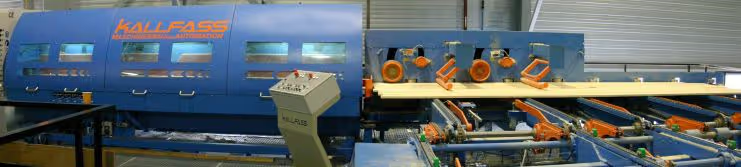 VBI bois VBI planer infeed and handling
  Felder Group Felder D 963 thicknesser
 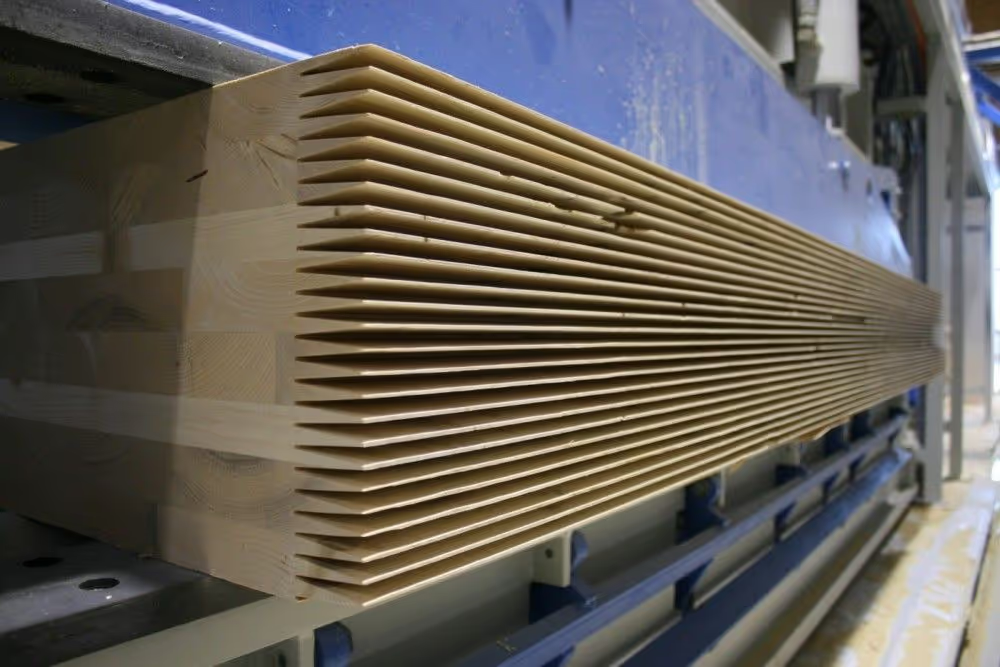 VBI bois VBI handling for glulam, glued solid timber, finger-jointed timber and CLT
  SCM Group SCM minimax f 41es surface planer
  Felder Group Felder A 951 L surface planer
  Felder Group Felder AD 941 planer-thicknesser
  SCM Group SCM minimax fs 30c combined planer-thicknesser
  Felder Group Hammer A3 41D thicknesser
  SCM Group SCM nova fs 520 combined planer-thicknesser
  SCM Group SCM minimax fs 41e combined planer thicknesser
  SCM Group SCM nova s 630 / s 520 thicknesser
  Felder Group Felder A 941 surface planer
  SCM Group SCM minimax fs 41es combined planer-thicknesser
 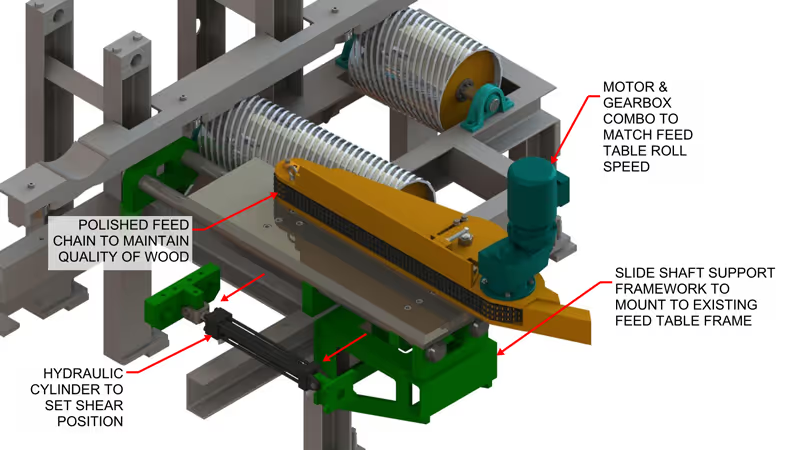 Usnr USNR planer travelling shear assembly
 42 of 47 products
The choice mainly depends on the operation to be carried out, the width of the workpieces, production volume, and the available space in the workshop.
A jointer is used to create a flat face and a reference edge on a piece of wood. The thickness planer is then used to obtain the desired thickness and parallel faces. To combine these two functions in a single machine, a combined jointer-planer is a suitable solution.
WoodPartners lists these different configurations as well as planer-sanders, to meet needs ranging from workshop surfacing to more sustained production applications.
Also find all second-stage processing machines listed on WoodPartners to complete or upgrade your setup.
These machines are mainly used in carpentry shops, fitting-out workshops, cabinetmaking workshops, and professional units that process solid wood.
They are generally involved in preparing solid wood before cutting, profiling, or assembly operations. They make it possible to obtain consistent, dimensioned workpieces before the rest of the manufacturing process.
Some thickness planers are also designed for industrial production rates and can be integrated into lines dedicated to processing solid wood, engineered wood, or components intended for timber construction.
Working width, power, machine capacities, and configuration type are the first criteria to compare.
You should also take into account the sections you typically work with, frequency of use, and the required throughput. For a workshop with limited space or looking for greater versatility, a combined jointer-planer can avoid installing two separate machines. More intensive production may, on the contrary, justify equipment dedicated to each operation.
To bundle more functions, see combined machines. Also check out moulders for continuous profiling and stationary saws for cutting operations.
To compare machines, start by determining whether you need equipment dedicated to jointing, planing, or a combined jointer-planer. Working width, power, and capacities suited to the sections you process then allow you to refine your selection.
Depending on the space available and how often each function is used, you can favor a combined machine or two separate pieces of equipment. Manufacturers listed on WoodPartners can then specify the configurations that match your workshop and your production rate.
Your privacy
We use trackers to measure site audience and improve your experience. You can decline without changing anything about your browsing. See our privacy policy