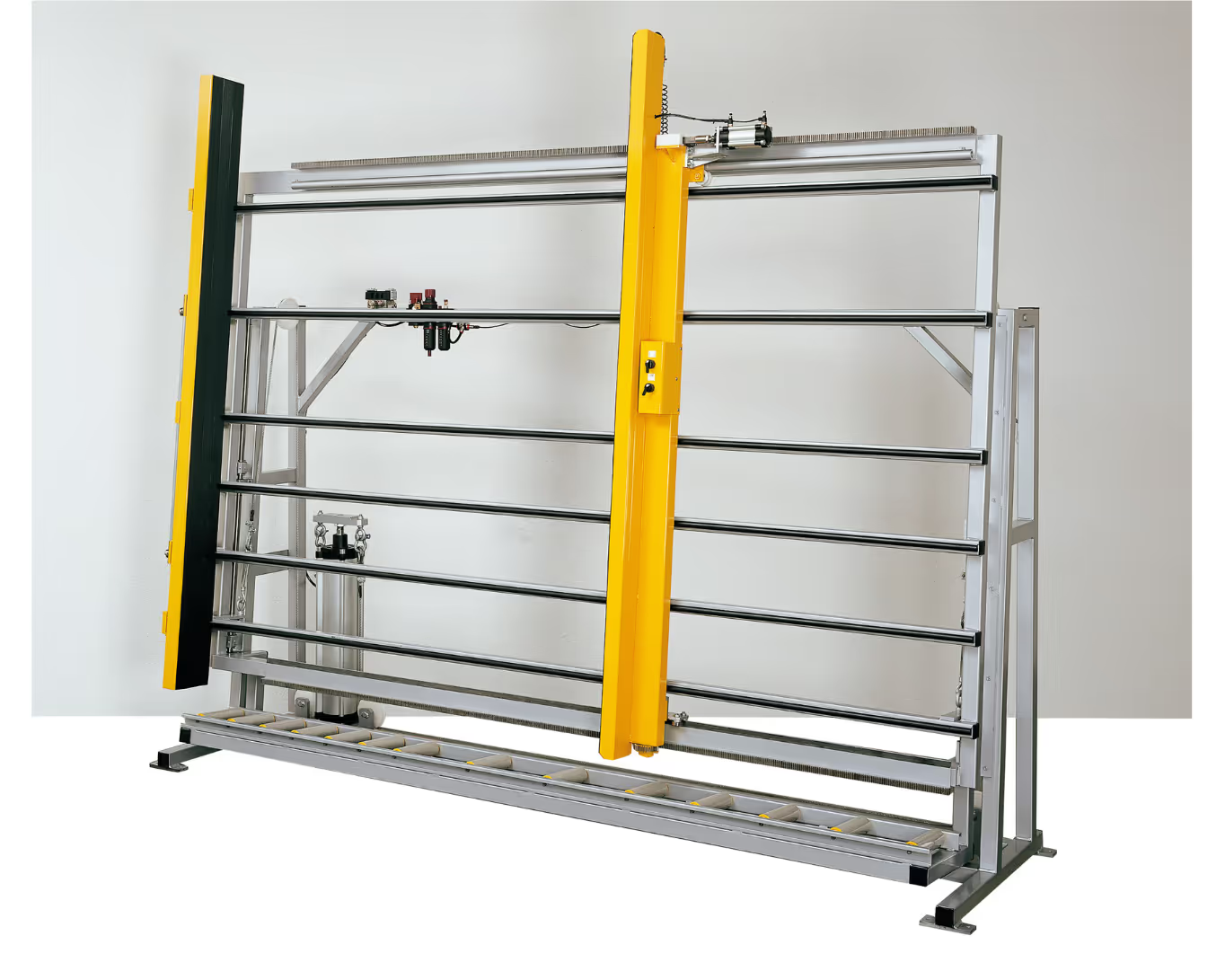
 Larenn Larenn PL970 glazing and inspection press for timber and PVC frames
Discover our selection of x references in Secondary processing machines. Compare professional equipment for cutting, calibrating, profiling, machining, assembling, sanding or finishing parts and panels according to your production needs.
Larenn Larenn PL970 glazing and inspection press for timber and PVC frames 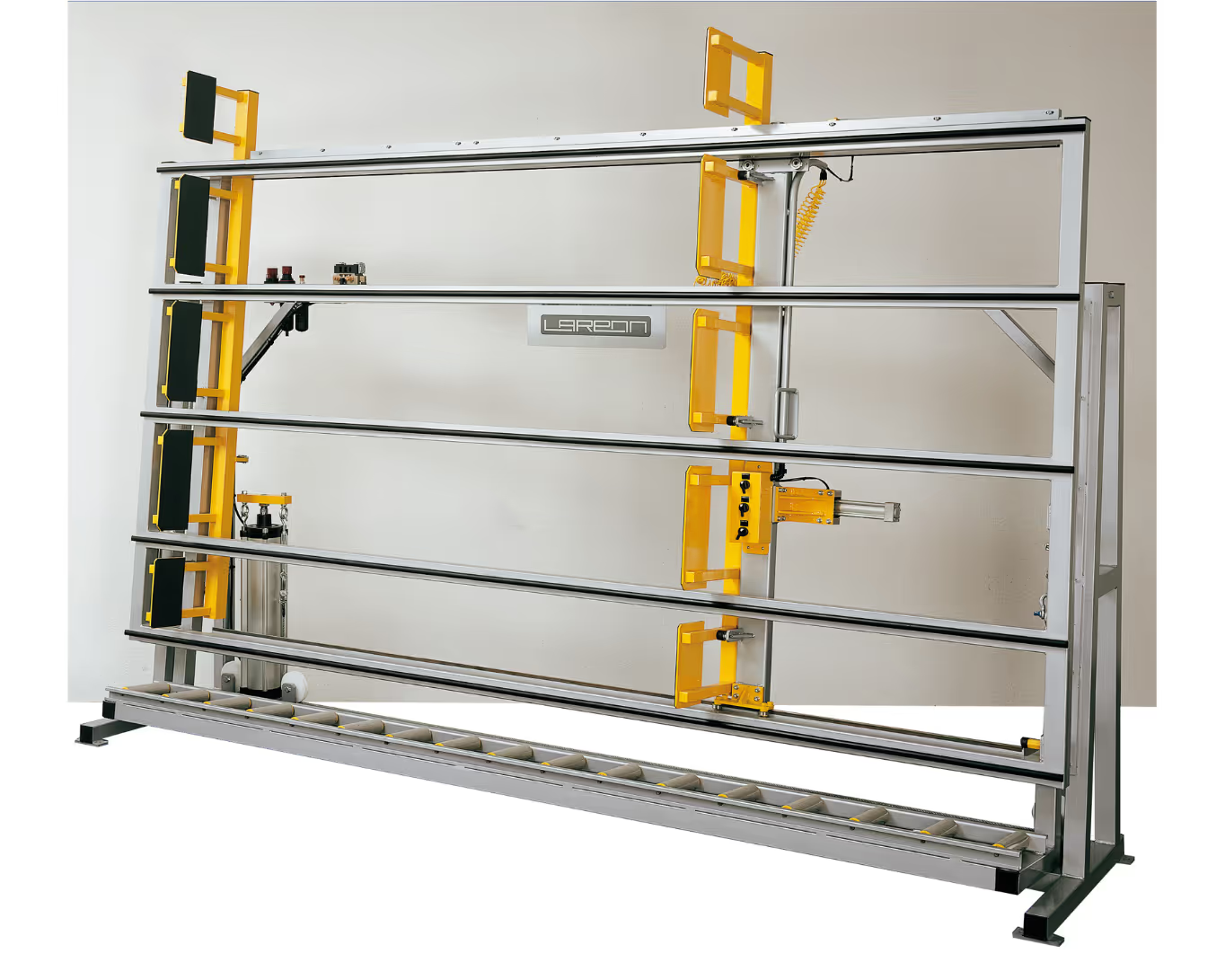 Larenn Larenn PL972 glazing press with retractable beams for timber and PVC
 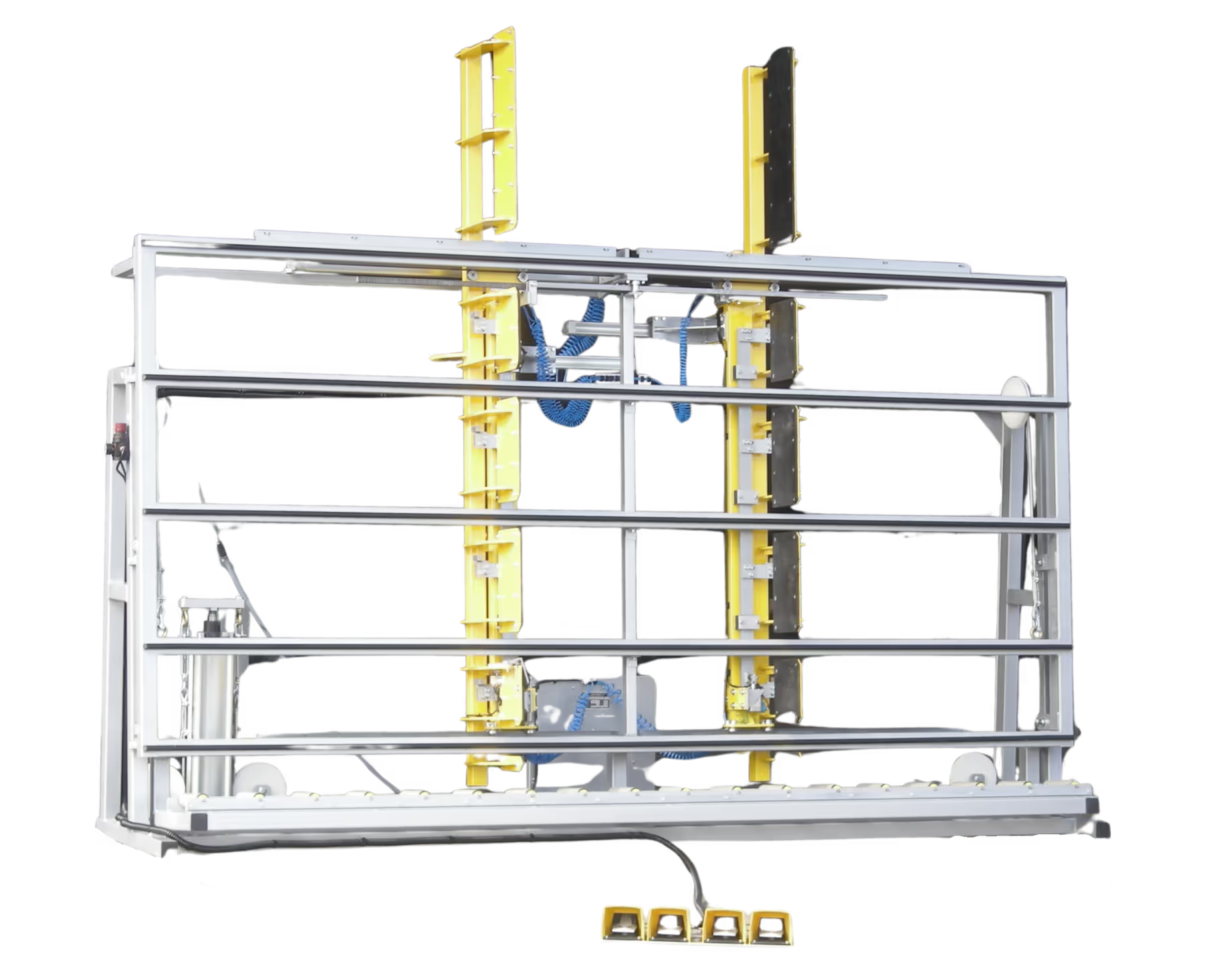 Larenn Larenn PL974 rising and tilting glazing press for timber and PVC frames
 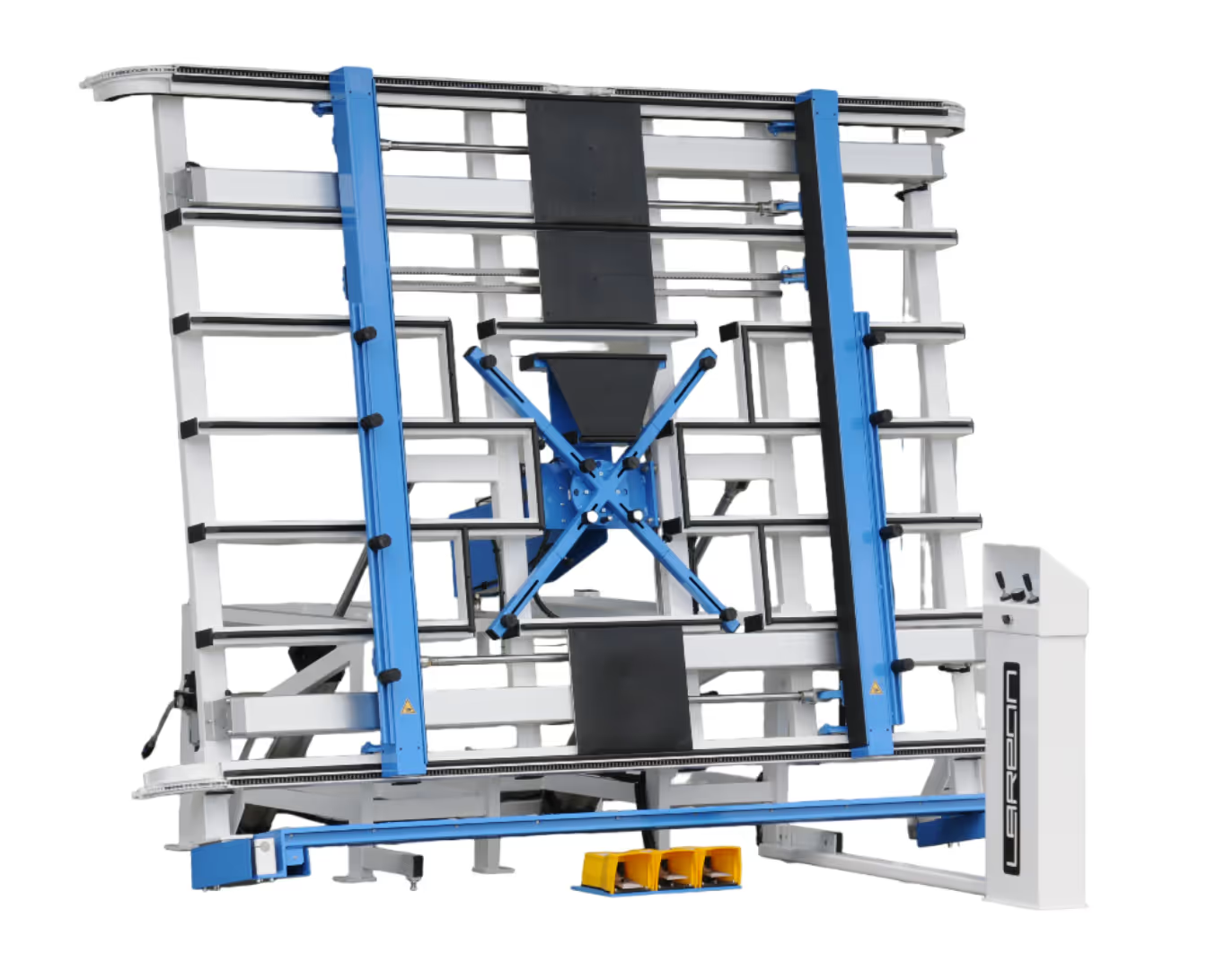 Larenn Presse de vitrage basculante Larenn AL920 pour coulissants aluminium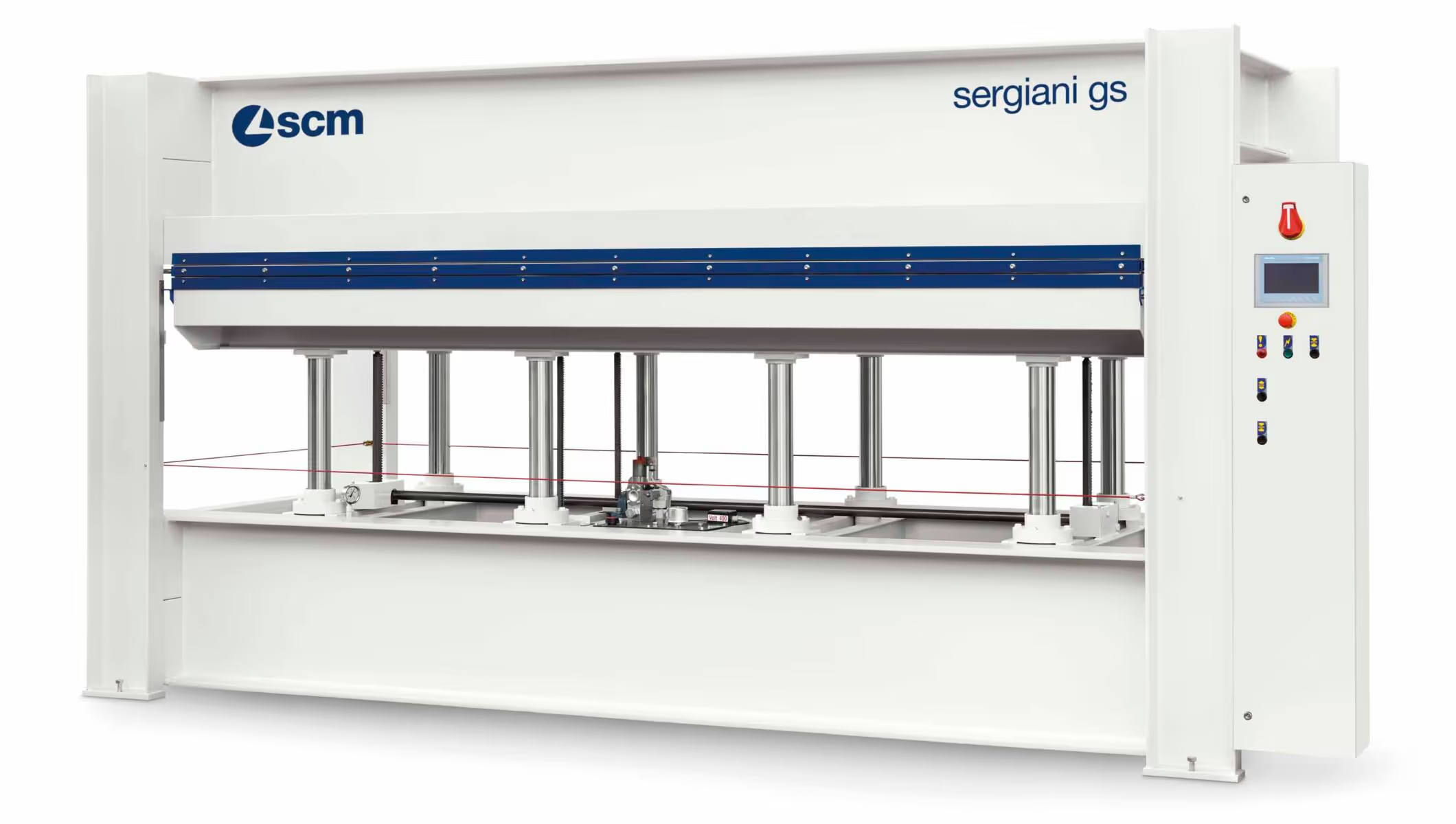
 SCM Group Veneering press SCM sergiani gs
 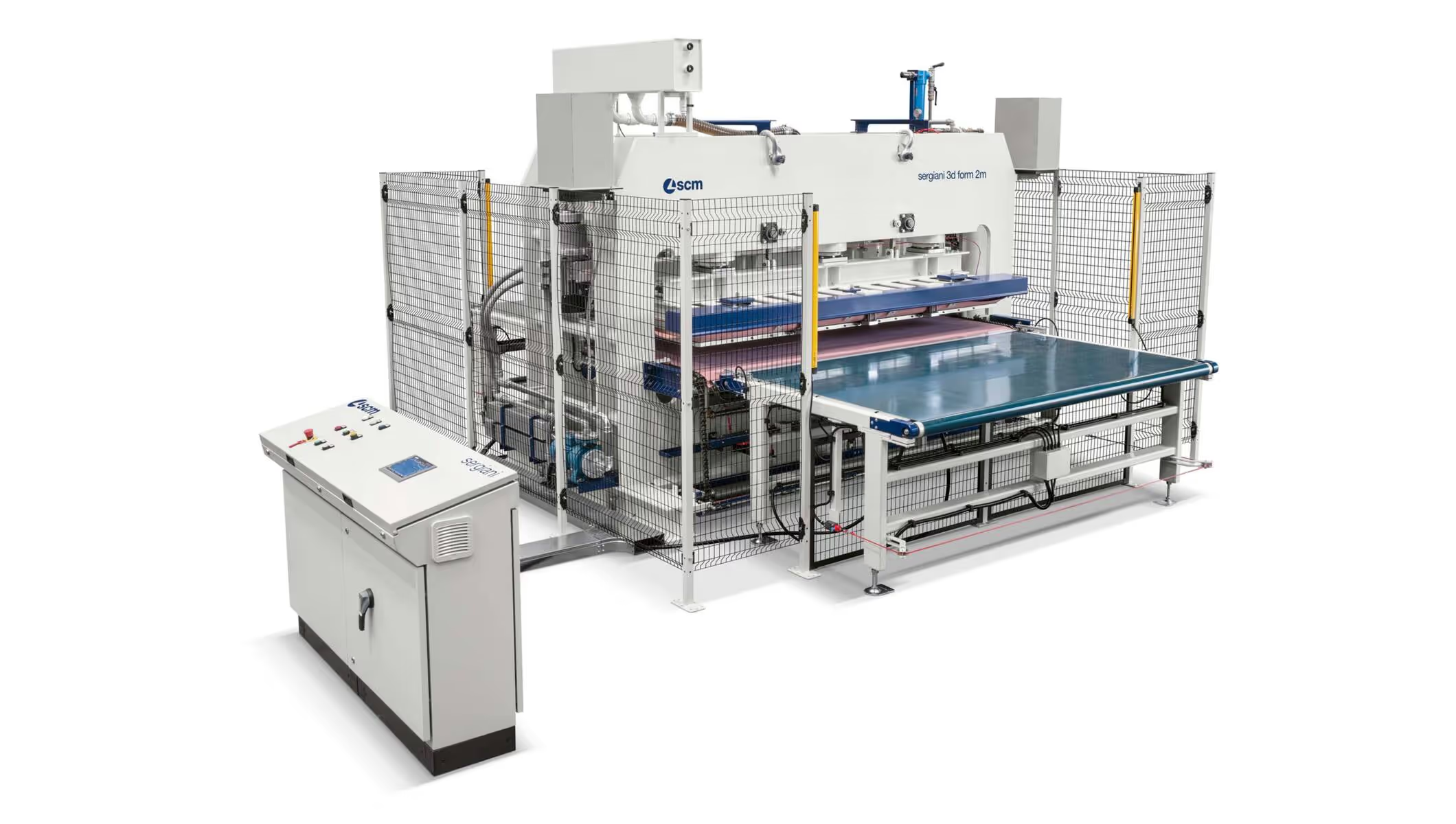 SCM Group Presse à double membrane 3D SCM sergiani 3d form 2m SCM Group SCM sergiani gs-f cold press
 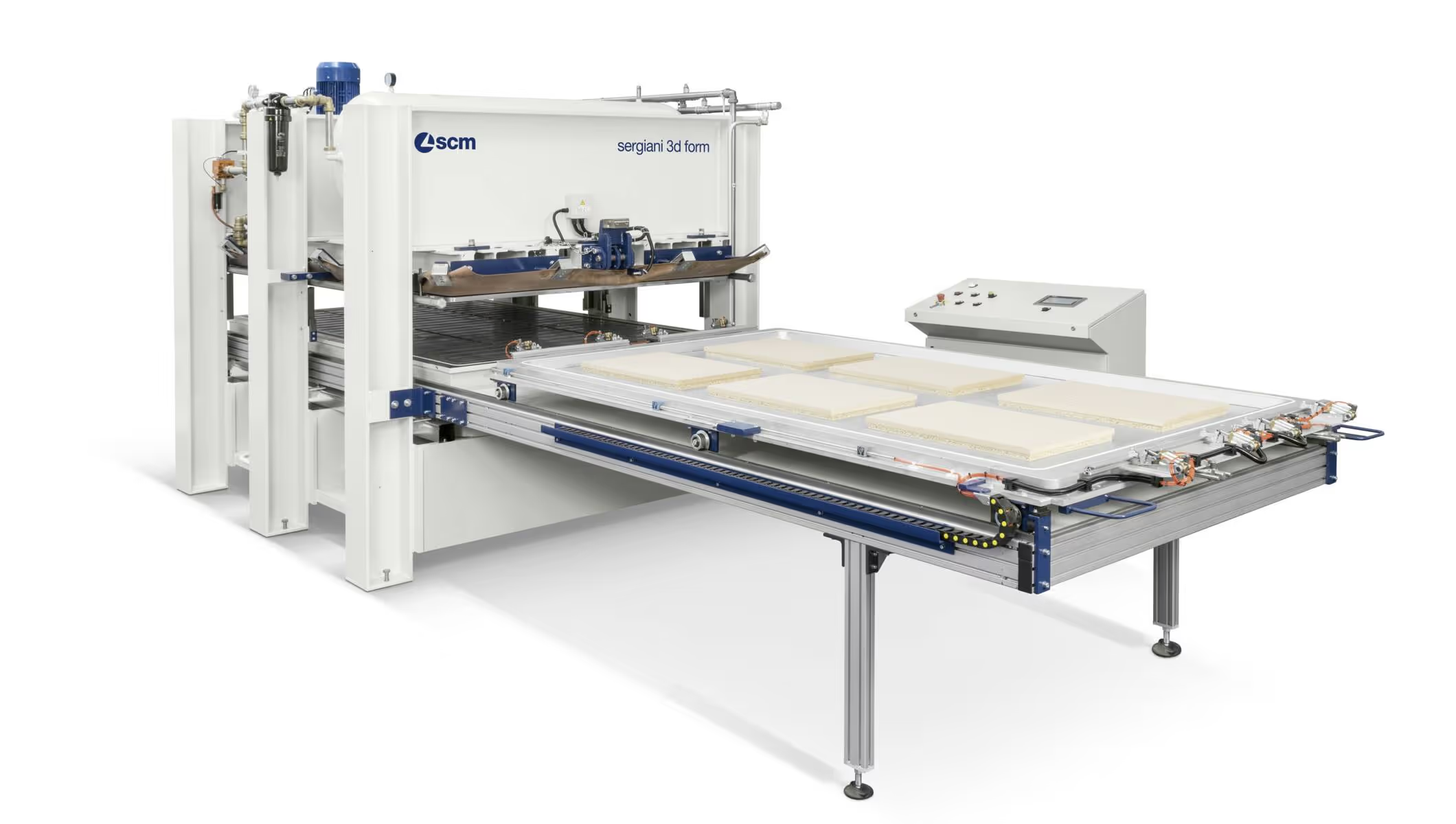 SCM Group Presse à membrane 3D SCM sergiani 3d form
 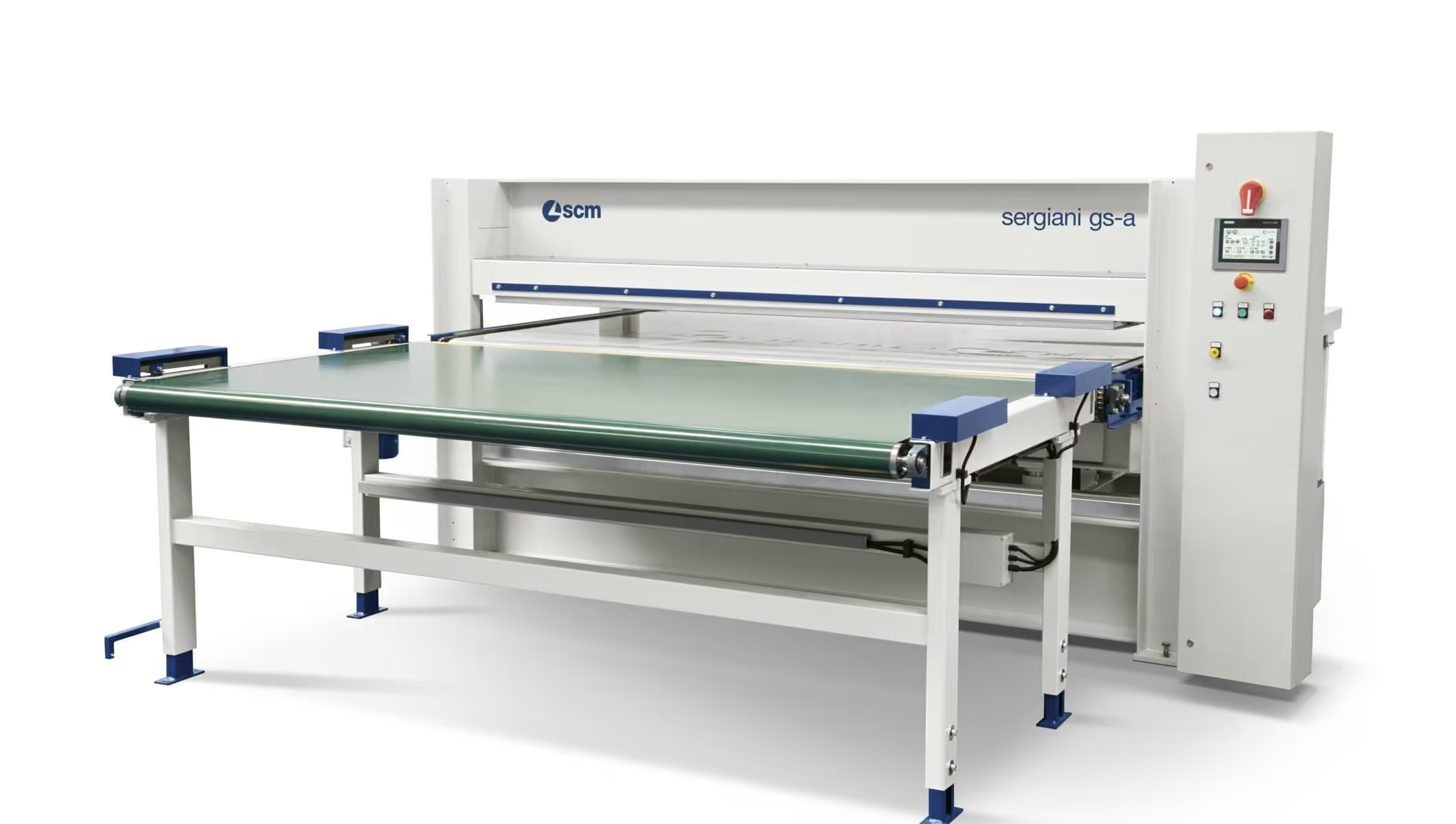 SCM Group SCM sergiani gs-a hot veneering press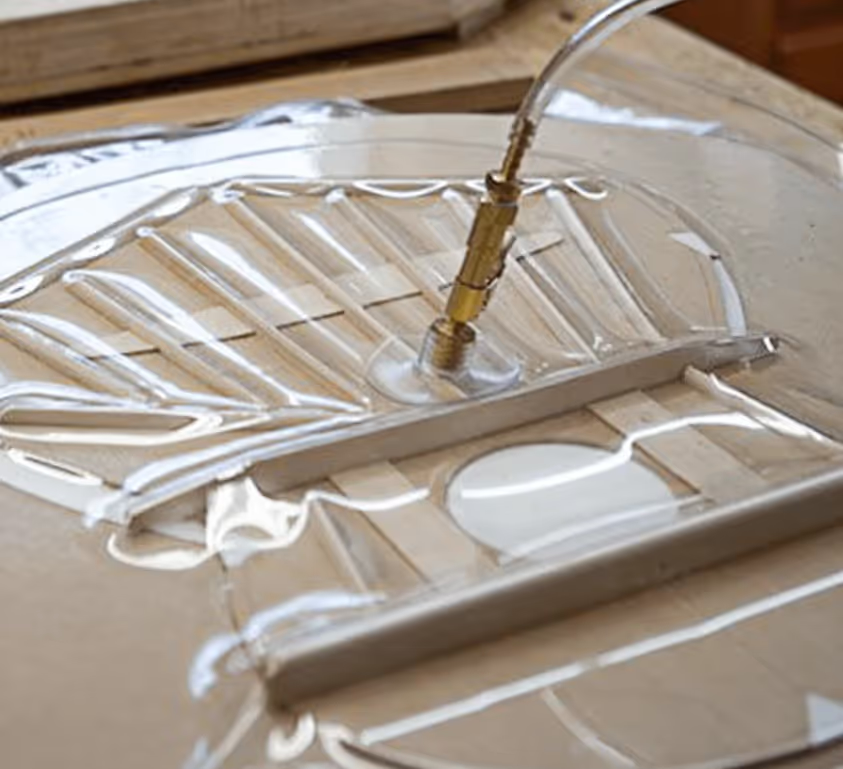
 Bugatool Vacuum bag for guitar glue-ups 150×90 cm with generator of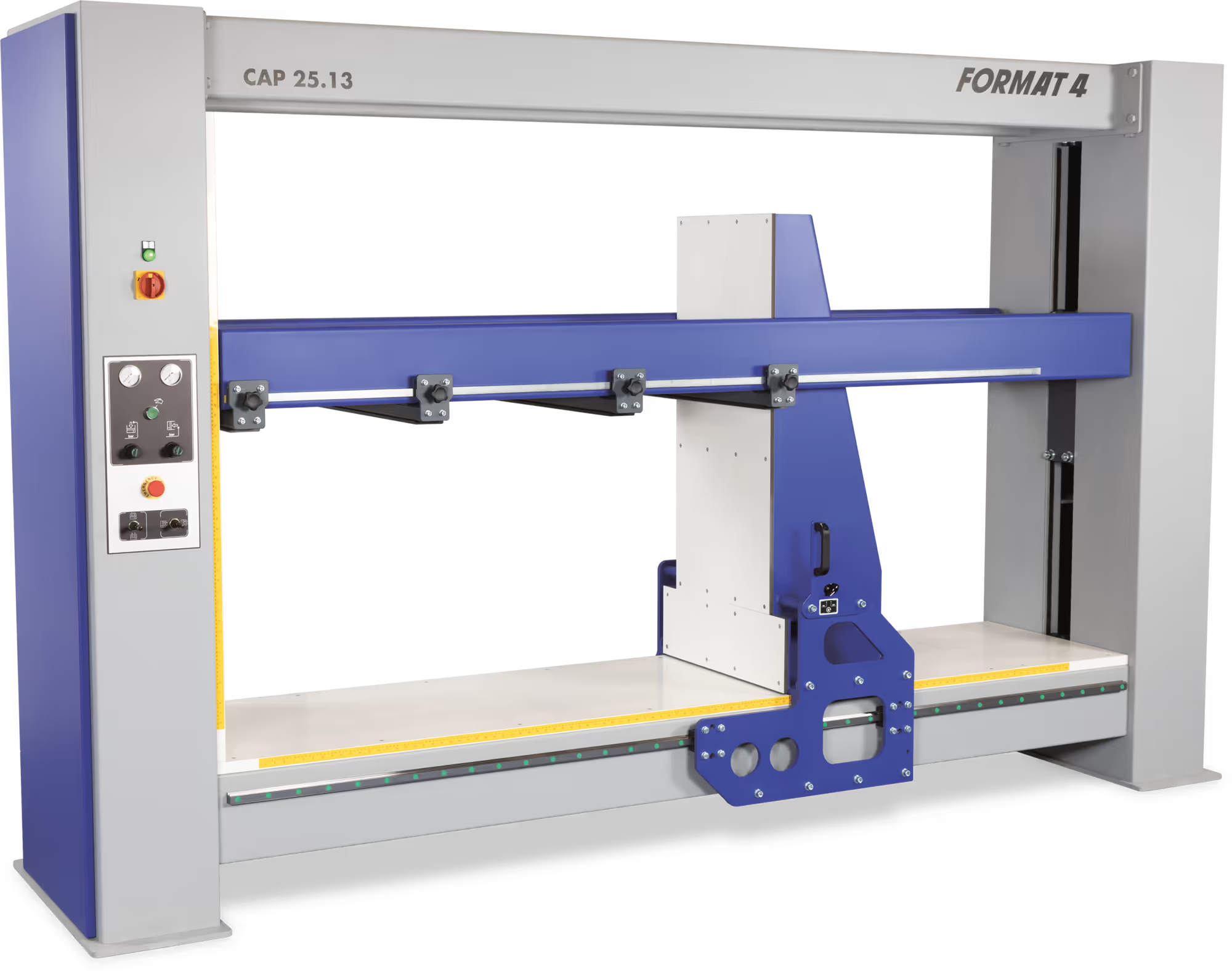
 Felder Group Format4 CAP 25.13 case clamp
 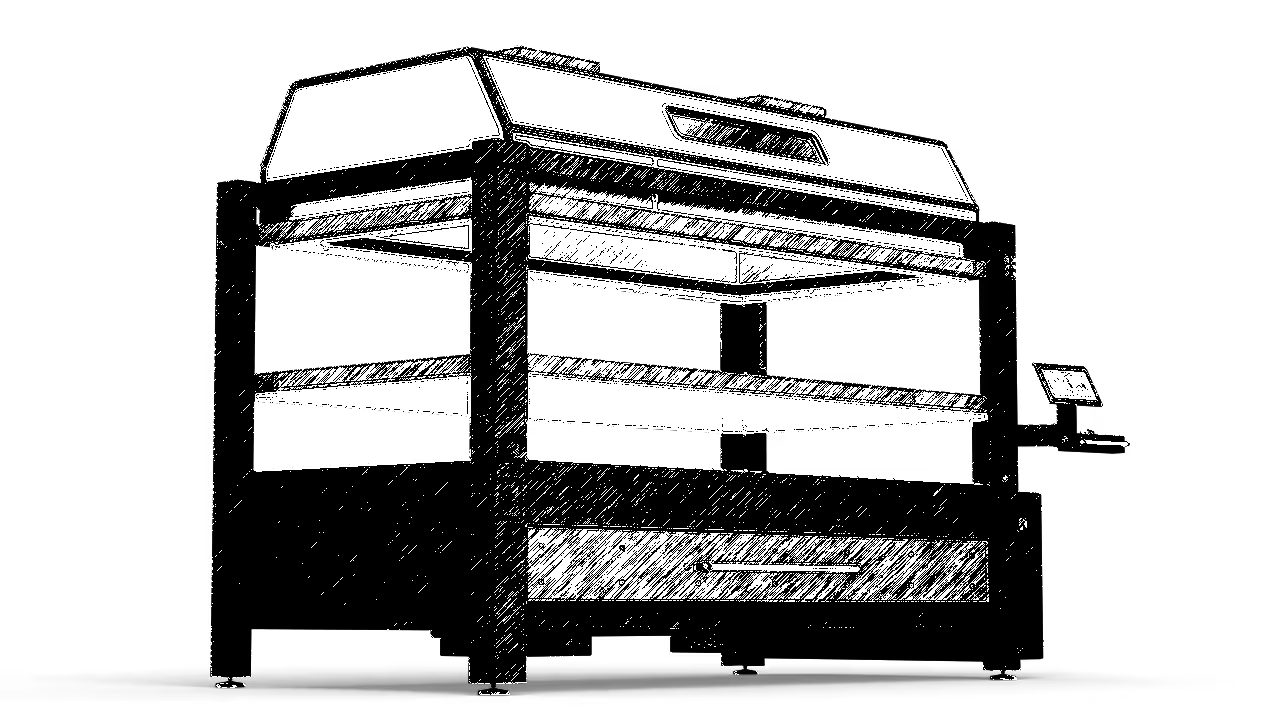 Felder Group Felder membrane press Special model
 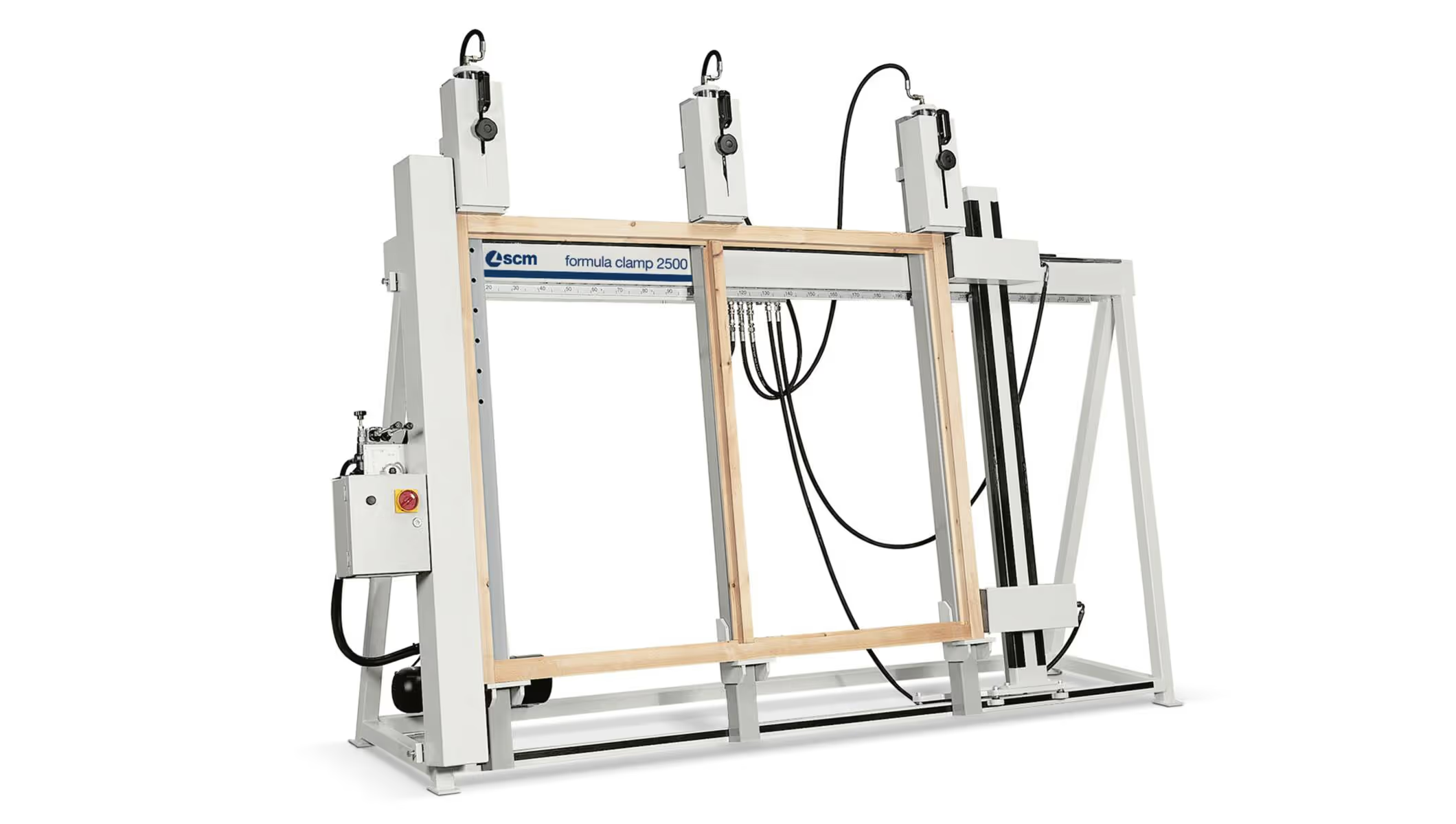 SCM Group Assembly clamp SCM formula clamp 2500
 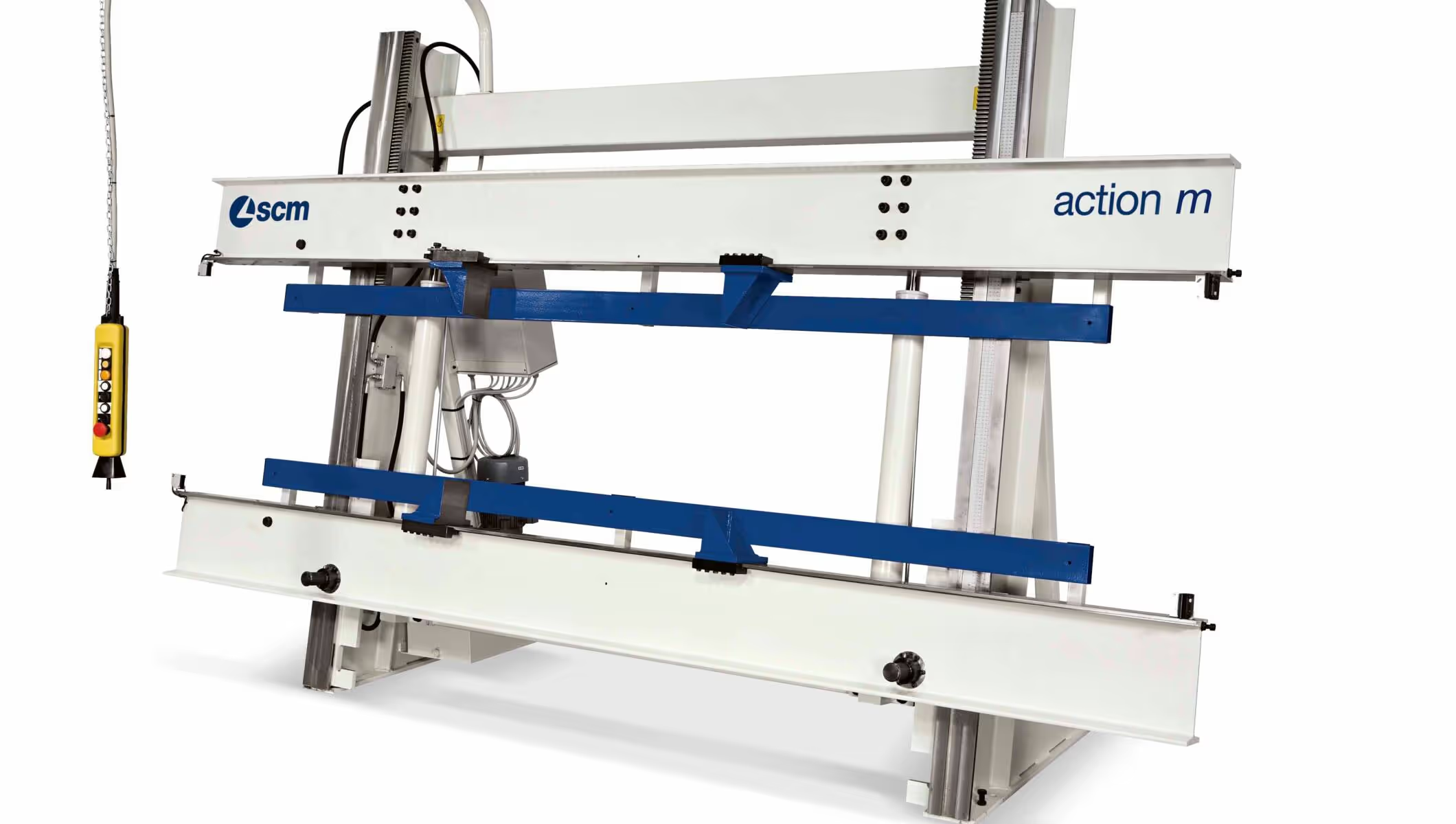 SCM Group SCM action m door and window clamp
 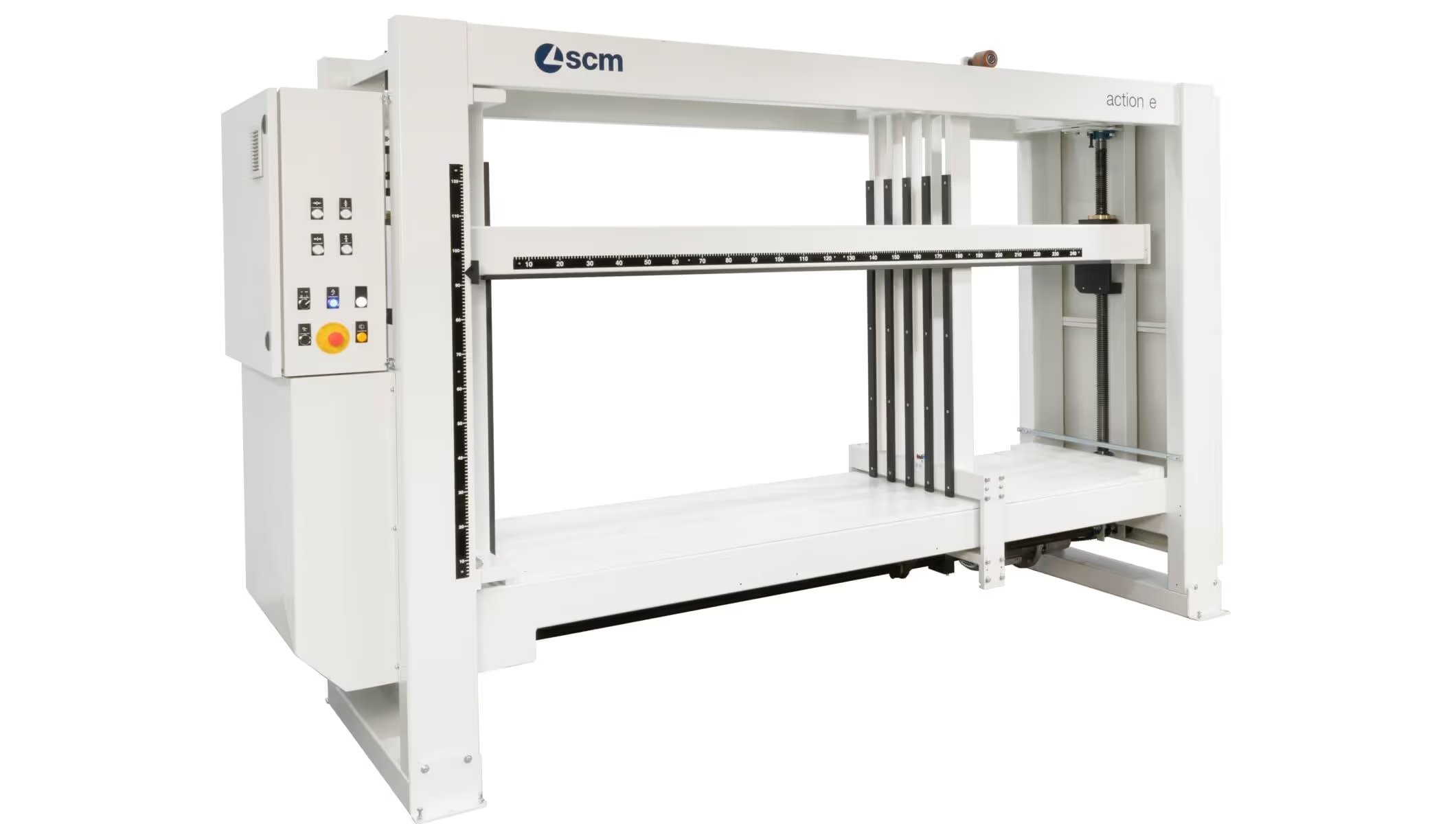 SCM Group SCM action e manual case clamp
 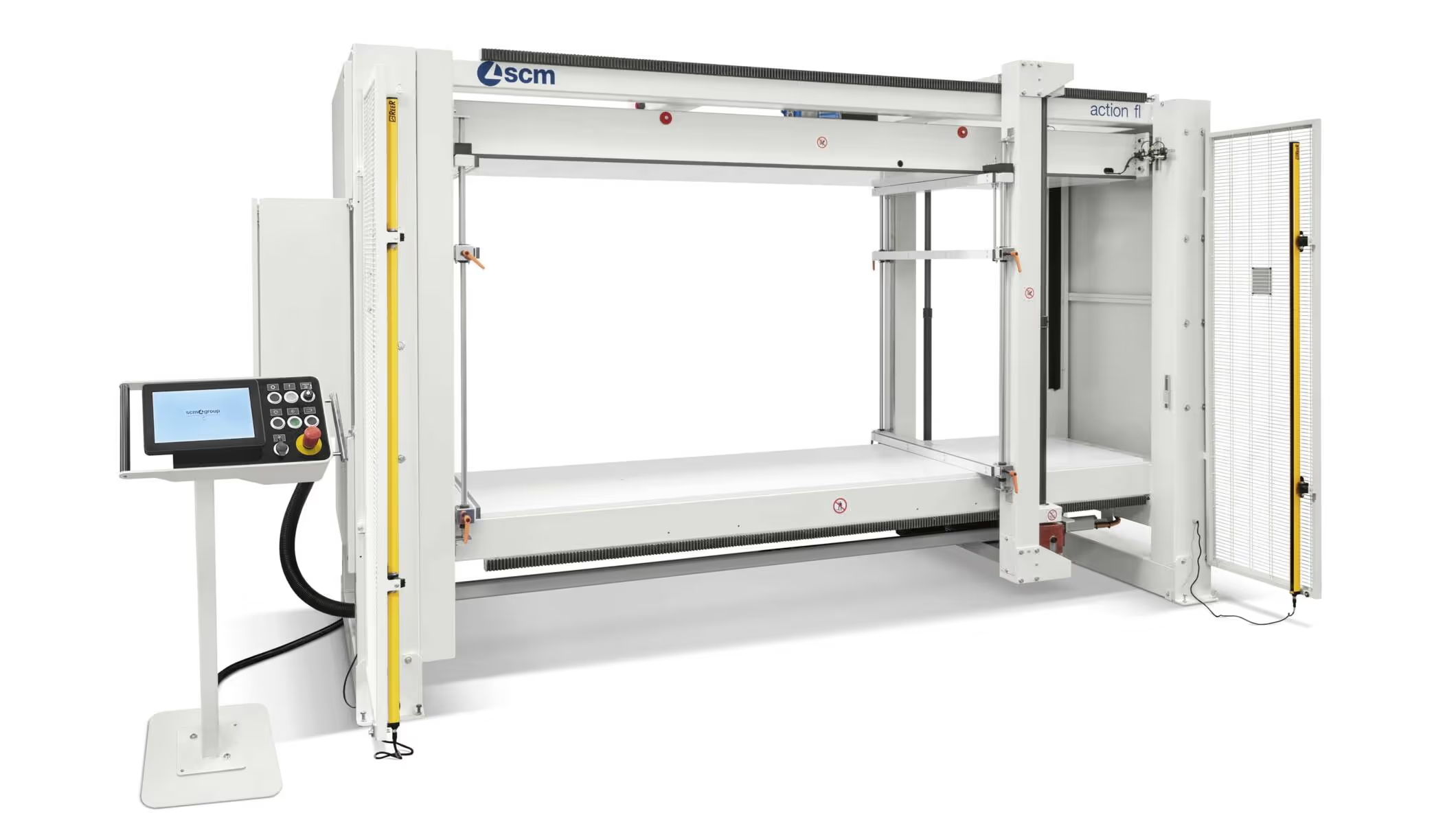 SCM Group SCM action fl case clamp
 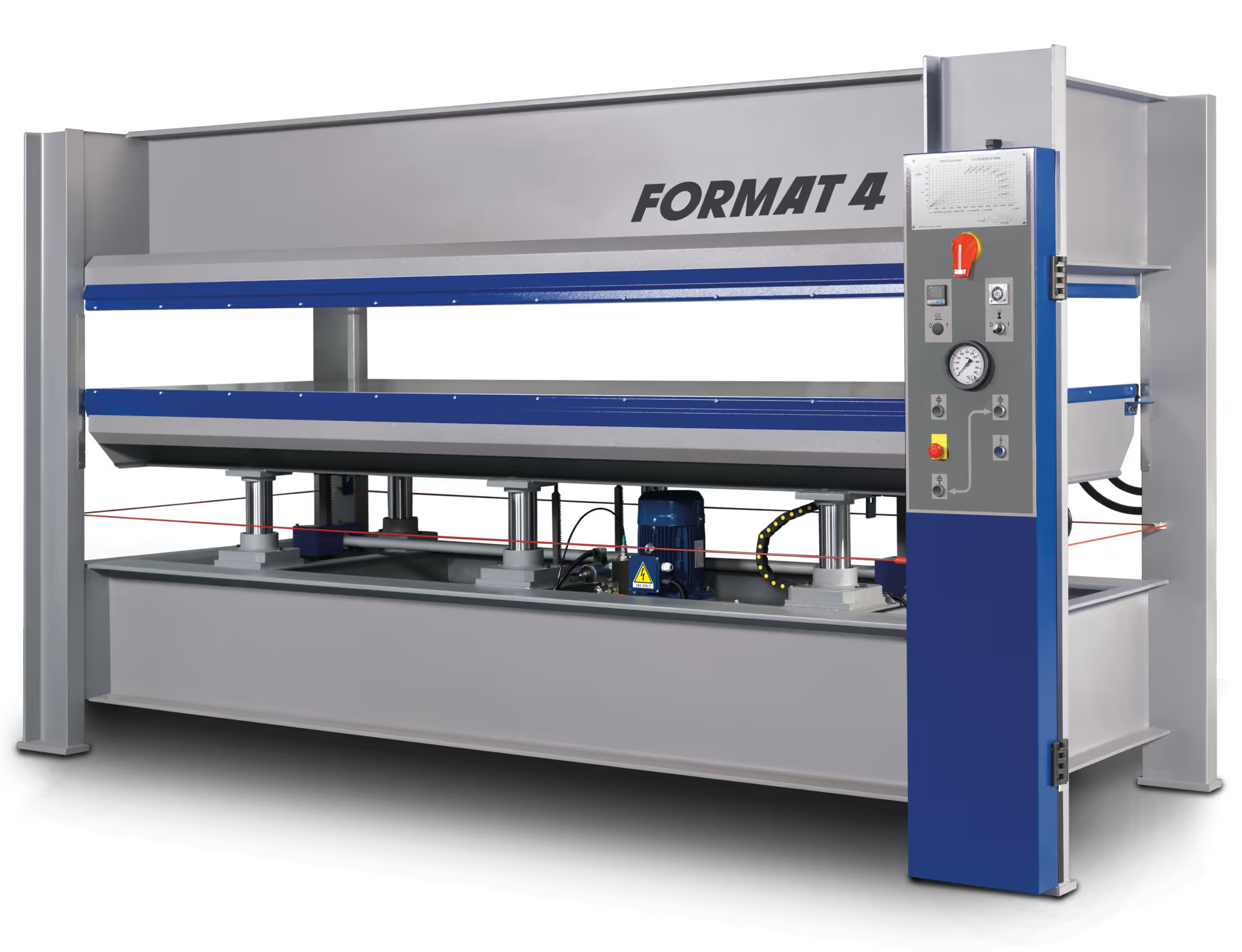 Felder Group Format4 HVP Typ 1 hot platen press
 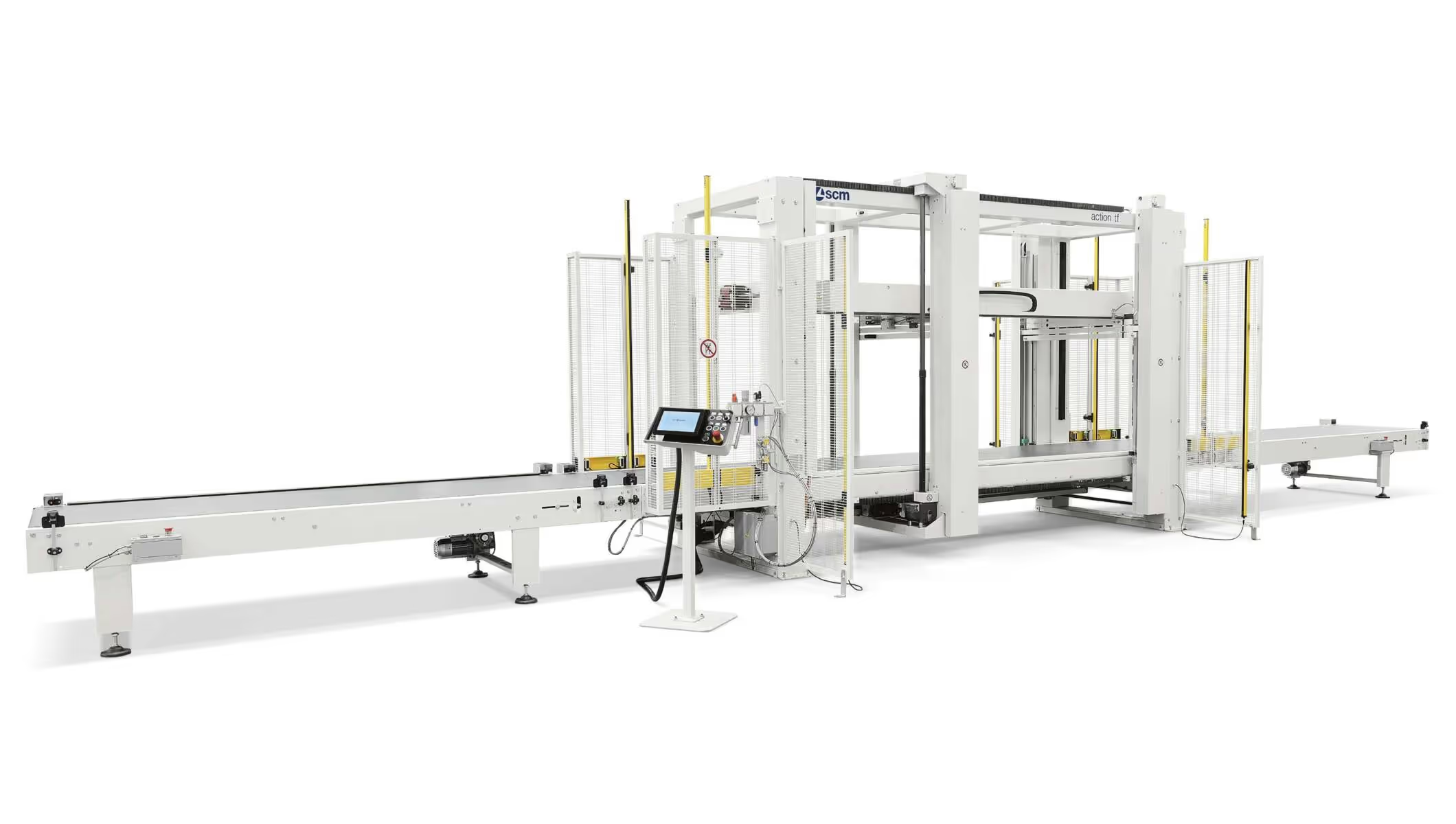 SCM Group Assembly case clamp SCM action tf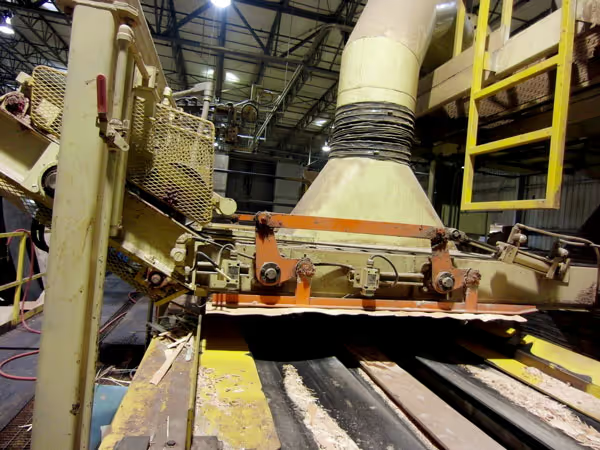
 Usnr USNR automatic plywood layup lines
 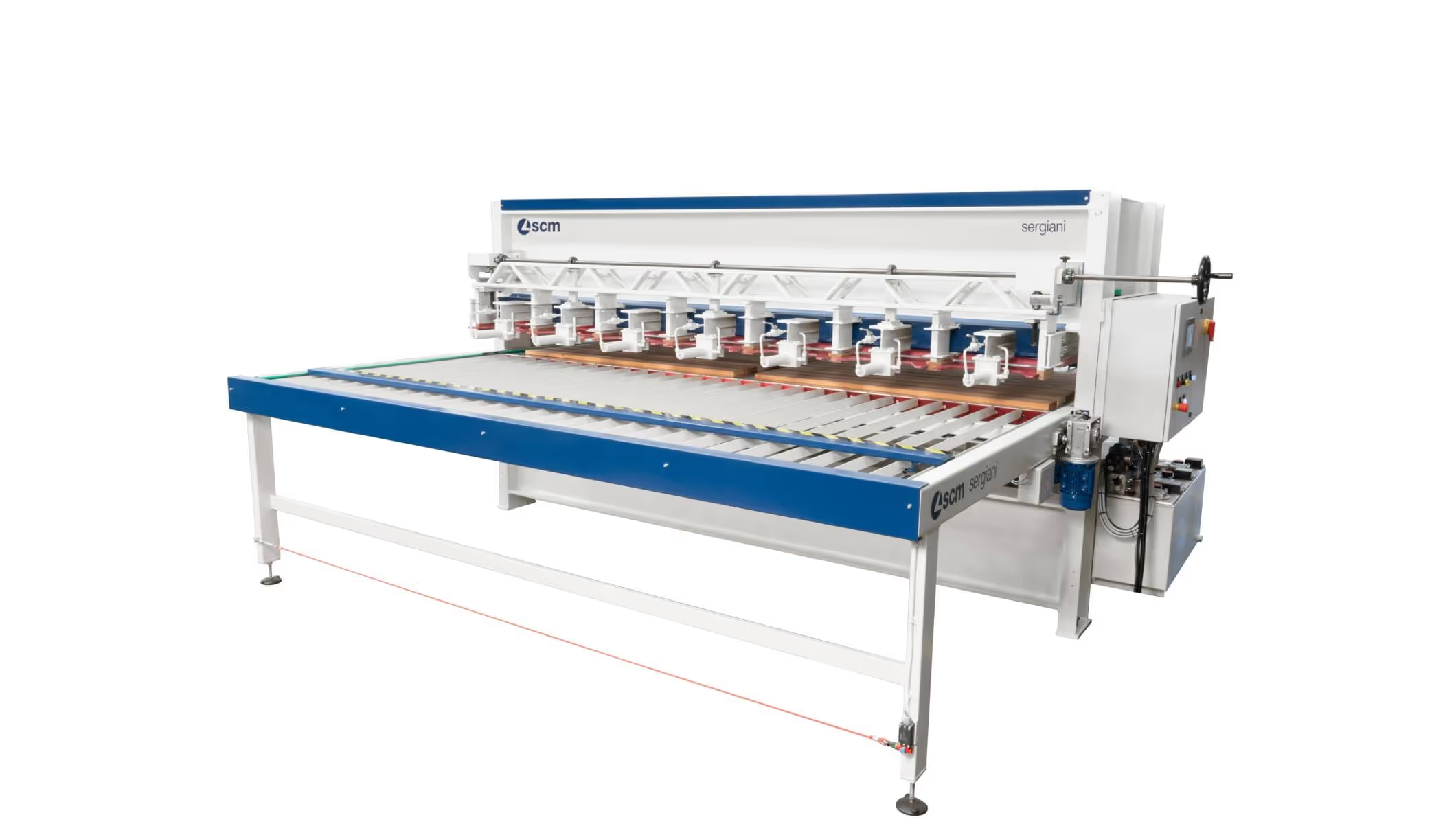 SCM Group Presse à lamellé-collé SCM sergiani gsl-a
 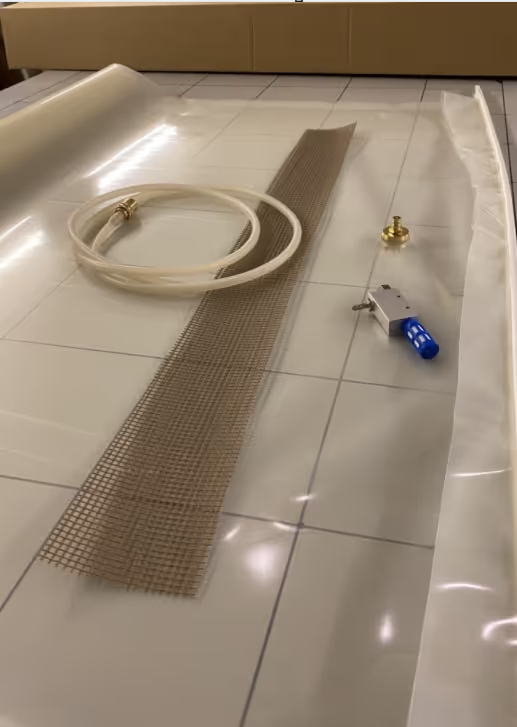 Bugatool Vacuum bag for veneering and bending wood 300×135 cm with
 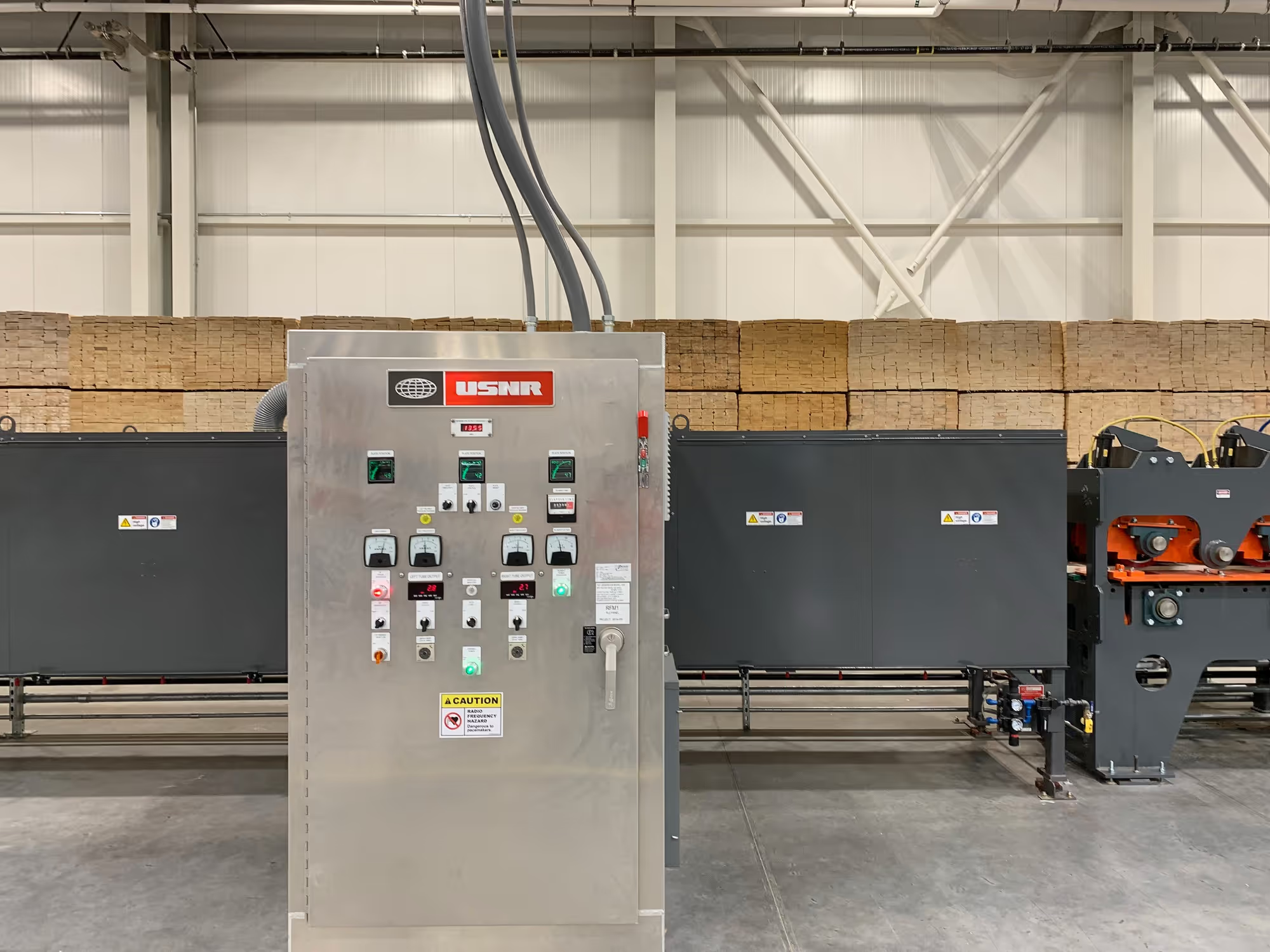 Usnr USNR « GluLam » glulam beam lines
 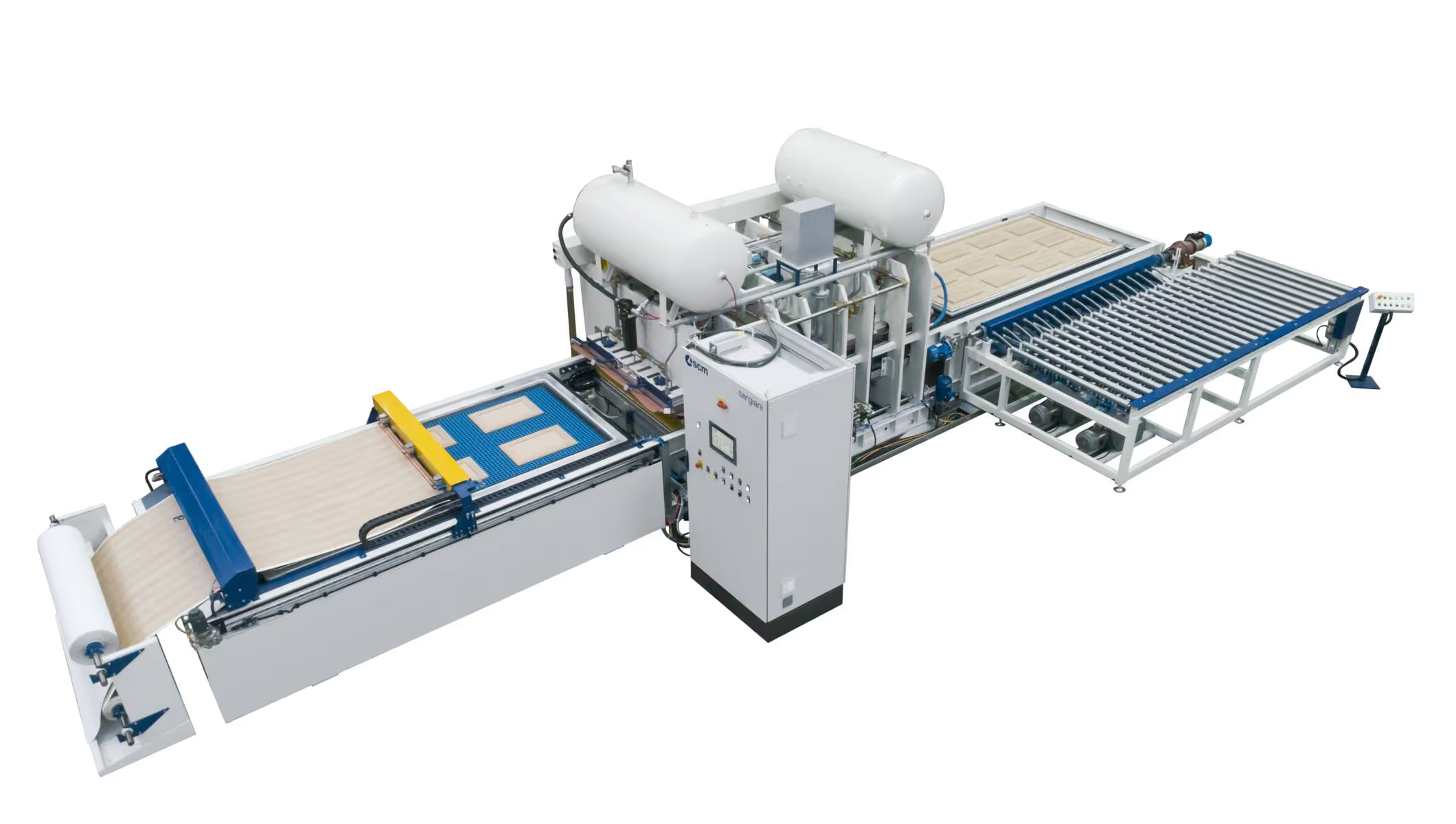 SCM Group SCM sergiani 3d form hp 3D membrane press Felder Group Format4 HVP Typ 3 hot platen press
 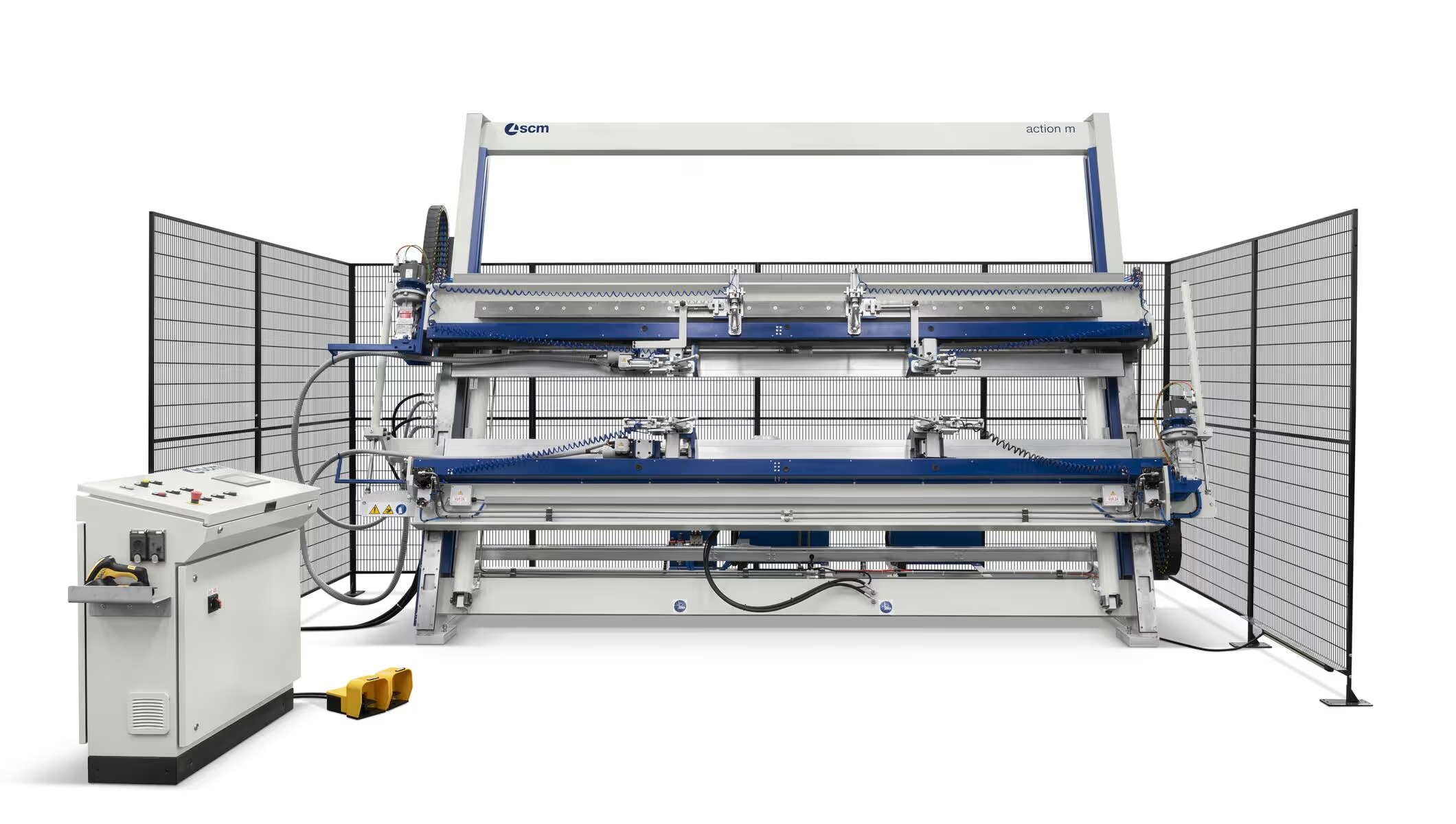 SCM Group SCM action m cnc CNC door and window clamp
 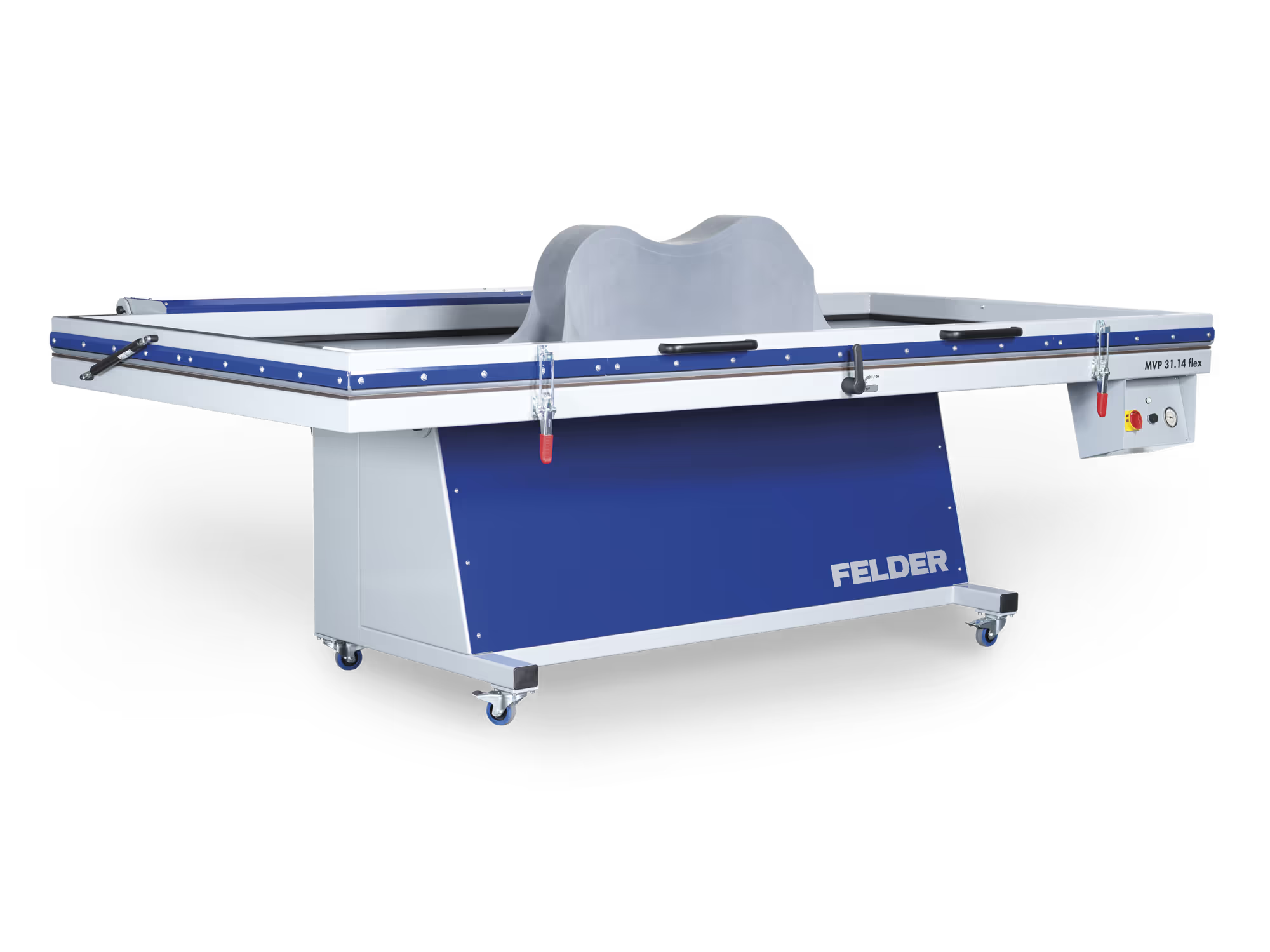 Felder Group Felder MVP 31.14 flex membrane press
 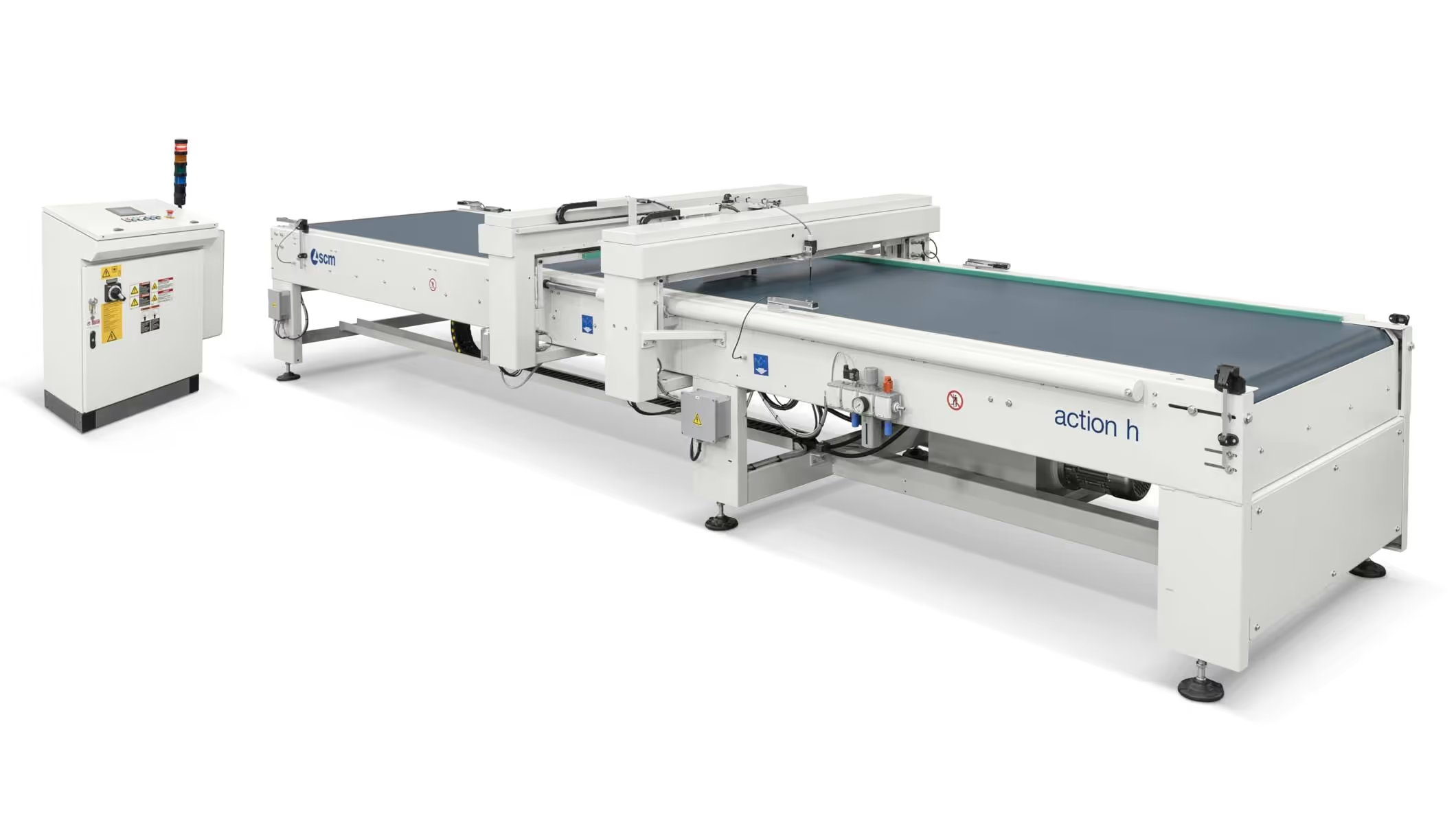 SCM Group Hydraulic case clamp SCM action h
 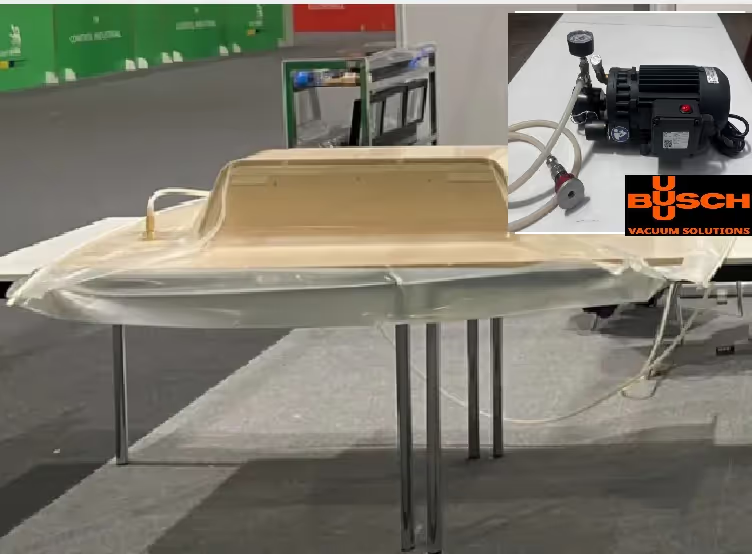 Bugatool Poche à vide 300×135 cm pour le placage et le cintrage du bois avec
 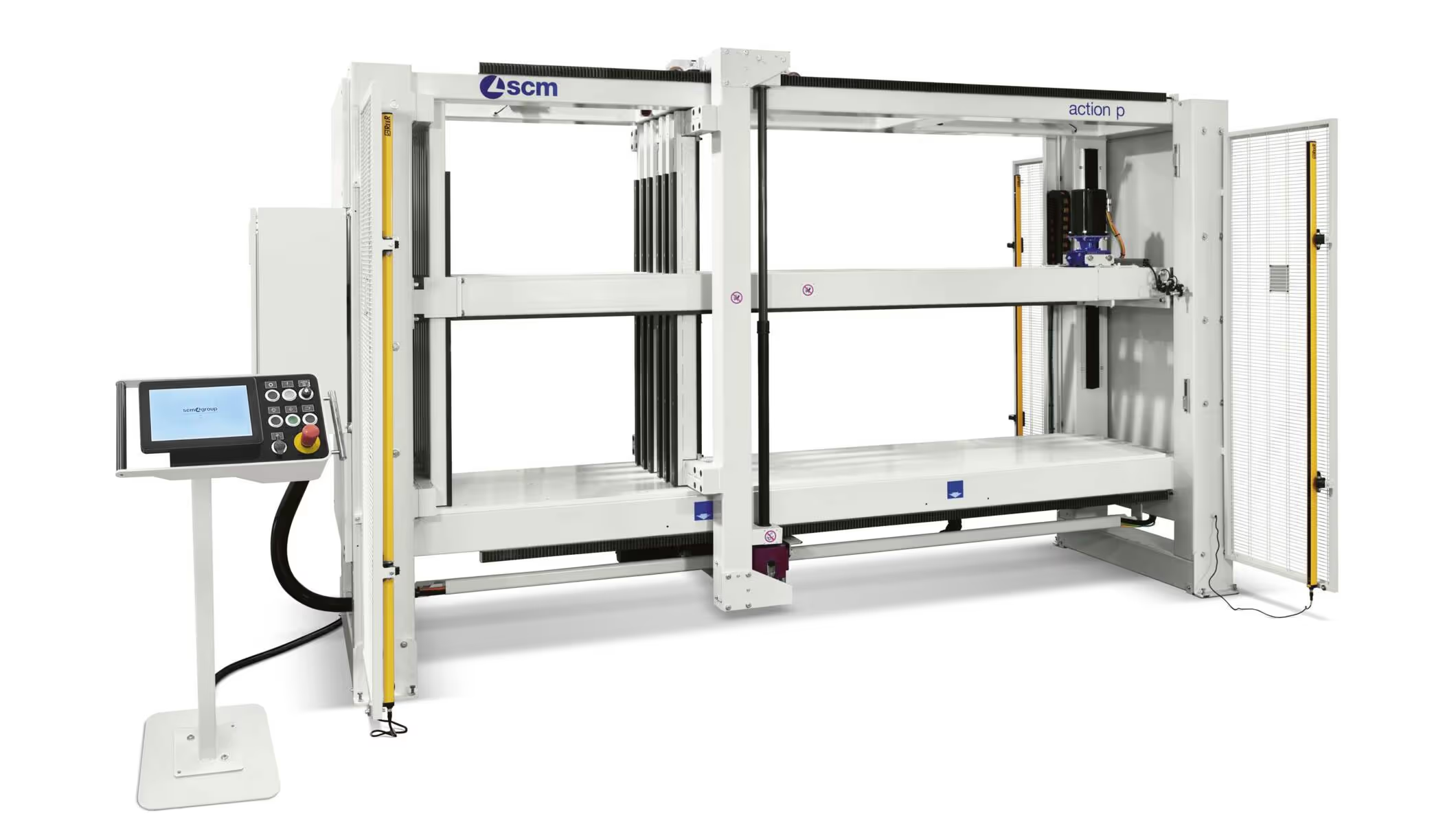 SCM Group Assembly case clamp SCM action p
 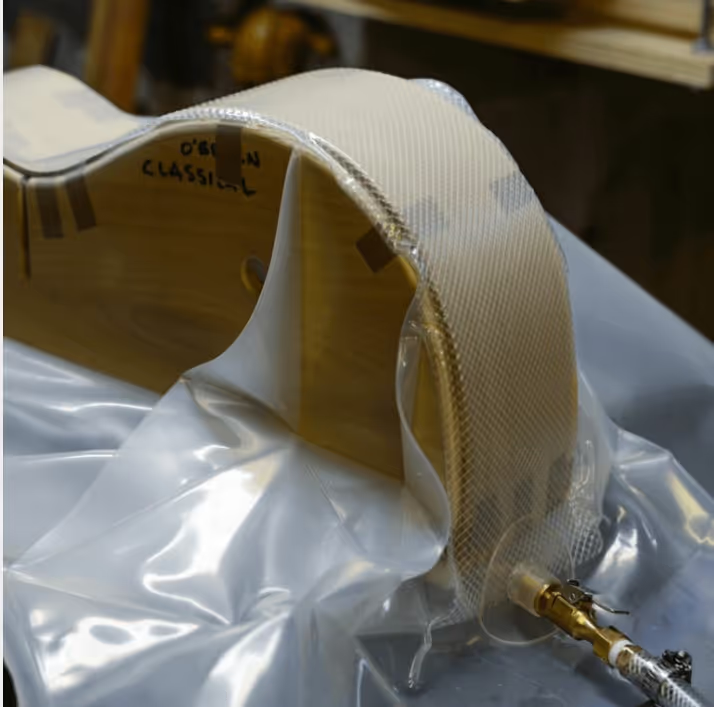 Bugatool Vacuum bag for bending wood 240×90 cm with vacuum generator
 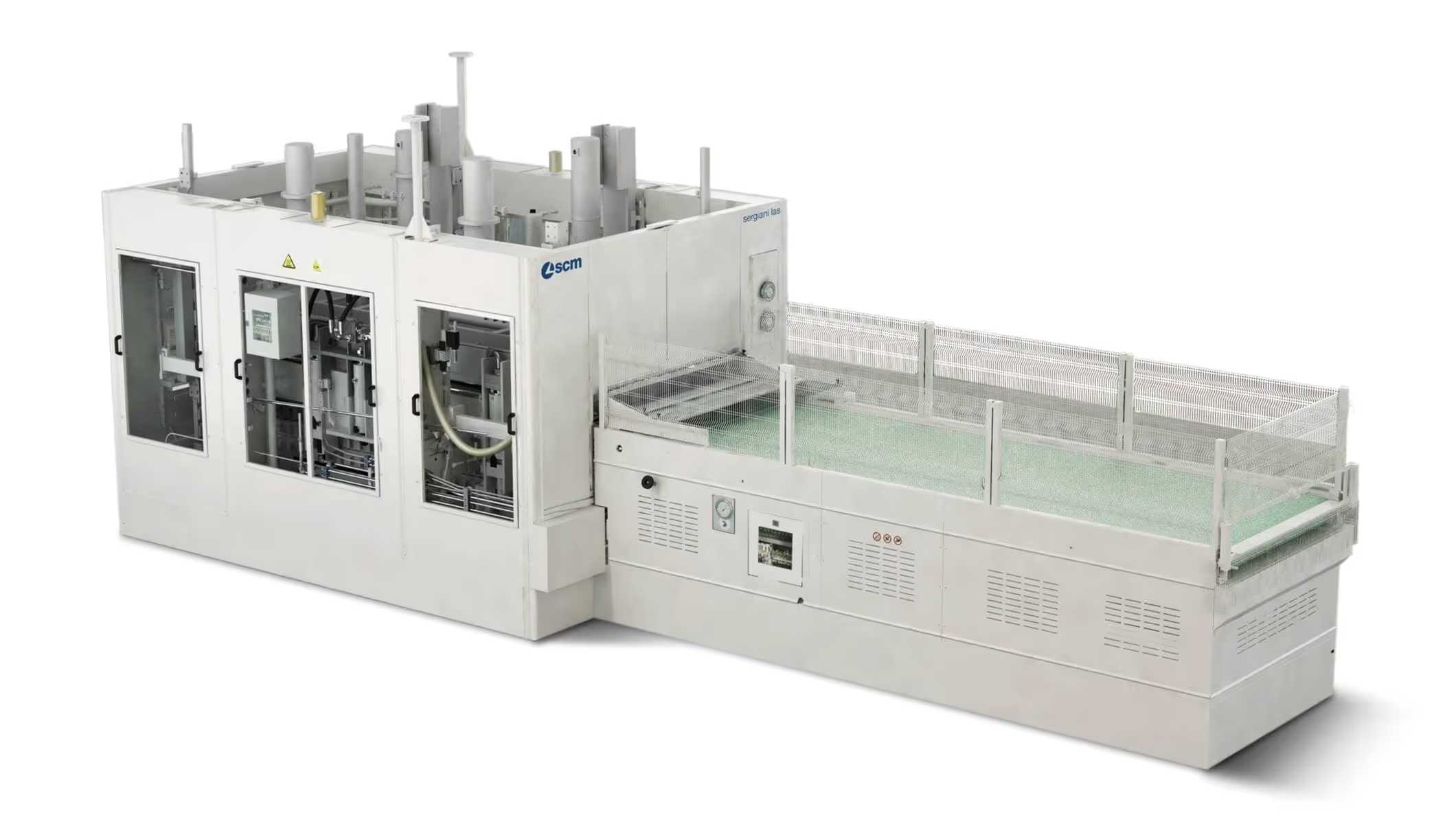 SCM Group Presse de placage à chaud SCM sergiani las
 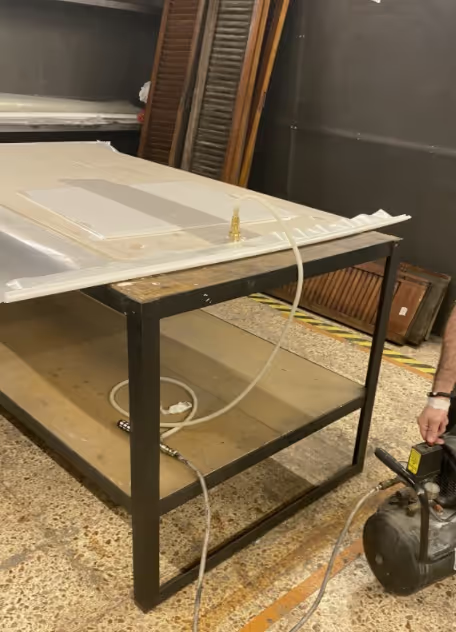 Bugatool Vacuum bag for veneering and bending wood 200×135 cm with
 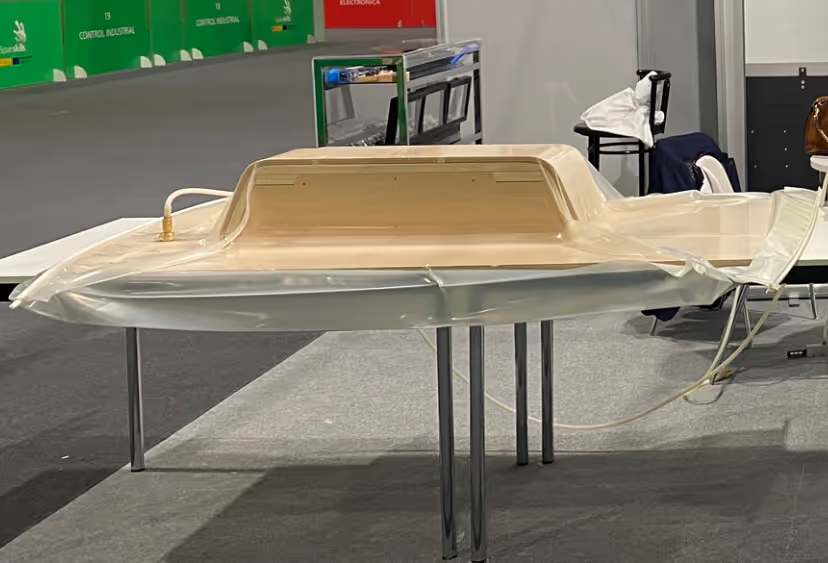 Bugatool Vacuum bag for veneering and bending wood 300×180 cm with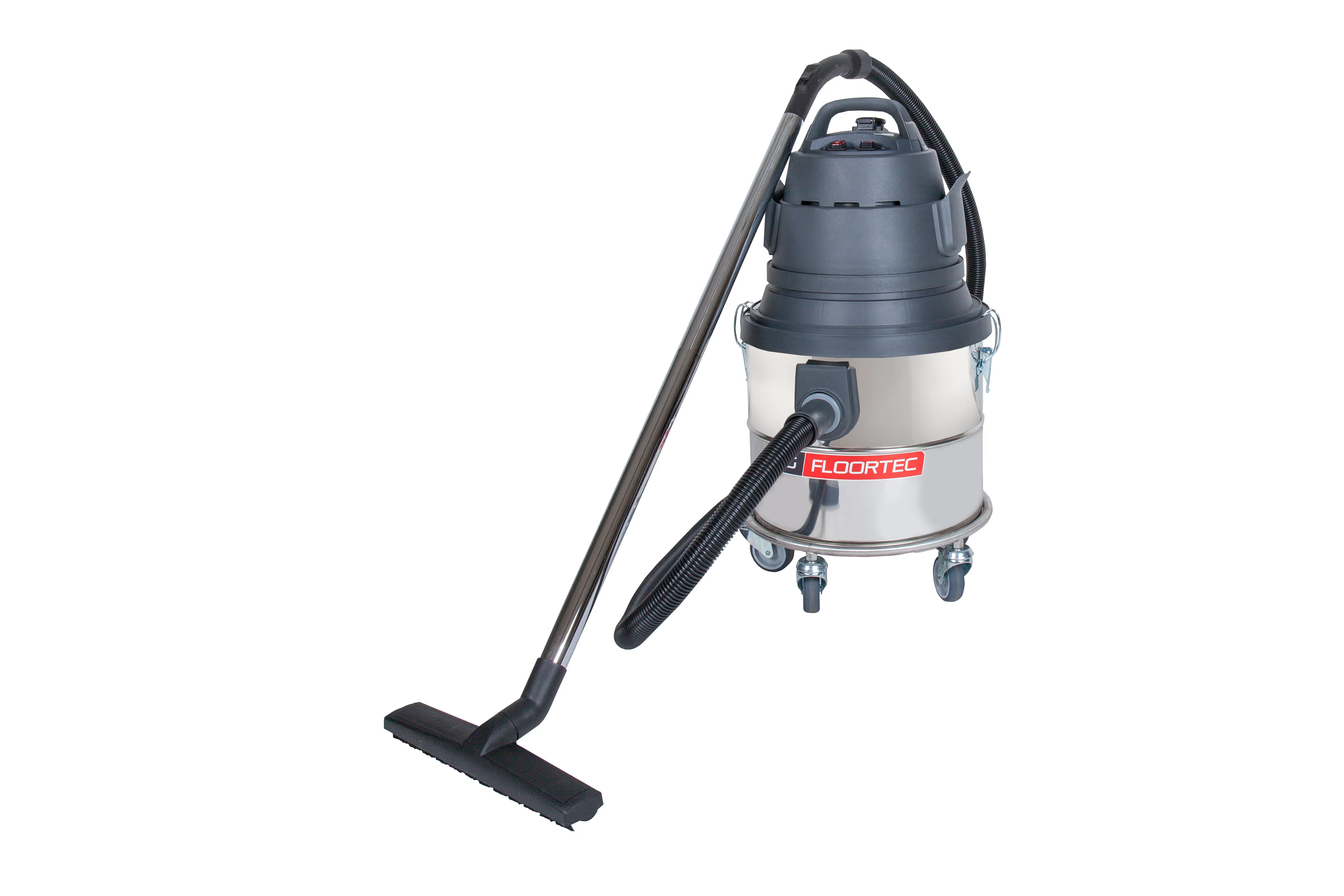
 FG Floortec Construction vacuum cleaner ASPIRATOR 1450 W, 30 L tank
 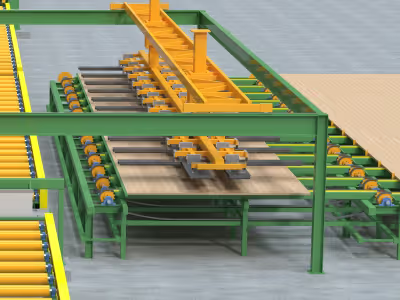 Usnr Usine complète de fabrication de panneaux CLT USNR Bugatool Vacuum bag for veneering and bending wood 200×135 cm with pump
 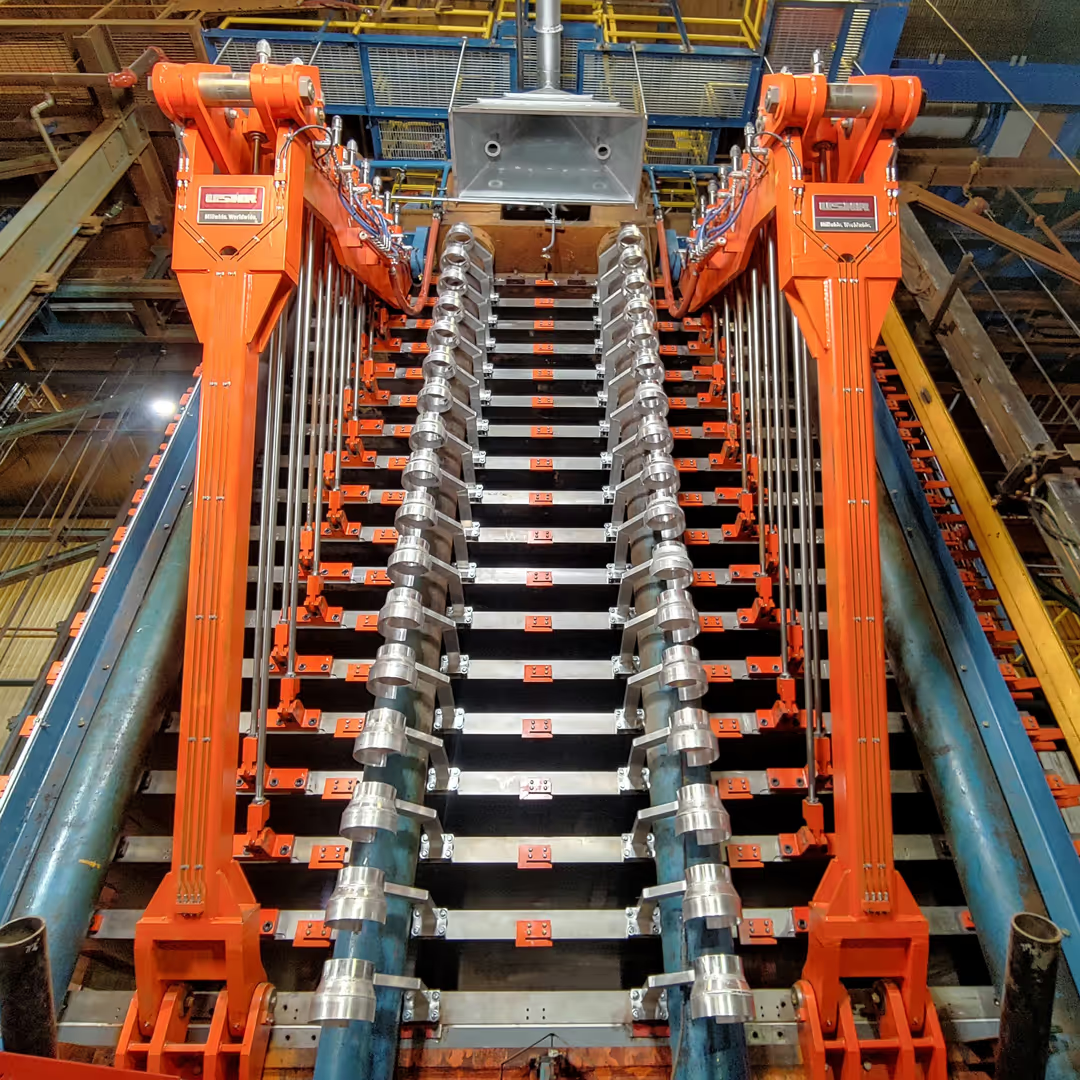 Usnr USNR EWP press range
 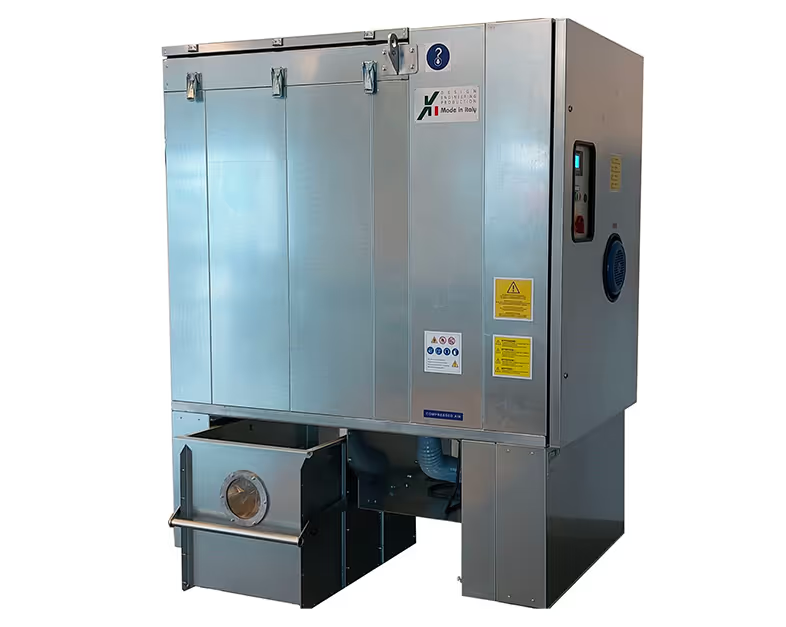 Larenn Larenn PJ200S bag filter extraction unit with automatic cleaning
 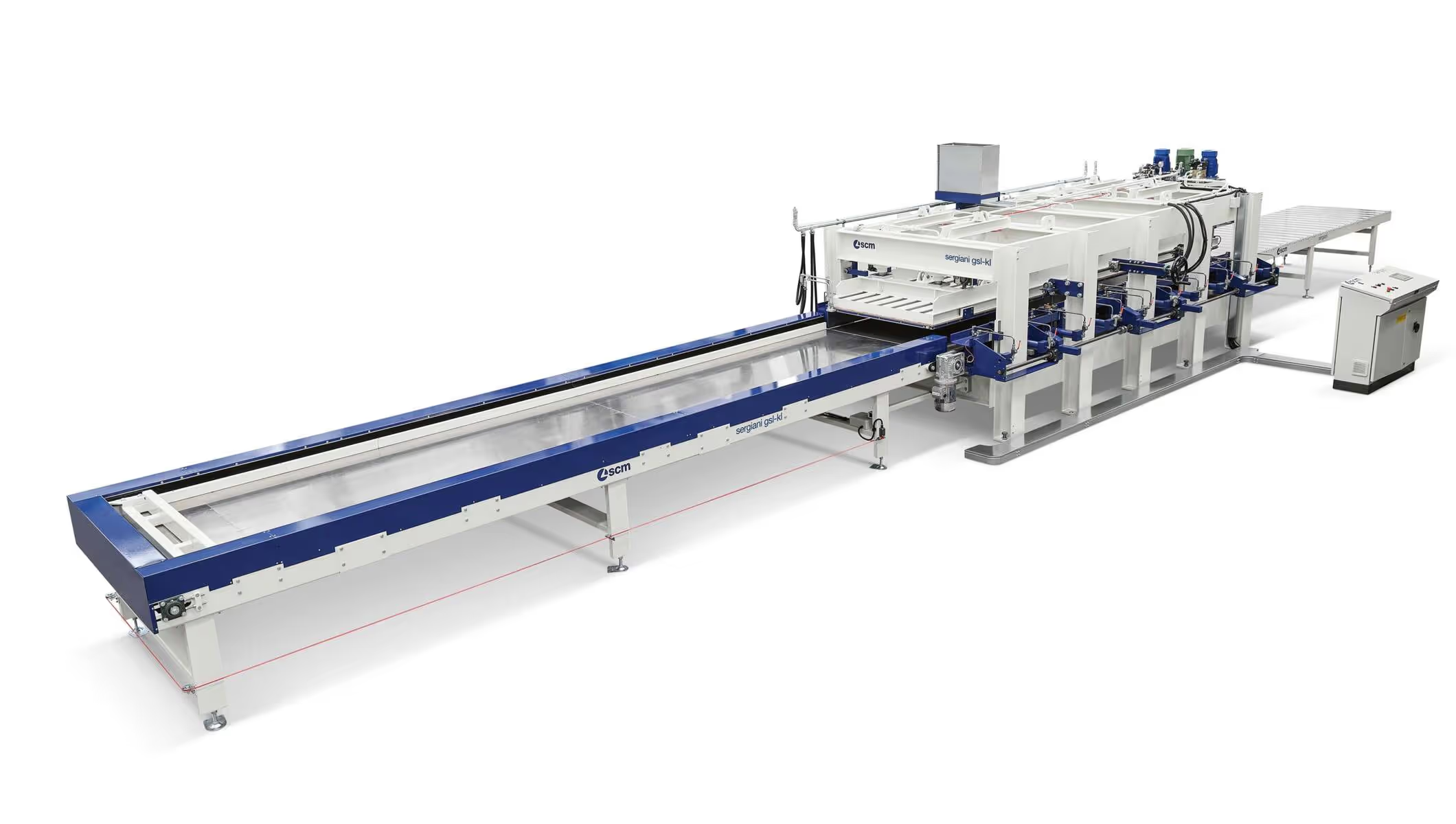 SCM Group SCM sergiani gsl-kl glulam press
 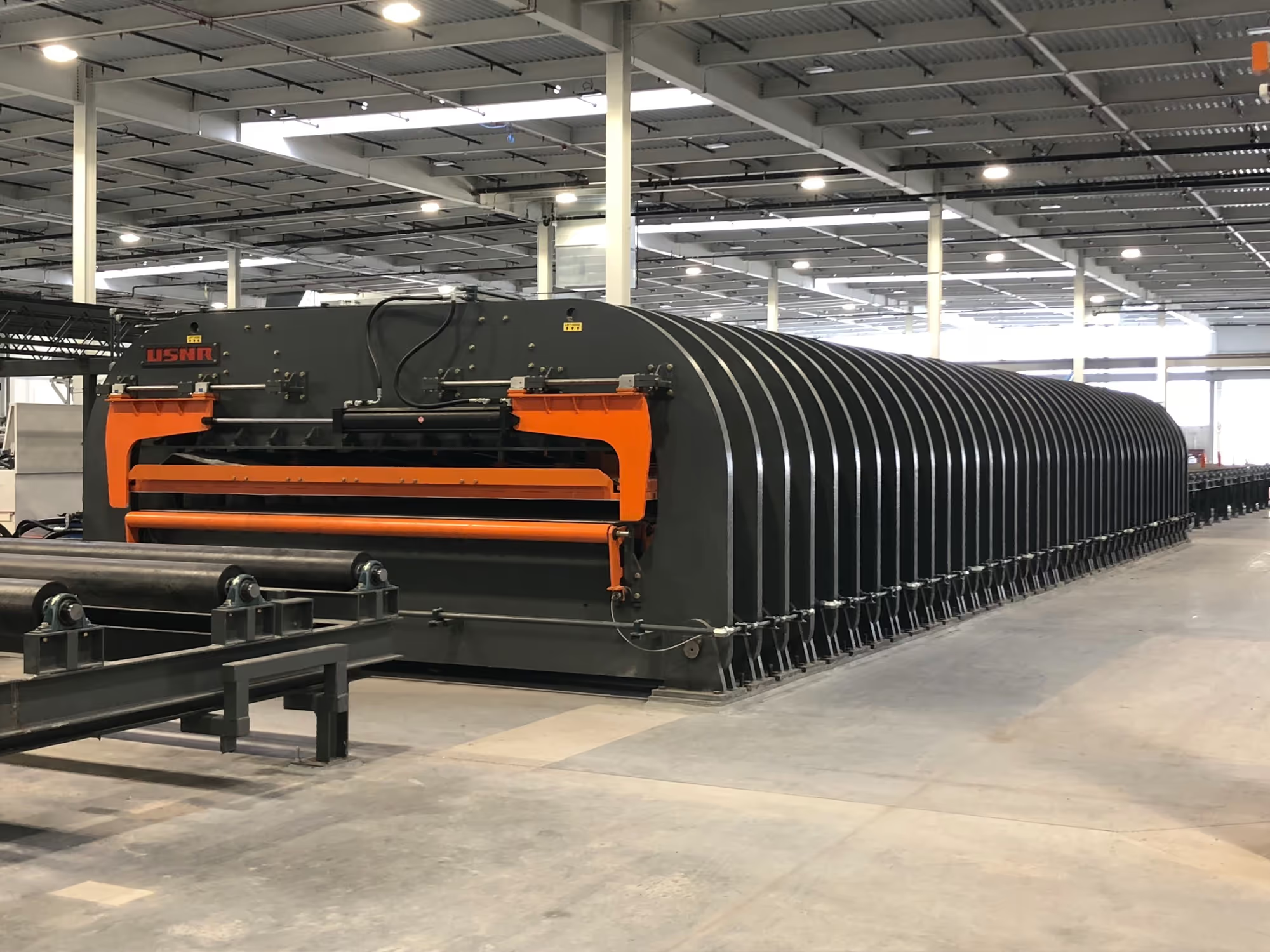 Usnr USNR cross-laminated timber press Felder Group Format4 HVP Typ 2 hot platen press Felder Group Format4 HVP Typ 4 hot platen press
 42 of 696 products
Secondary wood processing machines make it possible to cut, size, machine, profile, assemble or finish sawn timber, panels and prepared parts.
The choice of machine therefore depends above all on the operation to be carried out and the product you want to manufacture.
For cutting and preparing parts, see the stationary saws as well as the planers and jointers.
For profiling and preparing joints, consult the spindle moulders, the moulders and the tenoners and mortisers.
For automated machining, the CNC machines make it possible to carry out different operations depending on their configuration.
For edge banding, see the edge banders.
For pressing, gluing and certain assemblies, consult the presses.
For surface preparation and finishing, discover the sanders and the finishing and surface treatment equipment.
To combine several operations on the same equipment, see the combination machines.
For applications related to timber construction, consult the cutting machines for timber framing and CLT and the timber-frame prefabrication equipment.
The shredders meet the needs for reducing certain by-products and production residues. Dust extraction and air treatment solutions make it possible to capture or treat dust, chips and other particles generated during different operations.
Primary processing converts logs into sawn timber, while secondary processing works this sawn timber and panels to manufacture parts or components intended for uses such as joinery, furniture, interior fit-out or timber construction.
Primary processing machines are used in particular in sawmills to prepare the material. Secondary processing operations are then carried out in workshops and production units that work sawn timber, panels or other prepared parts.
The process varies depending on the product being manufactured. A solid-wood part can be cut, jointed and planed, then profiled or machined before assembly and finishing. For a panel, the steps may include cutting, CNC machining, edge banding, sanding and surface treatment.
These machines are used in particular by joinery workshops, cabinetmakers, interior fit-out companies, furniture and joinery manufacturers, timber-framing and timber construction companies, as well as by various industrial processing units.
The required equipment varies depending on the activity. A company that manufactures panel furniture may prioritize sawing, CNC machining and edge banding. A joinery workshop working mainly with solid wood may have a greater need for planing, profiling and machines dedicated to joinery.
Timber-framing or timber construction companies, for their part, look for solutions suited to machining beams, CLT panels or the prefabrication of building elements.
The choice depends first on the operations to be performed, the materials being worked, the dimensions of the parts, the throughput and the desired level of automation.
You must then compare the capabilities specific to each machine family. Working width, maximum part dimensions, power, feed speed, number of axes or adjustment options do not have the same importance depending on the equipment.
Production organization also matters. A standalone machine can meet a specific need in a workshop, whereas higher-volume production may require several pieces of equipment integrated into the same flow. Handling and lifting solutions can then make it easier to move parts and materials between the different stations.
Needs do not concern only the machines themselves. The tooling and consumables must also be chosen according to the equipment, the materials being worked and the operations to be performed.
To start your search, first identify the operation to be performed, then access the corresponding machine family. The available filters and features then allow you to compare equipment according to your parts, your materials, your throughput and the organization of your production.
WoodPartners thus makes it possible to go from an operational need to a selection of machines and specialized manufacturers. Depending on your project, you can also complement your equipment with handling and lifting solutions or tooling and consumables.