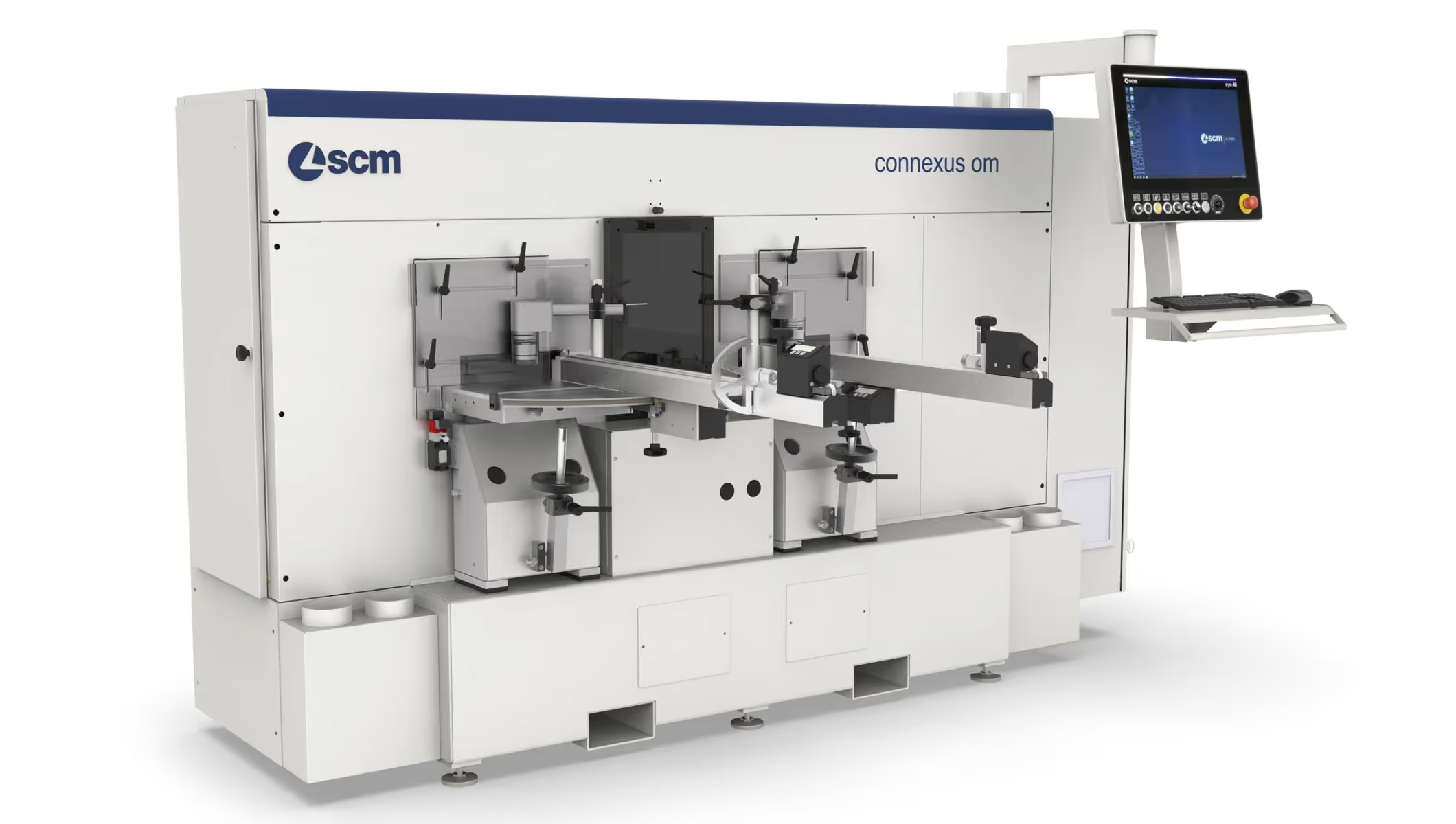
 SCM Group CNC tenoner-mortiser SCM connexus om

Discover our selection of 19 listings in Tenoners & mortisers. Compare professional tenoners and mortisers according to the joints to be produced, the dimensions of the workpieces and your production level.
SCM Group CNC tenoner-mortiser SCM connexus om 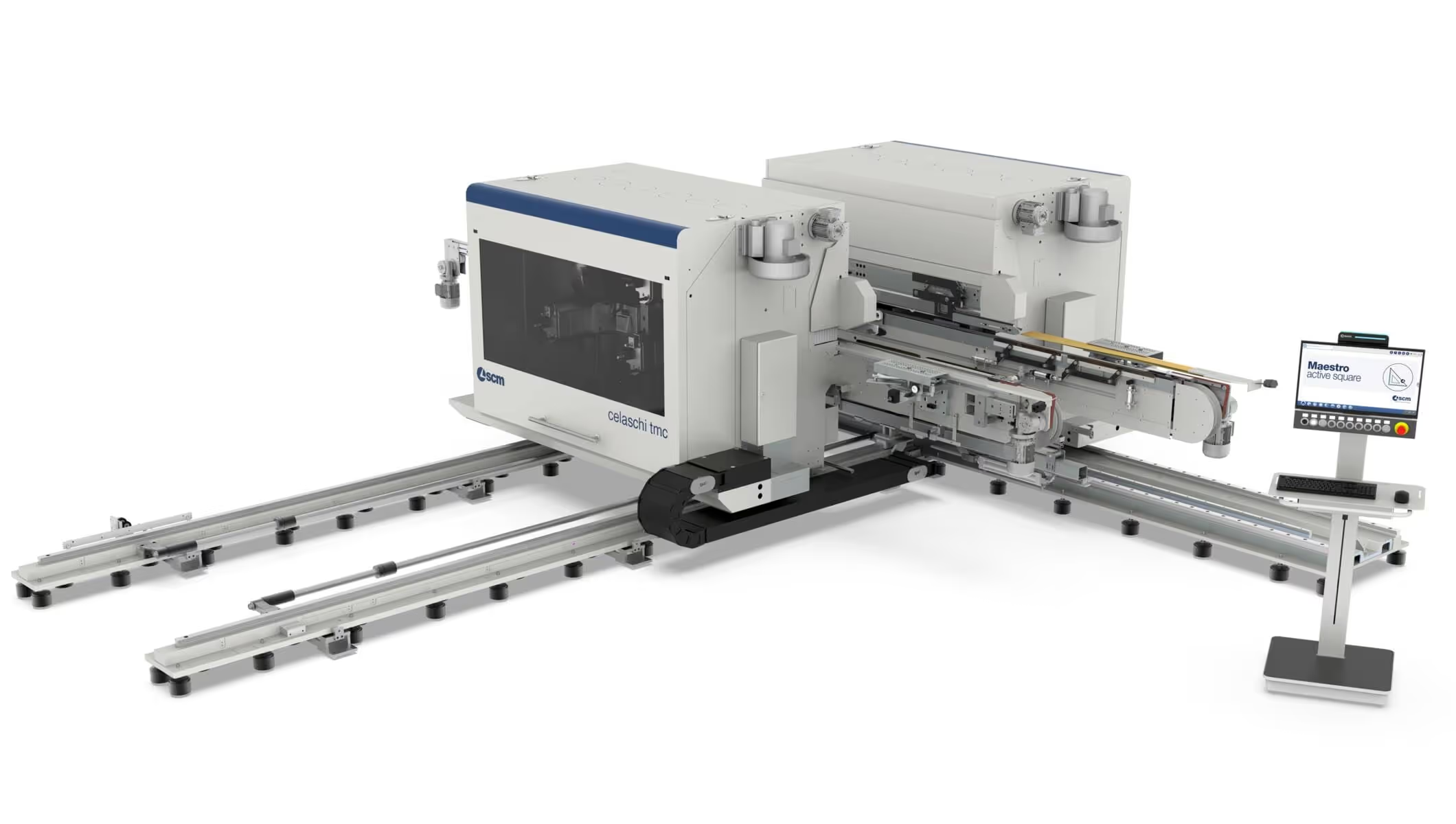 SCM Group Cross profiling machine for flooring SCM Celaschi TMC
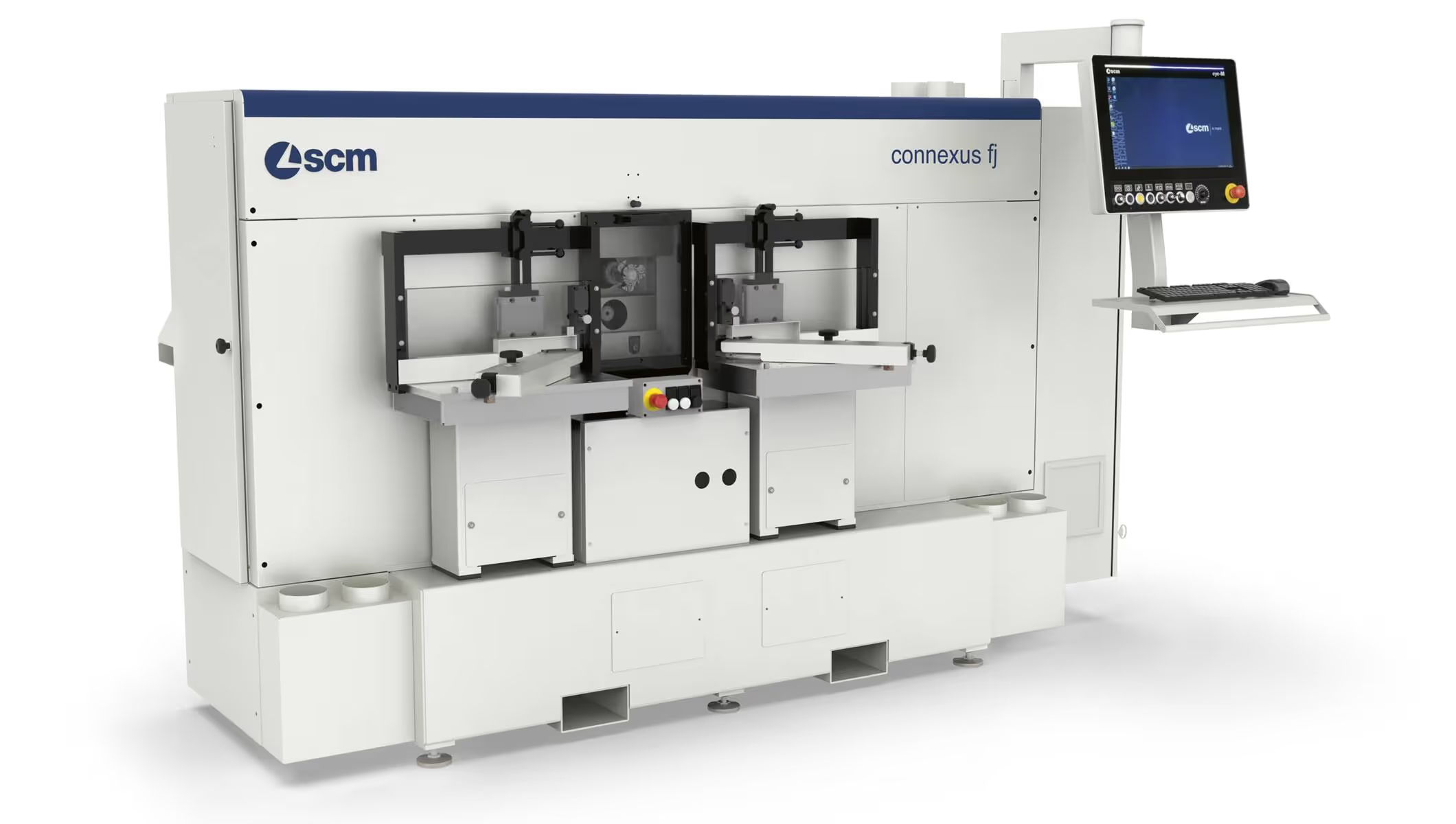 SCM Group SCM connexus fj CNC tenoner-mortiser
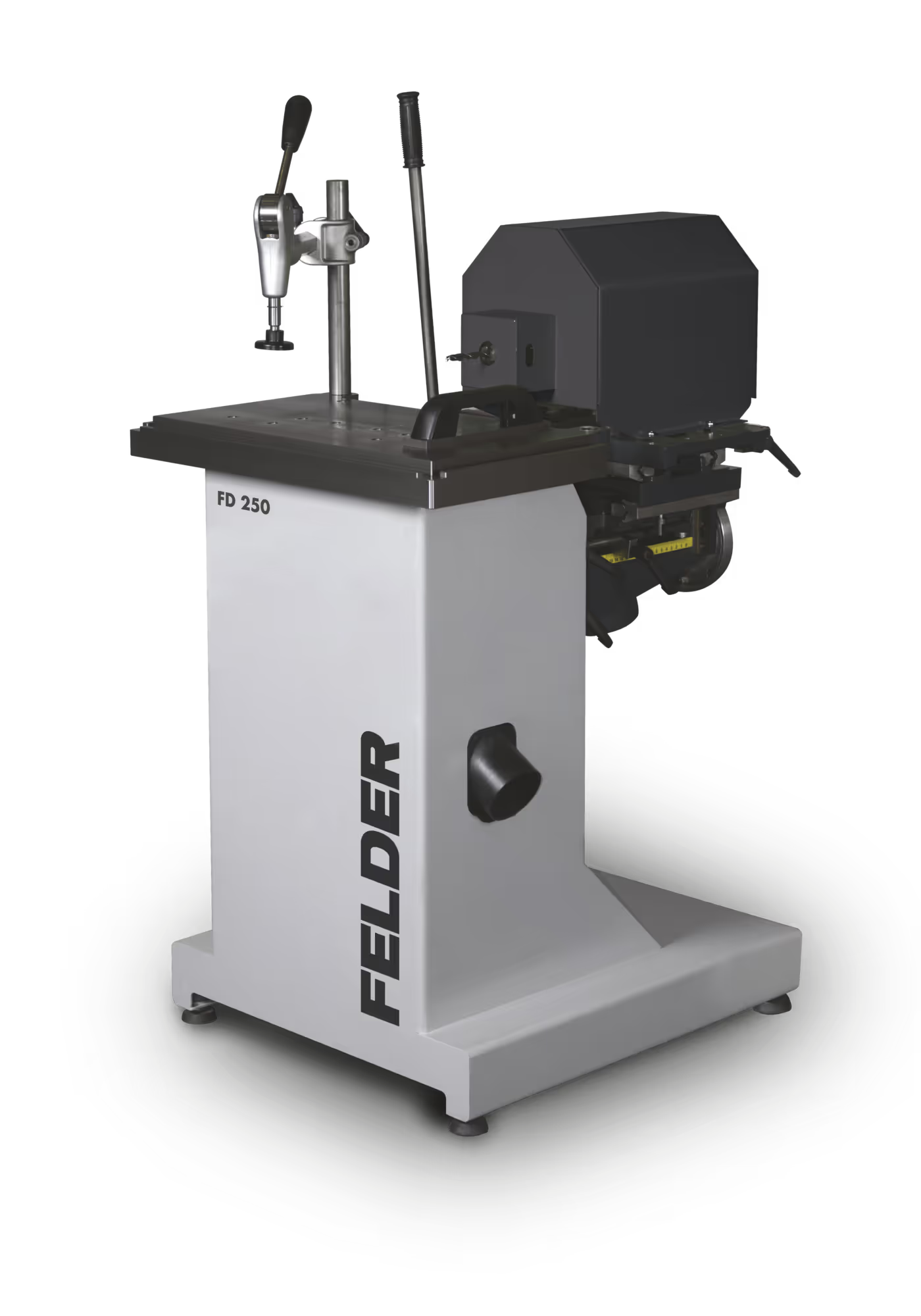
 Felder Group Felder FD 250 horizontal slot mortiser
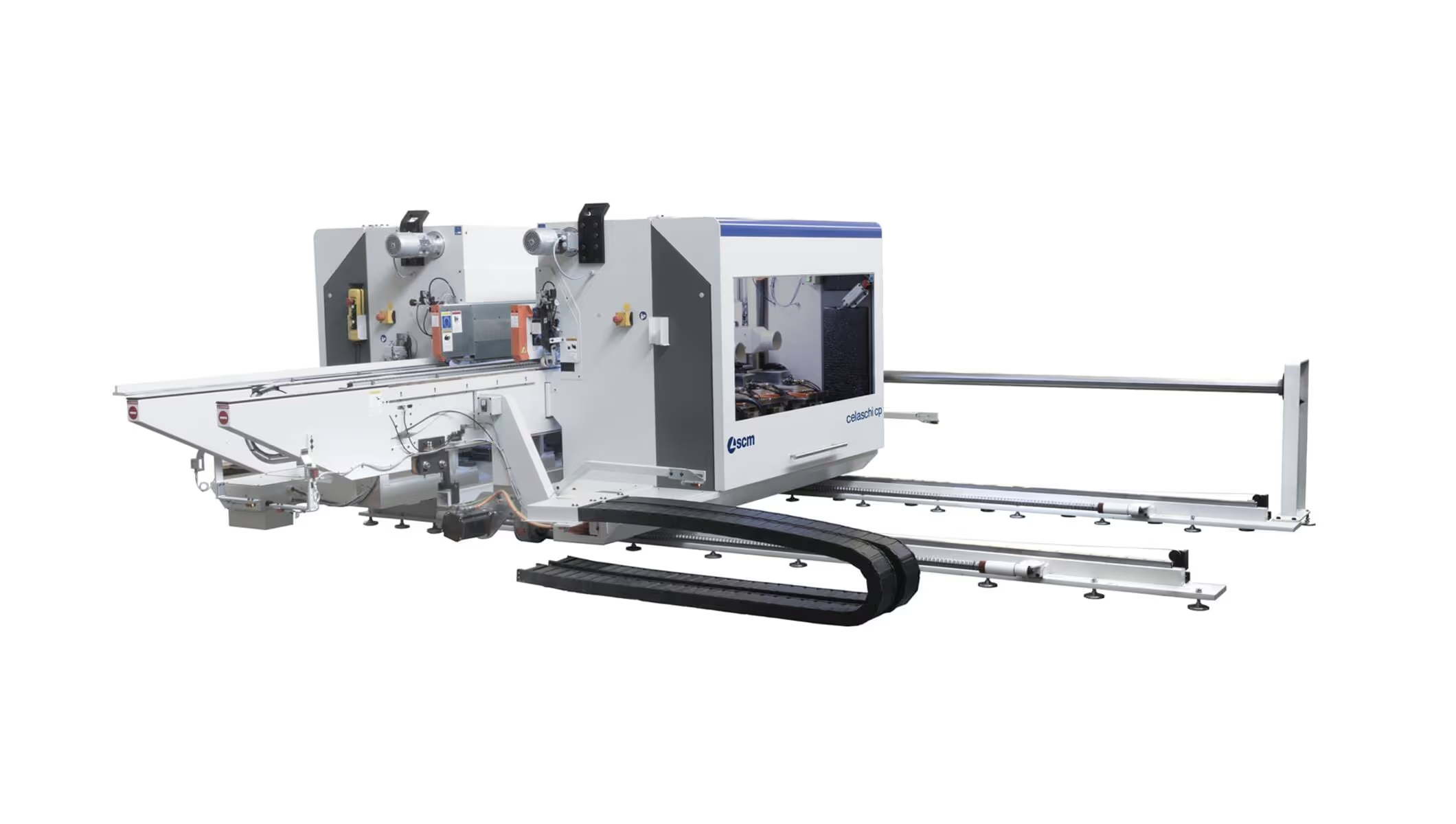 SCM Group Double-end tenoner SCM Celaschi CP
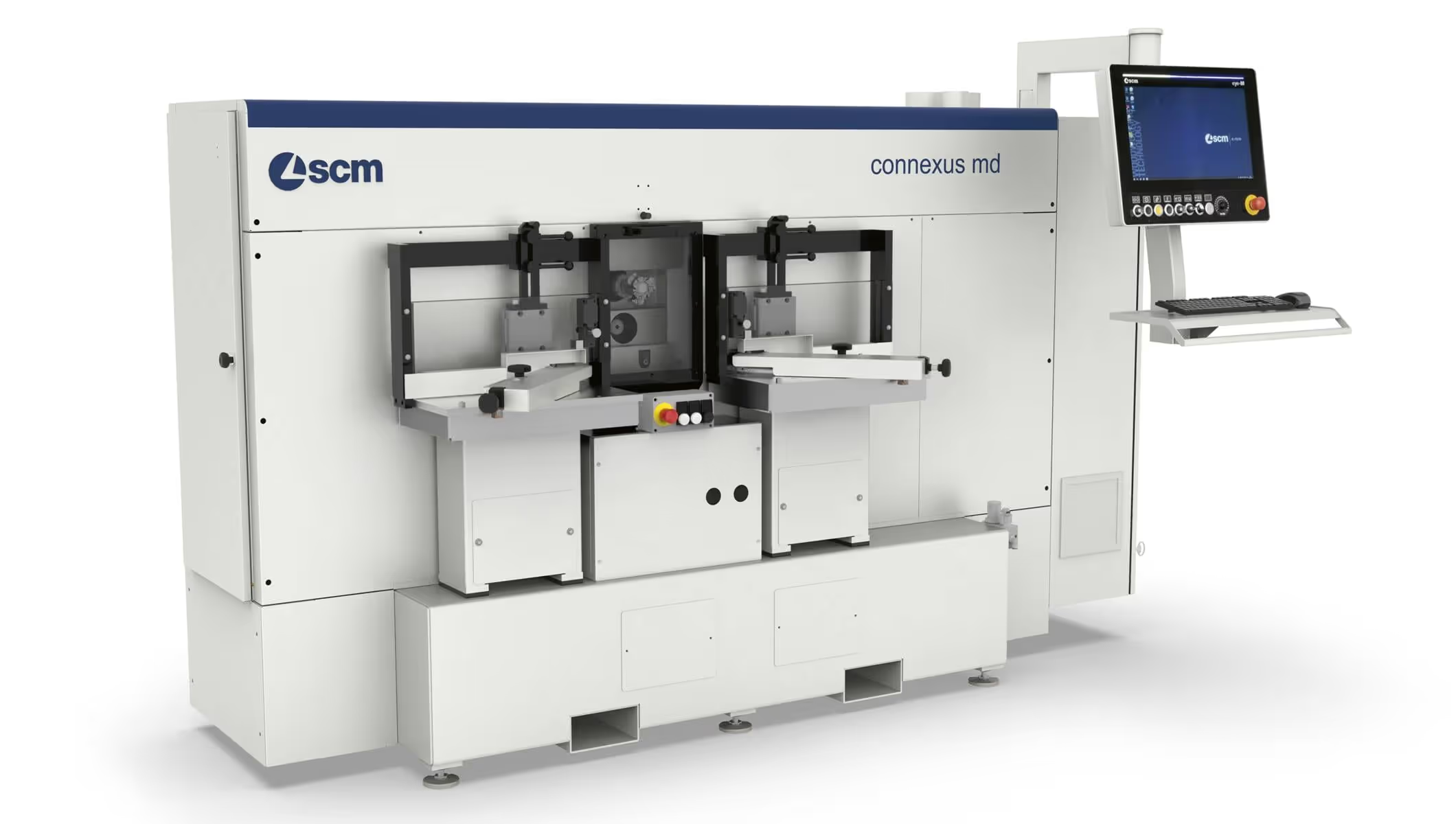 SCM Group CNC tenoner-mortiser SCM connexus md
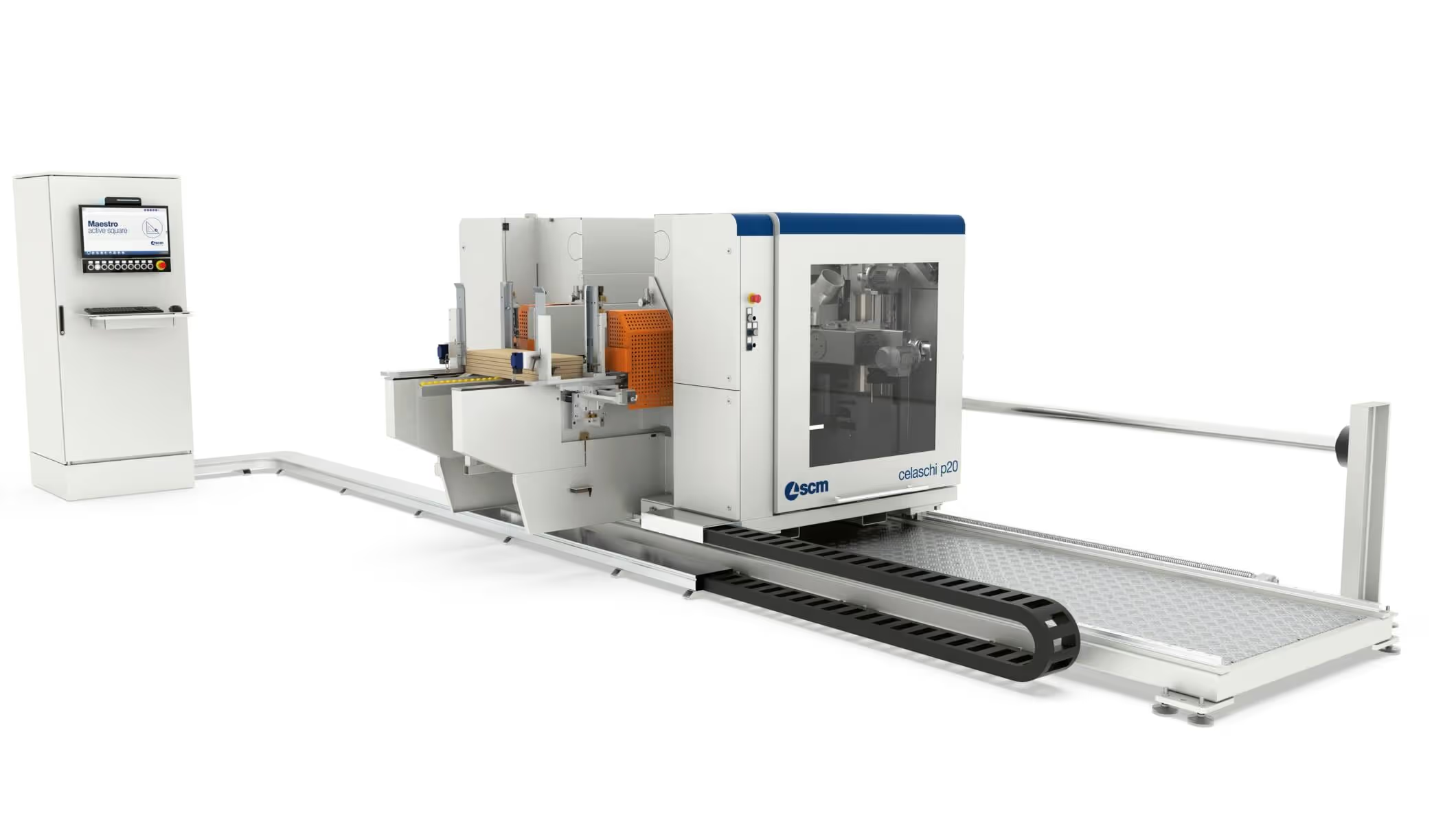 SCM Group SCM Celaschi P20 double-end tenoner
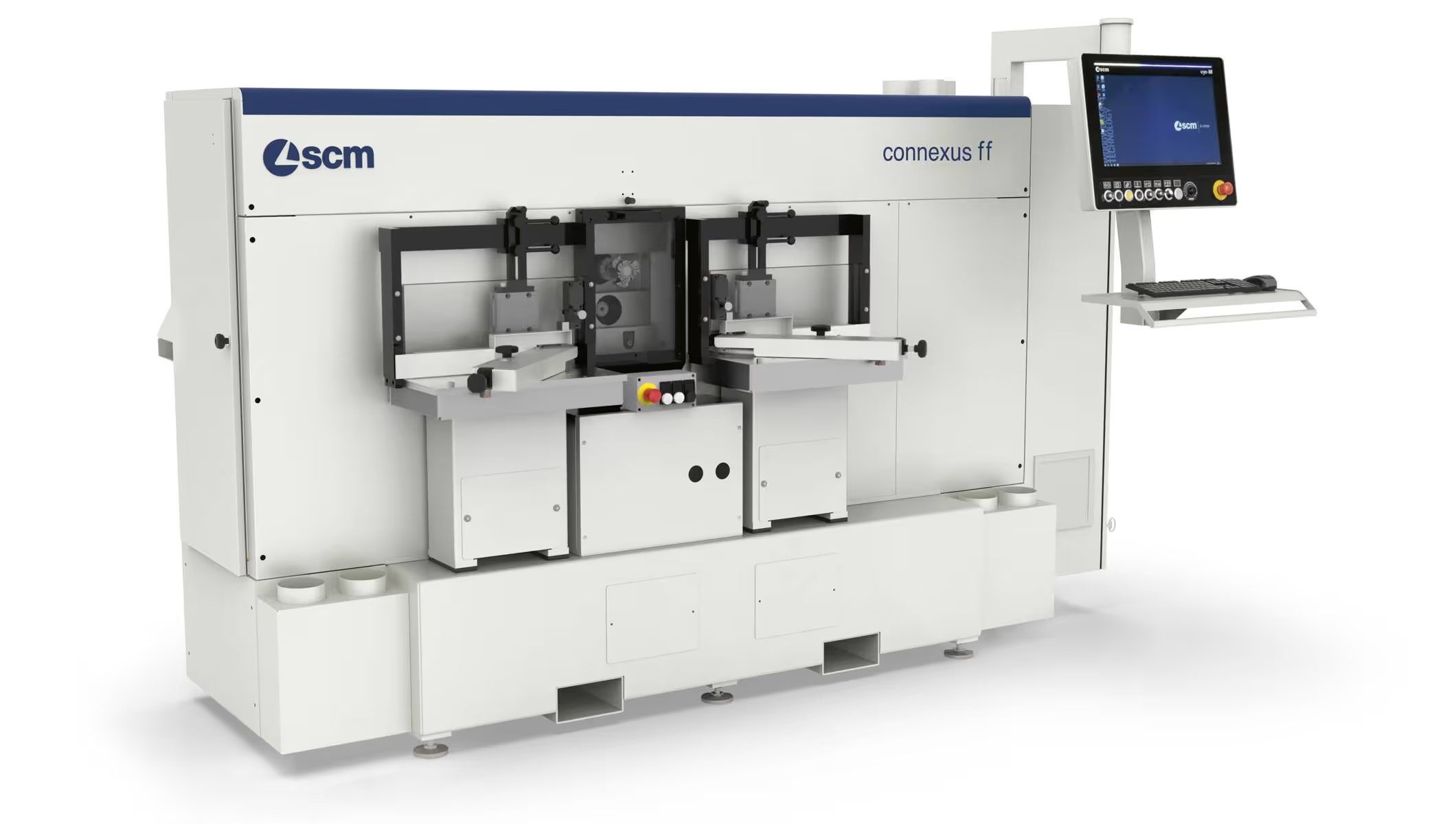 SCM Group SCM connexus ff CNC tenoner-mortiser
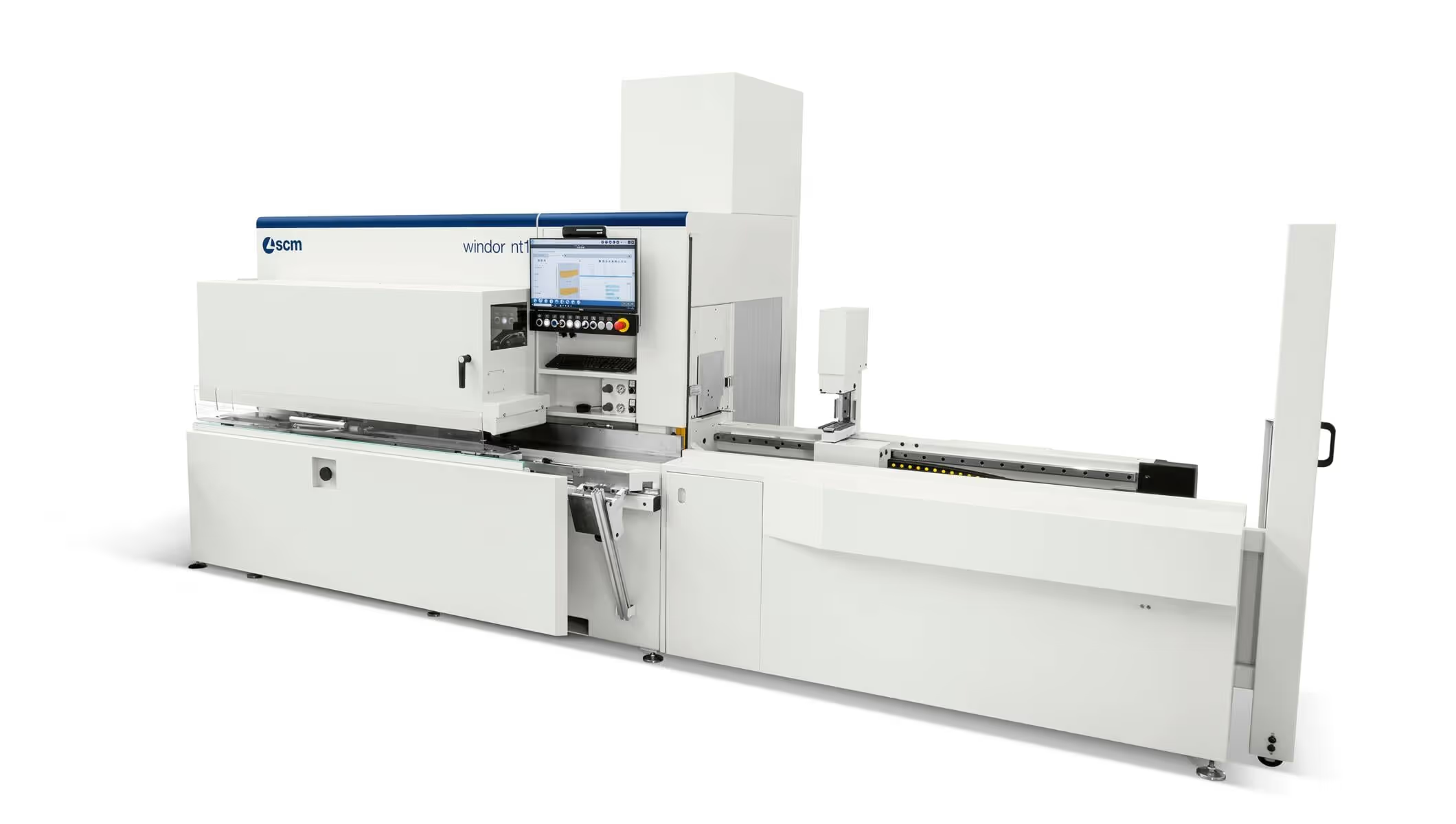 SCM Group Window tenoning and profiling machine SCM Windor NT1
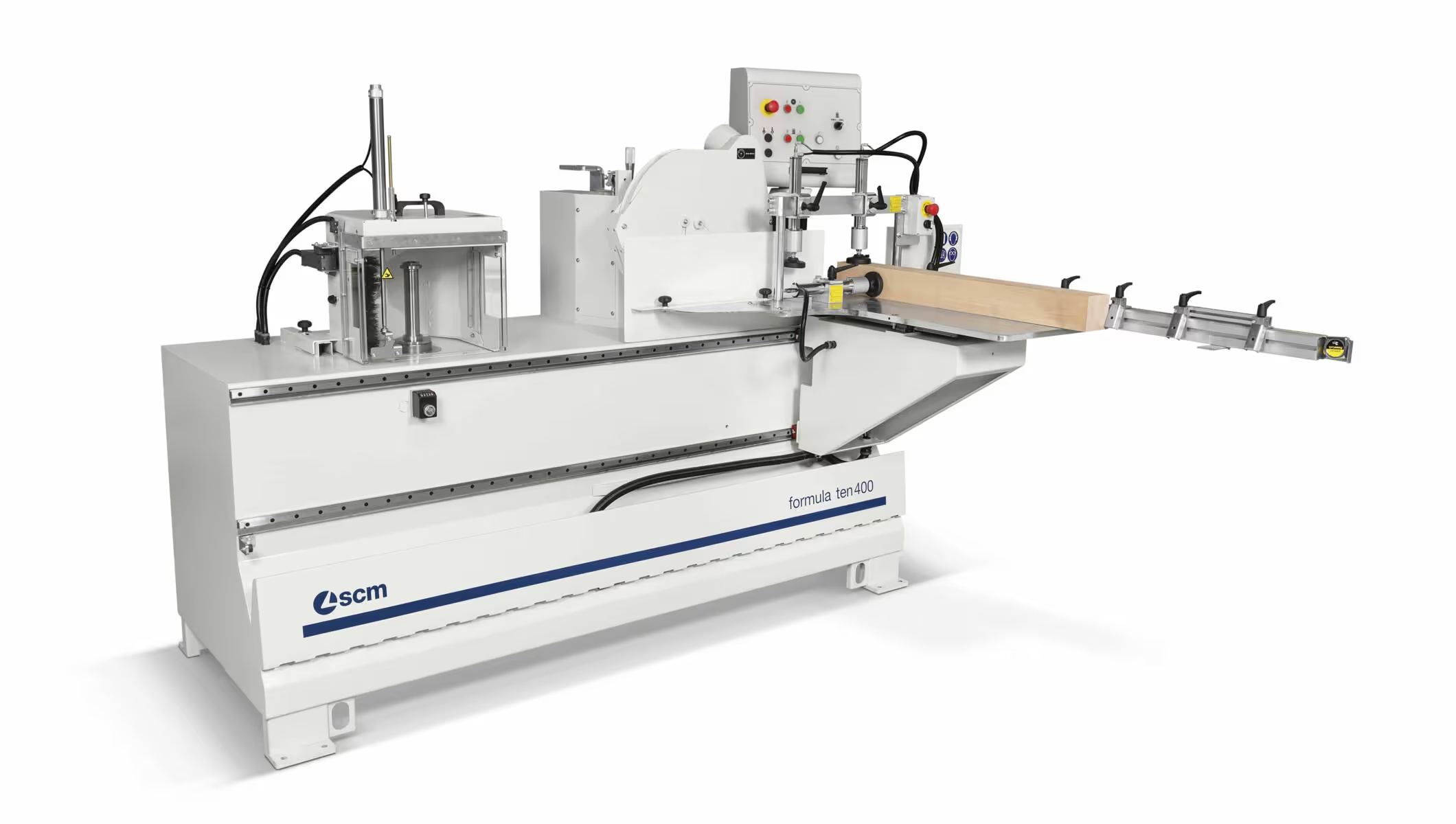 SCM Group SCM formula ten 400 / ten 400e tenoner
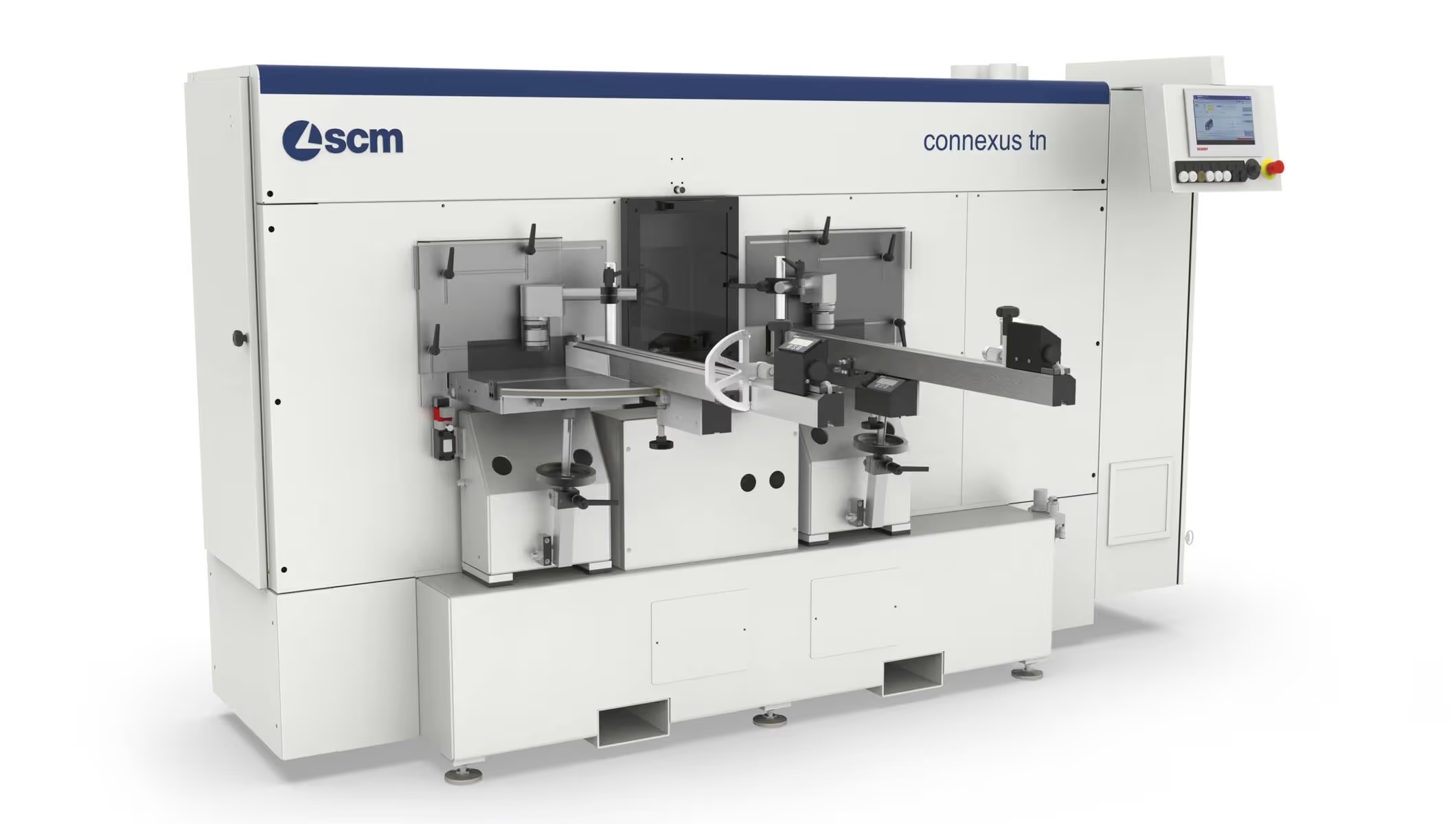 SCM Group CNC tenoner SCM connexus tn
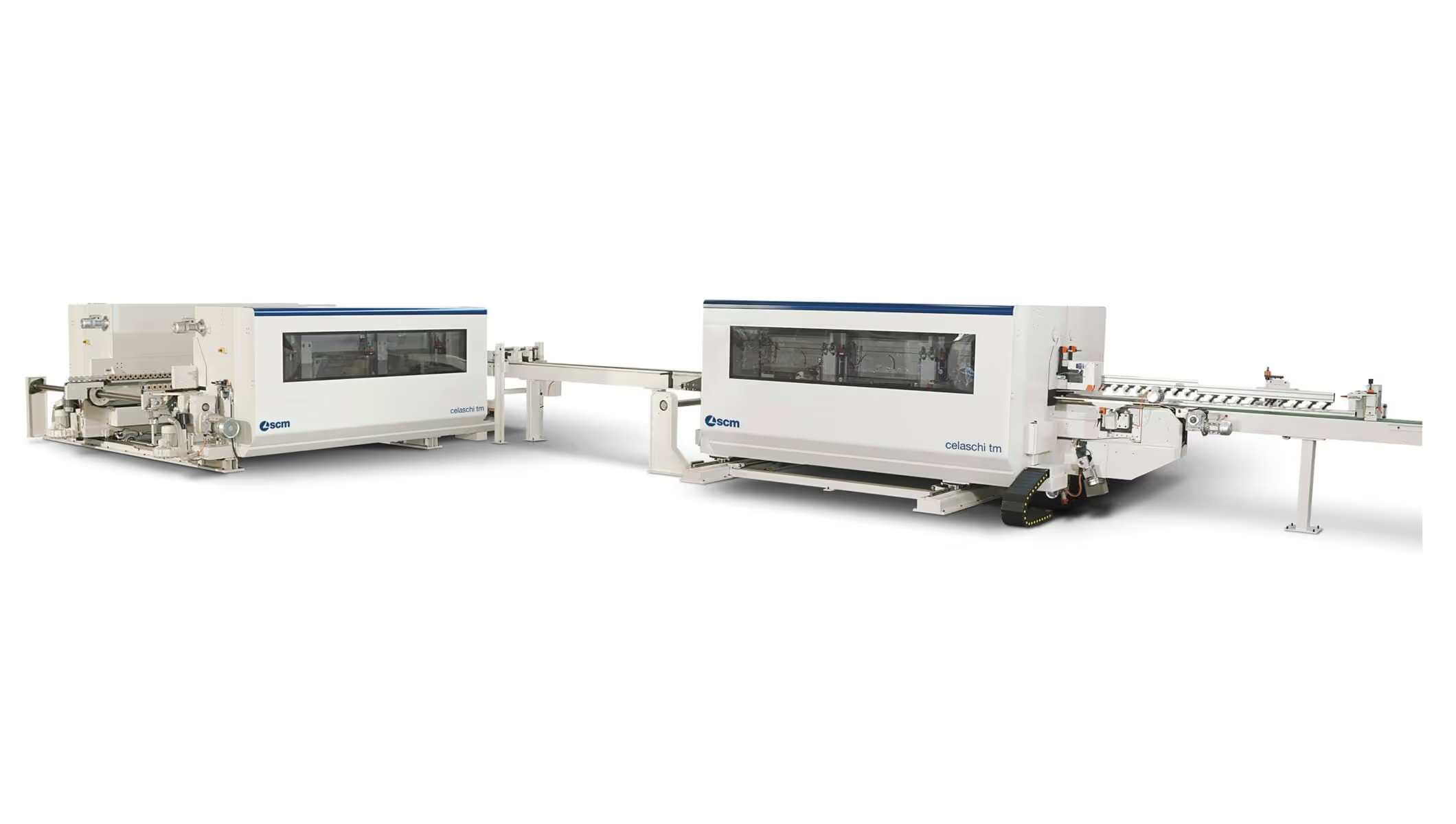 SCM Group Flooring profiling machine SCM Celaschi TM
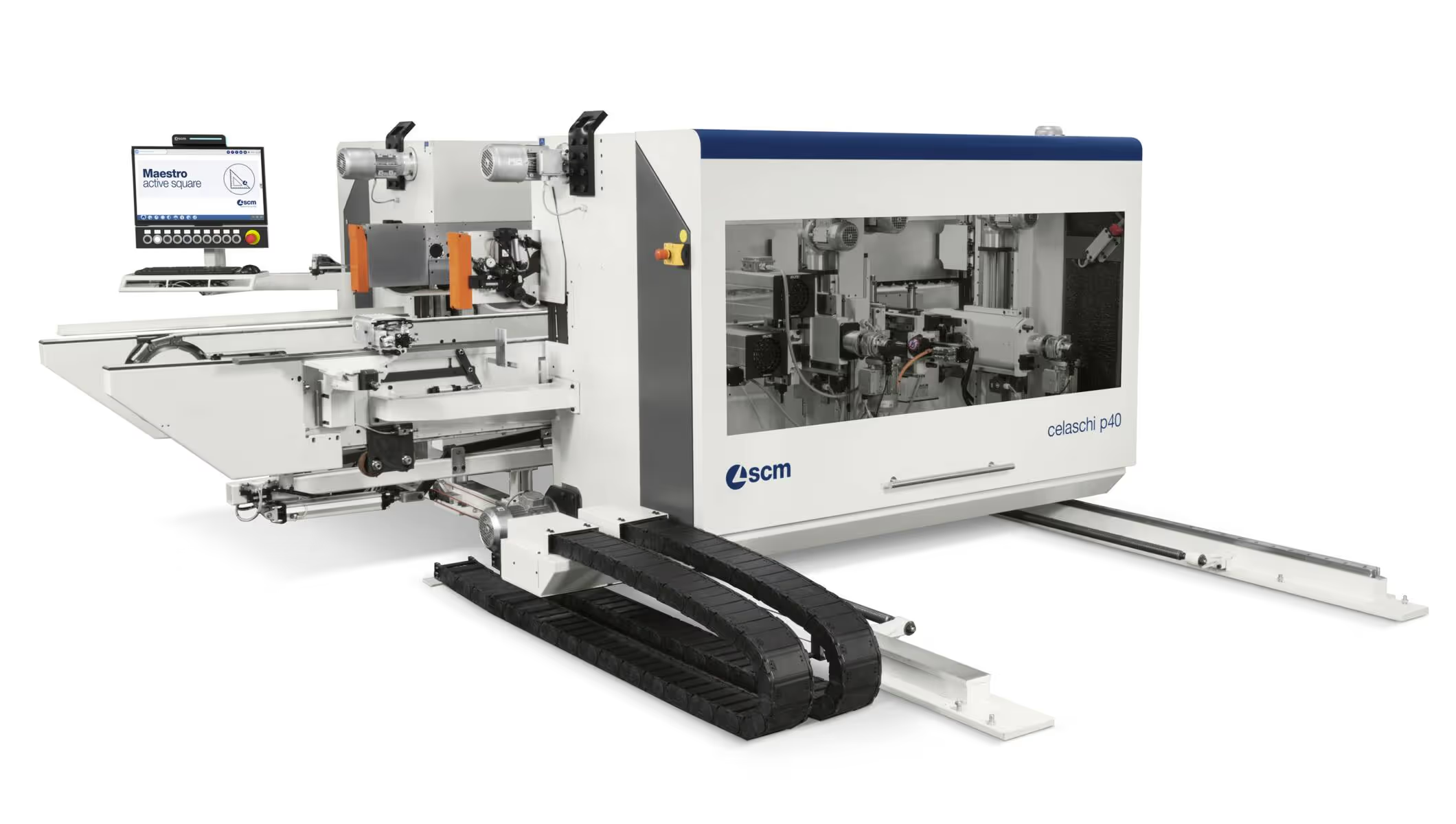 SCM Group SCM Celaschi P40 double-end tenoner
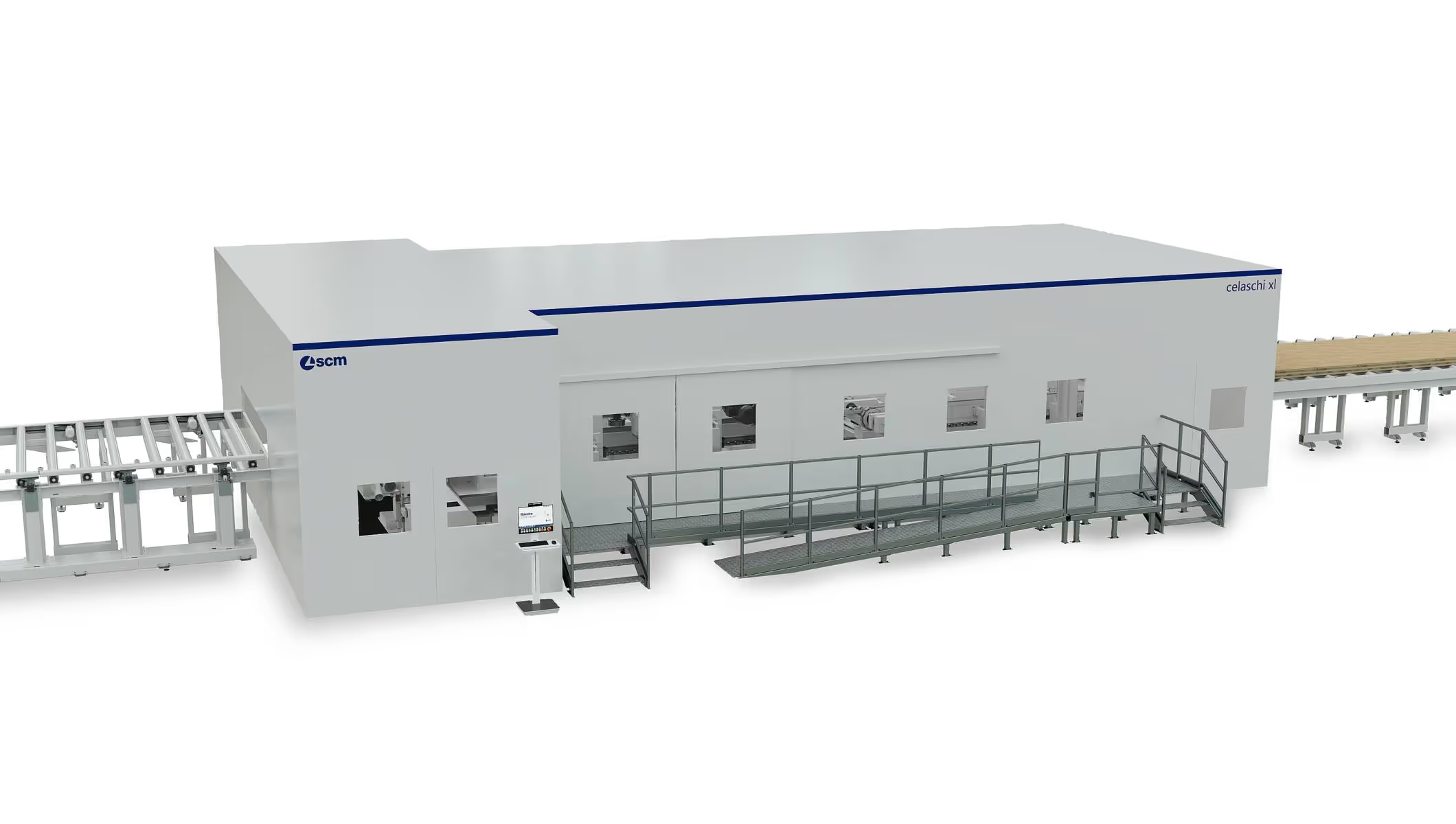 SCM Group SCM Celaschi XL double-sided CLT profiling machine
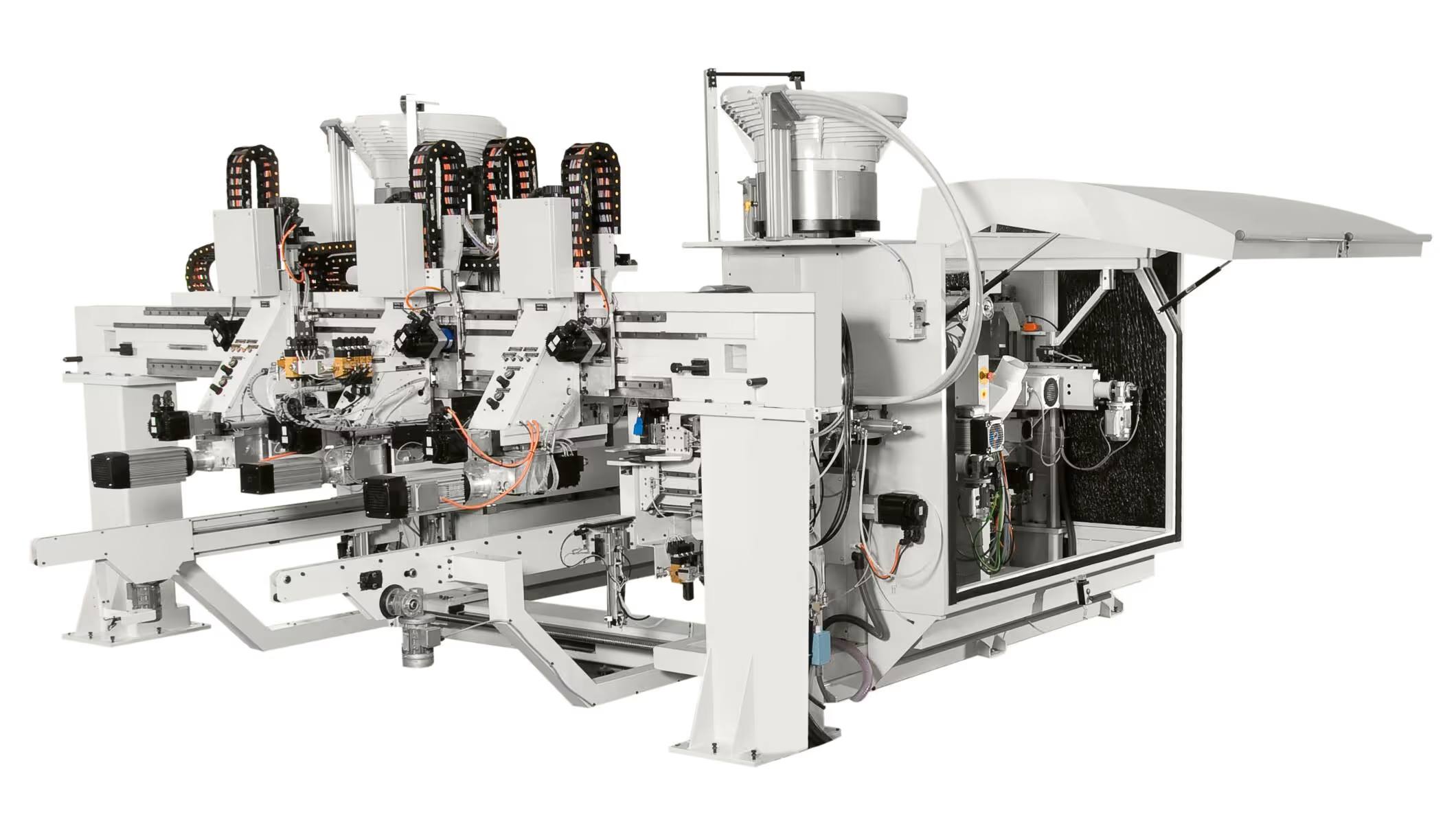 SCM Group SCM Celaschi SP special tenoning and profiling machine
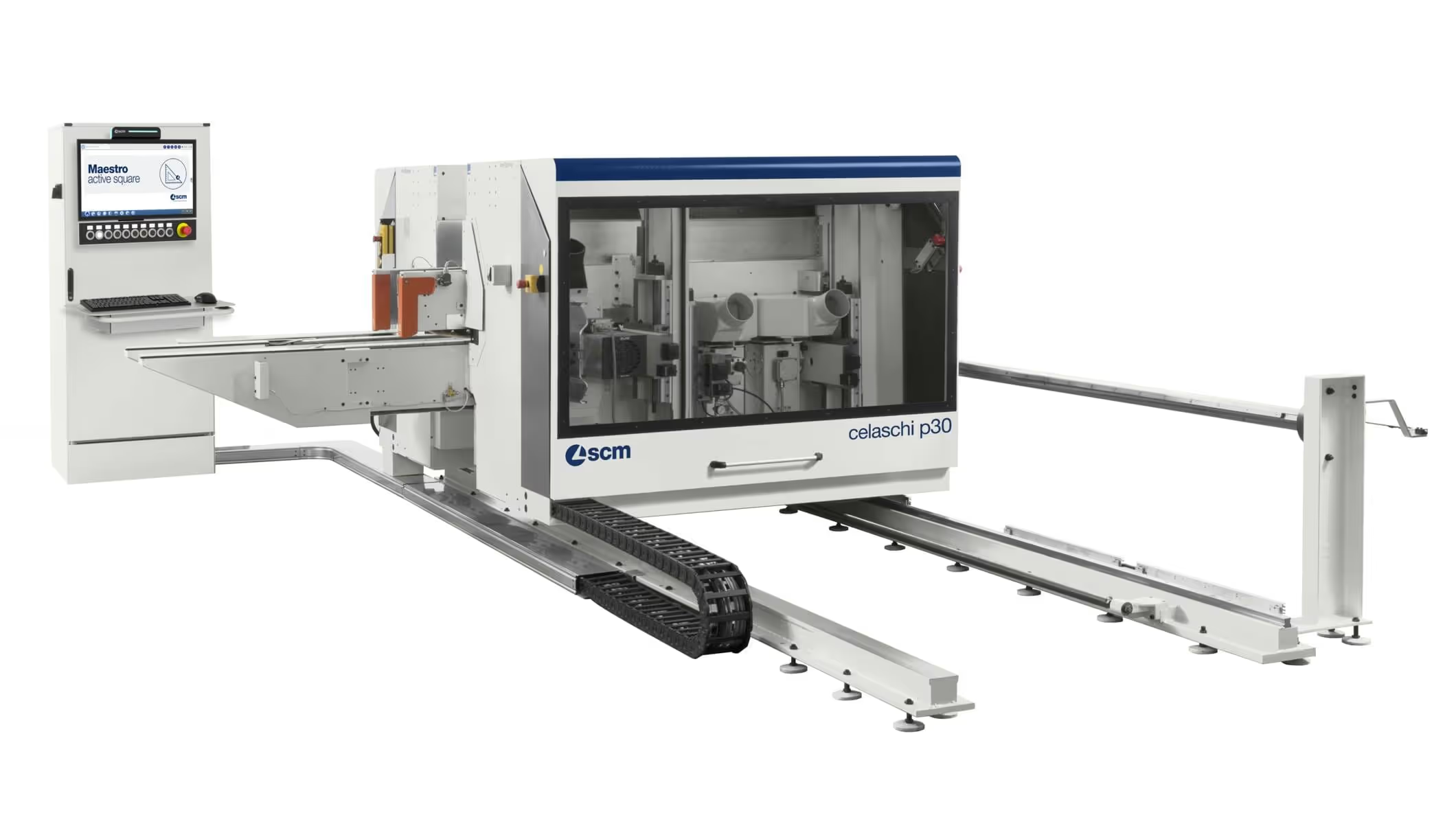 SCM Group SCM Celaschi P30 double-end tenoner
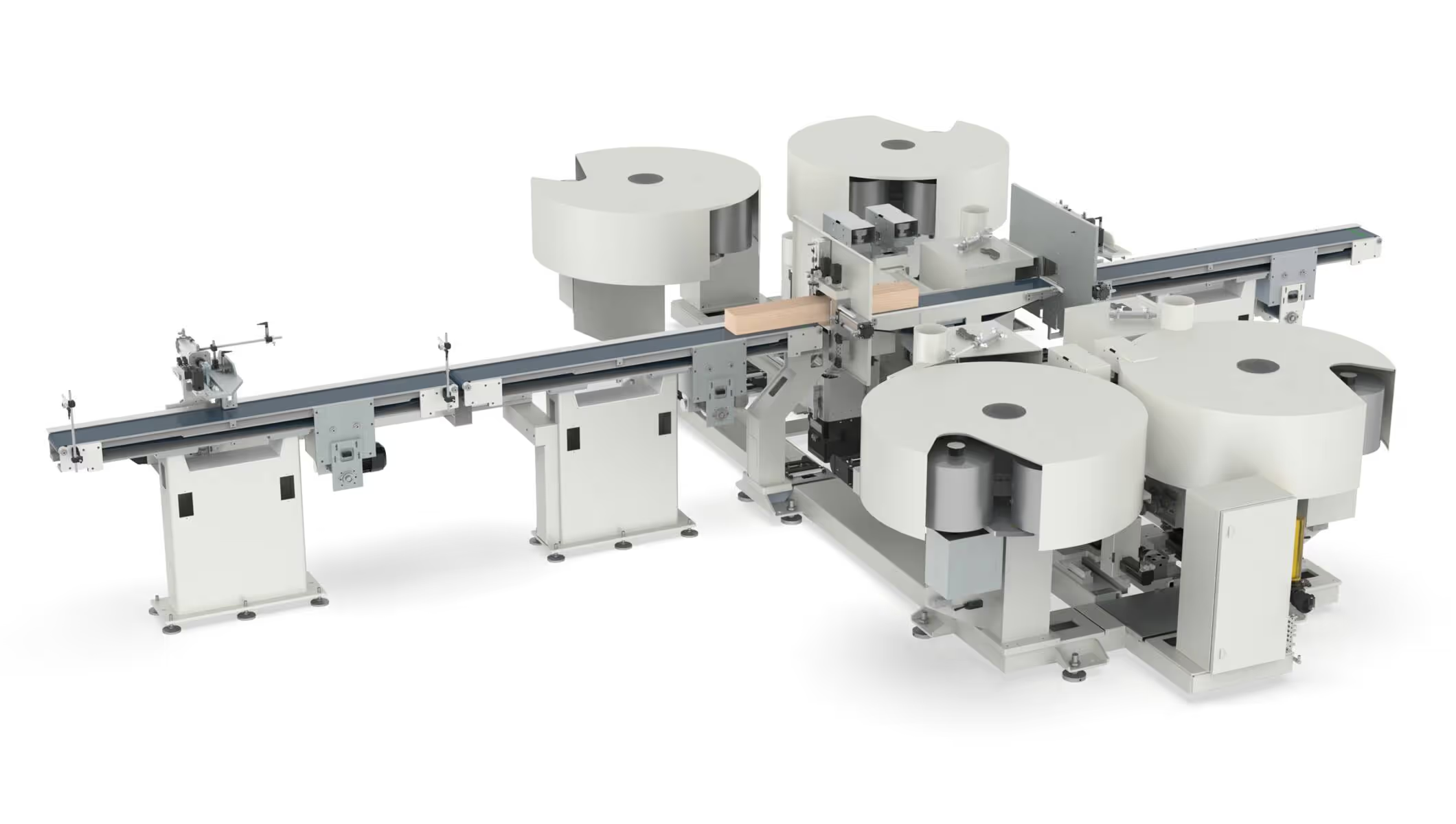 SCM Group SCM Celaschi Action double-end tenoner
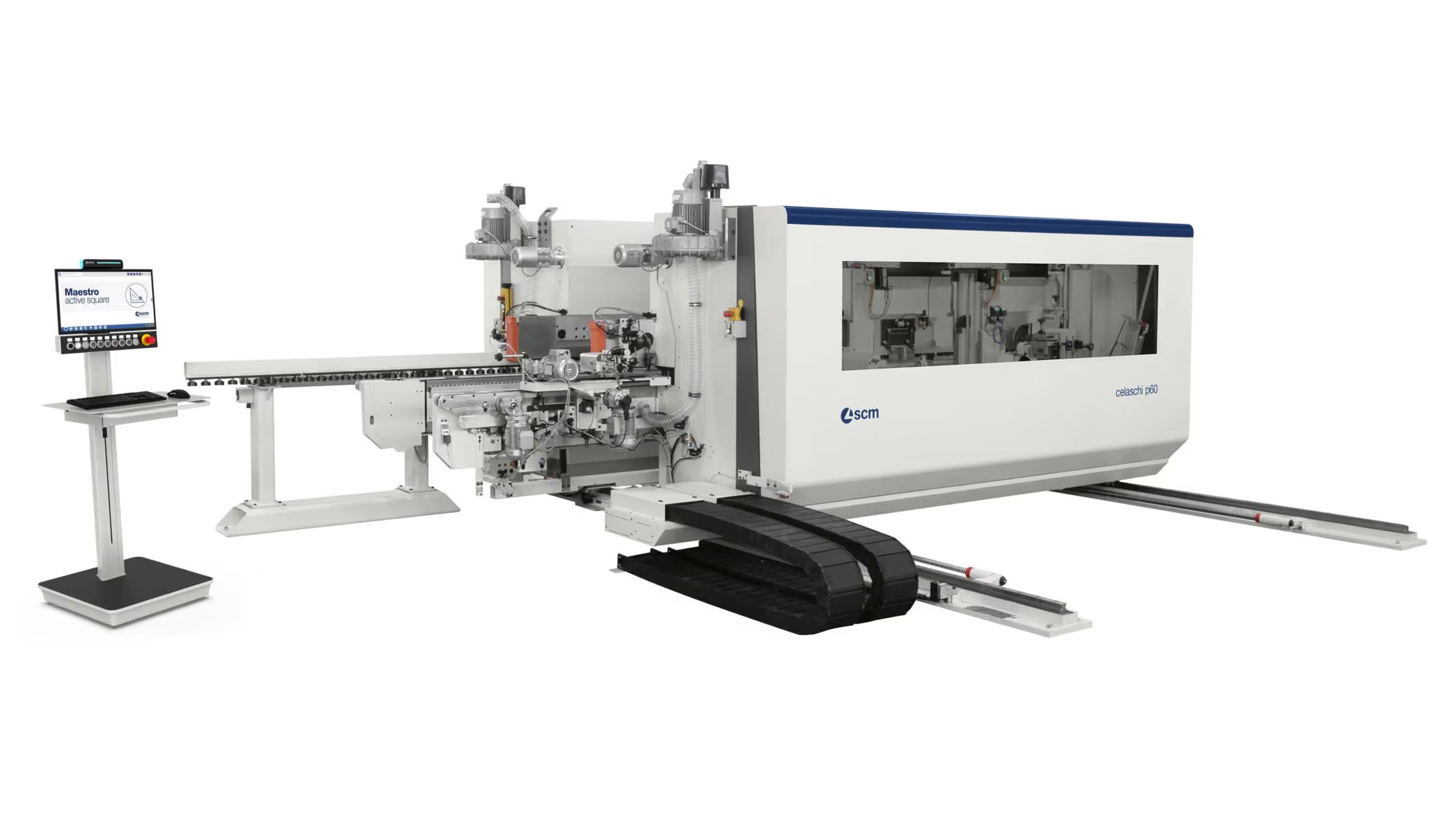 SCM Group Double-end tenoner SCM Celaschi P60
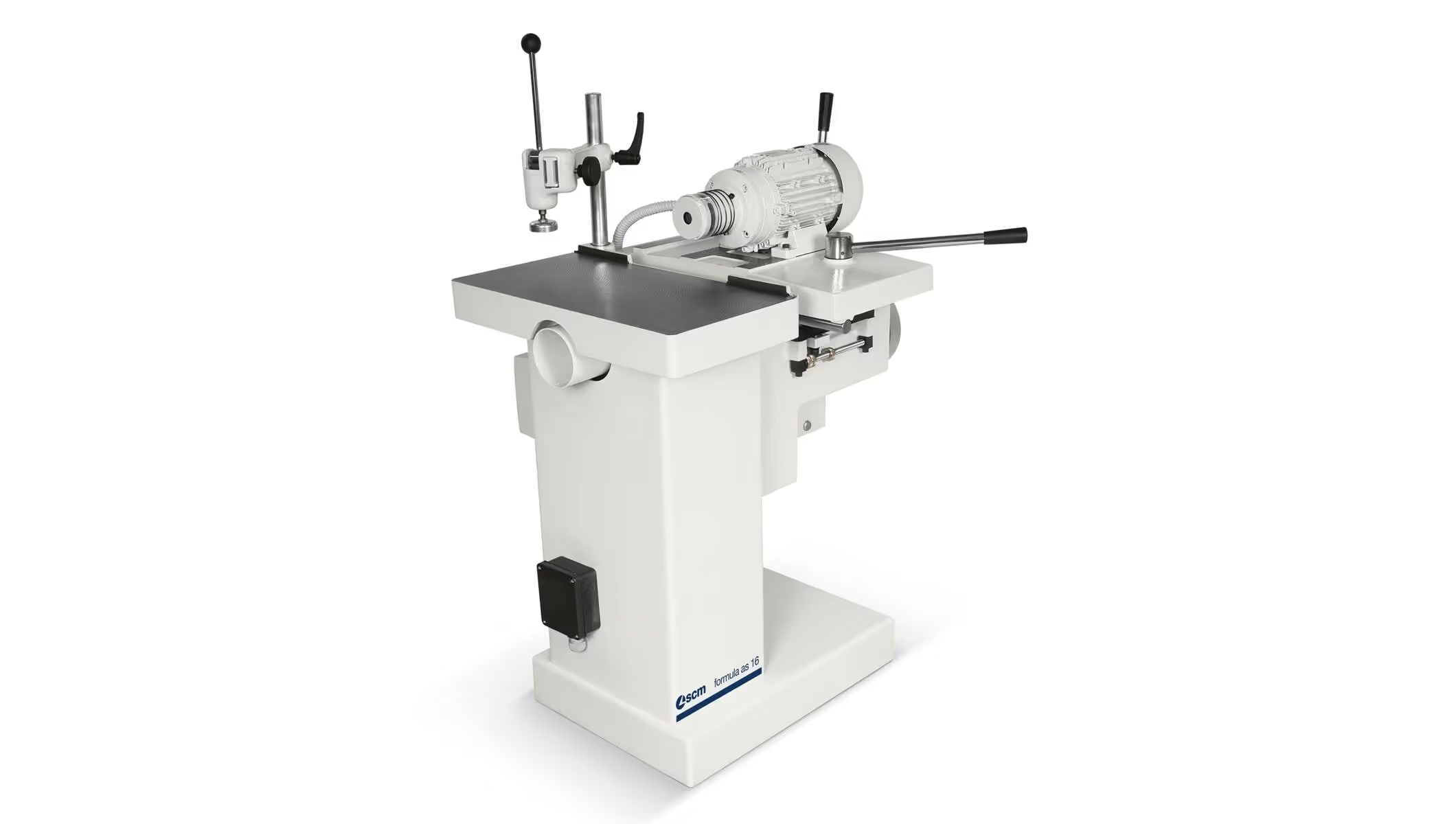 SCM Group SCM formula as 16 slot mortiser
19 of 19 products
The choice mainly depends on the type of joint, the dimensions of the workpieces, the machining operations to be carried out, and the desired production rate.
A tenoning machine machines the ends of workpieces to produce tenons or, depending on the machine, other profiles required for manufacturing. A mortiser produces the recesses intended in particular for mortise-and-tenon joints. Some CNC machines can combine several machining operations.
WoodPartners lists in particular single tenoners, double tenoners, chisel mortisers and window tenoner-profilers. Some machines are designed for targeted operations, while others combine several machining steps within the same cycle.
Also find the full range of secondary processing machines listed on WoodPartners to complement or upgrade your installation.
These machines are mainly used in joinery workshops, furniture manufacturing workshops, and production units for doors, windows, frames and other assembled elements.
They make it possible to produce joints and end machining on various workpieces. Depending on the equipment, operations may include tenoning, mortising, profiling, drilling or milling. Single tenoners are particularly suited to common joinery needs, while double tenoners and profilers can be suitable for more repetitive production of components, windows, parquet flooring or other profiled elements.
The choice of configuration therefore depends as much on the joints required as on the variety of parts and the volumes to be produced.
The type of machine, the dimensions of the workpieces, machining capabilities and the level of automation are the first criteria to compare.
You should also take into account the required repeatability, the number of operations to be chained, and the integration of the machine into the manufacturing flow. CNC in particular can meet the needs of varied production runs or more complex machining.
For other automated operations, see CNC machines. Also find spindle moulders for profiling and stationary saws for cutting operations.
To compare machines, start by defining the joints and profiles to be produced as well as the dimensions of the workpieces. The type of machine, its machining capabilities, its power and its level of automation then make it possible to select the equipment that matches your production.
A joinery workshop looking for a machine dedicated to producing tenons will not have the same needs as a line producing profiles or components in series. Manufacturers listed on WoodPartners can specify configurations suited to the machining operations and production rates required.
Send your request to the relevant suppliers in 2 min. They answer you directly.

With your consent, we and use trackers to measure audience, suggest suppliers and products similar to the ones you view, and measure our advertising. Continuing without accepting changes nothing about your browsing. Learn more