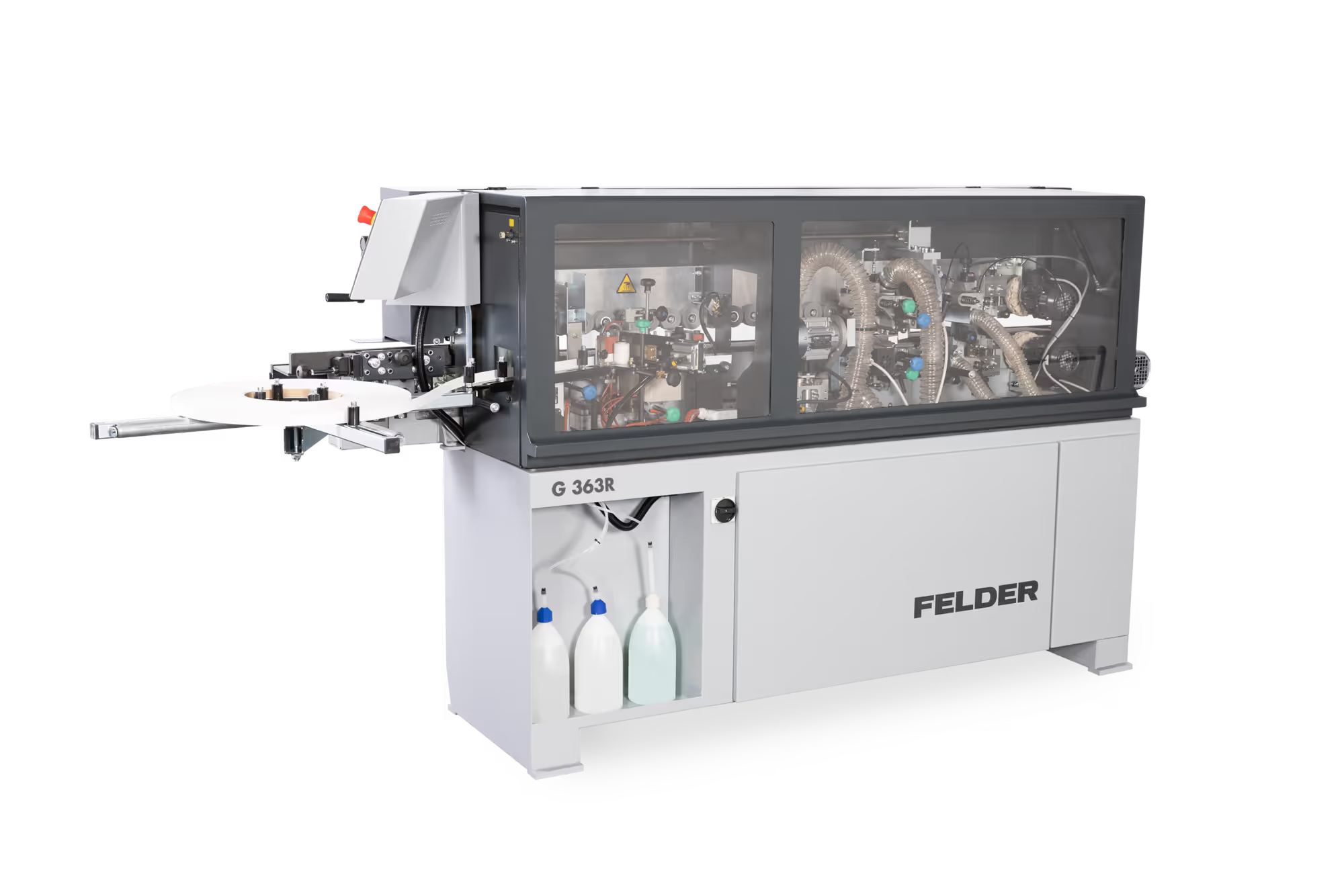
 Felder Group Felder G 363 R edgebander
Discover our selection of x references in Edgebanders. Compare professional edgebanders according to the panels to be worked, the type of edge banding, the production rate, and the desired level of automation.
Felder Group Felder G 363 R edgebander 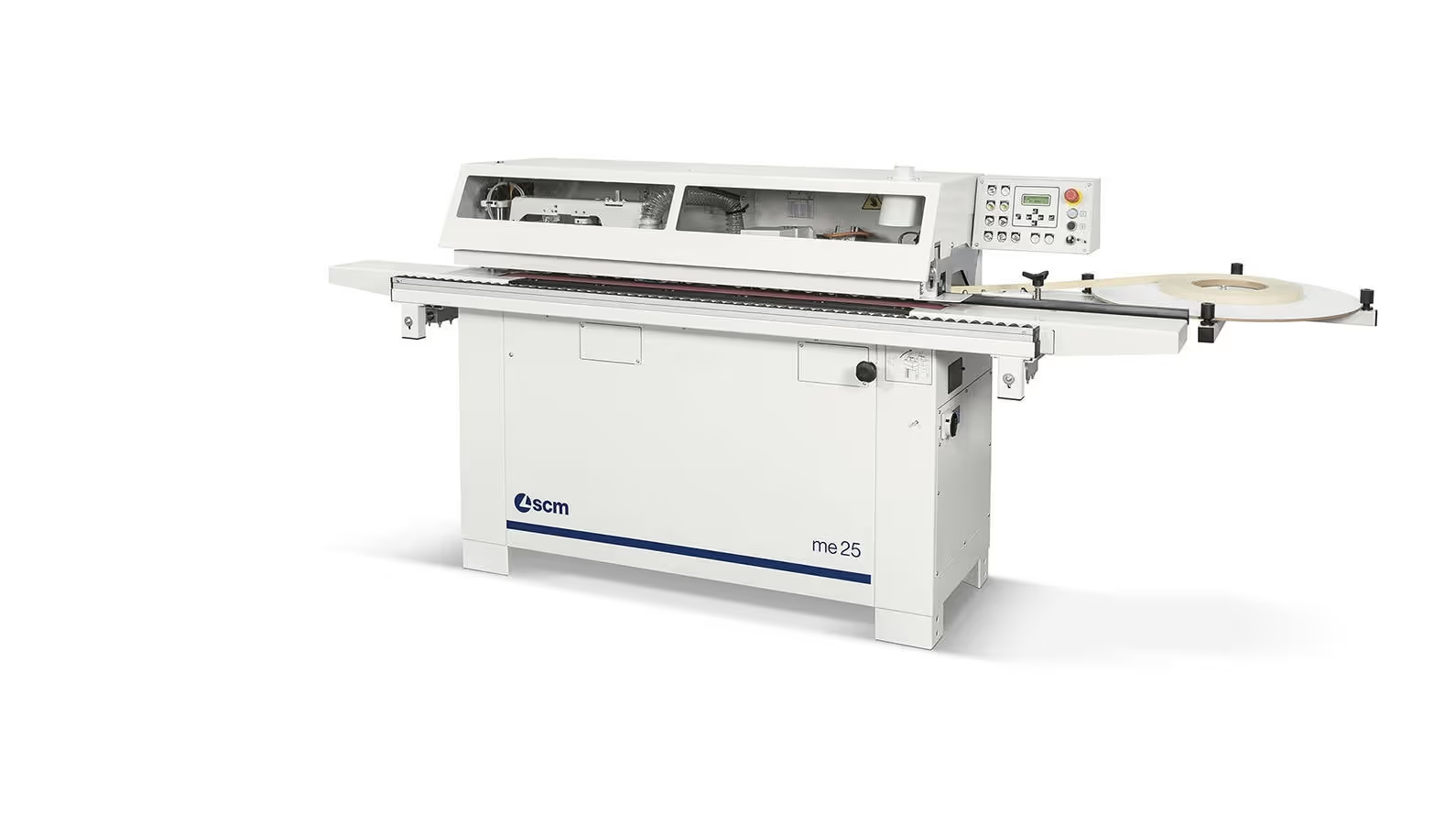
 SCM Group SCM me 25 single-sided edgebander
 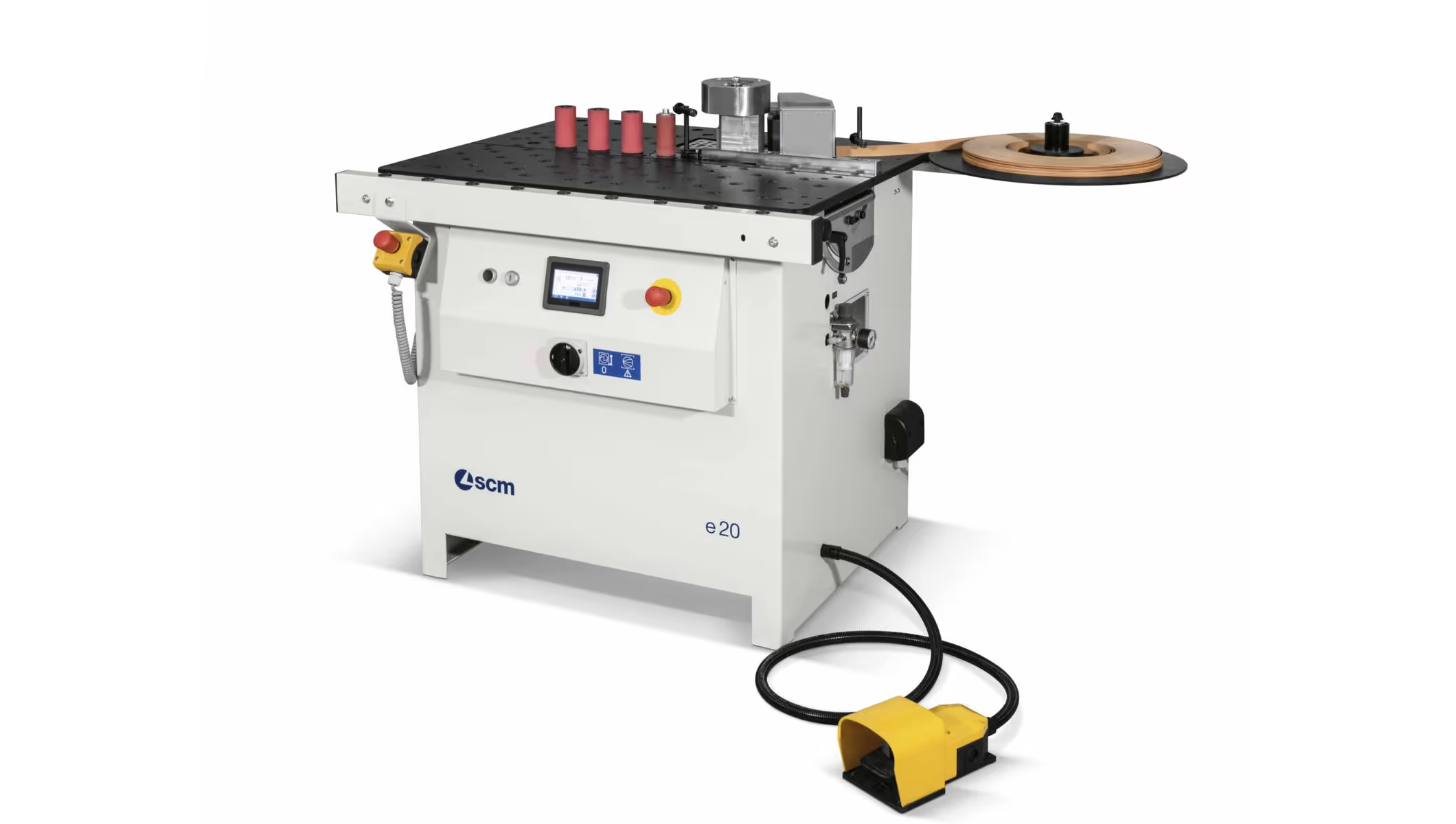 SCM Group SCM e 20 single-sided edgebander
 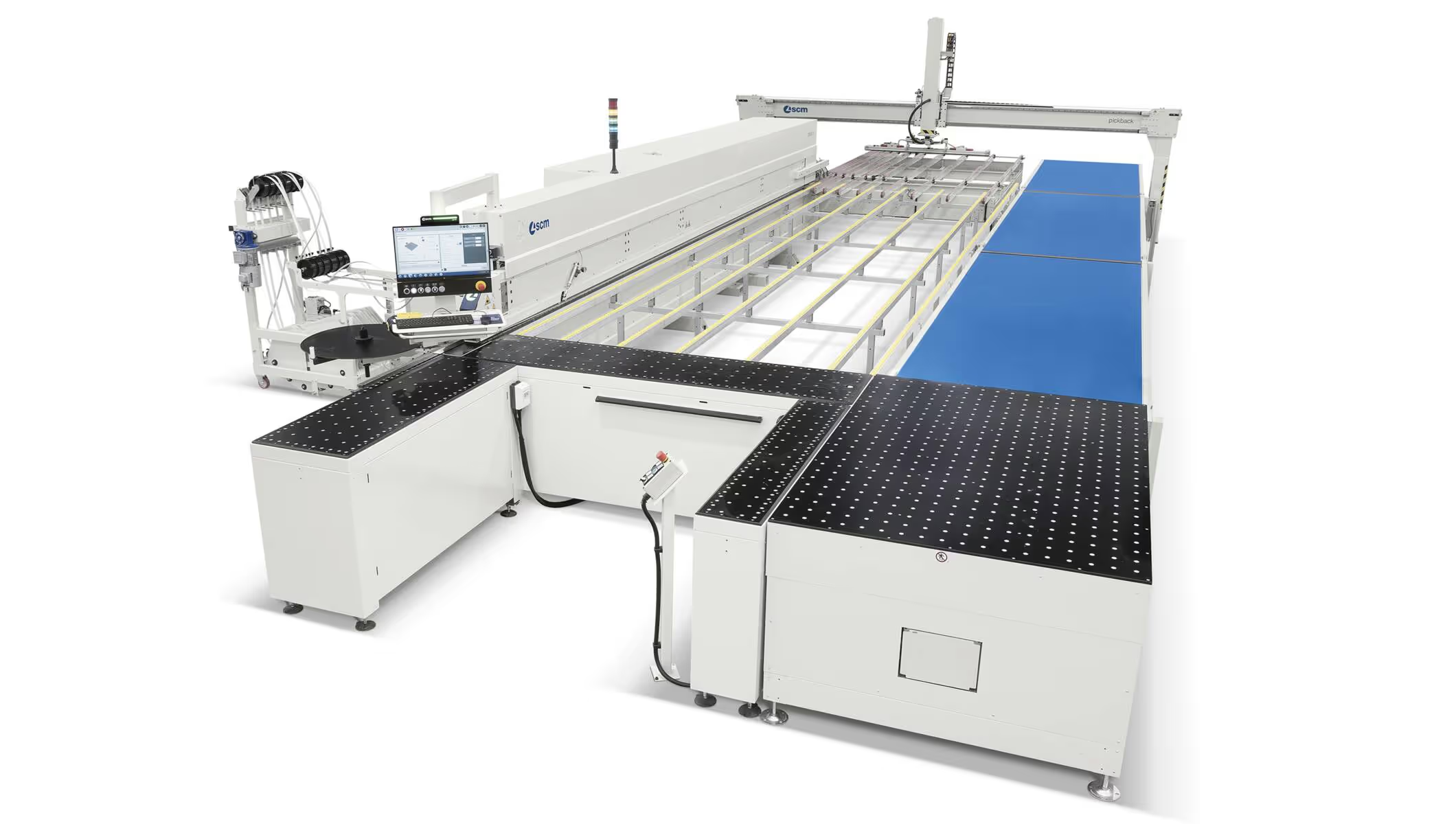 SCM Group Flexible edge banding cell SCM Stefani Cell E
 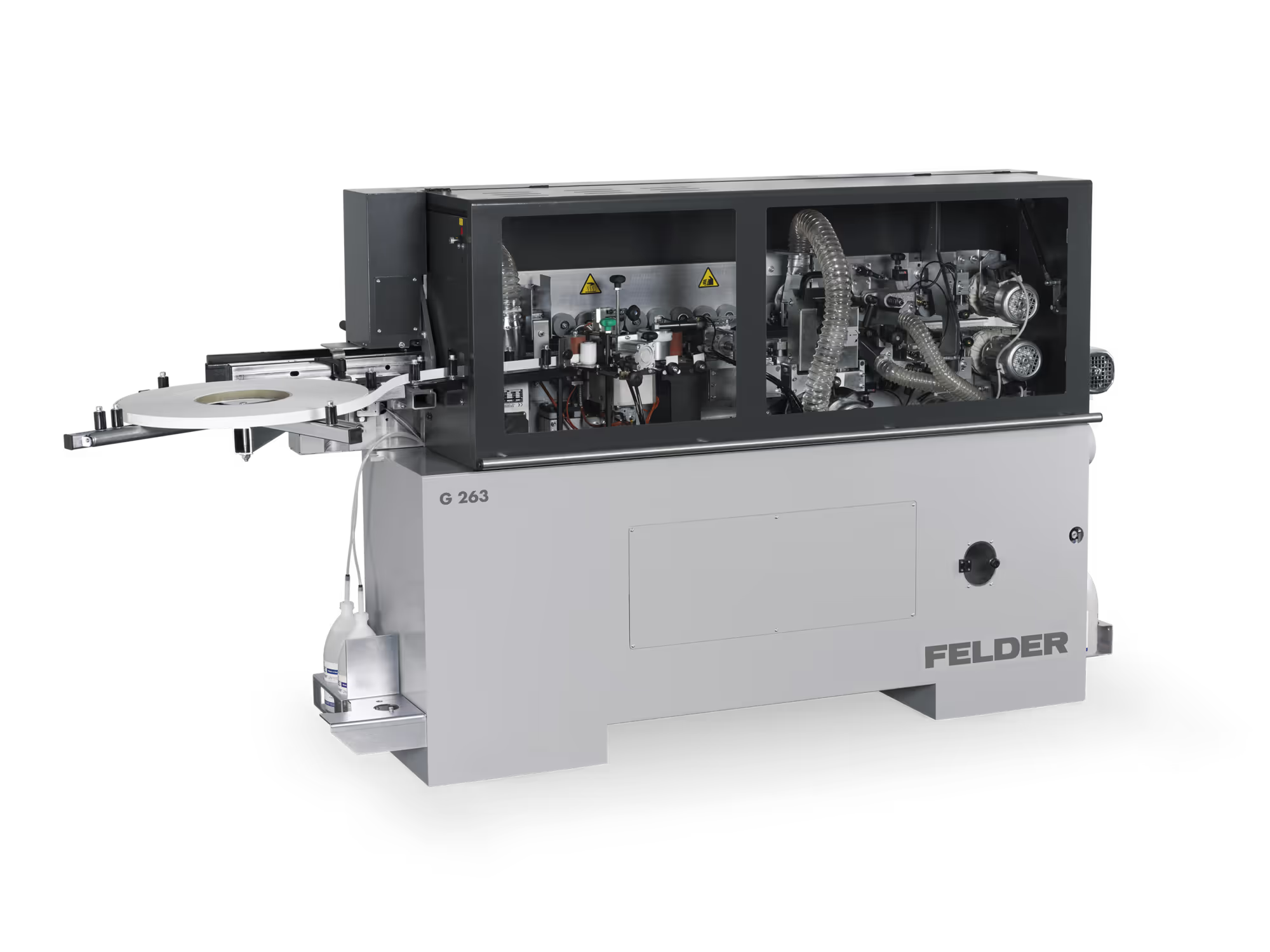 Felder Group Felder G 263 edgebander
 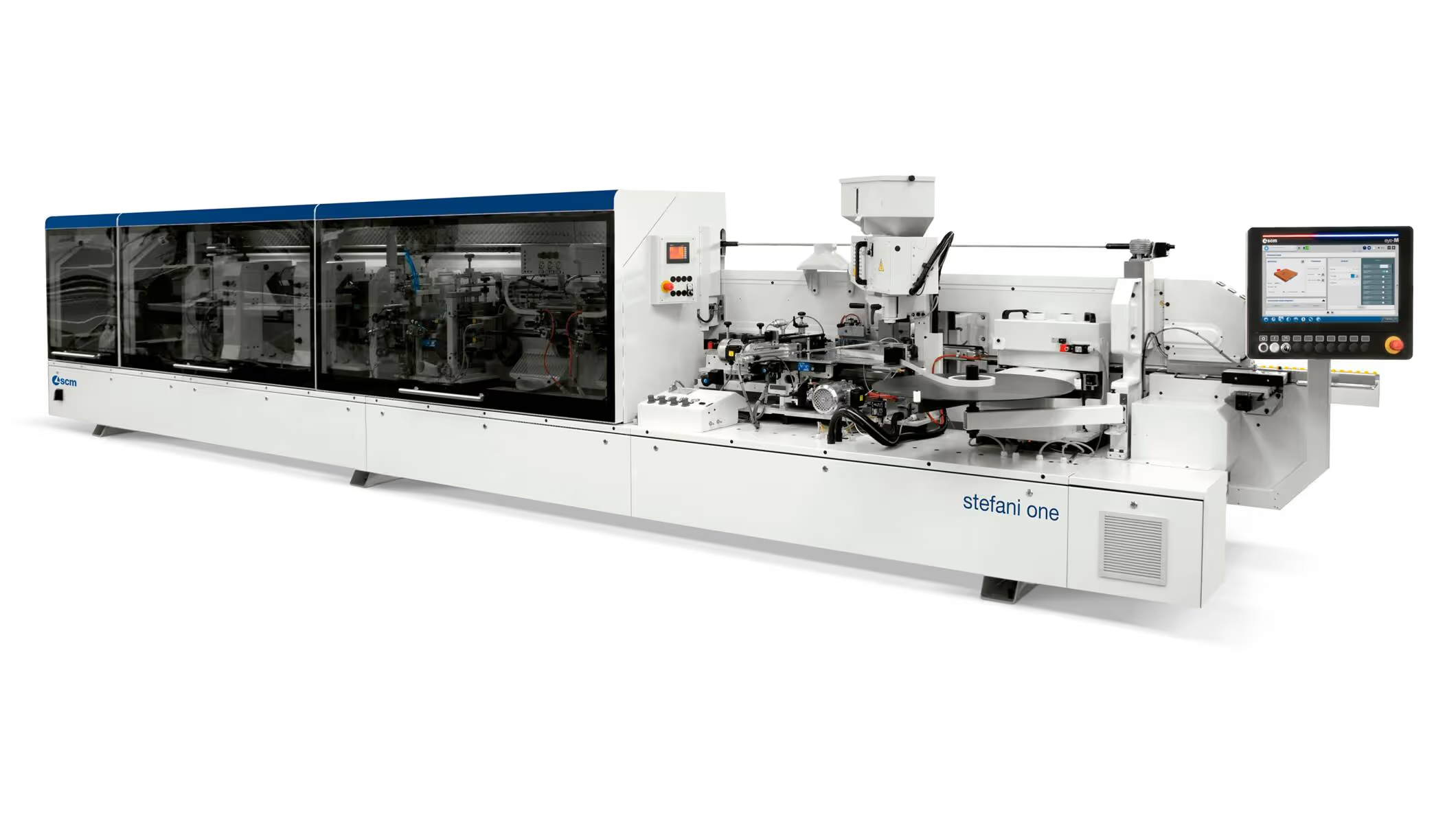 SCM Group Plaqueuse de chant monolatérale SCM Stefani One
 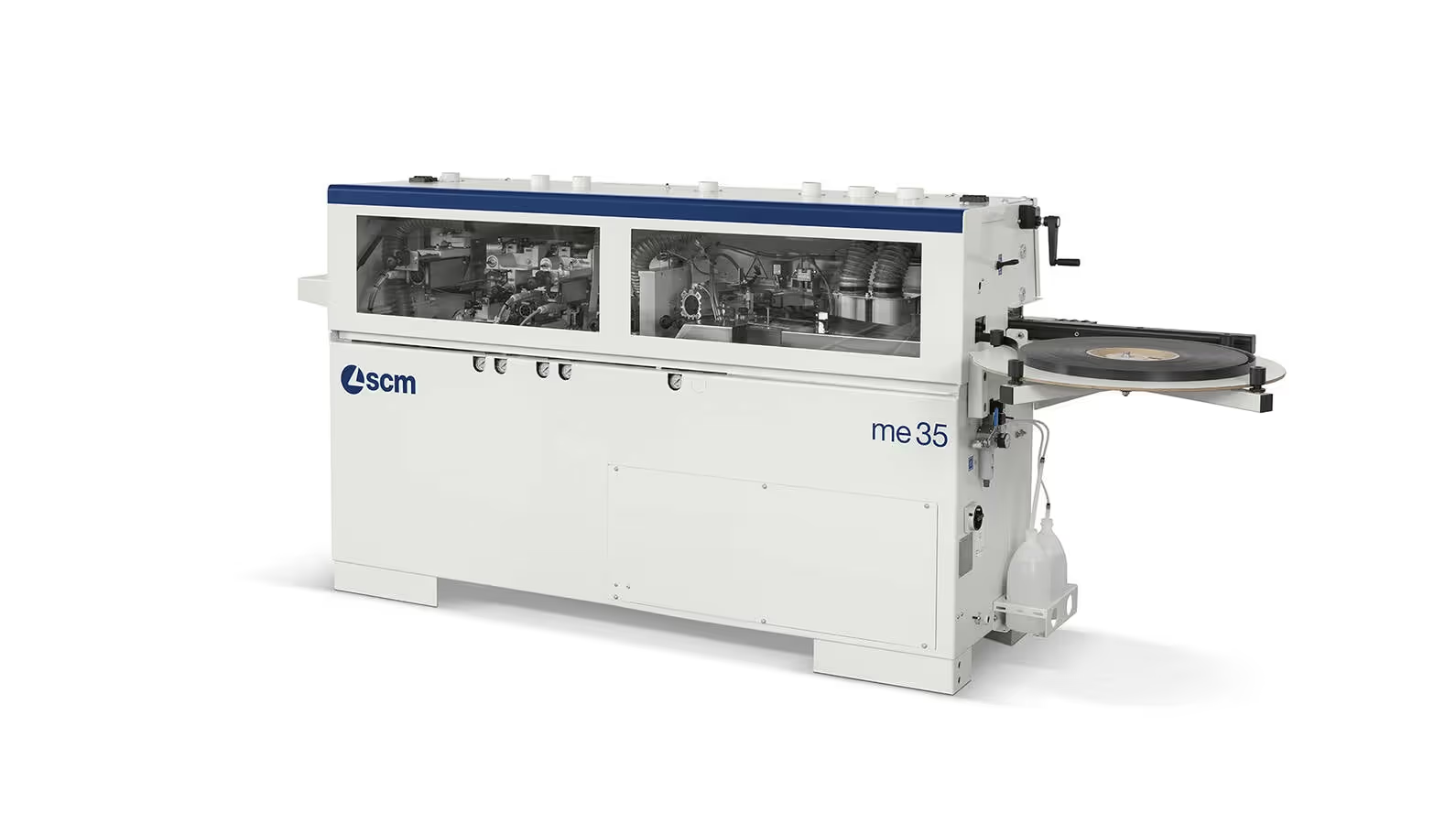 SCM Group Single-sided edge banding machine SCM me 35
 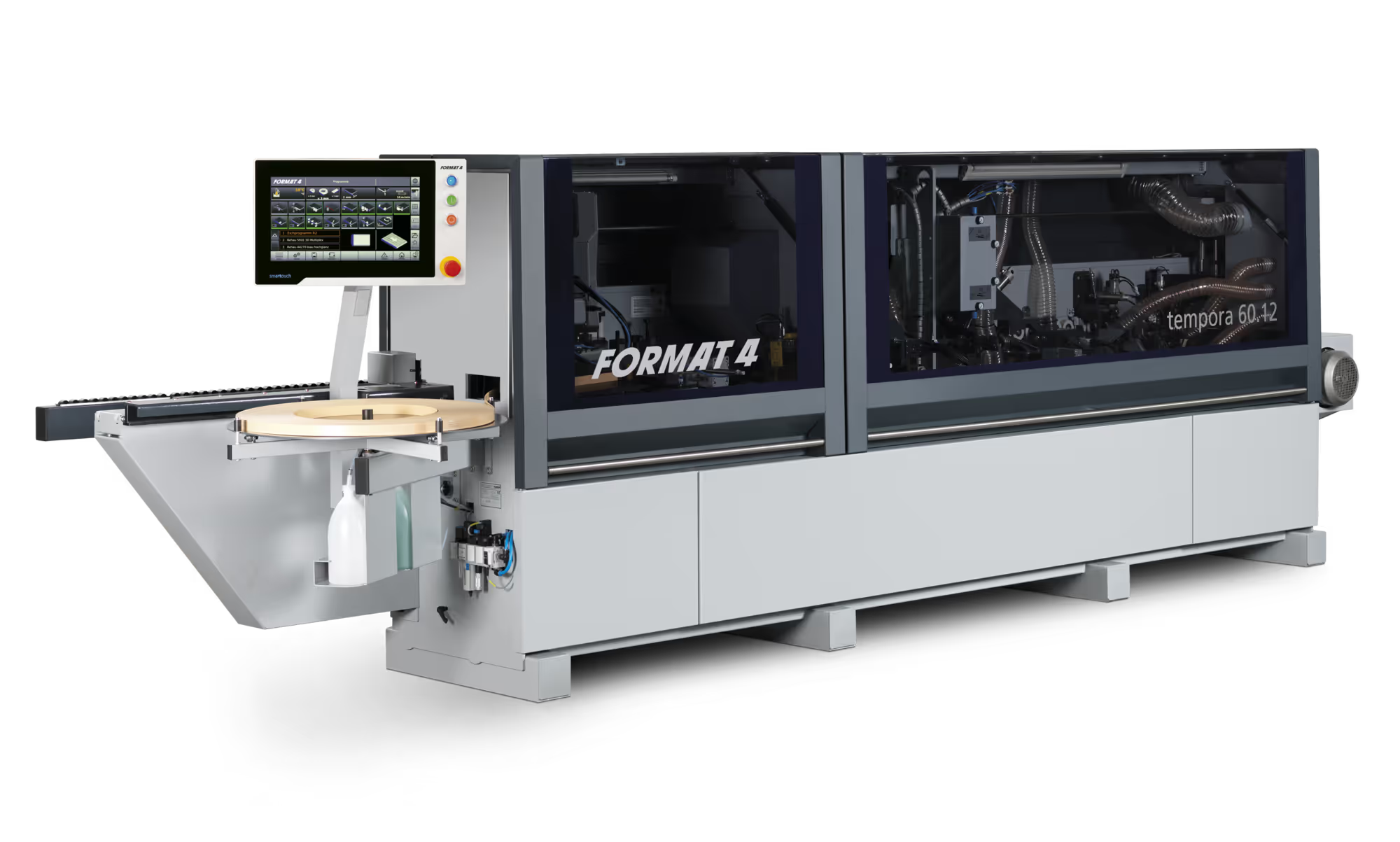 Felder Group Format4 tempora F800 60.12 e-motion edgebander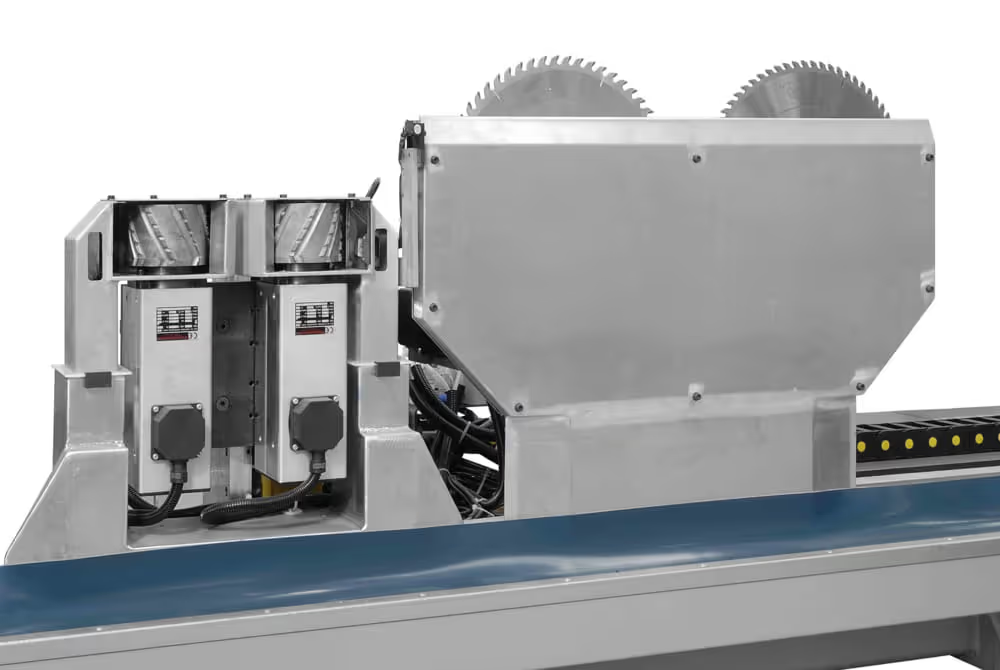
 Essetre Essetre Fusion Long CNC machining centre
 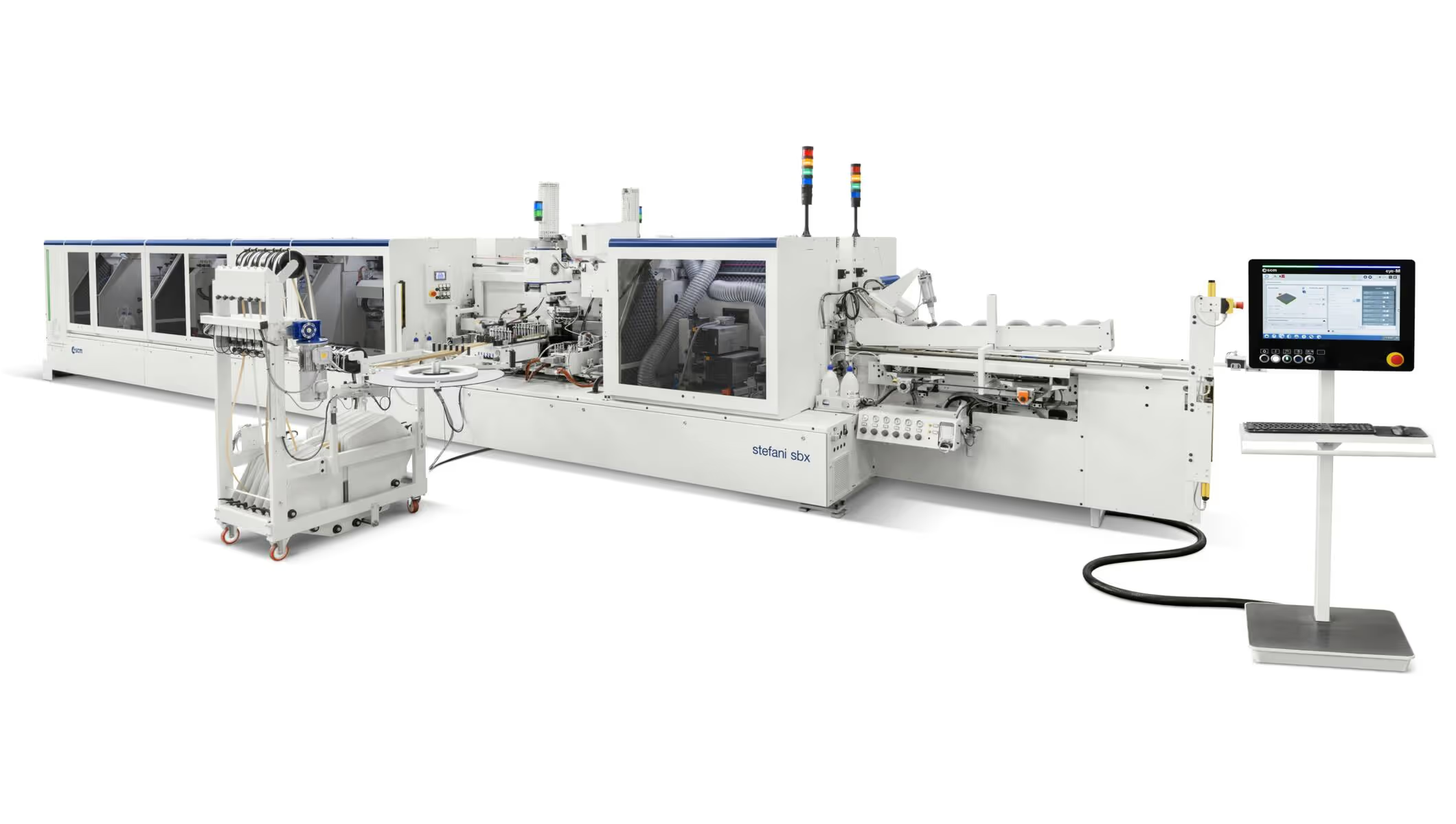 SCM Group SCM Stefani SBX squaring edgebander
 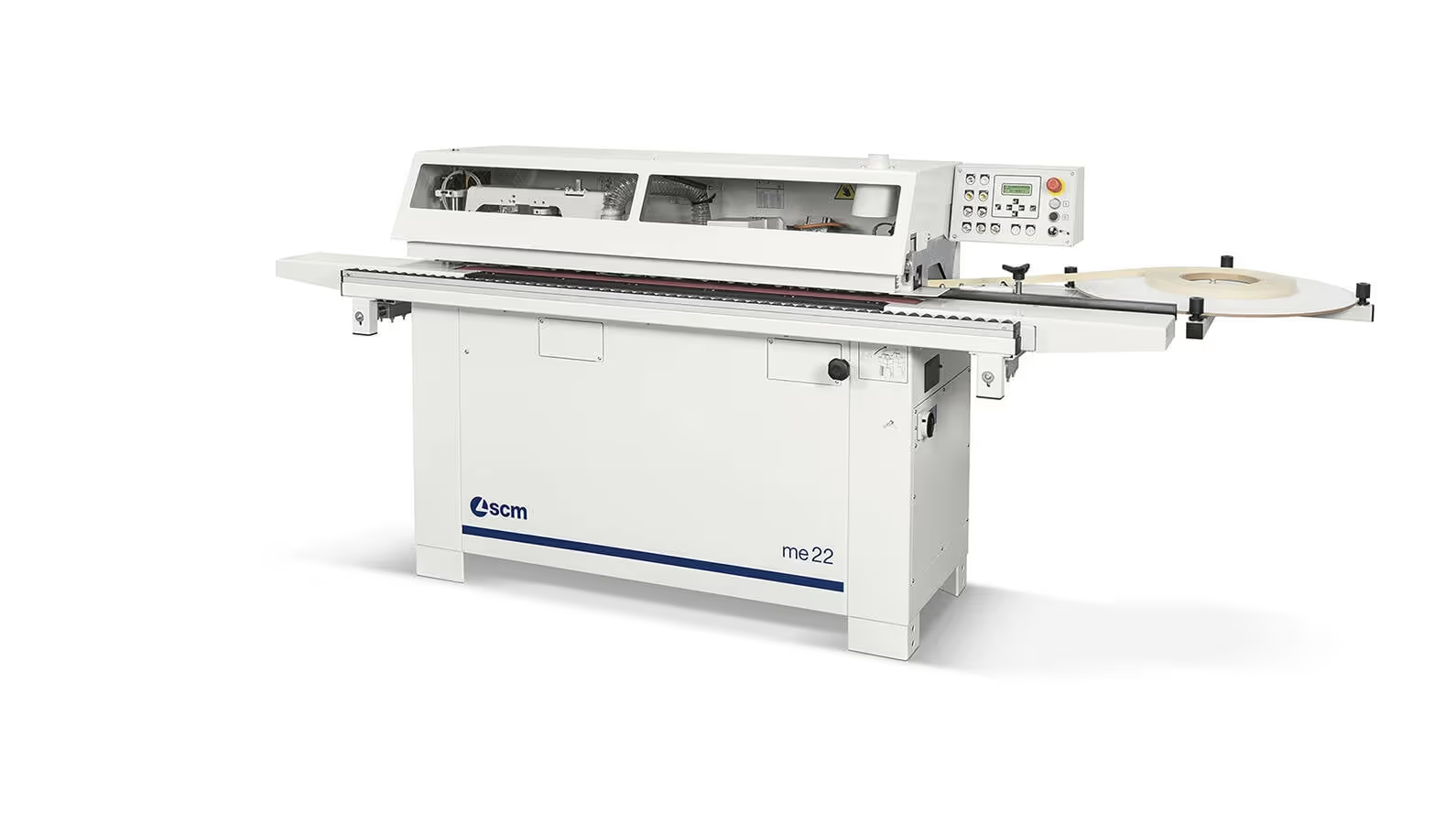 SCM Group SCM me 22 single-sided edgebander
 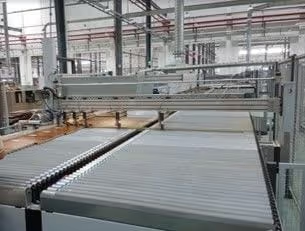 SCM Group Flexible edgebanding line SCM Stefani Rocket H
 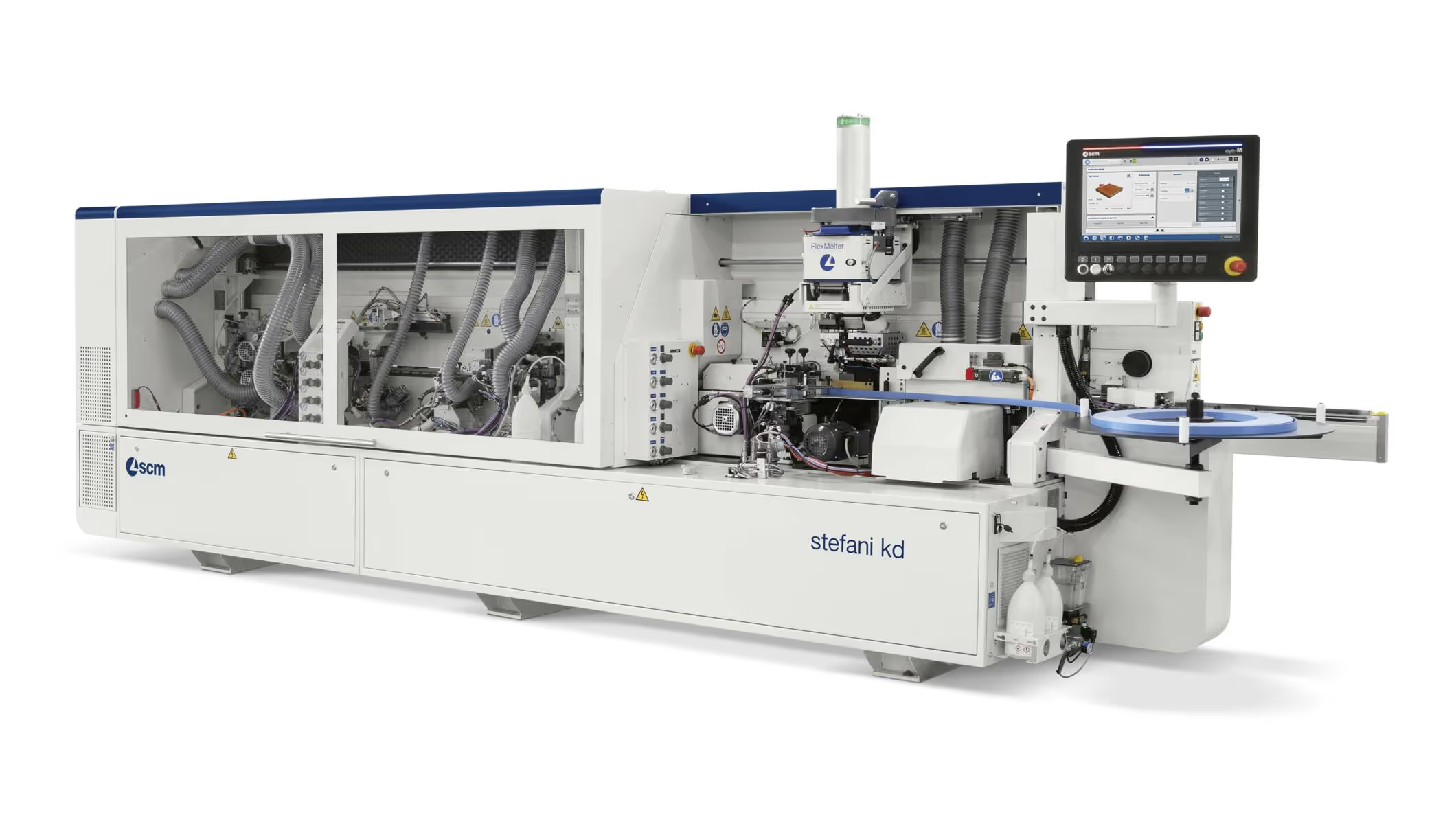 SCM Group SCM Stefani KD edgebander
 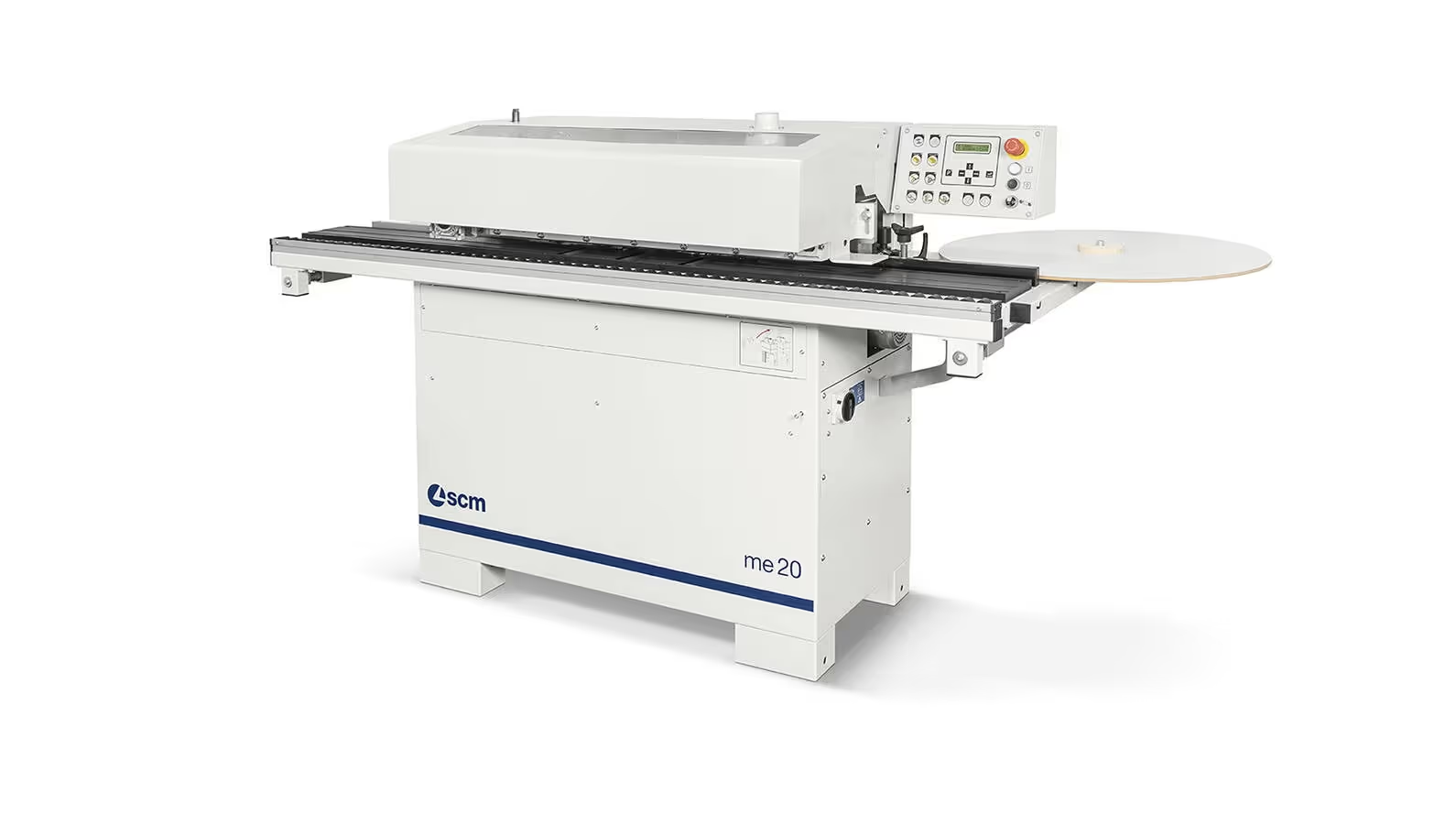 SCM Group Single-sided edge banding machine SCM me 20
  SCM Group SCM Olimpic 300 compact edgebander
 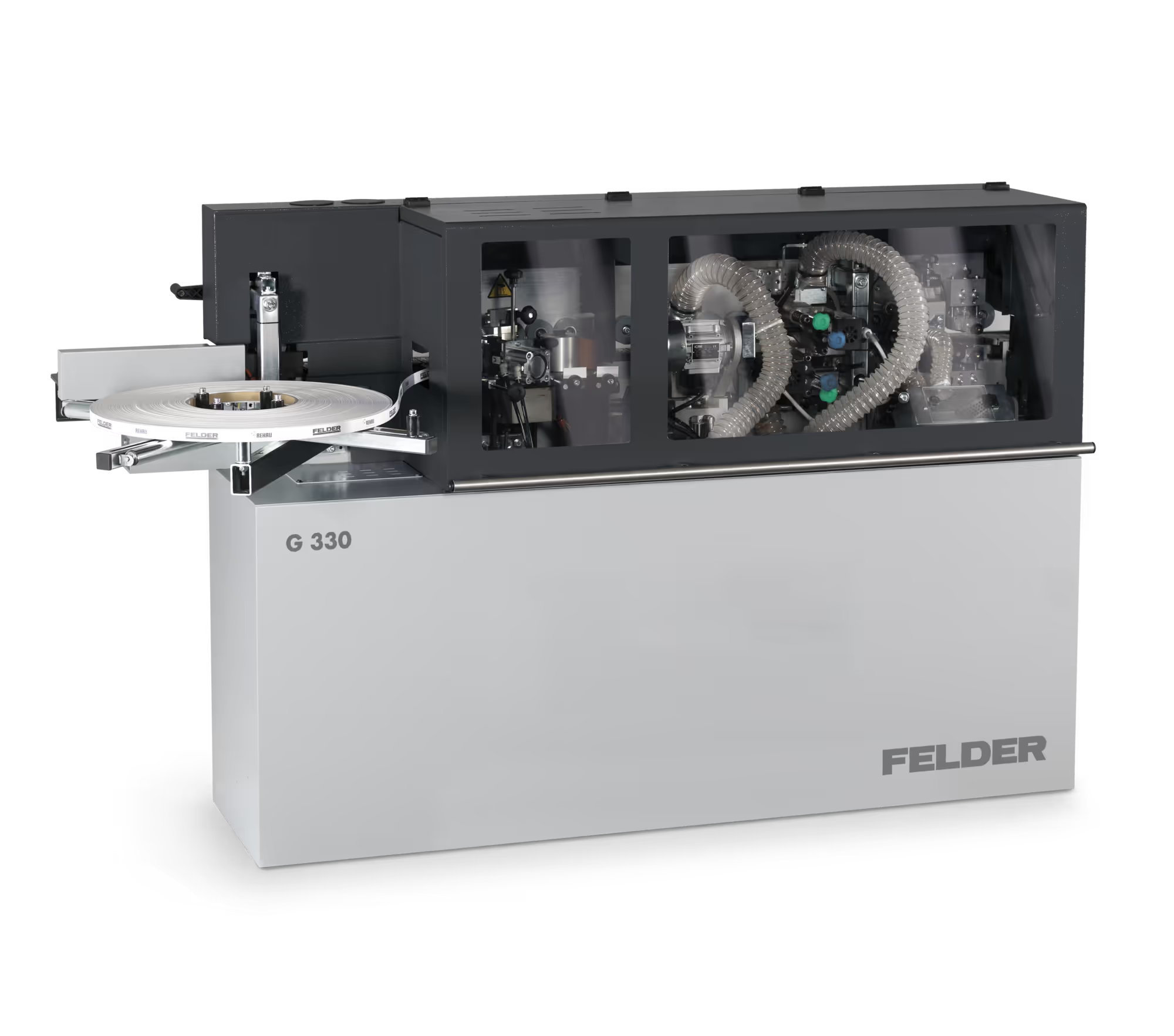 Felder Group Felder G 330 edgebander
 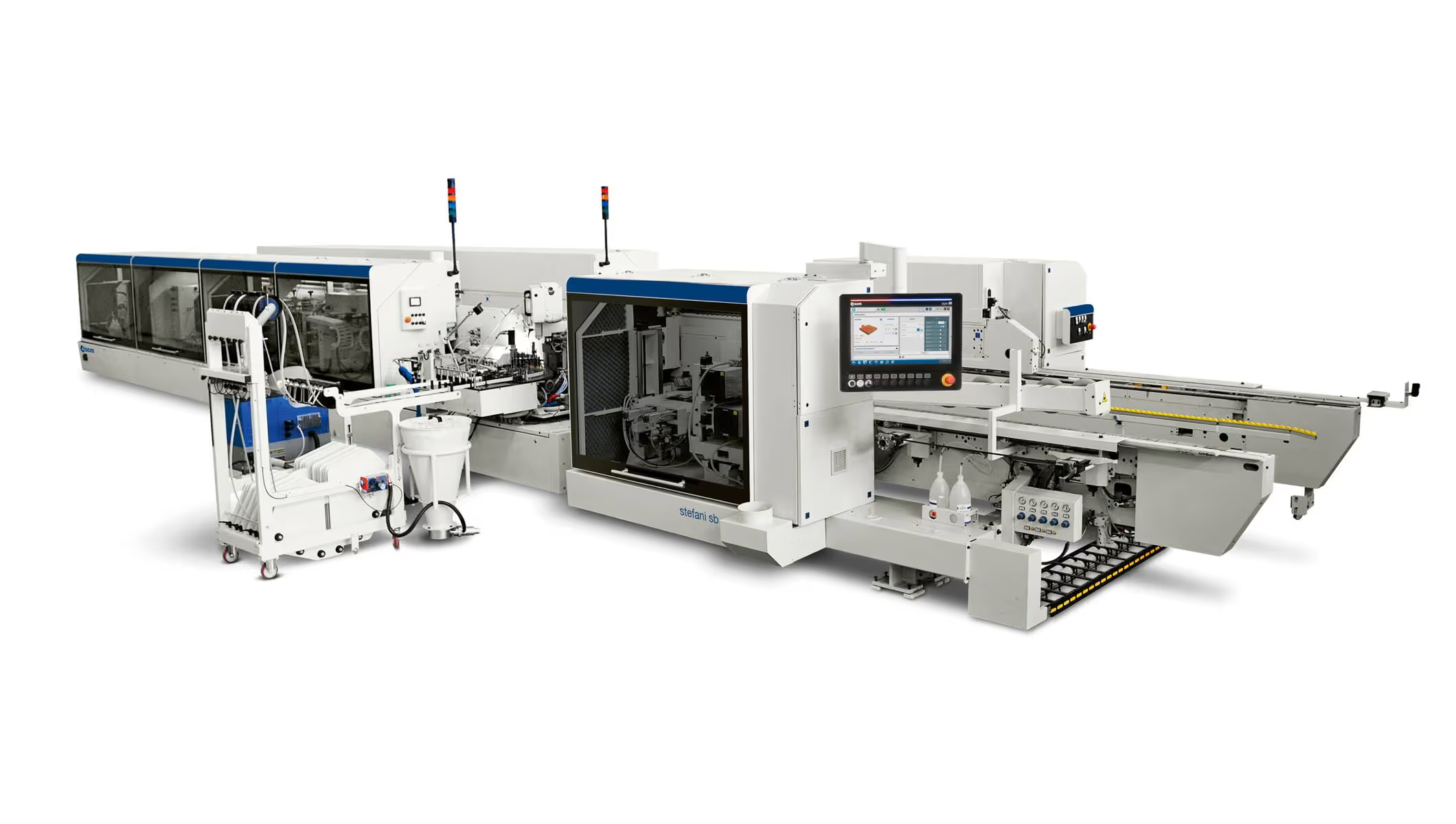 SCM Group SCM Stefani SB edgebander
 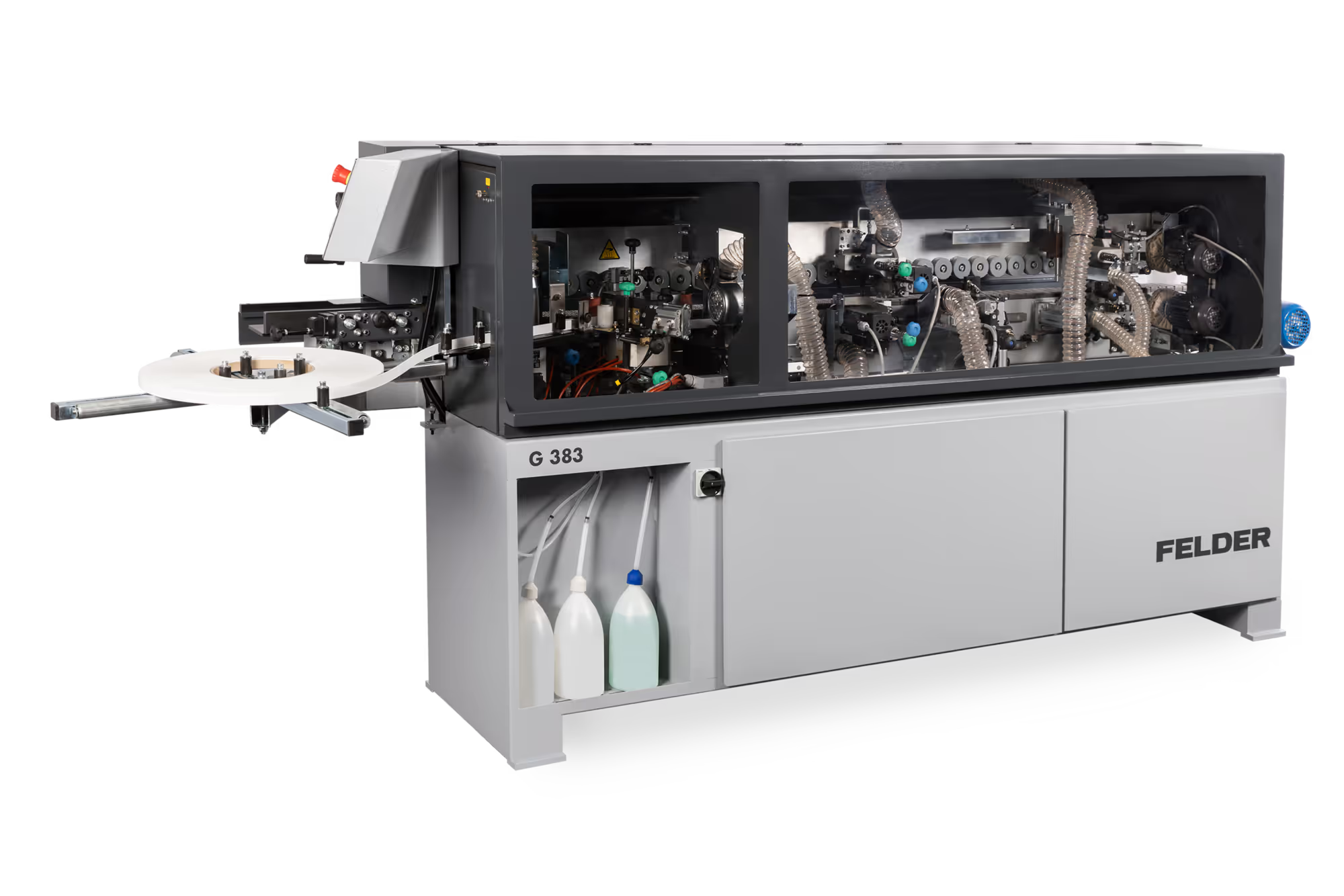 Felder Group Felder G 383 edgebander
 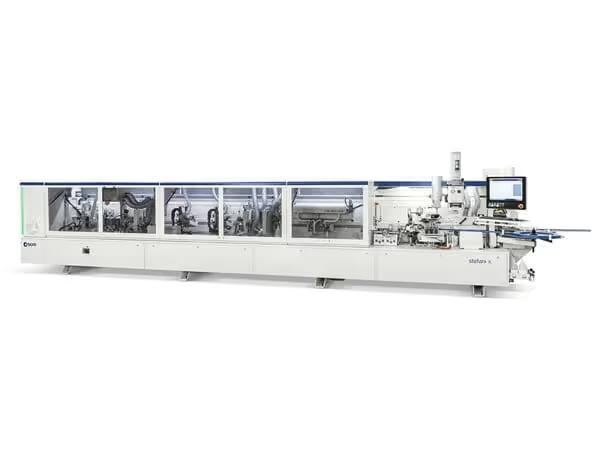 SCM Group SCM Stefani Rocket E flexible edgebanding line
 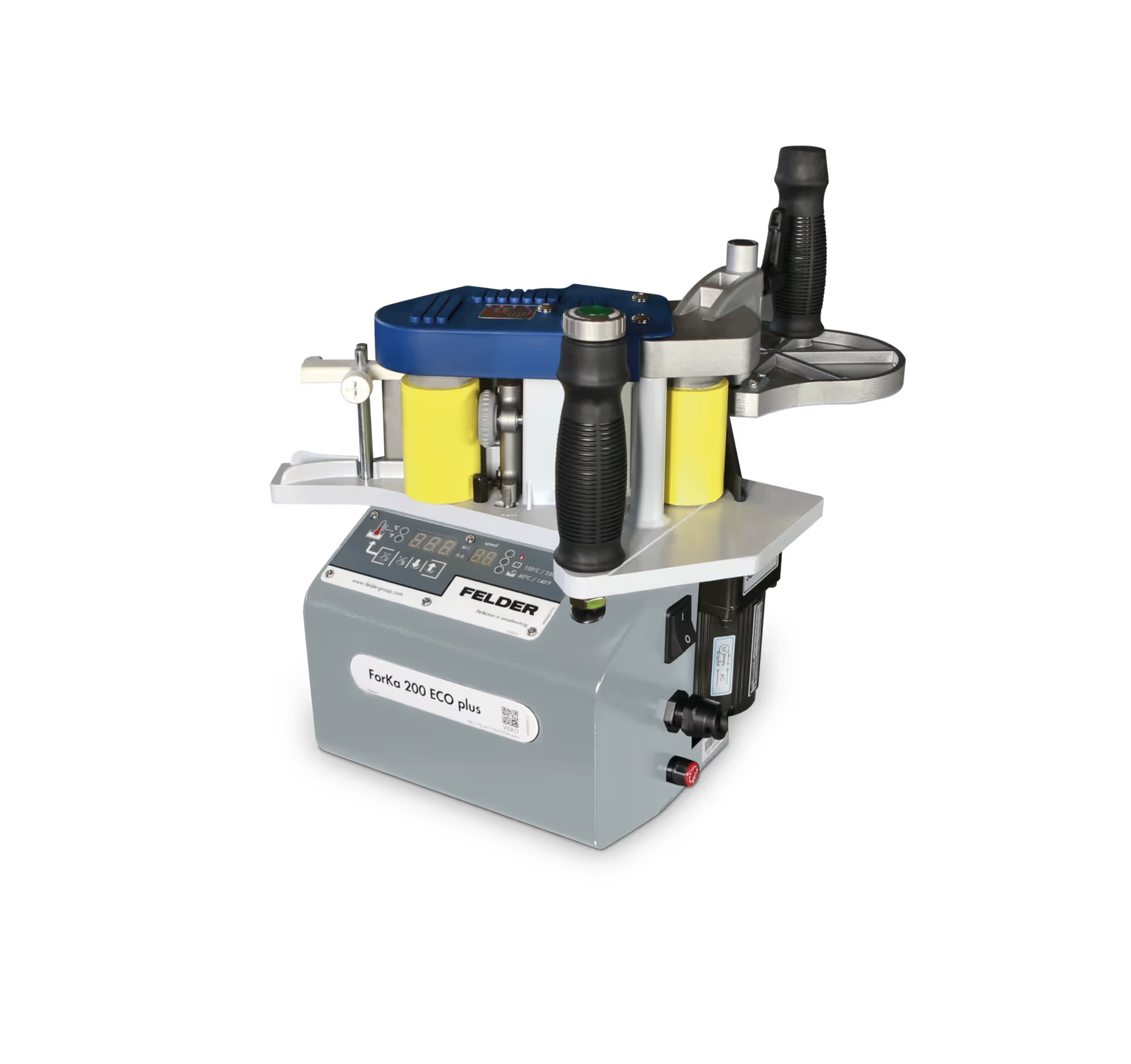 Felder Group Felder ForKa 200 eco plus edgebander
 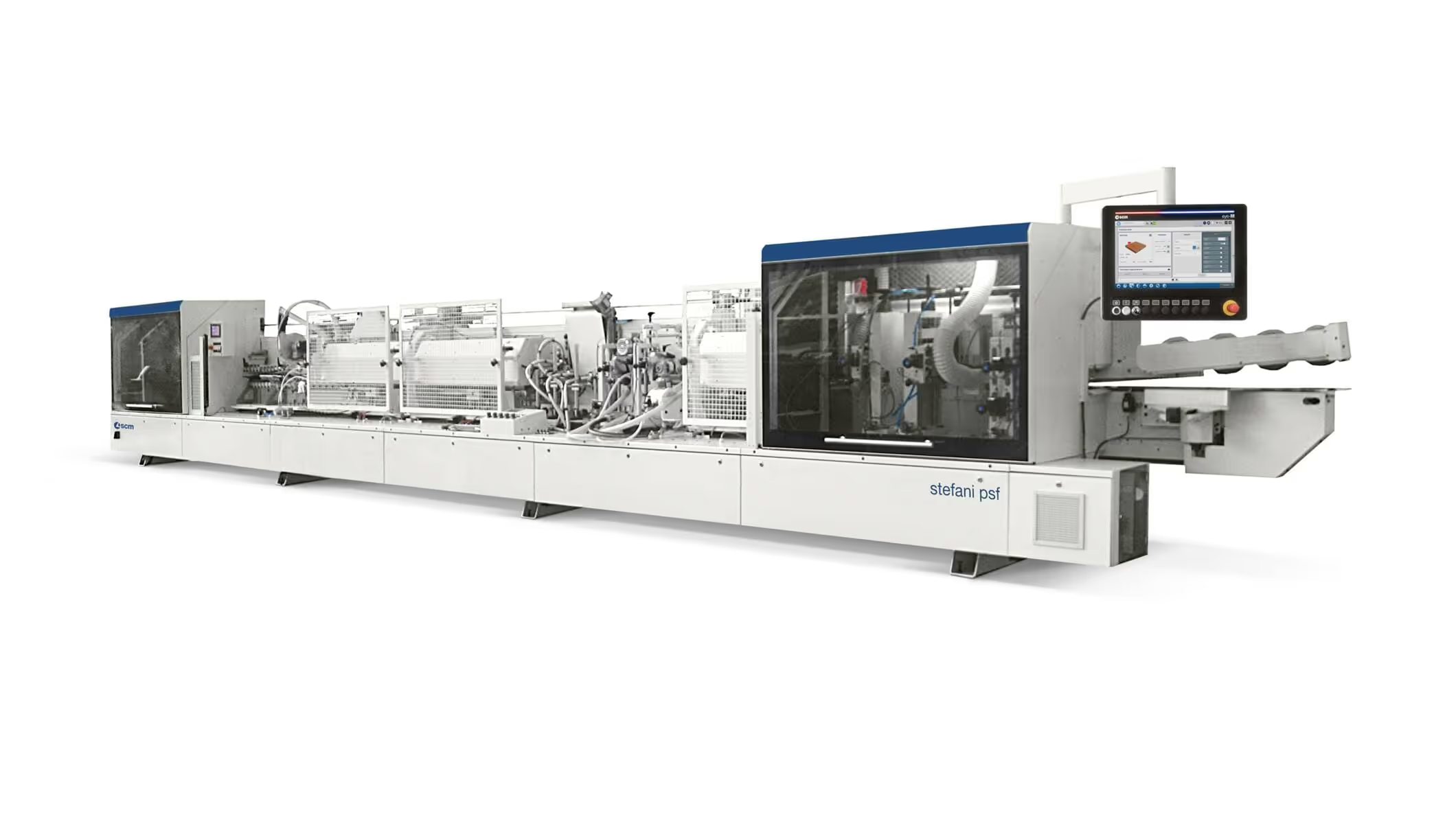 SCM Group Plaqueuse de chant postforming SCM Stefani PSF
 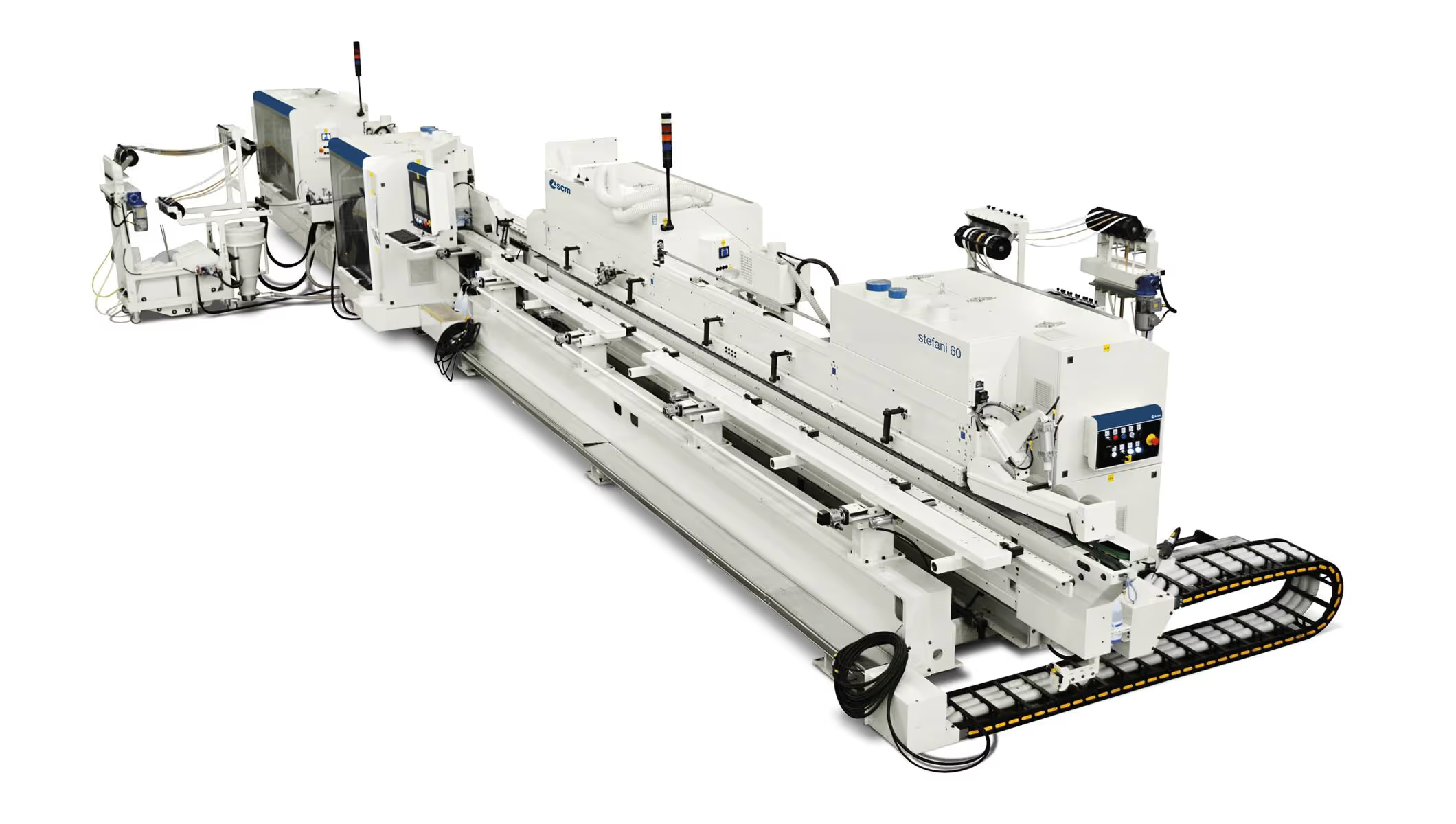 SCM Group Squaring and edge banding machine SCM Stefani 60
 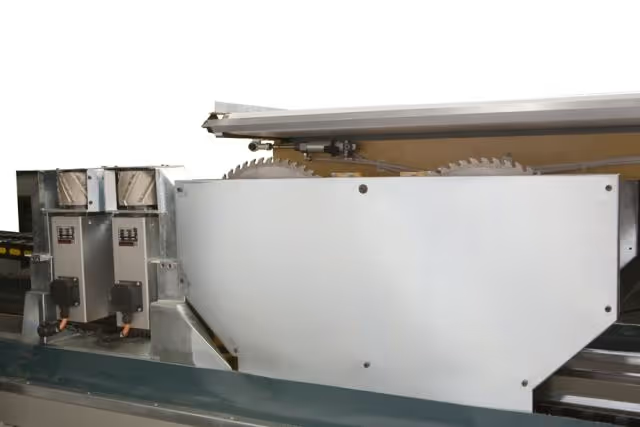 Essetre Essetre Fusion CNC machining centre
 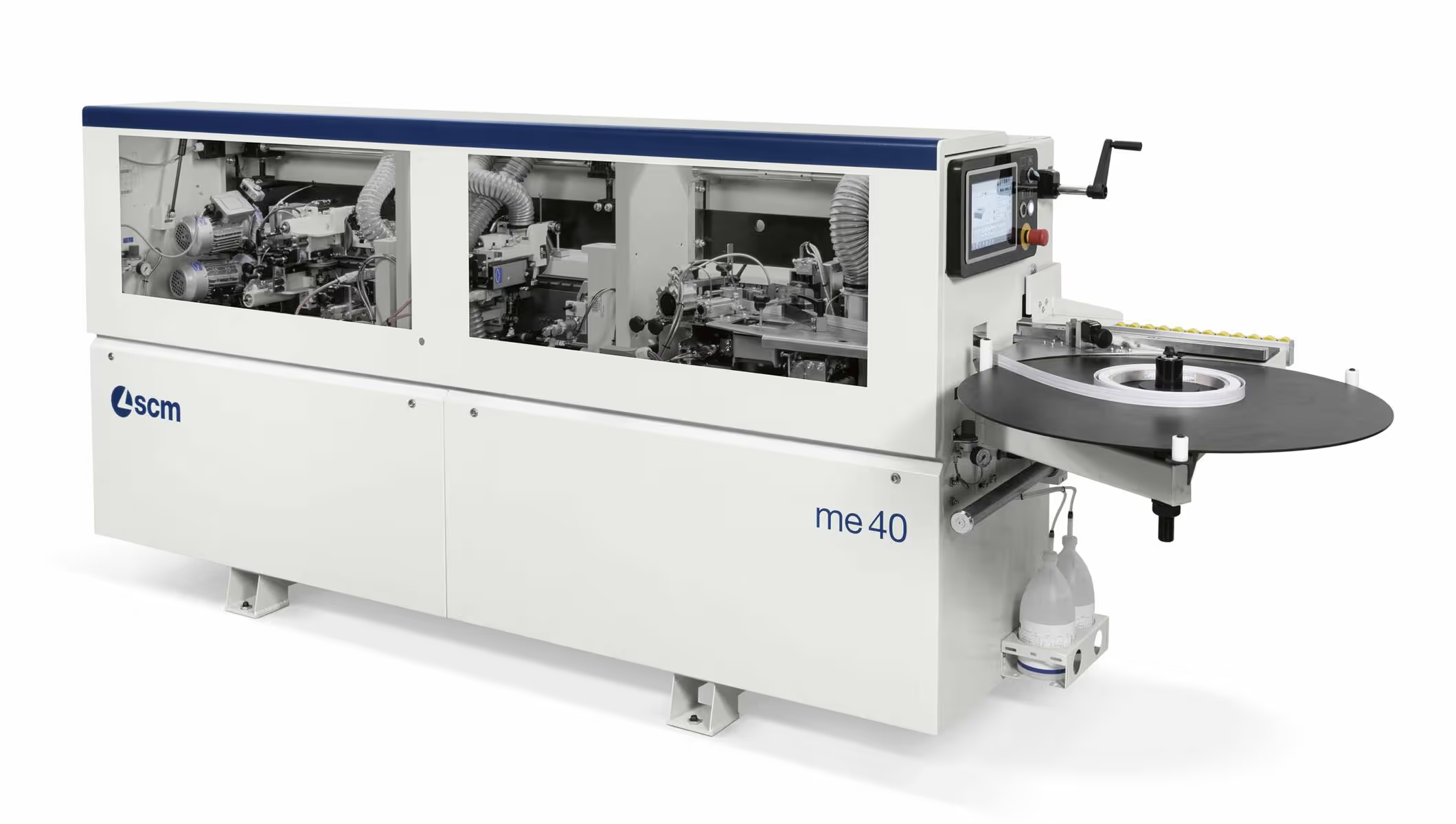 SCM Group SCM me 40 single-sided edgebander
 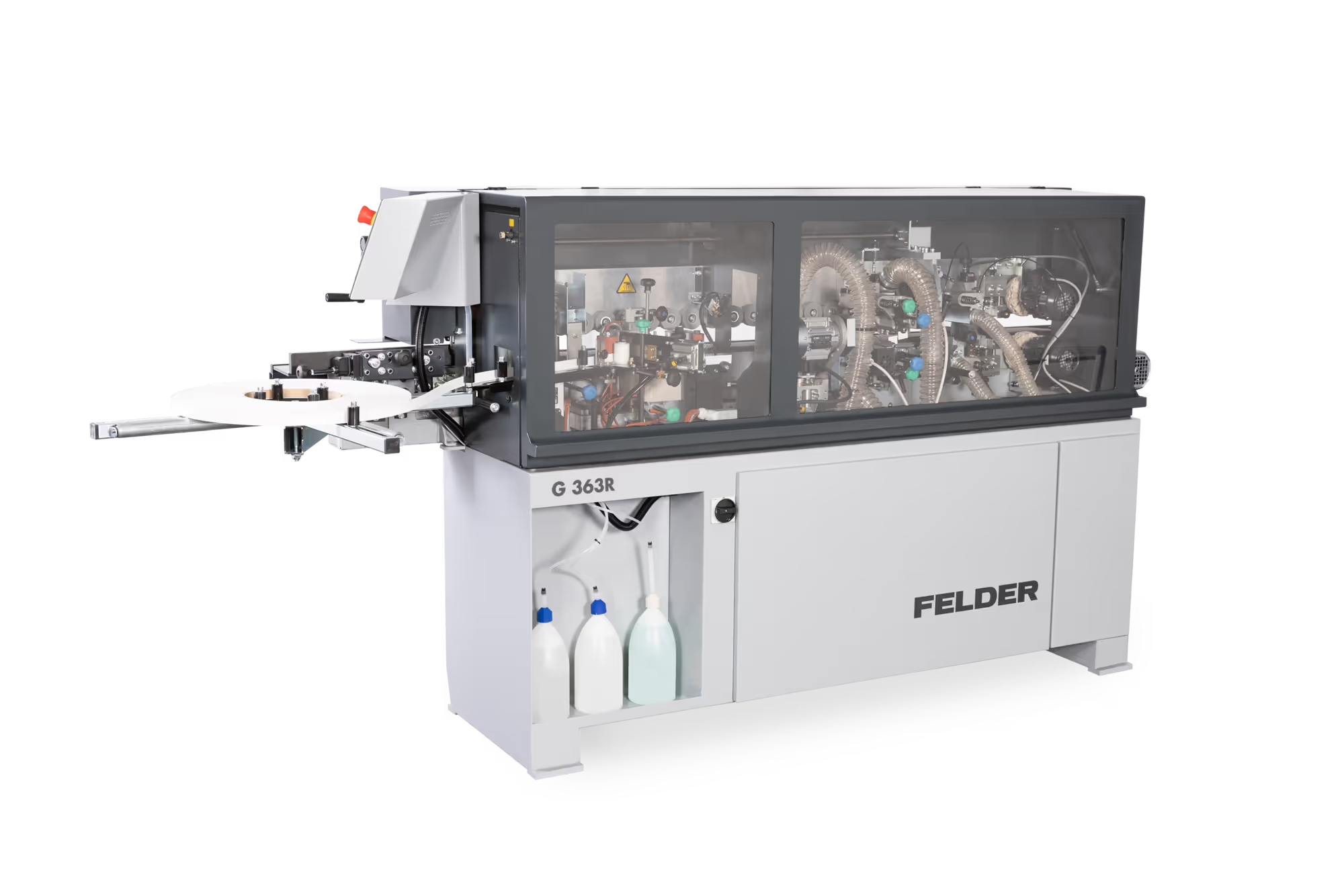 Felder Group Felder G 363 edgebander
 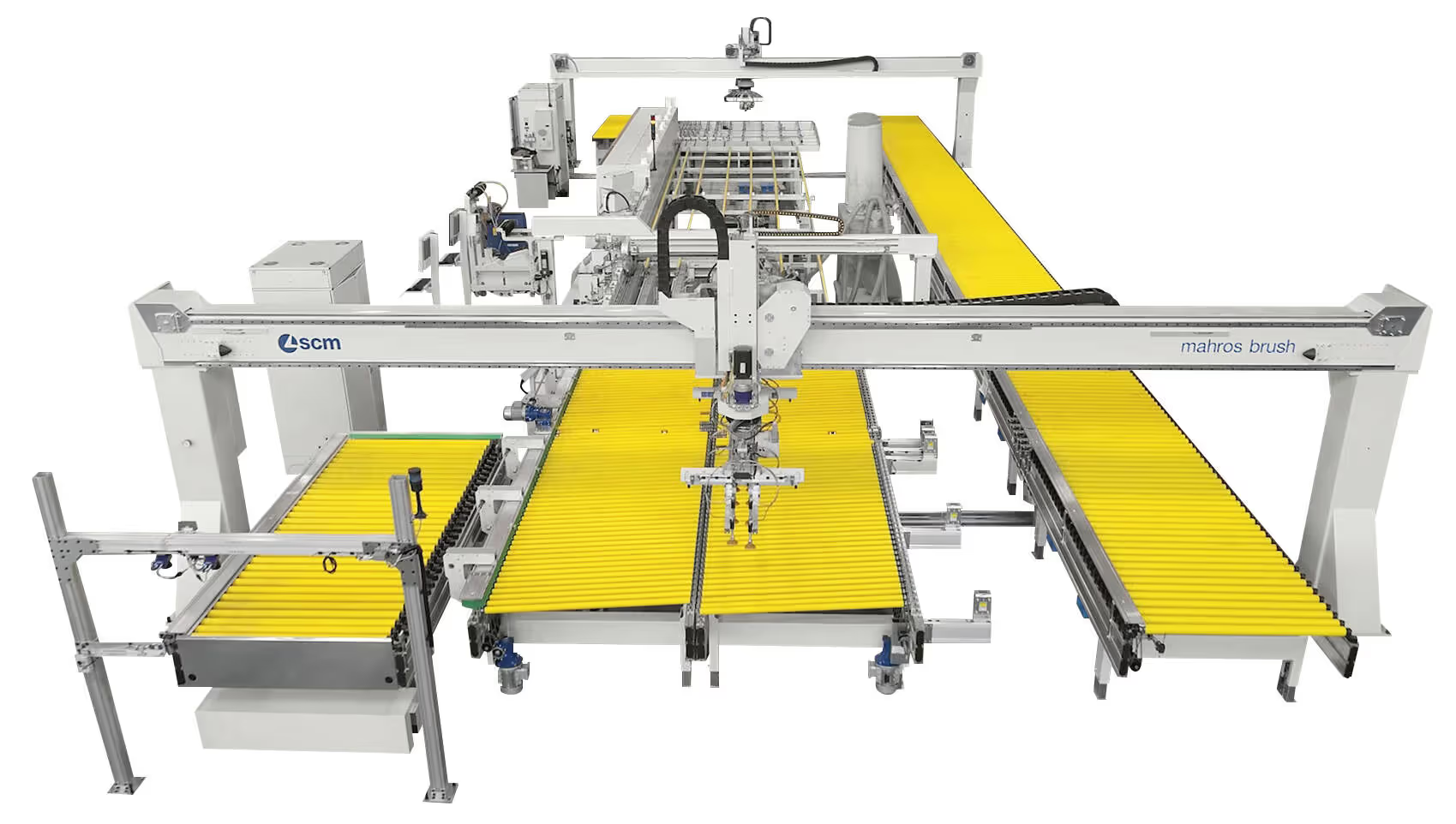 SCM Group Flexible edge banding cell SCM Stefani Cell H+
 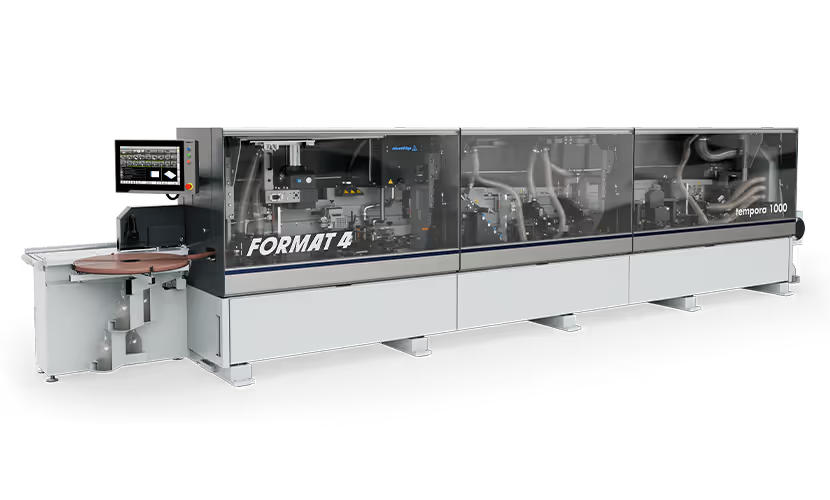 Felder Group Format4 tempora F1000 edgebander
 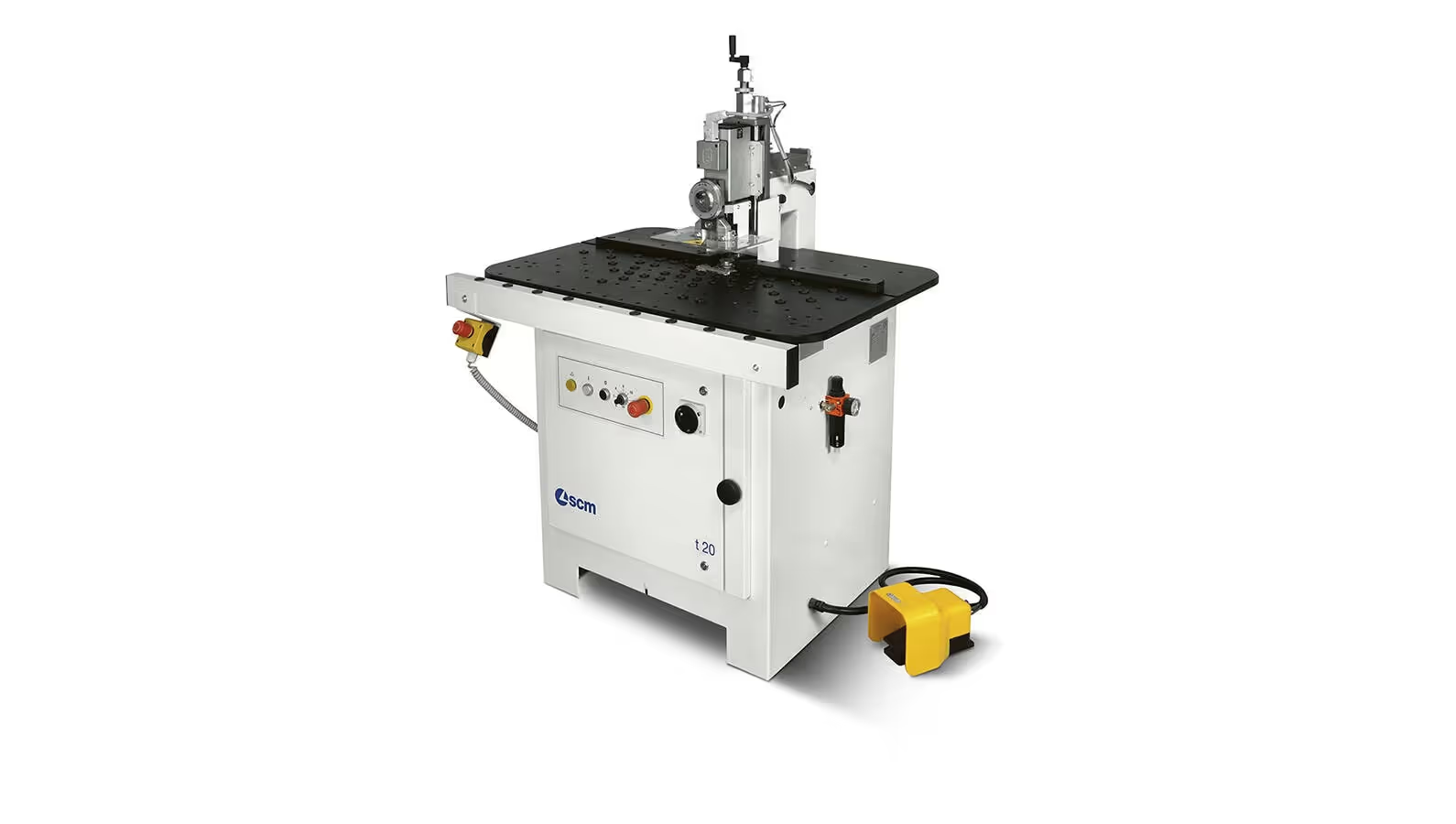 SCM Group SCM t 20 single-sided edgebander
 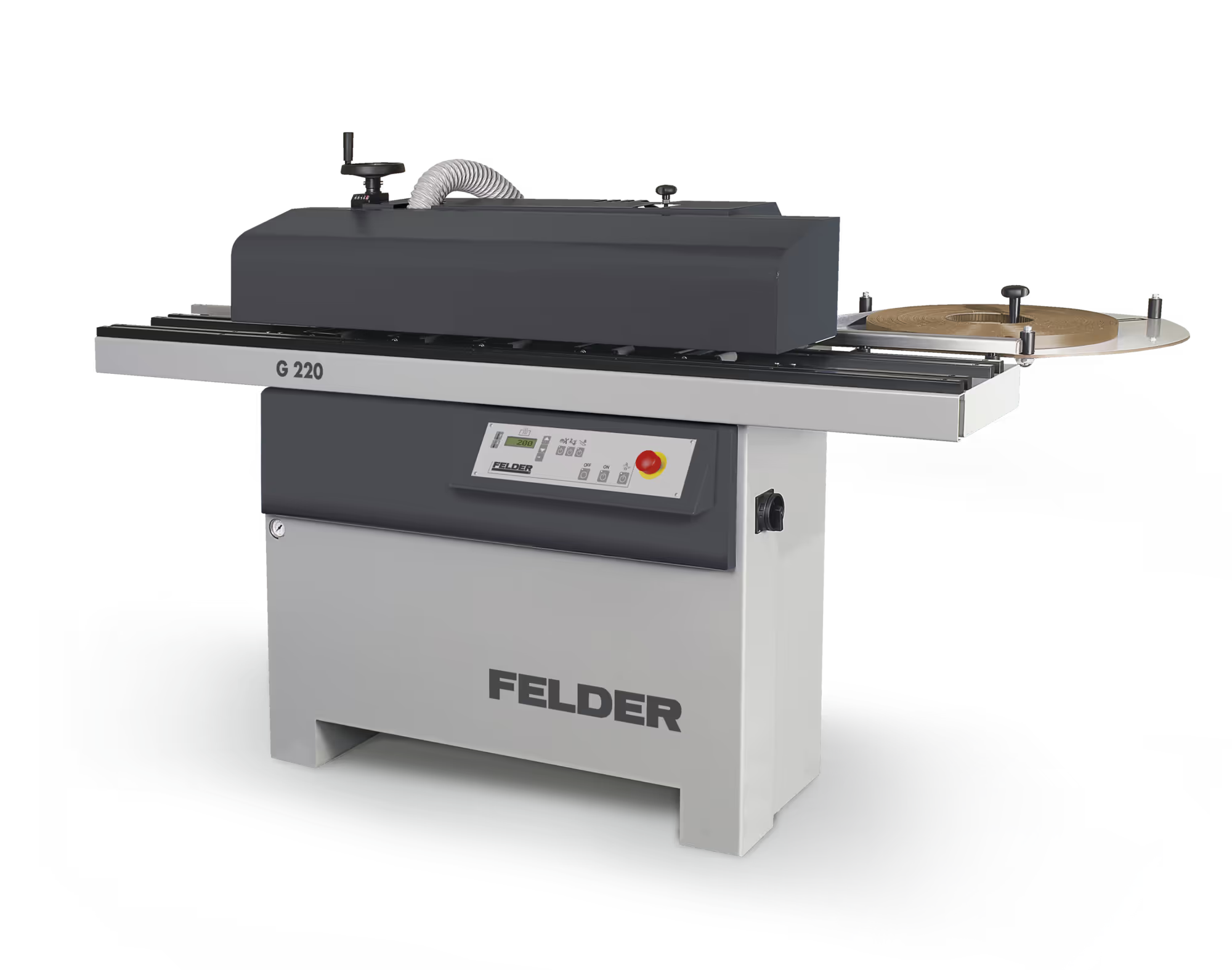 Felder Group Felder G 220 edgebander
 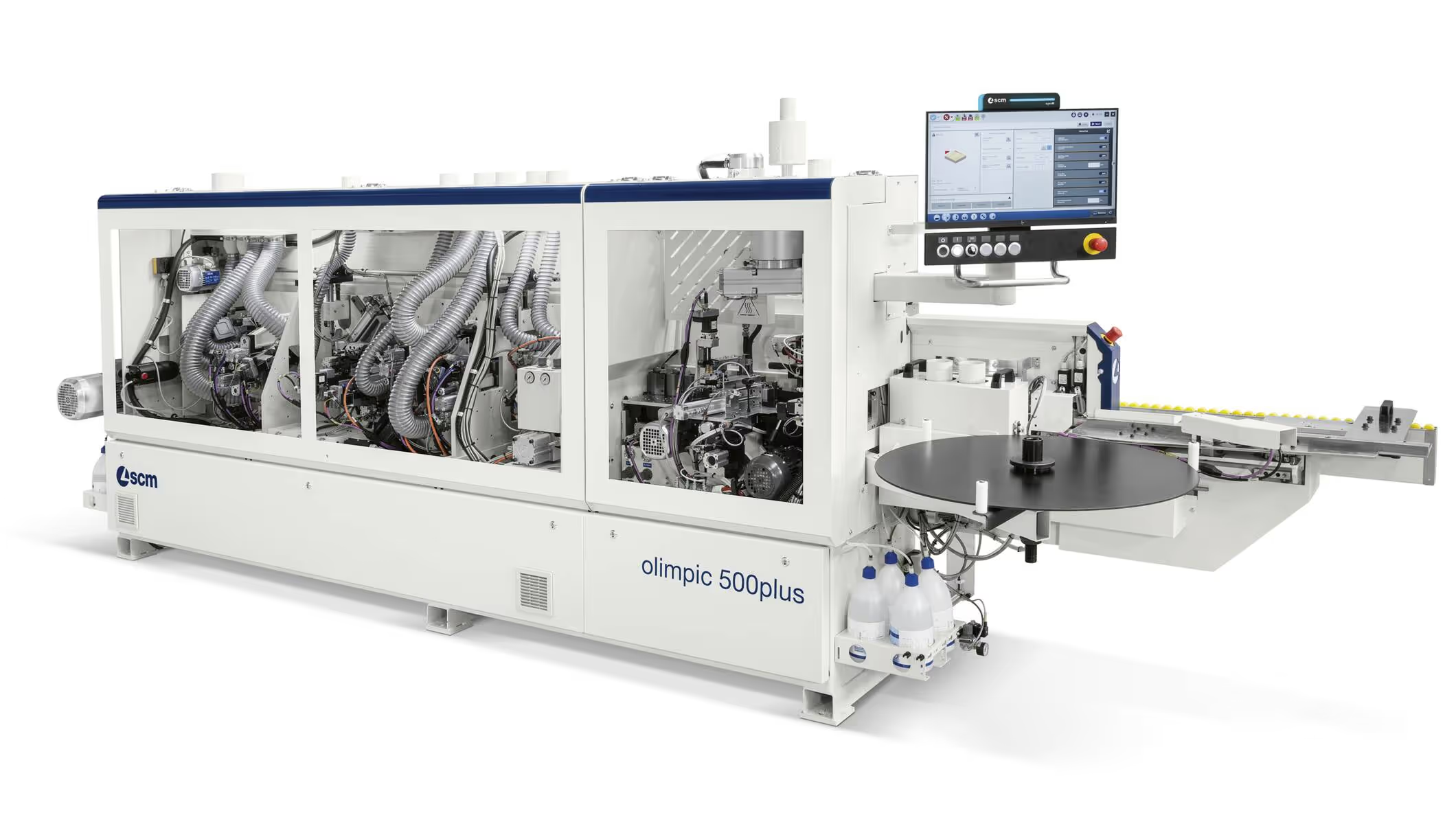 SCM Group Plaqueuse de chant automatique SCM Olimpic 500 Plus
 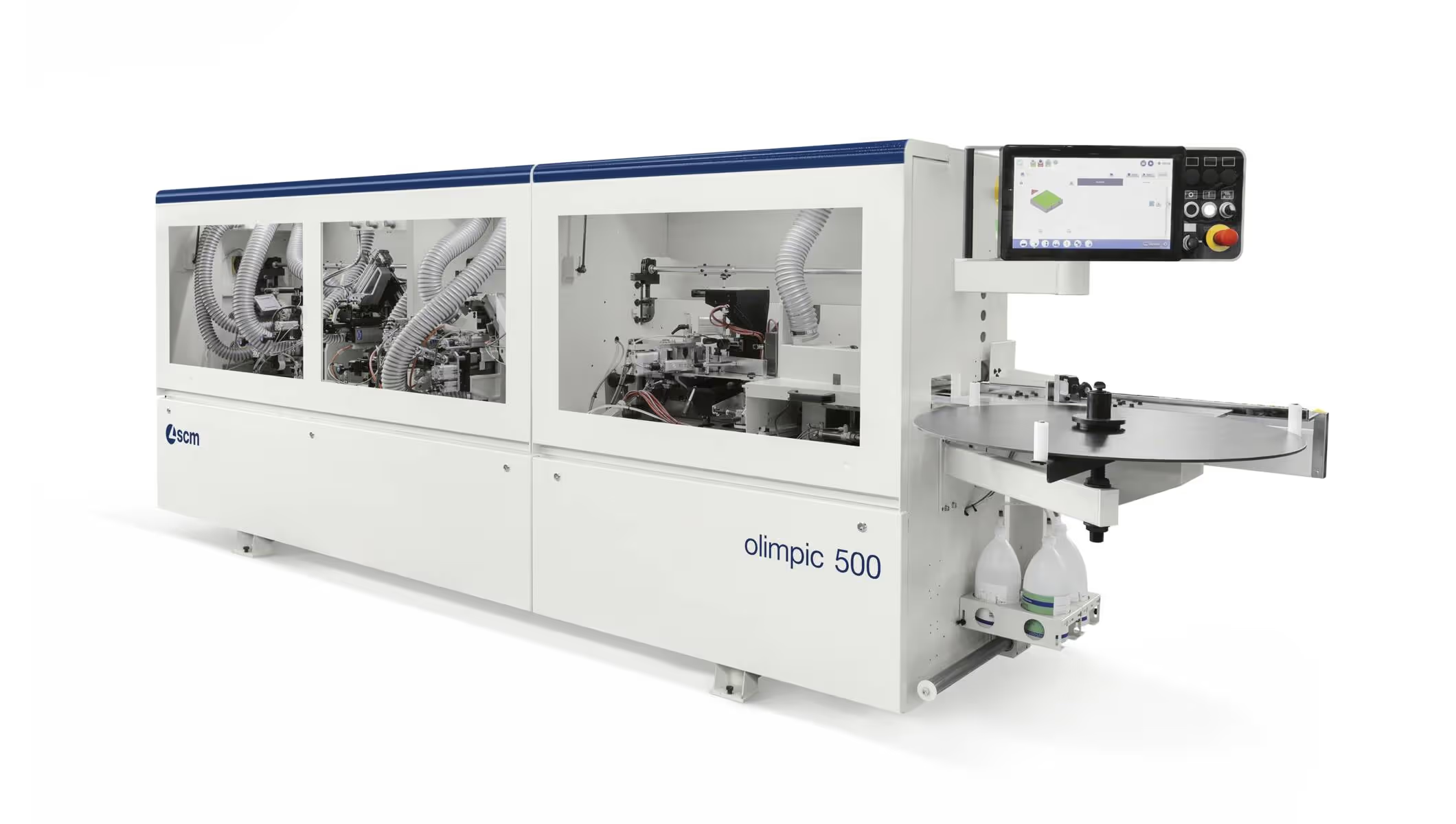 SCM Group Plaqueuse de chant automatique SCM Olimpic 500
 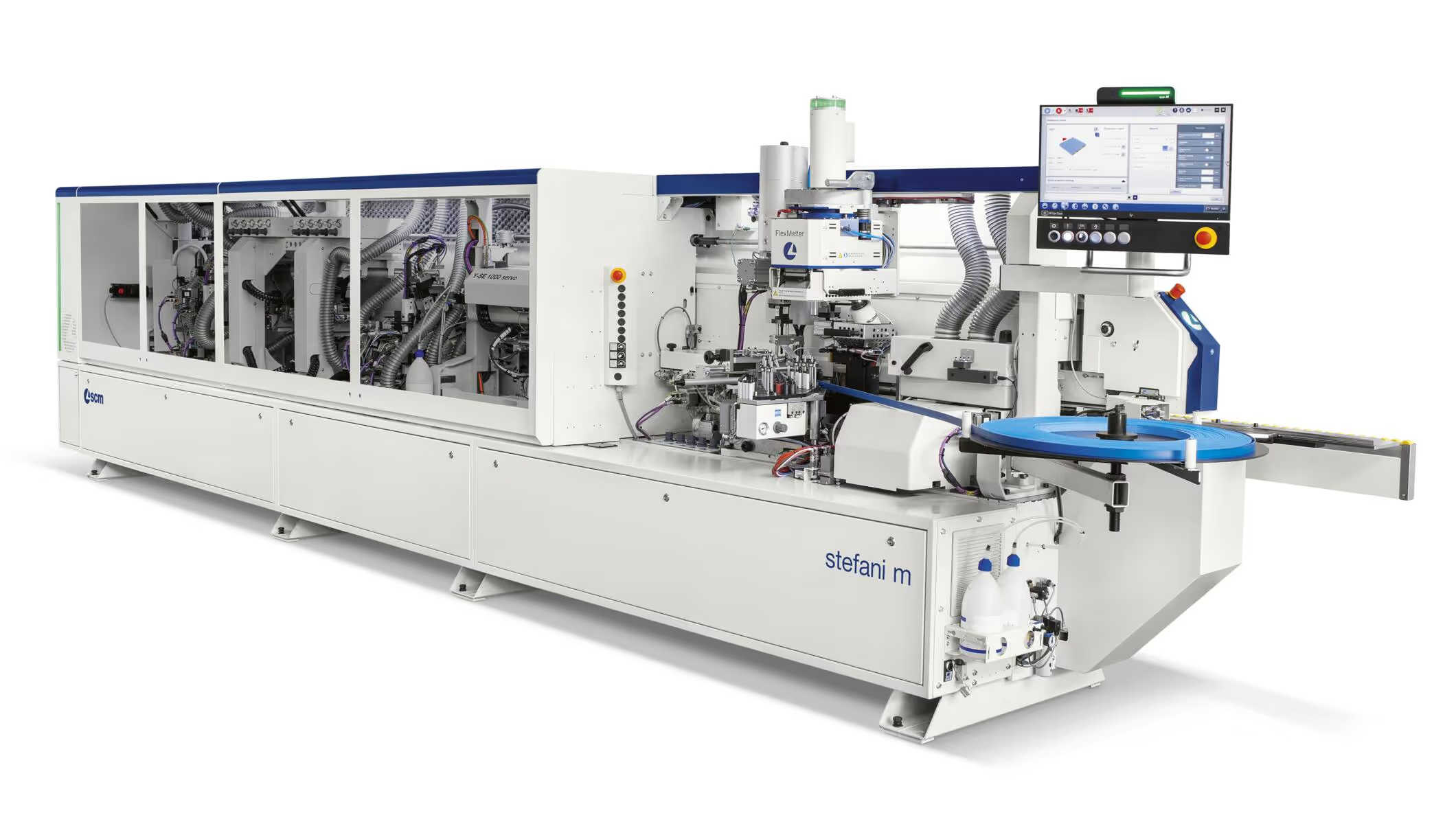 SCM Group SCM Stefani M edgebander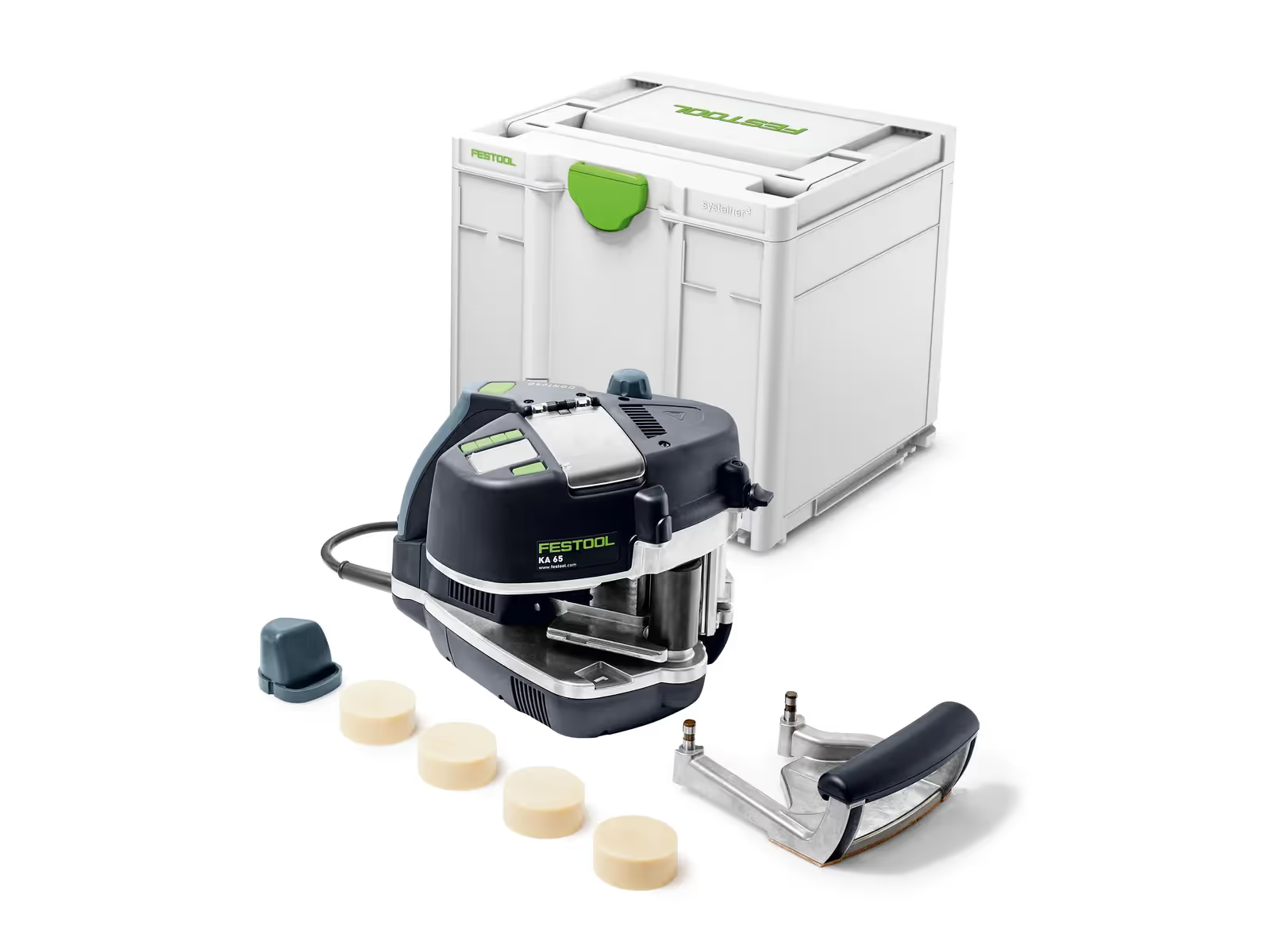
 Festool Festool KA 65 portable edge bander
 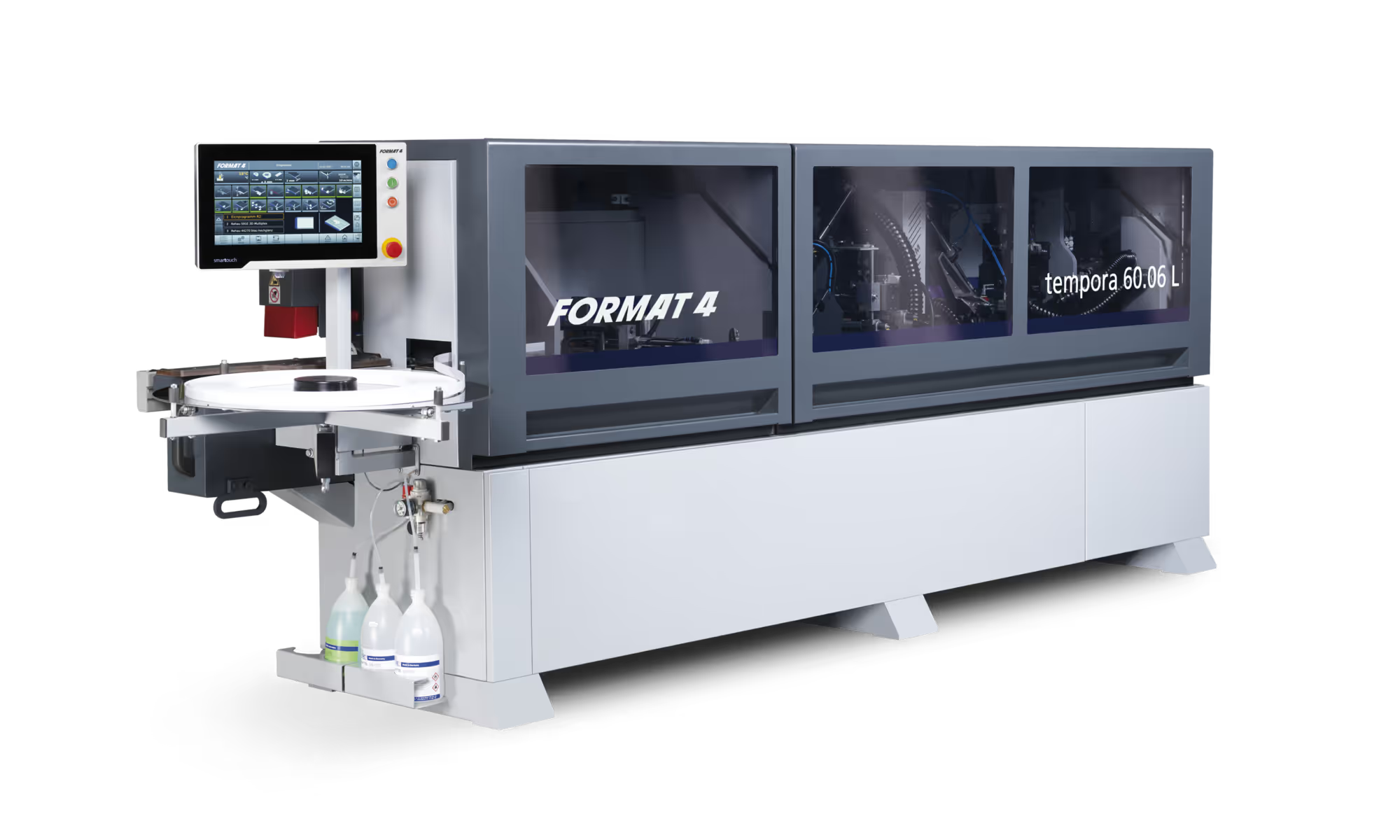 Felder Group Format4 tempora F600 edgebander
 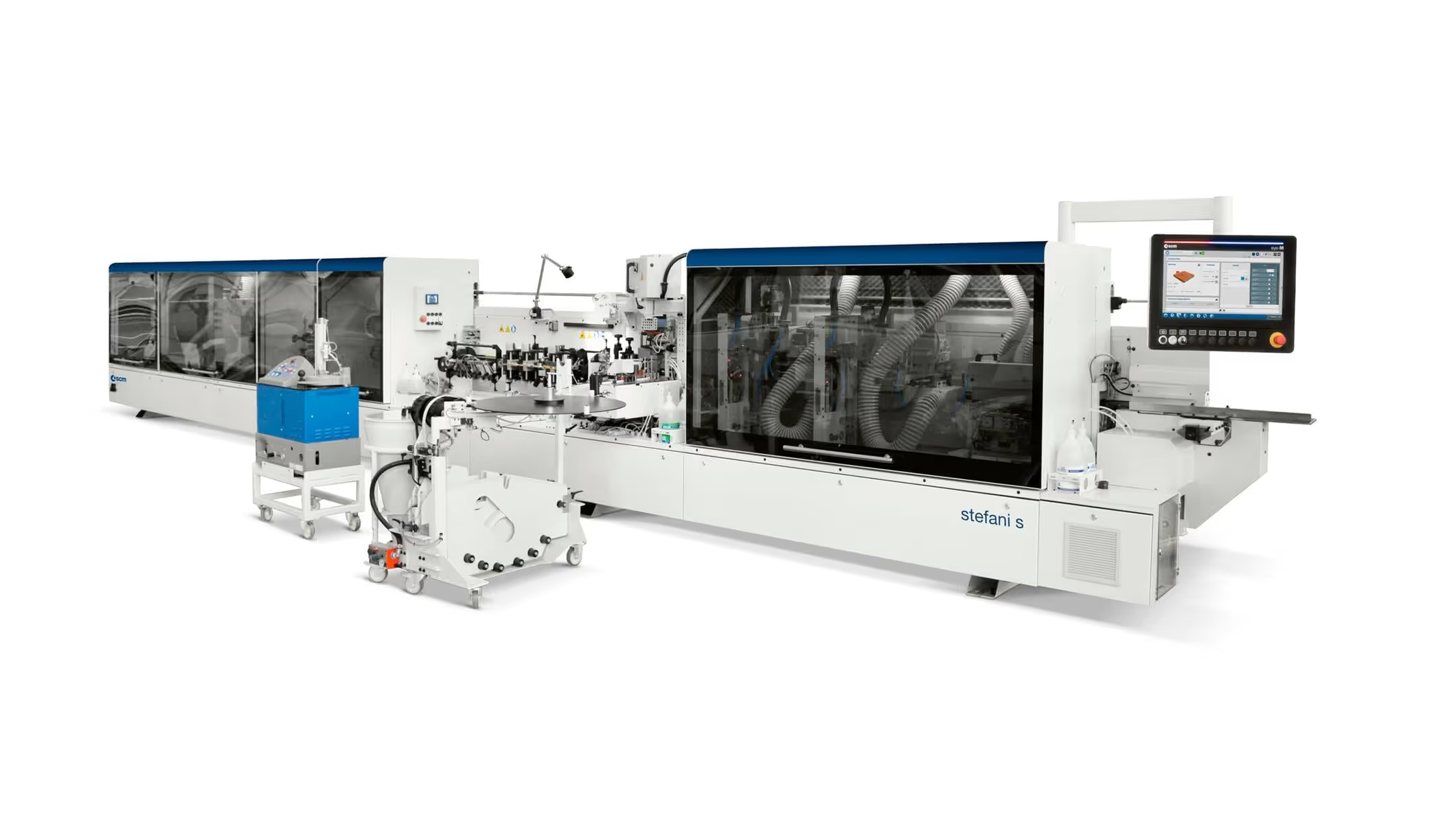 SCM Group Plaqueuse de chant monolatérale SCM Stefani S
  SCM Group SCM Stefani Rocket U flexible edgebanding line
 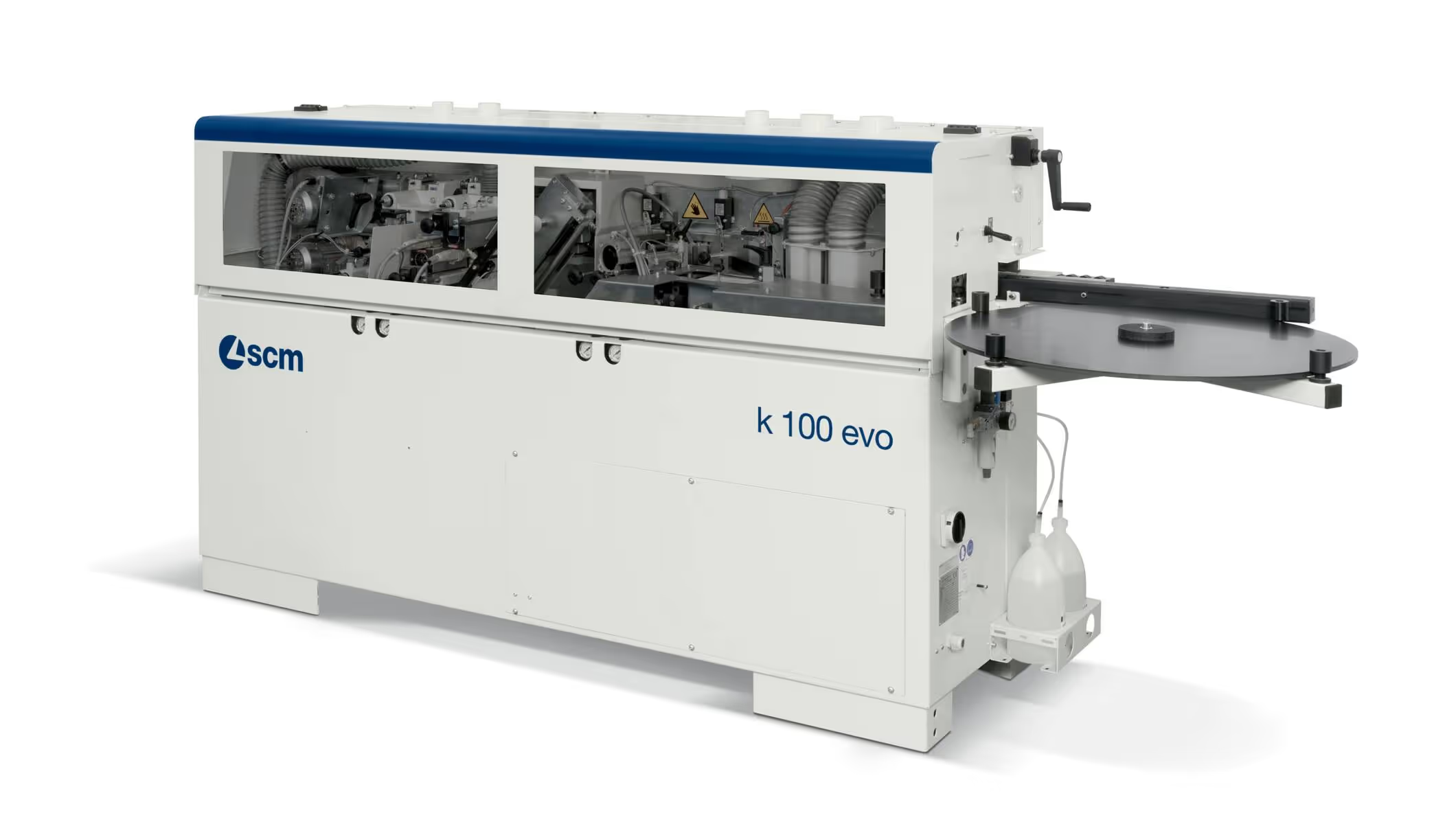 SCM Group SCM k 100 evo single-sided edgebander
 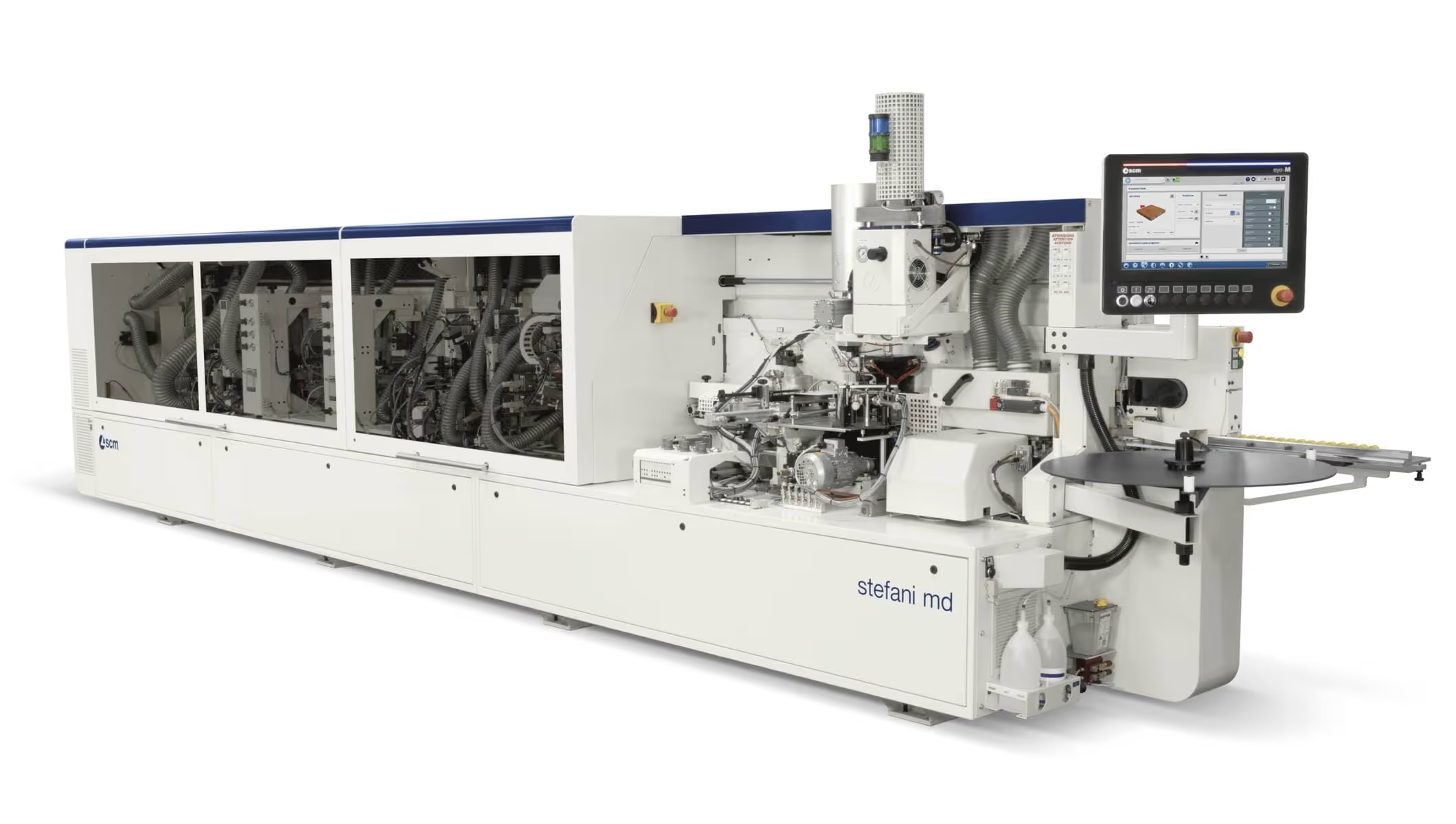 SCM Group SCM Stefani MD edgebander
 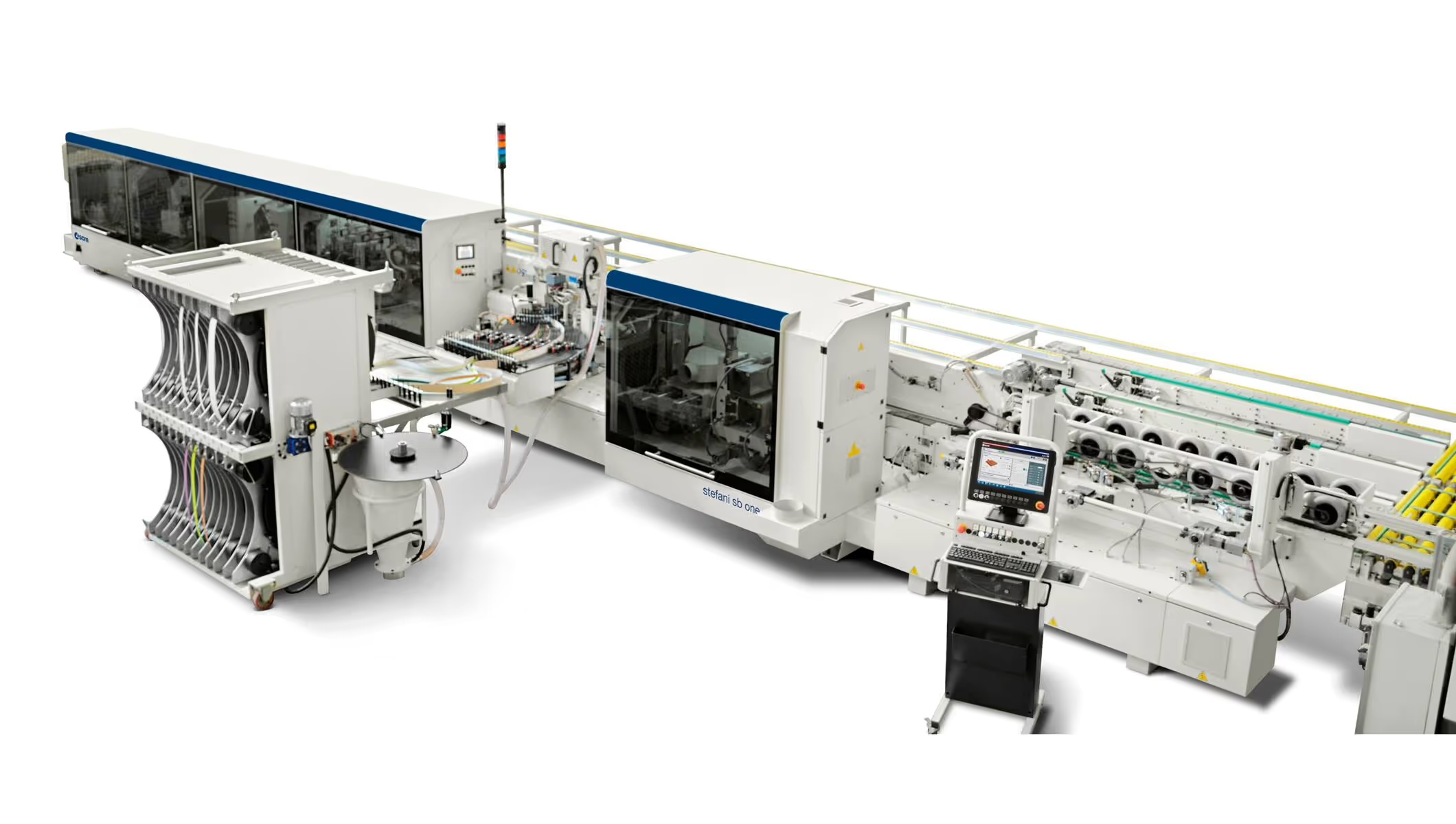 SCM Group Single-sided squaring and edge banding machine SCM Stefani SB One
 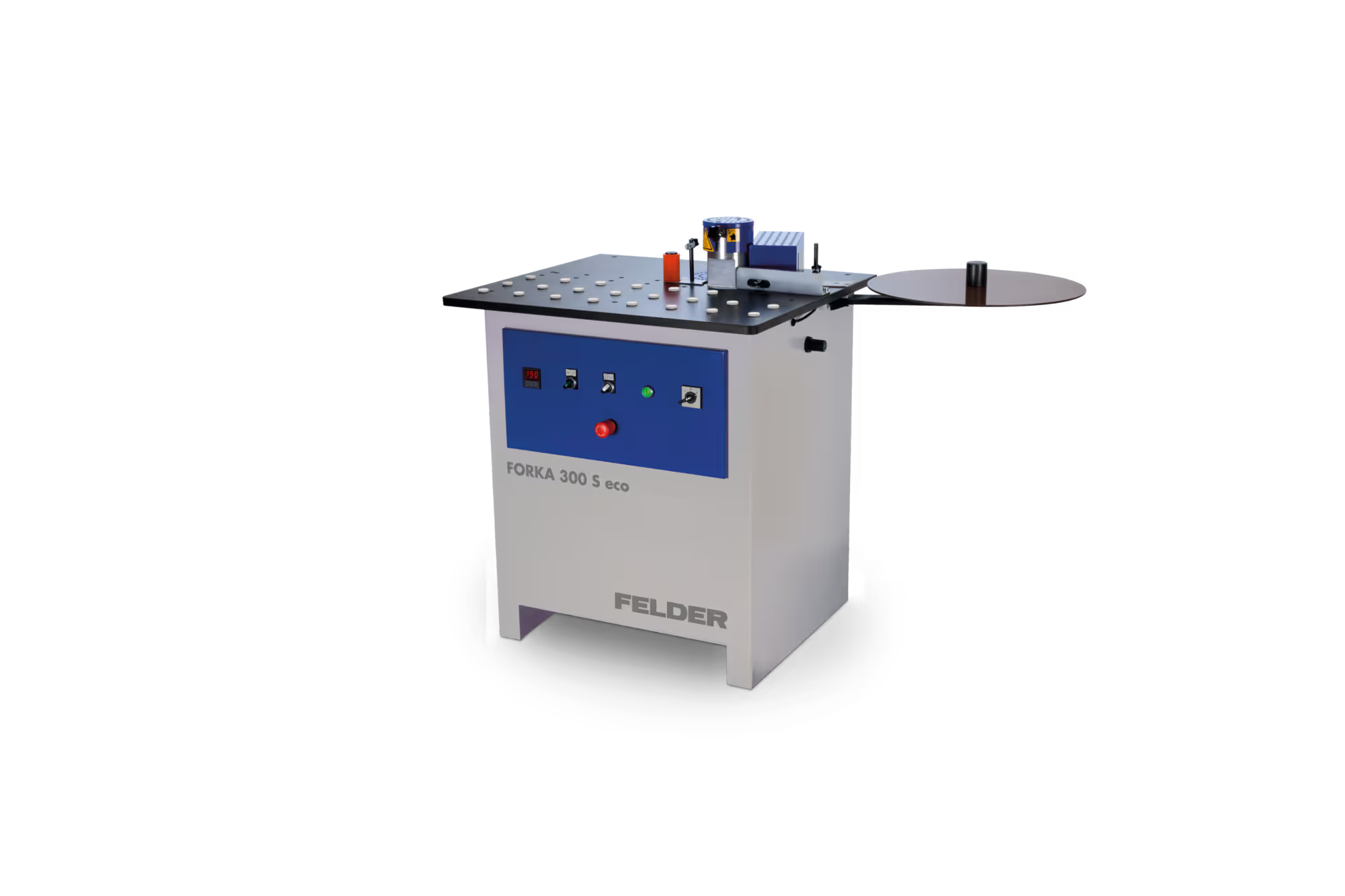 Felder Group Felder ForKa 300 S eco edgebander
 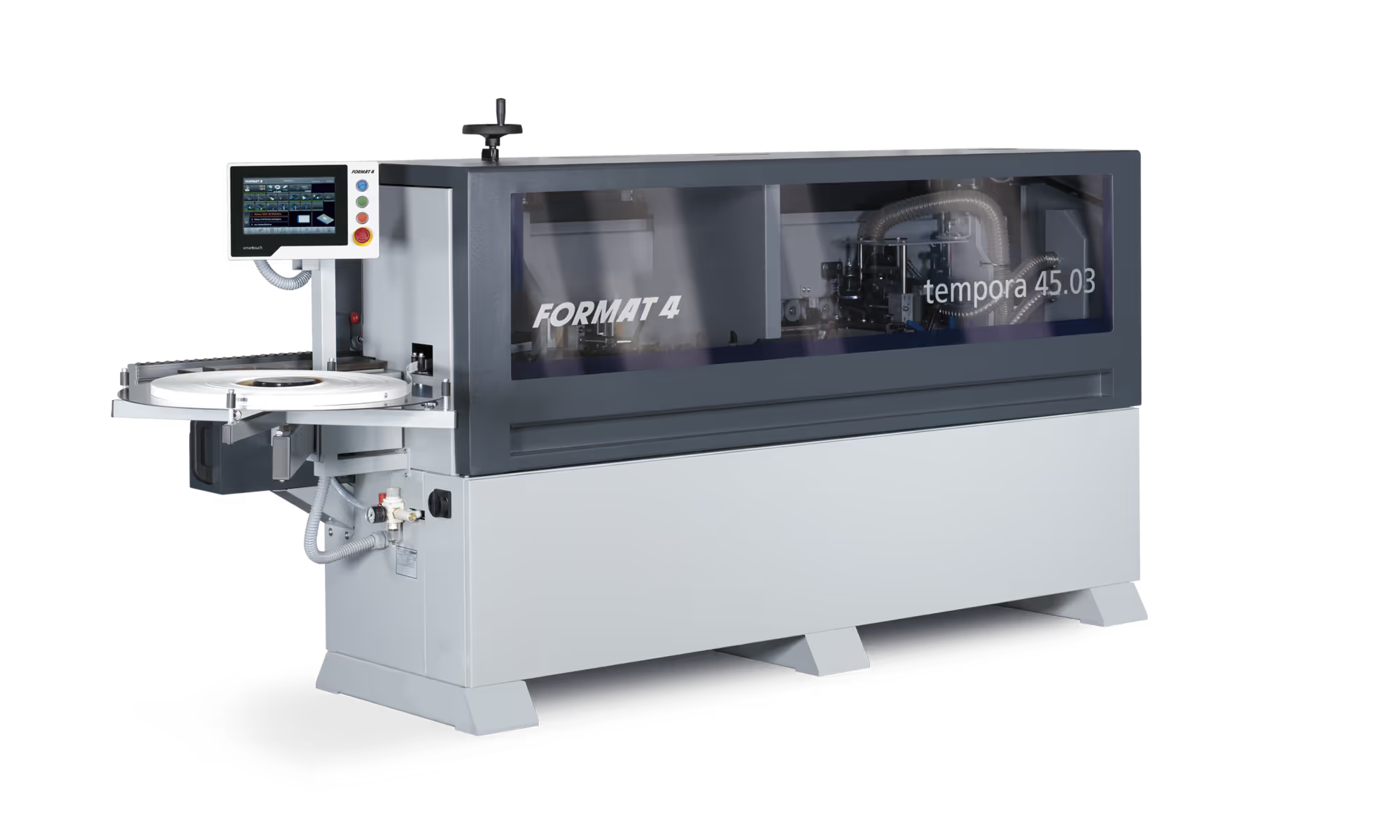 Felder Group Format4 tempora F400 edgebander
 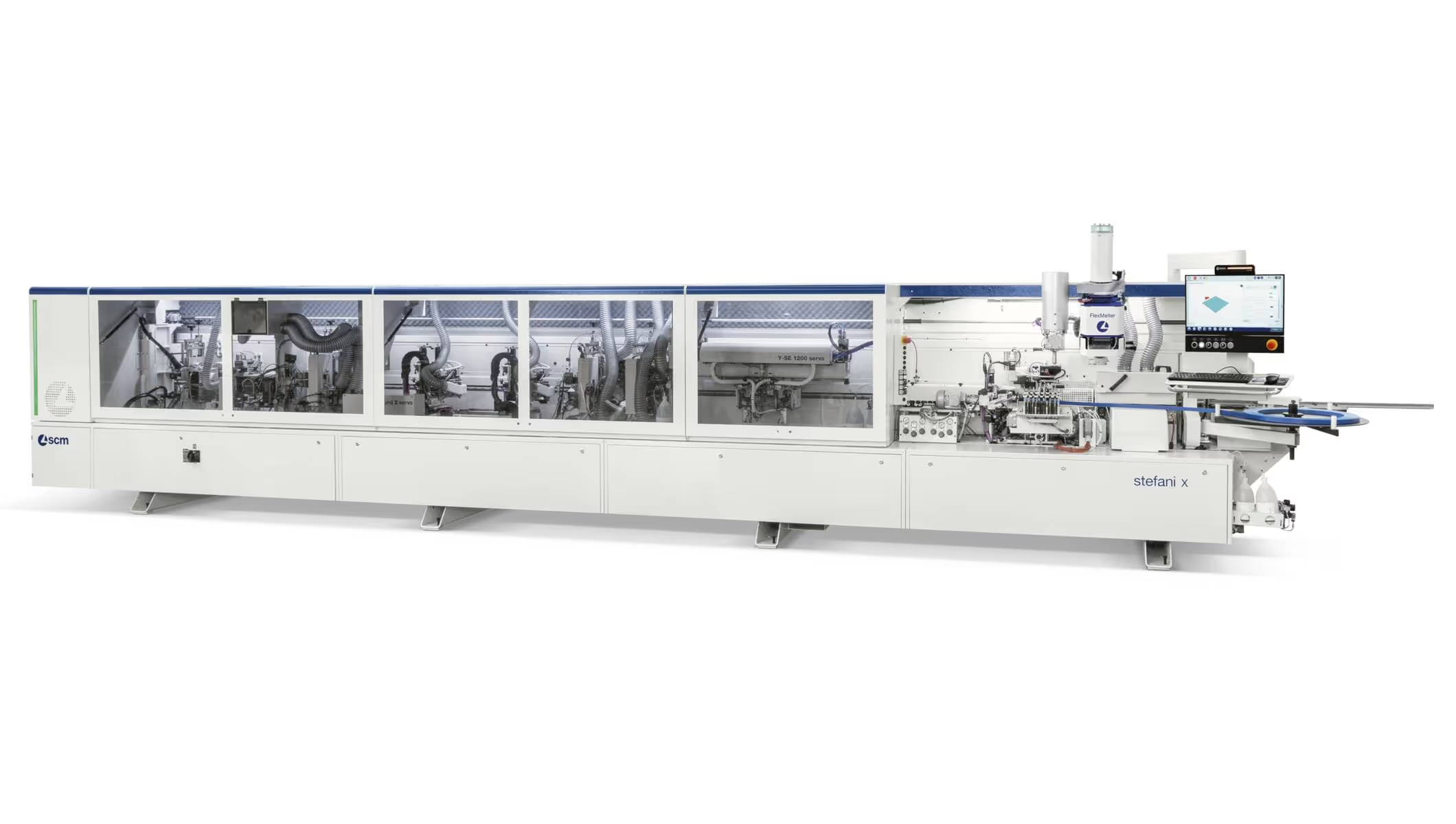 SCM Group Single-sided edge bander SCM Stefani X
 42 of 44 products
The choice mainly depends on the type of parts to be edge banded, the thickness of the edge banding, the production volume, and the required level of automation.
WoodPartners lists automatic, single-sided, double-sided, manual, and portable edgebanders. An automatic edgebander is better suited to regular or batch production, while a portable model is suitable for more occasional work or interventions directly on the part.
Some installations go further with automated edgebanding cells capable of integrating into a panel production flow.
Also find the full range of secondary processing machines listed on WoodPartners to complement or upgrade your installation.
Edgebanders are mainly used in the manufacture of furniture, fit-out elements, and other panel components when their edges need to be covered after cutting or machining.
They are used in workshops and production units working with panels to manufacture elements such as doors, drawers, skirting boards, worktops, or other furniture components. Industrial models can be integrated into an automated line, while compact or portable machines meet more targeted needs.
The choice of equipment must therefore match the type of production, the variety of parts, and the frequency of edge banding changes.
Maximum edge banding thickness, feed speed, and level of automation are among the first criteria to compare.
You should also consider panel dimensions, the types of edge banding used, the integrated finishing operations, and how the edgebander fits into the manufacturing flow.
To prepare or machine panels upstream, see the stationary saws and CNC machines. For later steps, also find the finishing and surface treatment equipment.
To compare edgebanders, start with the panels and edge banding you work with, then look at maximum edge banding thickness, feed speed, and the finishing units offered. These criteria make it possible to distinguish a compact machine for regular needs from a line or cell designed for higher throughputs.
The product sheets on WoodPartners then make it possible to identify manufacturers and configurations matching your production, in order to specify gluing, finishing, and integration possibilities in your manufacturing flow.