 Siero Lam Panelling and skirting boards
Discover our selection of 12 references in Panelling . In just a few clicks, contact wood industry experts directly and get personalized advice for your project.
Siero Lam Panelling and skirting boards 
 Ufv – Sud Bois Solid Timber Flooring / Panelling 18x125 Natural Douglas Fir 2.00m Grade 2
 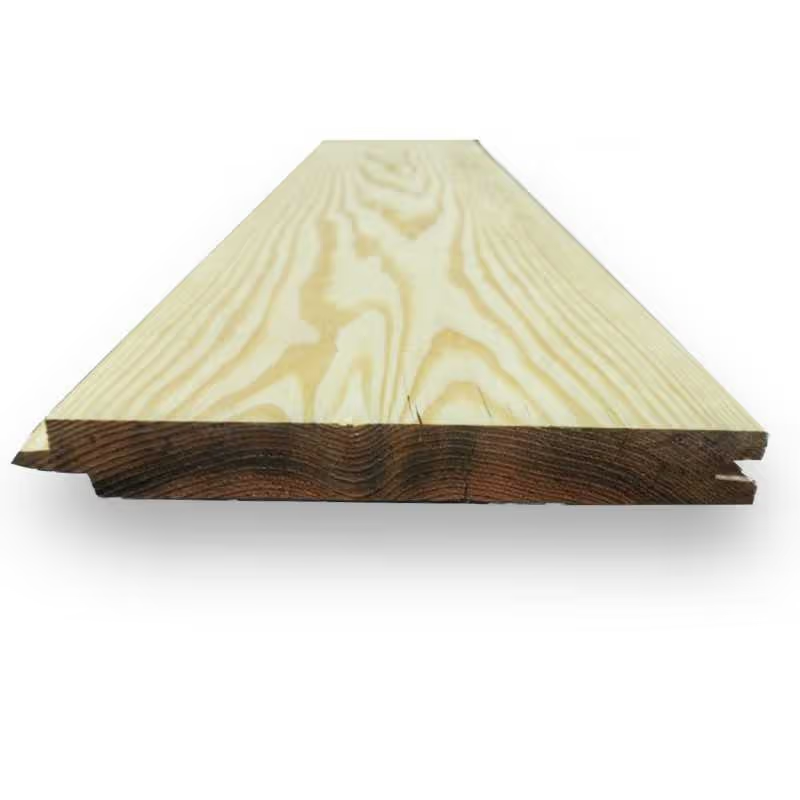 Ufv – Sud Bois Panelling / Tongue-and-Groove Plank with Shadow Gap Joints 21x180 Douglas Fir
 Scierie Beal Tongue and groove panelling
  Ufv – Sud Bois Panelling / Shutter Board Natural Douglas Fir 16x116mm Downgraded in 3m
 FP Bois Yaki pure home Panelling, Nougat Shade
  Ufv – Sud Bois Shutter Board Natural Douglas Fir 27x80mm Grade 3-4 3m Scierie Beal Shiplap panelling
  Ufv – Sud Bois Solid Timber Panelling Board 13x135 Natural Douglas Fir 1st Grade 1.95m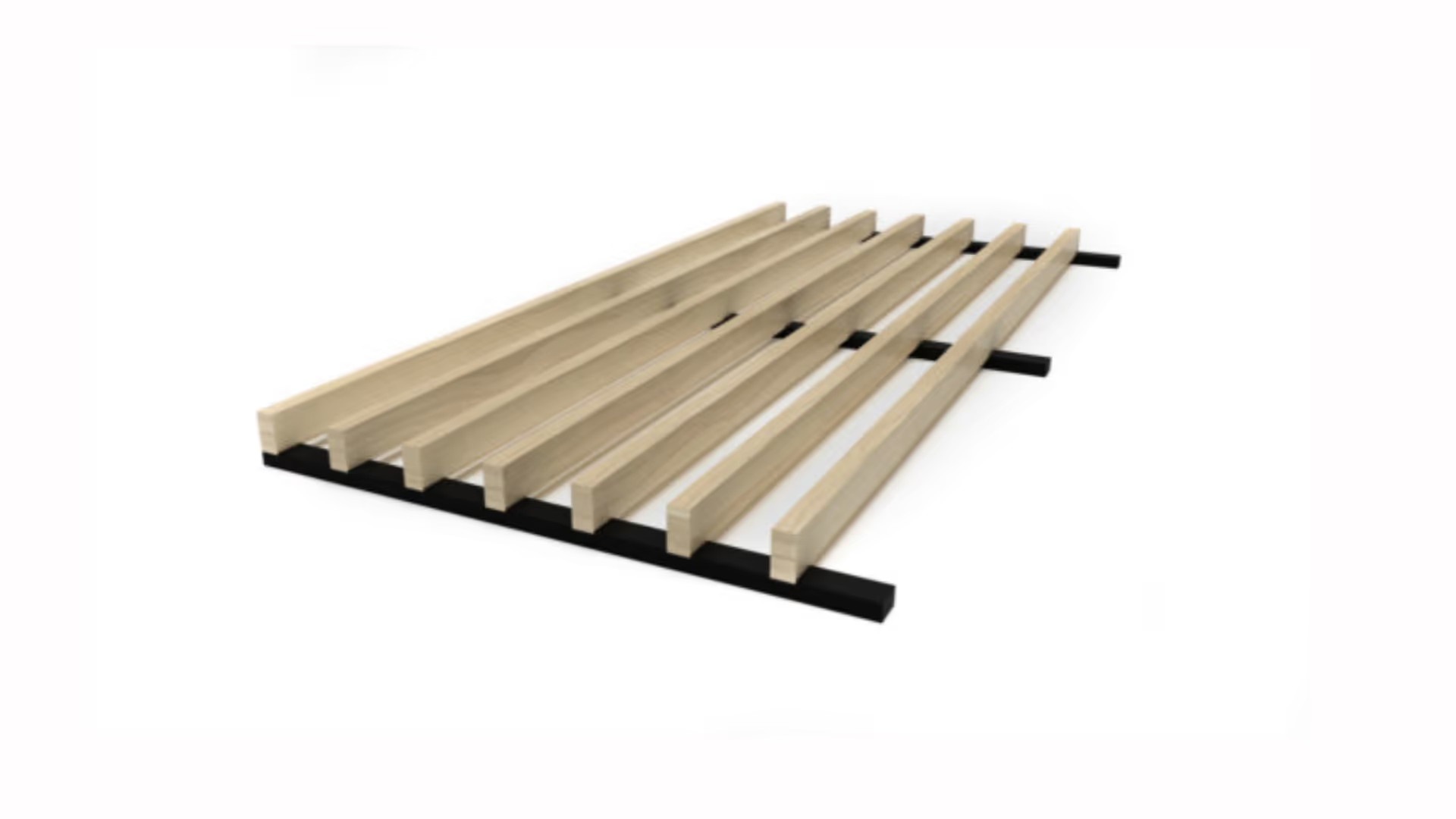
 Ardemo Ecogrid Range: Linearity and Depth
  Ufv – Sud Bois Solid Timber Panelling Board 13x135 Natural Douglas Fir Downgraded 1.95m Scierie Beal Barleycorn profile panelling
 12 of 12 products
Panelling, or interior timber cladding, is made from real wood, modern engineered wood boards or wood-effect elements, assembled into large sheets or individual boards. While engineered wood panels are made up of several layers faced with a real wood veneer, solid wood panels are made entirely from a single wood species. This distinction helps establish the authenticity, and therefore the value, of the product.
Discerning, well-informed homeowners tend to choose solid wood panels, especially unfinished ones, which have the edge over prefinished panels. Interior timber cladding suits most styles of interior design, whether commercial or residential, rustic or contemporary.
Timber panelling comes in a variety of styles and applications.
Interior timber panelling makes an architectural statement and shows off your sense of design. Think back to the days when fine houses featured timber wall panelling as a sign of wealth. The same refinement is often found on yachts and luxury liners. When choosing interior panelling, first decide whether you prefer a painted or a stained finish.
Painted timber is popular because it lets you adapt the design to your own taste. For a more natural look, you can leave the wood as it is to bring out its knots and grain. This also adds value to your property, as it keeps the chemicals in paint from affecting the inherent qualities of the material.
Dado panelling (wainscoting) uses timber boards to cover the lower half of an interior wall.
Because panelling is made of wood, it can expand and contract. How much depends on the type of wood you choose (solid wood, hardwood, etc.), as wood products react differently to humidity and temperature.
Teak is one of the best species for interior panelling. Its dimensional stability once glued and fixed to the building structure makes it ideal for wall and ceiling panelling.
Panelling gives homeowners a wide range of design options, with flat or beaded panels, painted or natural.
Ceiling panels are designed to withstand pressure and cope with humid environments. Depending on the type of wood used, well-made ceiling panels perform well and tolerate demanding conditions, creating a comfortable temperature and atmosphere in any room.
Alongside the other materials available for exterior panels, such as fibre cement or plastics, timber panels offer high durability and strong environmental credentials. Balconies and exterior cladding panels are just some of their outdoor uses. Timber panels last longer than PVC cladding and require no maintenance. Exterior timber panels are often stained, but some prefer a painted finish.
There are several ways to treat an interior wall: many architects suggest colour, paint finishes or even street art. However, according to 70% of French people, timber panelling remains the best option. More and more people say they are delighted with their interior timber cladding, which reduces heat loss and gives a far more attractive interior. Oak panelling, Douglas fir panelling, interior timber cladding.
Modern, stylish and energy-efficient! That is how our users describe interior timber panelling. More and more of you are asking for it, so take a look at our partner companies that have been manufacturing interior panelling for years, such as Meister and Sierolam.