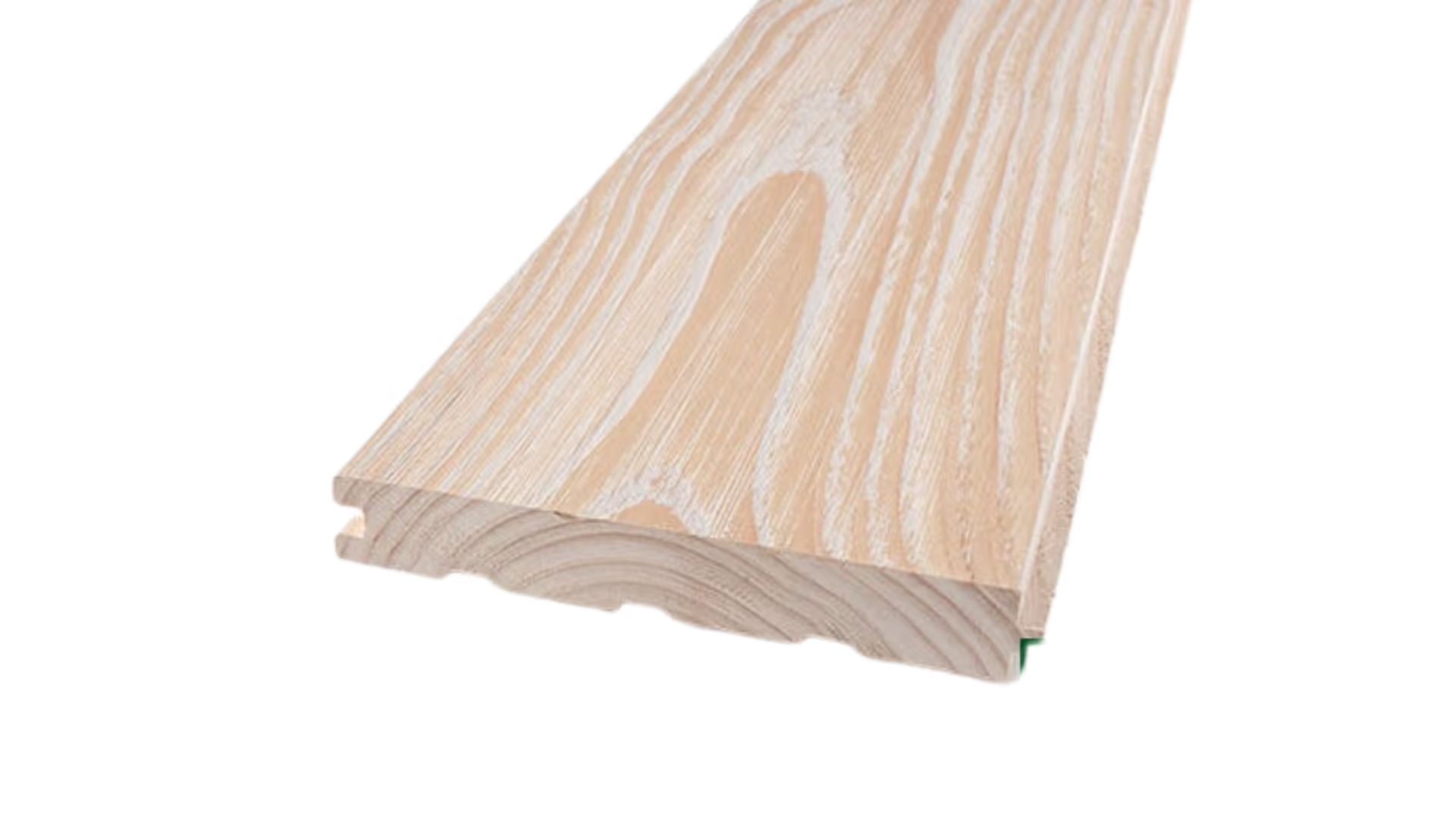
 Siero Lam Tongue and groove flooring
Discover our selection of 519 references in Flooring . In just a few clicks, contact wood industry experts directly and get personalized advice for your project.
Siero Lam Tongue and groove flooring 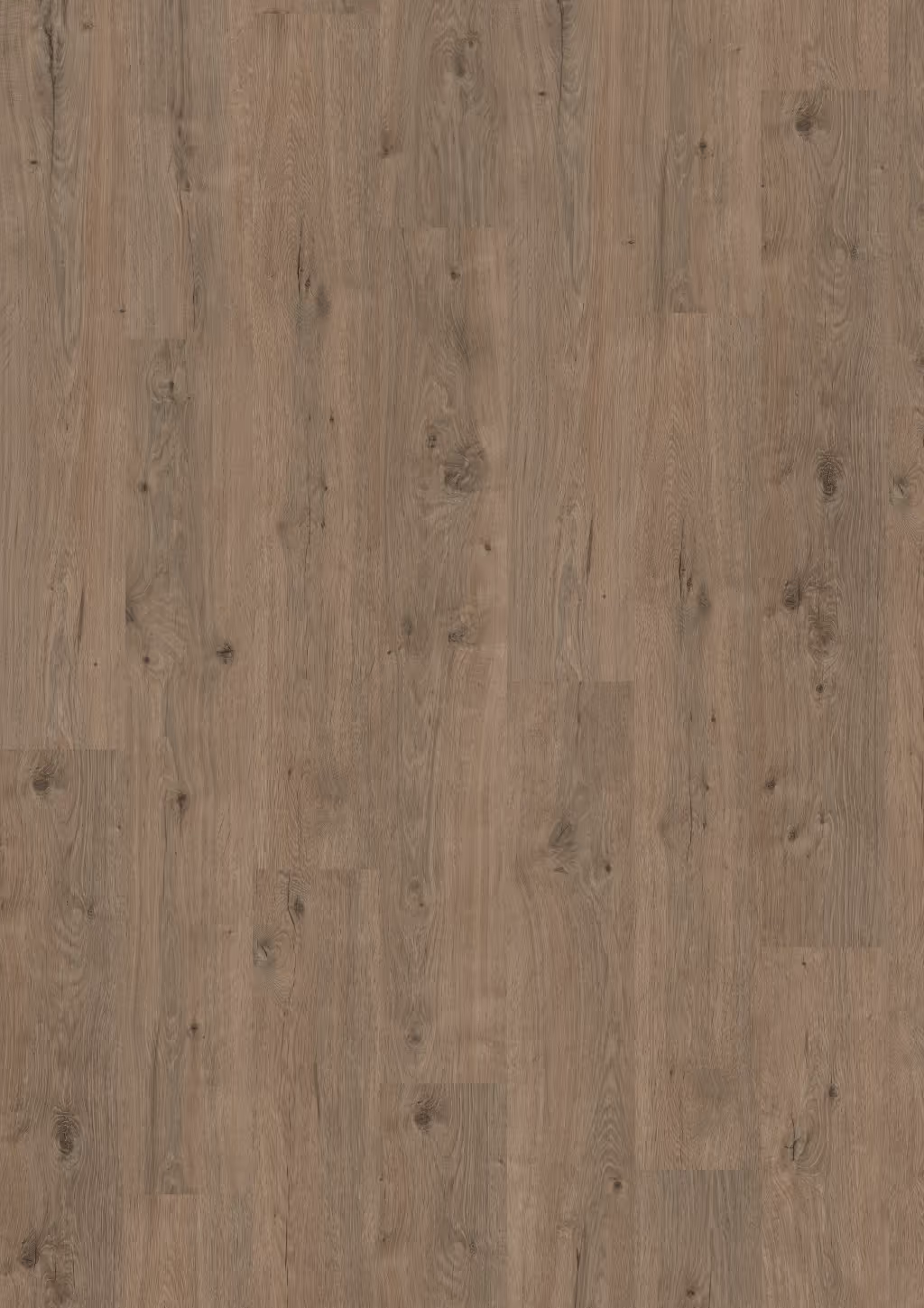
 Egger Laminate flooring plank EGGER Natural Murom Oak
 Parqueterie de France Traditional parquet panels by Parqueterie de France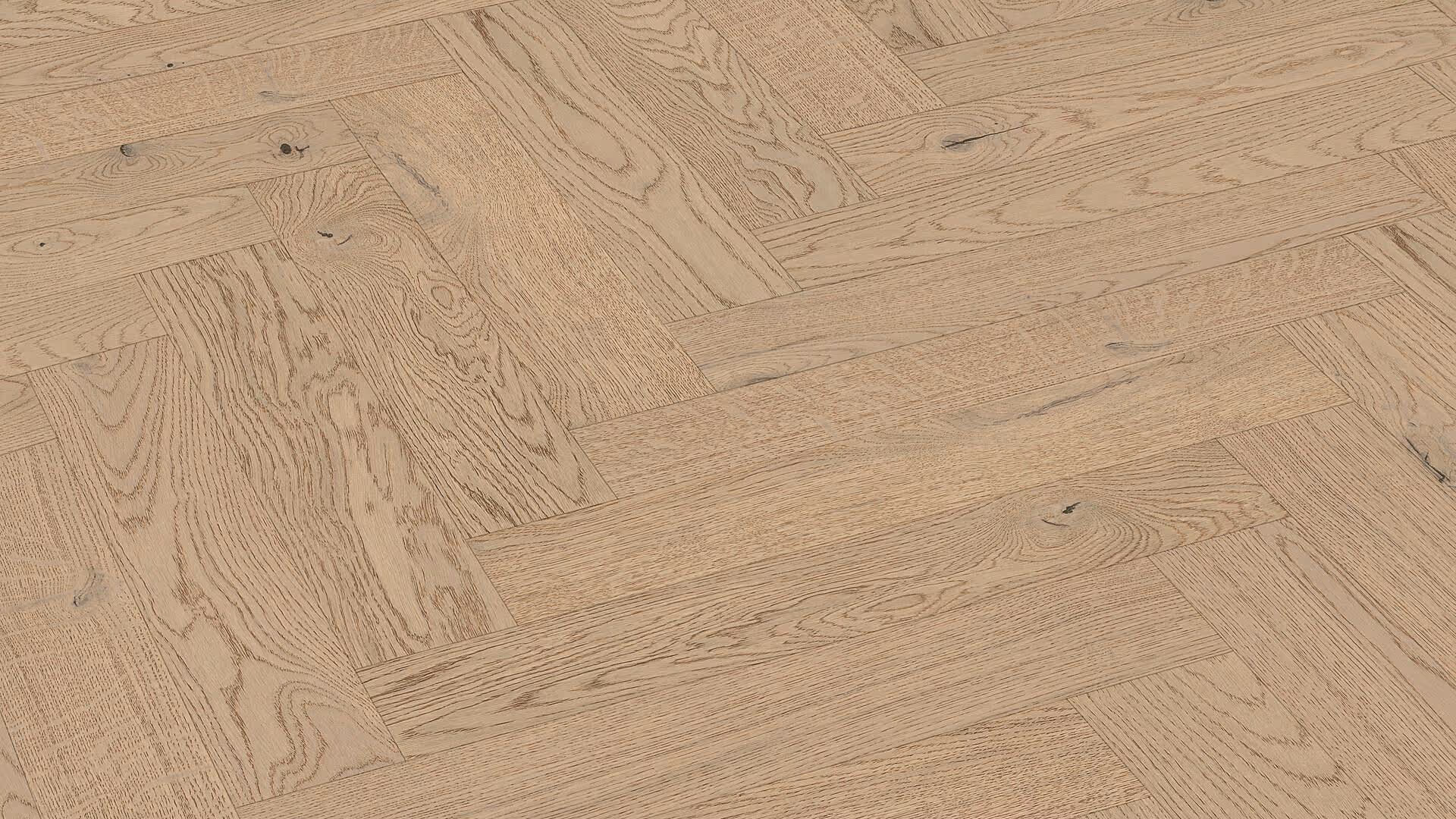
 Meister MEISTER Lindura HS 500 oak engineered flooring plank Classic oak sand grey
 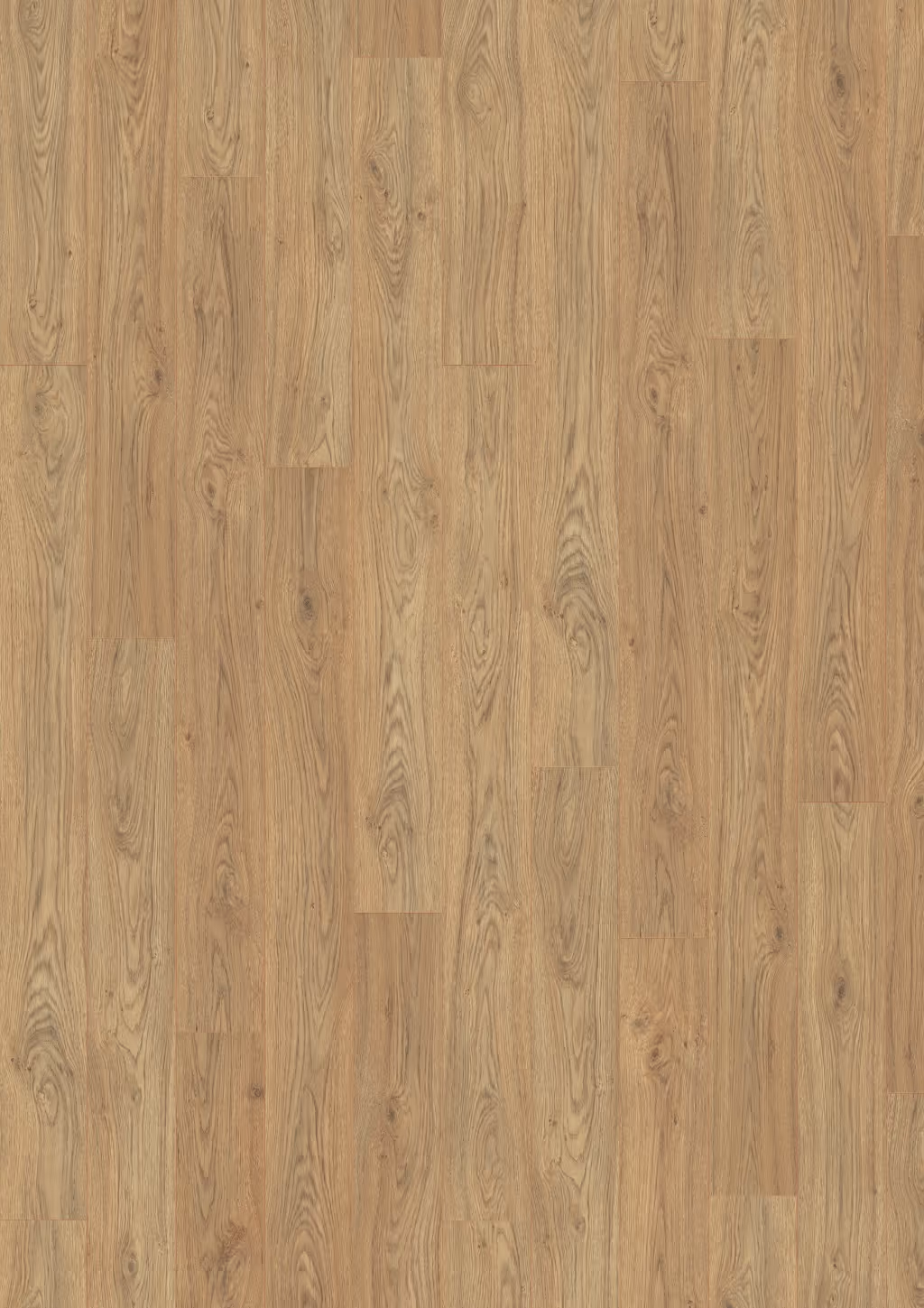 Egger Water-resistant laminate flooring plank EGGER Natural Starwell Oak
  Egger Water-resistant laminate flooring plank EGGER White Bayford Oak
  Meister Meister LL 150 Muscat oak laminate floor 06416
  Meister MEISTER Wood Flooring Natureflex HD 100 oak engineered flooring plank Off-white oak lively
 Bjelin Bjelin Woodura Bonnarp hybrid parquet board, oak Earth Grey
 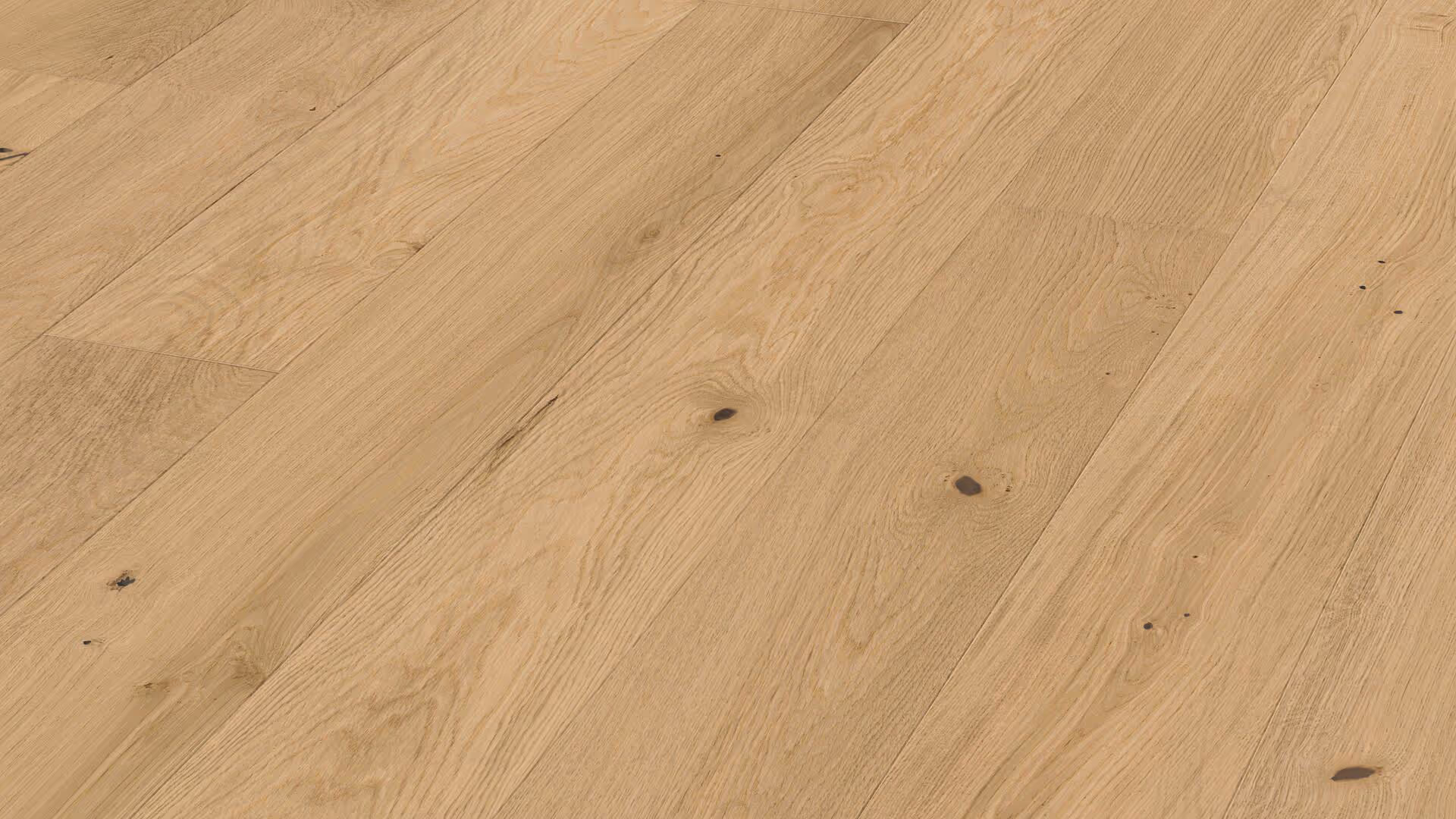 Meister MEISTER Wood Flooring Natureflex HD 100 oak engineered flooring plank Cream oak lively
  Egger Water-resistant Plus laminate flooring plank EGGER Light Grey Chicago Concrete
  Egger Laminate flooring plank EGGER Light Brown Berdal Oak
 BambooTouch ootouch Vertical Caramel Flexibam Click Rigid Bamboo Vinyl Flooring
  Egger Water-resistant laminate flooring plank EGGER Natural Melba Oak
  Egger Water-resistant laminate flooring plank EGGER Light Grey Soria Oak
  Meister Meister LD 55 Caramel oak laminate floor 06953
  Bjelin Bjelin Woodura Barum hybrid parquet board, oak Earth Grey
  Egger Water-resistant laminate flooring plank EGGER Anthracite Titanite
  Meister Meister LB 150 Black rock laminate floor 07136
  Bjelin Bjelin Woodura Starby hybrid parquet board, oak Medium Smoked
  Egger Water-resistant laminate flooring plank EGGER Light Hunton Oak
  Egger Water-resistant laminate flooring plank EGGER Grey Avery Oak
  Egger Laminate flooring plank EGGER Brown Baronia Oak
 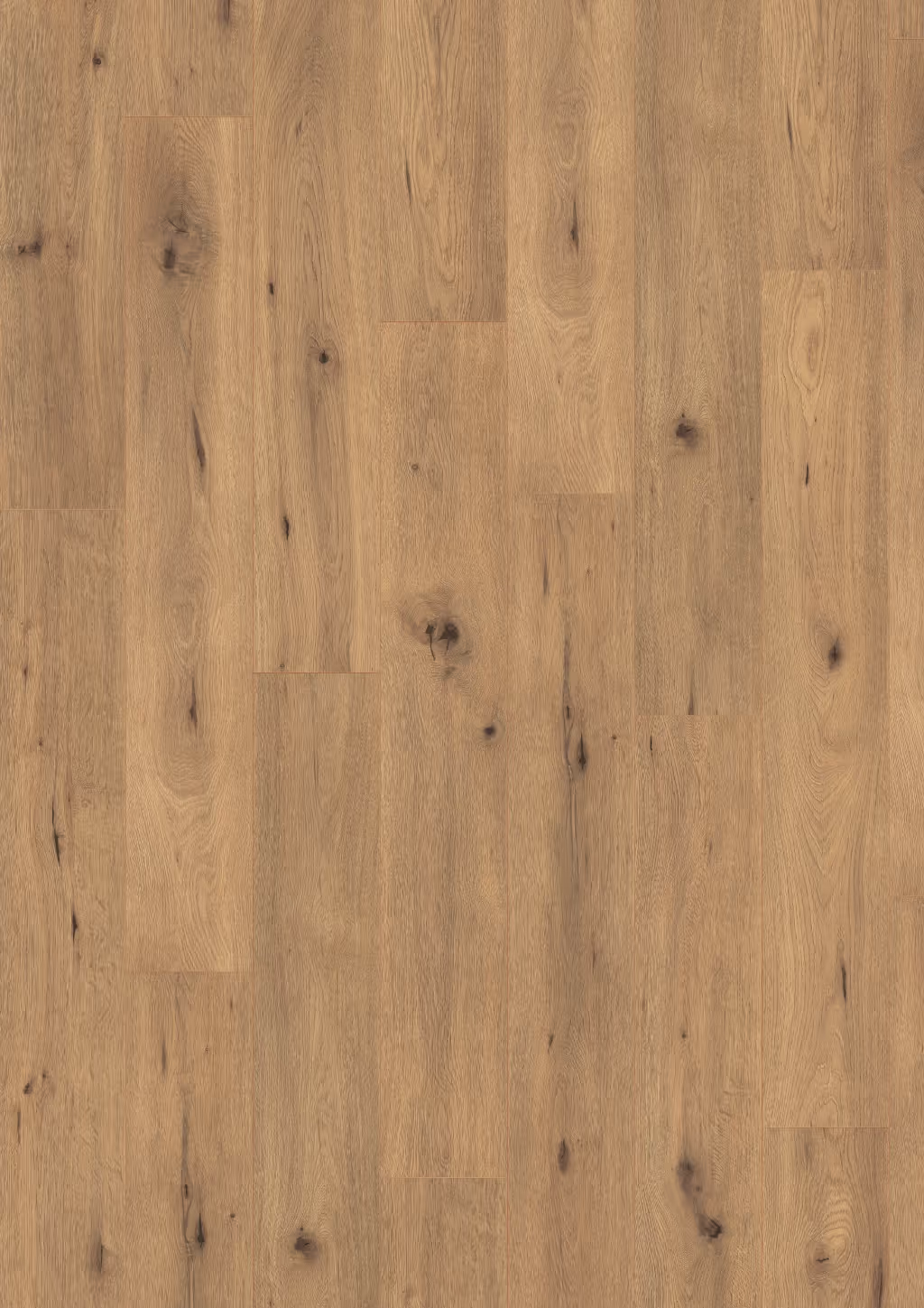 Egger Laminate flooring plank EGGER Natural Wild Oak
  Egger Water-resistant Plus laminate flooring plank EGGER Light Natural Casella Oak
  Egger Water-resistant Plus laminate flooring plank EGGER Dark Turin Oak
 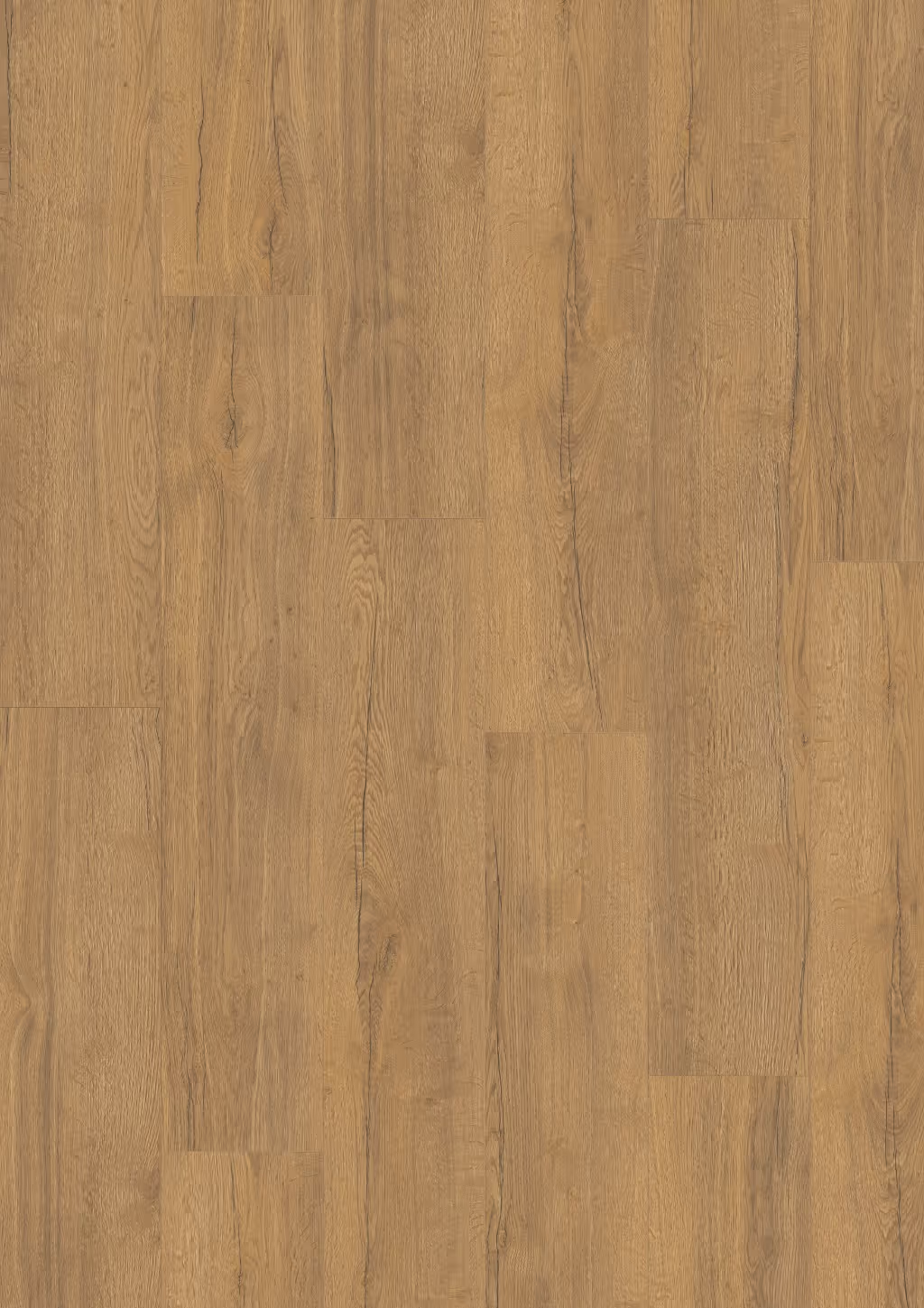 Egger Water-resistant laminate flooring plank EGGER Honey Elva Oak
  Egger Water-resistant Plus laminate flooring plank EGGER Natural Valley Oak
  Egger Laminate flooring plank EGGER Brown Sheffield Acacia
  Meister MEISTER Lindura HD 400 oak engineered flooring plank Milk cream oak lively
  BambooTouch ootouch Horizontal Caramel Ecofloor Solid Bamboo Flooring
  Meister Meister LD 55 Hill oak laminate floor 07153
  BambooTouch ootouch Bamwood Gold Tradition Click Engineered Bamboo Flooring
  Egger Laminate flooring plank EGGER Light Matera Oak
  Egger Laminate flooring plank EGGER Natural Livingston Oak
  Egger Laminate flooring plank EGGER Light Berdal Oak
  Egger Laminate flooring plank EGGER Light Grey Charlotte Oak
  Egger Water-resistant laminate flooring plank EGGER Grey Elva Oak
  Egger Water-resistant Plus laminate flooring plank EGGER Grey Treviso Oak
  Meister MEISTER Lindura HD 400 oak engineered flooring plank Clay brown oak authentic
  Bjelin Bjelin Woodura Kvarnby hybrid parquet board, oak Natural
  BambooTouch ootouch Vertical Natural Tradition Solid Bamboo Flooring
 42 of 519 products
Flooring is an essential part of any interior, whether a home, an office or commercial premises. It has a major impact on the look, comfort and function of a space. The right choice depends on many factors, such as the interior style, the intended use of the room, durability requirements and ease of maintenance.
The most common floor coverings are tiles, wood, laminate, vinyl, linoleum and carpet. Tiles are often used in wet areas such as kitchens and bathrooms because they are easy to clean and moisture-resistant. Wood and laminate are the most popular choices for living areas because they are durable, attractive and available in a wide variety of styles and finishes. WoodPartners offers a wide range of wood flooring.
Caring for parquet is the same as for any other hardwood floor. Sweep or dry-clean it daily with a microfibre mop. Blot spills and wet marks with kitchen roll, then wipe with a damp cloth. Clean the floor about once a month with a cleaner formulated for wood floors. Avoid wax, which can make the floor slippery and damage the finish. Never use a steam mop on parquet (or any other wood floor), as the wood may absorb moisture.
Modern parquet is often made of solid hardwood rather than veneer. It can be sanded and refinished, but the work is made harder by the grain running in alternating directions, so major renovation should be left to qualified specialists. Owners can refresh the surface by lightly abrading it with a sanding screen and applying a fresh coat of varnish.
Made up of many small pieces, parquet tiles create a rich, three-dimensional look that enhances a home. Future owners may not share this taste, however, and some buyers may find it dated. Parquet suits mid-century modern homes but can look out of place in other styles. If you are restoring or rebuilding an older property, though, parquet may be the best choice, depending on the period style you want to recreate.
Parquet tiles are much easier to lay than solid hardwood boards, as they are glued rather than mechanically fixed to the subfloor. Urethane adhesives, with a drying time of 60 minutes, give you plenty of time to position the tiles. Being fairly thin (about 5/16 in), they are easy to cut with a jigsaw. Most parquet tiles are prefinished, so the floor will not need staining or varnishing once laid.
However, because the tiles are thin, the substrate must be perfectly flat and sound. Any flex in the subfloor will make the floor visibly deflect underfoot. And because parquet patterns are so strongly geometric, care is needed to keep them straight and symmetrical at the edges.
As a genuine wood floor covering, parquet performs best when laid at ground level or above. Basements and concrete slabs are not recommended unless an intermediate subfloor is used. And because of the many joints between the pieces, parquet is not recommended in damp or wet rooms such as bathrooms.
Parquet has much the same properties as other hardwood floors. Wood floors feel softer and warmer underfoot than hard coverings such as ceramic or stone tiles, but colder and harder than carpet, cork or luxury vinyl. Like other wood floors, parquet can be fairly noisy, and many people add rugs for extra comfort.
Source the best sweet chestnut and oak parquet.