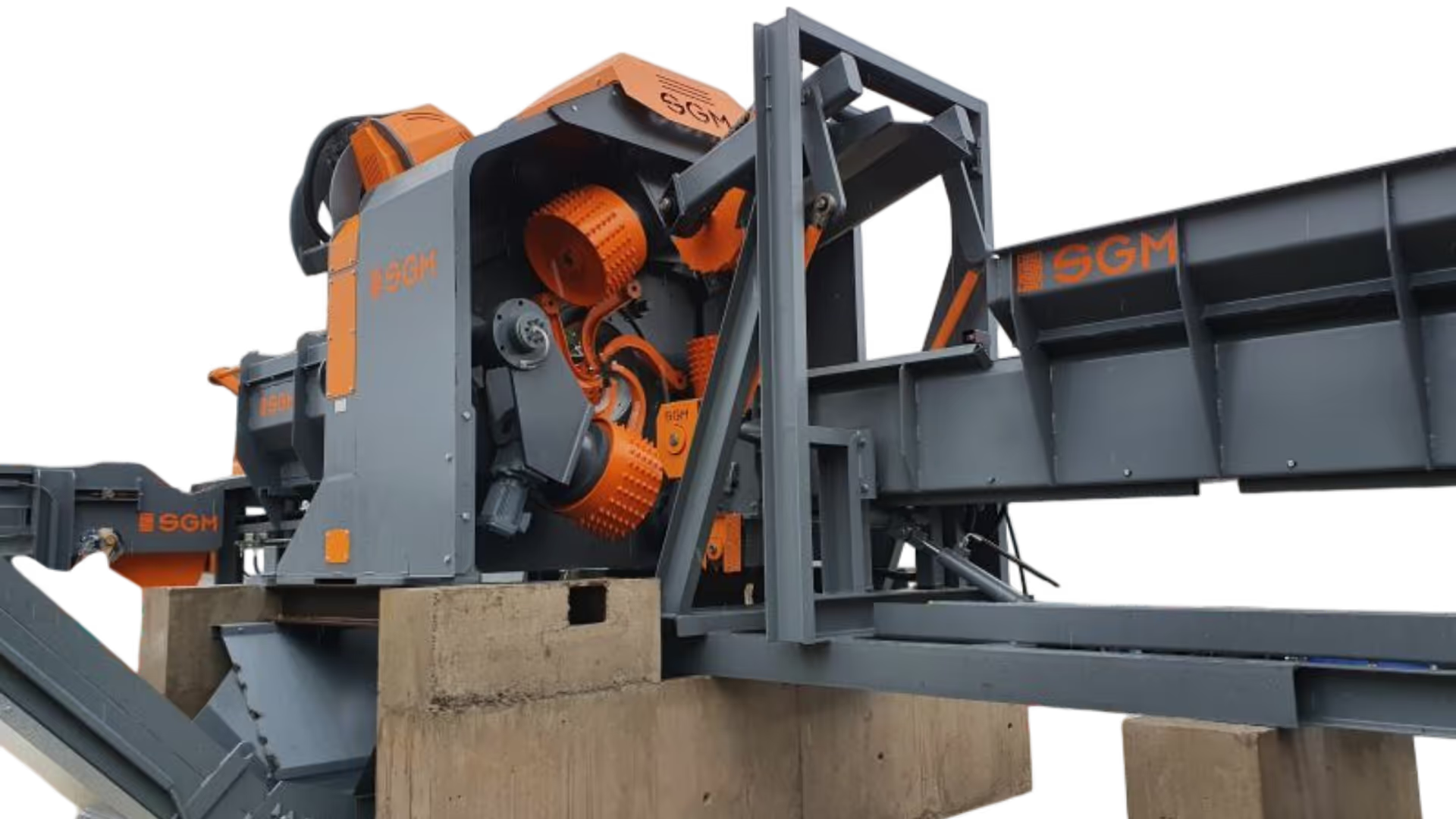
 SGM Industry Fixed-rotor ring debarker
Debarkers are machines that remove the bark from logs before processing. They protect the sawing line and improve the quality of by-products. Compare models from the manufacturers listed on WoodPartners online.
SGM Industry Fixed-rotor ring debarker 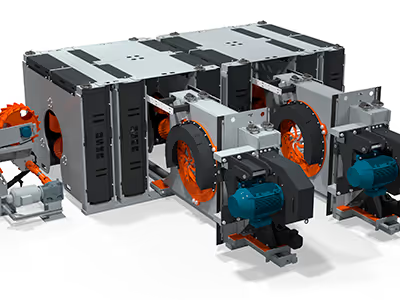
 Usnr USNR CamShift modular debarker – sorting
 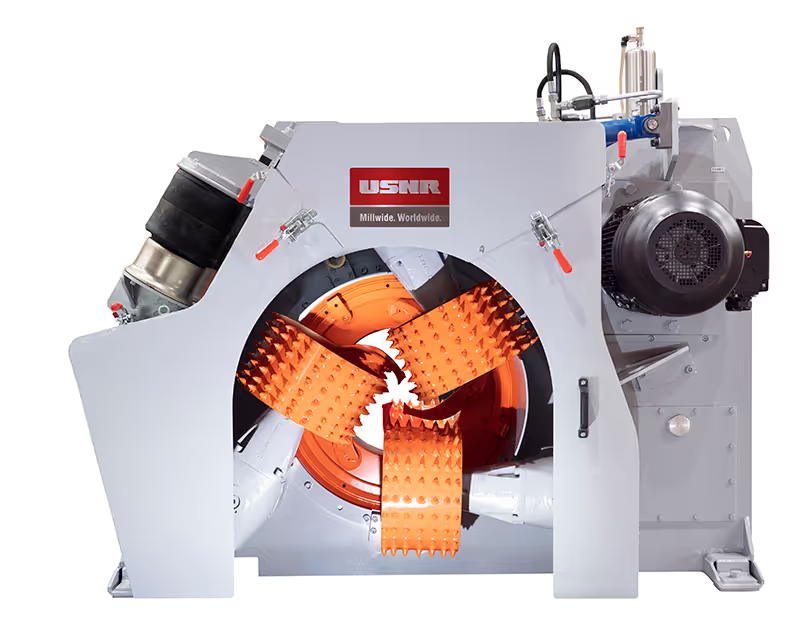 Usnr USNR Cambio 460 debarker
 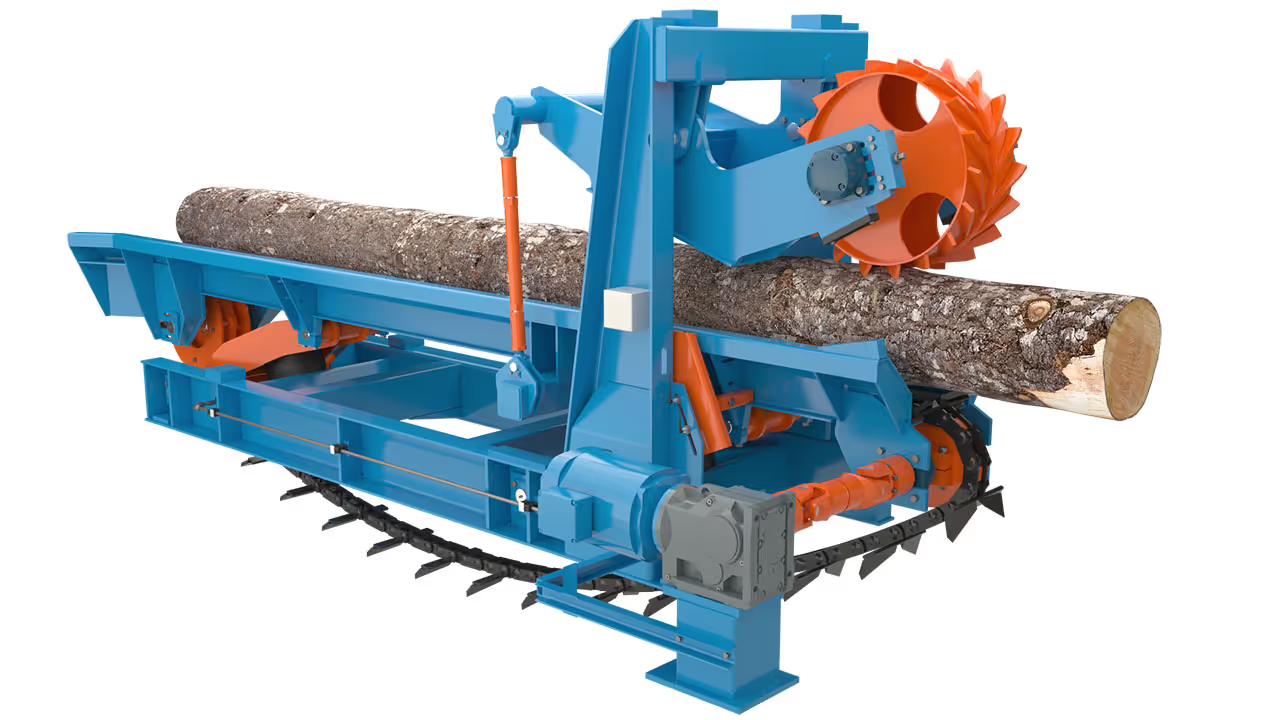 Usnr USNR CIM debarker infeed module (sorting)
 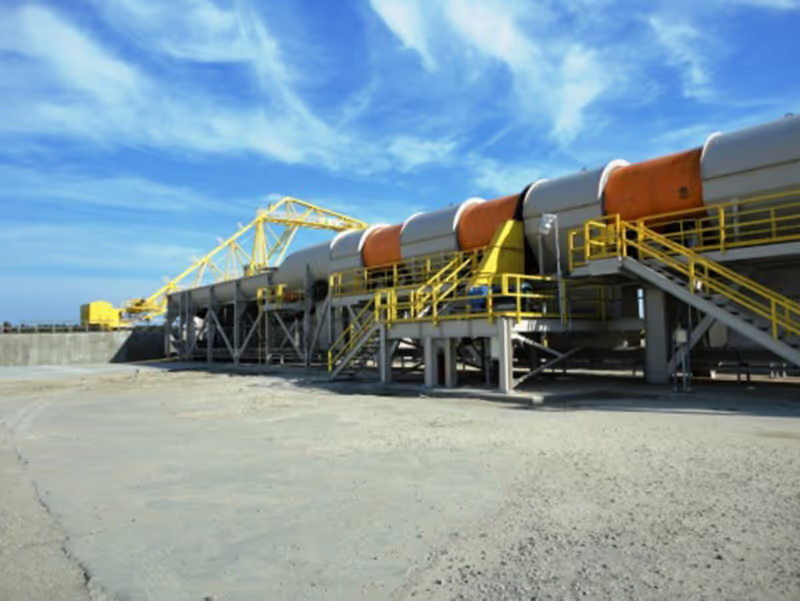 Usnr USNR drum debarker biomass
 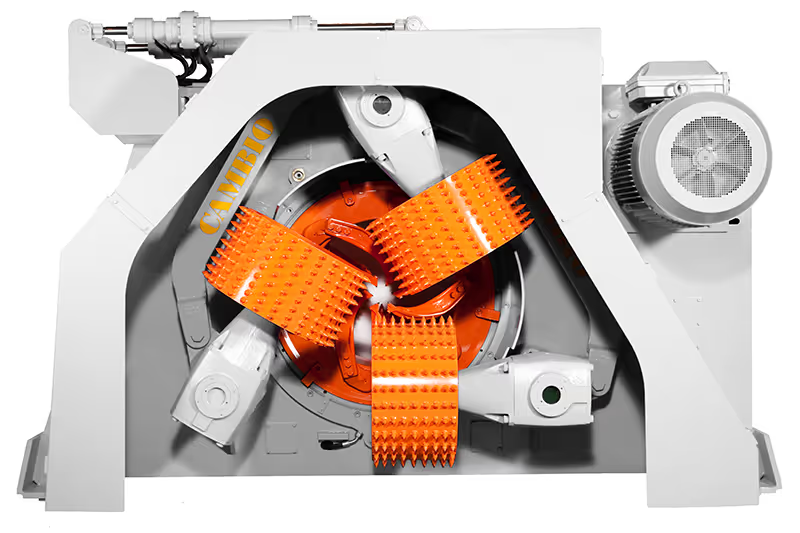 Usnr USNR Cambio 800 debarker Usnr USNR Cambio 460 debarker (sorting) Usnr USNR CIM debarker infeed module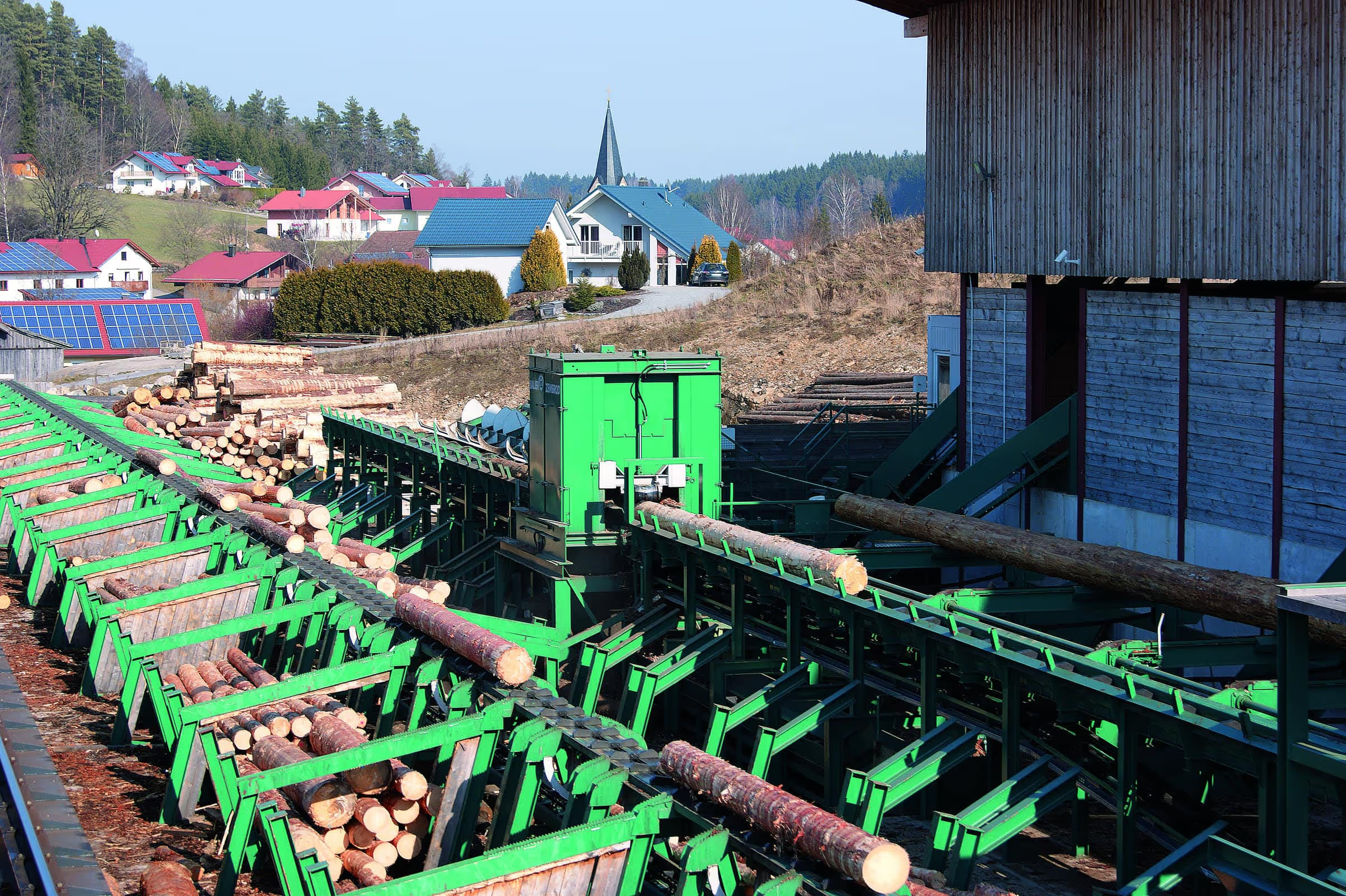
 BZH Sarl Baljer & Zembrod rotor debarker Usnr USNR CamShift modular debarker
 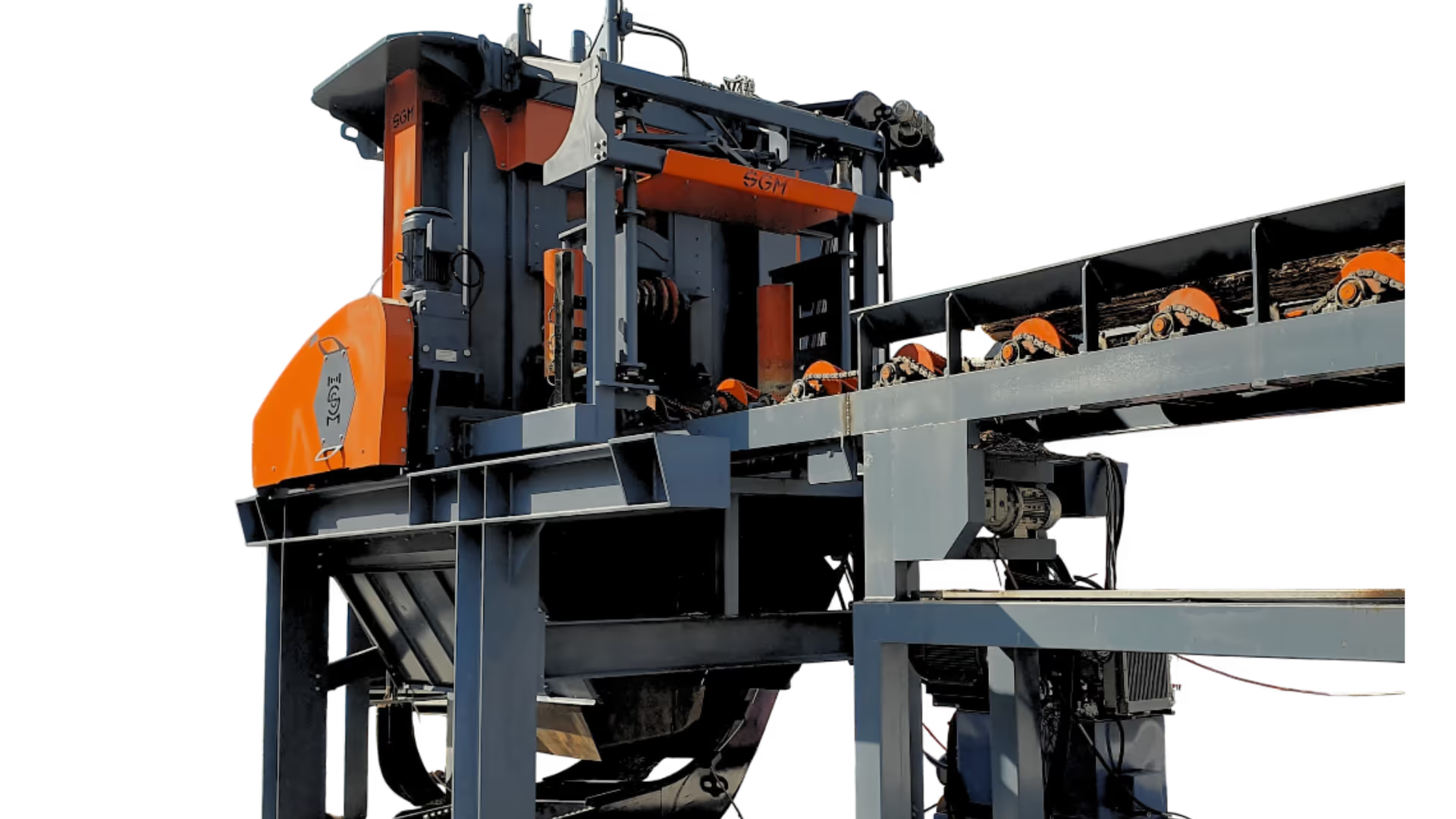 SGM Industry Floating-rotor debarker
 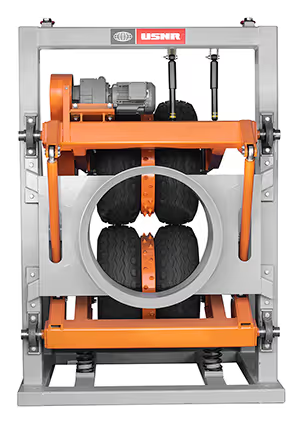 Usnr USNR CamTrail debarker outfeed
 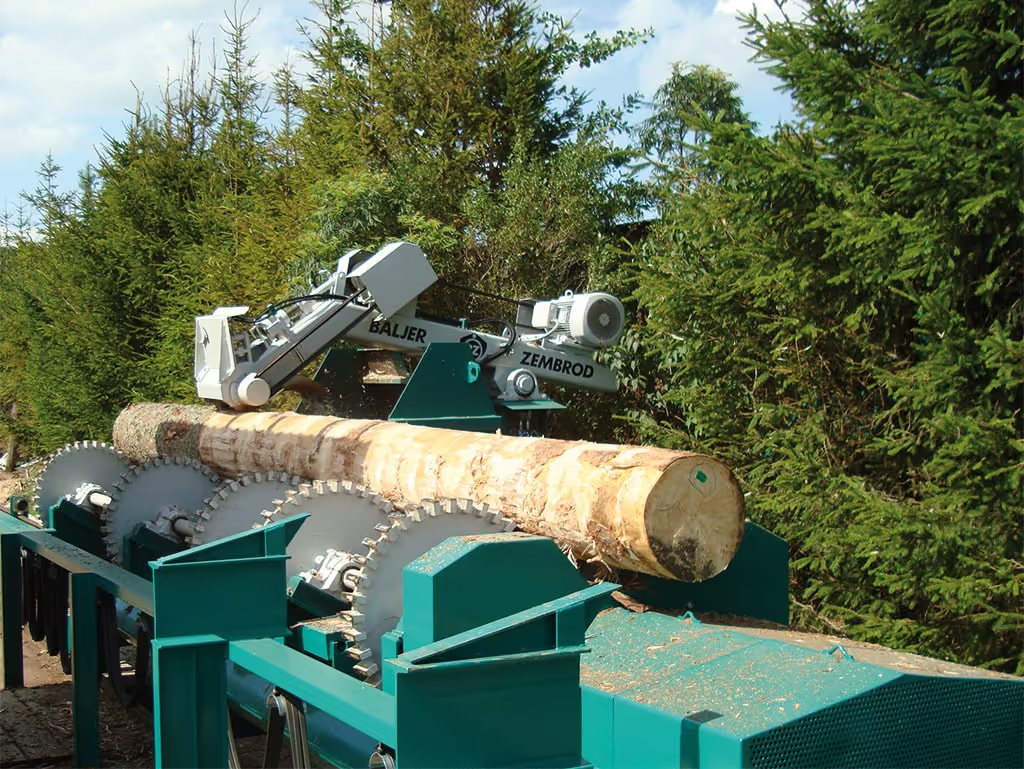 BZH Sarl Baljer & Zembrod milling-head debarker
 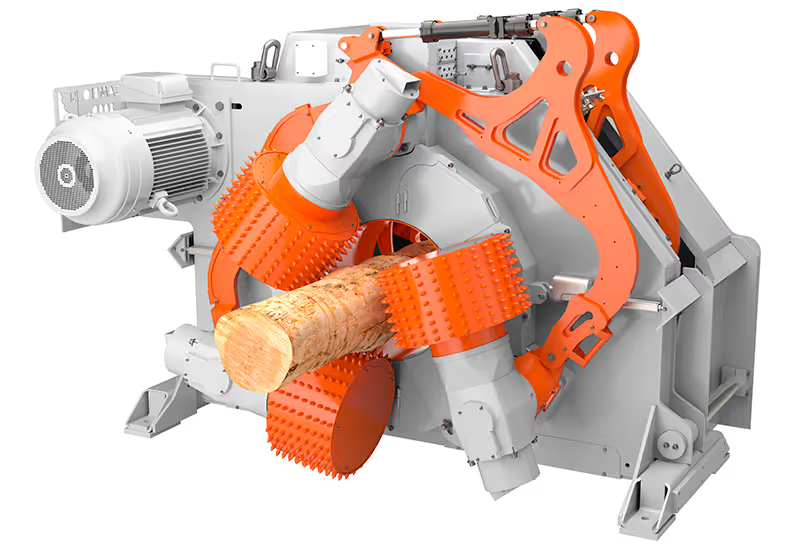 Usnr USNR Cambio 800D debarker
 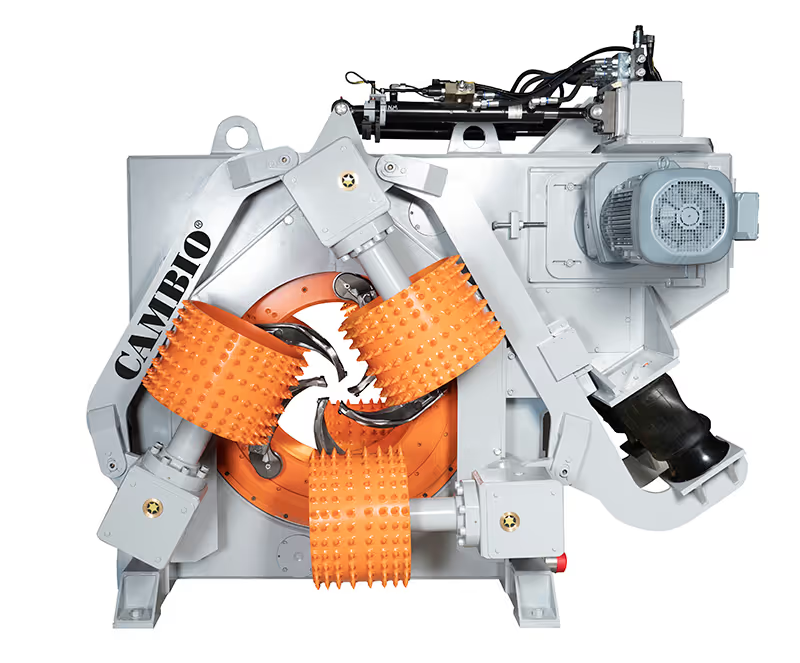 Usnr USNR Cambio 680 debarker
 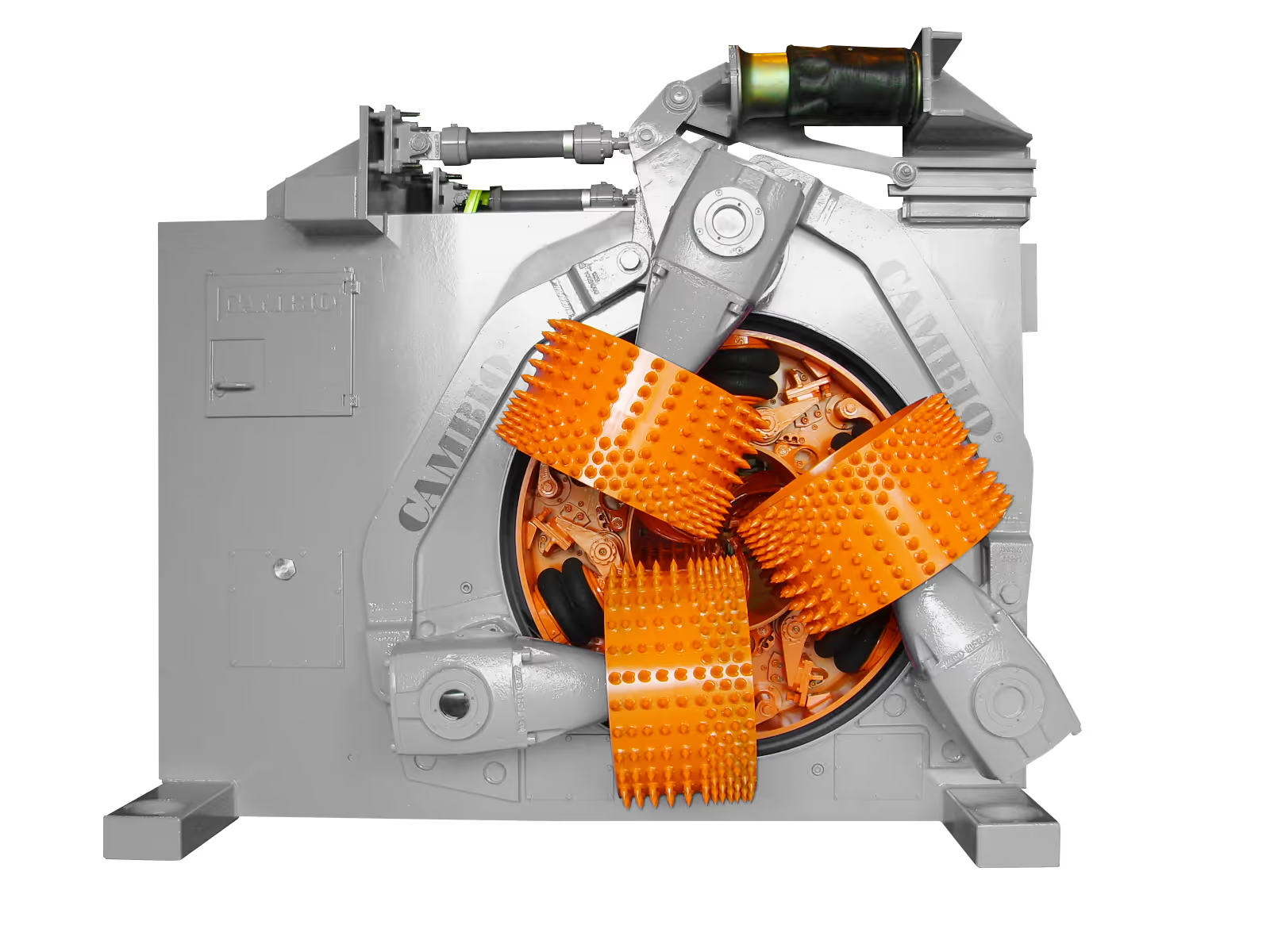 Usnr USNR Cambio 600 debarker Usnr USNR Cambio 800D debarker sorting Usnr USNR Cambio 680 debarker sorting
 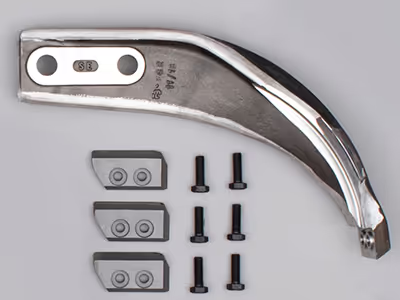 Usnr USNR Cambio parts Usnr USNR Cambio 800 debarker sorting
 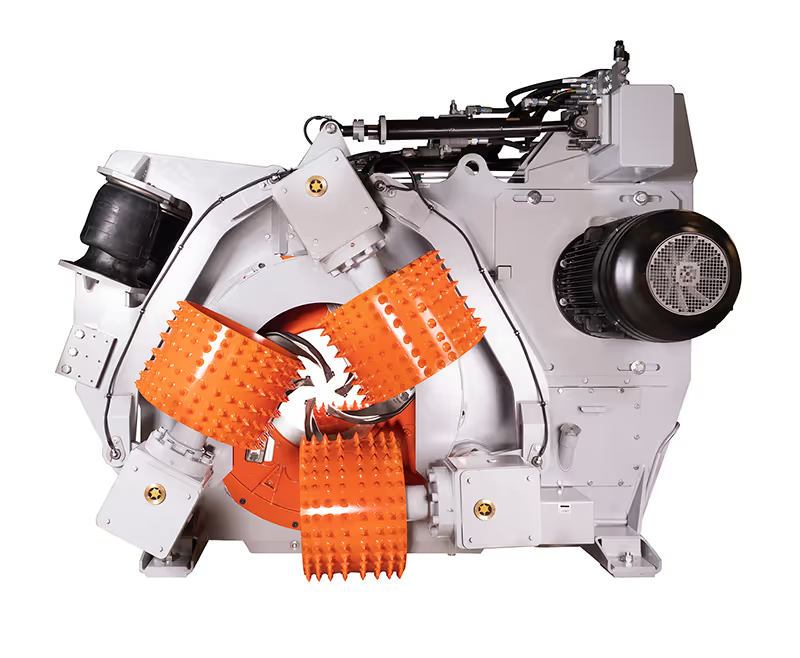 Usnr USNR Cambio 500 debarker Usnr USNR Cambio 600 debarker sorting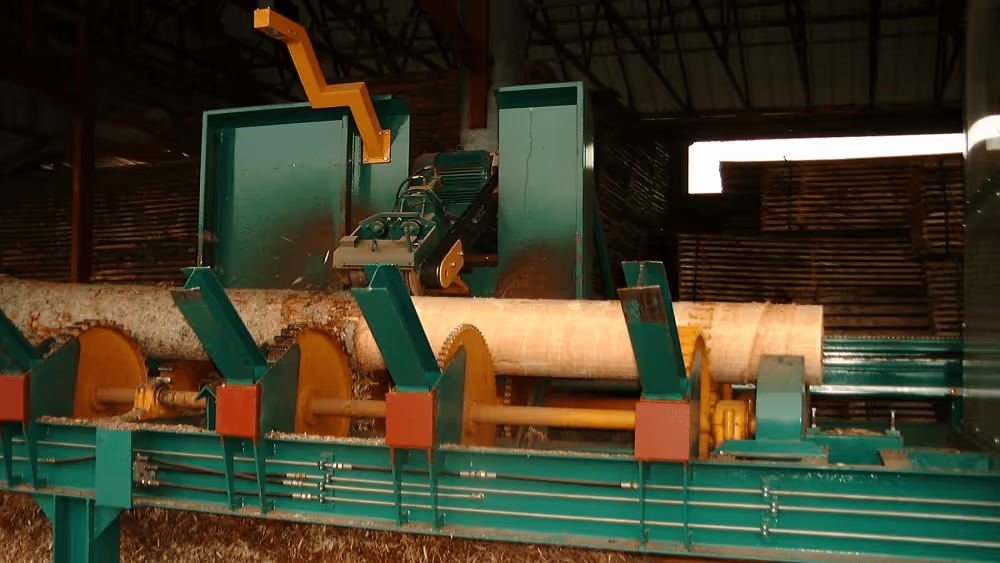
 VBI bois VBI CUTTERHEAD DEBARKERS Usnr USNR Cambio 500 debarker sorting
 24 of 24 products
Explore debarkers to safeguard your production and get full value from the by-products from your sawmill.
Debarking protects cutting tools and determines the value of by-products. Bark holds stones, sand and soil, which quickly dull blades. Removing this layer before sawing reduces tool wear, stoppages for sharpening, and cutting defects.
Debarked wood also produces cleaner by-products (slabs, edging strips, chips), which fetch better prices from the panel and paper industries. The recovered bark itself finds outlets as boiler fuel or mulch.
In the chain of sawmill machinery, the debarker receives logs sorted by the log yard. It then transfers them to the sawing line.
The choice of a debarker depends on species, diameter range and target throughput. Each technology offers a different compromise between output, debarking quality and wood preservation.
The rotor debarker removes bark using tools mounted on a ring that rotates around the log. The tools are pressed against the wood while the log moves forward continuously. Floating-rotor models follow the log’s curvature, whereas fixed rotors require more precise centring. It is the most common technology in softwood sawmills.
The ring debarker is a variant of the rotor debarker whose tools are mounted on a large open ring. This design makes it possible to process a wide range of diameters without major adjustment. It is suitable for sawmills seeking high throughput on mixed log batches.
The knife debarker, also called a milling debarker, removes bark with a rotary milling head. The log rotates while the cutter head machines its surface. This process is effective on thick or tightly adhering bark, common in hardwoods and large-diameter logs. On the downside, it also removes a thin layer of wood.
The drum debarker debarks wood in bulk inside a large rotating cylinder. The short logs collide with each other and rub against the walls, which detaches the bark by friction. This technology handles large volumes of short wood and small diameters, destined mainly for pulpwood (paper and panel manufacturing) or biomass.
Peripheral equipment improves the efficiency and reliability of the debarking station. The butt reducer trims the flared butt end of the log to even out its diameter before entering the debarker. Infeed modules centre and guide the log, while outfeed devices convey it to the next station.
WoodPartners brings together debarkers and peripheral equipment from manufacturers including USNR, BZH, SGM Industry and VBI Bois.
Compare rotor, ring or knife technologies for the wood you process, then refine your selection based on infeed diameter, feed speed or the manufacturer’s location.
Product pages let you review technical specifications before contacting the supplier directly.