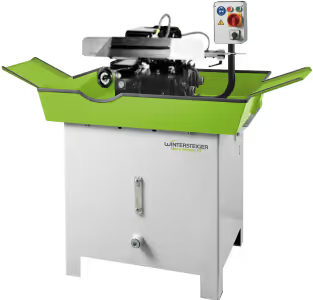
 Wintersteiger WoodTech Blade sharpening machine Wintersteiger Micro Grinder HT
Sawmill machinery covers the equipment used in sawmills to receive and prepare logs, debark and saw them, dry the sawn timber and recover by-products. Compare models from the manufacturers listed on WoodPartners.
Wintersteiger WoodTech Blade sharpening machine Wintersteiger Micro Grinder HT 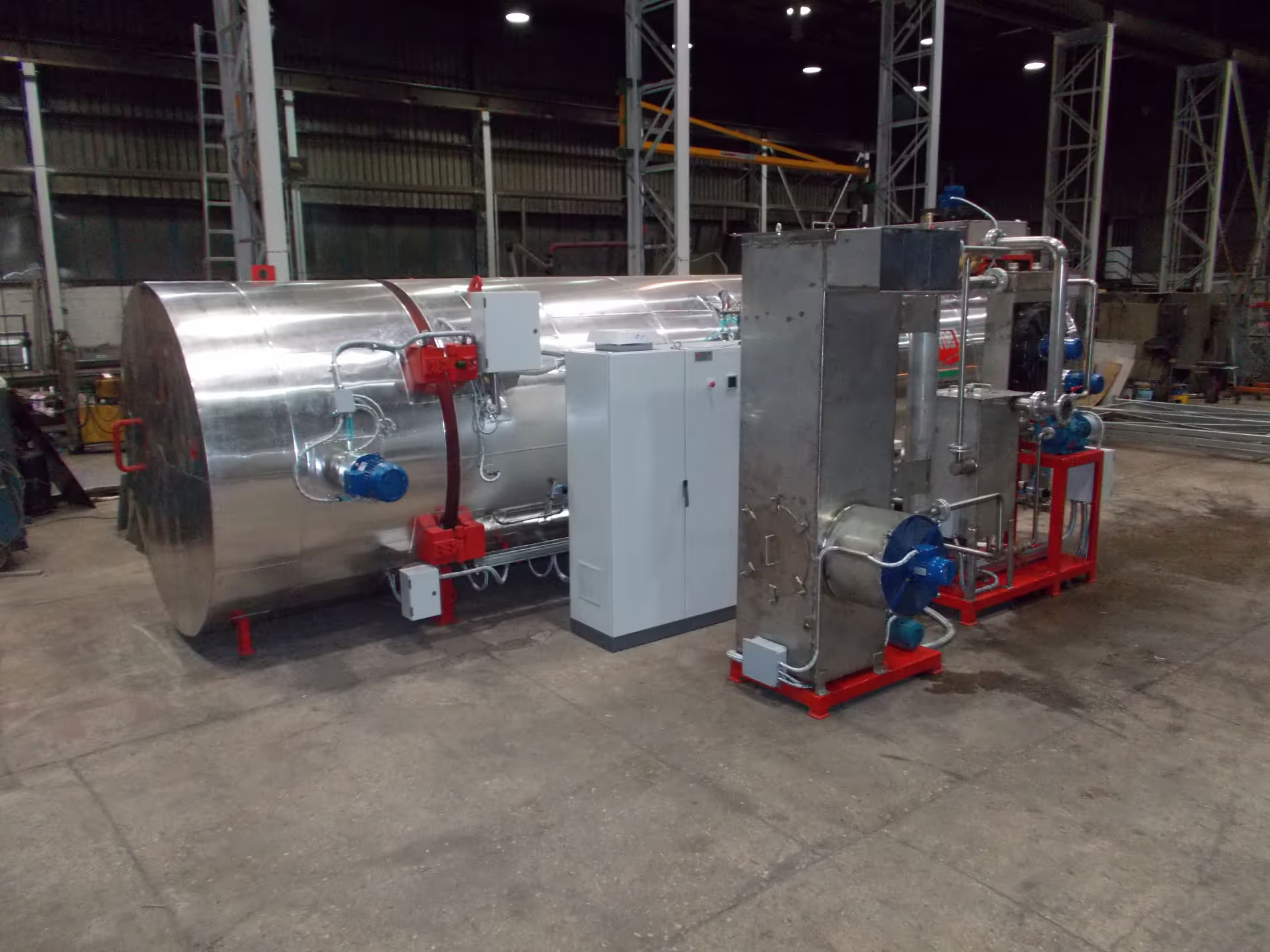
 WDE Maspell Maspell TVS ROLL 1.8 E 8 L 8000 Thermo-Vacuum Kiln
 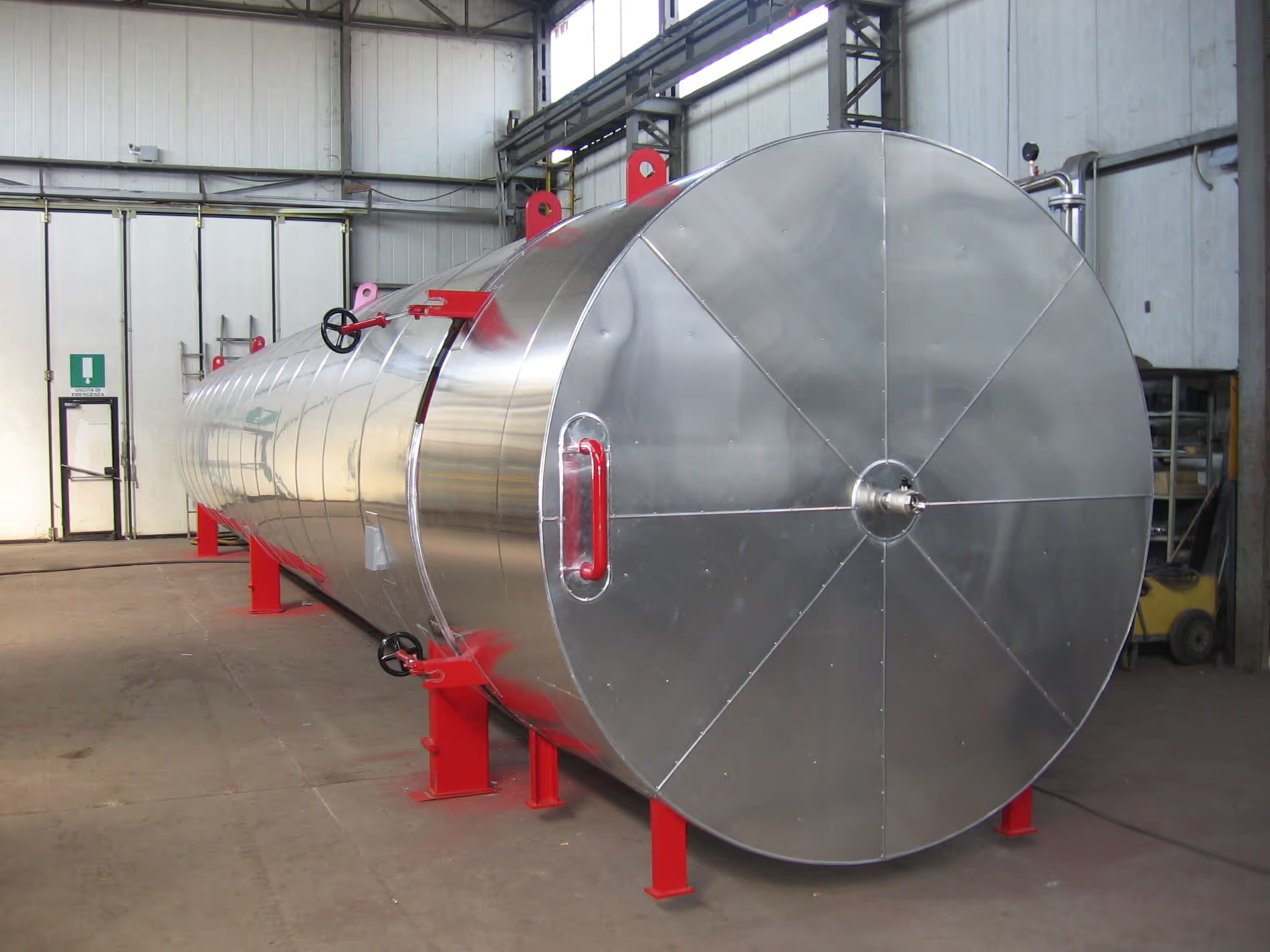 WDE Maspell Maspell LOLA 2.3 SC 24 L 12000 Air-Circulation Kiln
 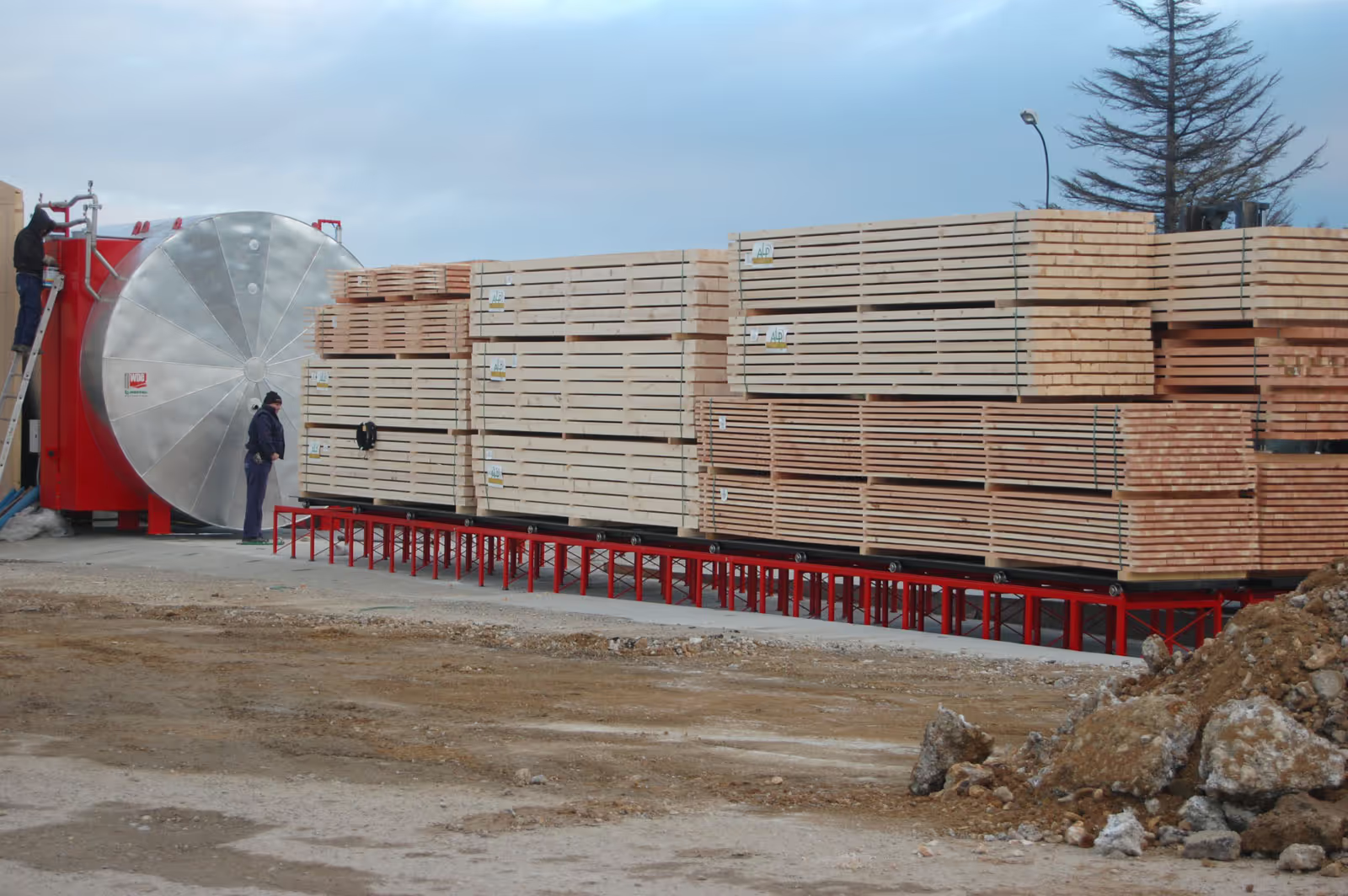 WDE Maspell Maspell MAGNUM 3.6 SC 50 L 12200 Air-Circulation Kiln
 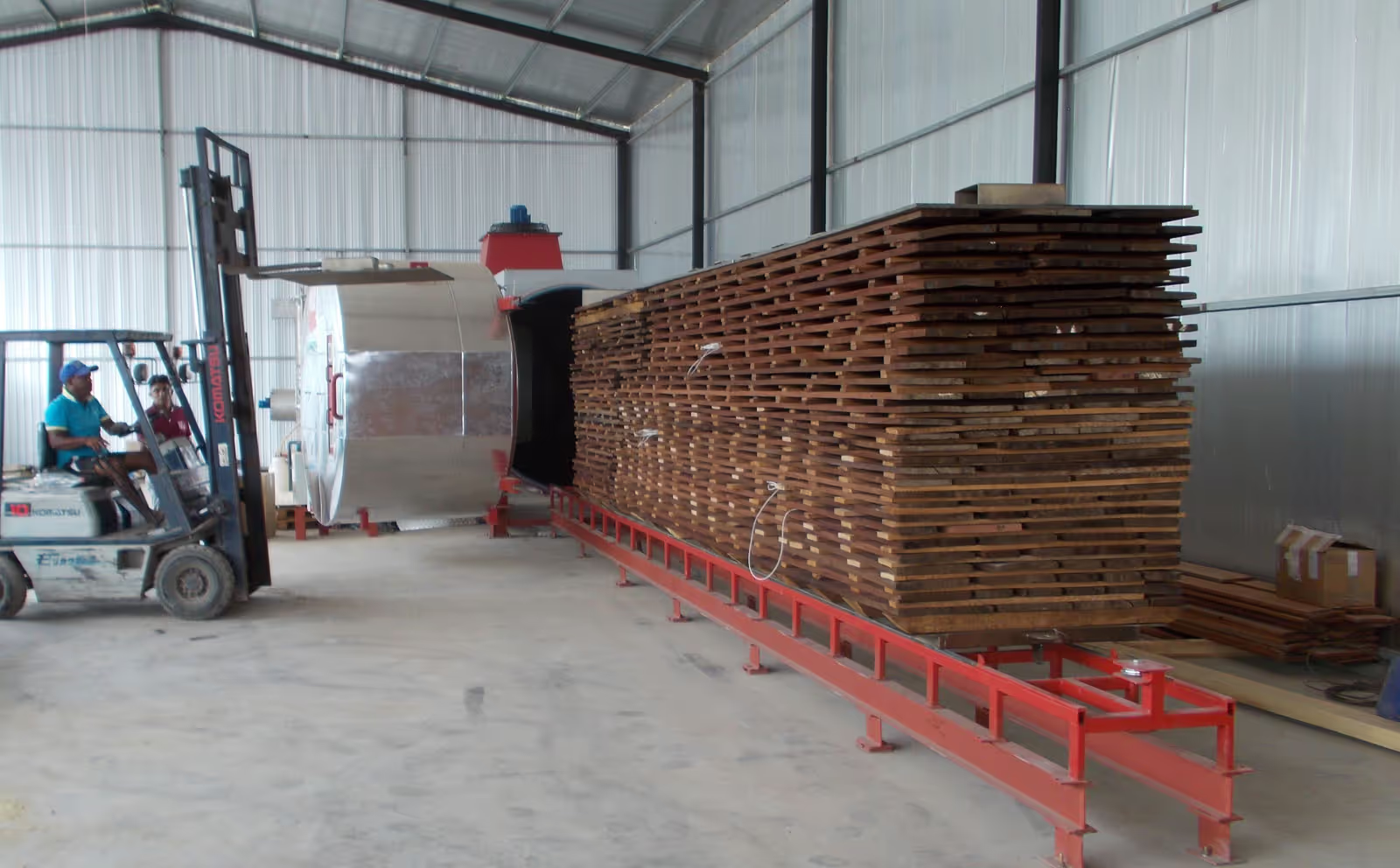 WDE Maspell Maspell TVS ROLL 2.05 E 9 L 6000 Thermo-Vacuum Kiln
 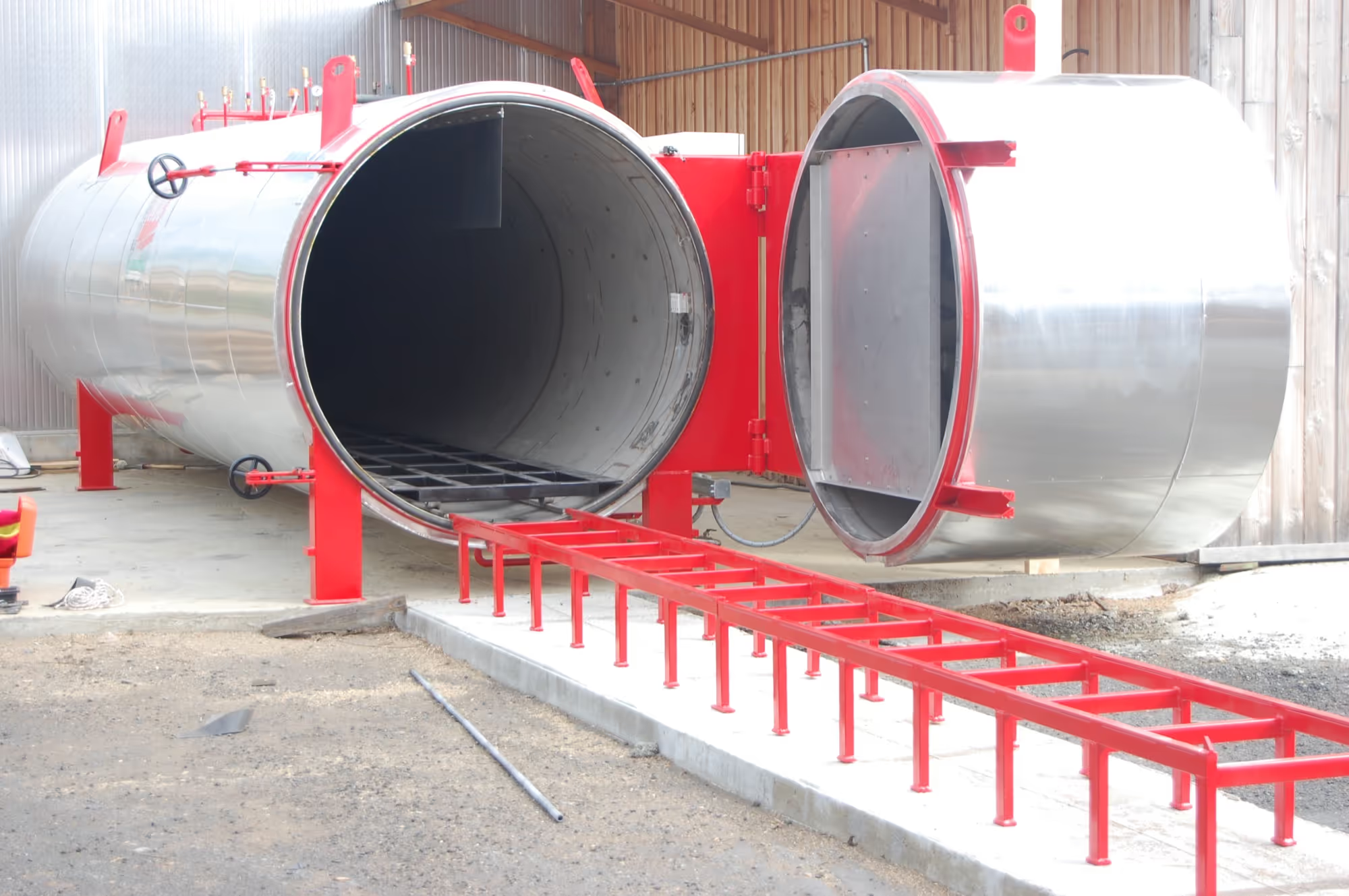 WDE Maspell Maspell ROLL 1.8 SC 6 L 6000 Air-Circulation Kiln
  WDE Maspell Maspell PRESS SE 0,6 Vacuum Press Kiln
 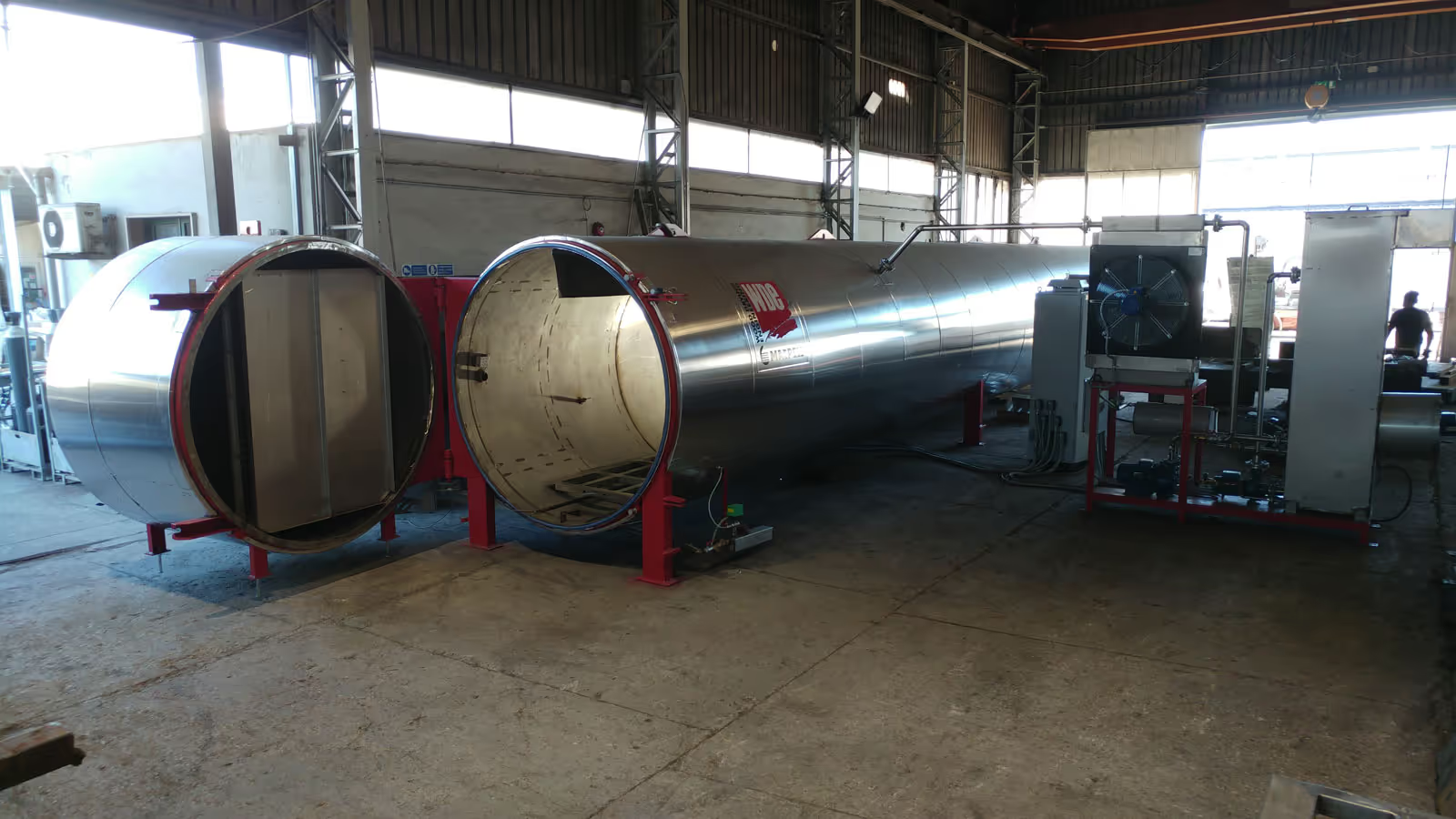 WDE Maspell Maspell ROLL 2.05 E 16 L 12000 Air-Circulation Kiln
 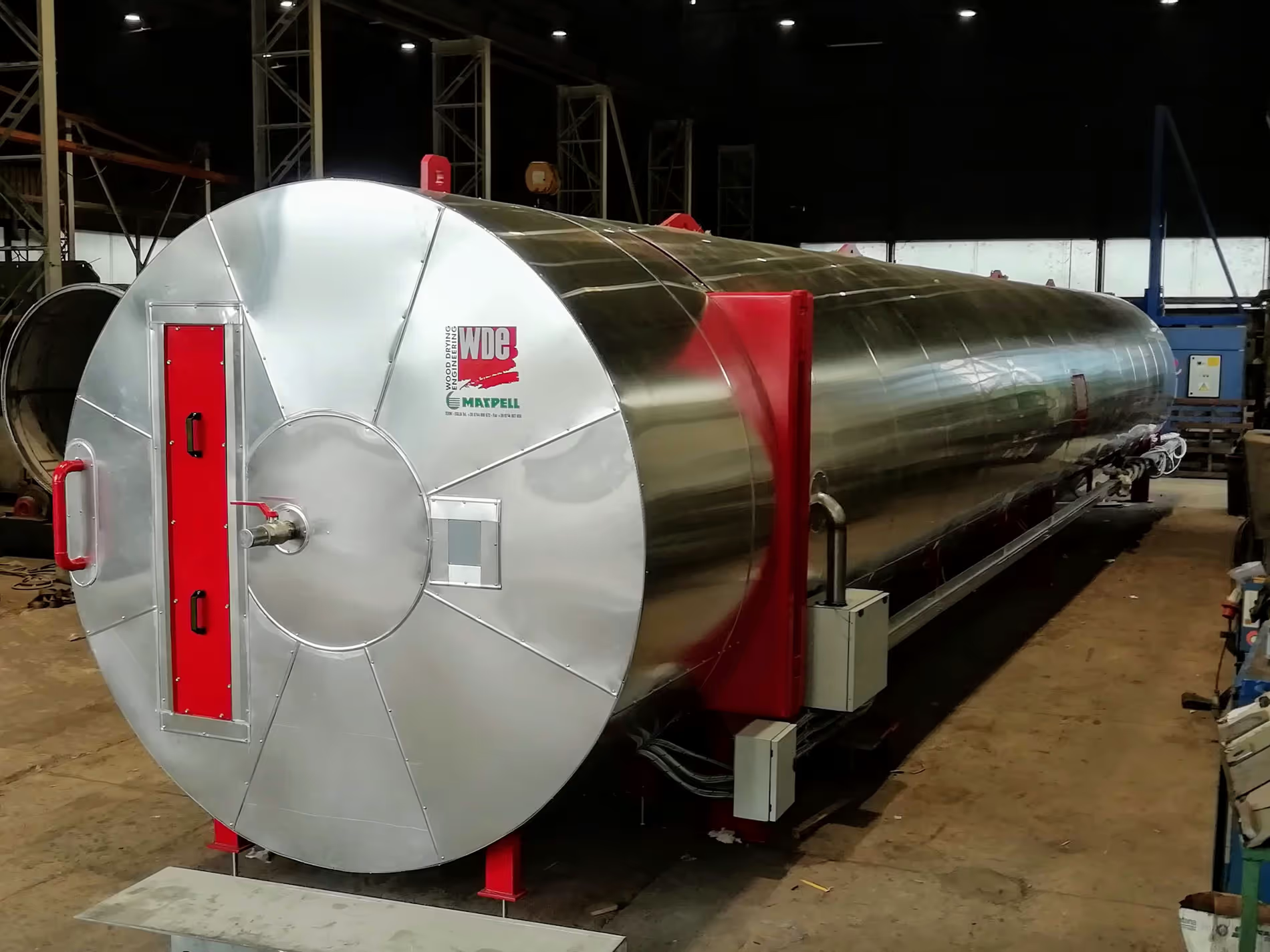 WDE Maspell Maspell ROLL 2.05 SC 16 L 12000 Air-Circulation Kiln
 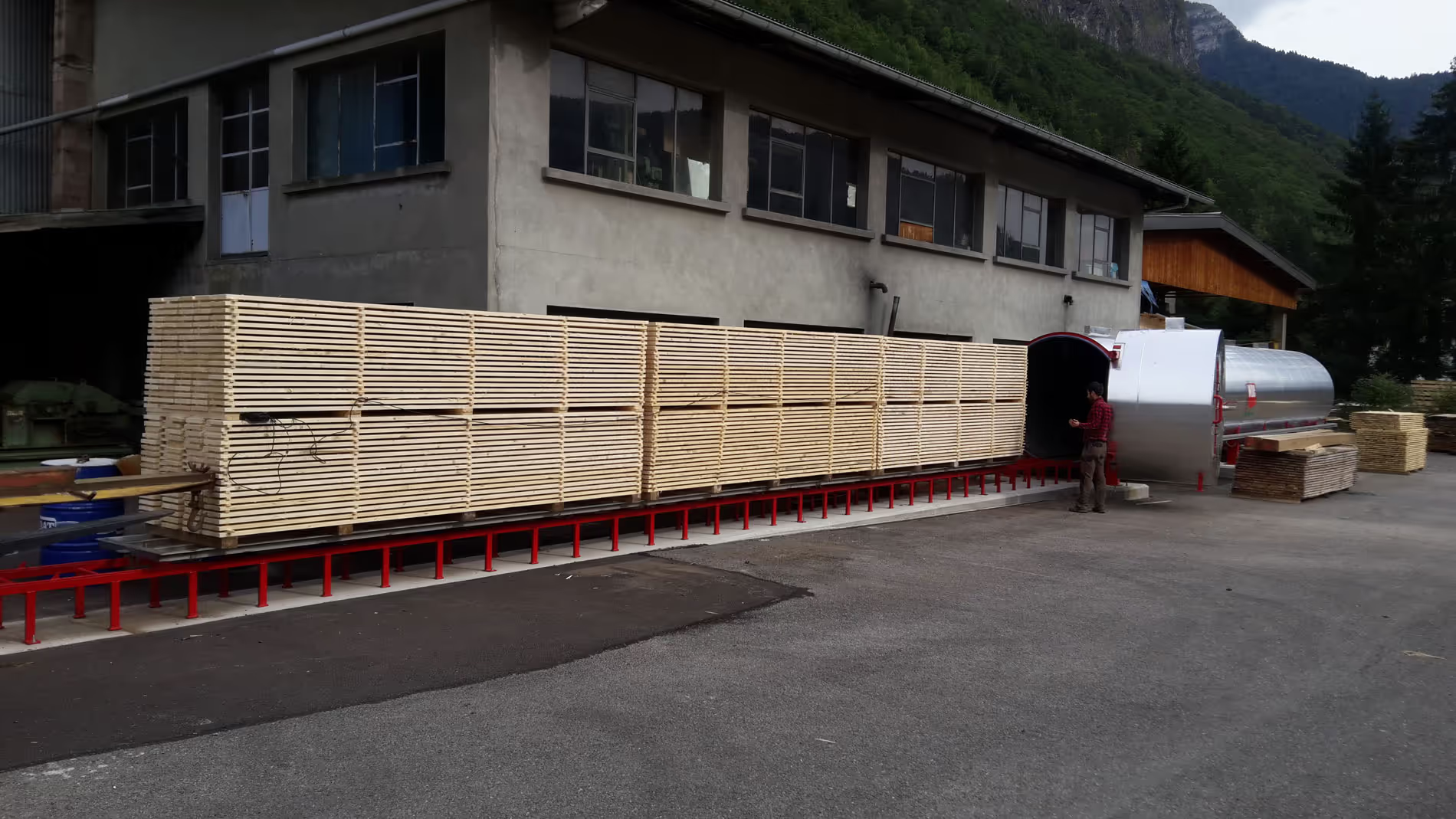 WDE Maspell Maspell ROLL 2.05 E 14 L 10000 Air-Circulation Kiln
 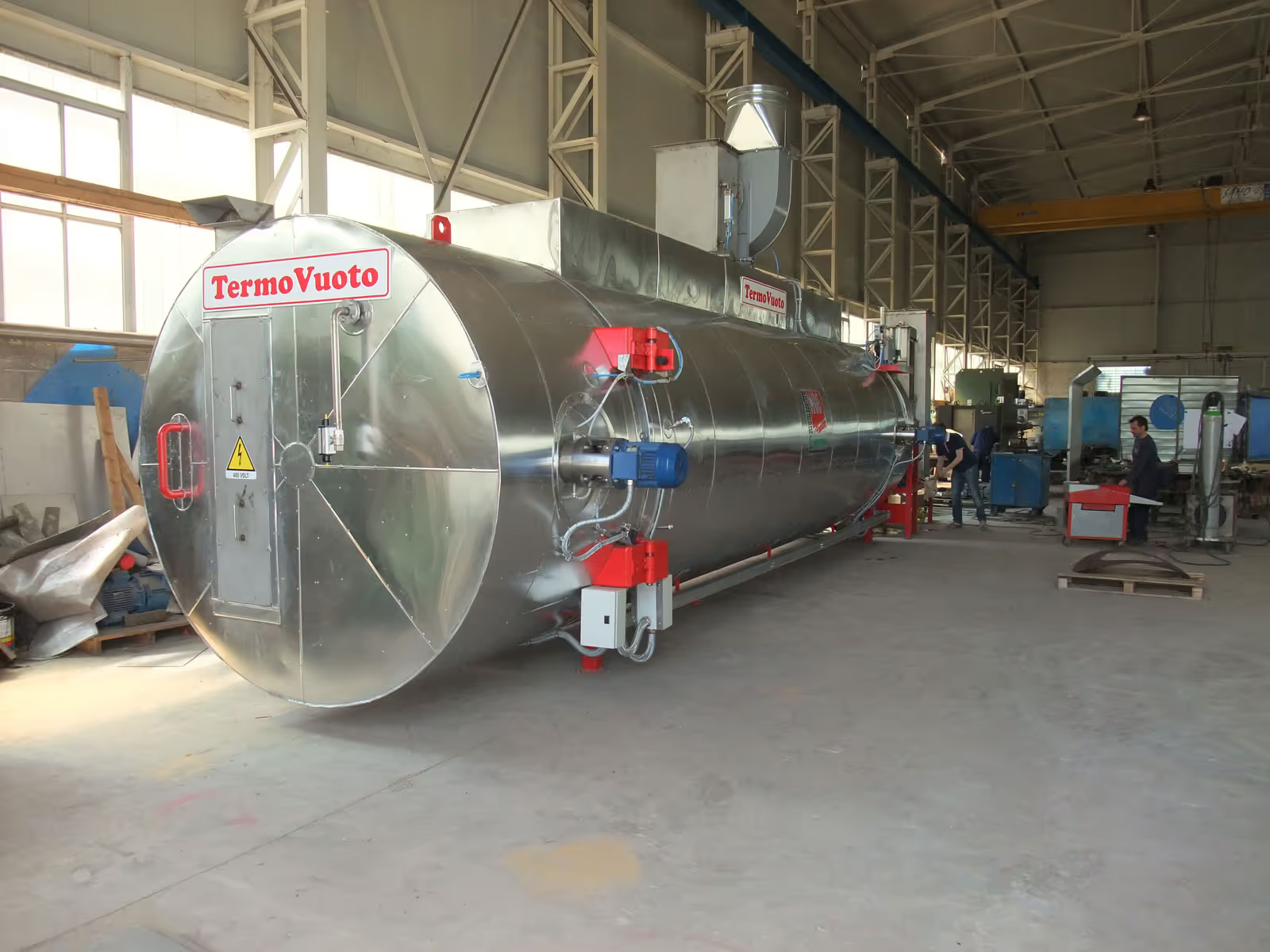 WDE Maspell Maspell TVS ROLL 2.05 E 12 L 8000 Thermo-Vacuum Kiln
 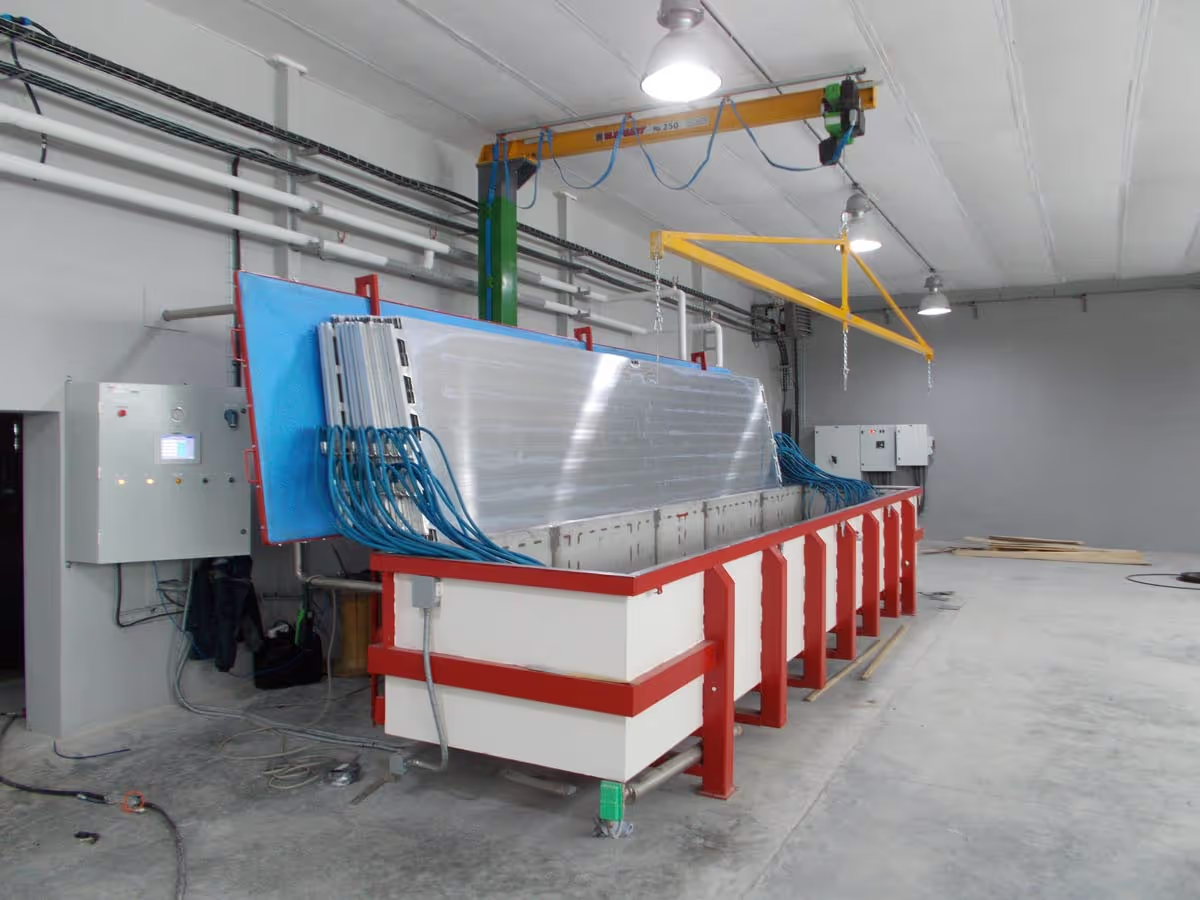 WDE Maspell Maspell PRESS L 3.6 Vacuum Press Kiln
 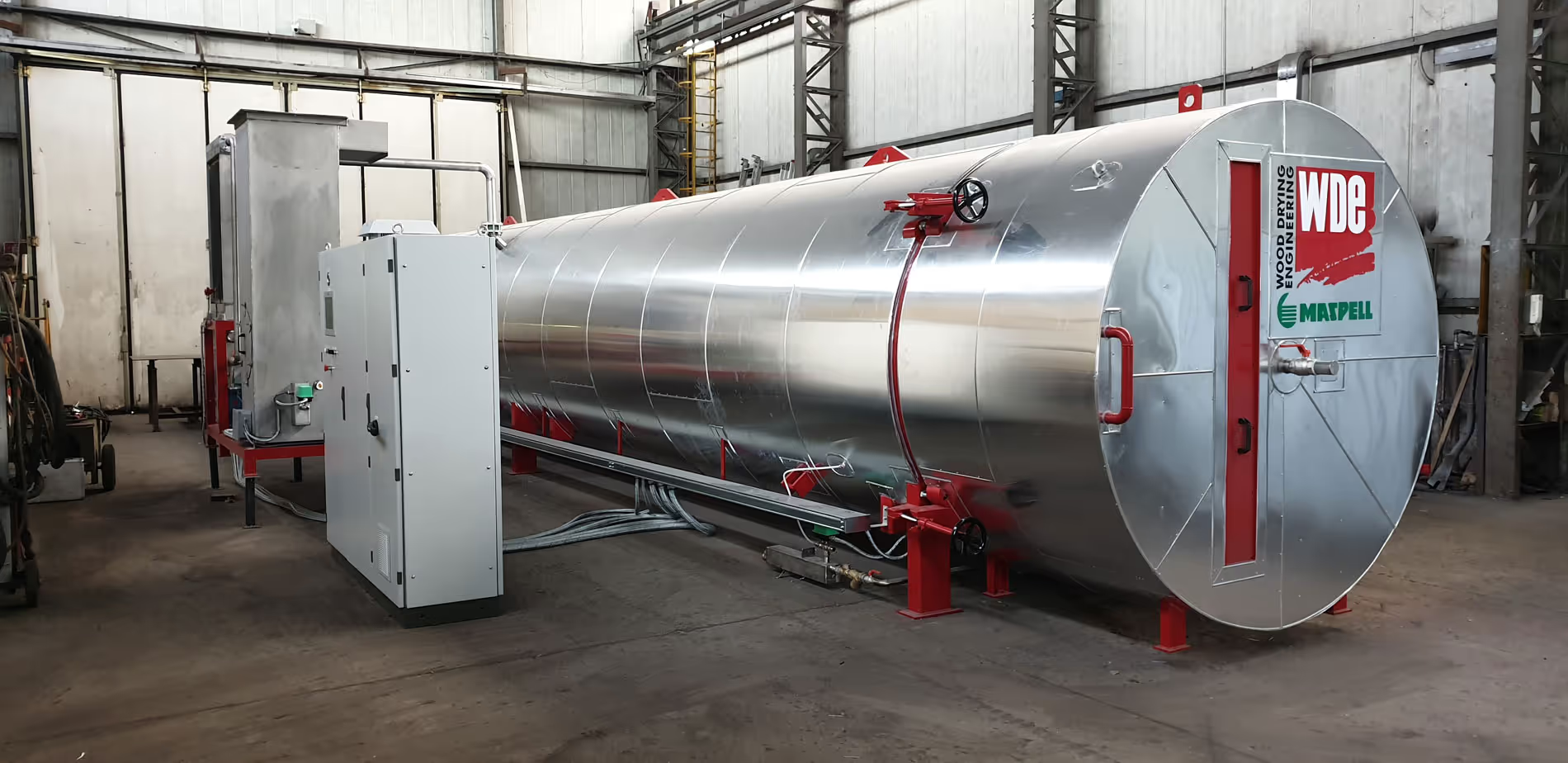 WDE Maspell Maspell LOLA 2.3 E 24 L 12000 Air-Circulation Kiln
 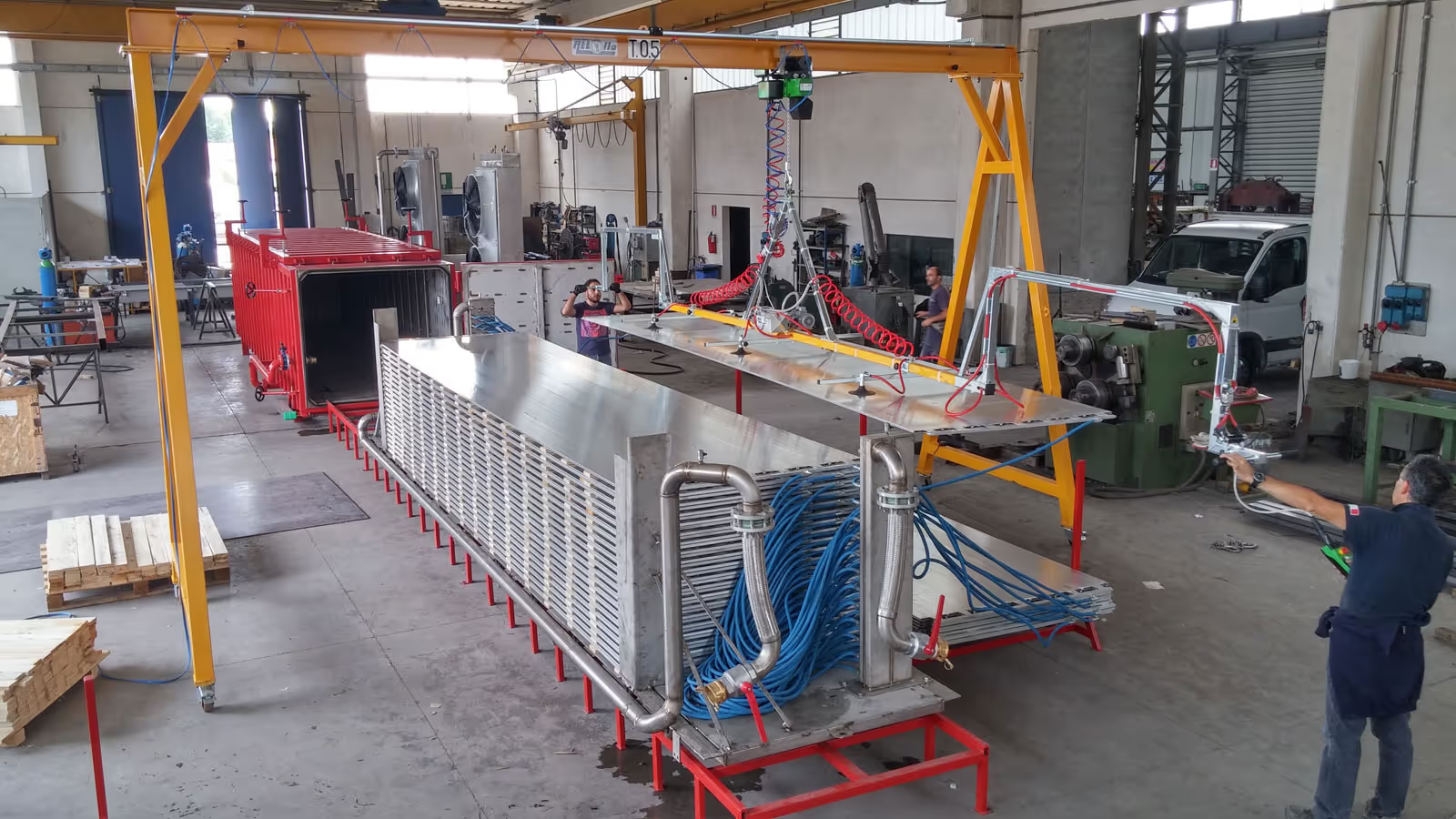 WDE Maspell Maspell PRESS XL 10 Vacuum Press Kiln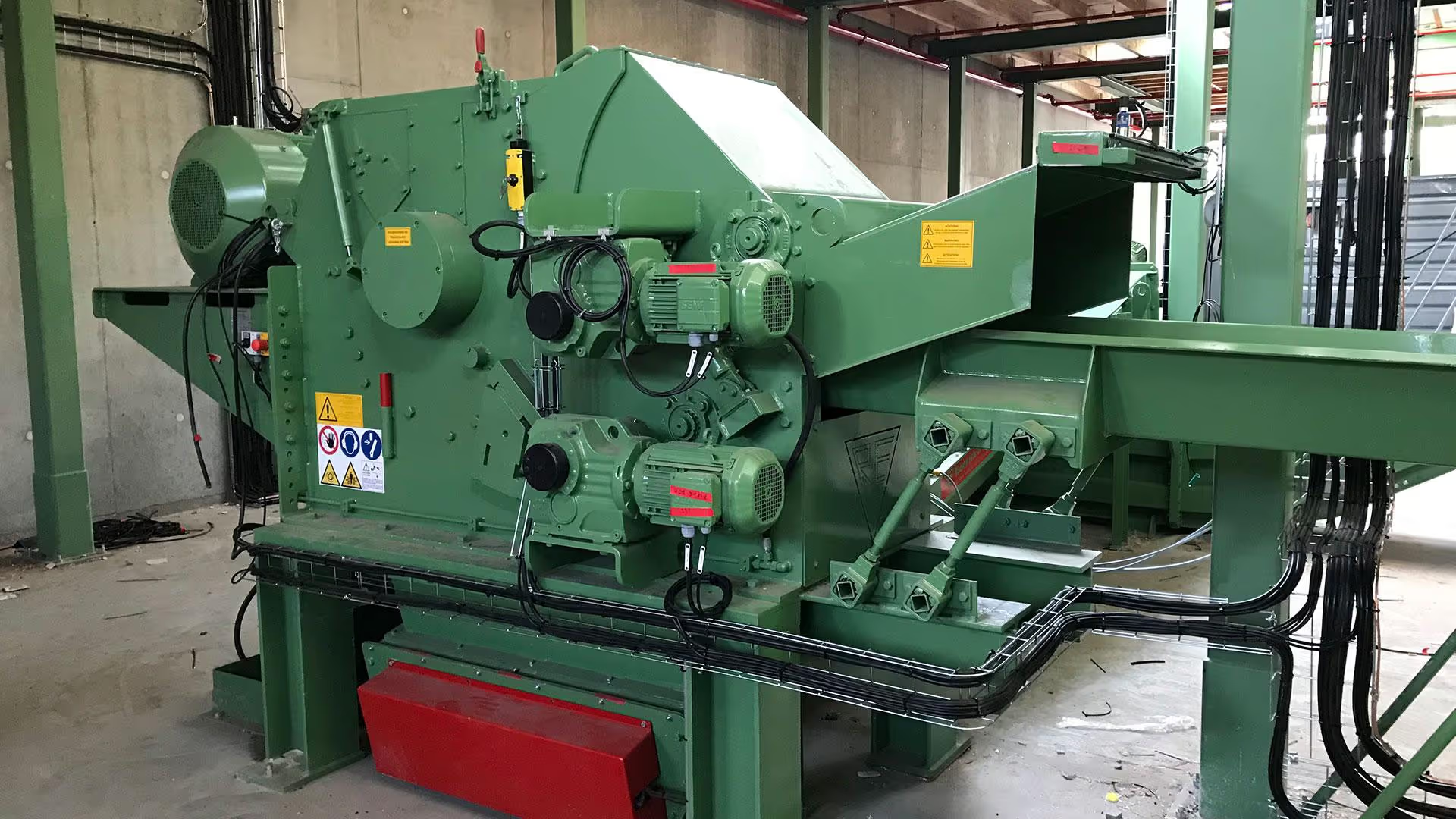
 Andre Technologies RUDNICK & ENNERS By-Product Processing
 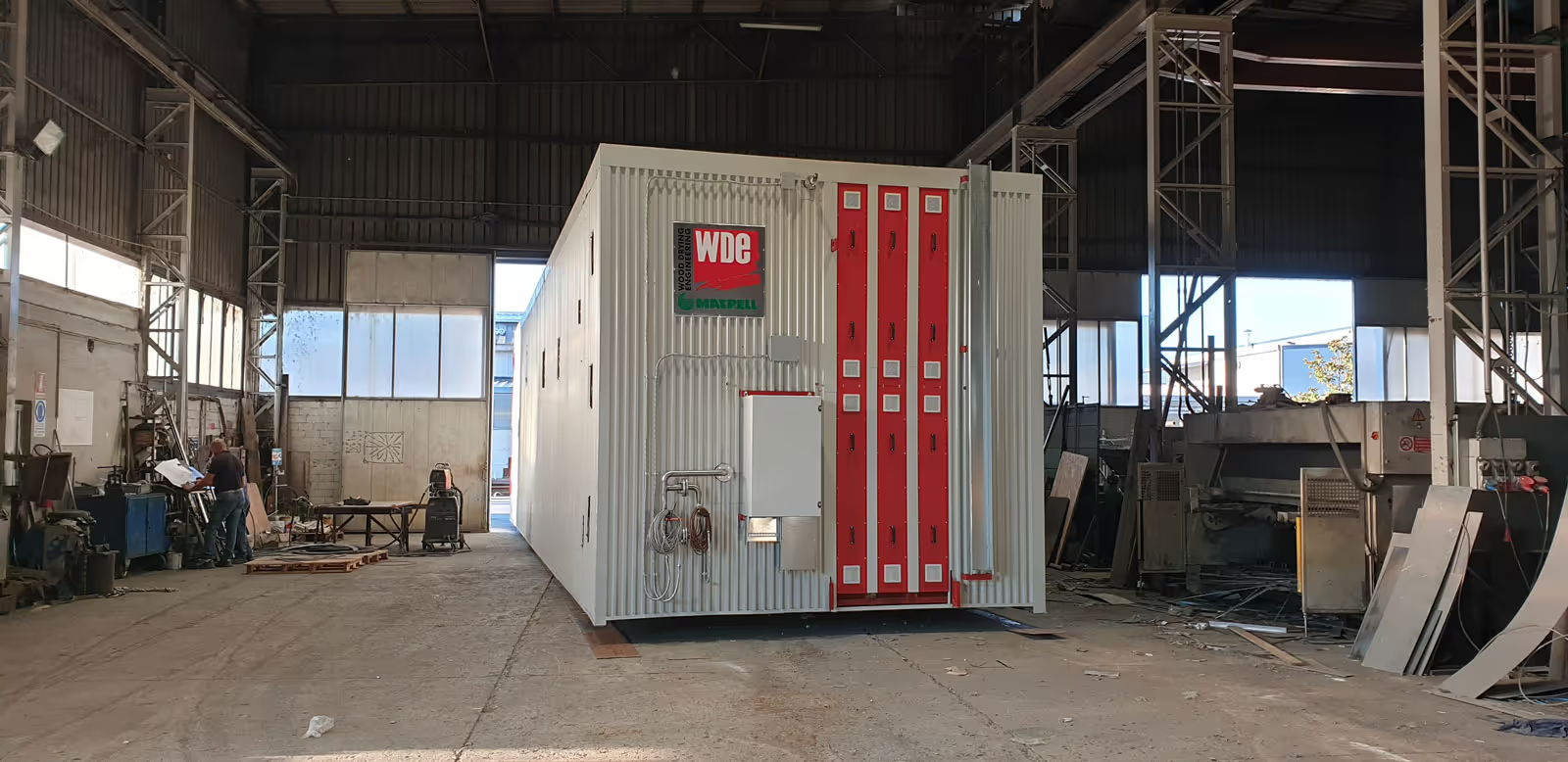 WDE Maspell Maspell TVS SQUARE E 70 L 15000 Thermo-Vacuum Kiln
 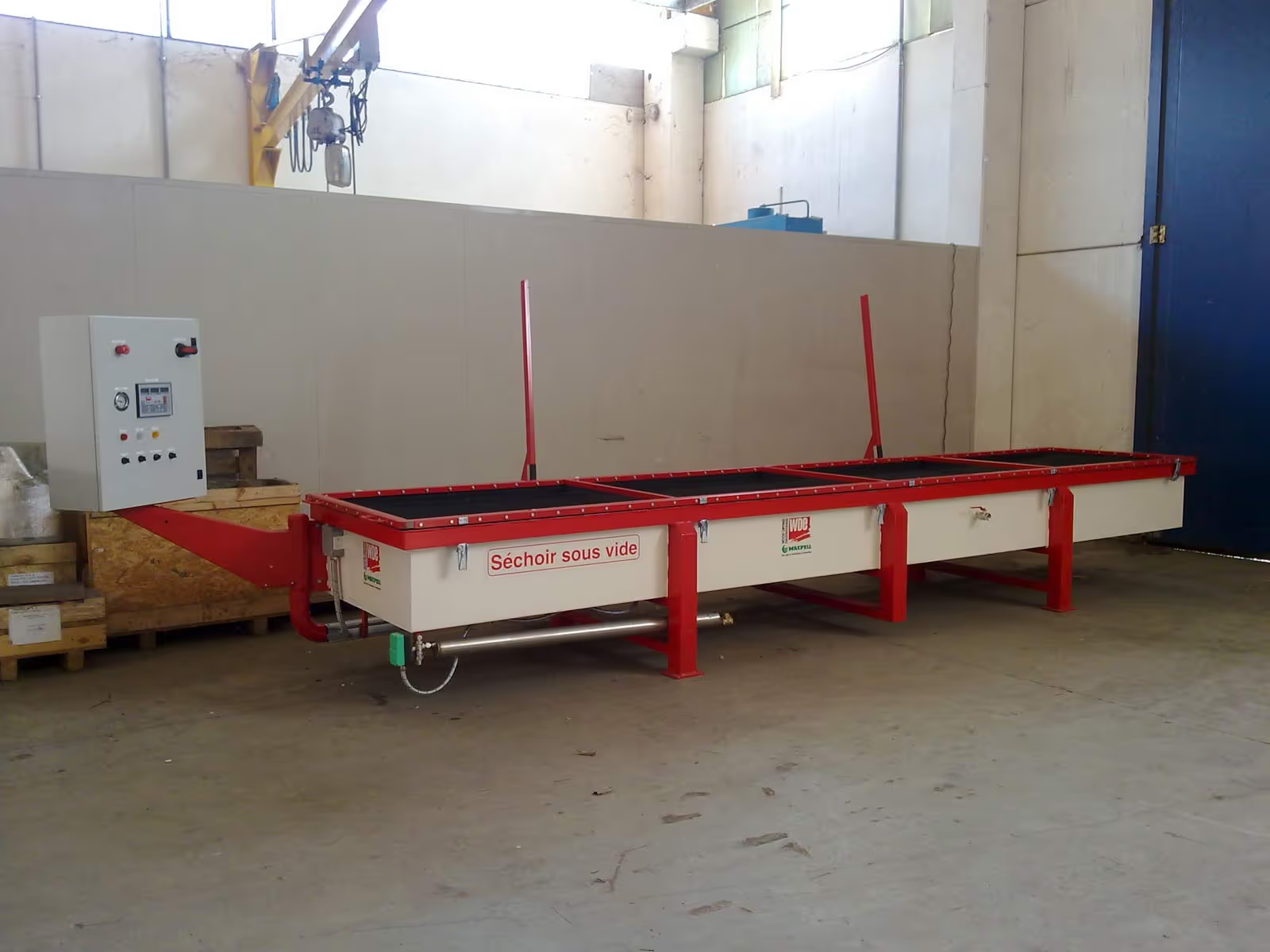 WDE Maspell Maspell PRESS M 1,6 Vacuum Press Kiln
 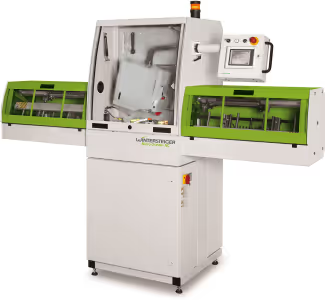 Wintersteiger WoodTech Blade sharpening machine Wintersteiger Micro Grinder NC
 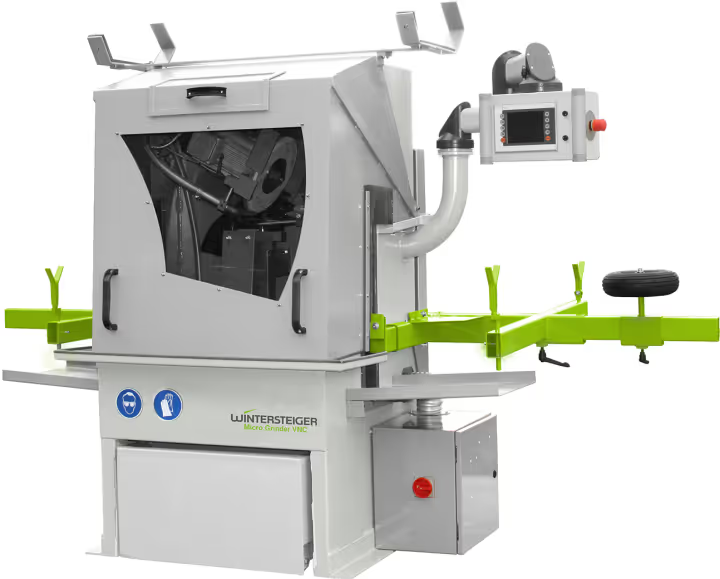 Wintersteiger WoodTech Band saw blade sharpening machine Wintersteiger Micro Grinder VNC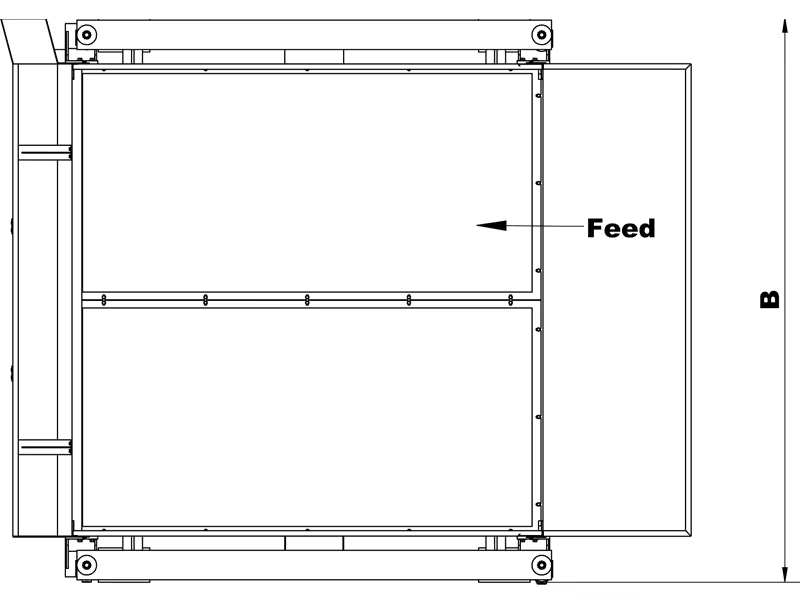
 Usnr Forano chip screen USNR
 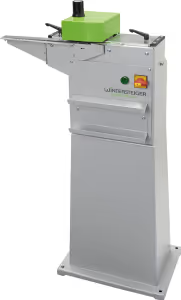 Wintersteiger WoodTech Wintersteiger Tension Master blade tensioning device
 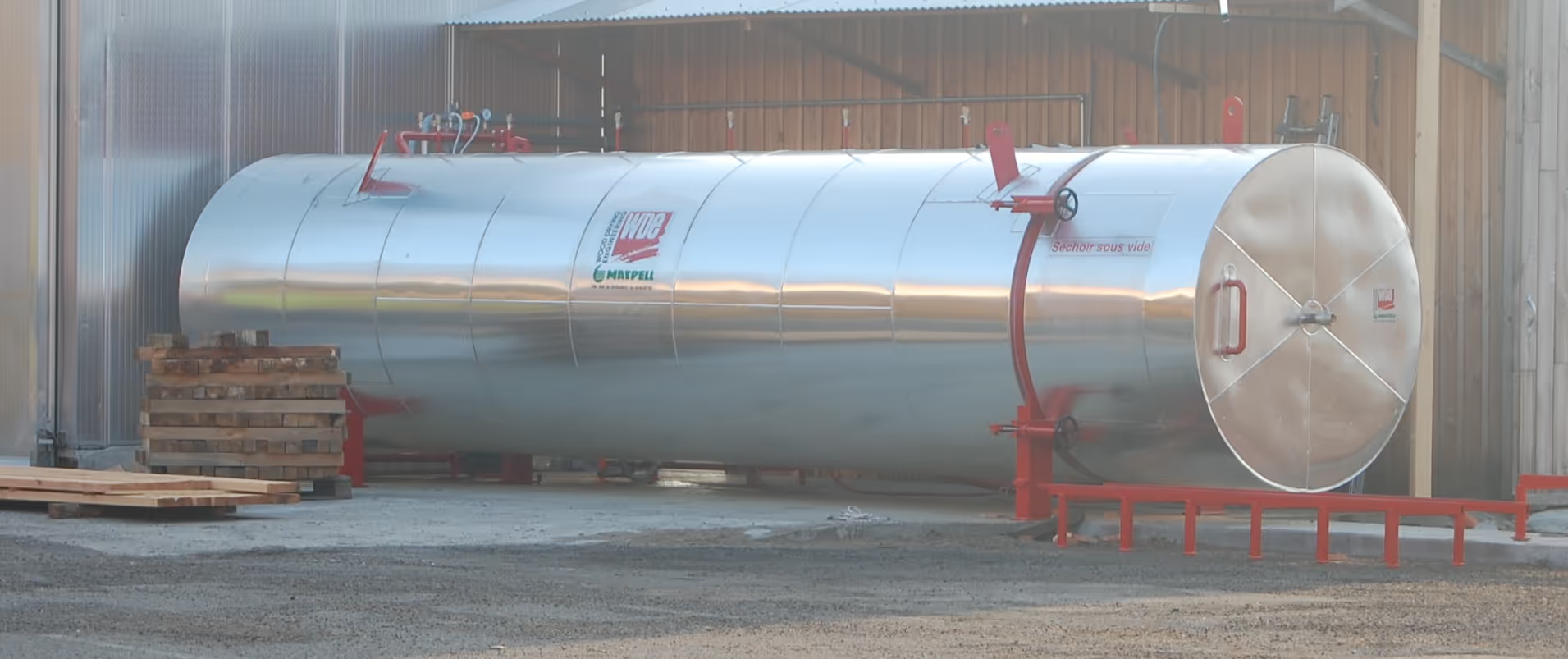 WDE Maspell Maspell ROLL 2.05 SC 14 L 10000 Air-Circulation Kiln
 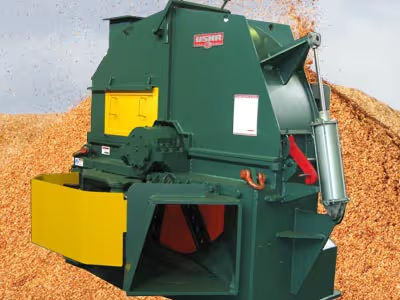 Usnr USNR Forano biomass disc chipper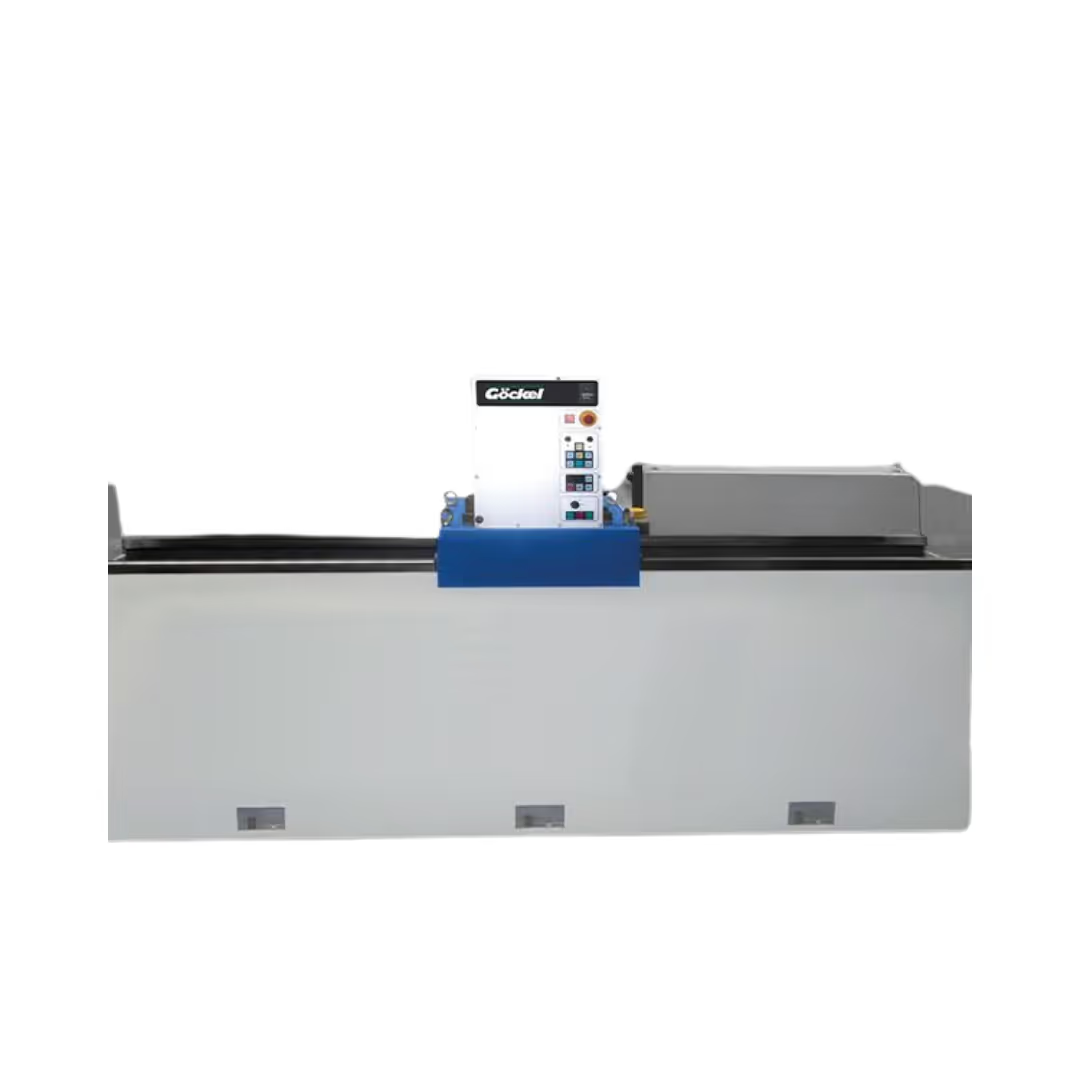
 Forézienne Göckel G50 straight knife grinding machine
 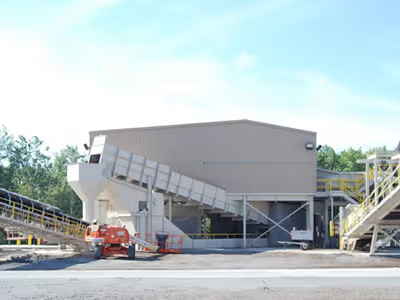 Usnr Chipper Discharge Conveyor USNR
 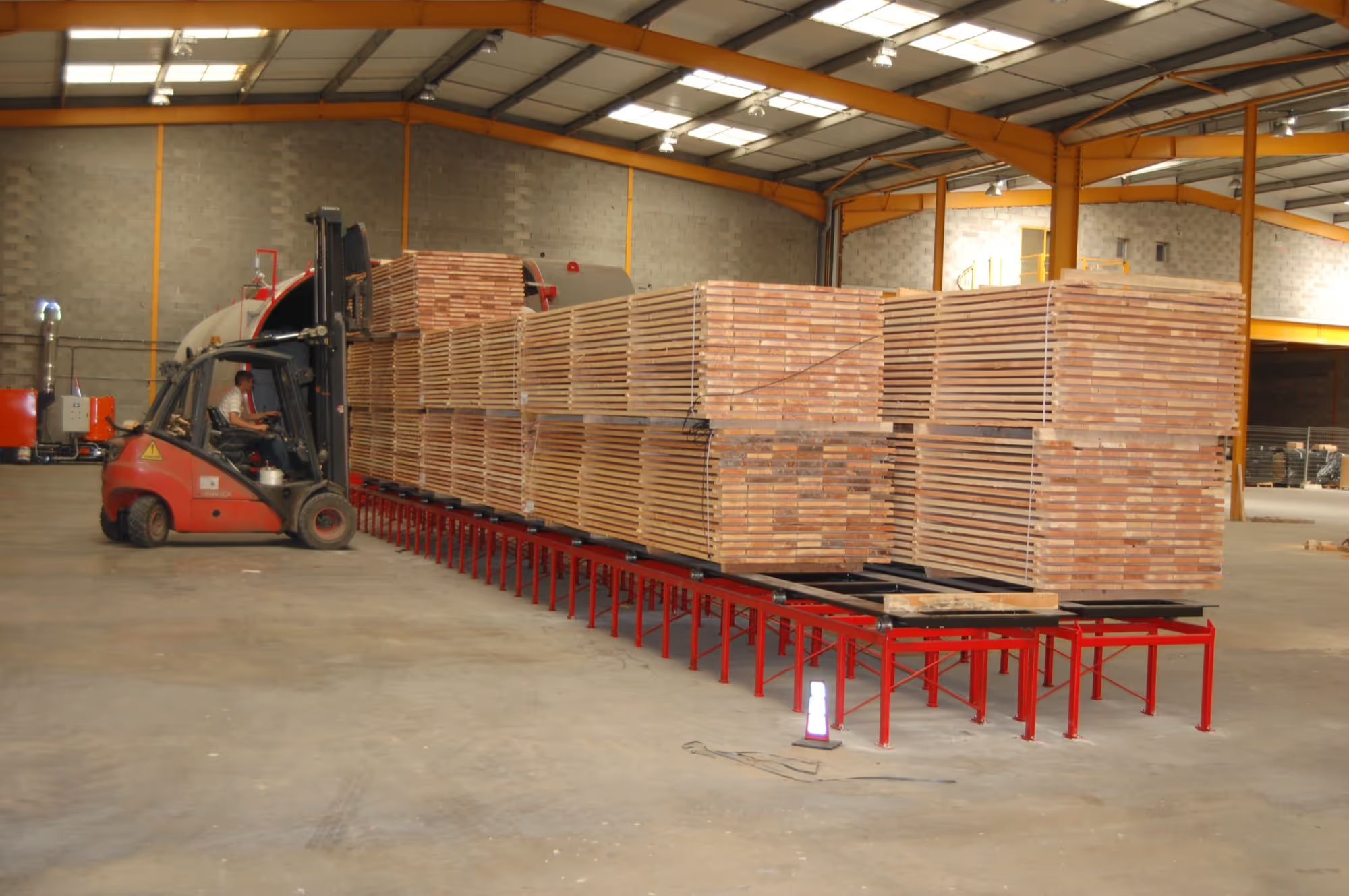 WDE Maspell Maspell MAGNUM 3.6 E 50 L 12200 Air-Circulation Kiln
 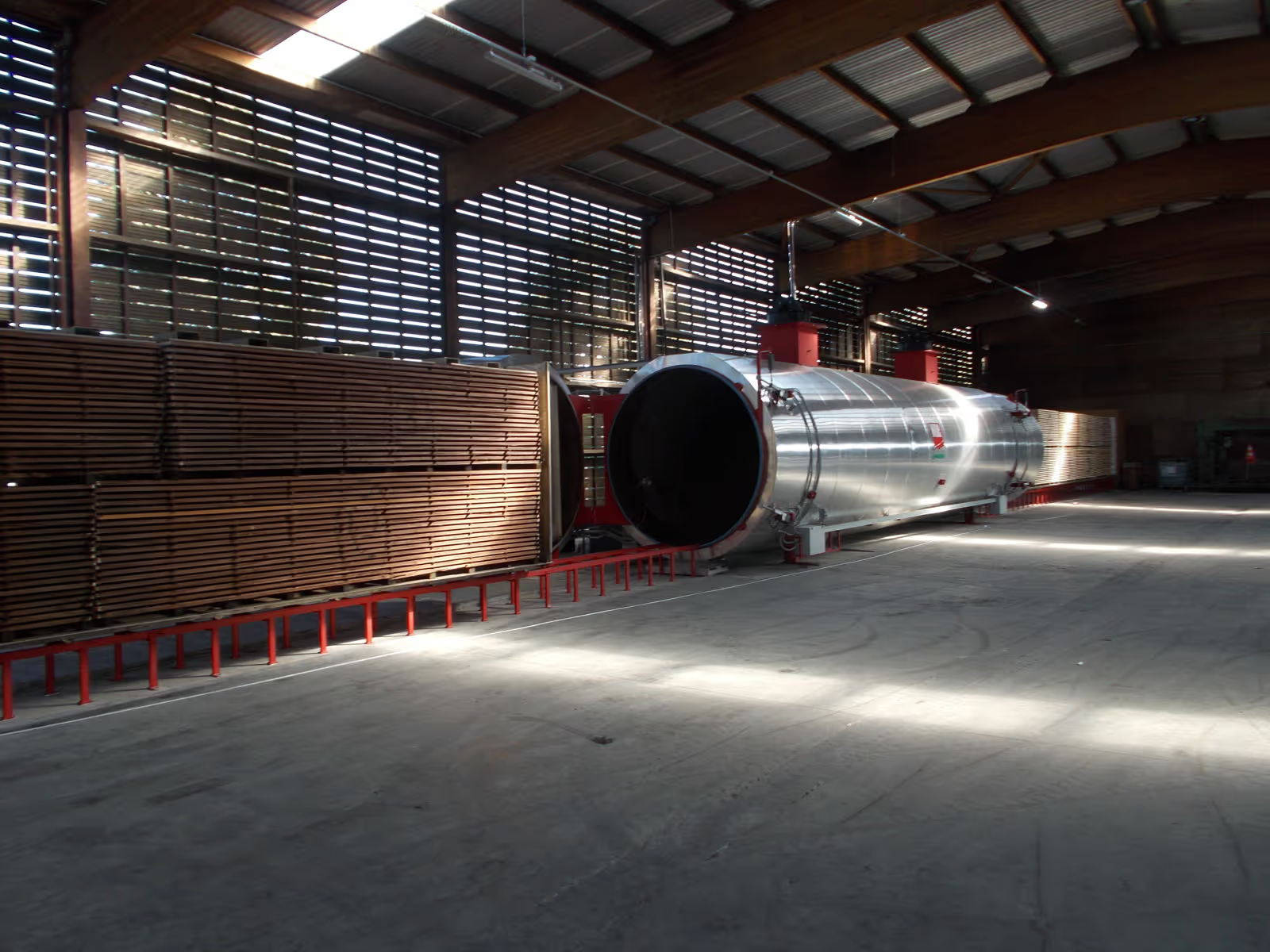 WDE Maspell Maspell TVS LOLA 2.5 E 23 L 12000 Thermo-Vacuum Kiln
  Usnr USNR whole-log chipper
  Usnr USNR 750E rotary log turner
 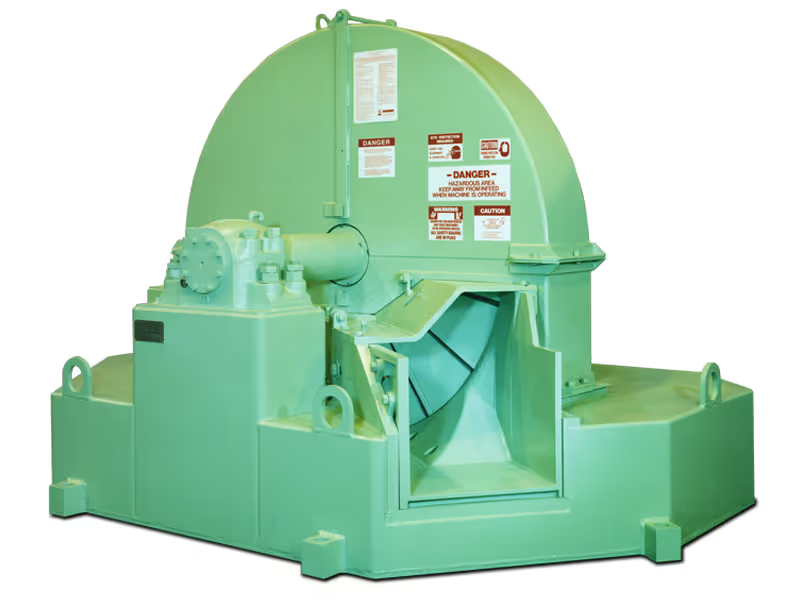 Usnr USNR “Norman” disc chipper
 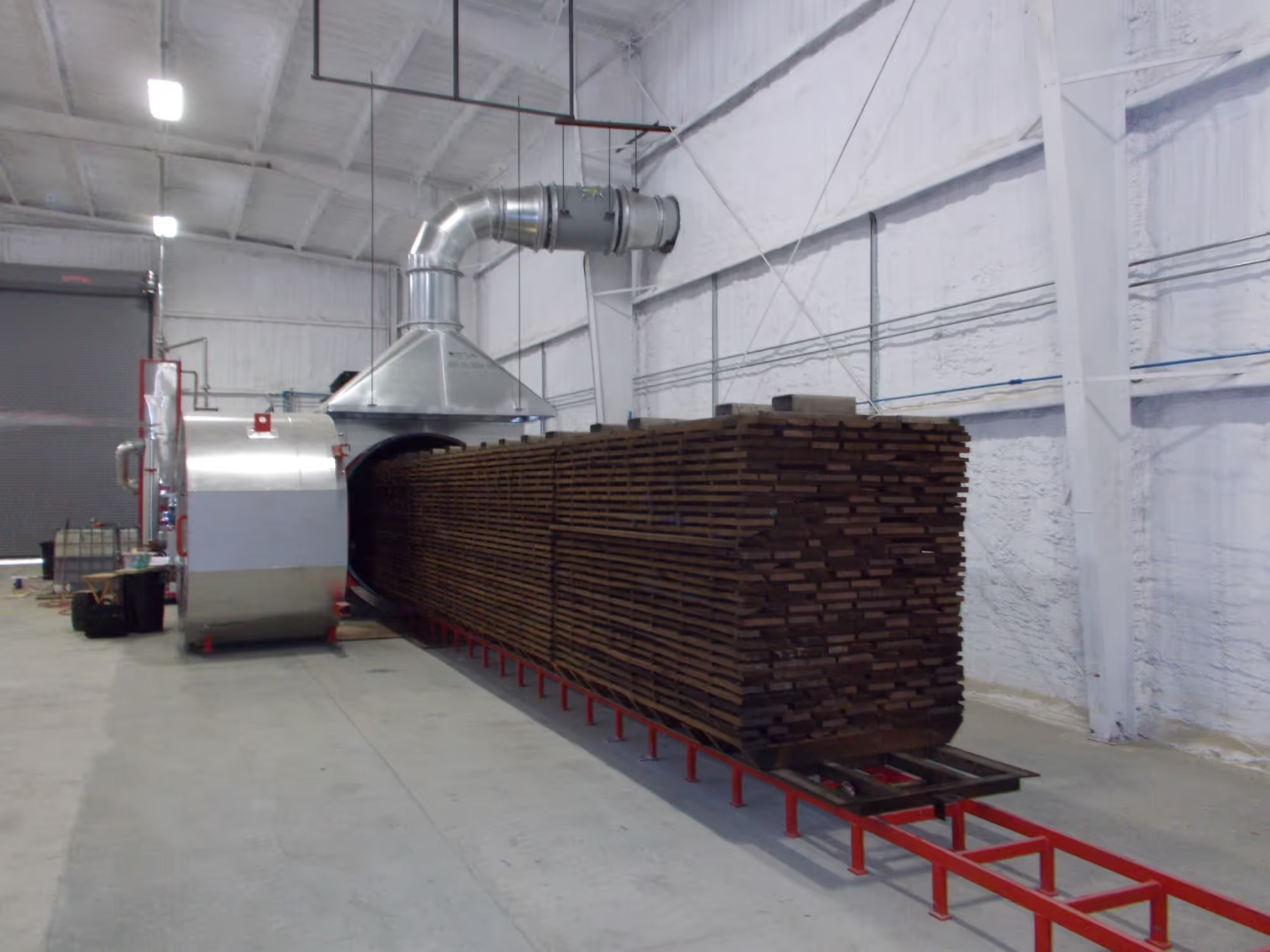 WDE Maspell Maspell TVS ROLL 2.05 E 15 L10000 Thermo-Vacuum Kiln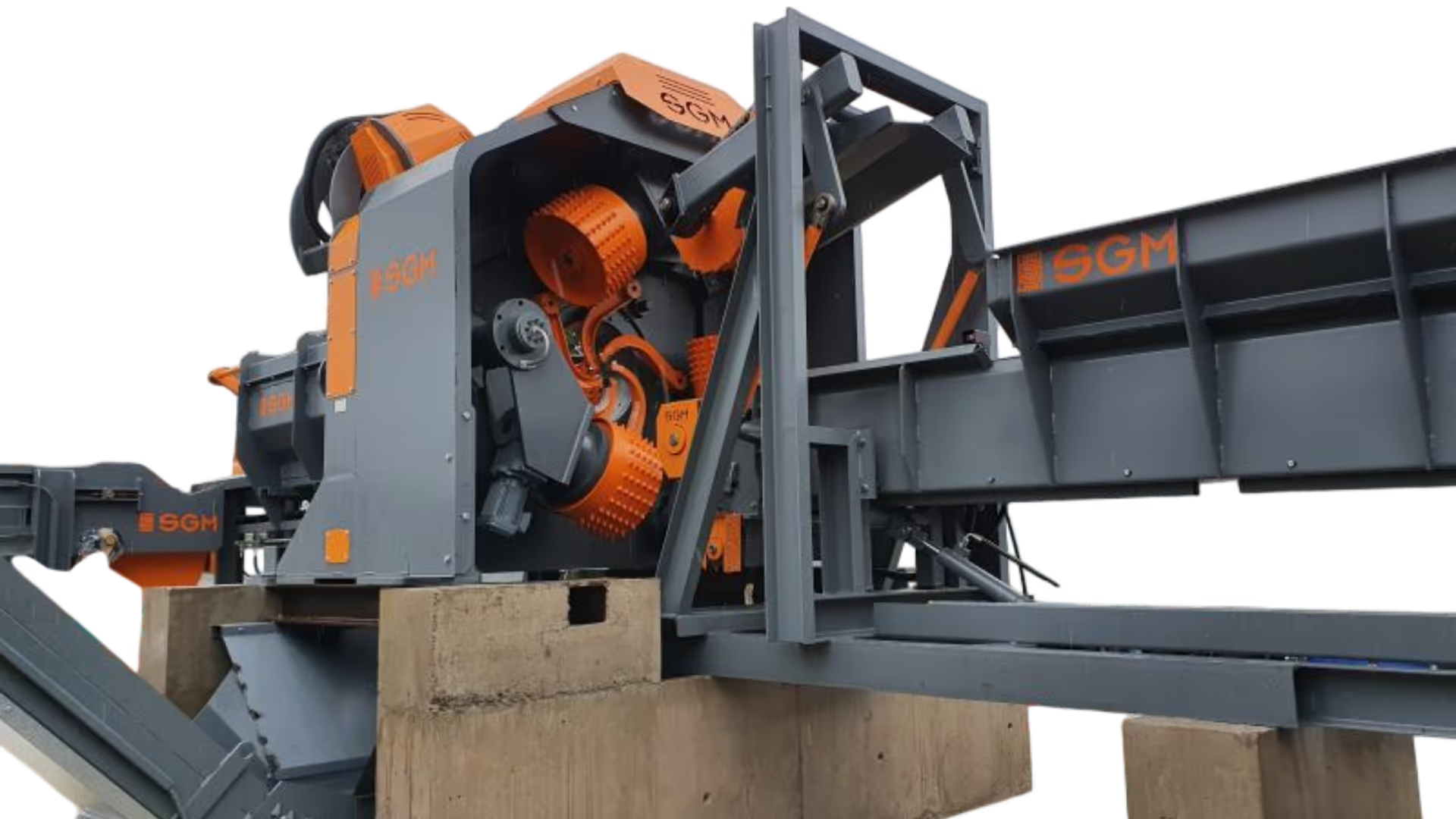
 SGM Industry Fixed-rotor ring debarker
 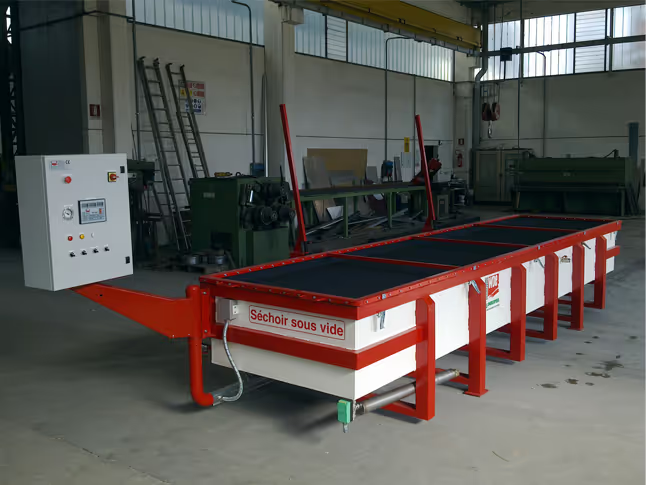 WDE Maspell Maspell PRESS L 3 Vacuum Press Kiln
 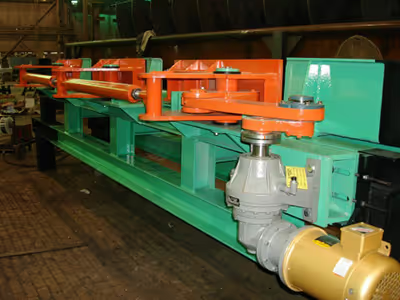 Usnr Electric Pinball Kicker USNR Usnr USNR “Norman” disc chipper for biomass
 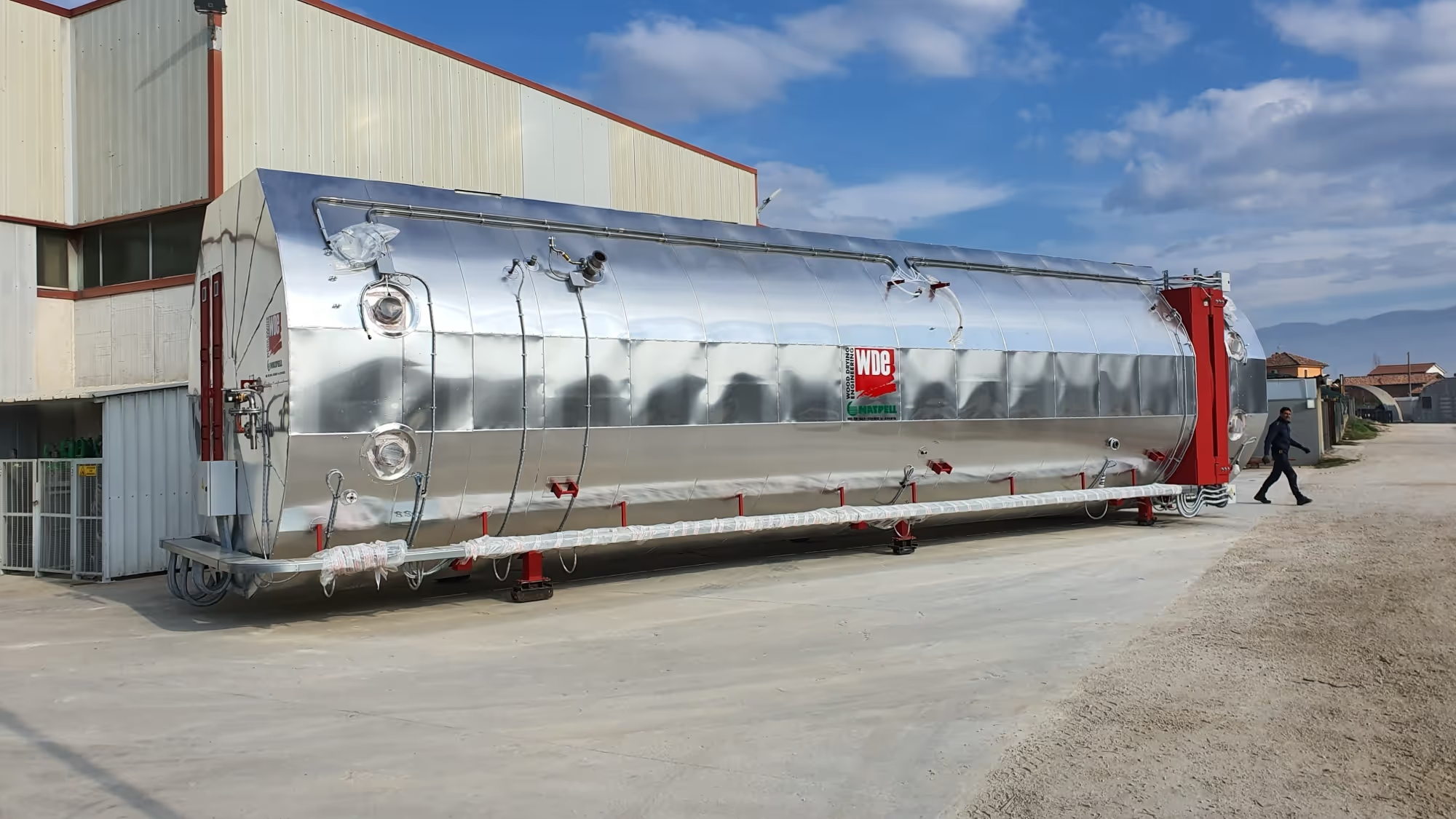 WDE Maspell Maspell TVS MAGNUM 3.6 E 50 L 12000 Thermo-Vacuum Kiln
 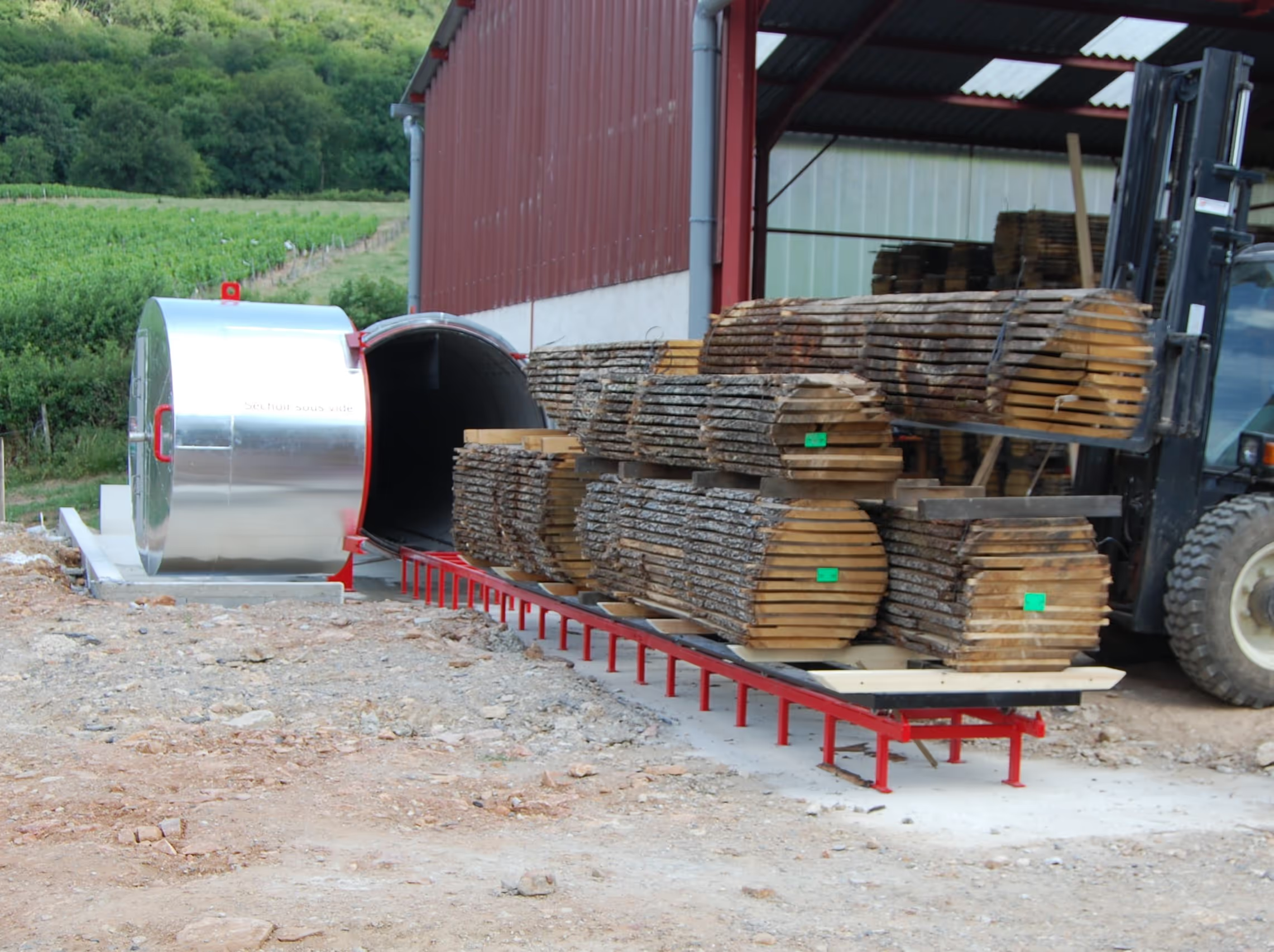 WDE Maspell Maspell ROLL 1.8 E 6 L 6000 Air-Circulation Kiln
  Usnr USNR log cranes biomass
 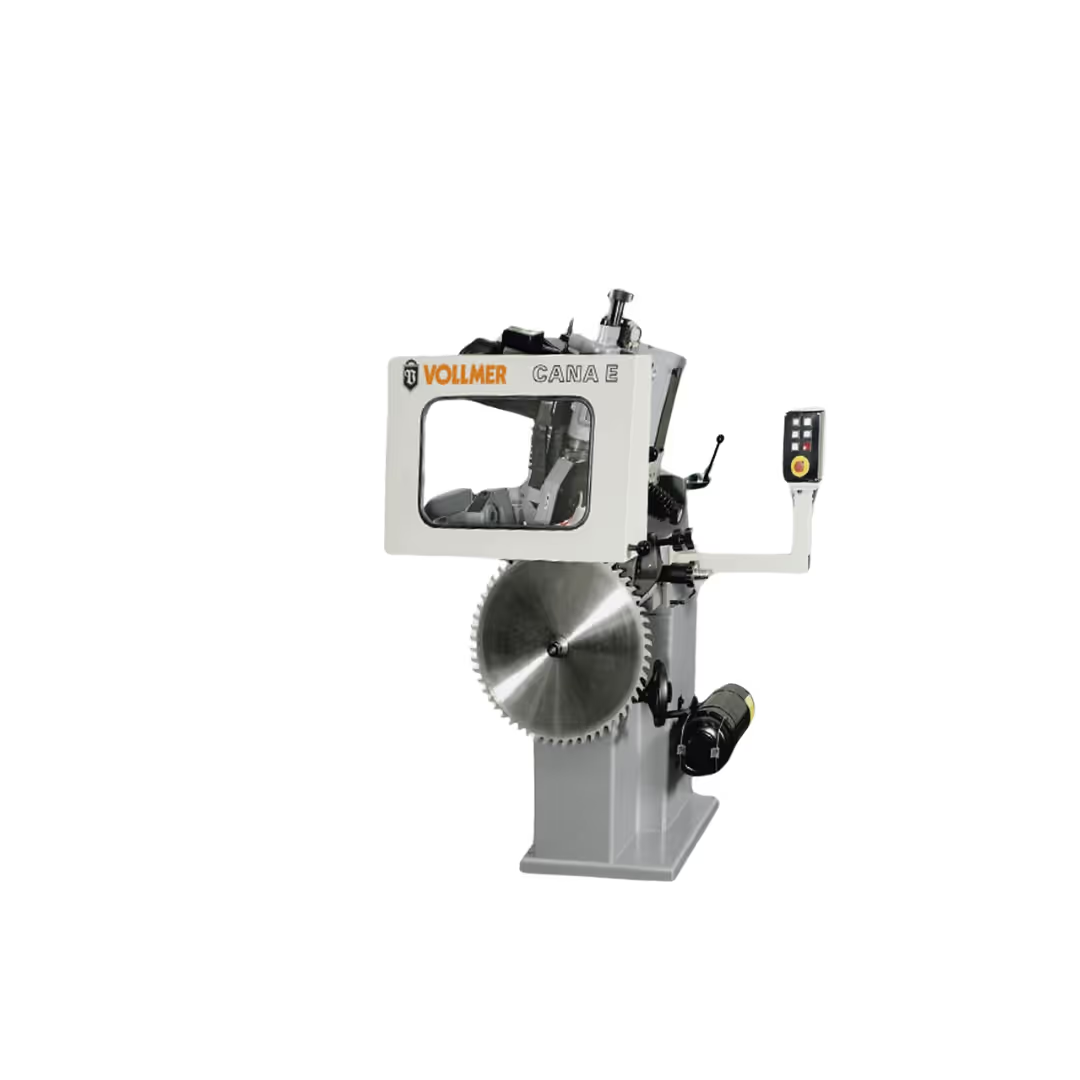 Forézienne CANA E circular saw blade grinding machine
 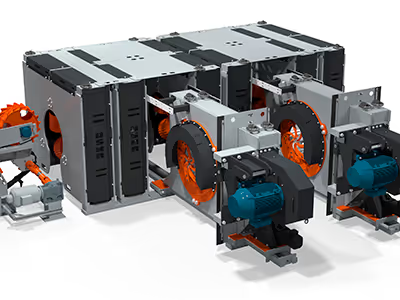 Usnr USNR CamShift modular debarker – sorting
 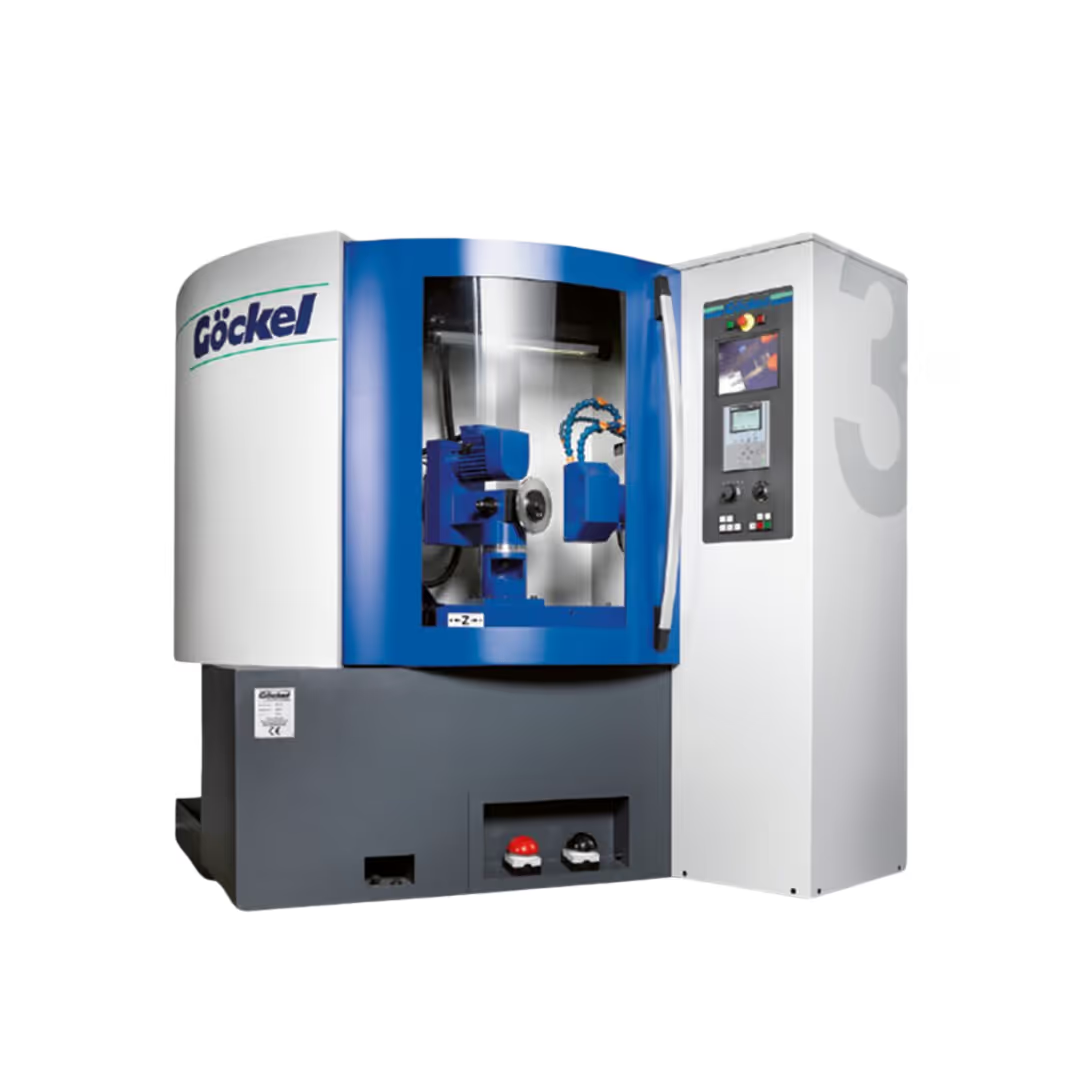 Forézienne Göckel RB3 circular knife grinding machine
 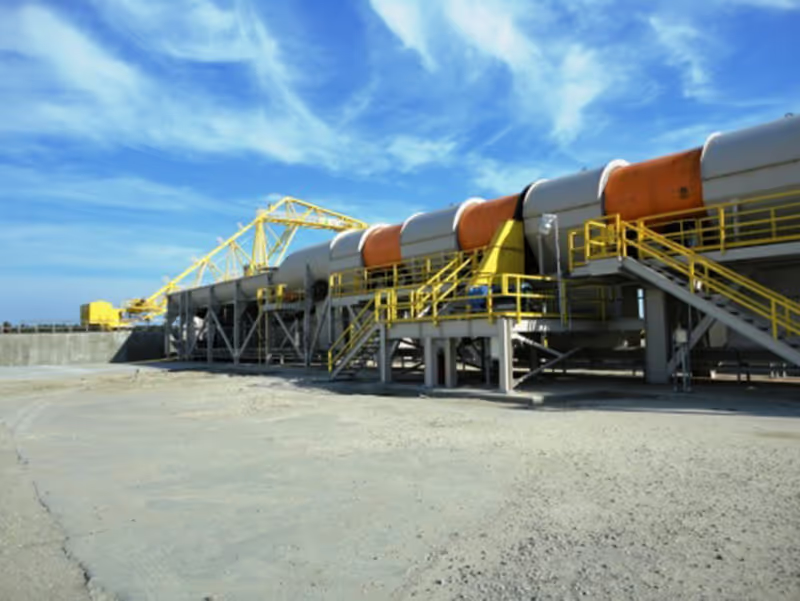 Usnr USNR drum debarker biomass
 42 of 221 products
Discover sawmill machinery to equip every station in your sawmill, from log intake to timber drying.
Primary wood processing covers every operation that turns a log (a felled, delimbed trunk) into sawn timber: log intake, debarking, sawing, drying and the recovery of by-products. These operations take place in a sawmill, before any finishing machining.
Secondary processing then takes over, turning this sawn timber into finished products (joinery, structural timber, flooring, furniture) with woodworking machinery.
This equipment is mainly intended for sawmills, forestry contractors, timber merchants with their own sawing operation and wood energy producers.
A sawmill is organised as a continuous flow, from log delivery to the dispatch of dry sawn timber. Each stage uses its own family of machines, and their capacities must be matched from one station to the next to avoid bottlenecks.
The log yard is where roundwood is received, stored and prepared. Timber cranes, conveyors, crosscut carriages and gantries handle the logs. Log scanners and measuring systems record the diameter and length of each log to calculate its volume and guide sorting before sawing.
A debarker removes the bark from the log before sawing. This protects the saw blades from stones and grit trapped in the bark, and yields cleaner, more valuable by-products (sawmill residues). The rotary ring debarker, the most common type, processes logs continuously with tools mounted on a rotating ring. The choice of model depends on log diameter, species, and the target throughput.
A sawing line breaks the log down into boards, unedged boards, rafters or beams. It is built around a headrig (the first machine to open the log), either a bandsaw or a circular saw. The chipper canter machines the faces of the log, turning the slabs directly into chips. The edger then removes the wane (the rounded part along the edges), while the resaw splits pieces into thinner sections. Complete lines automate all of these stations.
A drying kiln lowers the moisture content of sawn timber to the level required for its end use. Construction timber is generally supplied below 20% moisture content, and timber for interior joinery well below that.
The conventional convection kiln (forced hot air) remains the most common solution. Vacuum kilns dry faster at a lower temperature, which suits sensitive hardwoods and large sections. Pre-dryers condition batches before final drying. Heat treatment chambers bring timber to high temperatures to improve its stability and durability.
A wood chipper turns slabs, edgings and offcuts into wood chips. These chips fuel biomass boilers, sometimes including the one that heats the sawmill's own kilns. They can also be sold to panel mills or paper mills.
Tool sharpening and maintenance have a direct impact on sawing quality and timber recovery. A blunt blade overheats, wanders and produces uneven cuts. Grinders for bandsaw blades, circular saw blades and knives recondition tools in the saw doctor's shop. Levelling and tensioning machines restore the tension bandsaw blades need to cut straight.
The right equipment is the one that matches the volume, species, and organization of your sawmill. Five criteria help you compare offers and prepare an accurate quote request.
Annual sawn volume and log diameter determine machine size and throughput. The maximum log diameter a debarker or headrig can take must cover the largest logs you receive. An oversized line raises capital costs; an undersized one causes downtime and caps production.
The species you process guide the choice of sawing and drying technologies. Softwood sawmills (fir, spruce, Douglas fir) often run large volumes on highly automated lines. Hardwood sawmills (oak, beech) favour more selective sawing and slower drying, suited to timber that is more prone to checking.
Automation increases throughput and timber recovery, at the cost of a higher investment. PLC-controlled machines (programmable logic controllers) link operations without manual intervention. Scanning and optimisation systems calculate the best cutting pattern for each log.
The energy source has a major impact on a kiln’s running costs. Models run on electricity, hot water, gas or biomass. A sawmill that produces its own residues can use them to fuel a biomass boiler and cut its energy bill.
Sawmill machinery runs for years and needs regular technical support. Before signing, check spare parts availability, call-out times and whether service engineers are based in France. This criterion is even more important for equipment imported from outside Europe.
On WoodPartners, find the equipment for every stage of primary processing, from log intake to drying and the recovery of residues.
The catalogue includes solutions offered by WDE Maspell, USNR, André Technologies, BZH, VBI Bois, Termolegno, Wintersteiger and Forézienne.
Use the filters to compare machines by type, capacity, energy source, level of automation or manufacturer location, then contact the suppliers that match your project directly.