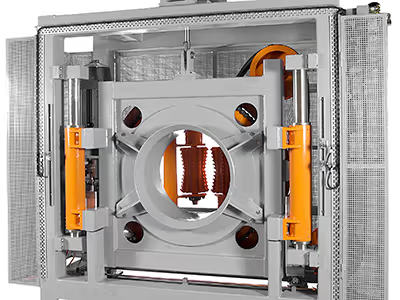
 Usnr USNR 750E rotary log turner
The log yard brings together the equipment used to receive, sort and prepare roundwood before processing, keeping the whole sawmill continuously supplied. Compare models from the manufacturers listed on WoodPartners.
Usnr USNR 750E rotary log turner 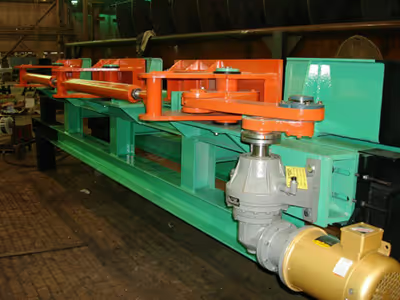 Usnr Electric Pinball Kicker USNR
  Usnr USNR log cranes biomass
 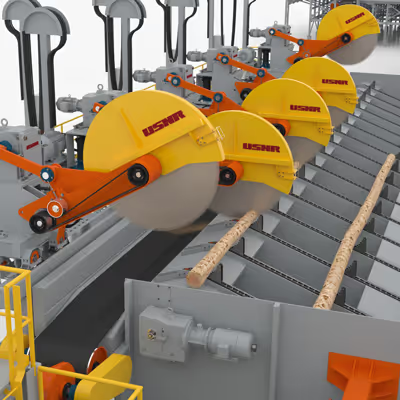 Usnr USNR log sorter
 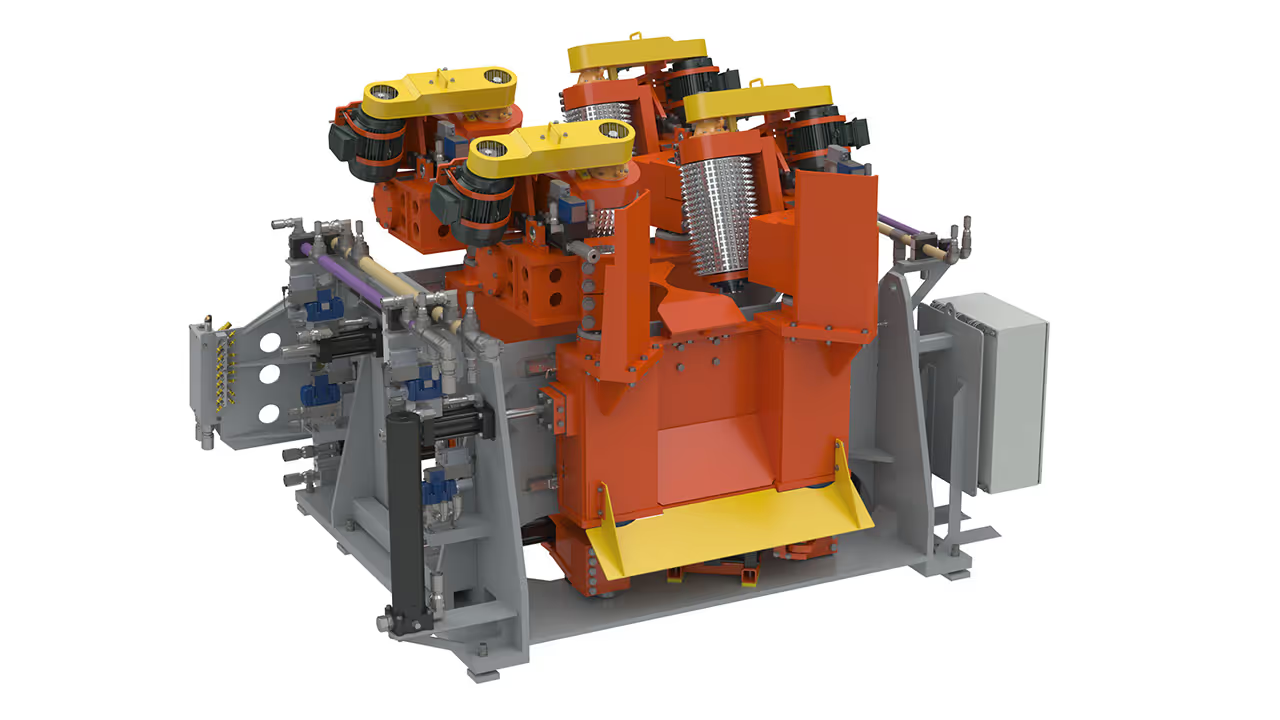 Usnr USNR Sidewinder log turner
  Usnr USNR Log and Stem Singulators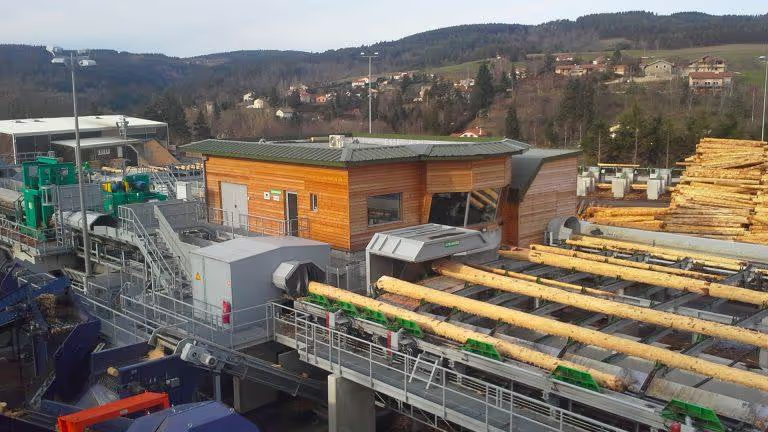
 Andre Technologies Long-Length Log Yard
 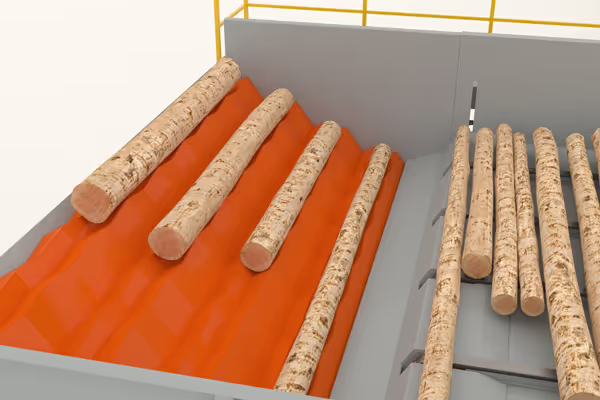 Usnr USNR Pinnacle log infeed
 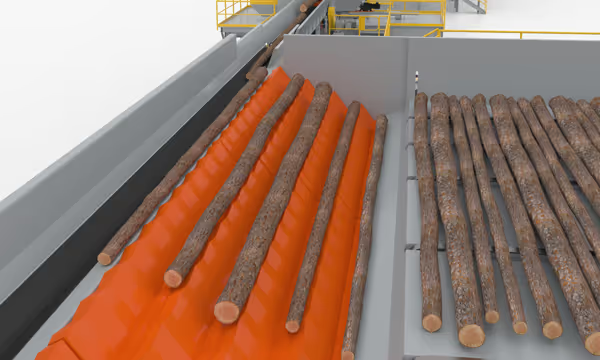 Usnr Sawn timber infeed device
 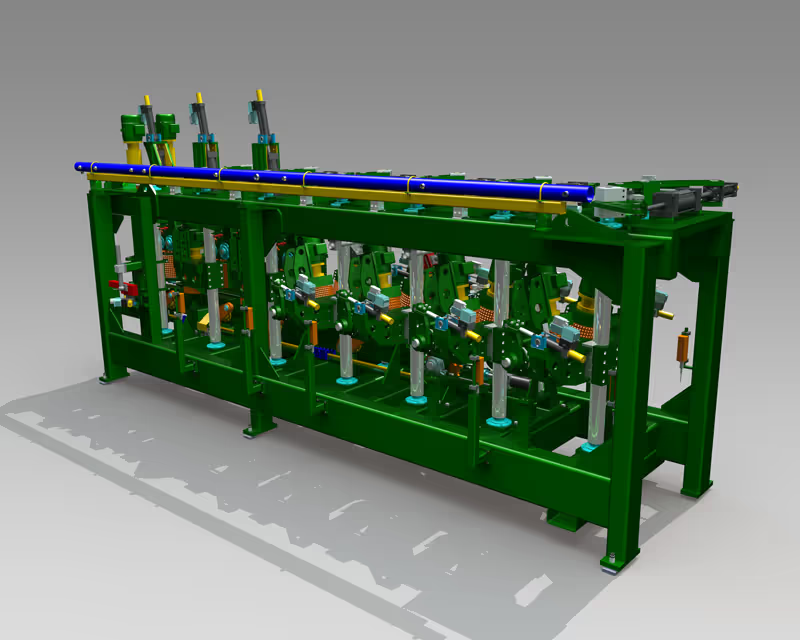 Usnr “KTI” – Log turner infeed
 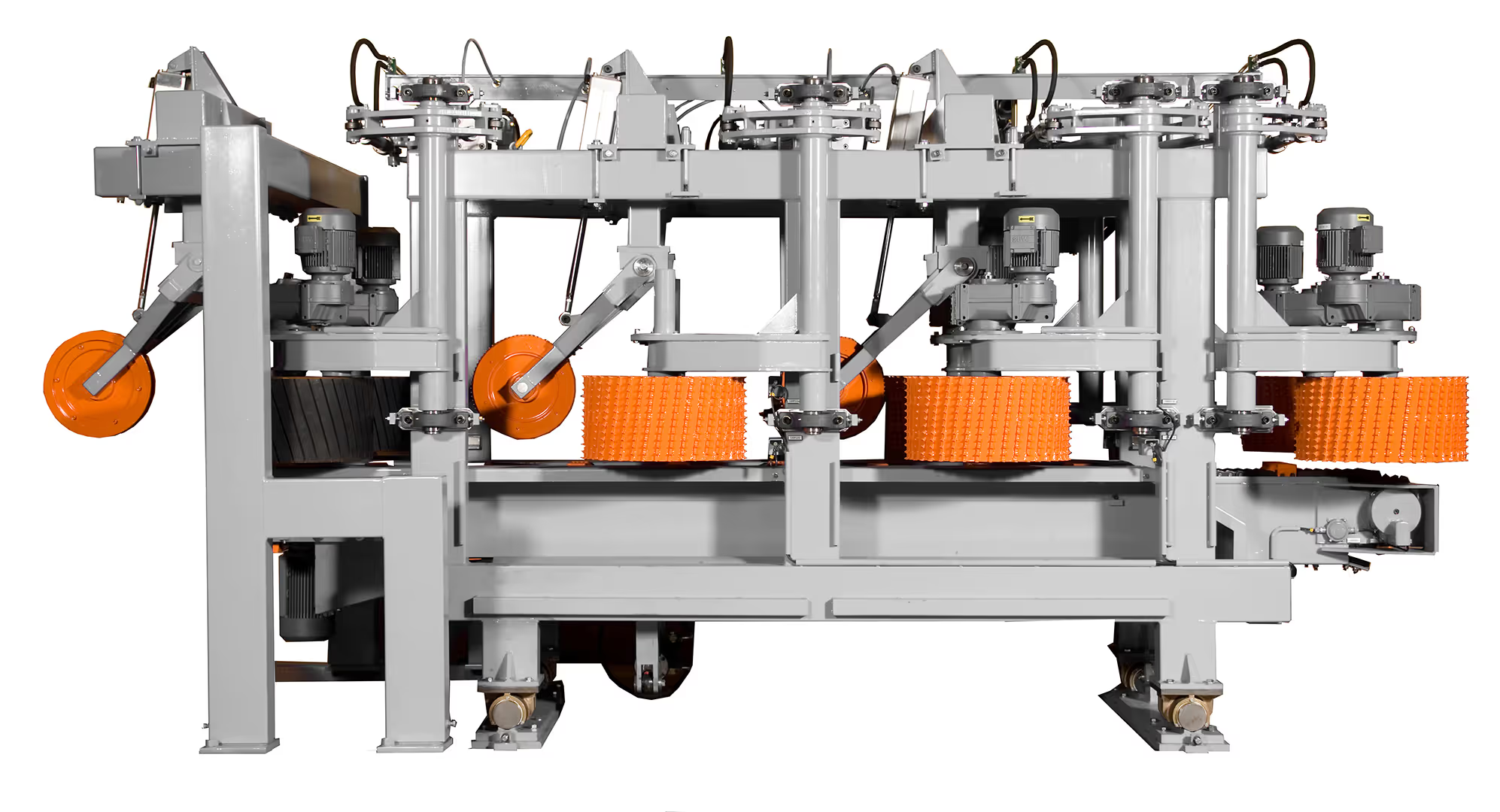 Usnr USNR LogPos S4 infeed
 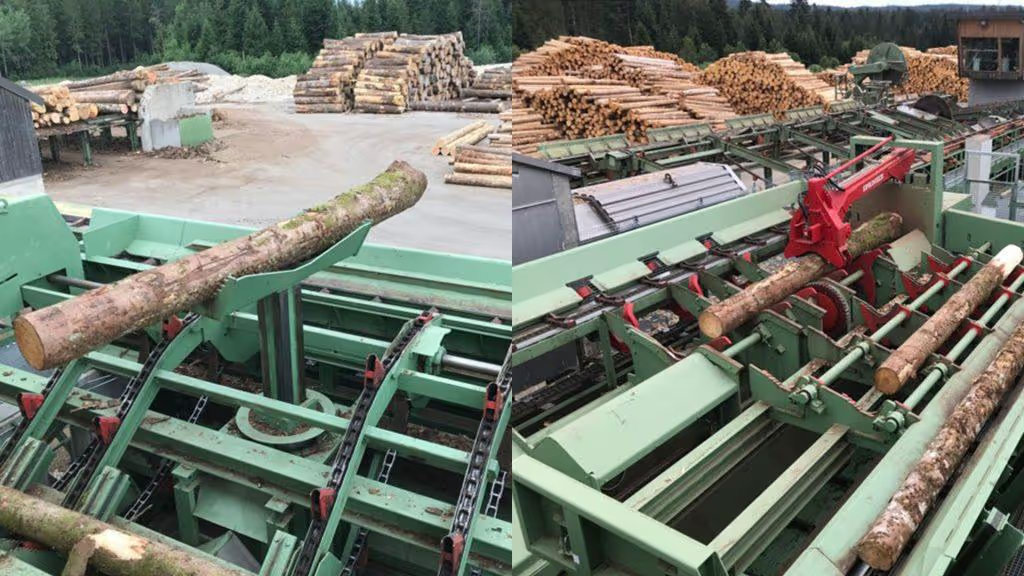 Andre Technologies SPRINGER SCREW INFEED Short Log Yard
 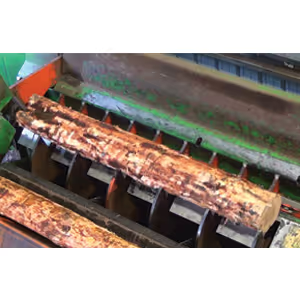 Usnr USNR integrated log loader
 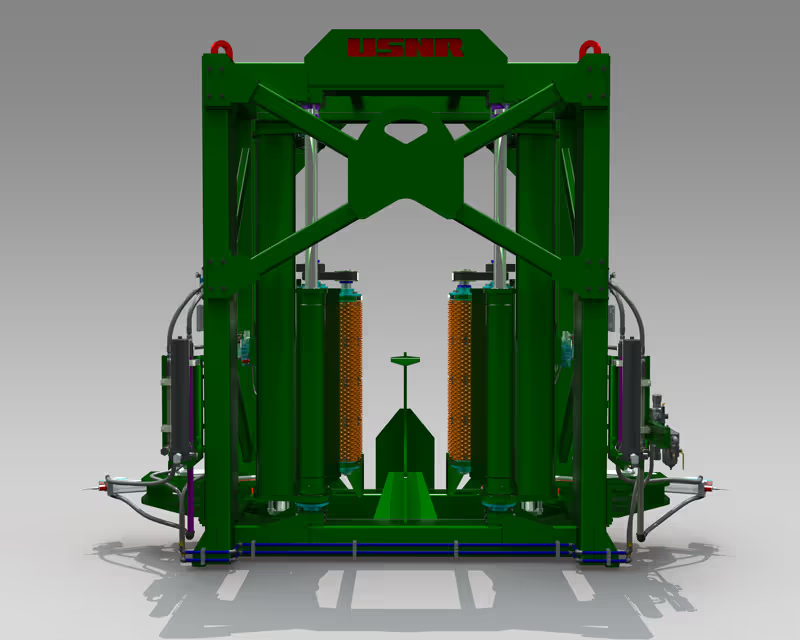 Usnr USNR 2-roll and 4-roll log turners
 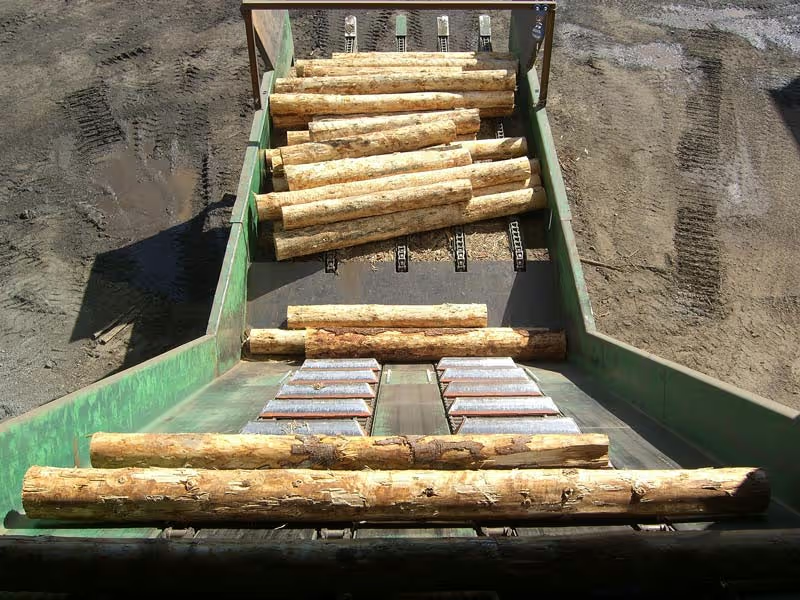 Usnr USNR log arm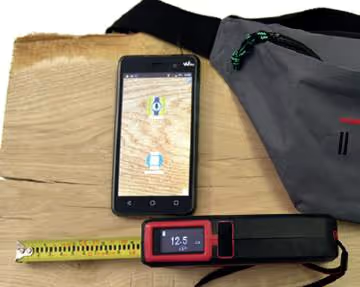
 VBI bois Log scaling — VBI – IL CUBATORE
 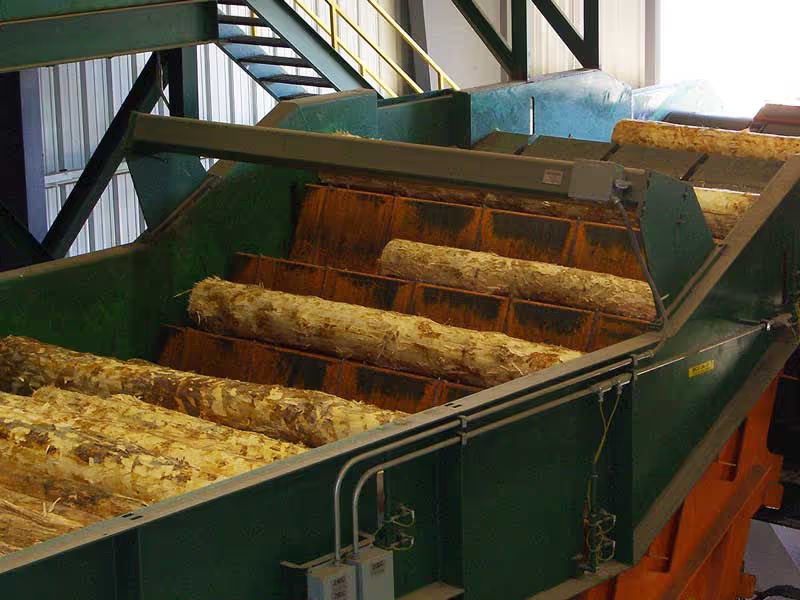 Usnr USNR step feeder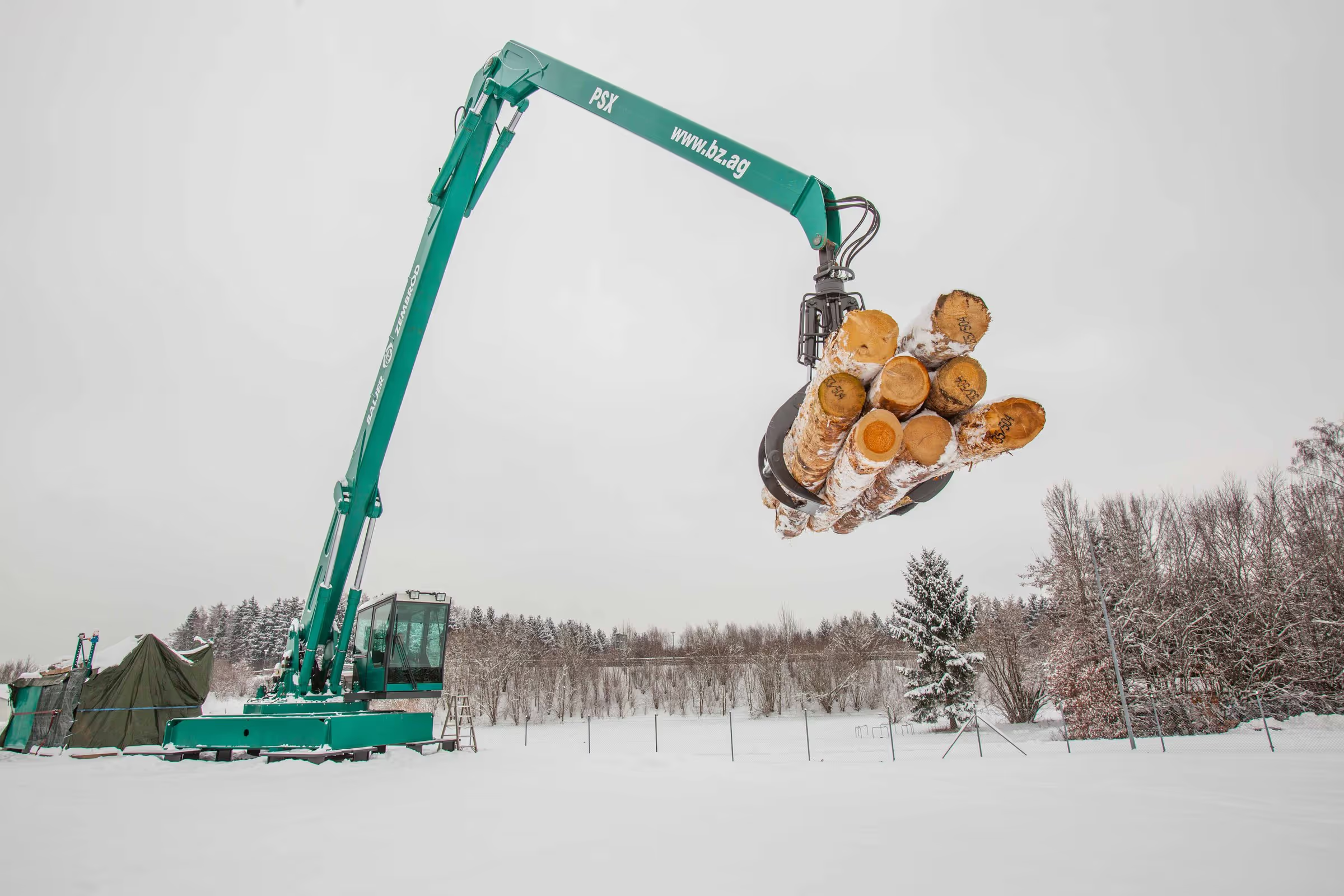
 BZH Sarl Baljer & Zembrod stationary timber crane
 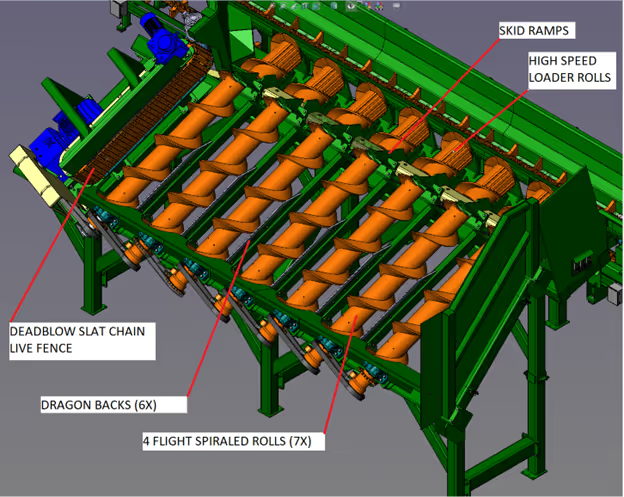 Usnr Helix Log Feeder USNR
 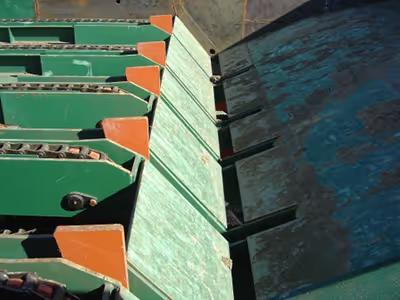 Usnr Rotary Log Pusher USNR
 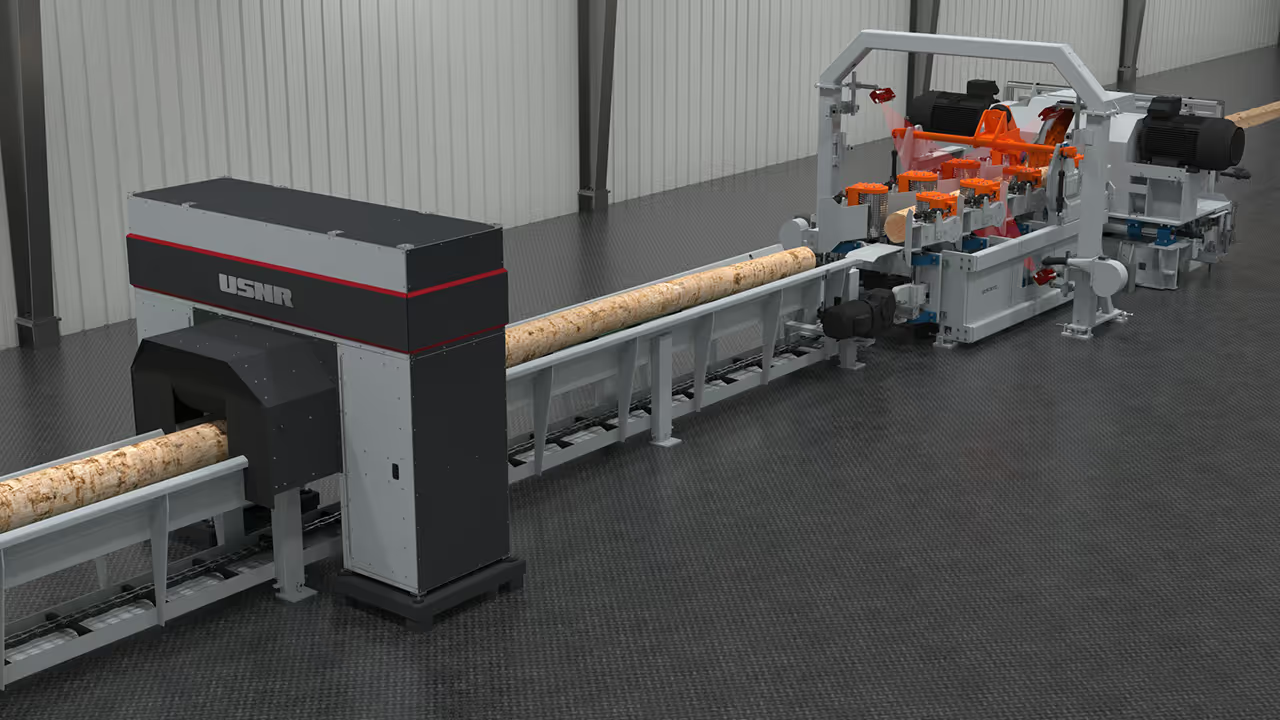 Usnr Log turning and positioning device
 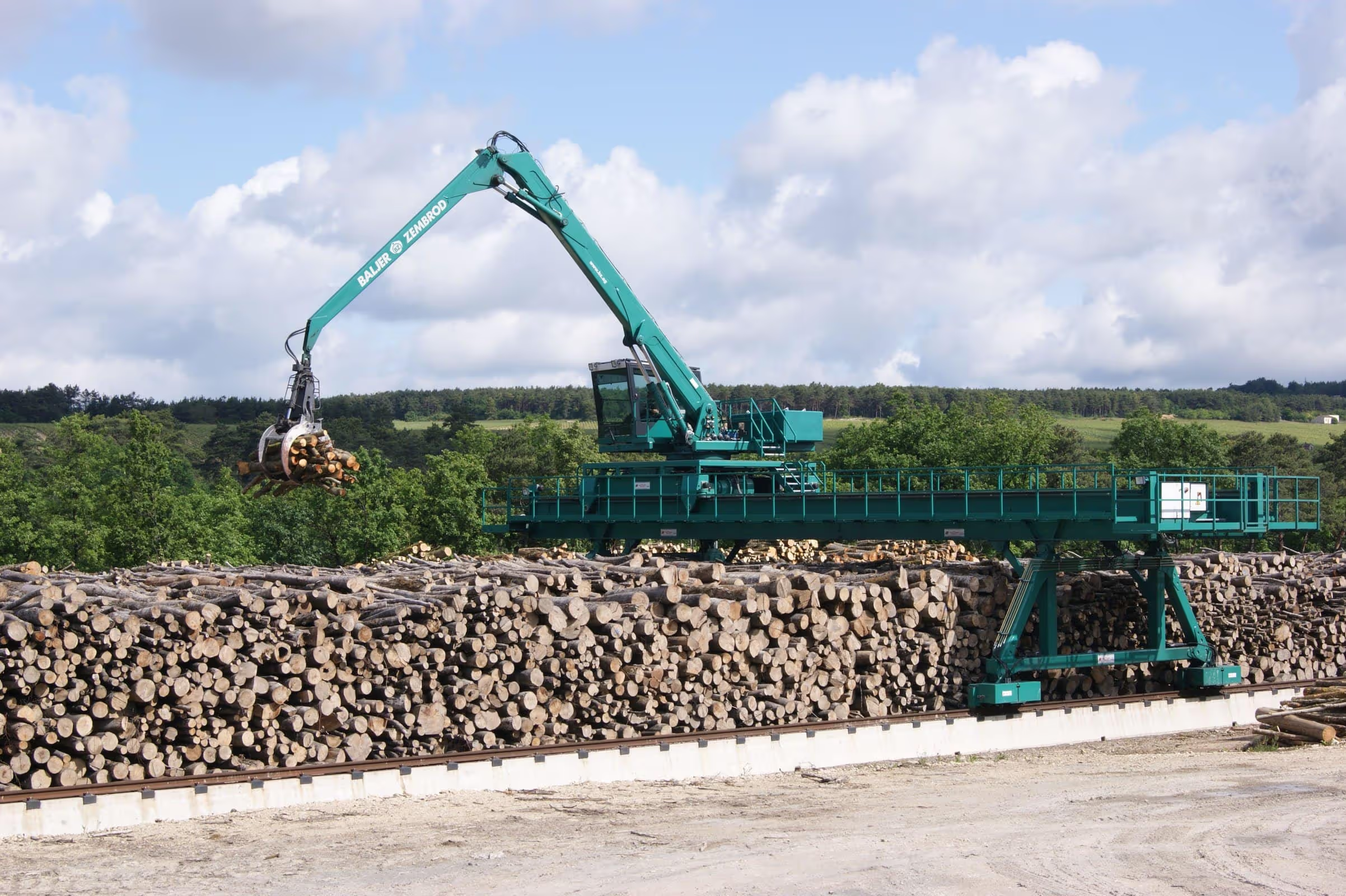 BZH Sarl Baljer & Zembrod log handling gantry
  VBI bois VBI cross-cutting station
 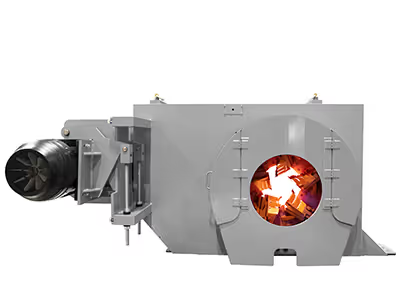 Usnr USNR CamTrim flare reduction device
 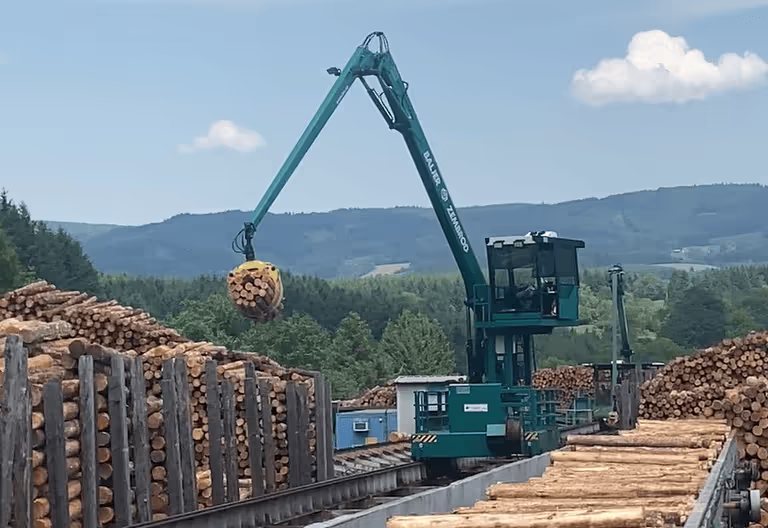 BZH Sarl Baljer & Zembrod log handling carriage
 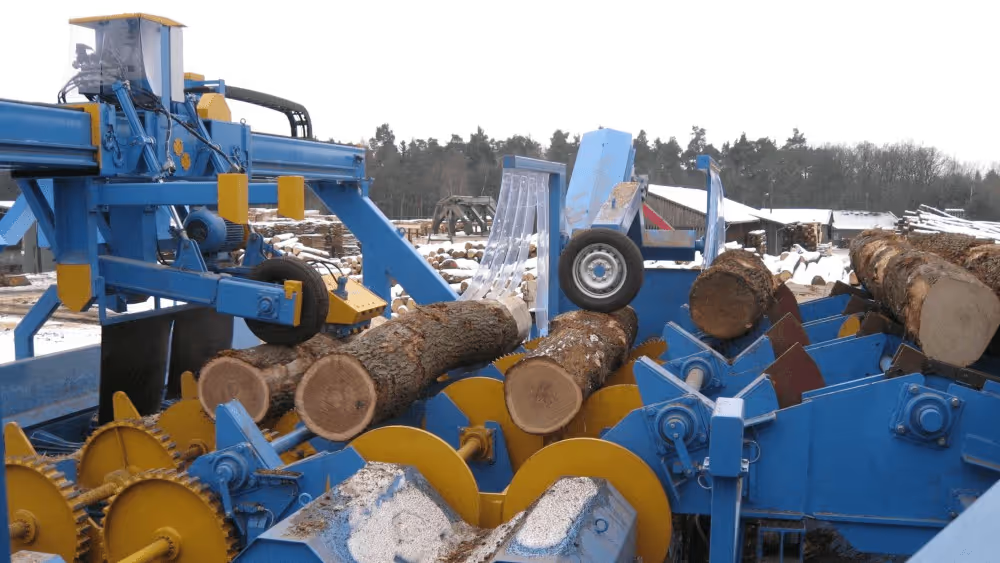 VBI bois VBI log yard handling equipment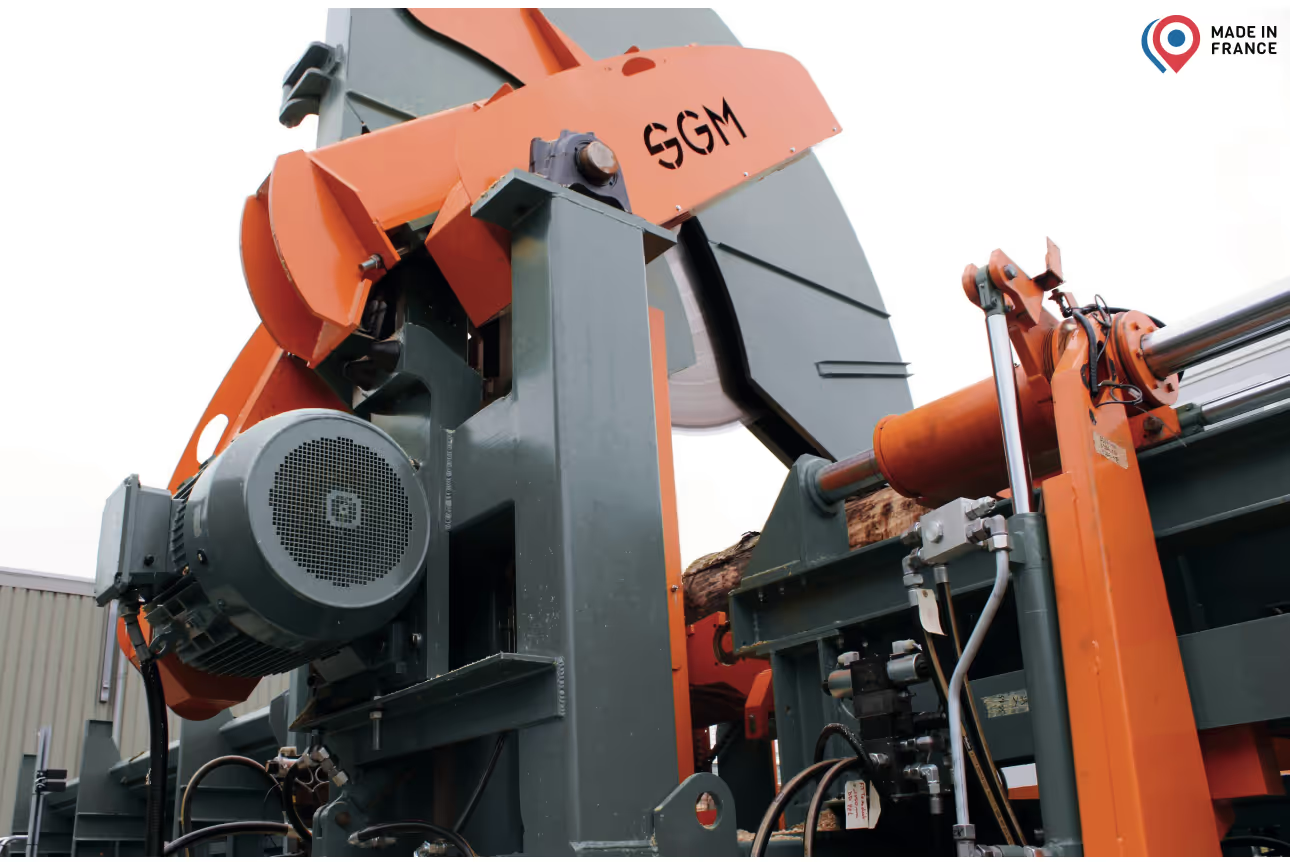
 SGM Industry SGM fixed-station log crosscut saw
 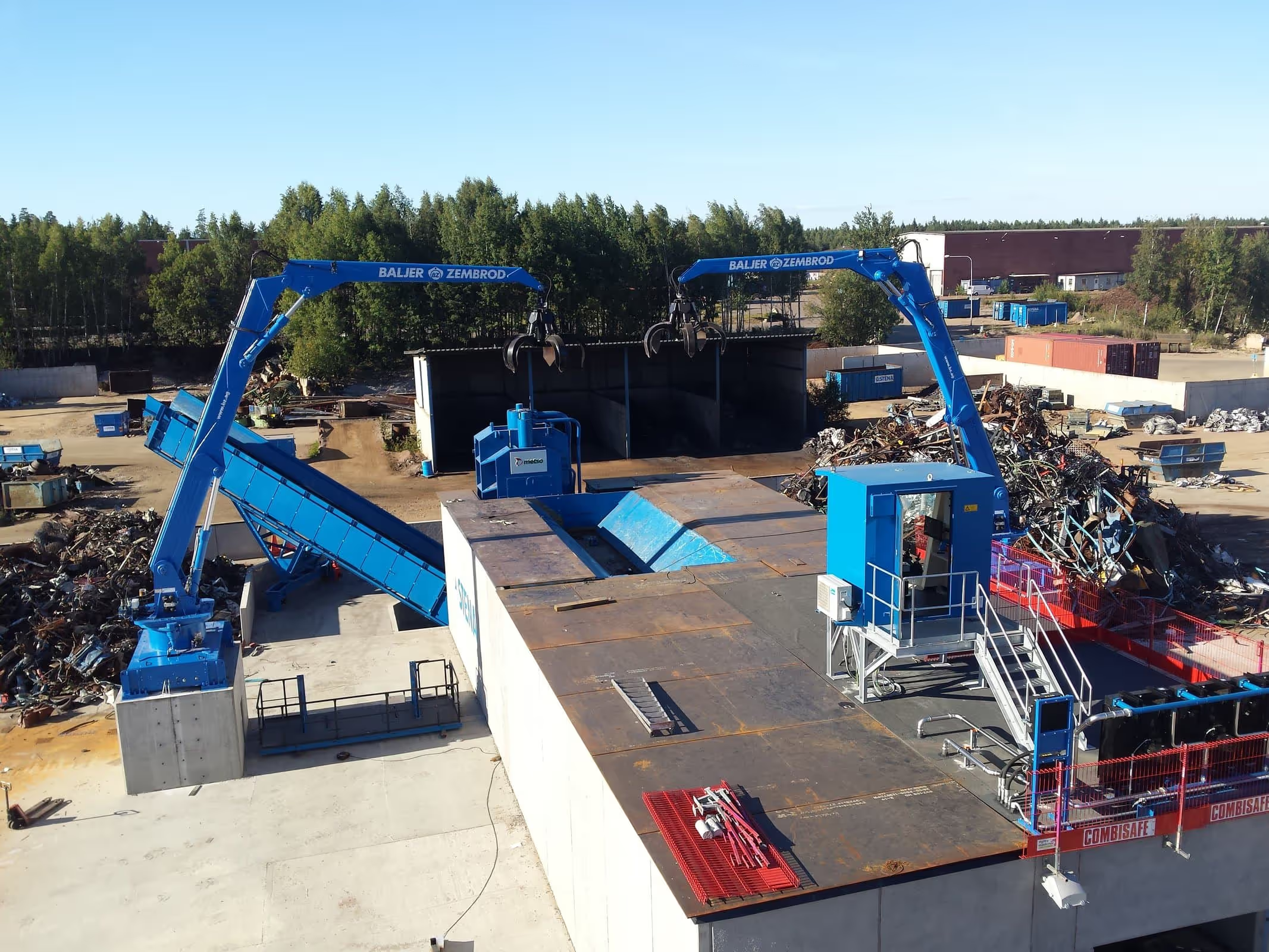 BZH Sarl Baljer & Zembrod timber crane for recycling
 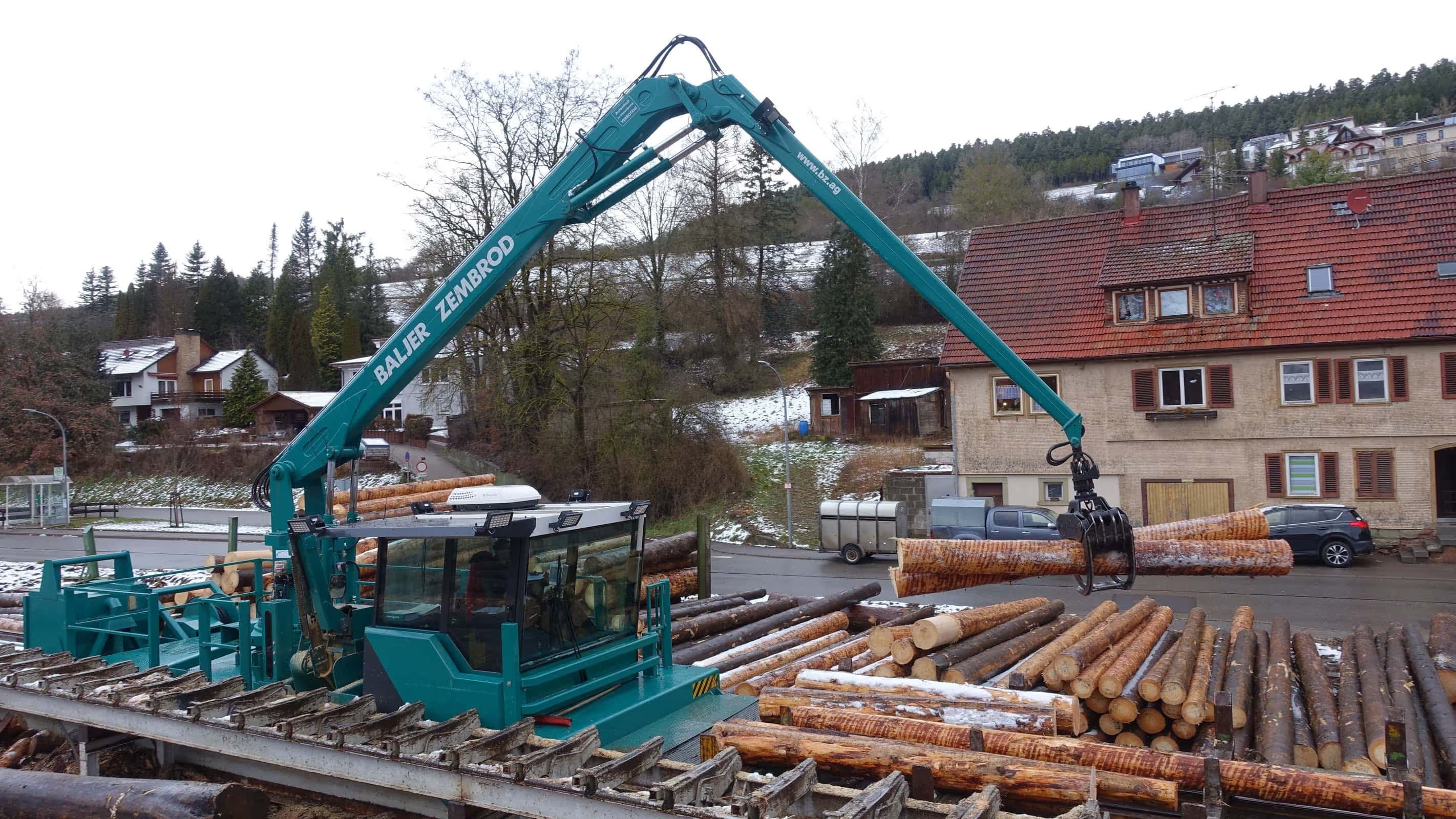 BZH Sarl Baljer & Zembrod sorting and cross-cutting carriage
 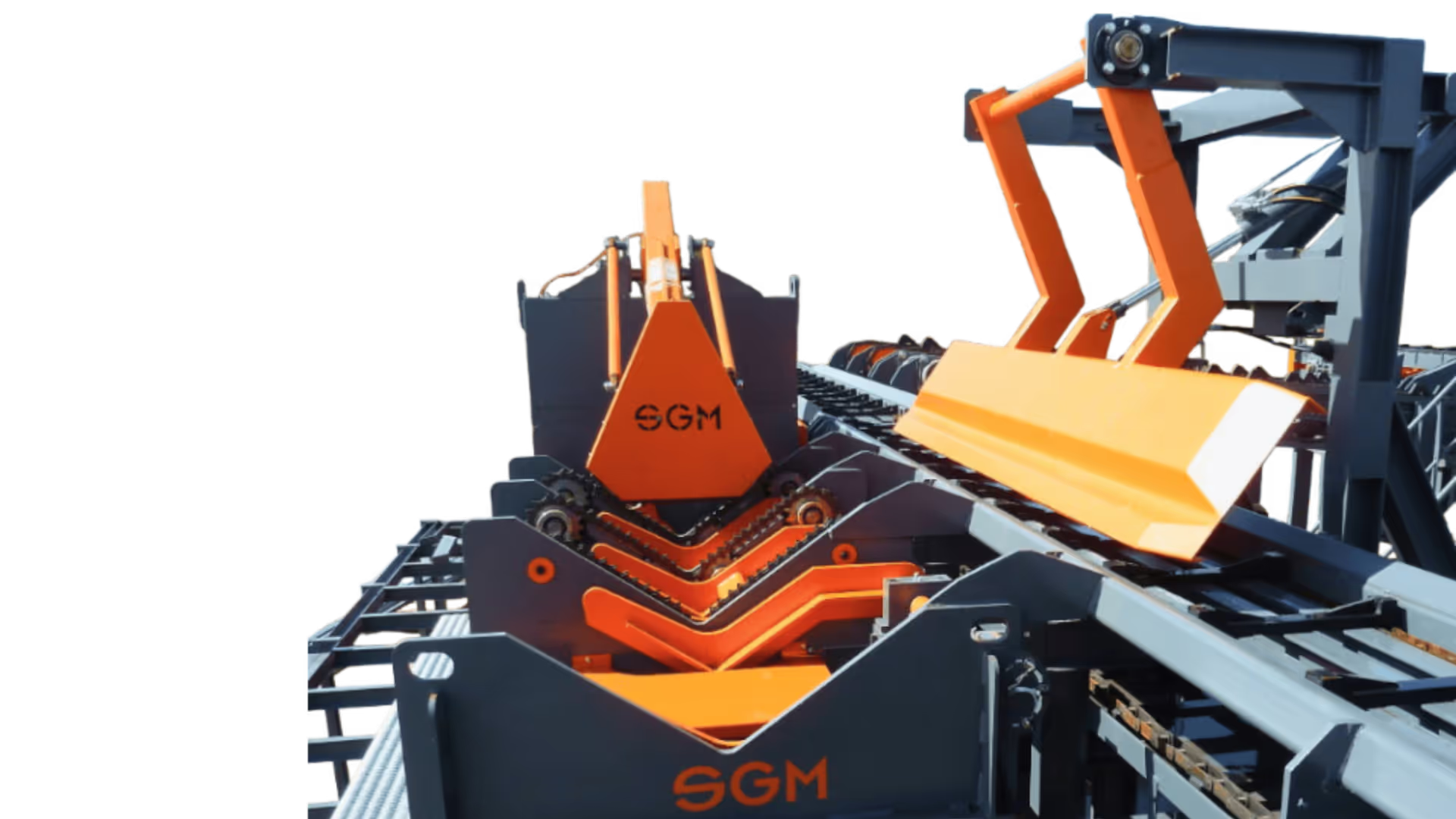 SGM Industry Butt-end reducer
 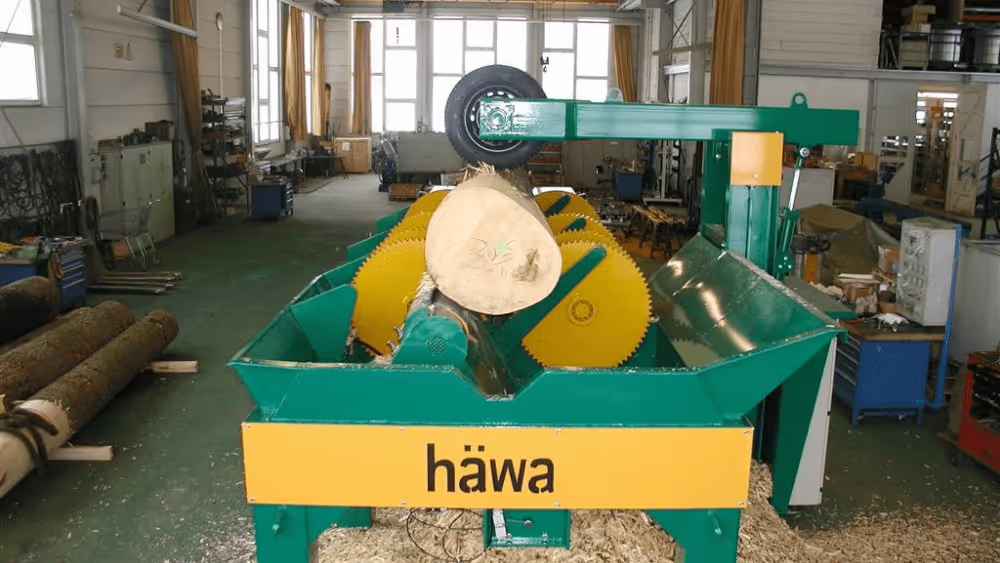 VBI bois VBI butt-end reducer
 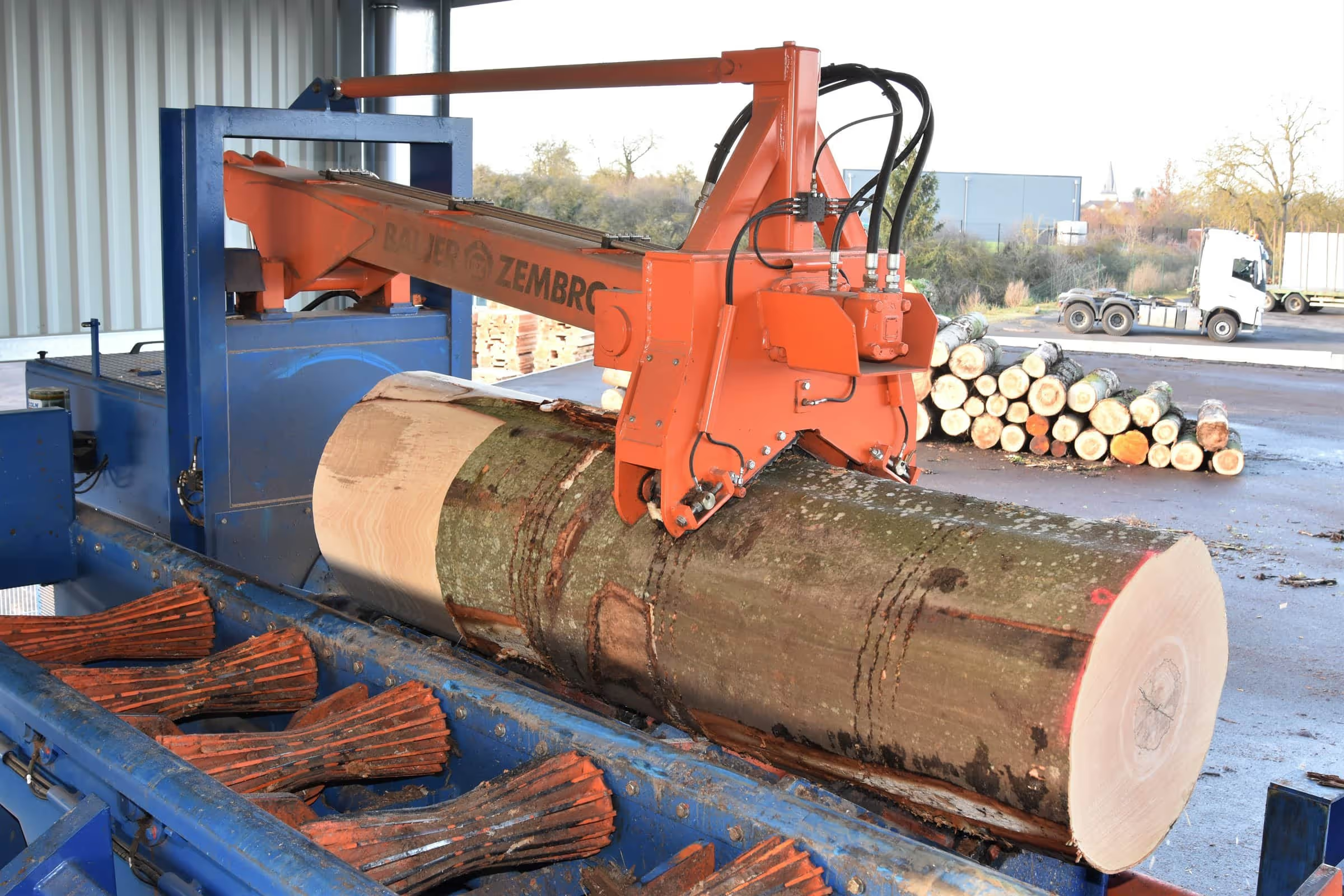 BZH Sarl Baljer & Zembrod butt reducer
 32 of 32 products
Discover log yard equipment to organise log intake and keep your sawmill supplied without interruption.
The log yard sets the pace of supply for the entire sawmill. Intake, measuring, sorting, crosscutting and storage take place there before the logs move on to debarkers and sawing lines. An undersized or poorly mechanised yard causes interruptions that hold back production downstream.
Mechanisation also makes it possible to sort logs by species, diameter or quality as soon as they arrive, so that each log goes to the process that gets the most value from it, within the sawmill machinery chain.
The equipment also depends on how logs are delivered. A yard handling tree-length stems includes a crosscutting station, whereas a shortwood yard receives logs already cut to length.
A log yard combines handling, cutting and sorting equipment. The flow between them must stay smooth to avoid supply interruptions downstream.
The timber crane unloads lorries, stacks logs and loads the infeed decks. It can be fixed or rail-mounted, or replaced by a gantry crane covering the whole yard. Mobile handling machines complete the set-up for movements on the ground.
The log conveyor moves logs from one station to the next without re-handling by a machine. Chain, roller and transverse conveyors link intake, crosscutting, sorting and the debarker infeed, ensuring a continuous flow and reducing handling.
The infeed deck holds logs temporarily and feeds them one at a time to the next station, acting as a buffer between intake and processing. Singulators (devices that separate the logs) and kickers regulate the feed rate.
The log crosscut saw cuts stems and logs to the required lengths. This operation, called bucking, optimises timber recovery according to the quality of each section of the stem. Models range from a simple fixed station to an automated station with a crosscutting and sorting carriage.
Measuring and sorting equipment sends each log to the most suitable process. The log scanner records diameter and length to calculate volume. The sorting line distributes logs into bunks by species, diameter or quality. The butt reducer removes the butt flare (the swelling at the base of the log) to make debarking and sawing easier.
The log yard must be sized to match the pace of the processing line it feeds. How logs are delivered is the first criterion: tree-length stems require a crosscutting station, whereas logs already cut to length can go more directly to sorting and debarking.
Handling equipment, infeed decks and conveyors must then keep a steady flow between stations.
Finally, the level of measuring and sorting depends on how varied the incoming logs are: diameter, length, species or quality can all be used to send each log to the most suitable process.
To mechanise log intake, sorting, crosscutting or sawmill infeed, WoodPartners brings together equipment from specialists such as USNR, BZH, VBI Bois, André Technologies and SGM Industry.
Compare handling, conveying, measuring and log preparation solutions to build a yard matched to your production flow.
You can then contact the manufacturers and distributors that meet your needs directly.