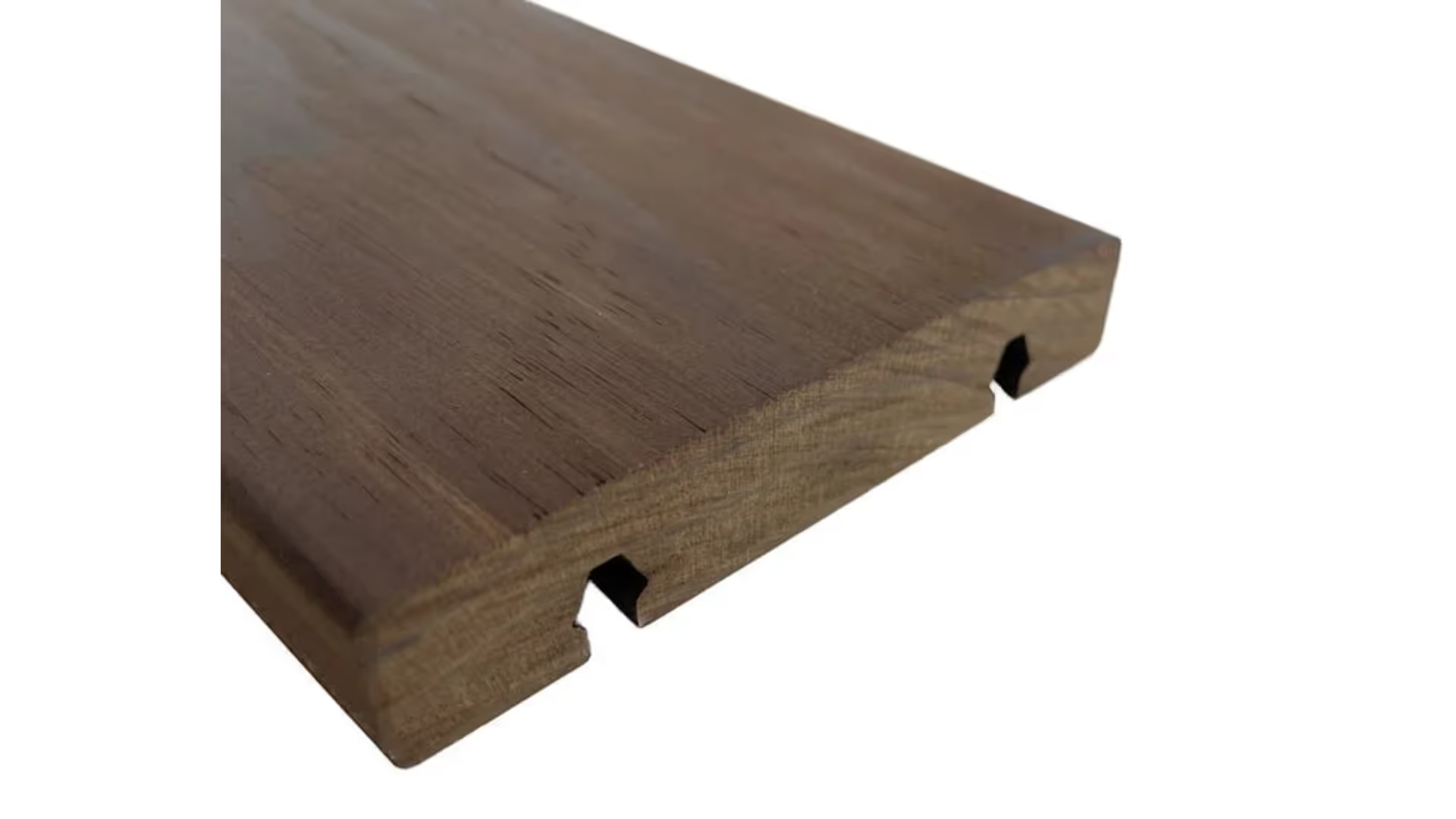
 Kebony Kebony Clear Click-In Decking
Discover our selection of 39 references in Decking . In just a few clicks, contact wood industry experts directly and get personalized advice for your project.
Kebony Kebony Clear Click-In Decking 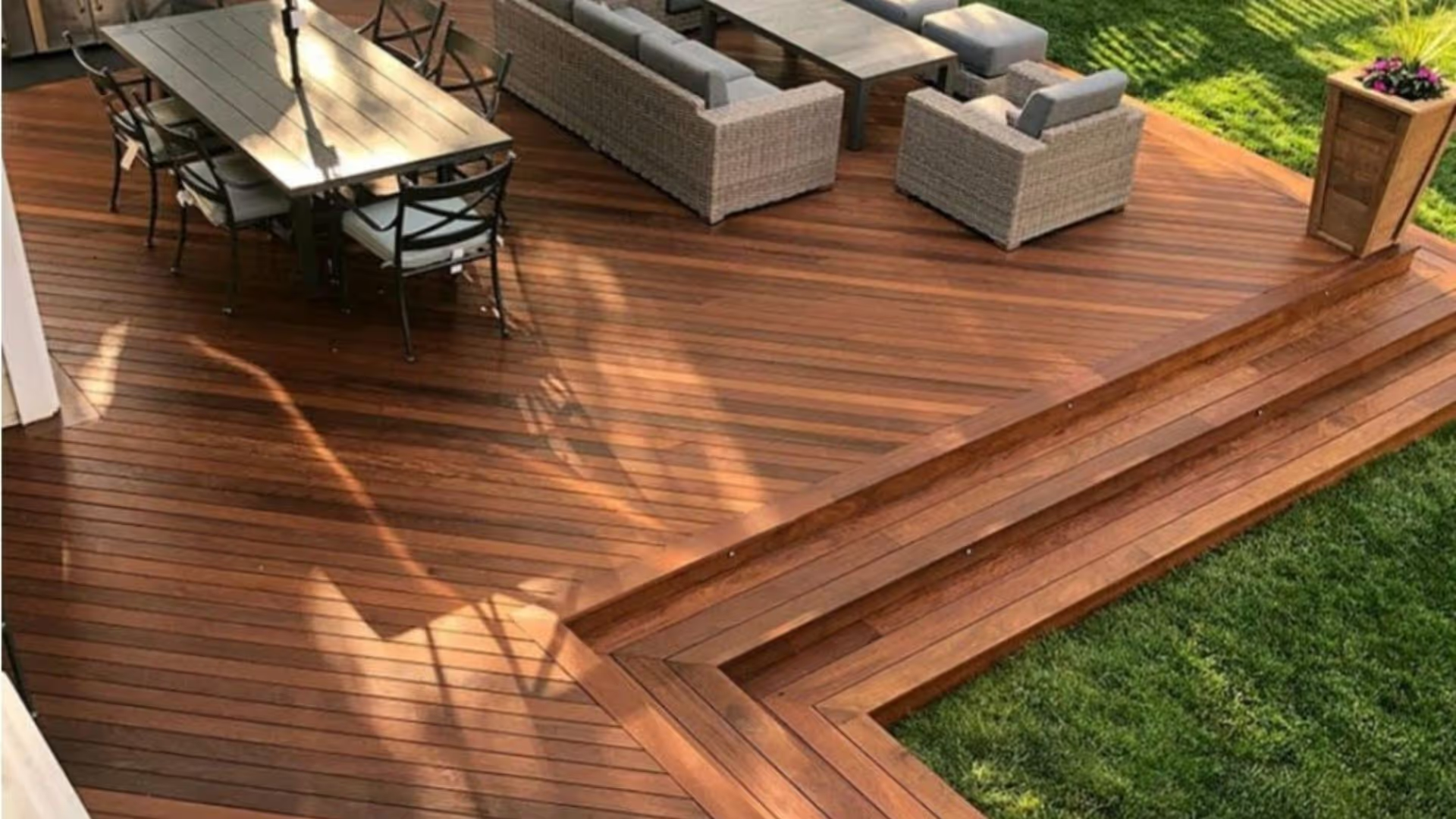
 Comptoir des Bois Egletonnais CBE Decking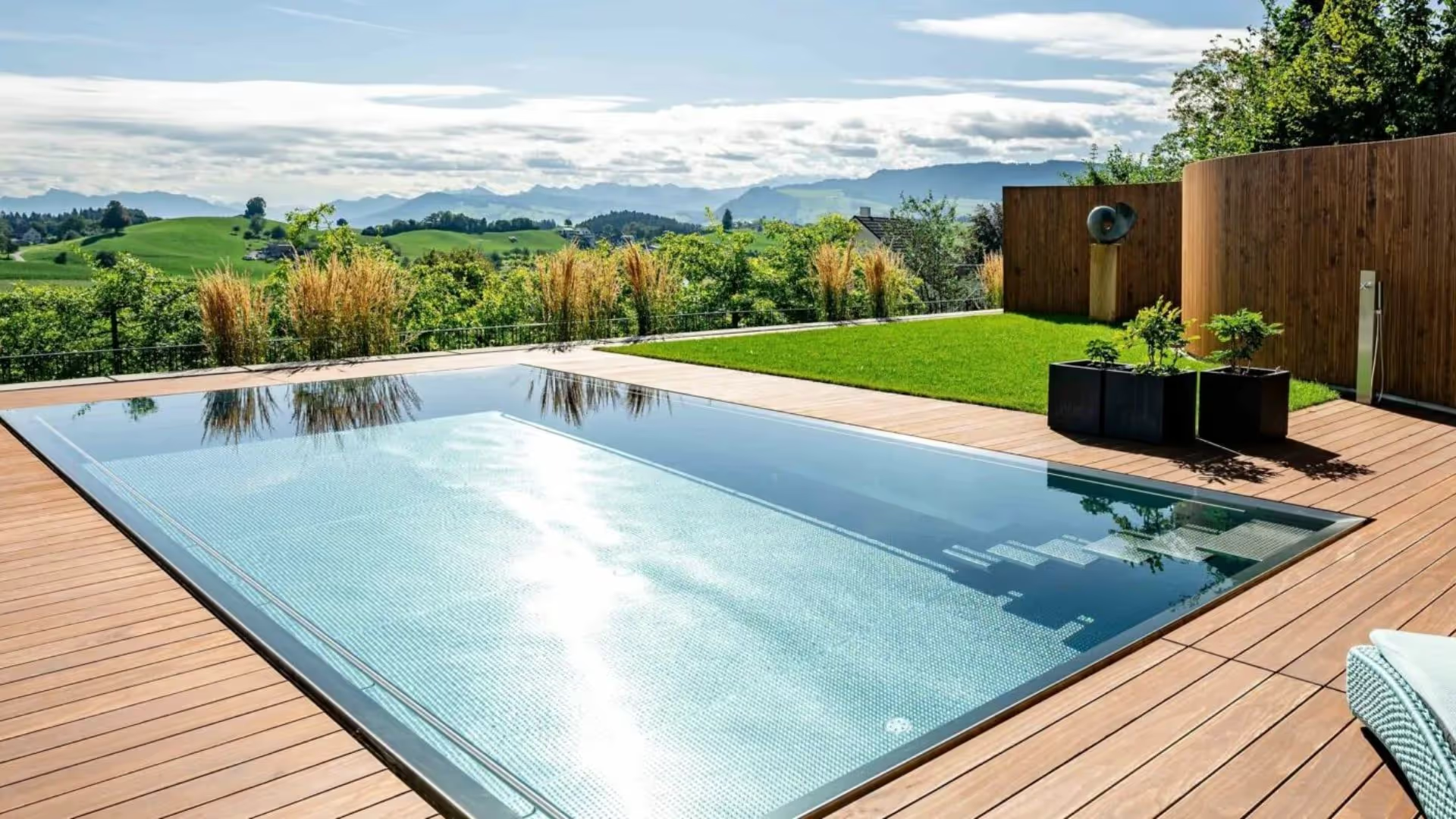
 Accoya Accoya poolside decking
 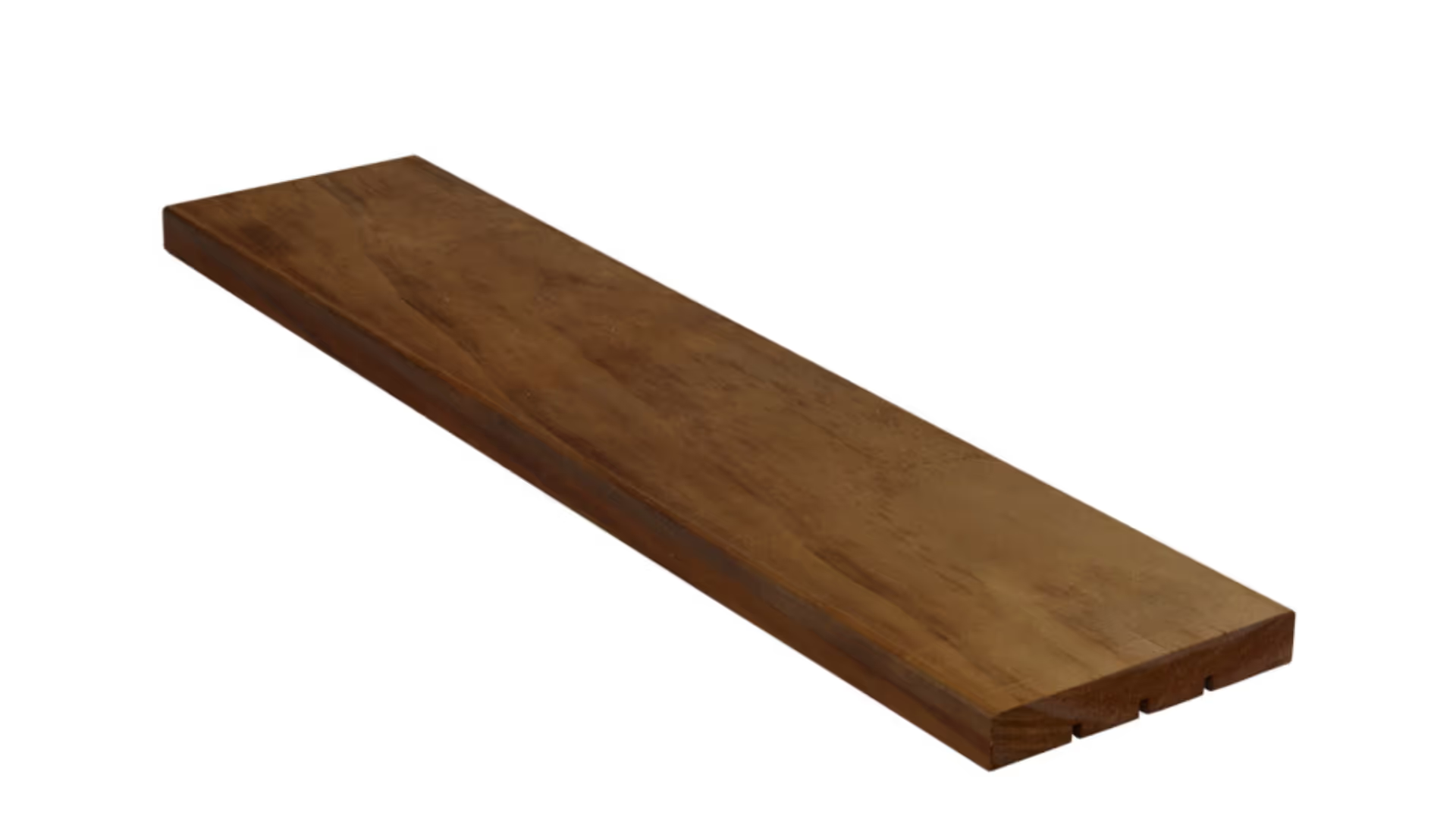 Kebony Kebony Clear Decking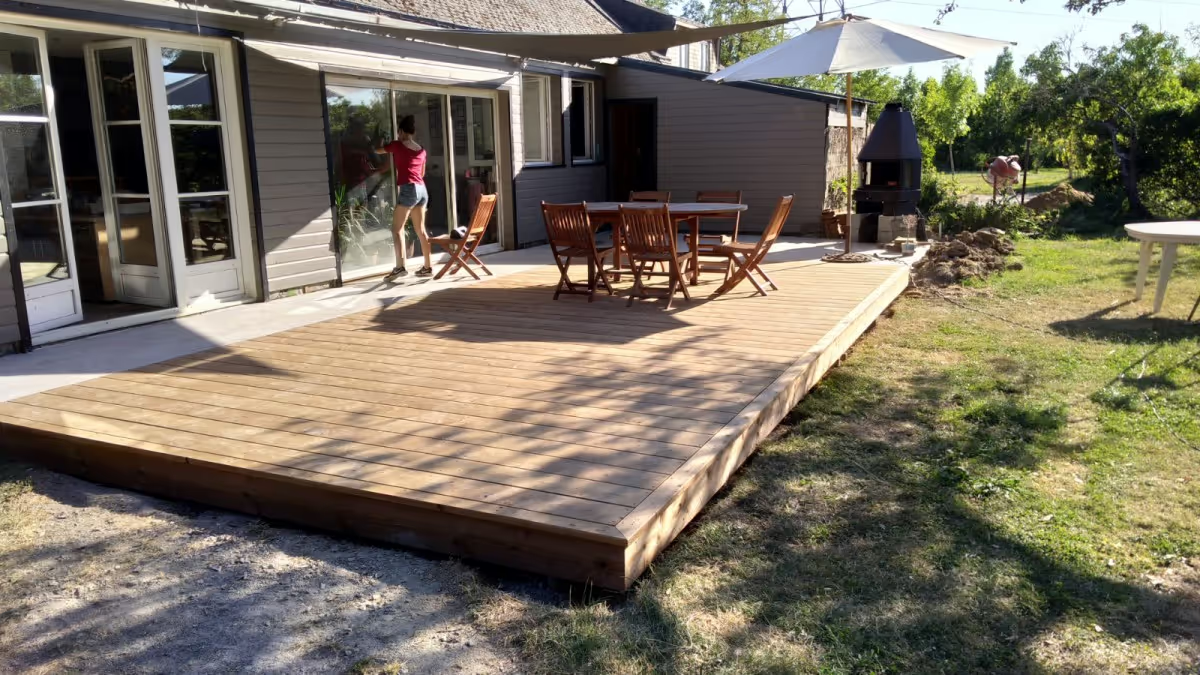
 Jouen Frères Thermally Modified (T.H.T.) Spruce Decking Boards
 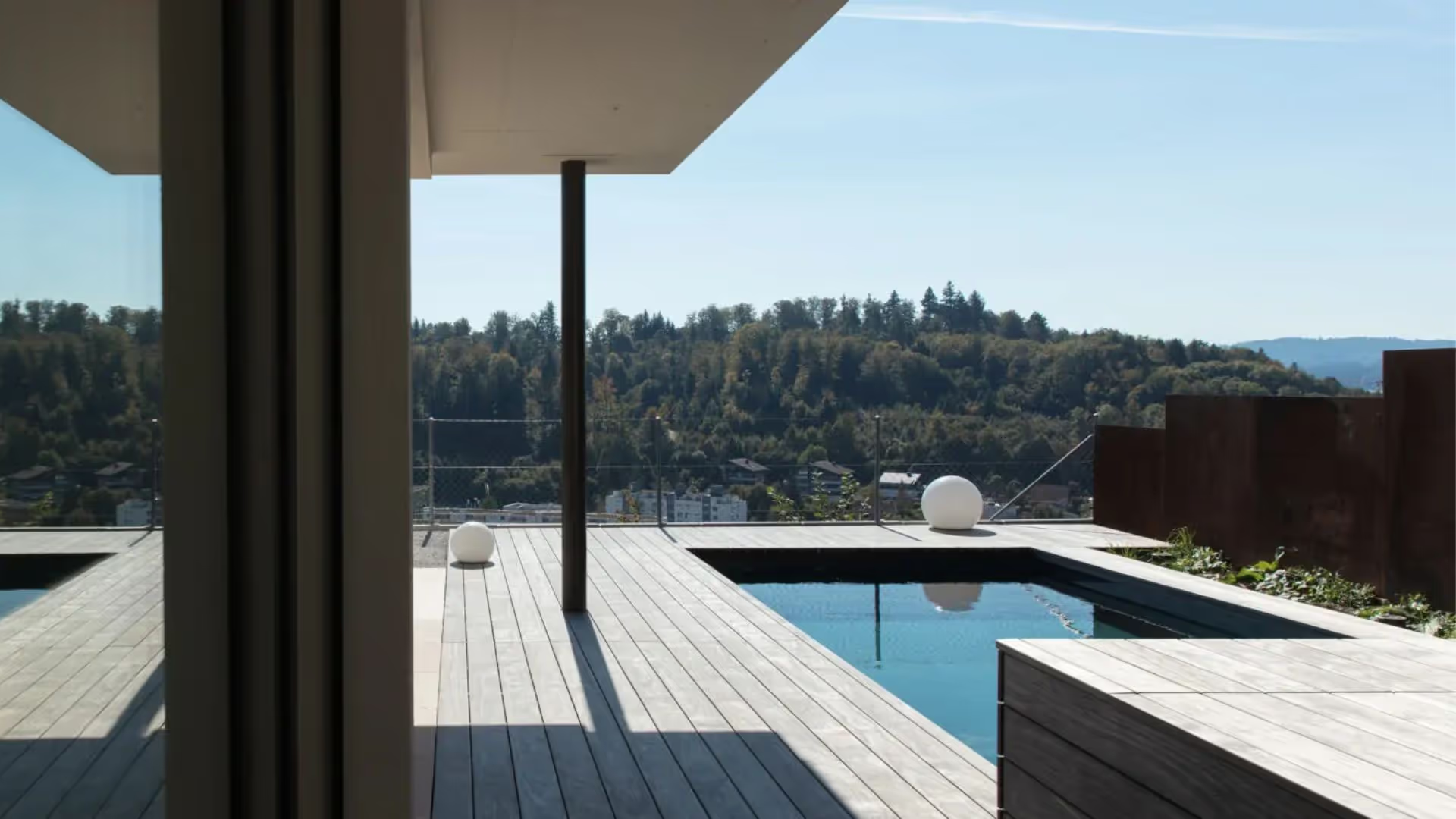 Accoya Accoya Color Grey timber decking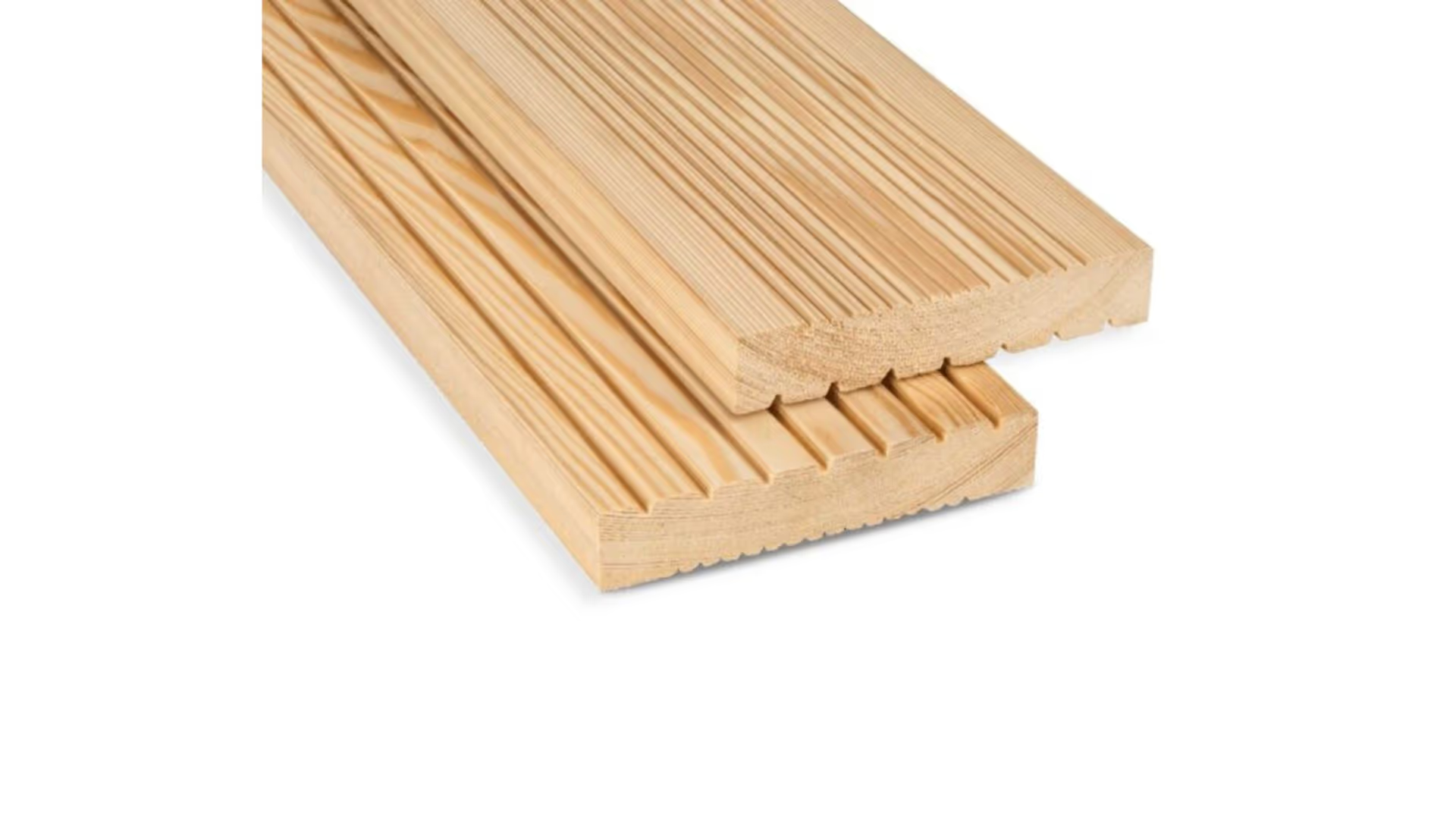
 Dinego Decking Board, Grooved Both Edges
 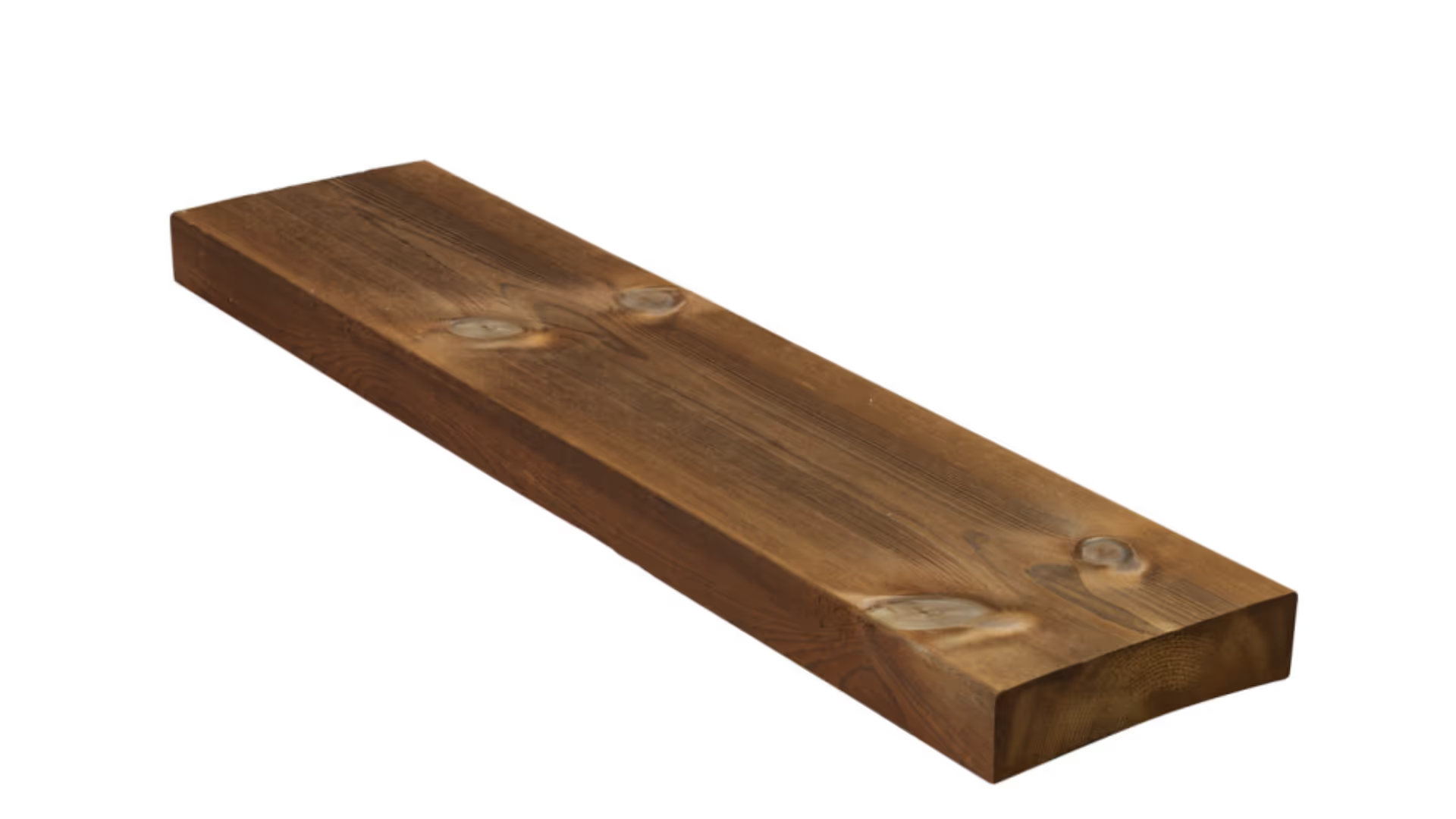 Kebony Kebony Character Decking
 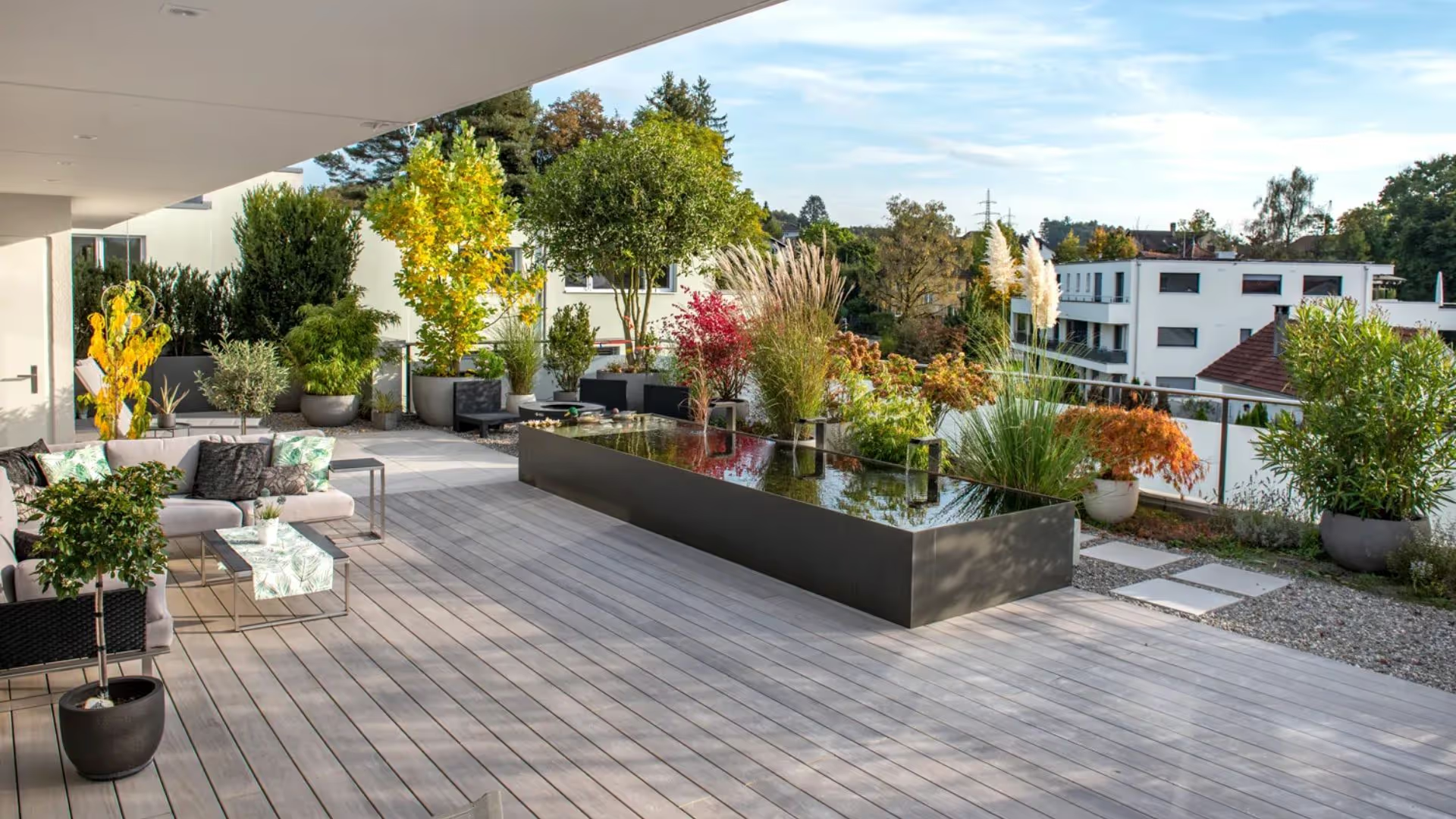 Accoya Accoya roof terrace decking
 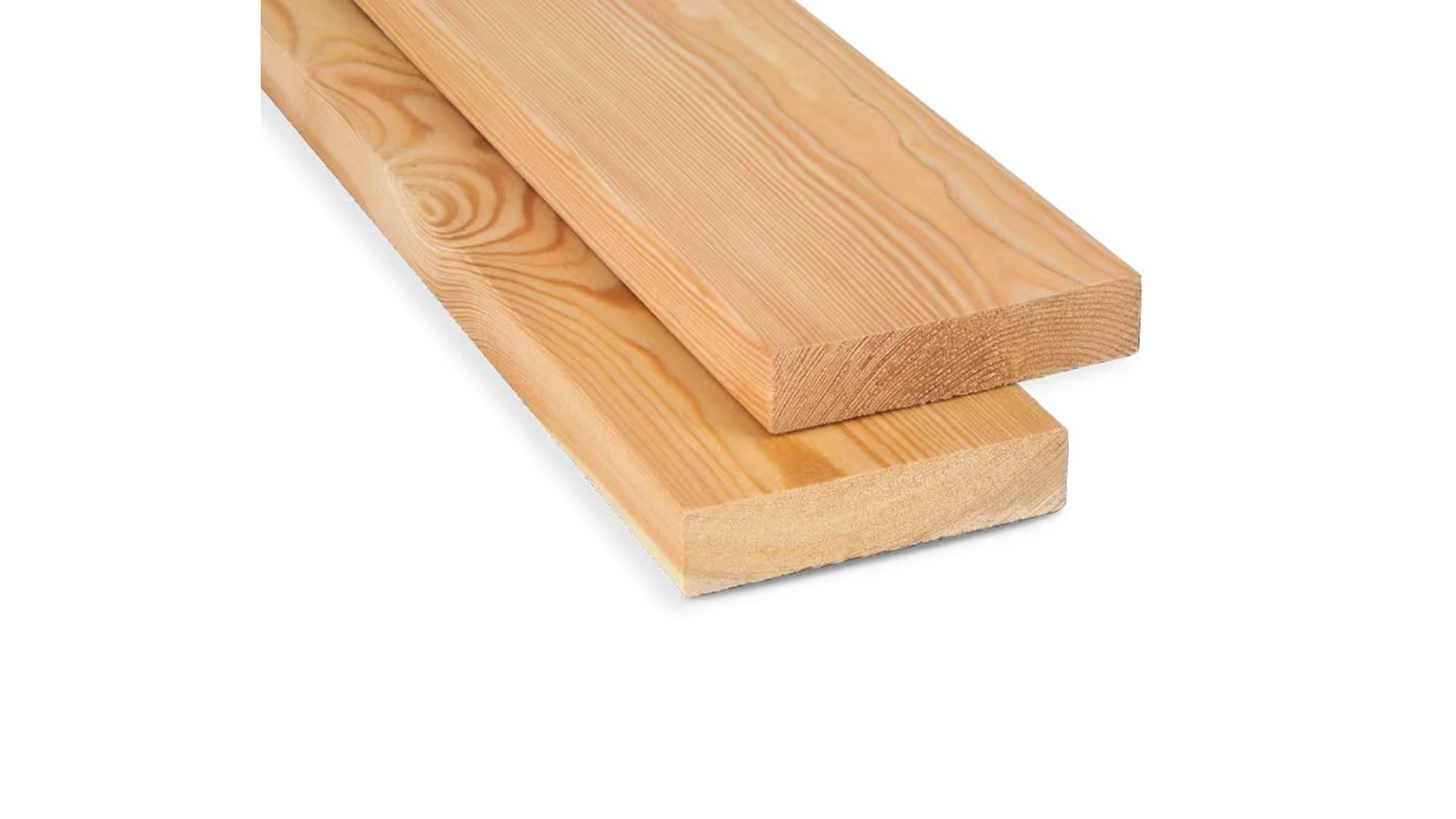 Dinego Decking Board, Smooth Both Sides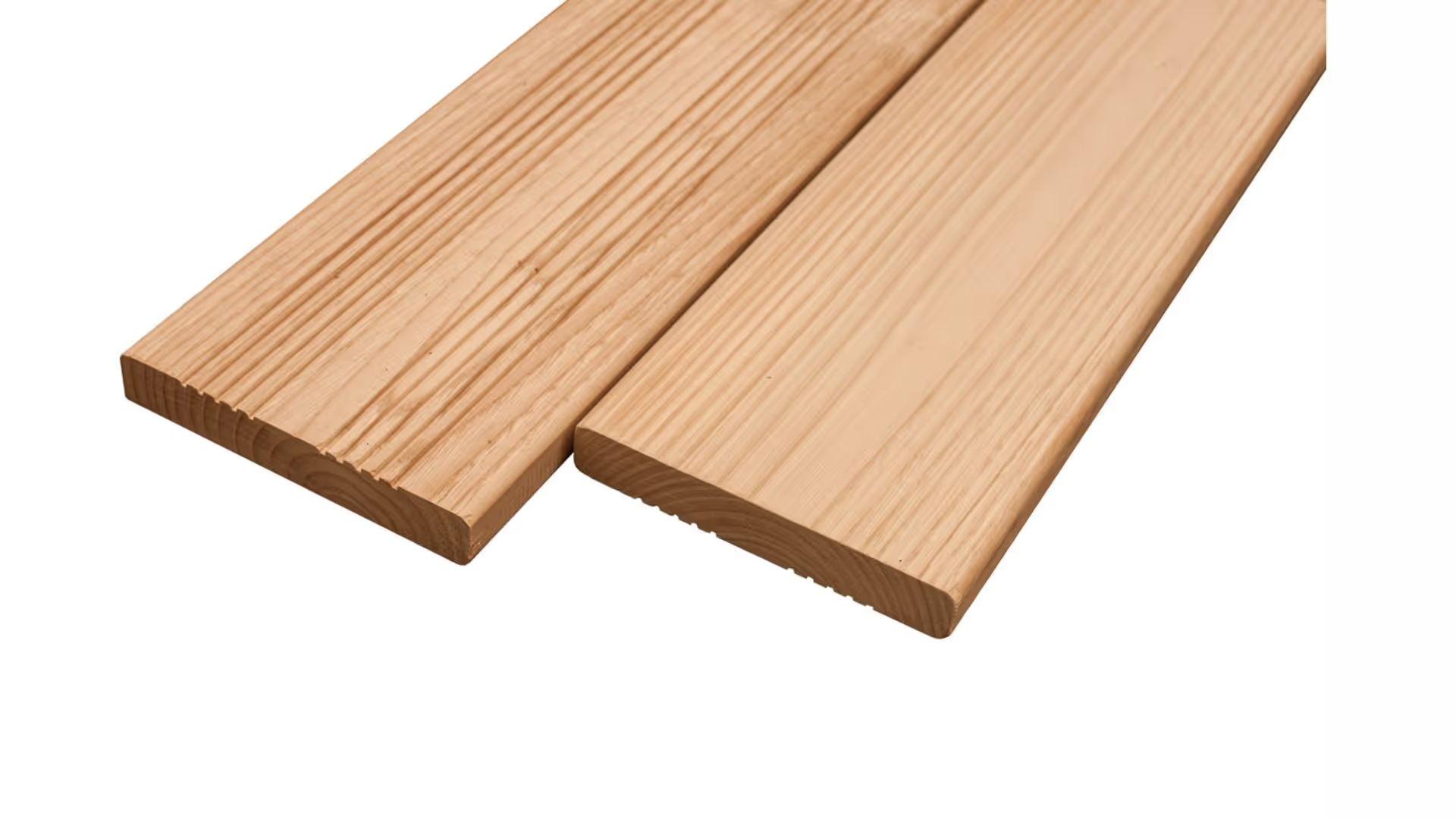
 Siero Lam Timber decking
 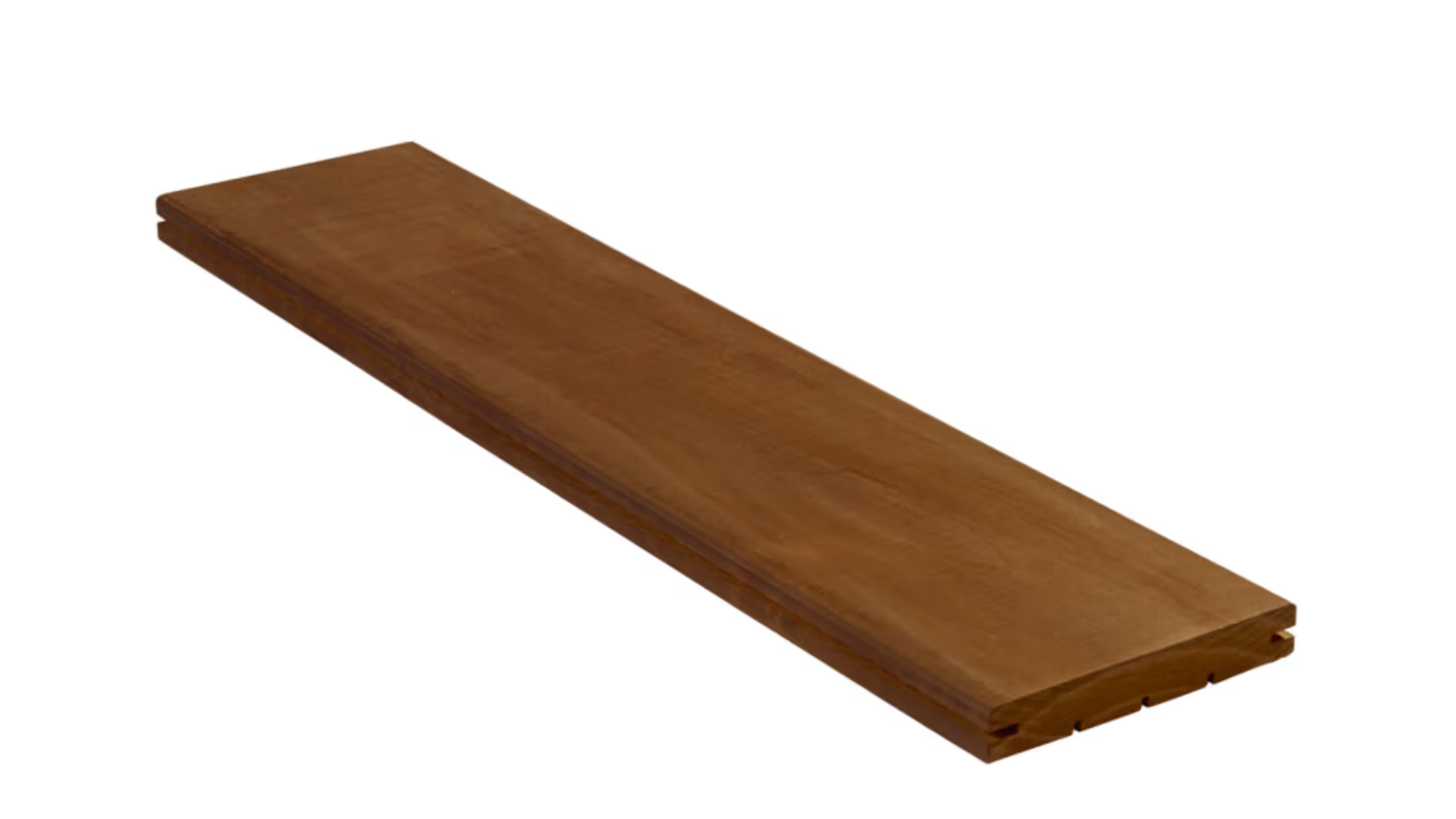 Kebony Kebony Clear Grooved Decking Board 22 x 142 mm #2131
 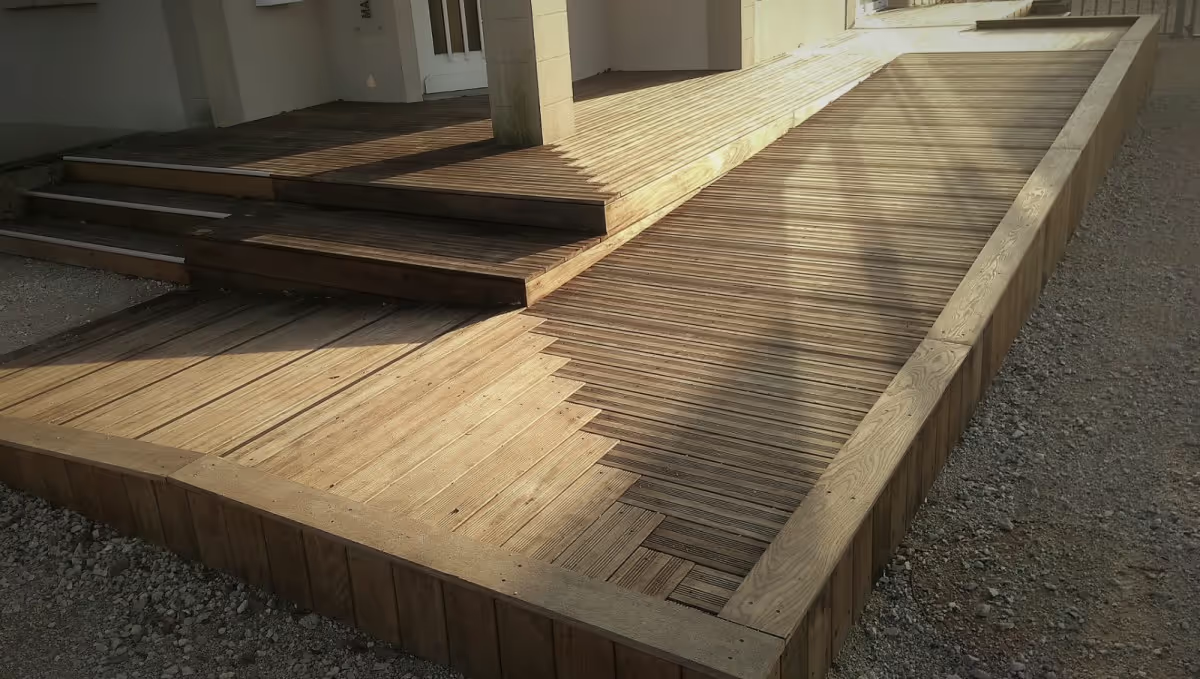 Jouen Frères Thermally Modified Ash Decking Boards (T.H.T.)
 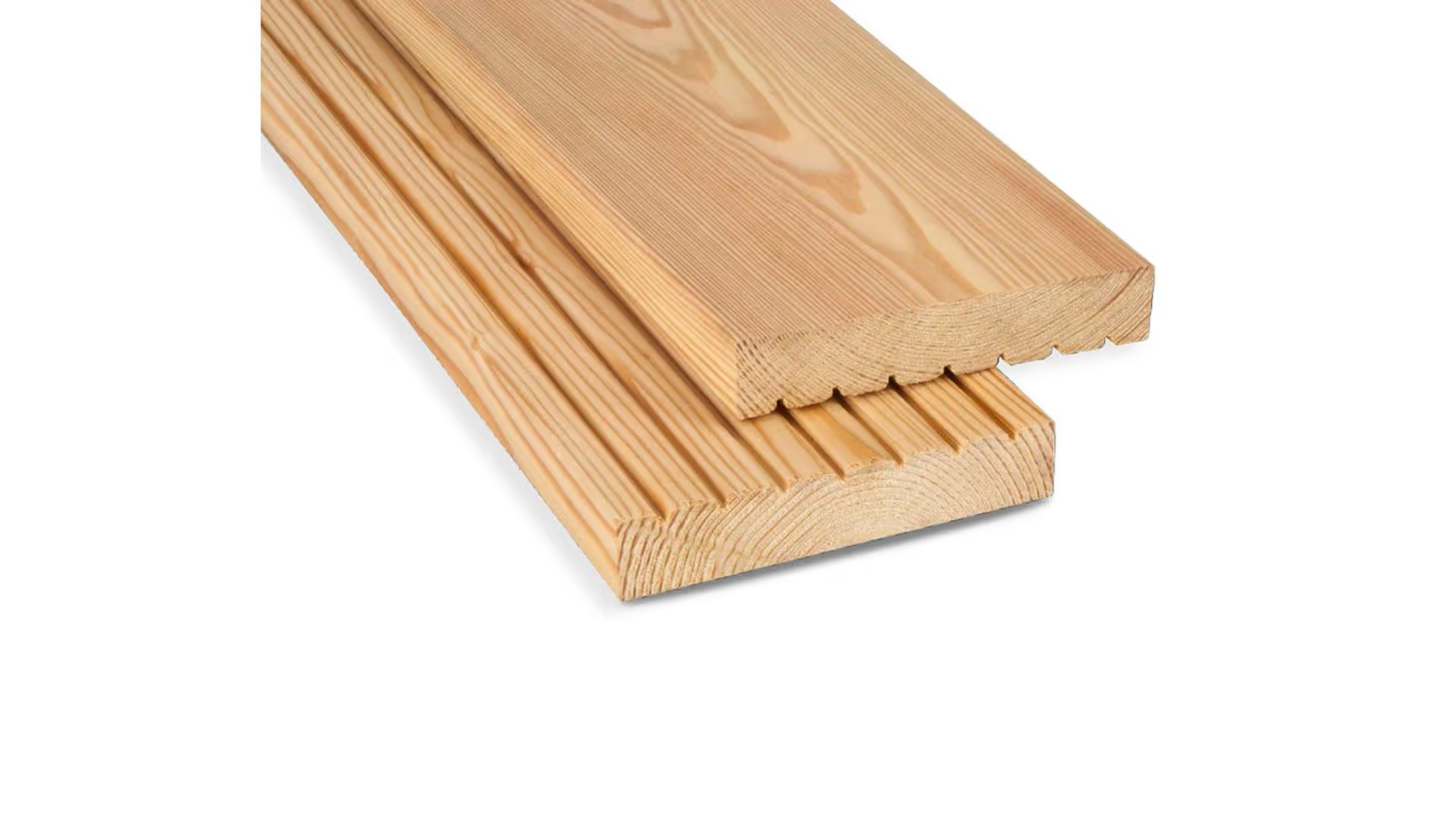 Dinego Smooth-Grooved Decking Board
 Ufv – Sud Bois FINO Timber Decking Board 21x145 Douglas Fir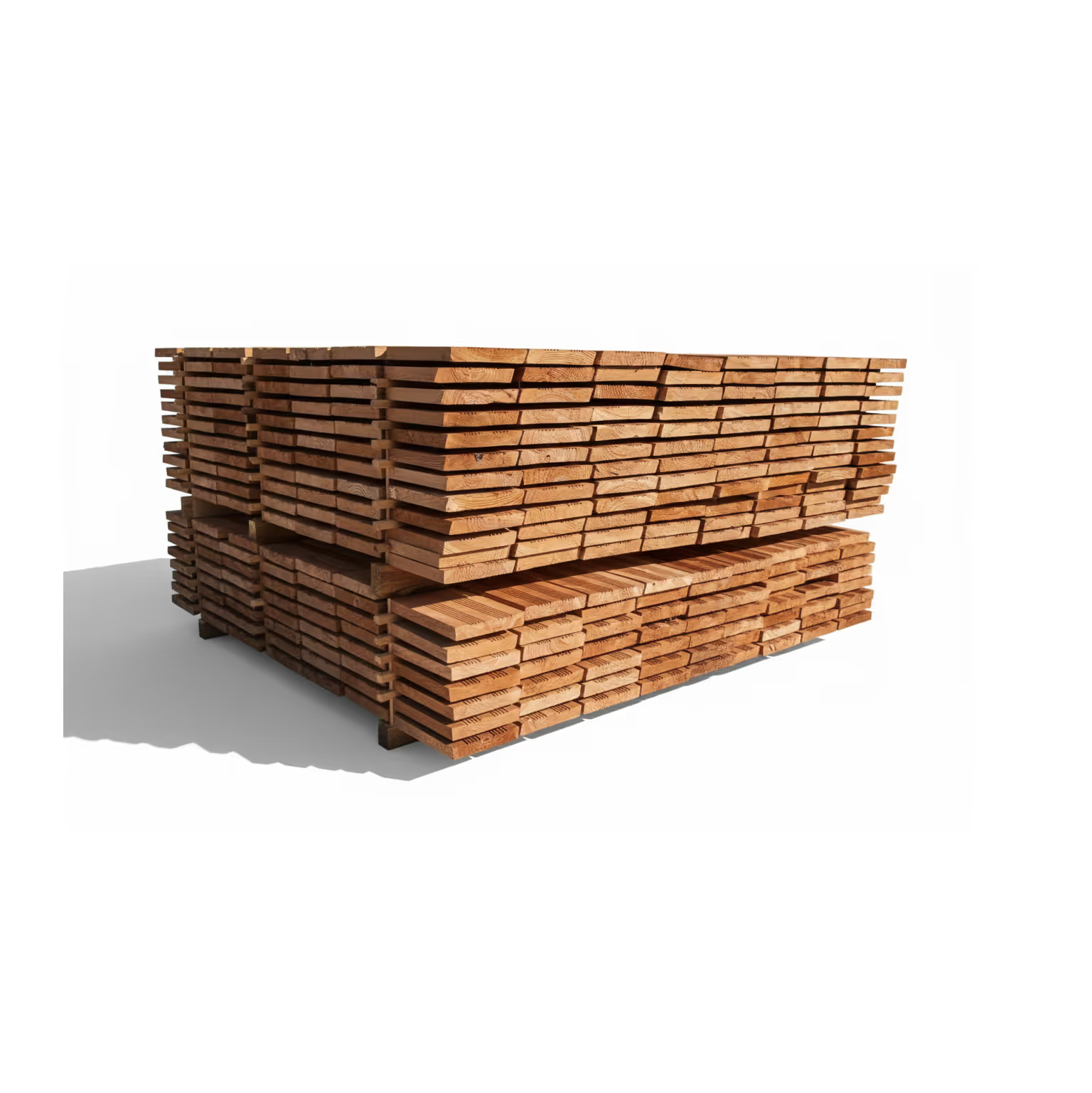
 IBP Group Decking boards
  Ufv – Sud Bois Timber Decking Board PRESTIGE 34x190 Douglas Fir
 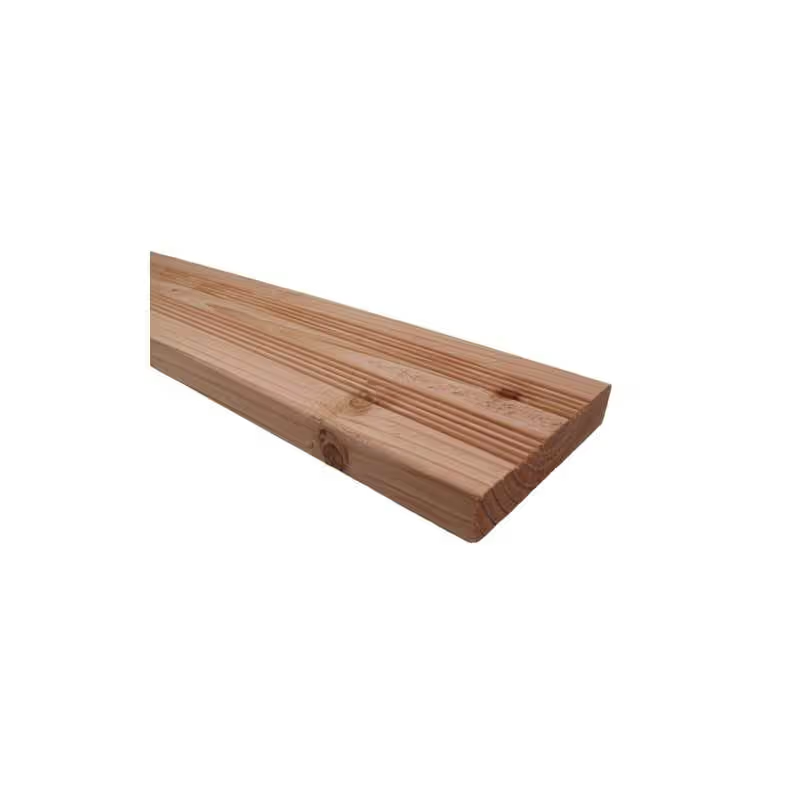 Ufv – Sud Bois Grooved Timber Decking Board FIGARO 27x145 Douglas Fir
  Ufv – Sud Bois Pack of 5 m²: Smooth Timber Decking Board LINEO 28x145 Douglas Fir
  Ufv – Sud Bois Sample Decking Board Douglas Fir Pressure-Treated Brown Use Class 3
  Ufv – Sud Bois FENGO Decking Board 45X145mm Pressure-Treated Brown Grade 2 in 3m
 Scierie Beal Smooth decking board
  Ufv – Sud Bois ECO Timber Decking Board 21x95 Douglas Fir
 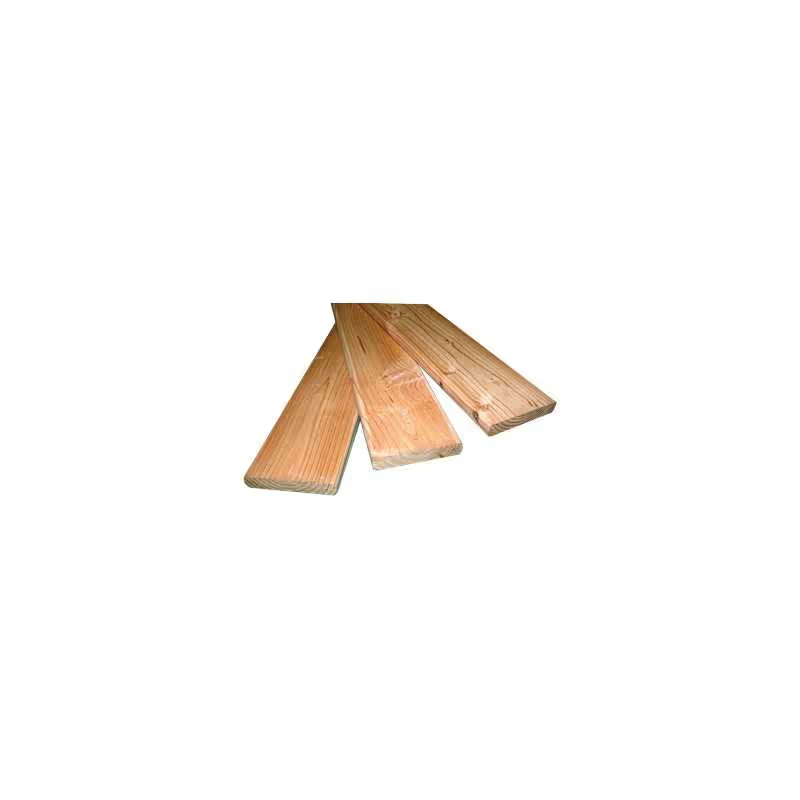 Ufv – Sud Bois Sample of Decking Board LINEO 28x145 in Natural Douglas Fir
  Ufv – Sud Bois Smooth Timber Decking Board LINEO 28x145 Douglas Fir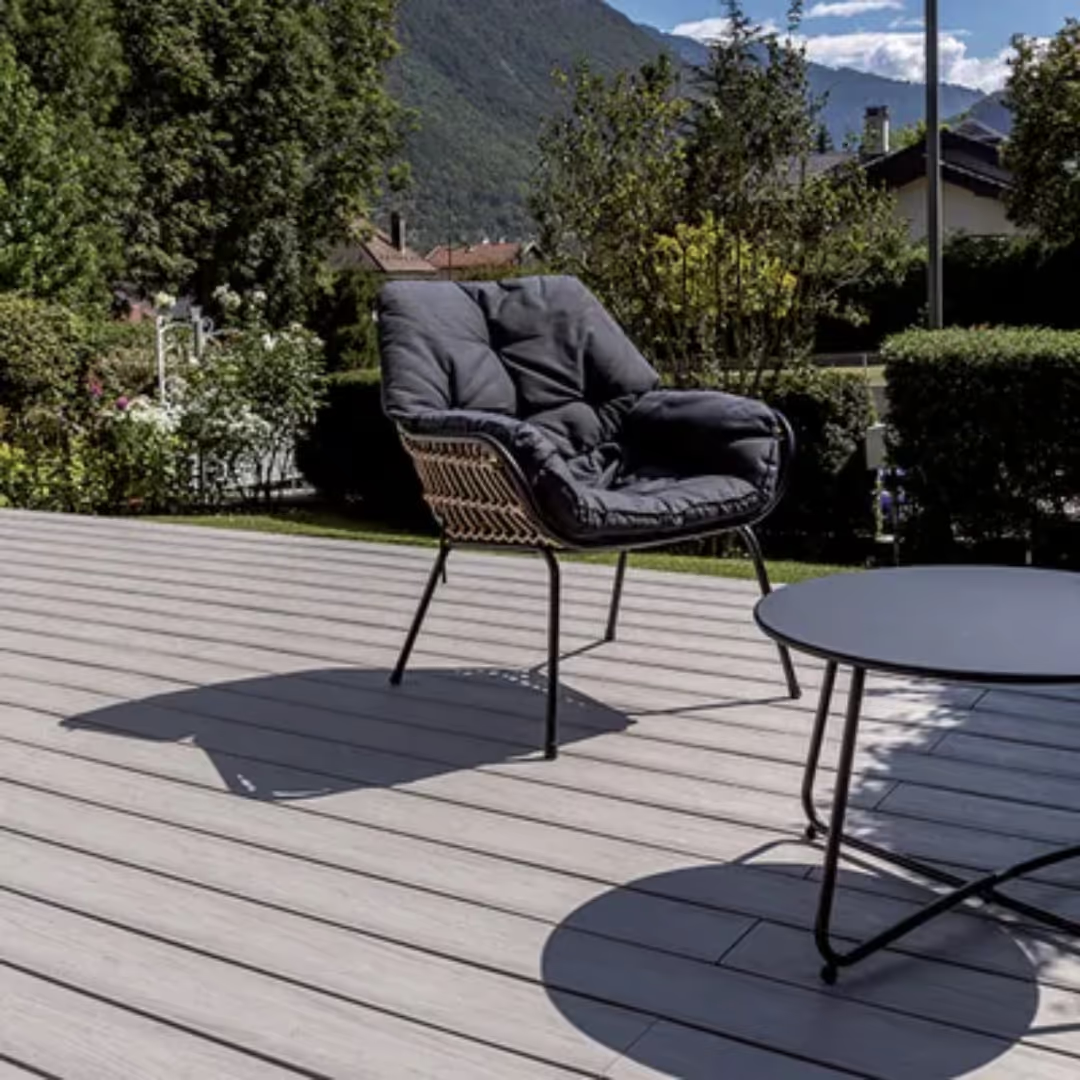
 UPM ProFi UPM ProFi Piazza One decking, Silver Teak
 Scierie Roger Oak decking board Scierie Beal Grooved decking board
  Ufv – Sud Bois PINO Timber Decking Board 27x145 Pine
 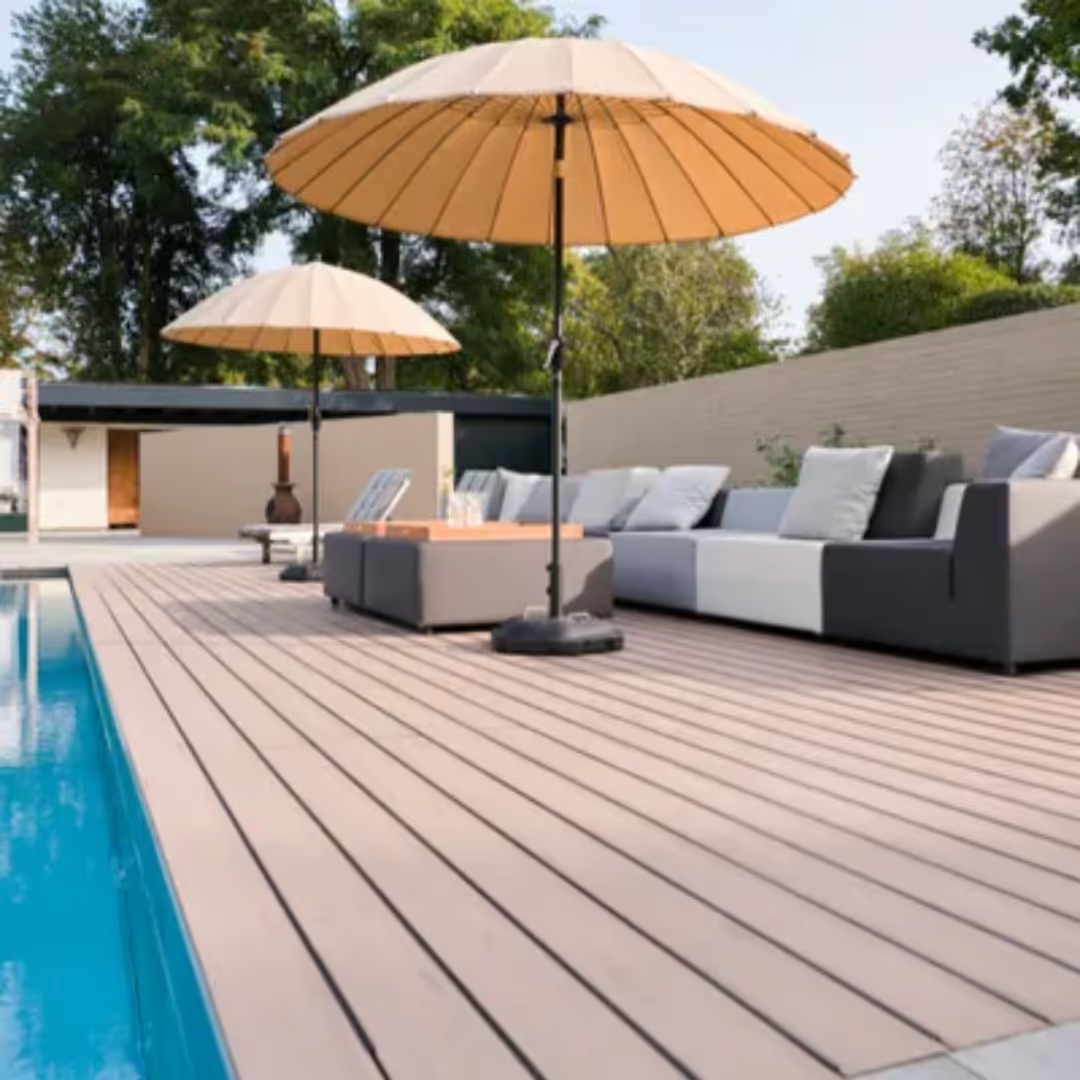 UPM ProFi UPM ProFi Piazza One decking, Californian Oak
 Eurochêne Planed Oak Decking Board
 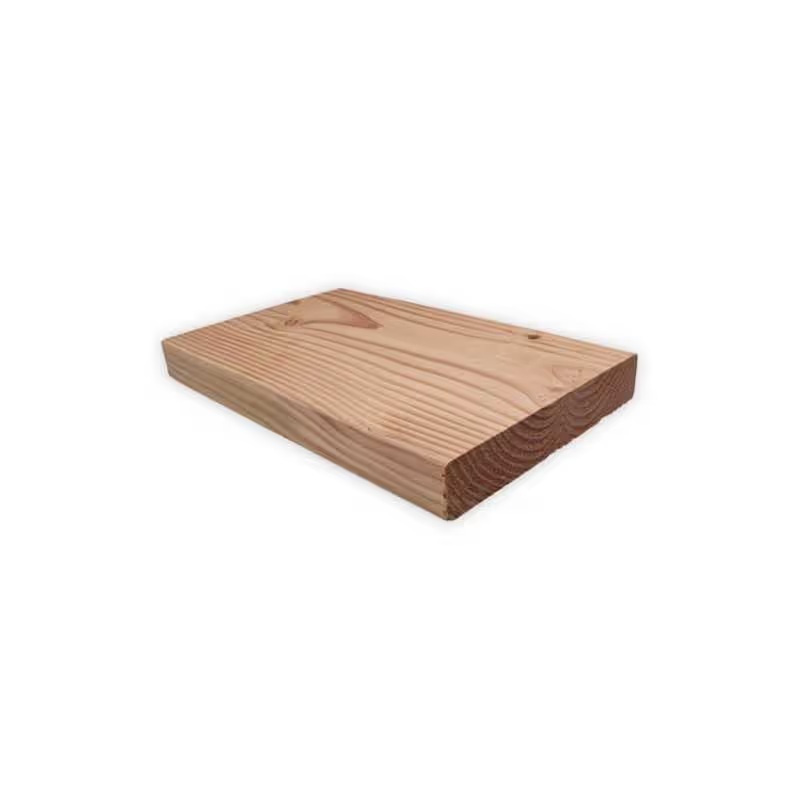 Ufv – Sud Bois Decking Board 45X145mm FENGO Douglas Fir
  Ufv – Sud Bois Pack of Smooth Timber Decking Boards LINEO 28x145 Douglas Fir 2 m
  Ufv – Sud Bois LARGO Decking Board 45X220mm Douglas Fir
 MS Bois Douglas fir decking board
 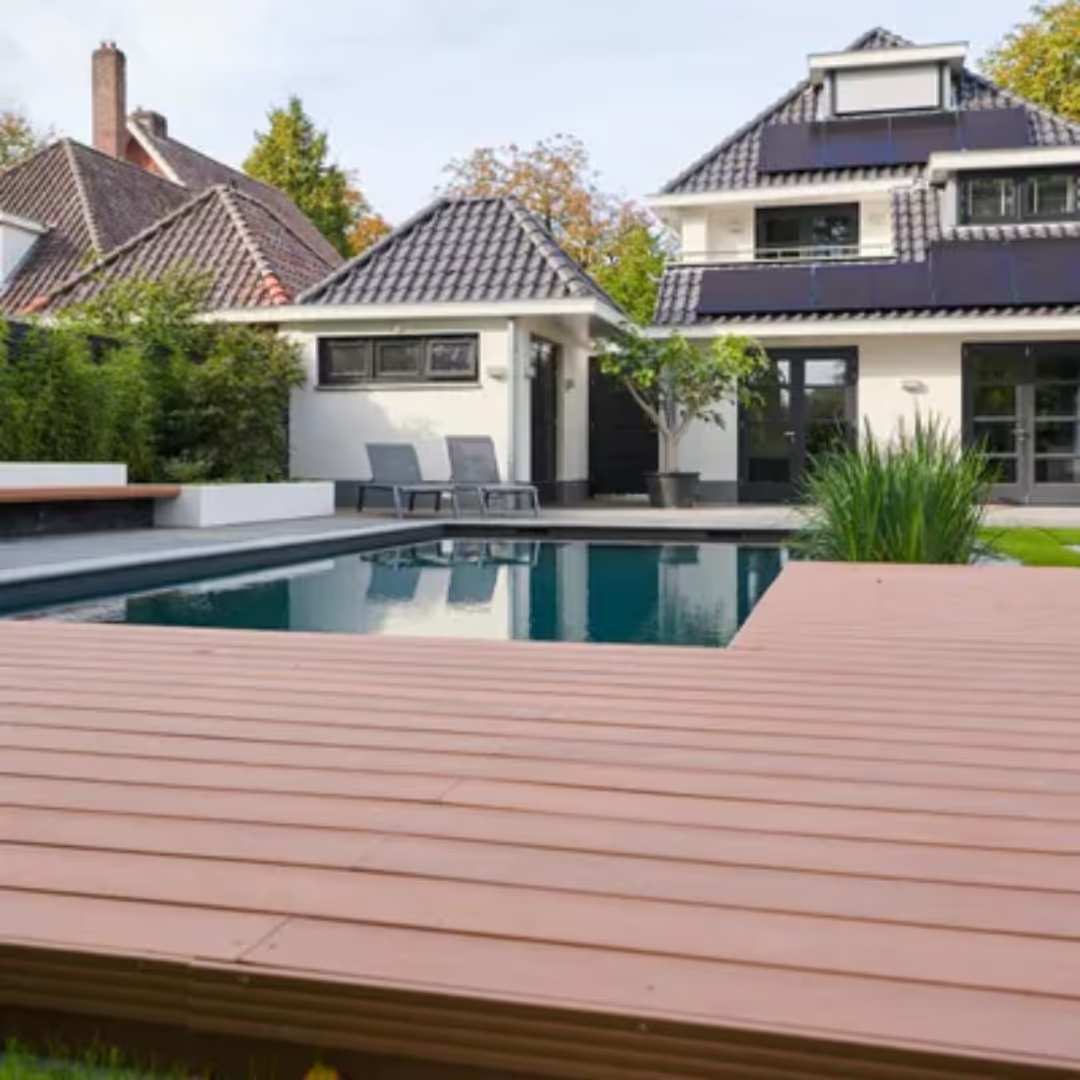 UPM ProFi UPM ProFi Piazza One decking, Royal Elm Scierie Beal Cambered decking board
 Océwood Optima Eko Composite Decking Board 3000 mm
  Océwood Optima Plus Composite Decking Board 3000 mm
 39 of 39 products
A well-designed timber deck is an ideal place to spend your free time. Matched to the style of the house, it is a comfortable extension of the home where you can enjoy many pleasant hours. A deck can be kept simple or fully equipped, and can become one of the most important areas of the home. That is why it pays to think carefully about what your ideal deck should look like.
It can include seating, plants, privacy screens, an outdoor kitchen, railings, storage and even a swimming pool.
A timber deck lets you create a unique outdoor space with a natural look and a warm atmosphere.
If you like the look of wood, you can choose between natural solid wood and wood-plastic composite. The choice comes down to personal preference and maintenance, which is the main difference between them.
Wood is more pleasant underfoot than tiles or concrete, and your garden will remain beautiful and natural. Timber also lets you fully customise your outdoor space and combine a wide variety of elements in different styles. Building a pool area with cabanas, storage or shade structures in the same material gives the design a consistent look.
If you like classic French design, for example, this type of deck will certainly appeal, but it suits any style, whether rustic, classic or modern. Any home can benefit from a timber deck. A home is only truly complete when the house and outdoor spaces are in harmony and include everything that matters to you.
For decking, wood is a warm, eco-friendly, durable material that is easy to work with. However, not every species is suitable for decking. Exposure to sun or moisture, for example, will influence the choice of species. Consider your budget, the species you want, its appearance and properties, as well as its use class. Here are the main species used for decking:
Softwoods such as Douglas fir, pressure-treated pine and larch come from France and the rest of Europe, while western red cedar comes from North America. Apart from red cedar, they are among the least expensive species. To keep their durability and appearance, these softwoods need regular maintenance.
Pressure-treated pine is the best-selling and most affordable softwood. The old greenish tint has now largely been replaced by a characteristic brown treatment colour. It has a service life of around 10 to 15 years.
Douglas fir, also known as Oregon pine, is highly resistant to fungi and insects and has a service life of around 15 years. A brown or grey penetrating finish enhances its natural appearance and texture.
Naturally durable red cedar weathers to grey over time and has a service life of around 15 years. It is the most expensive of the softwoods.
These are the species best suited to decking. The most expensive are padauk, ipe, garapa, cumaru, tali and teak, imported from Central Africa, South America and Asia.
Dense, naturally rot-resistant and weather-resistant, these species are a popular choice for decking because of their natural durability.
Ipe, a tropical hardwood from South America, is mainly used for decking. It has an attractive grain and a dark reddish-brown colour. Its price has risen considerably in recent years.
Because of its protected status, teak, native to Asia, has become extremely difficult to source, and its price has soared as a result.
Padauk is a red, attractively figured hardwood from Central Africa. Its density prevents it from splitting, and no other tropical hardwood lasts as long. Despite its high cost, it will last for generations.
Cumaru, from South America, is highly resistant to staining but prone to movement and can warp if it is not dried properly. Always ask your supplier how it was dried after sawing.
Thanks to their high density, tropical hardwoods resist weathering and staining better than softwoods. Buying them means investing in a premium, high-quality material, which makes them an ideal choice for timber decking.
Once thermally modified by high-temperature treatment, species such as ash or poplar can be used for decking.
During treatment, the wood is heated in a kiln to over 200°C to harden it, making the deck less susceptible to fungi, mould and insects. Thermally modified wood has a service life of around 20 years and costs about the same as tropical hardwood.
Composite decking has only been in use for around fifteen years. Wood-plastic composites are hybrid materials that are very different from natural wood. They are made from plastic and wood fibres, or sometimes hemp or bamboo fibres, and coloured throughout with pigments. They can replace tropical hardwoods, which have suffered from large-scale deforestation.
Hidden fasteners allow the boards to be installed without visible fixings: composite boards are fixed with clips rather than screws as with natural wood. Although fairly durable, composite still needs maintenance, such as a water-repellent treatment.
Whatever the material, softwood, tropical hardwood, thermally modified wood or composite, a deck needs protection.
There are two main types of protective product: film-forming finishes (stains, varnishes) and penetrating finishes for decking. A film-forming finish tends to peel over time, which makes maintenance difficult. Penetrating finishes, by contrast, are easy to maintain because they can be reapplied directly to the wood, which they penetrate and nourish.