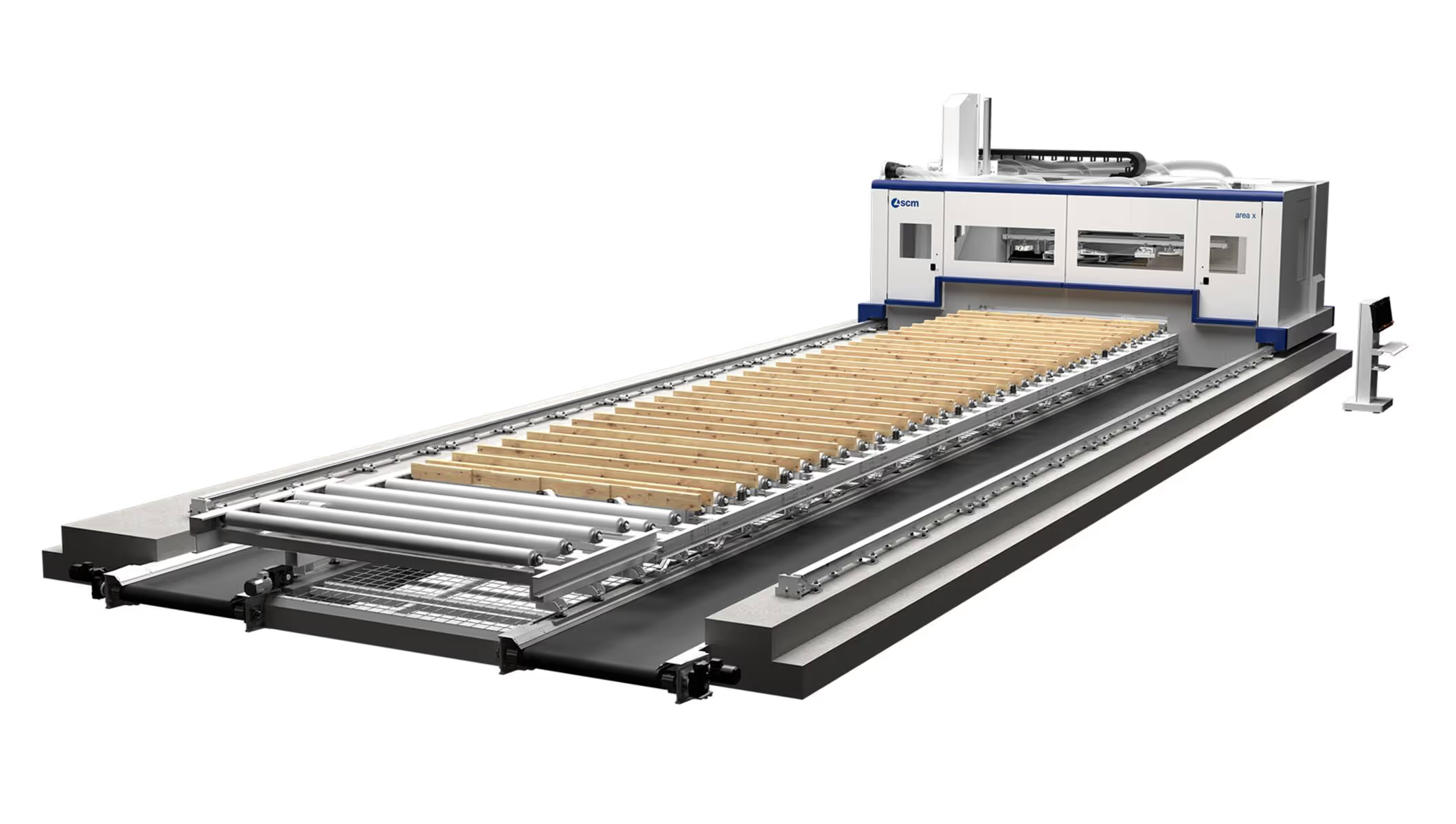
 SCM Group SCM Area X CLT machining centre
Discover our selection of x listings in Machining machines (timber framing & CLT). Compare the professional equipment available according to the elements to be machined, the dimensions of the parts and the needs of your production.
SCM Group SCM Area X CLT machining centre 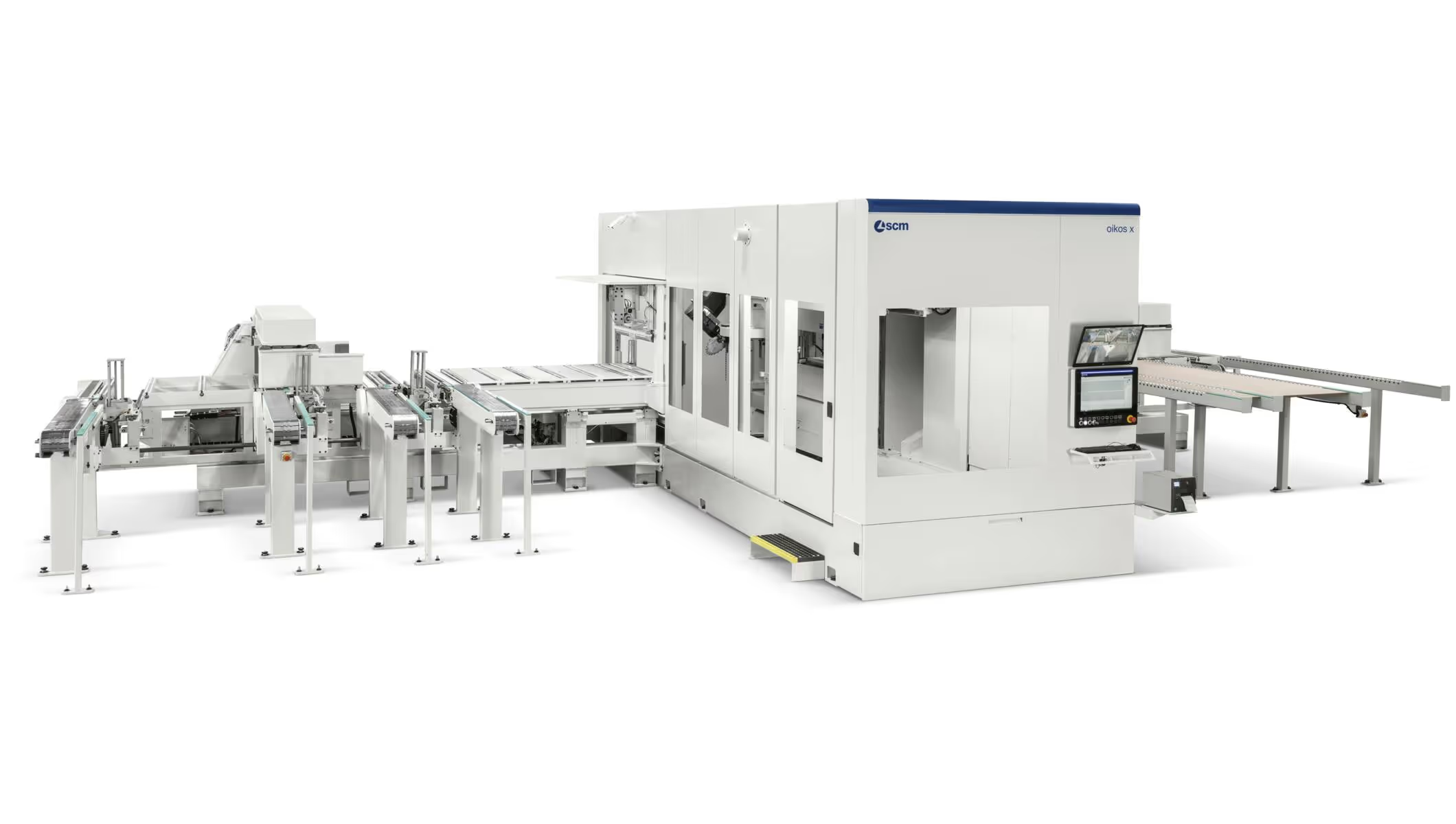 SCM Group Timber-framing machining centre SCM Oikos X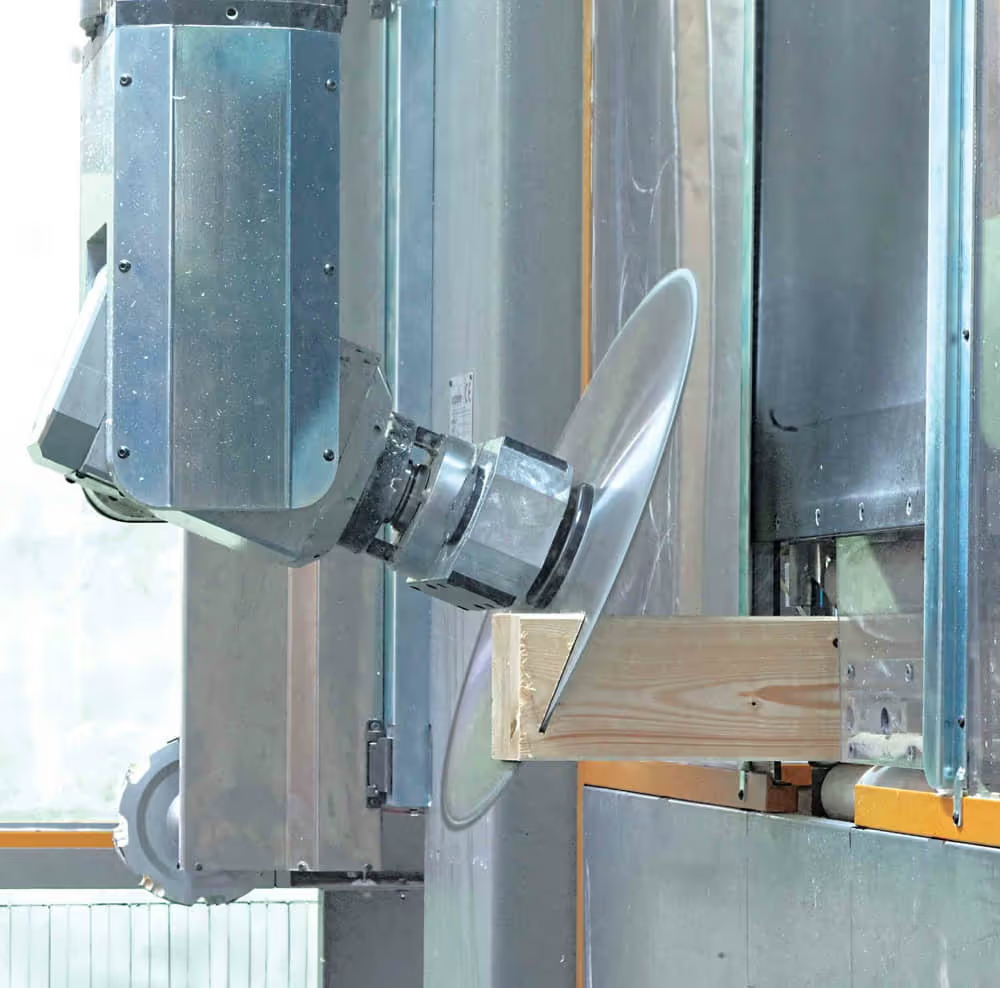
 Essetre Essetre Techno Progress timber frame processing centre
 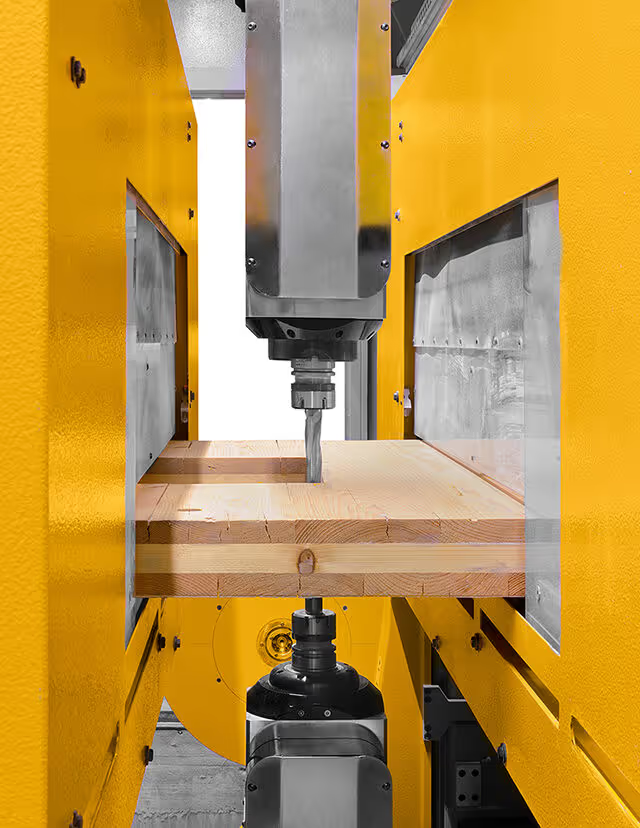 Essetre Essetre Techno PF 1250 EVO CLT and panel processing centre
 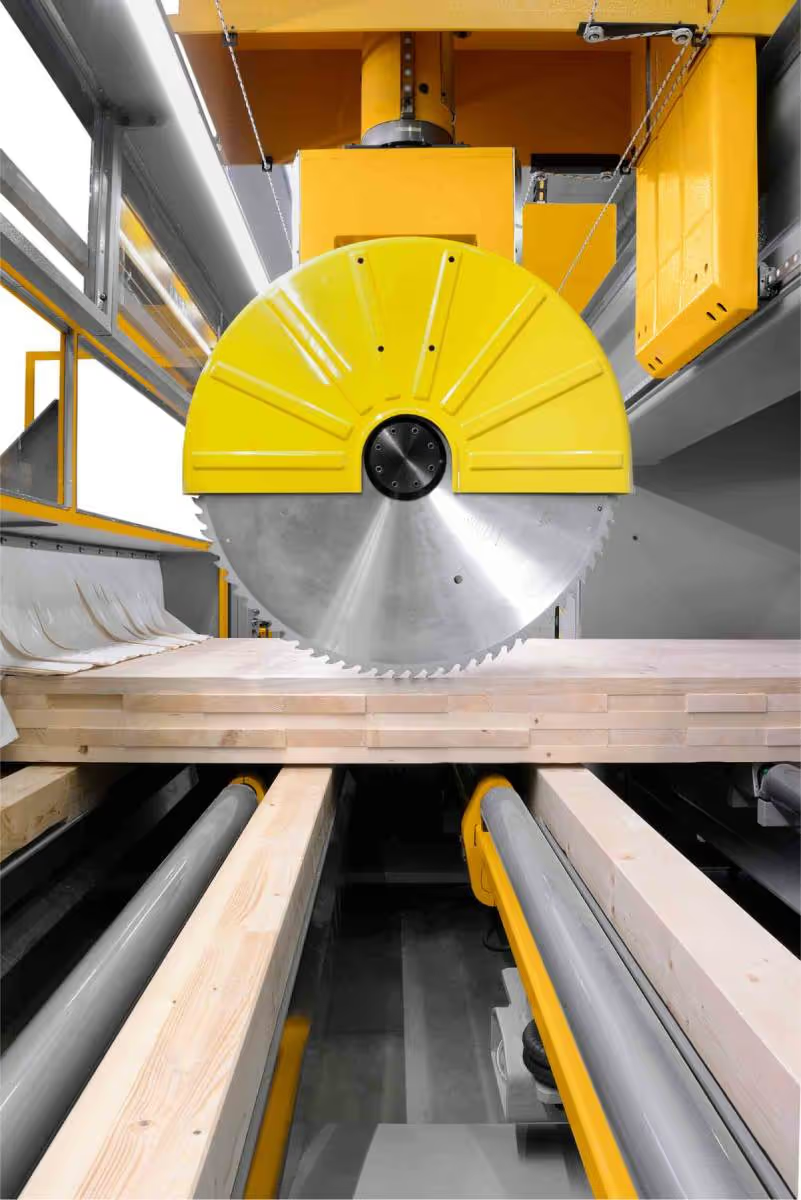 Essetre Essetre Techno Multiwall CLT and panel processing centre
 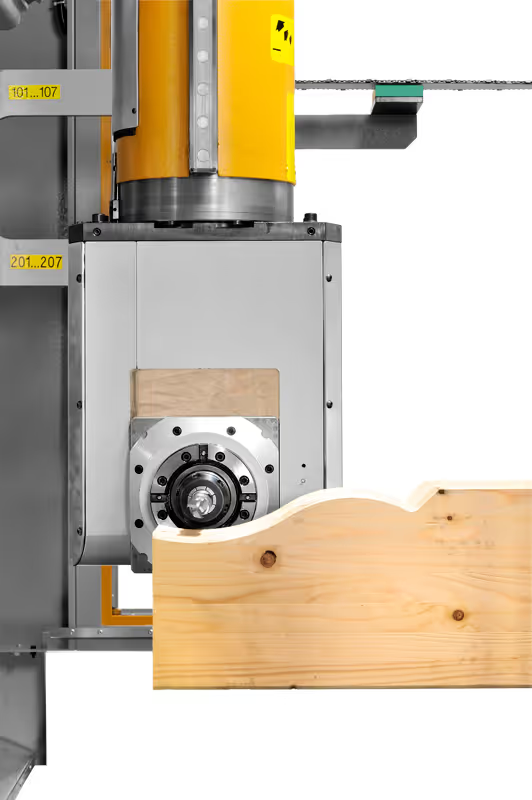 Essetre Essetre Techno One timber frame processing centre
 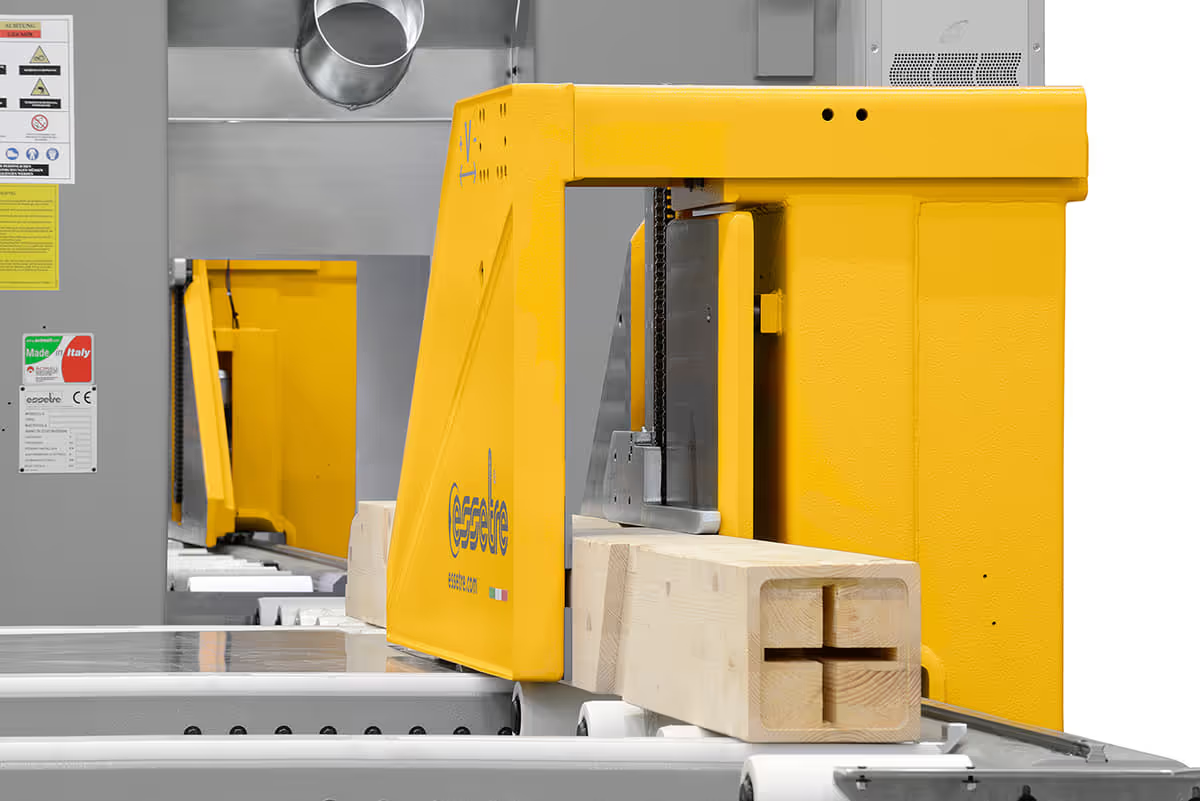 Essetre Essetre Techno Fast timber frame processing centre
 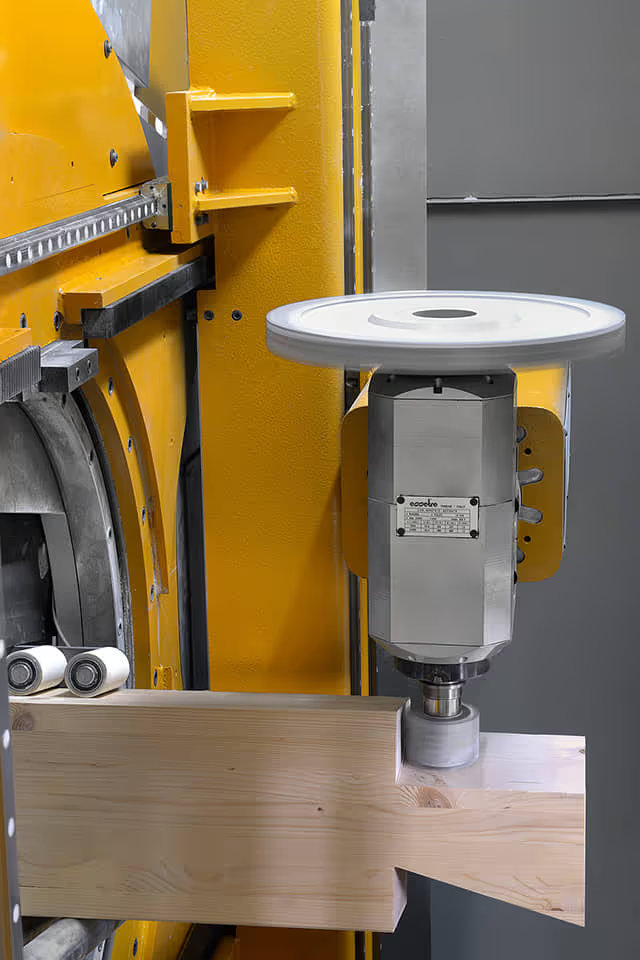 Essetre Essetre Techno Turn EVO beam processing machine
 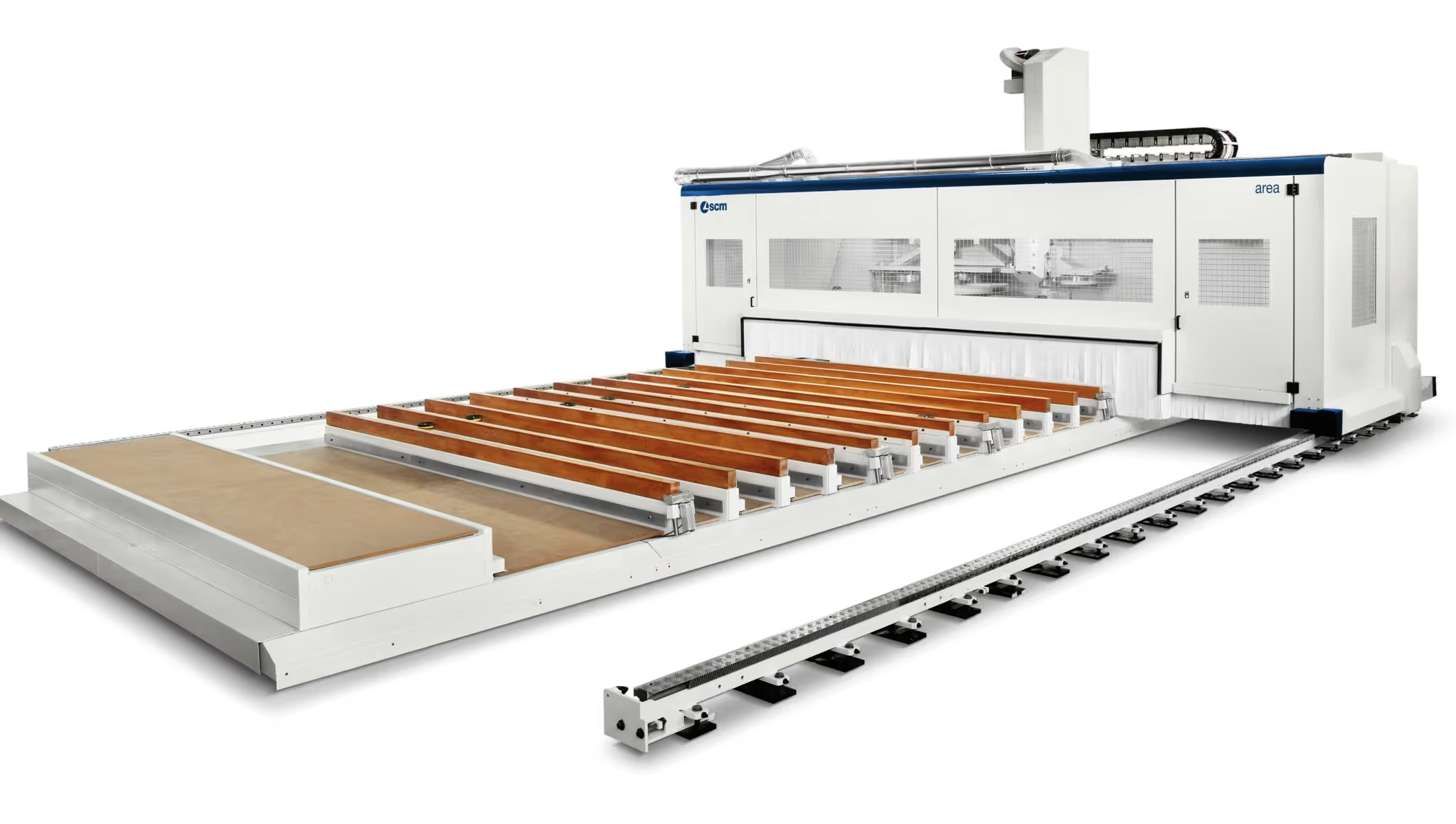 SCM Group SCM Area CLT machining centre
 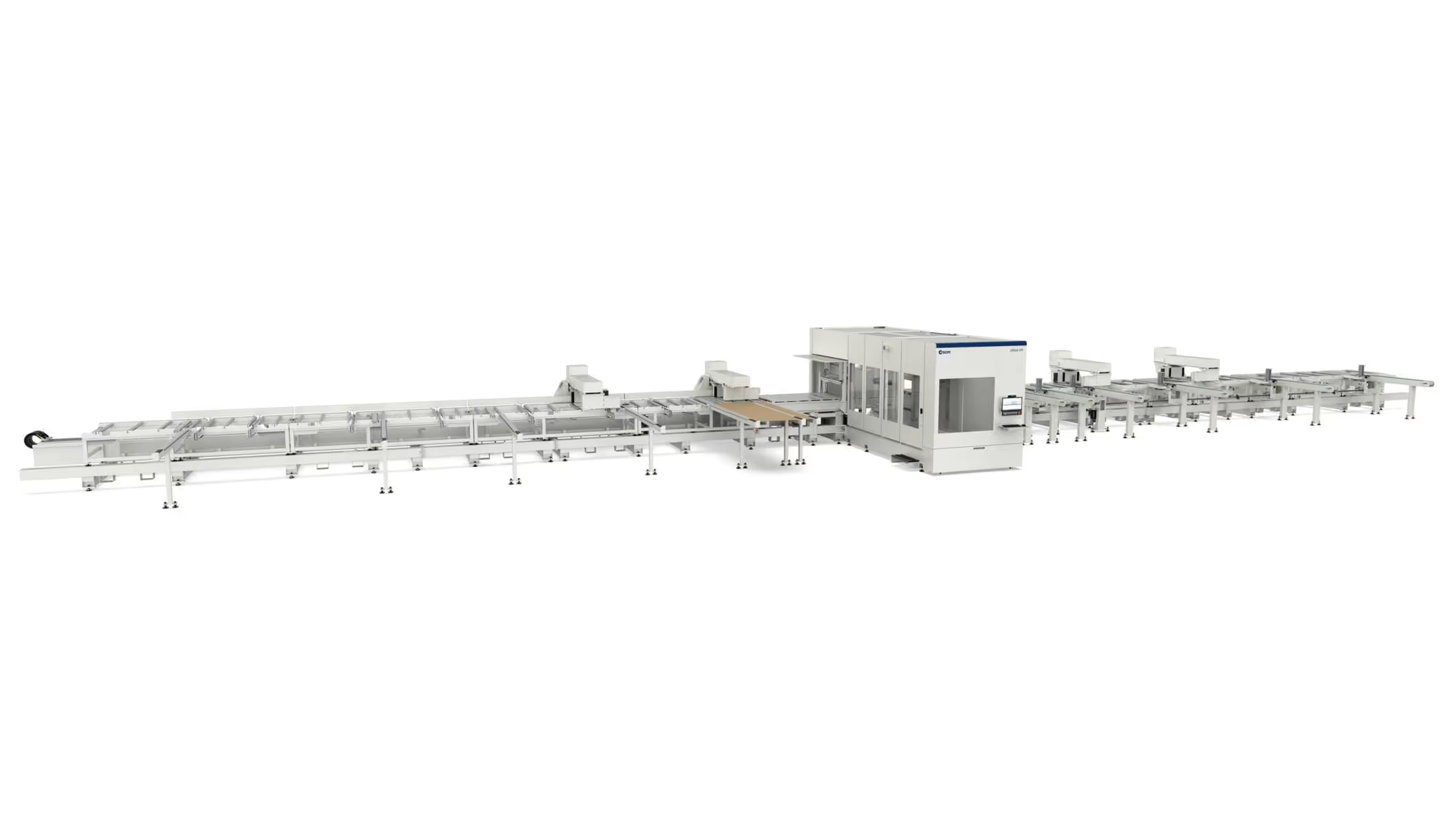 SCM Group Beam processing machine SCM Oikos X4
 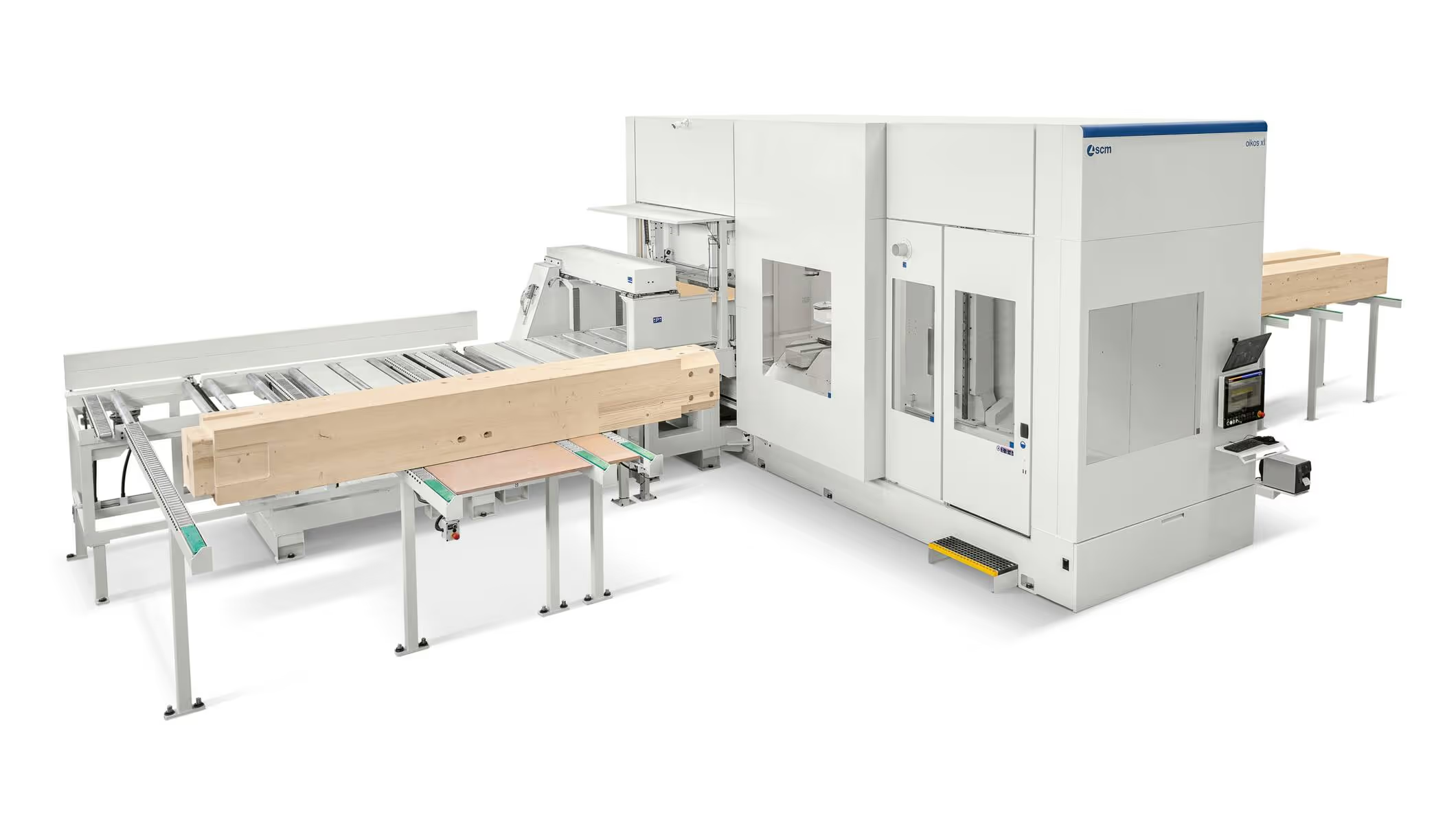 SCM Group SCM Oikos XL timber frame machining centre
 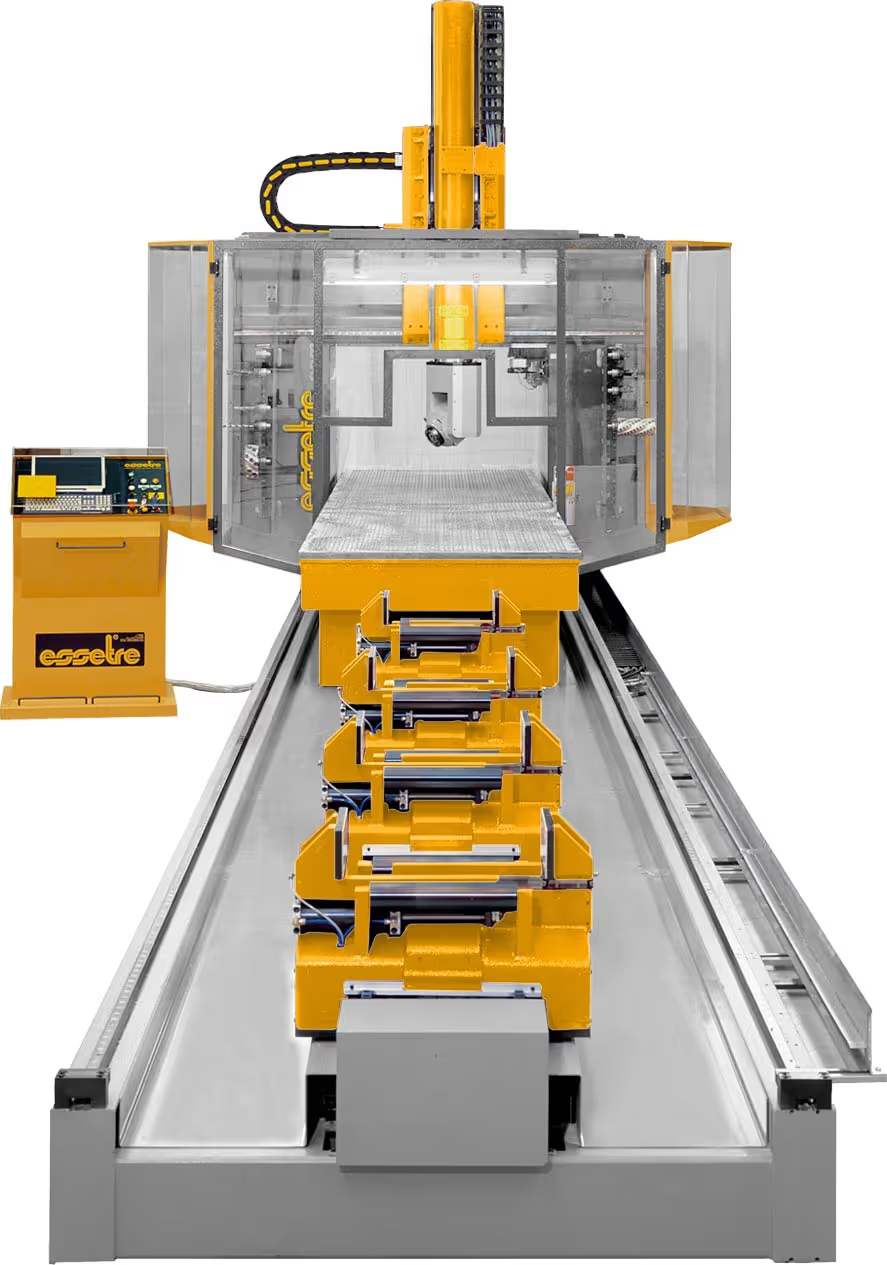 Essetre Essetre Techno PM timber framing machining centre
 Epur EPUR OAKBOT CNC Timber Framing Robot
 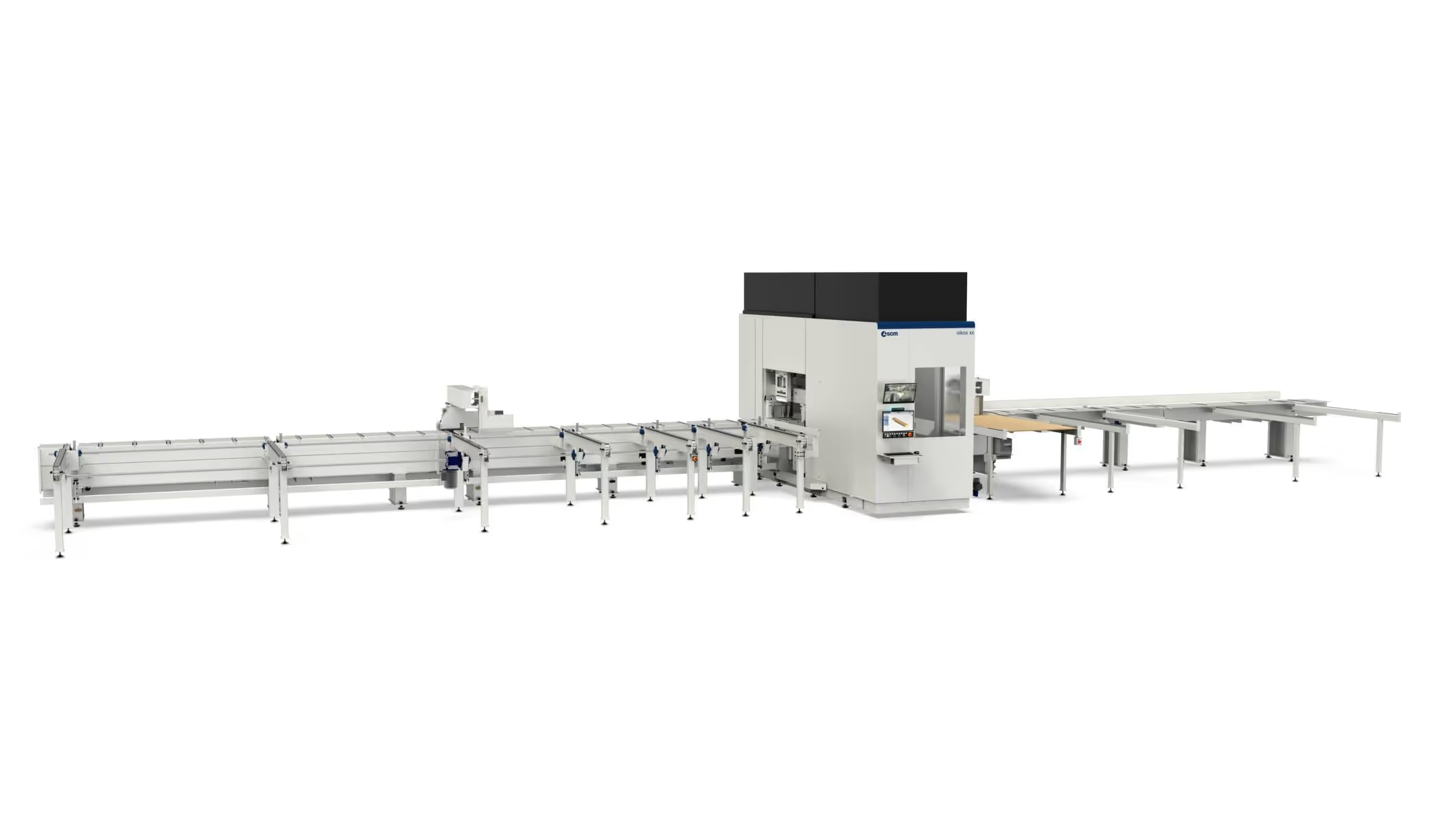 SCM Group Timber-framing machining centre SCM Oikos XS
 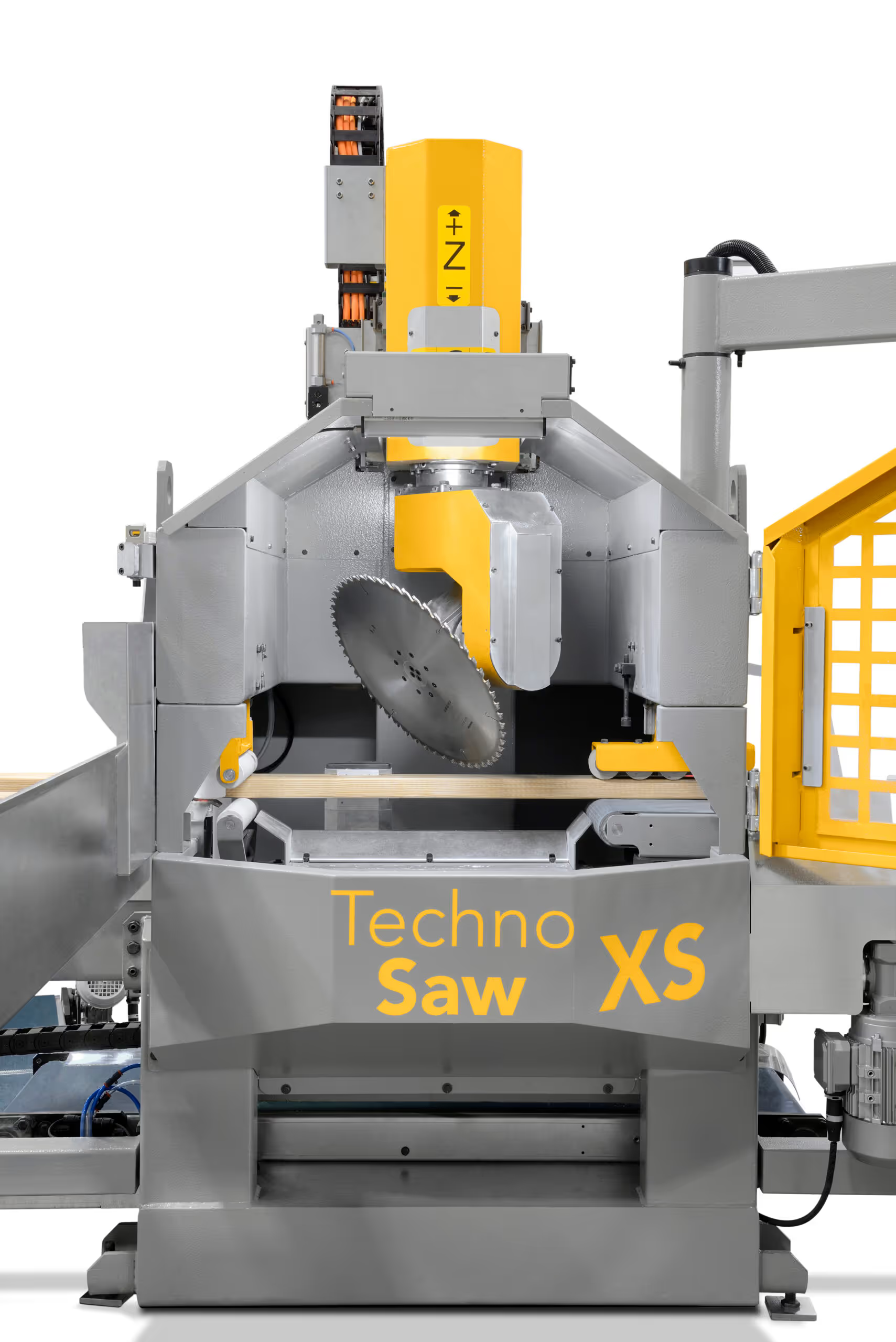 Essetre Essetre Techno Saw XS CLT and panel processing centre
 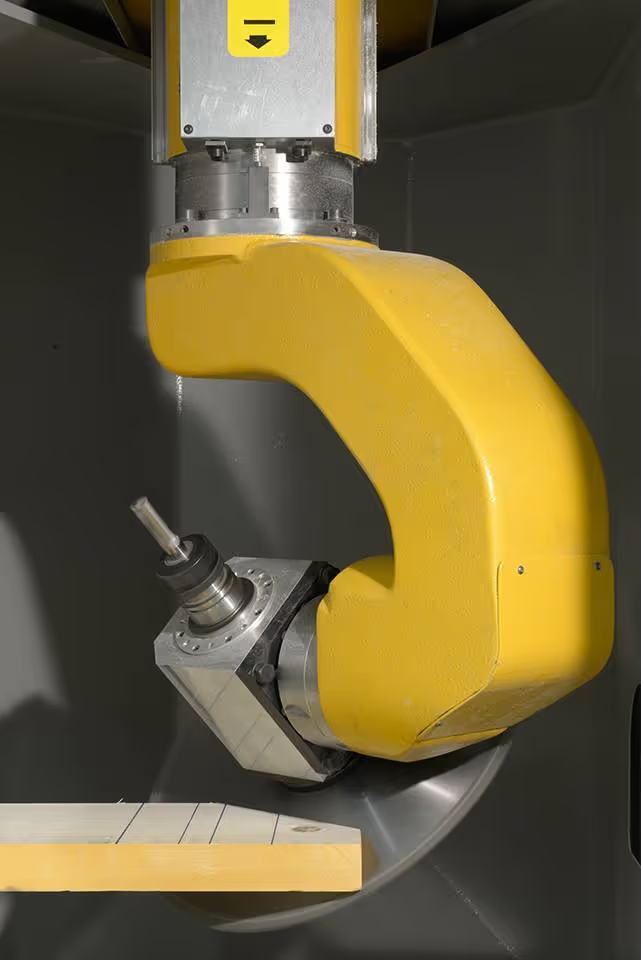 Essetre Essetre Techno Saw timber framing machining centre
 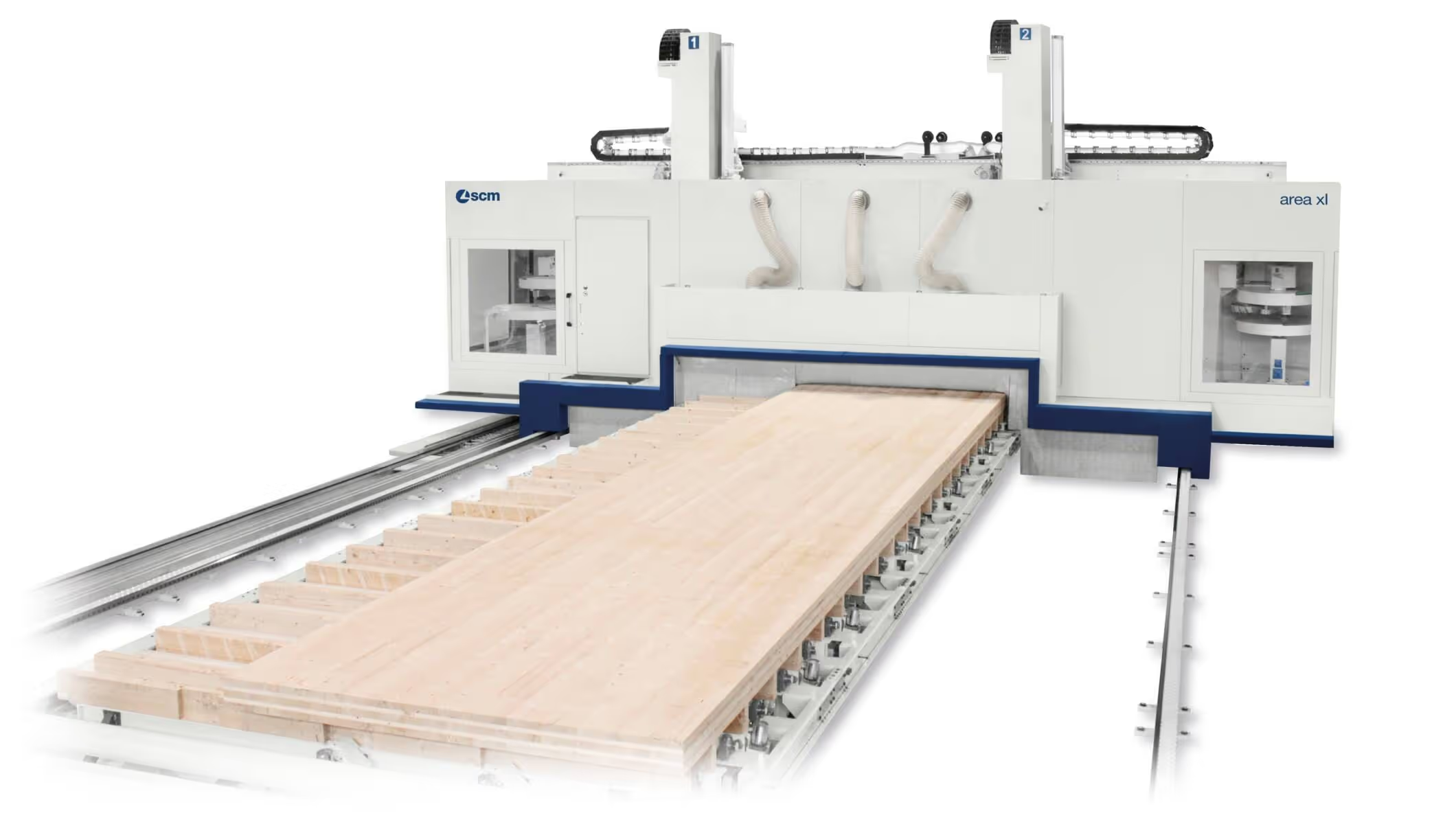 SCM Group CLT processing centre SCM Area XL
 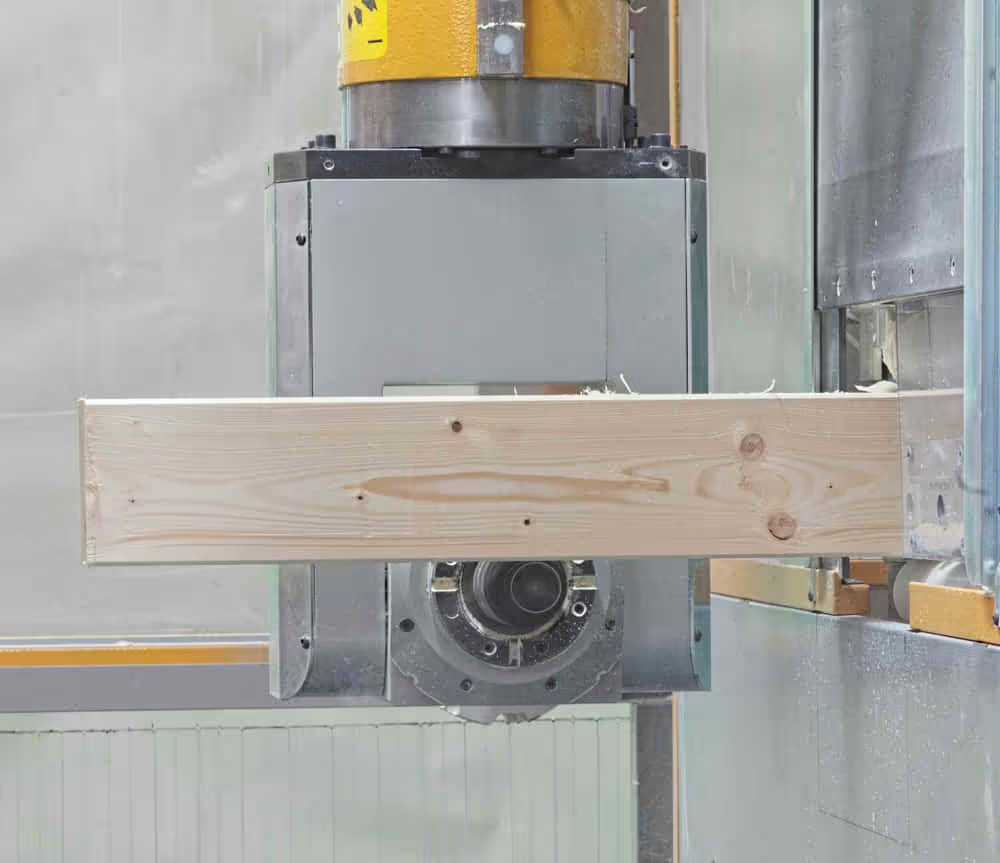 Essetre Essetre Techno PF 2T timber frame processing centre
 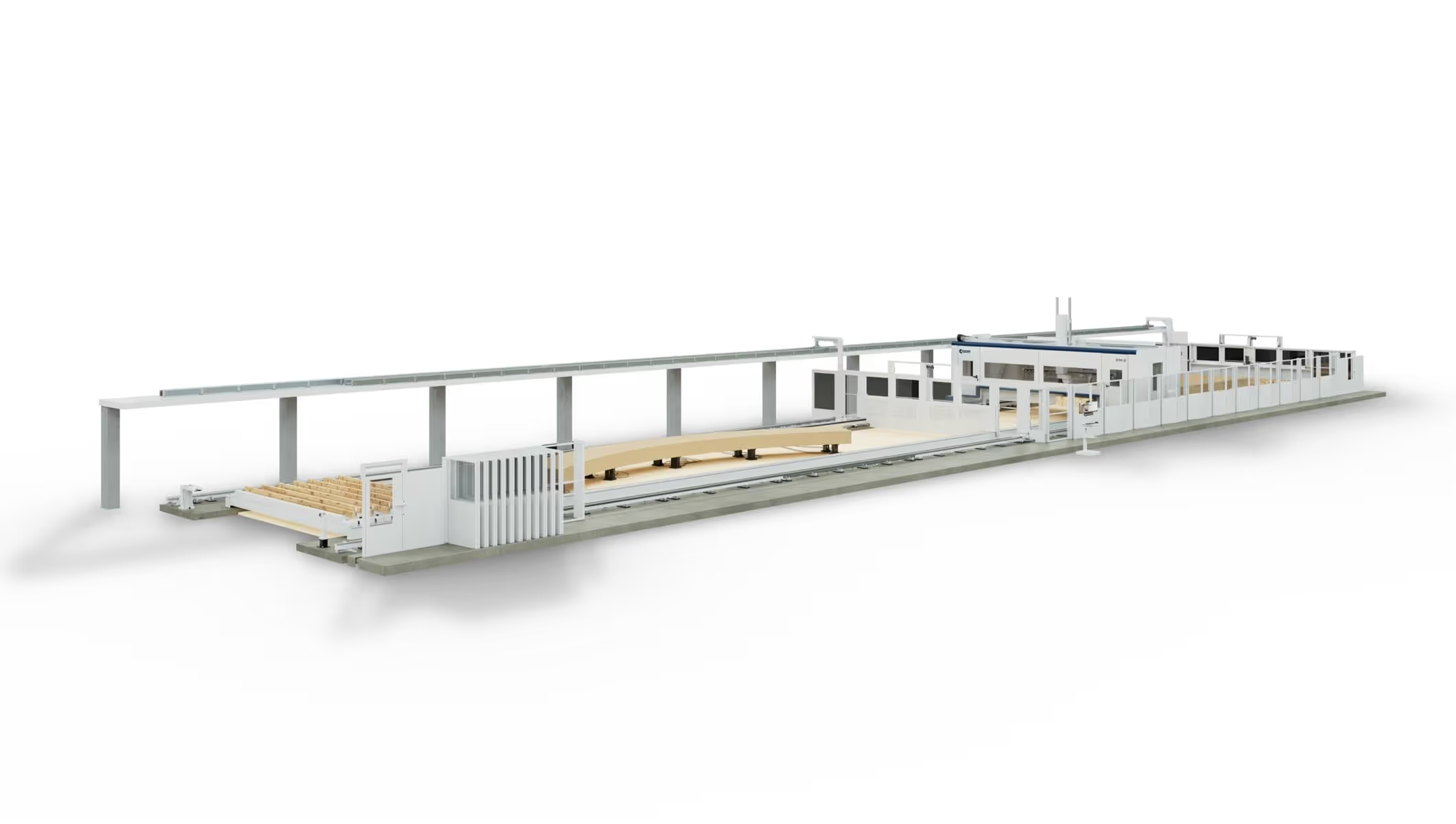 SCM Group SCM Area GL glulam beam processing machine
 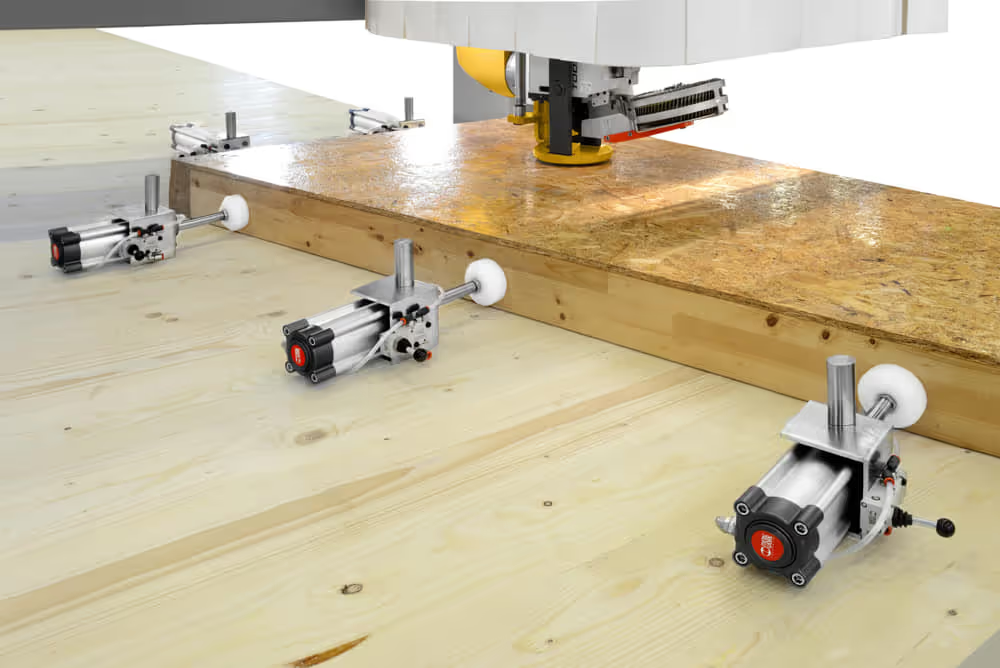 Essetre Essetre Techno Multiwall XS CLT and panel processing centre
 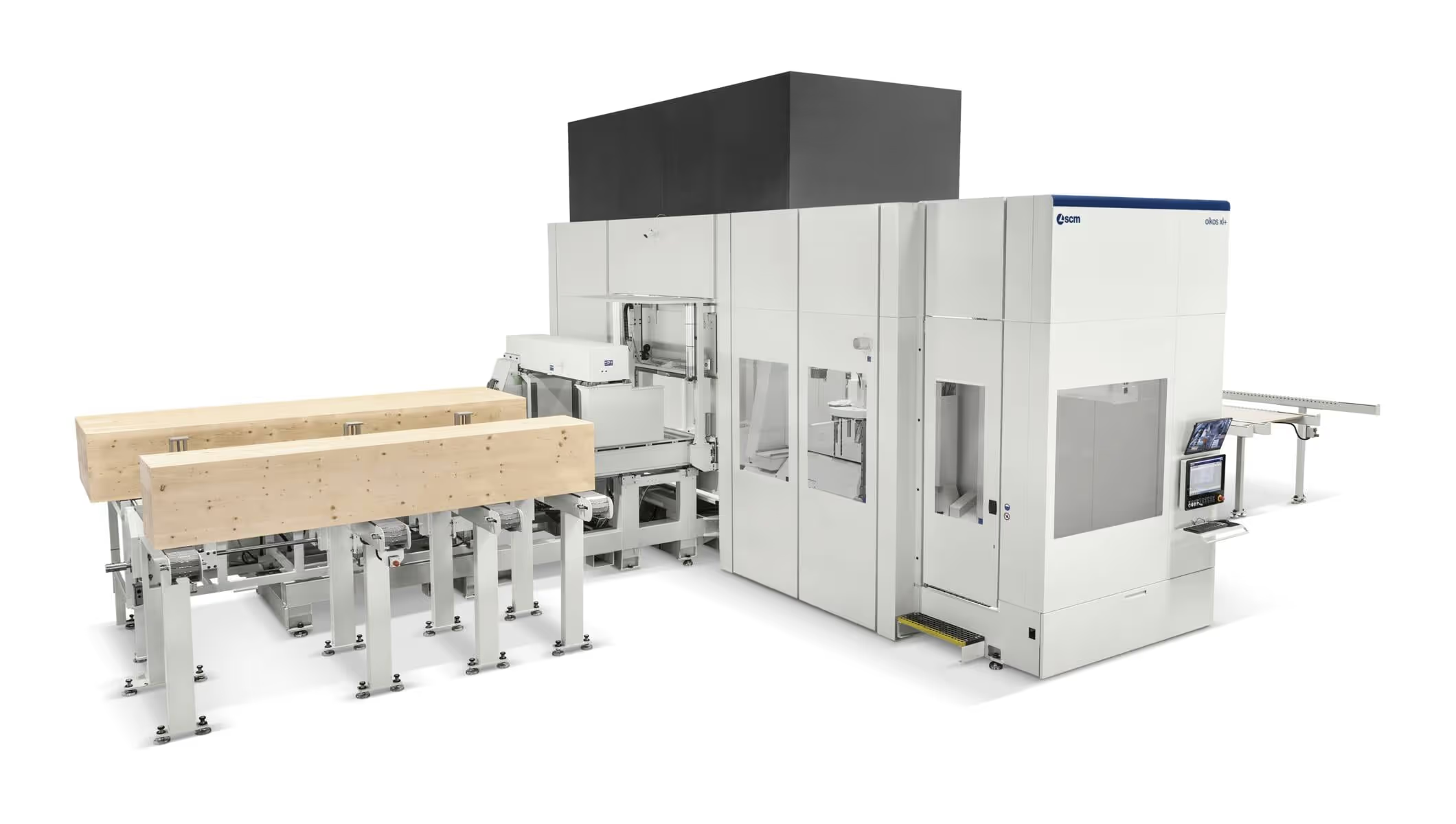 SCM Group SCM Oikos XL Plus timber frame machining centre
 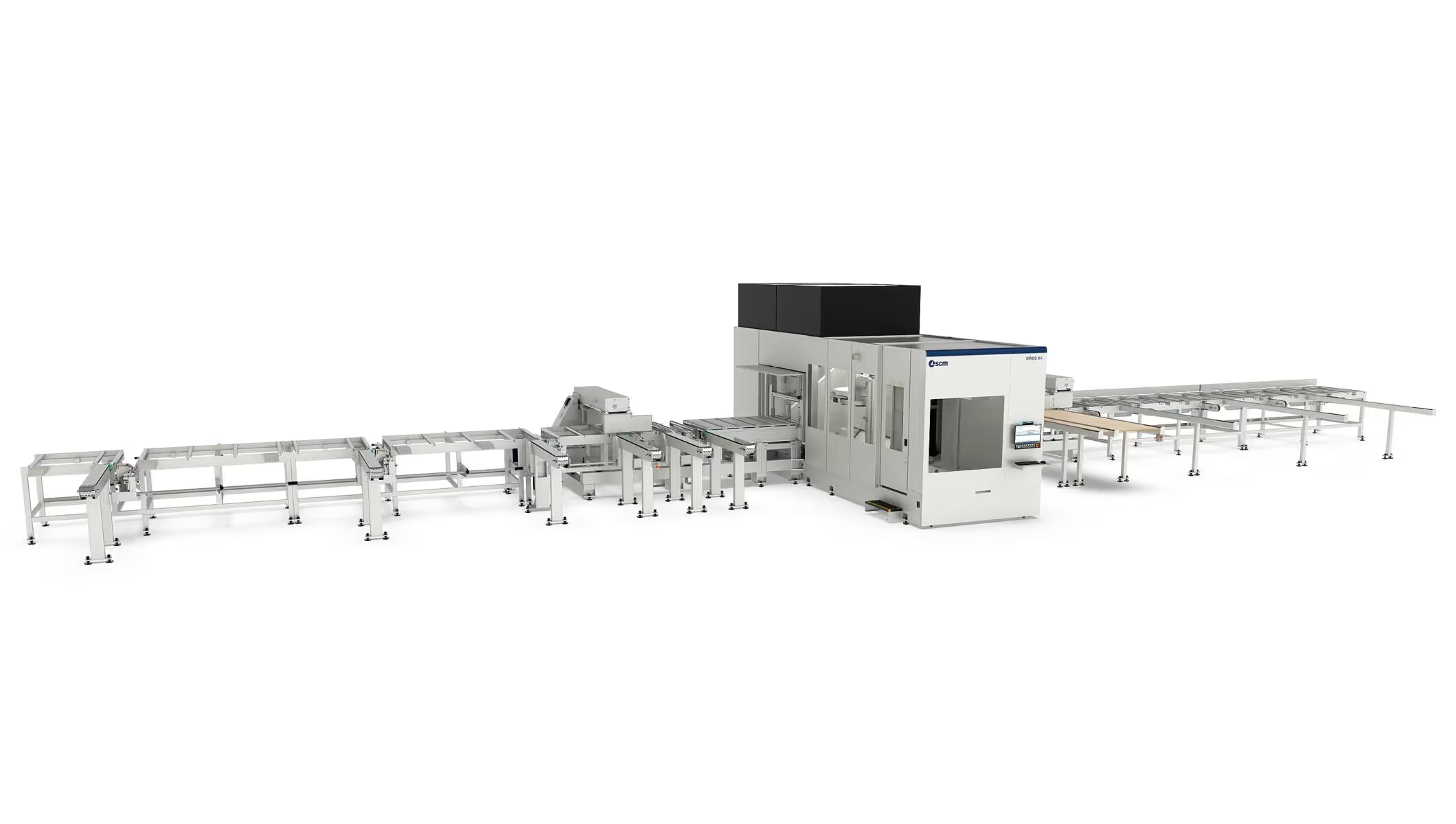 SCM Group SCM Oikos X+ timber-frame machining centre
  Epur EPUR OAKMOBILE Portable CNC Timber Framing Machine
  Epur EPUR OAKSTATION Stationary CNC Timber Framing Machine
 24 of 24 products
The choice mainly depends on the type of element to be machined, its dimensions, the operations to be carried out, the throughput, and the desired level of automation.
WoodPartners lists several families of equipment, notably timber framing machining centers, CLT and panel machining centers, beam machining machines and machining robots.
Depending on their configuration, these machines can perform sawing, milling, drilling, or joinery machining operations. Some are designed to process beams and timber framing parts in solid wood or glulam, while others meet the needs for machining large-dimension CLT panels.
Also find all the secondary processing machines listed on WoodPartners to complete or upgrade your installation.
These machines are mainly used in timber framing companies, timber construction workshops, prefabrication units, and industrial sites specializing in processing structural elements.
Timber framing machining centers are used to prepare the parts required to manufacture wooden structures. CLT machining centers are used to machine panels intended in particular for walls and floors.
Beam machining machines meet the needs for processing solid-wood or glulam elements.
The maximum machinable cross-section, the working length, the number of axes, and the available operations are the main criteria to compare.
You should also take into account the dimensions of the parts, the expected throughput, the available space, and how the machine integrates into the manufacturing process. The choice between a stand-alone machine and a center integrated into a production line depends in particular on the volumes to be processed, the desired level of automation, and the organization of the site.
For other CNC machining needs, see the CNC machines. You can also discover the stationary saws for workshop cutting operations.
Start by comparing machines according to the elements you need to machine, whether they are timber framing parts, beams, or CLT panels. The maximum dimensions, the number of axes, and machining capabilities then help distinguish the equipment that matches your production.
For a new installation project or the modernization of an existing line, the manufacturers listed on WoodPartners can specify the available configurations and the possibilities for integration into your manufacturing process.
Your privacy
We use trackers to measure site audience and improve your experience. You can decline without changing anything about your browsing. See our privacy policy